
Used Hino Refrigerated Trucks For Sale in Florida
Browse used Hino refrigerated trucks for sale in Florida, including under-CDL reefer box trucks with Thermo King or Carrier units.
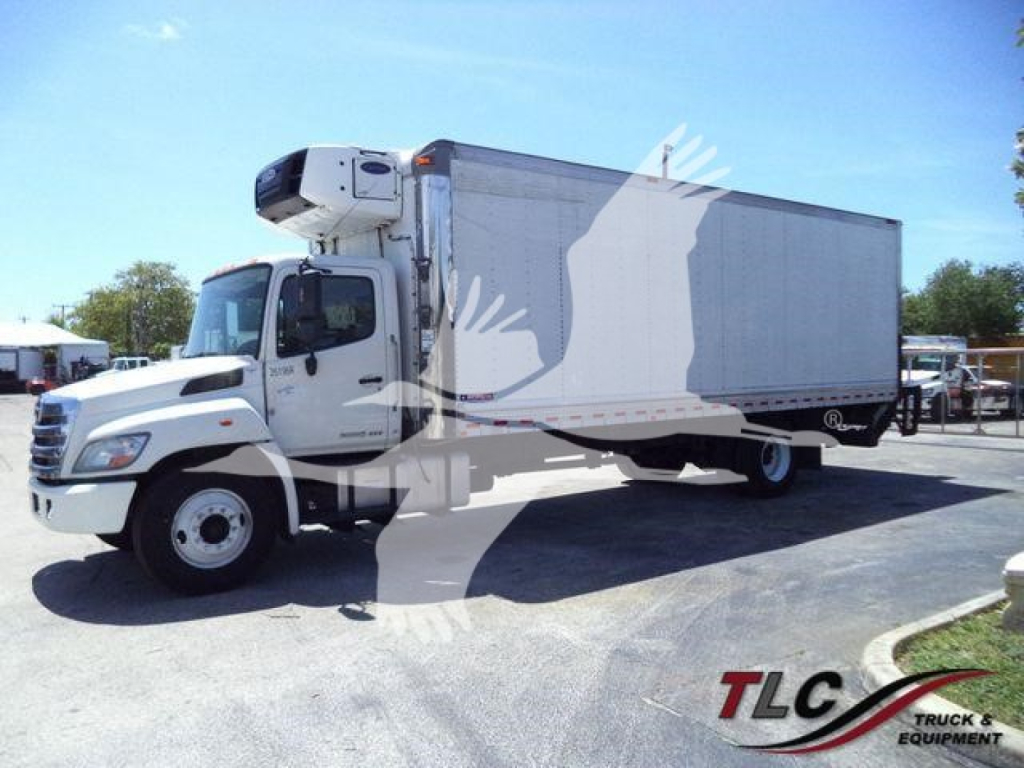
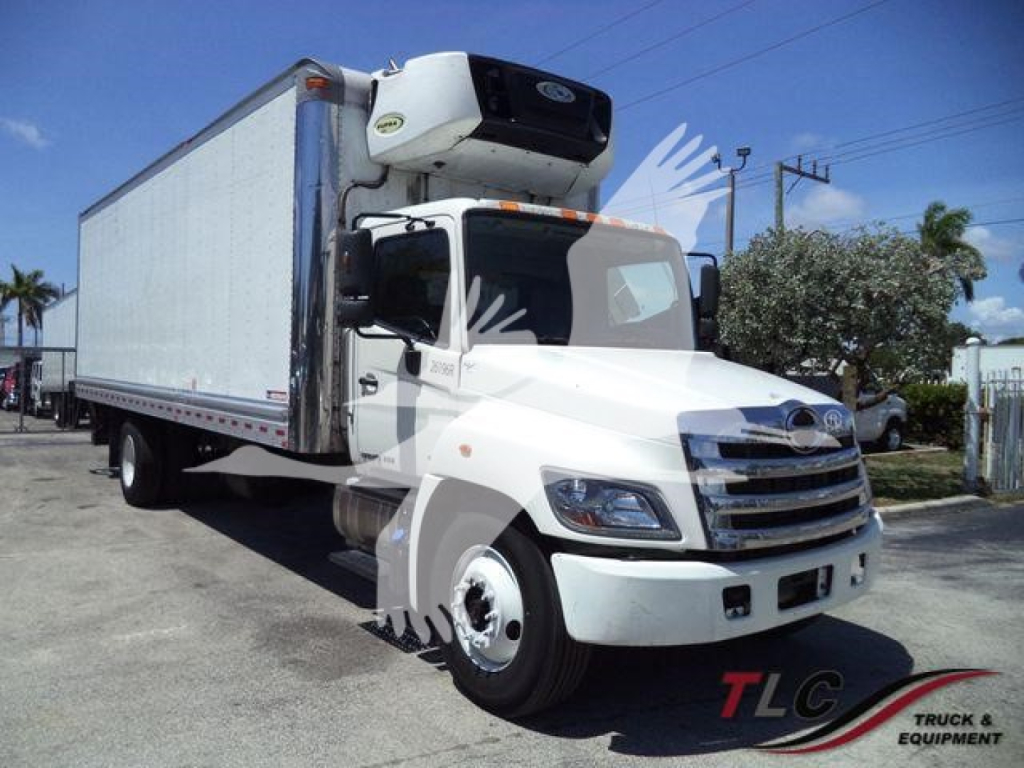
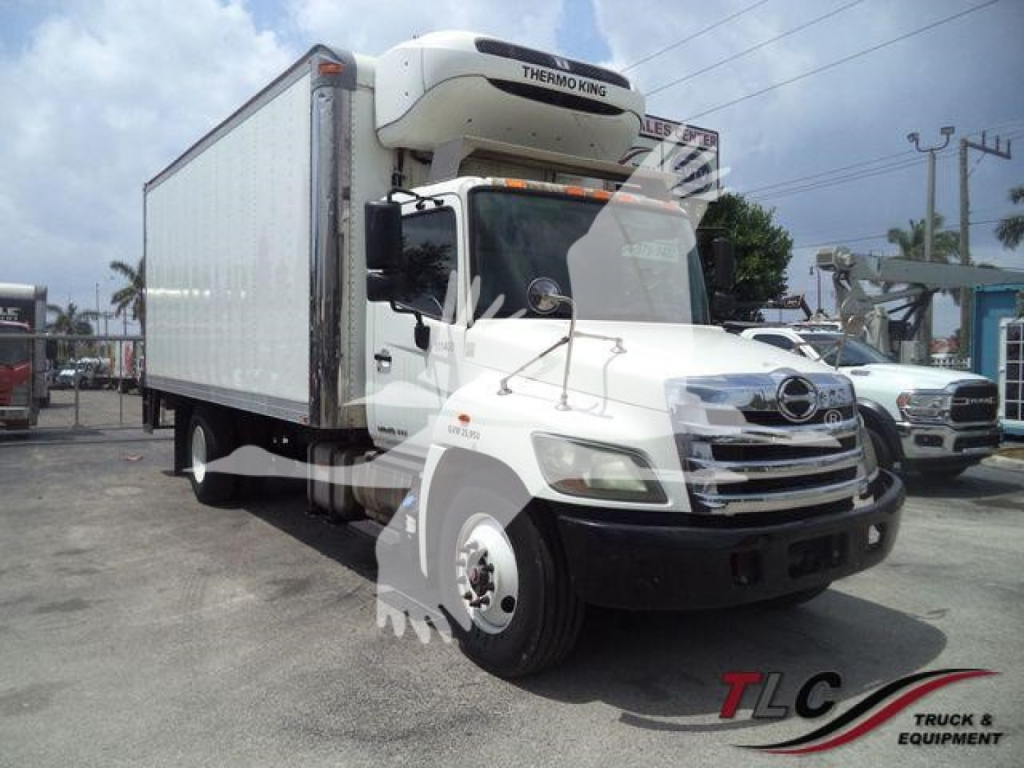
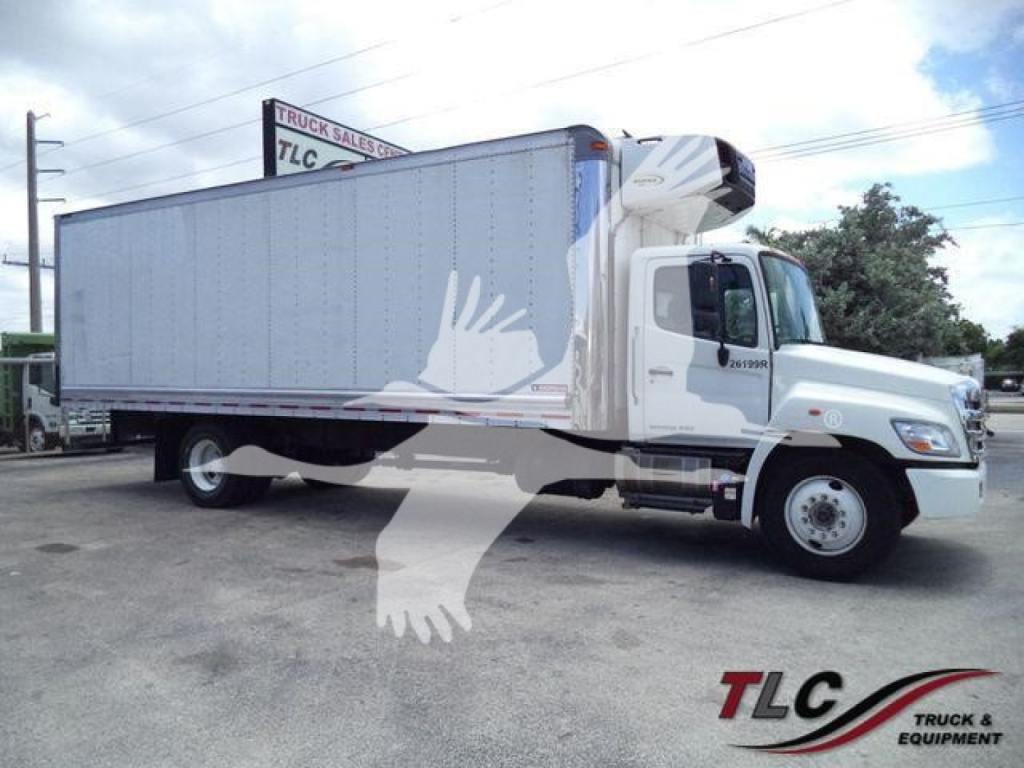
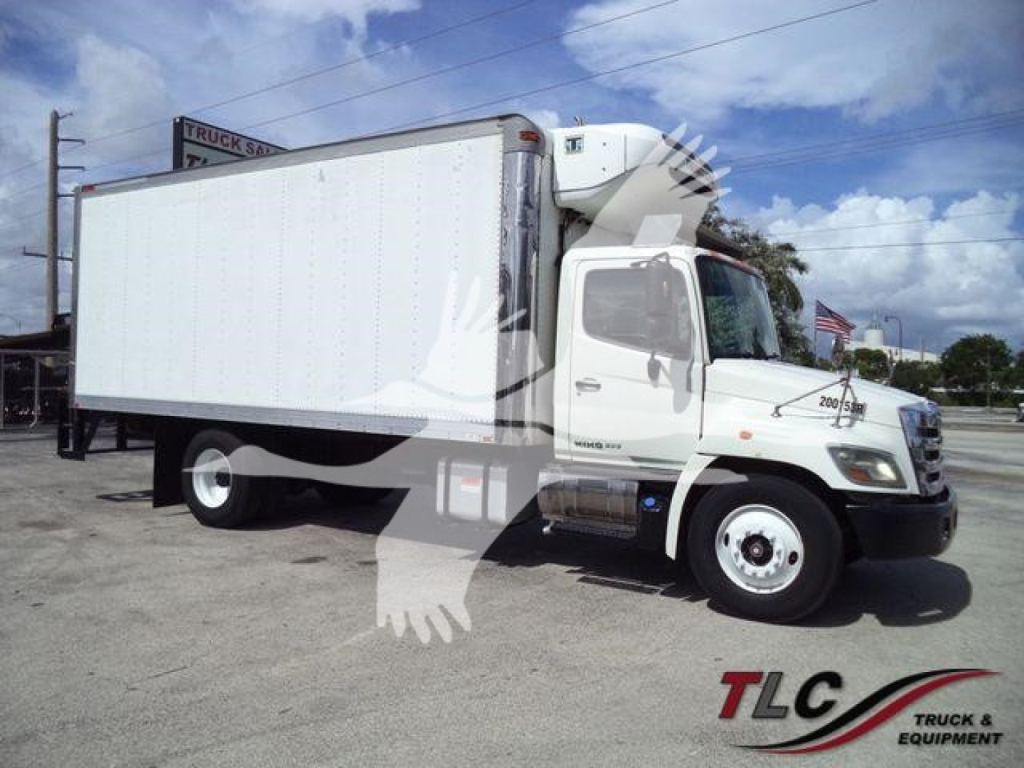
Selling a used hino refrigerated truck? List your used hino refrigerated truck for sale and reach thousands of commercial buyers.
Used Hino Refrigerated Trucks in Florida
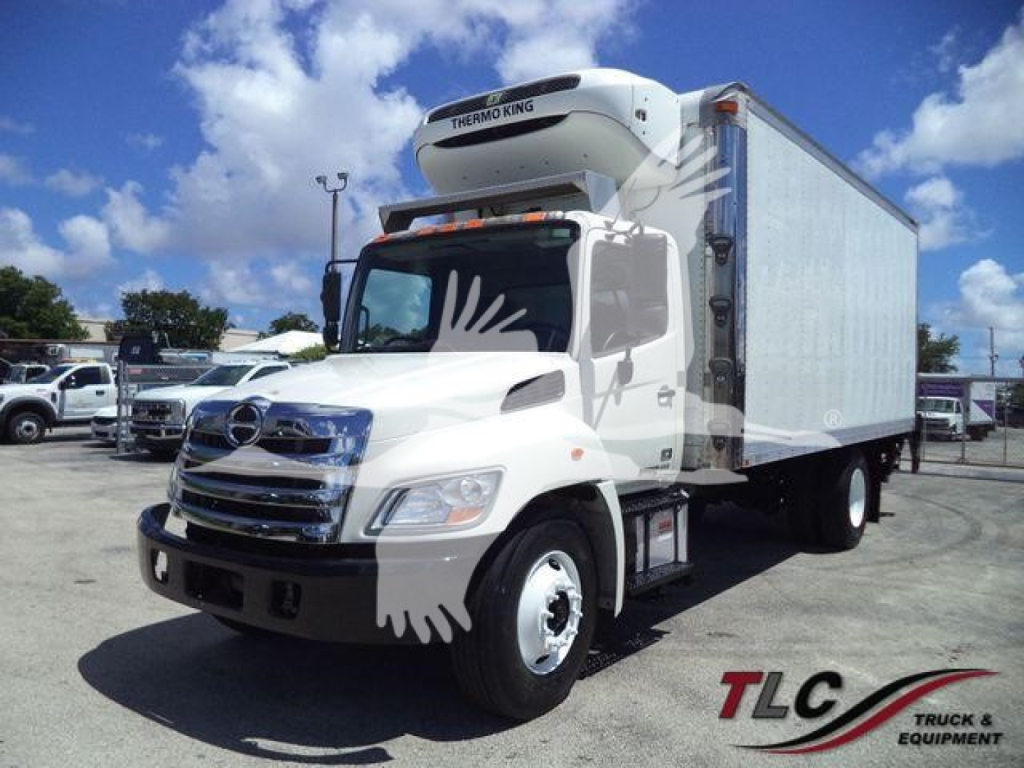
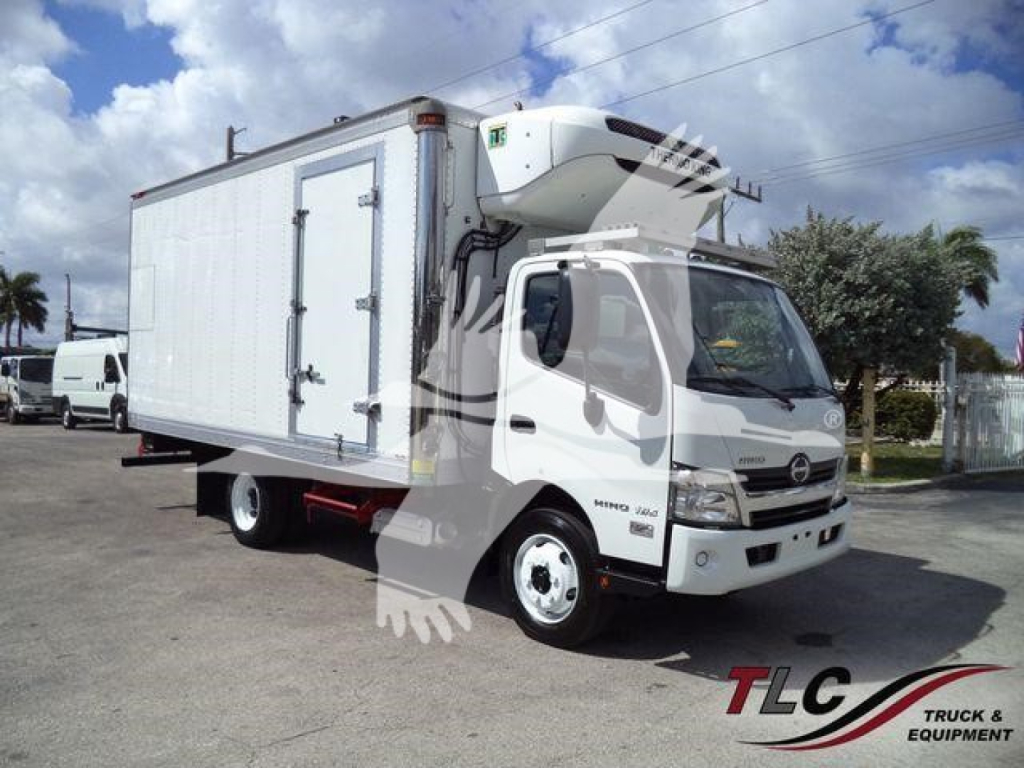
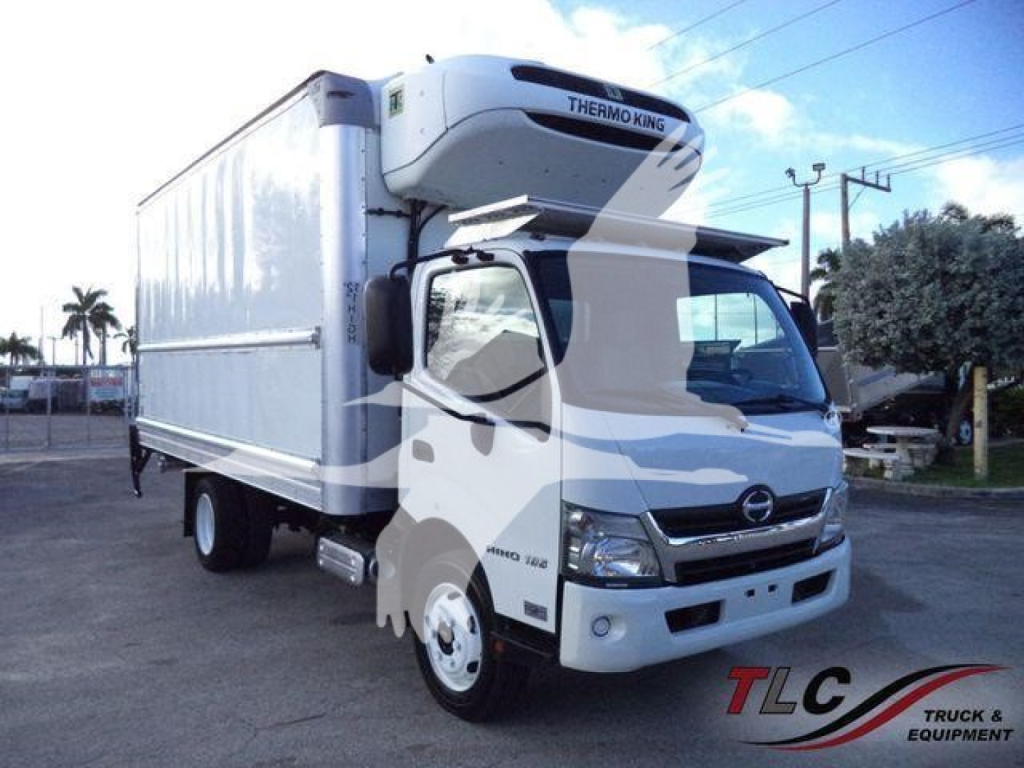
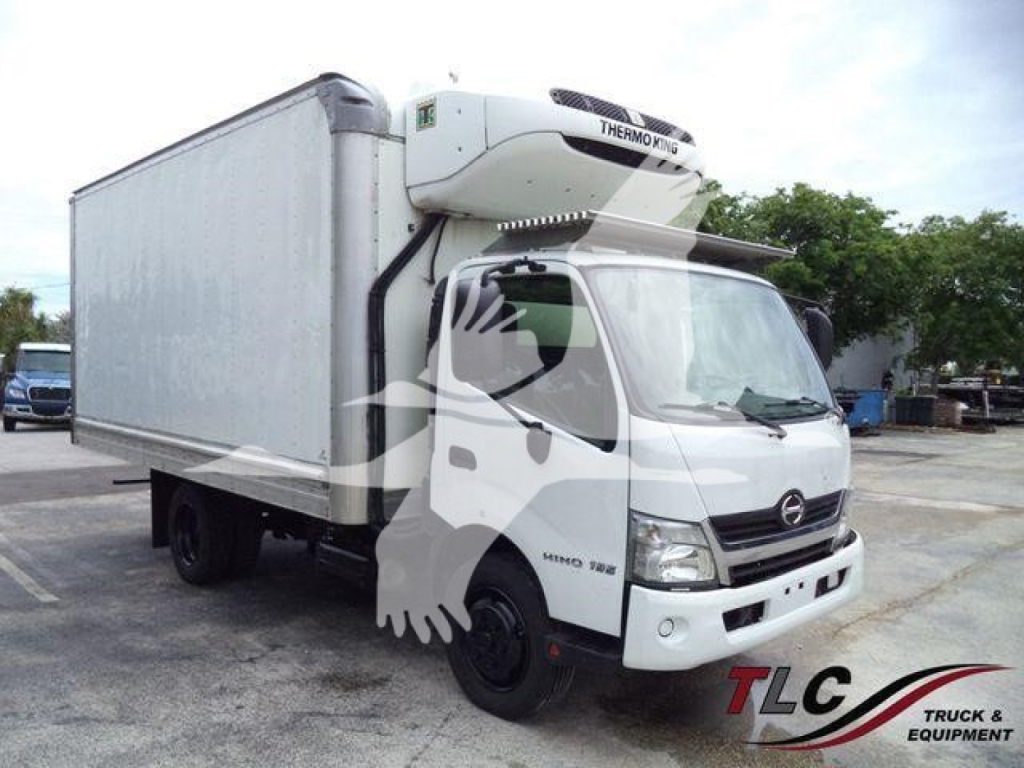
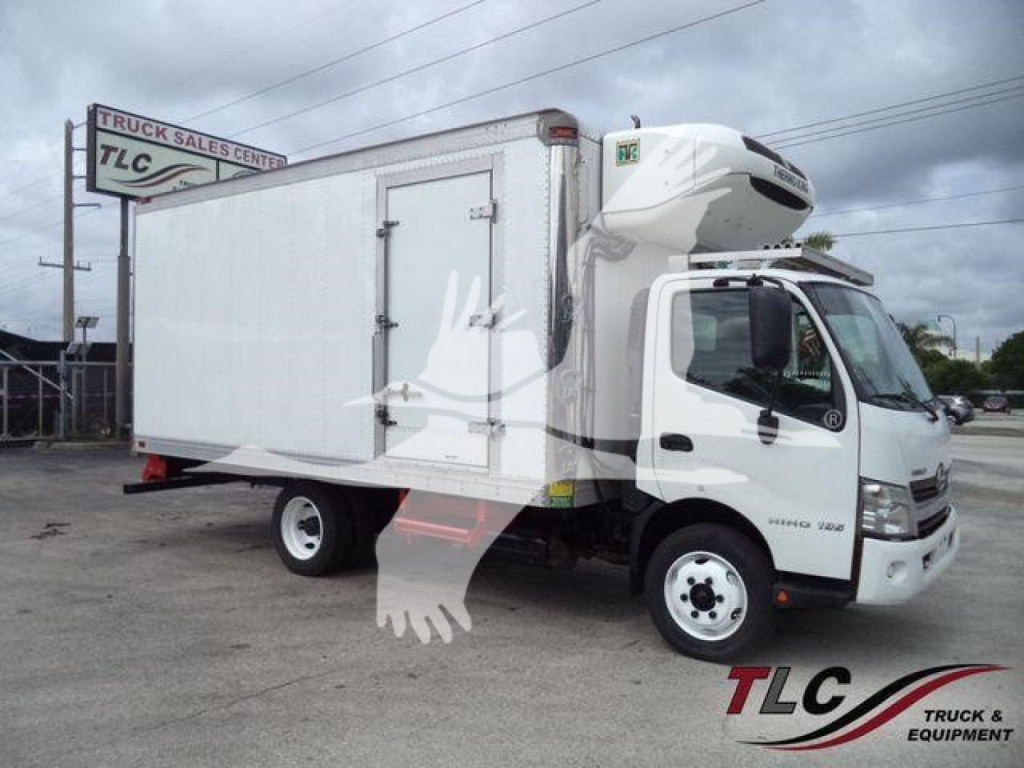
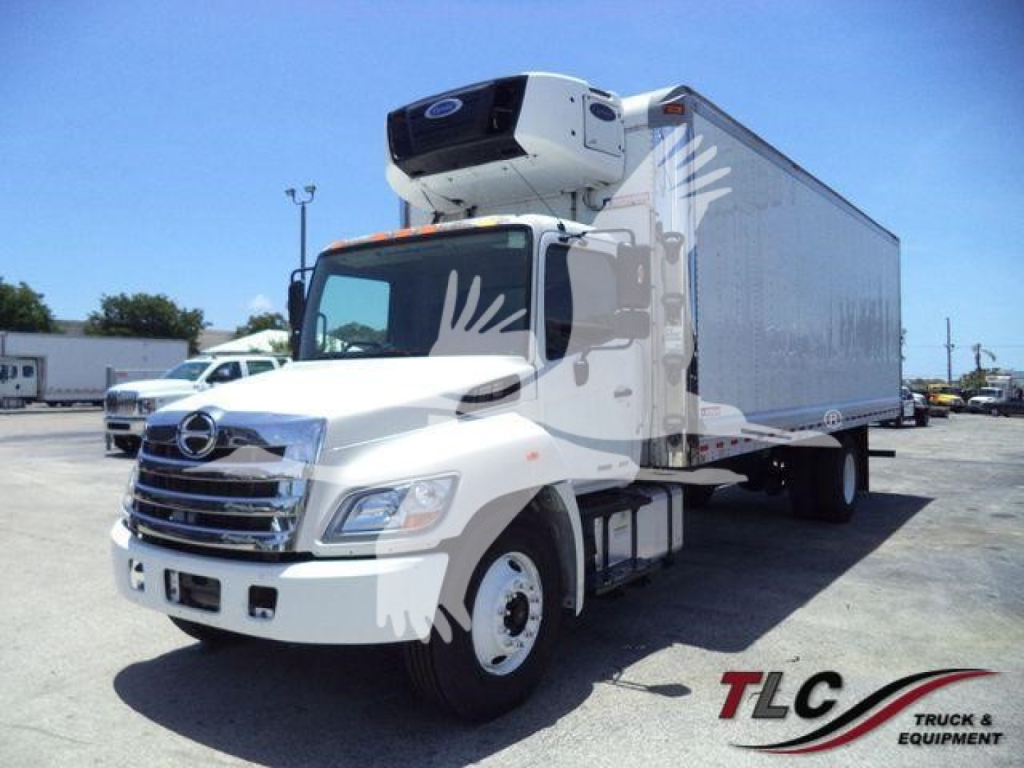
The reefer system matters as much as the truck itself. Thermo King and Carrier units are both common on Hino refrigerated trucks, and buyers should pay close attention to reefer hours, service history, pulldown performance, and whether the unit is set up for fresh, frozen, or multi-temp operation. Body construction details also affect long-term value. Look for clean insulation, tight door seals, an intact floor, and signs of moisture intrusion around the front wall and roof line. Roll-up rear doors are common, while curb-side doors, pull-out ramps, roll-out ramps, and tuck-under liftgates can make a major difference depending on how freight is handled at each stop.
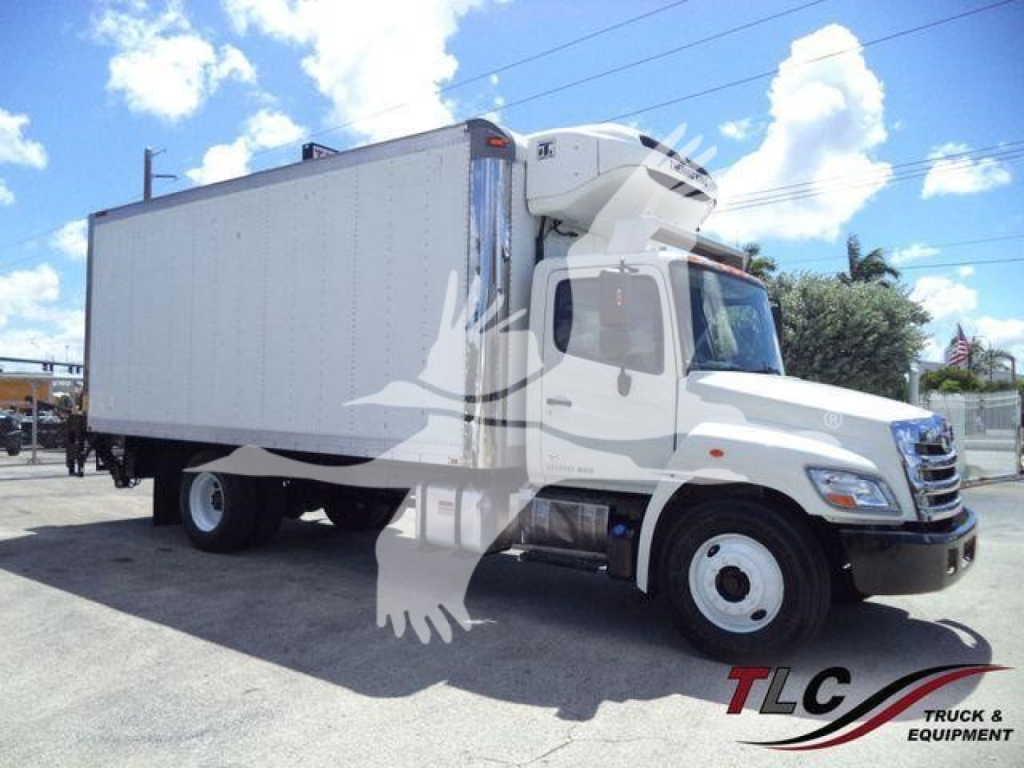
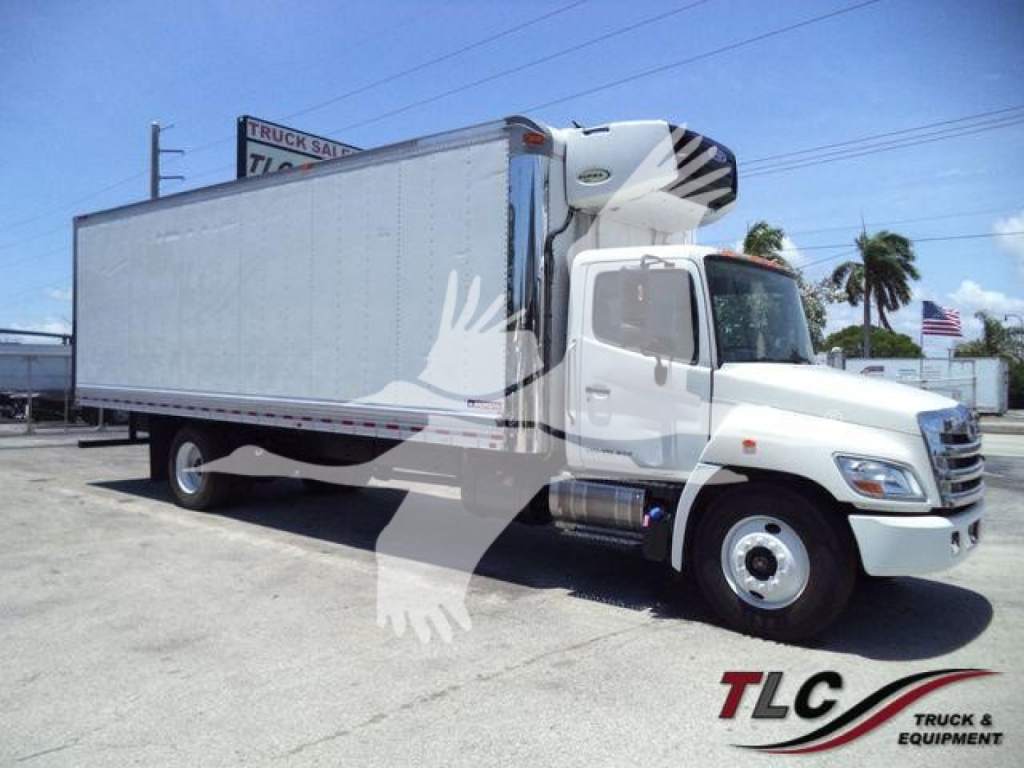
Hino's appeal in this segment comes from straightforward medium-duty packaging and drivetrains that are familiar to many route operators. Used examples often include automatic transmissions, diesel engines in 4-cylinder or 6-cylinder configurations, and air brake setups on heavier models. A Hino 195 is typically better suited for tighter urban delivery lanes and lighter payload demands, while a 268A gives more room for a 20-foot or 26-foot refrigerated body and higher cargo volume. In Florida service, cooling capacity and insulation condition are critical because ambient heat, humidity, and frequent door openings put extra load on the reefer system throughout the day.
A smart buying decision comes down to matching body size, reefer capacity, and delivery profile. A shorter 16-foot refrigerated body can be ideal for dense city routes, specialty food distribution, and accounts with limited dock access. A 20-foot to 26-foot box is better for wholesale grocery, commissary supply, and longer route density where cube and pallet count matter. Check fuel tank size, liftgate rating if equipped, tire condition, and the maintenance records for both chassis and refrigeration unit. On a used Hino reefer truck, the value is in the complete package: engine and transmission condition, body integrity, and a refrigeration unit that can hold temperature reliably in real operating conditions.
Frequently Asked Questions about Used Hino Refrigerated Trucks in Florida
What are the most common Hino models used as refrigerated trucks?
The Hino 195 and Hino 268A are among the most common models in this category. The 195 is a lighter medium-duty platform often used with 16-foot refrigerated bodies for urban and local delivery, while the 268A is commonly matched with 20-foot to 26-foot reefer bodies for greater cube and payload capacity. Both are popular in under-CDL configurations, which can be important for route operations and driver availability.
What should I inspect first on a used Hino refrigerated truck?
Start with the refrigeration unit, body condition, and temperature-holding performance. Reefer hours, maintenance records, startup behavior, pulldown time, and consistent operating temperature are all critical. On the body, inspect door seals, insulated walls, roof, front bulkhead, and floor for damage or moisture intrusion. After that, review the chassis like any medium-duty truck by checking engine service history, transmission operation, brakes, suspension, tires, and any liftgate or ramp equipment.
Are many used Hino reefer trucks under CDL?
Yes. Many used Hino refrigerated trucks are built with GVWR ratings such as 19,500 pounds or 25,950 pounds, which keeps them under the 26,001-pound CDL threshold in many applications. That makes them attractive to fleets handling local and regional cold-chain deliveries because they can offer a good balance of payload, body size, and driver flexibility. Buyers still need to confirm actual registration, local rules, and payload requirements before making a final decision.
Which is better on a refrigerated truck, a ramp or a liftgate?
It depends on how the truck is loaded and unloaded. A pull-out or roll-out ramp works well for carts, dollies, and lighter hand-unloaded deliveries where dock access is limited. A tuck-under liftgate is more useful for palletized freight, heavier product, and stops that rely on pallet jacks. For many multi-stop reefer applications, the delivery method has a direct impact on driver efficiency and injury risk, so rear access equipment should be matched to the route, not treated as a minor option.
Why does reefer performance matter more in Florida?
Florida heat and humidity place a constant load on refrigerated trucks, especially during multi-stop routes with frequent door openings. A reefer unit that looks acceptable in mild weather can struggle to maintain setpoint in hot, wet conditions. Buyers should pay attention to insulation quality, seal condition, evaporator performance, and the unit's ability to pull down and recover temperature quickly. In this market, dependable temperature control is not just a convenience. It is central to protecting the cargo and maintaining route productivity.