
Used 2015 Hino Refrigerated Trucks For Sale in Florida
Shop used 2015 Hino refrigerated trucks in Florida. Compare reefer box sizes, GVWR, Thermo King units, liftgates, ramps, and route-ready specs.
Selling a used 2015 hino refrigerated truck? List your used 2015 hino refrigerated truck for sale and reach thousands of commercial buyers.
Used 2015 Hino Refrigerated Trucks in Florida
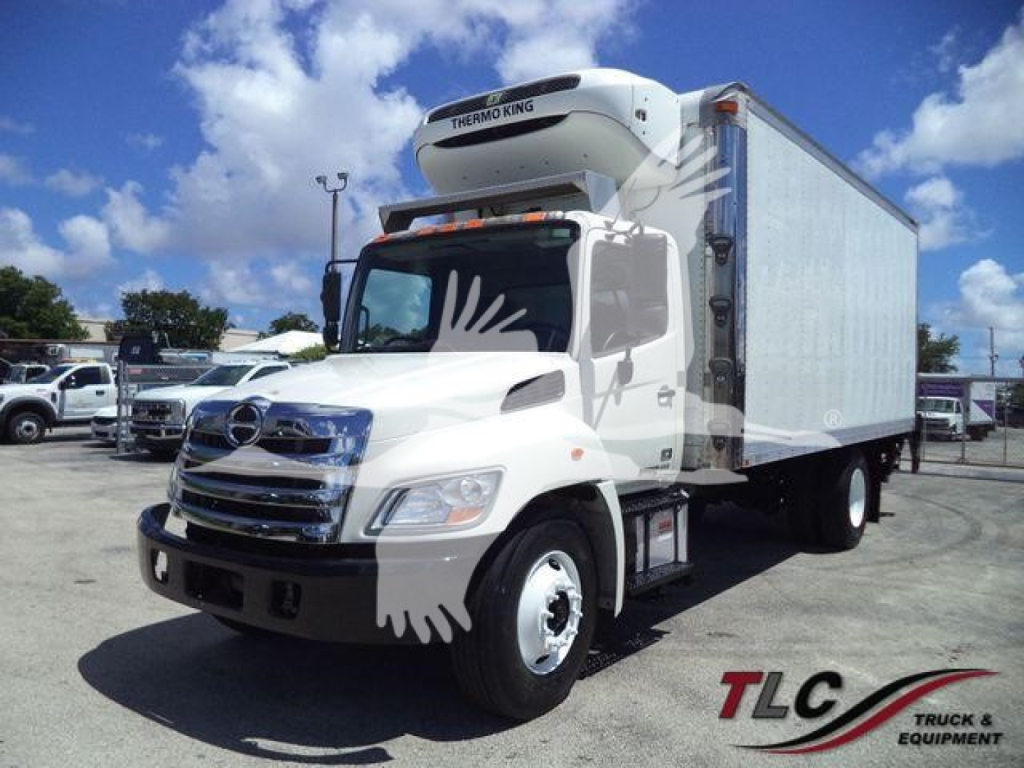
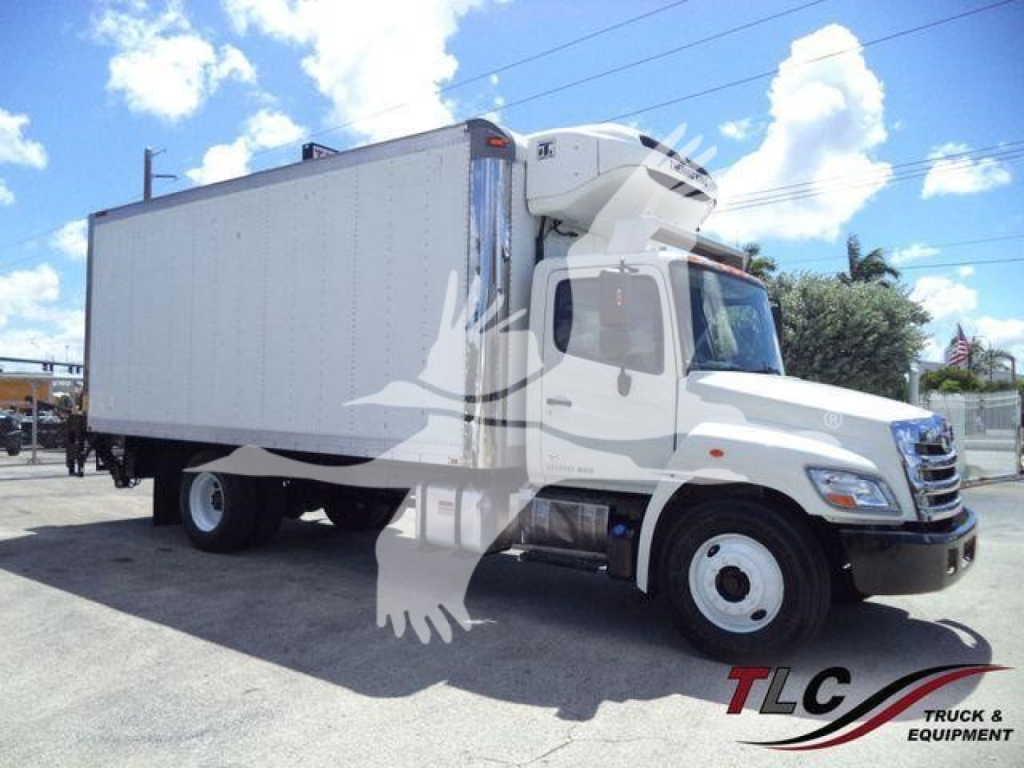
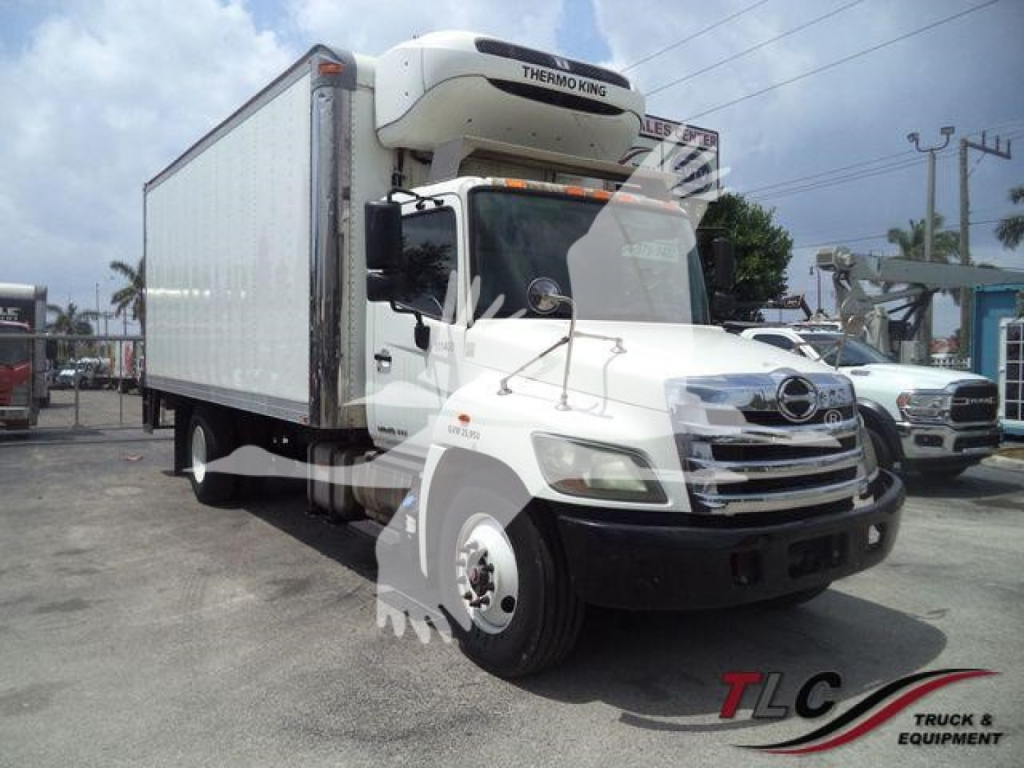
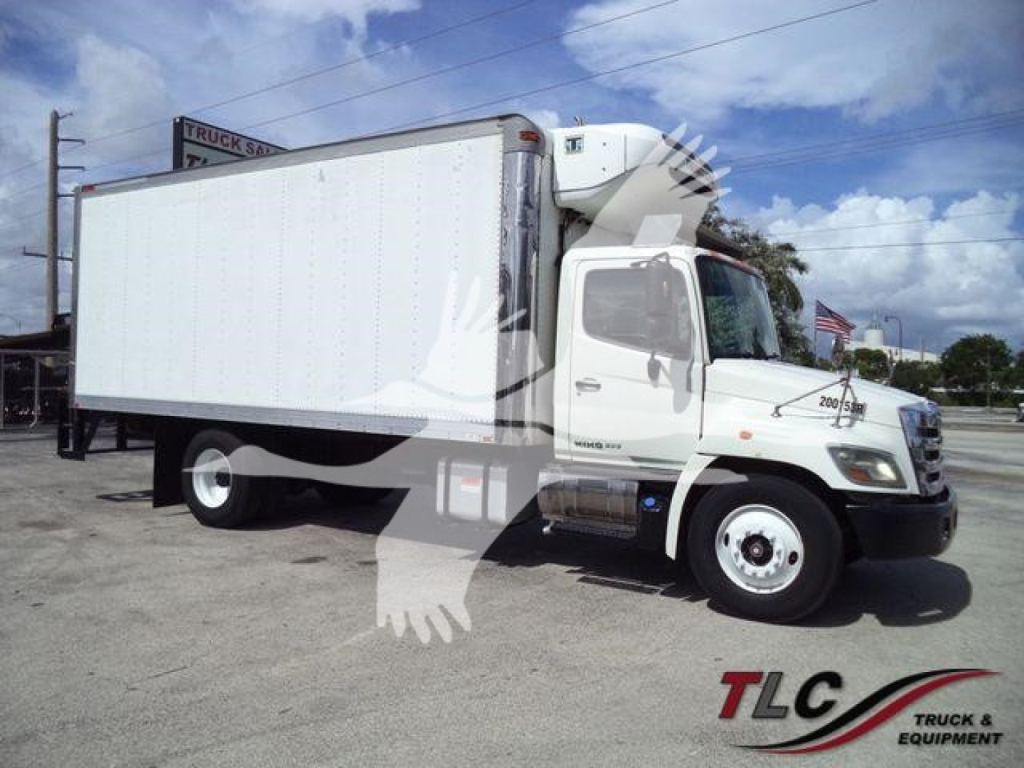
On 2015 Hino refrigerated trucks, the chassis is typically valued for straightforward serviceability, diesel durability, and automatic transmission availability. Buyers will commonly see Hino diesel engines paired with Allison automatics, plus air brake setups on heavier configurations. On the body side, common upfits include Morgan or Supreme insulated boxes, roll-up rear doors, curbside access doors, pull-out ramps, and tuck-under liftgates. For reefer equipment, Thermo King units are common in this segment, and reefer hours matter just as much as truck mileage. A strong used reefer truck should be evaluated as two machines in one: the chassis and the refrigeration system.
Florida buyers should pay close attention to cooling pull-down, insulation condition, and door seal integrity because heat, humidity, and frequent stop-and-go routes expose weaknesses quickly. Check the reefer unit's service history, operating hours, and whether it holds setpoint consistently under load. Inspect the box floor for soft spots, confirm drain function if applicable, and look for interior damage that can affect sanitation or temperature retention. If the truck is equipped with a liftgate, verify capacity, platform condition, and cycle operation. If it has a ramp instead, make sure the ramp fits the delivery profile and product weight. These details affect route time, spoilage risk, and labor efficiency more than the badge on the grille.
For many buyers, the value in a used 2015 Hino refrigerated truck comes from balancing acquisition cost against route demands. A 20-foot reefer body on a 268A can suit higher cube delivery and mixed stop density, while smaller refrigerated box trucks may be better for tighter urban work and lower gross payloads. Also known as a reefer truck or refrigerated box truck, this equipment category is best compared by body dimensions, reefer brand and hours, door configuration, and actual temperature performance, not just odometer reading. A well-matched unit can give a regional distributor or local delivery operation dependable cold-chain capability without moving into a heavier, more expensive platform.
Frequently Asked Questions about Used 2015 Hino Refrigerated Trucks in Florida
What should I check first on a used 2015 Hino refrigerated truck?
Start with the refrigeration unit, box condition, and GVWR. Reefer hours, service records, and proof that the unit reaches and holds setpoint are critical. Then inspect the insulated body for damaged panels, worn door seals, floor wear, and signs of moisture intrusion. After that, review chassis mileage, engine and transmission service history, brake condition, tire wear, and any liftgate or ramp operation. On a reefer truck, cold-box integrity and reefer performance are usually more important than appearance.
Is a 2015 Hino 268A refrigerated truck typically under CDL?
Many 2015 Hino 268A refrigerated truck configurations are built at 25,950 lb GVWR, which is commonly considered under CDL threshold for straight truck operation. That said, buyers should verify the exact door sticker and registration rating on the specific truck, because body size, liftgate installation, and prior fleet spec choices can affect the final rating. Staying under 26,000 lb can be a major advantage for route operations focused on driver availability and urban delivery flexibility.
How important are reefer hours on a used refrigerated truck?
Reefer hours are very important because they reflect wear on the refrigeration system in the same way engine miles reflect wear on the chassis. A truck with moderate road miles can still have a heavily used reefer unit if it spent years on multi-stop delivery or long idle cooling cycles. Buyers should compare reefer hours with maintenance records, compressor condition, pull-down performance, and unit age. A clean-running Thermo King or similar unit with documented service is usually worth more than a truck with low price but unknown refrigeration history.
What body and access features matter most on a refrigerated box truck?
The most important body features depend on the delivery environment. Roll-up rear doors are common for dock work and repeated stop delivery. Curbside doors help with hand-cart unloading in tight areas. Pull-out ramps work well for lighter wheeled cargo, while tuck-under liftgates are better for heavier palletized product and more varied delivery sites. Buyers should also look at box length, interior height, floor type, wall condition, and whether the layout supports the product mix without wasting cube or slowing unloading.
Why are used refrigerated trucks in Florida evaluated differently than in cooler regions?
Florida heat and humidity put more constant demand on the reefer unit and insulated body, so temperature retention problems show up faster. Door seals, evaporator performance, condenser cleanliness, and insulation condition are especially important in this market. Corrosion can also appear in different places because of coastal exposure and moisture. A reefer truck that performs well in Florida conditions is generally proving it can handle a demanding operating environment, which makes careful inspection of cooling performance and body integrity essential.