
Used 2015 Hino Refrigerated Trucks For Sale
Shop used 2015 Hino refrigerated trucks with reefer bodies, under-CDL GVWR options, diesel power, and delivery-ready cold chain specs.
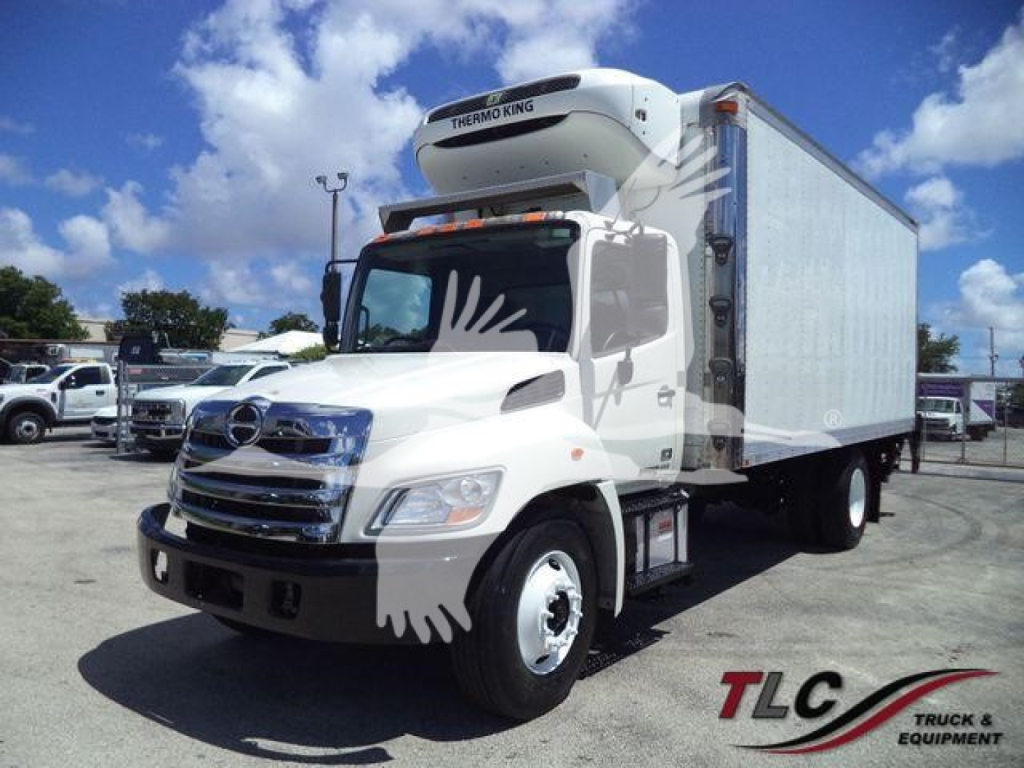
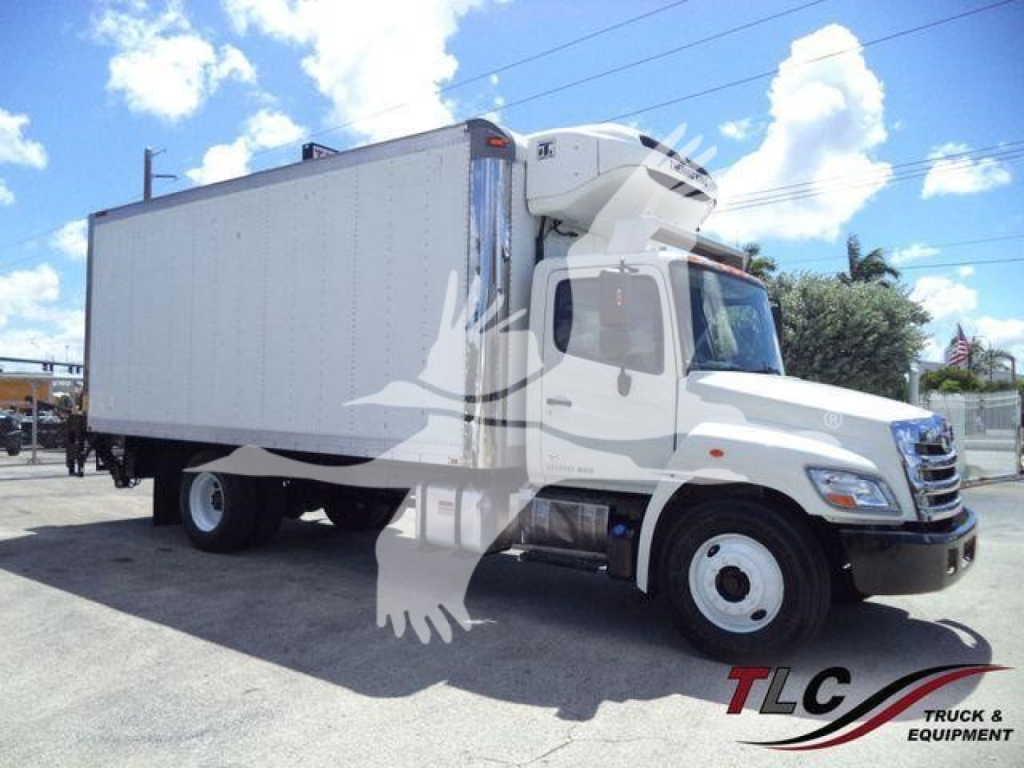
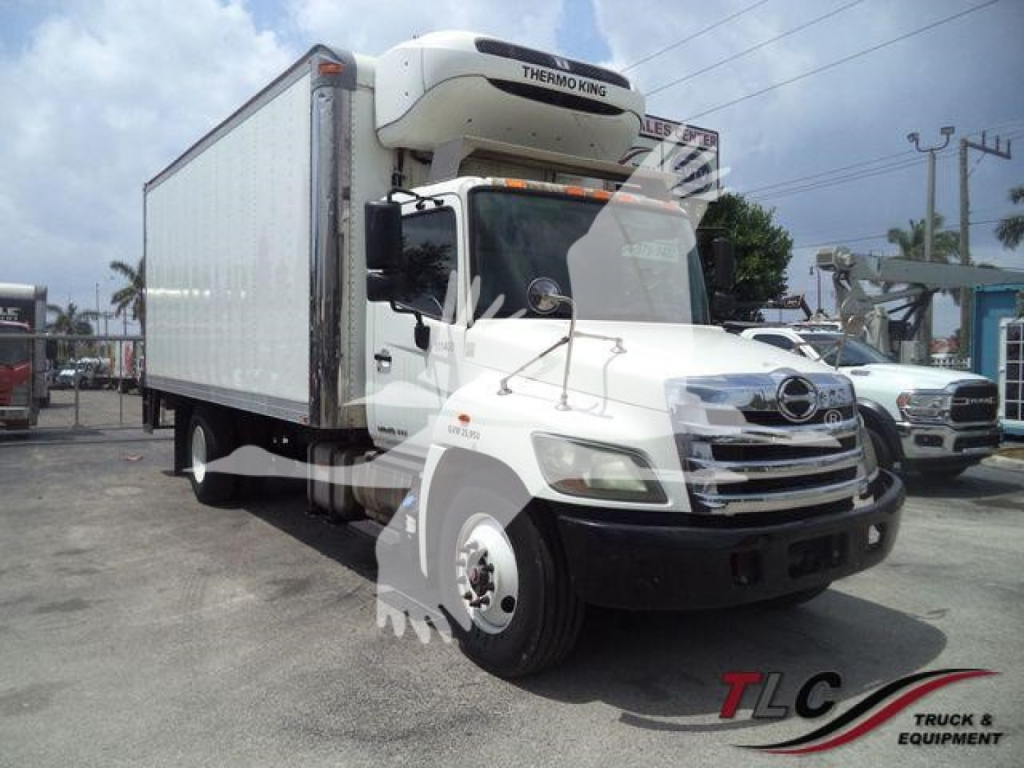
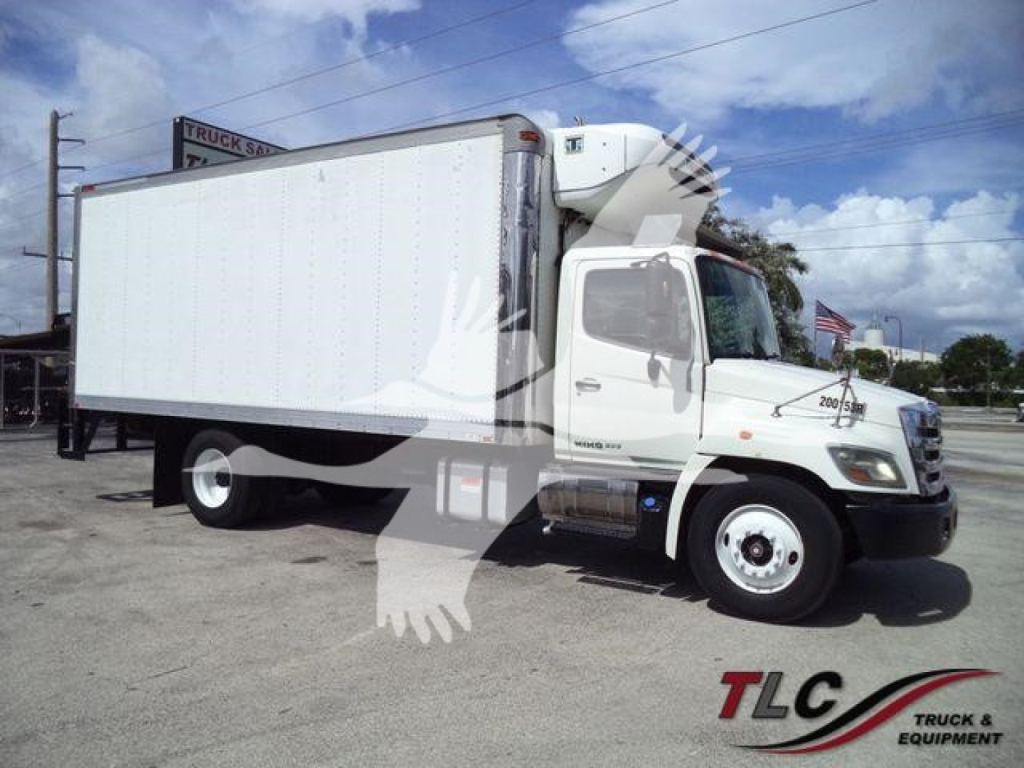
Selling a used 2015 hino refrigerated truck? List your used 2015 hino refrigerated truck for sale and reach thousands of commercial buyers.
Used 2015 Hino Refrigerated Trucks
The main buying decision is usually the combination of chassis rating, box size, and refrigeration unit. A 2015 Hino reefer truck may be equipped with a Morgan or similar insulated body, typically around 16 to 20 feet, along with a roll-up rear door, curbside access depending on the build, and either a pull-out ramp or tuck-under liftgate. Thermo King units are common on this class, including models such as the T680, and reefer hours matter just as much as truck miles when evaluating remaining service life. Buyers should also confirm insulation condition, door seal integrity, floor wear, evaporator performance, and whether the unit holds setpoint consistently under load.
On the chassis side, 2015 Hino refrigerated trucks are known for diesel efficiency, straightforward cab ergonomics, and medium-duty urban drivability. The 268A typically uses a Hino turbo diesel paired with an Allison automatic transmission, a combination many fleets prefer for stop-and-go delivery work and easier driver onboarding. Air brakes, dual fuel tanks, and under-CDL GVWR ratings are common advantages in this segment. The under-CDL rating is especially important for buyers trying to widen the hiring pool while still carrying a meaningful refrigerated payload.
For a used refrigerated truck, condition of the cold box and reefer system is every bit as important as engine and transmission health. Look closely at liftgate capacity, rear frame corrosion, bulkhead condition, condensation issues, and maintenance records for both the truck and the refrigeration unit. A well-kept 2015 Hino refrigerated truck can be a dependable platform for multi-stop delivery routes, commissary service, grocery distribution, and specialty perishables where uptime and temperature control are non-negotiable.
Frequently Asked Questions about Used 2015 Hino Refrigerated Trucks
What makes a 2015 Hino refrigerated truck a good fit for delivery work?
A 2015 Hino refrigerated truck is well suited for city and regional temperature-controlled delivery because it combines medium-duty payload capacity with easier maneuverability than a tractor-trailer. Many units are spec'd under CDL thresholds, which helps with driver availability, and the automatic transmission setup is a strong fit for frequent stop-and-go operation. That makes this class popular for foodservice, produce, meat, floral, dairy, and healthcare-related transport.
What should I check first on a used Hino reefer truck?
Start with the refrigeration unit, insulated body, and service history before focusing only on cab mileage. Reefer hours, setpoint pull-down performance, door seals, floor condition, and evidence of water intrusion or insulation damage will tell you a lot about the truck's real working condition. After that, review engine, transmission, brake, and suspension maintenance, then inspect the liftgate or ramp because those components see heavy daily use on delivery routes.
Are 2015 Hino refrigerated trucks usually under CDL?
Many 2015 Hino refrigerated trucks, especially Hino 268A configurations, are commonly listed at 25,950 lbs GVWR, which is under the 26,001-lb CDL threshold. That does not eliminate all licensing, medical, or regulatory requirements, but it can simplify hiring and routing for many operations. Buyers should still verify the exact GVWR on the door tag and confirm local and state rules for their application.
Which reefer body features matter most on a used truck?
Body length, insulation quality, door configuration, and cargo access features are the biggest factors. A 16-foot body may fit dense urban routes better, while a 20-foot body can improve route efficiency where more cube is needed. Roll-up rear doors are common, curbside doors can speed multi-stop unloading, and a tuck-under liftgate is often more useful than a ramp when handling palletized product. The right setup depends on cargo type, dock conditions, and delivery frequency.
How important are reefer hours on a used refrigerated truck?
Reefer hours are extremely important because they reflect wear on the refrigeration system in the same way engine miles reflect wear on the chassis. A unit with moderate truck mileage but very high reefer hours may need more near-term refrigeration service than the odometer suggests. Buyers should compare reefer hours, maintenance records, and operating test results together rather than relying on one number alone.