
Used 2015 Refrigerated Trucks For Sale
Shop used 2015 refrigerated trucks with reefer bodies, common box lengths, liftgate options, and diesel drivetrains for cold-chain delivery.
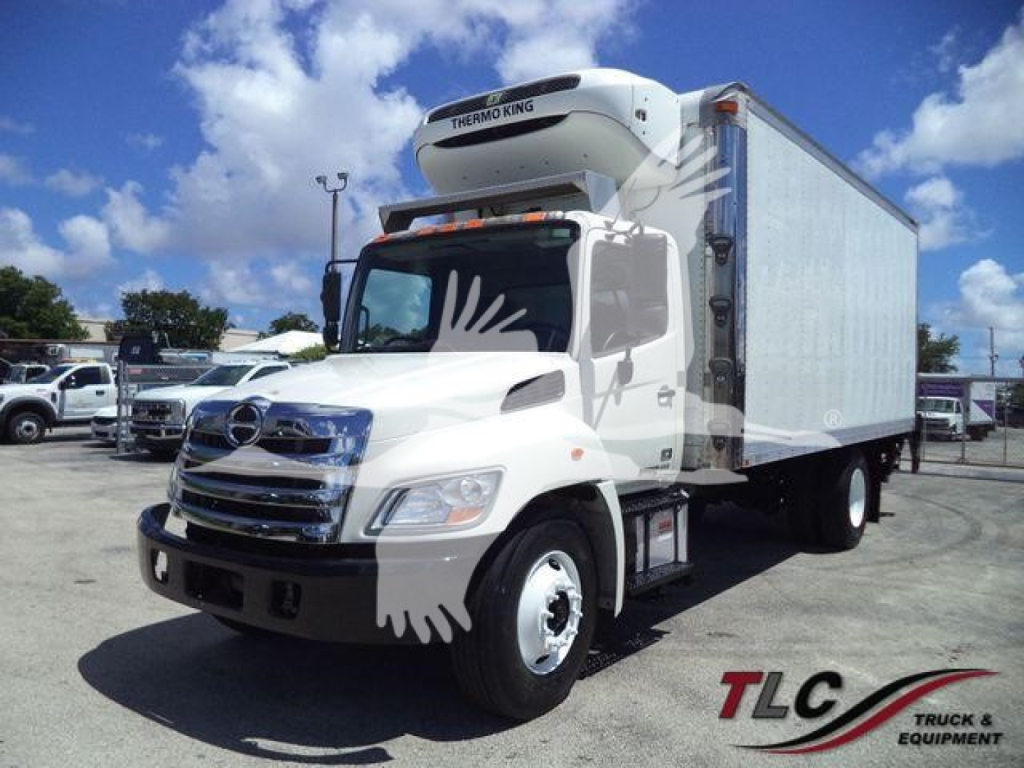
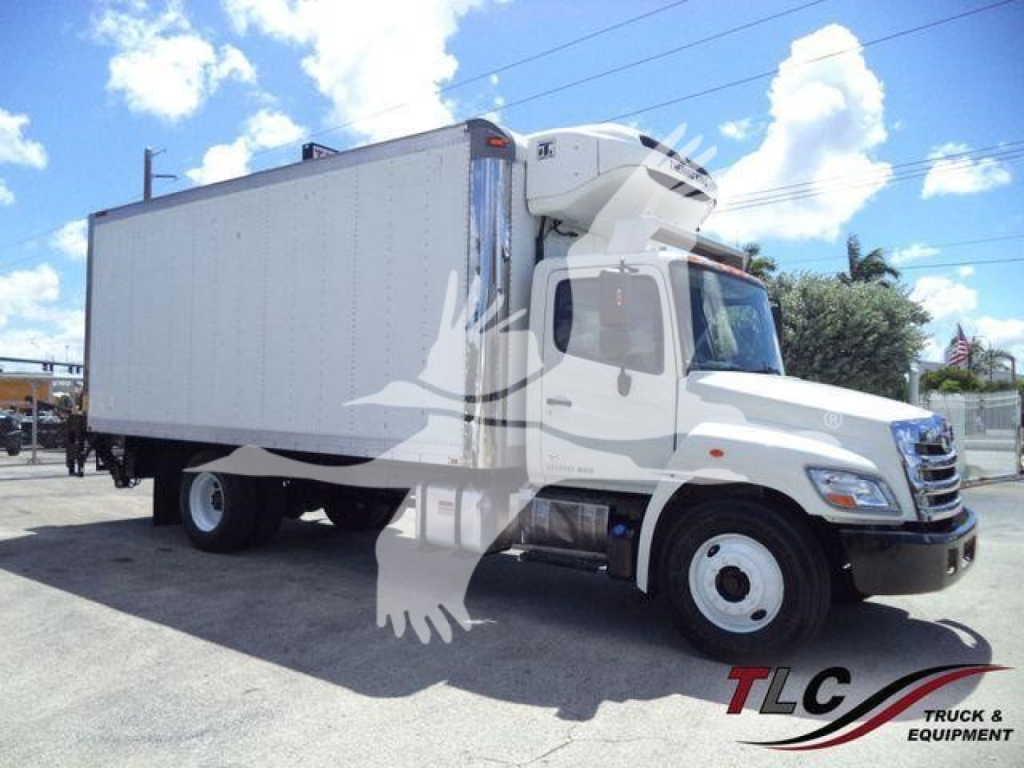
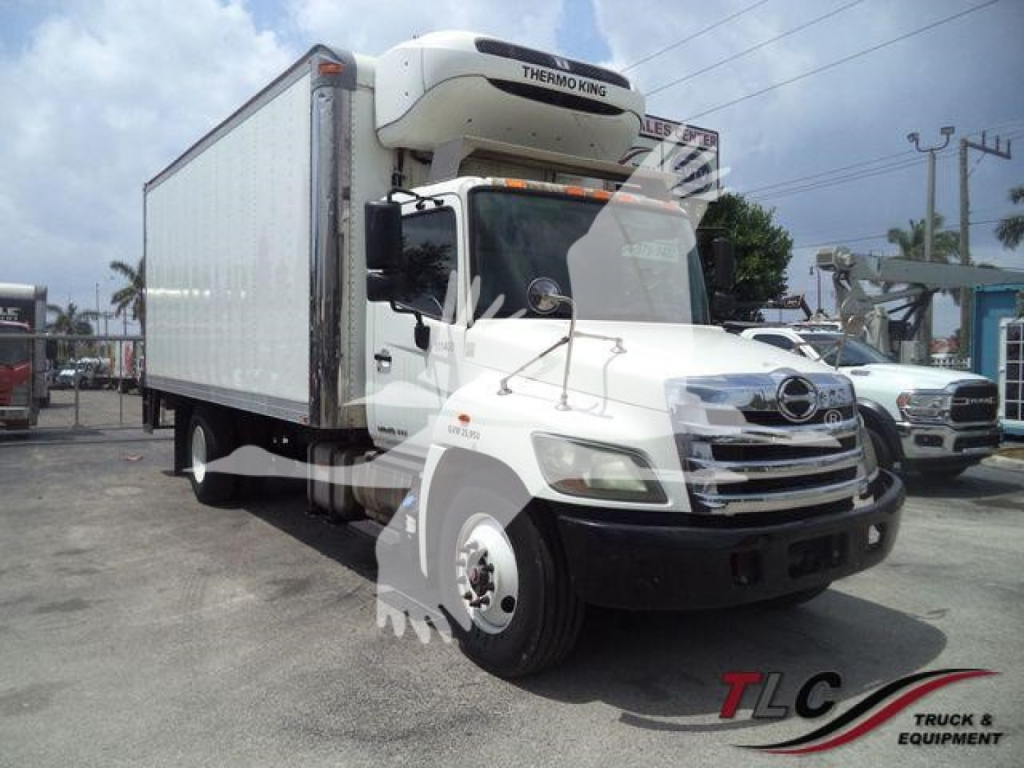
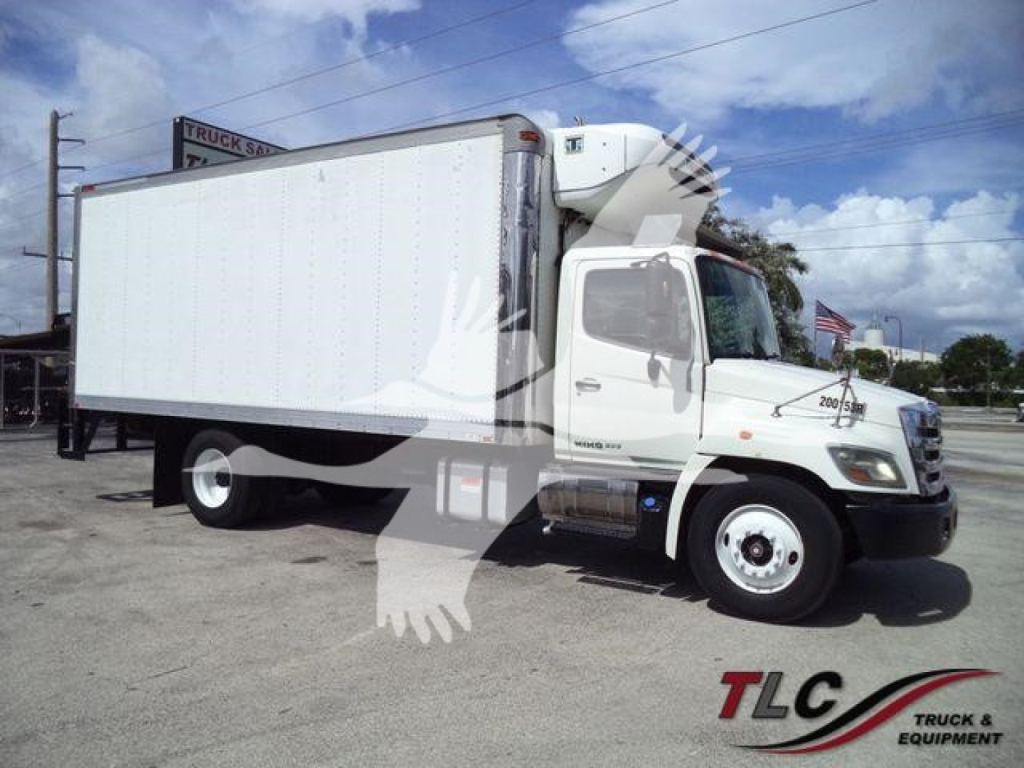
Selling a used 2015 refrigerated truck? List your used 2015 refrigerated truck for sale and reach thousands of commercial buyers.
Used 2015 Refrigerated Trucks
Most 2015 refrigerated trucks on the market are built on platforms such as the Freightliner M2, Hino 195, Isuzu NRR, International DuraStar, or similar medium-duty cab chassis. Under-CDL models around 19,500 GVWR appeal to urban delivery fleets that want easier driver qualification and tighter maneuverability, while 26,000 GVWR trucks and heavier-spec units offer more payload and larger body options. Reefer bodies from Kidron, Morgan, Supreme, and similar builders are common, usually with roll-up rear doors, optional curb-side doors, and either a pull-out ramp or a tuck-under liftgate. If the route includes palletized freight, liftgate capacity, platform size, and rear opening height matter as much as box length.
On a 2015 reefer truck, reefer unit condition should be inspected as closely as the engine and transmission. Thermo King and Carrier units are the most common, and buyers should verify reefer hours, maintenance records, pull-down performance, electric standby function if equipped, and whether the unit holds setpoint under load. Check the box carefully for water intrusion, soft spots, damaged scuff liners, delaminated panels, worn door gaskets, and floor damage from carts or pallets. Bulkheads, multi-temp capability, and ducted airflow can add value for mixed-route work, but they also add complexity. Fuel type for the reefer unit, noise restrictions in urban areas, and the availability of service support in your operating region should all factor into the purchase decision.
A 2015 used refrigerated truck can still be a strong value if the truck and body were maintained as a system. Mileage alone does not tell the story. Buyers should compare engine hours, idle time, reefer hours, service documentation, body brand, insulation integrity, and axle rating against the actual route. A truck doing frozen delivery with repeated door openings needs more refrigeration reserve than one hauling chilled product on a short route. The right spec usually comes down to three things: enough GVWR for payload, enough refrigeration capacity for the commodity, and enough body access for the pace of delivery.
Frequently Asked Questions about Used 2015 Refrigerated Trucks
What should I check first on a used 2015 refrigerated truck?
Start with the refrigeration unit and the insulated body, then evaluate the chassis. Confirm the reefer unit brand, model, hours, service history, and temperature pull-down performance. Inspect the body for damaged insulation, leaking door seals, floor wear, panel delamination, and corrosion around the box and subframe. After that, review the truck’s engine, transmission, brakes, suspension, and maintenance records. A sound chassis with a weak reefer system can still create costly downtime in cold-chain service.
Is a 2015 refrigerated truck good for under-CDL delivery routes?
It can be, if the truck is spec'd at 26,000 GVWR or less, and many 2015 refrigerated trucks were built specifically for that market. Under-CDL units are popular for city delivery, restaurant supply, and grocery routes because they are easier to route in tighter areas and widen the driver pool. The tradeoff is lower payload and typically a shorter body than heavier medium-duty reefer trucks. Buyers should compare payload needs against the weight of the insulated body, refrigeration unit, and any liftgate.
How important are reefer hours on a used refrigerated truck?
Reefer hours are very important because they reflect wear on the refrigeration unit separately from truck mileage. A delivery truck with moderate miles can still have high reefer hours if it ran long shifts, standby operation, or frequent stop-and-go routes. Higher hours are not automatically a problem if maintenance was consistent, but they should prompt closer review of compressor condition, service intervals, repairs, and overall temperature performance. Reefer hours help estimate future maintenance exposure more accurately than odometer mileage alone.
What box size is most common on a 2015 refrigerated truck?
Common box lengths are usually 16 feet, 20 feet, 24 feet, and 26 feet, depending on chassis class and intended use. Smaller 16-foot units are common on Class 4 and 5 cabover-style trucks for urban delivery and tighter loading areas. Larger 24-foot and 26-foot reefer bodies are more typical on medium-duty conventional chassis used for palletized distribution and higher-volume route work. The best size depends on cube requirements, dock access, product mix, and whether you need a ramp or a liftgate.
What reefer body features matter most for food and frozen delivery?
Door seal condition, insulation integrity, floor durability, airflow design, and rear access setup are the most important features. For foodservice and frozen work, buyers often look for strong pull-down performance, tight-sealing rear and side doors, scuff liners, and a floor that can handle carts or pallet jacks without damage. A bulkhead or multi-temp setup can help on mixed loads, while electric standby is useful for overnight staging or warehouse loading. The right combination depends on how often doors open, how fast product turns, and the temperature range required by the cargo.