
Used Commercial Trucks For Sale in Kansas
Browse used trucks for sale in Kansas, including day cab and sleeper semi trucks with specs, drivetrain, engine, and application details.
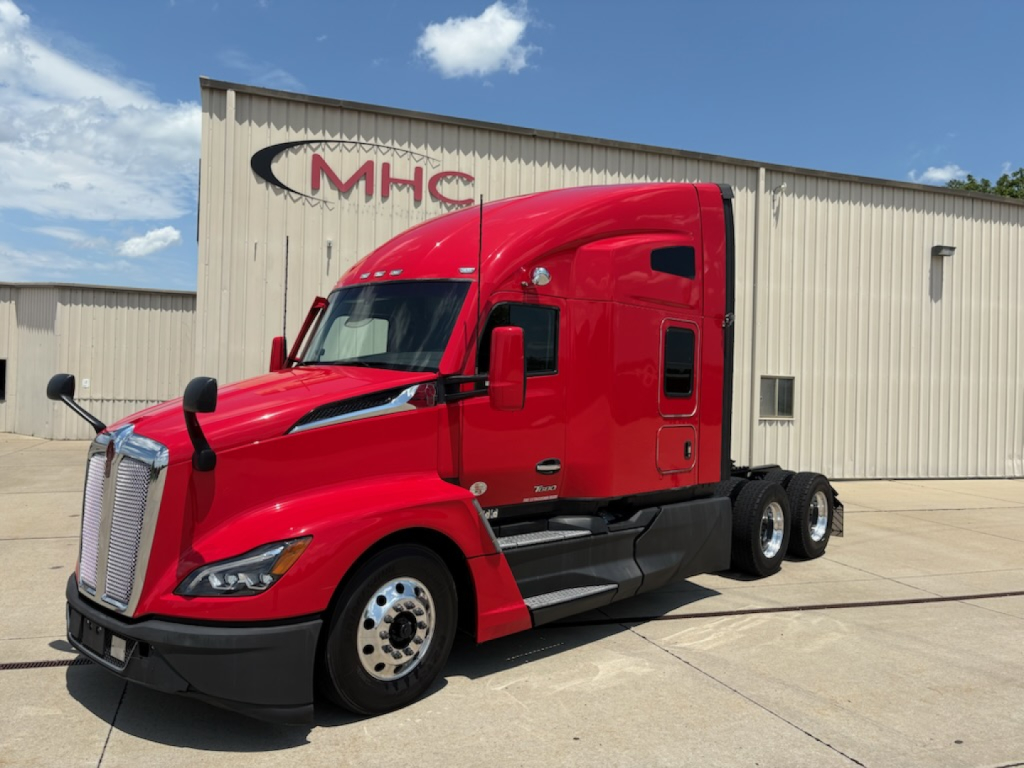
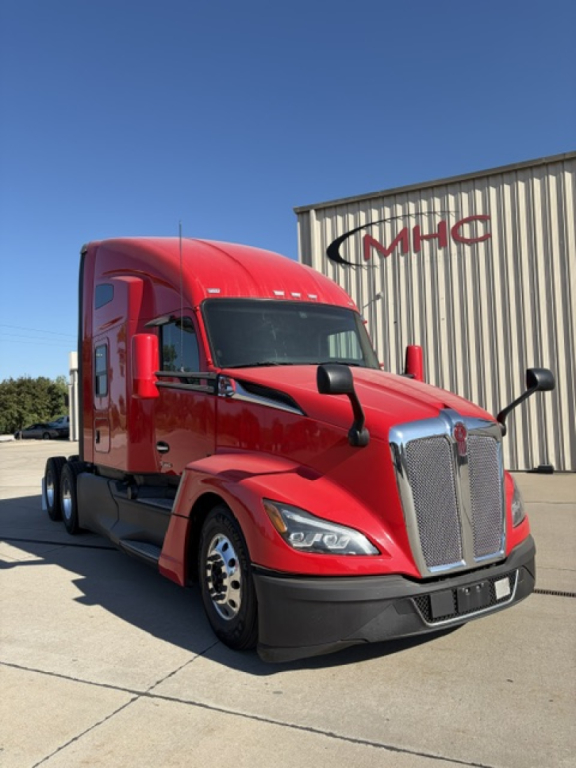
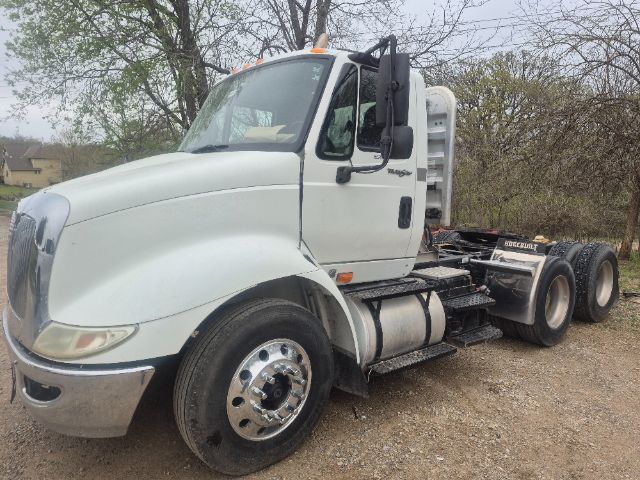
Selling a used commercial truck? List your used commercial truck for sale and reach thousands of commercial buyers.
Used Commercial Trucks in Kansas
Powertrain selection matters more than brand alone. Many used Kansas trucks are spec'd with proven diesel platforms such as Cummins, Detroit, Volvo, Paccar, or International engines, paired with manual, automated manual, or fully automatic transmissions depending on the duty cycle. Buyers should pay close attention to horsepower and torque ratings, rear axle ratio, wheelbase, and 6x4 versus 4x2 configuration. A 6x4 remains the standard for heavier freight and mixed weather traction, while transmission choice affects both driver hiring and operating cost. Older pre-emissions or early emissions-era trucks can appeal to buyers prioritizing simplicity, while newer models may offer better aerodynamics, integrated powertrains, and improved fuel economy.
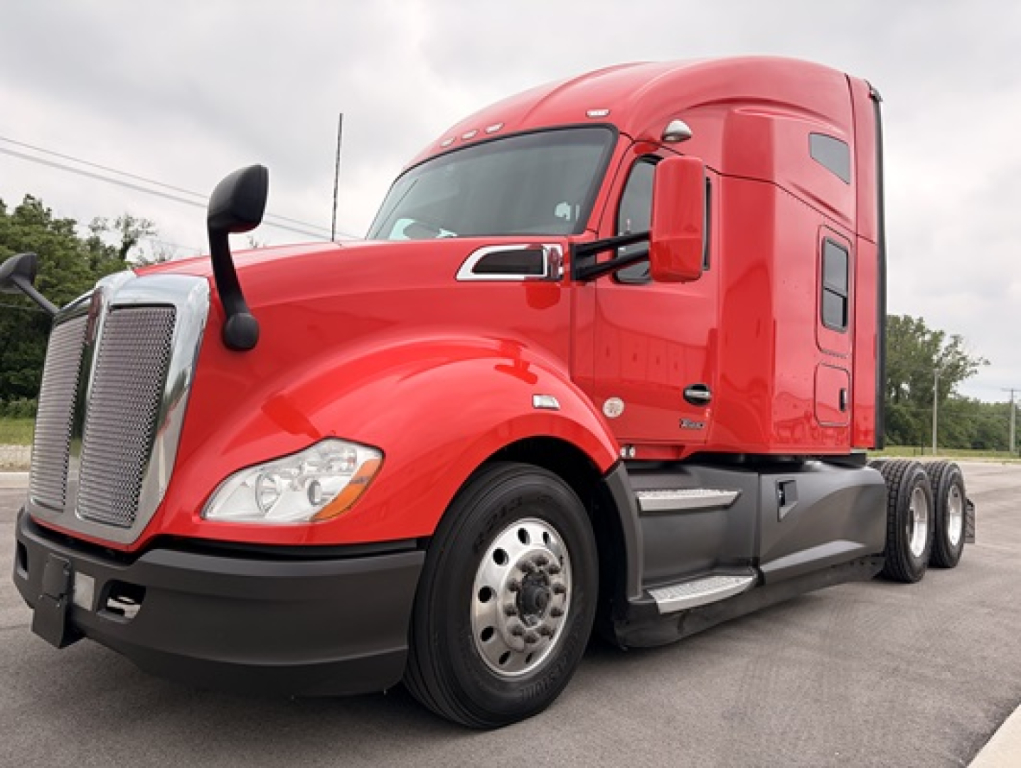
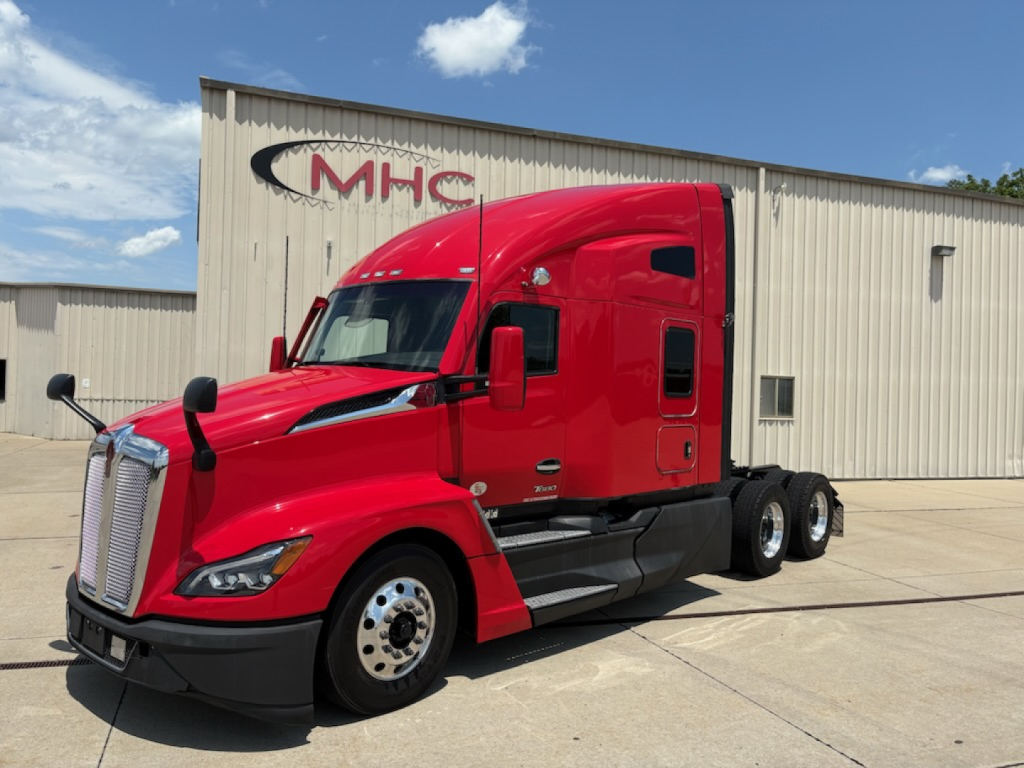
For a used truck, condition is best judged by service history and spec alignment, not just model year or odometer. Records for clutch work, overheads, turbo replacement, brake service, tires, suspension components, rear ends, and DOT inspections can tell you far more than appearance alone. On sleeper trucks, cab condition, bunk functionality, HVAC performance, and fairing integrity all affect long-haul value. On day cabs, look closely at frame condition, fifth wheel wear, PTO needs, hitch setup, and how the truck was actually used. Kansas buyers often benefit from trucks built for steady highway miles, but it is still important to inspect for corrosion, oil or coolant leaks, aftertreatment history, and signs of deferred maintenance.
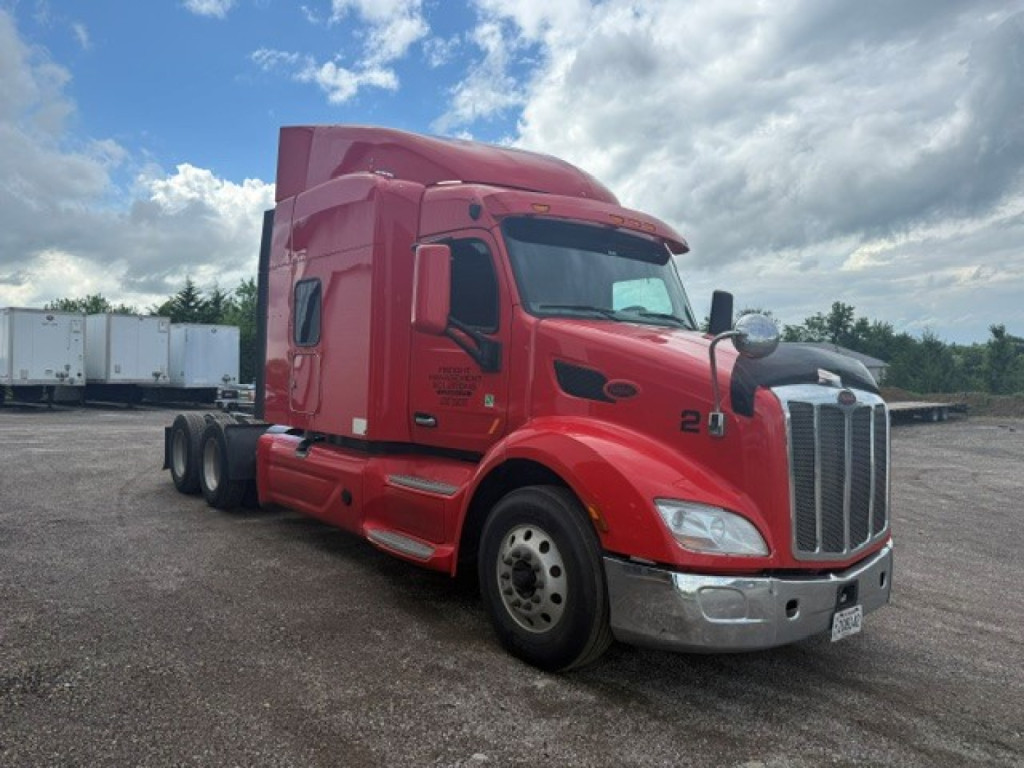
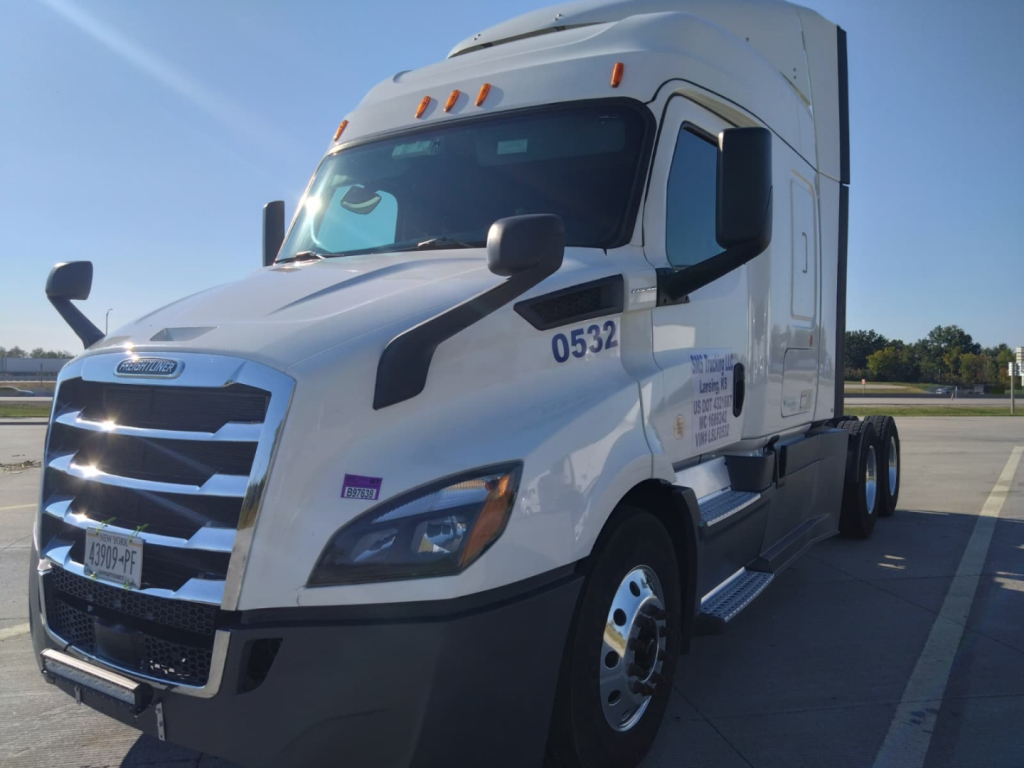
Common used truck categories in Kansas include aerodynamic highway tractors like the Freightliner Cascadia, Peterbilt 579, Volvo VNR, and Volvo VNL series, along with heavier day cab platforms used in regional hauling and vocational crossover work. The right choice comes down to payload, trailer type, route length, maintenance tolerance, and driver preference. A buyer comparing used semi trucks in Kansas should match the truck's engine, transmission, axle setup, sleeper size, and maintenance history to the actual freight operation, because the best truck on paper is not always the best truck for the lane.
Frequently Asked Questions about Used Commercial Trucks in Kansas
What types of used trucks are most common in Kansas?
Kansas commonly sees used conventional day cab and conventional sleeper tractors. Day cabs are popular for local and regional work, including agriculture support, shuttle runs, and short-haul freight. Sleeper tractors are more common for over-the-road and multi-state operations where fuel capacity, storage, and driver accommodations matter. Aerodynamic highway models from Freightliner, Peterbilt, Volvo, and International are frequently found because they fit both regional and long-haul applications well.
What should I check first on a used semi truck?
Start with maintenance records, engine hours, odometer reading, and the truck's original and current specifications. Service documentation for clutch replacement, brake work, tires, overhead adjustments, turbo service, aftertreatment repairs, and axle work can reveal how the truck was maintained. Then inspect for fluid leaks, frame damage, suspension wear, fifth wheel condition, tire wear patterns, and fault codes. A truck with complete records and a spec that fits the intended job is usually a better buy than one that only looks clean.
Is a day cab or sleeper truck better for Kansas freight?
It depends on lane length and operating style. A day cab is usually the better fit for local delivery, agricultural hauling, yard support, and regional runs where the driver returns frequently. A sleeper truck is better for long-distance freight, dedicated highway lanes, and operations that need more onboard storage and rest space. In Kansas, both are common because the state supports a mix of local commodity movement and cross-country freight corridors.
What engine and transmission setup is best in a used truck?
The best setup depends on load weight, terrain, and maintenance preference. Buyers often look for proven diesel engines from Cummins, Detroit, Volvo, or Paccar paired with a transmission that matches the fleet or driver base. Manual and 13-speed transmissions still appeal in certain heavy-haul or owner-operator applications, while automated manual transmissions are common in newer highway tractors because they support fuel economy and driver recruitment. Rear axle ratio, horsepower, and torque rating should be reviewed together rather than as standalone specs.
Do higher-mileage used trucks still make sense?
Yes, if the truck has been maintained properly and the specification matches the intended work. Many highway tractors accumulate high miles under steady-road conditions, which can be easier on components than repeated stop-and-go duty. A higher-mileage truck with documented service, clean inspection results, and major repairs already completed can offer solid value. Buyers should focus on total condition, repair history, and remaining service life of major systems rather than rejecting a truck based on mileage alone.