
Used Conventional Sleeper Trucks For Sale in Kansas
Browse used conventional sleeper trucks in Kansas. Compare aero cabs, sleeper sizes, engine options, wheelbase, mileage, and drivetrain specs.
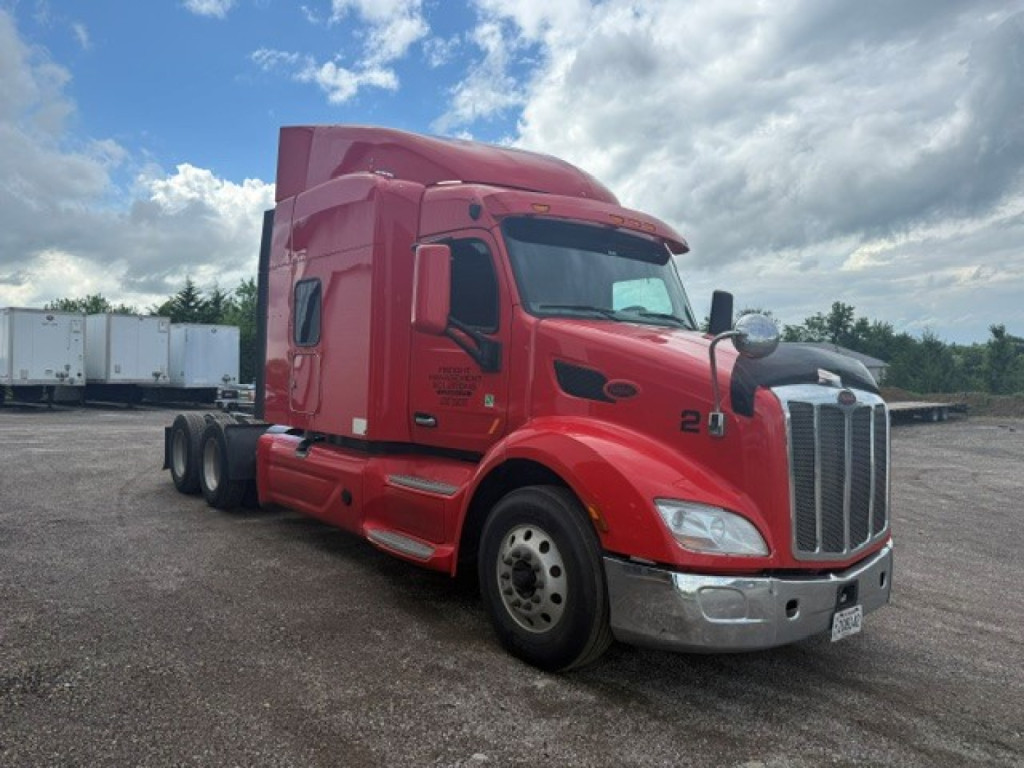
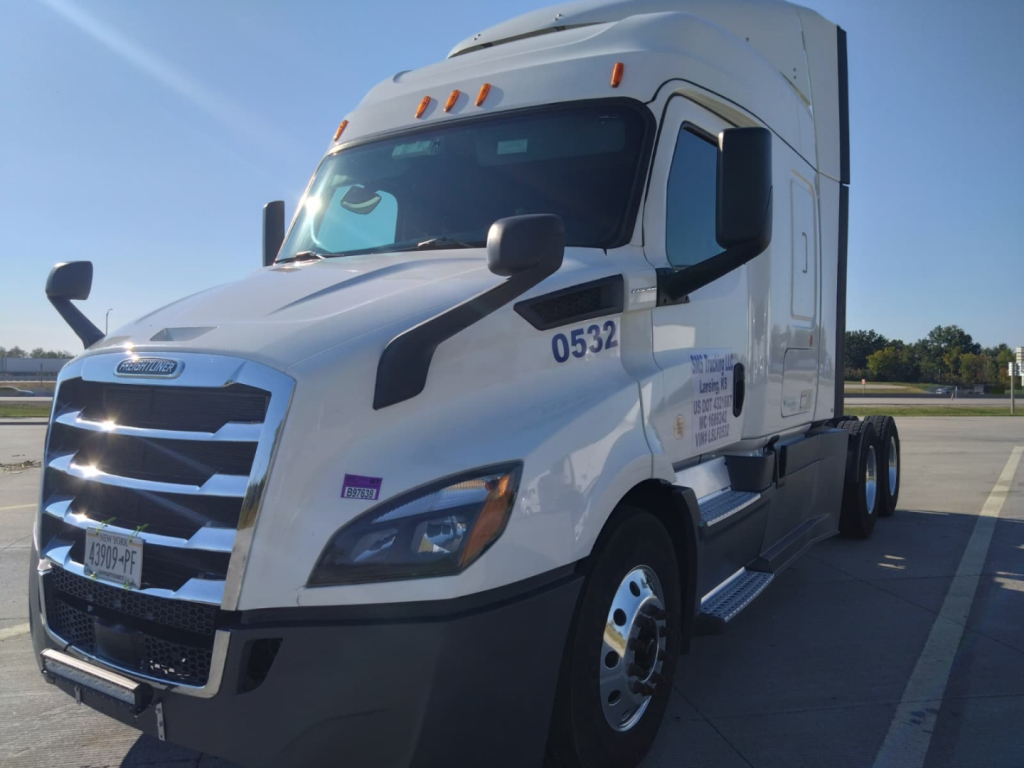
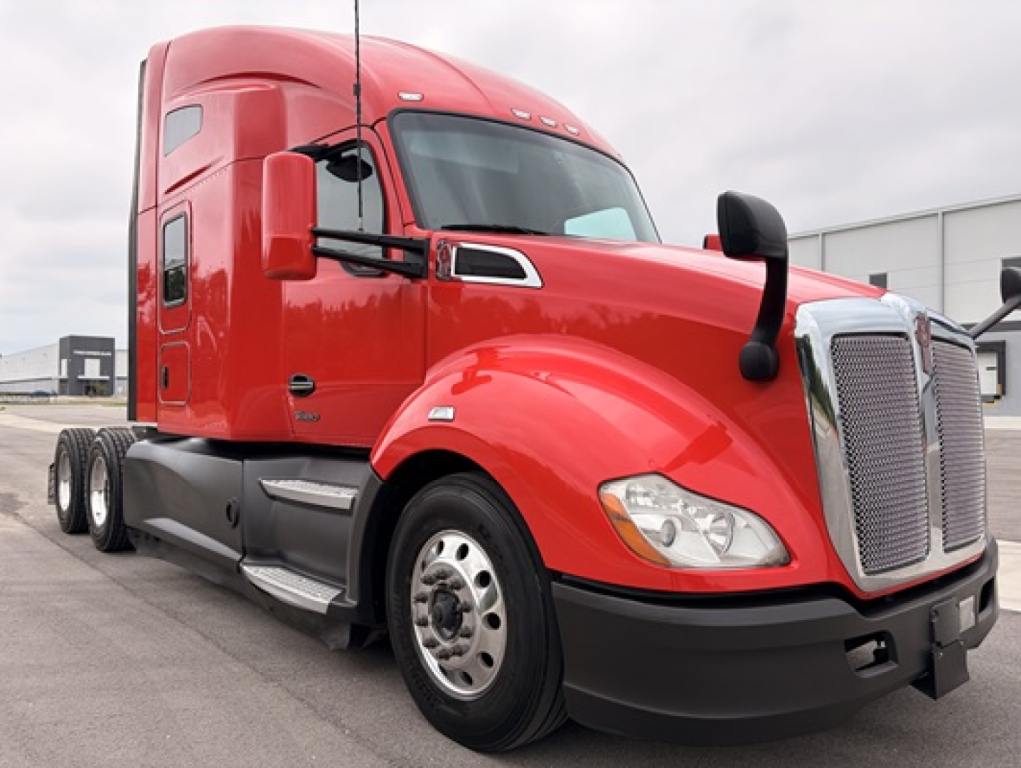
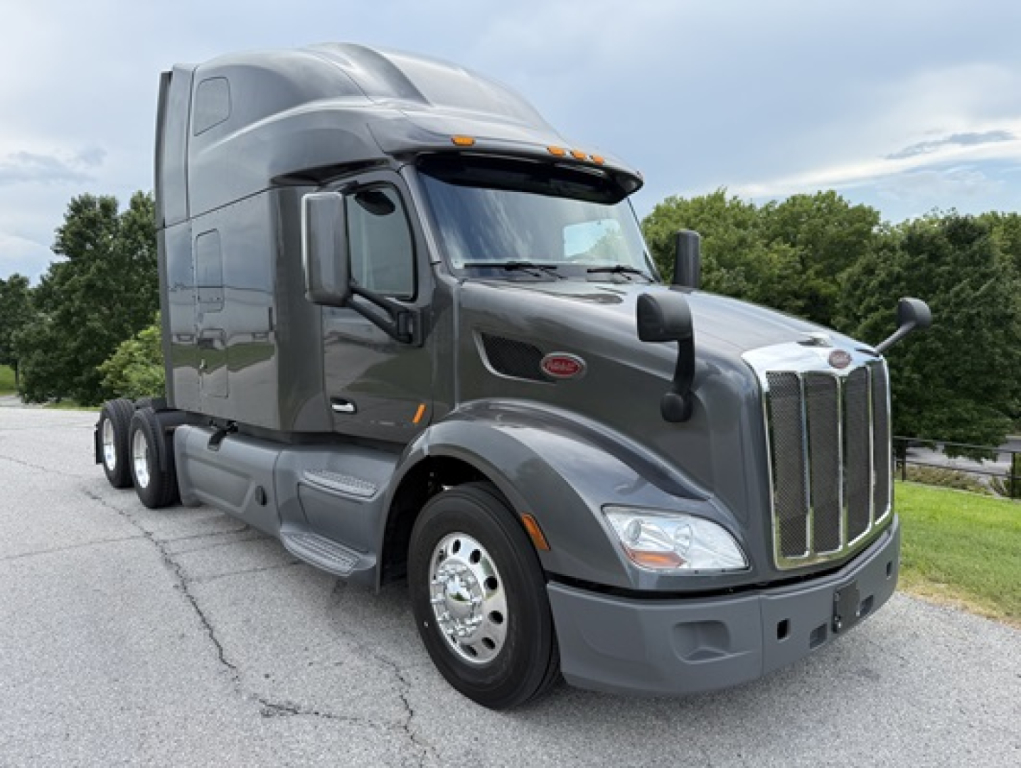
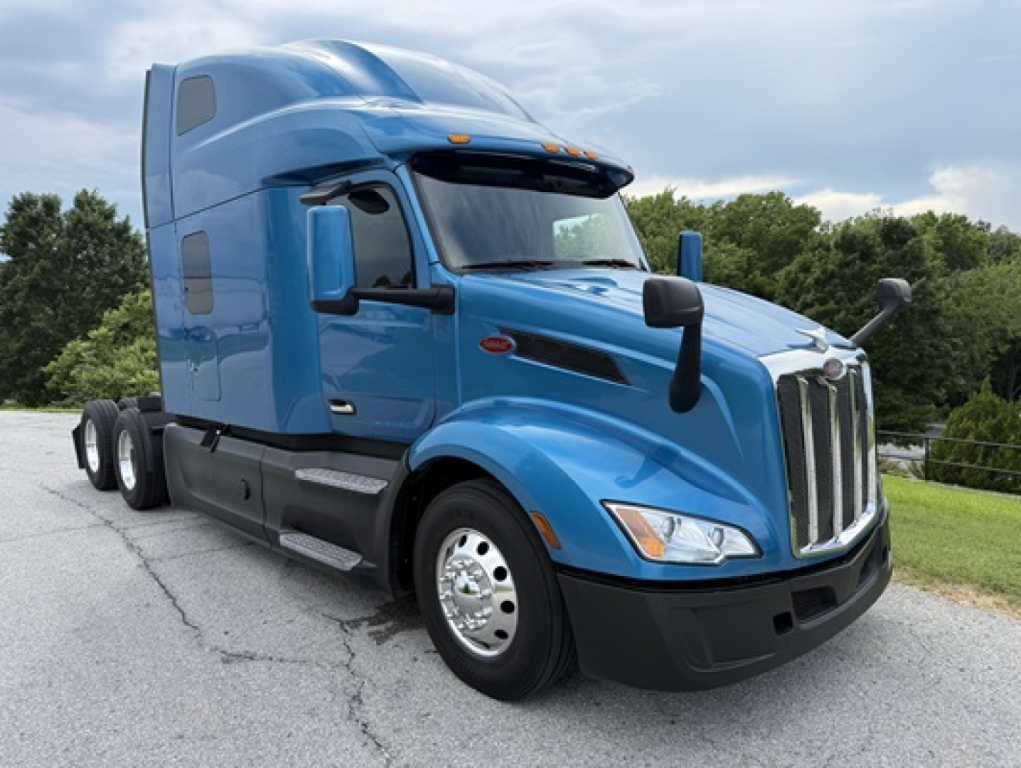
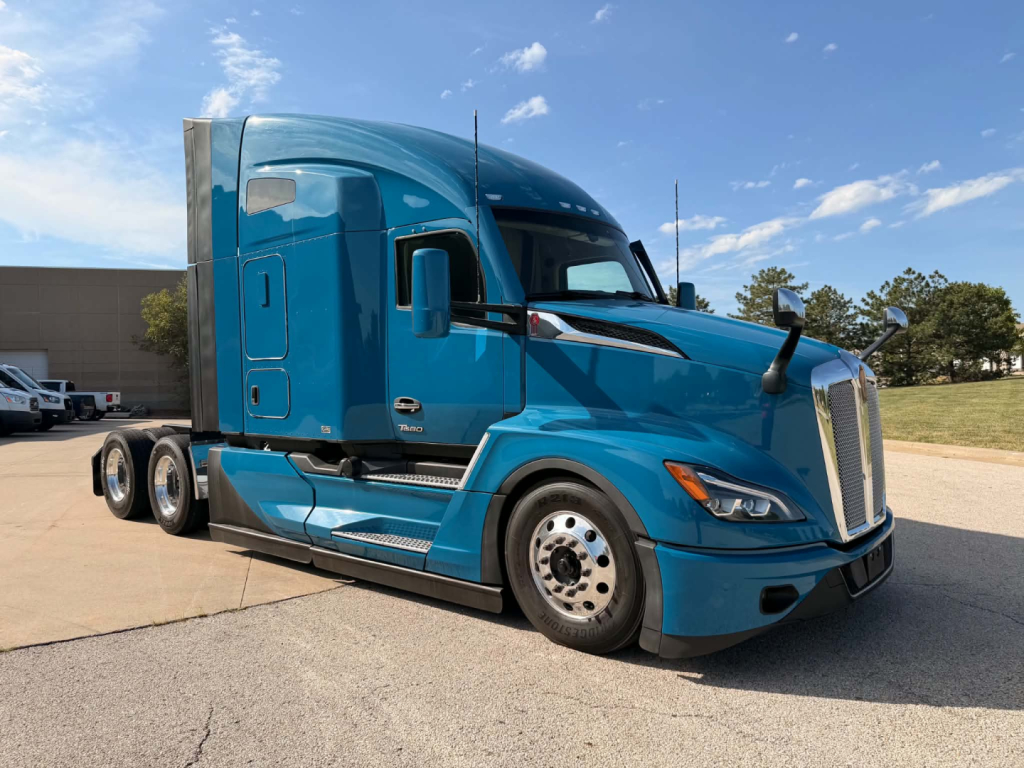
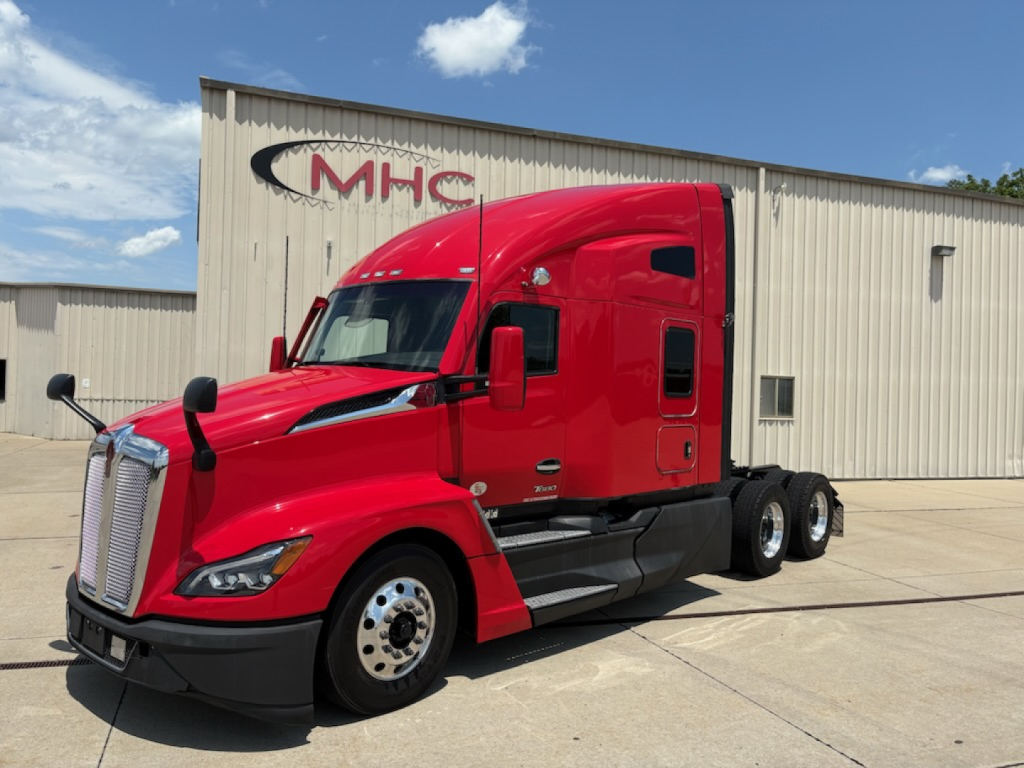
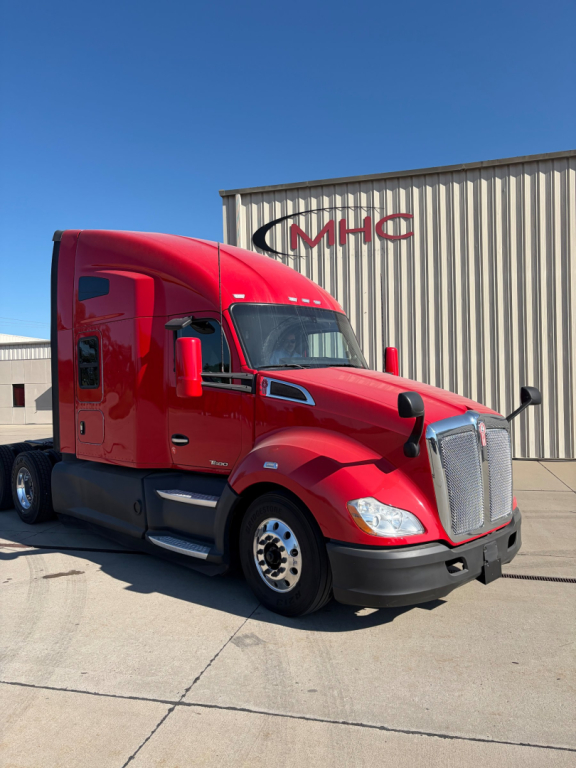
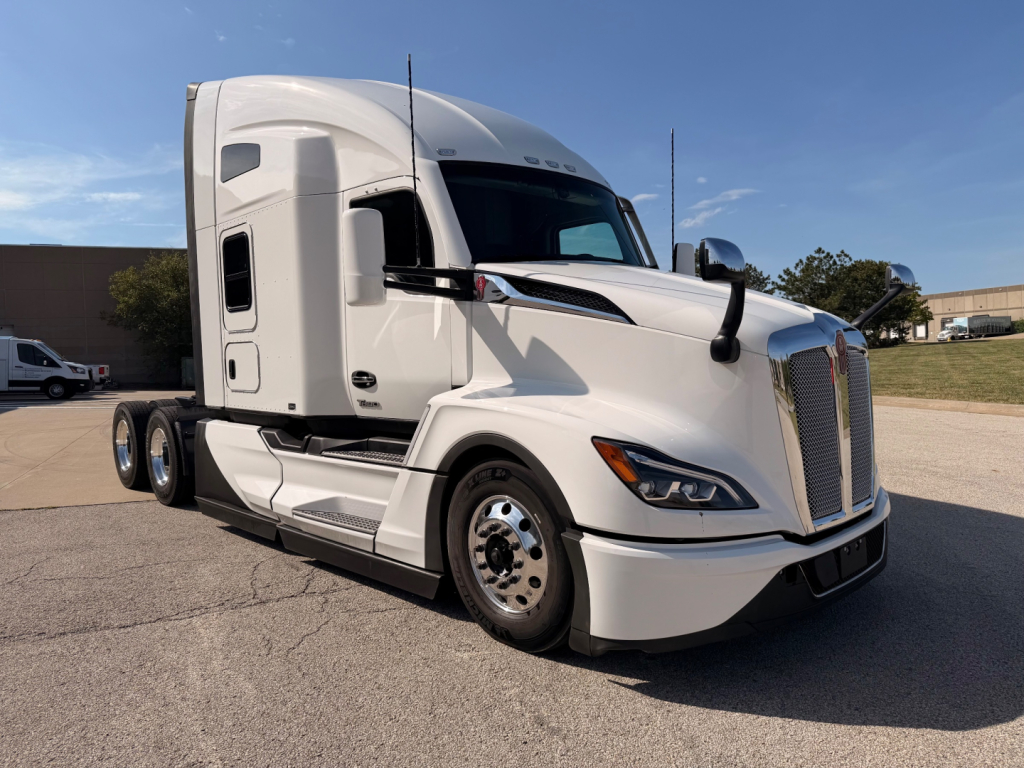
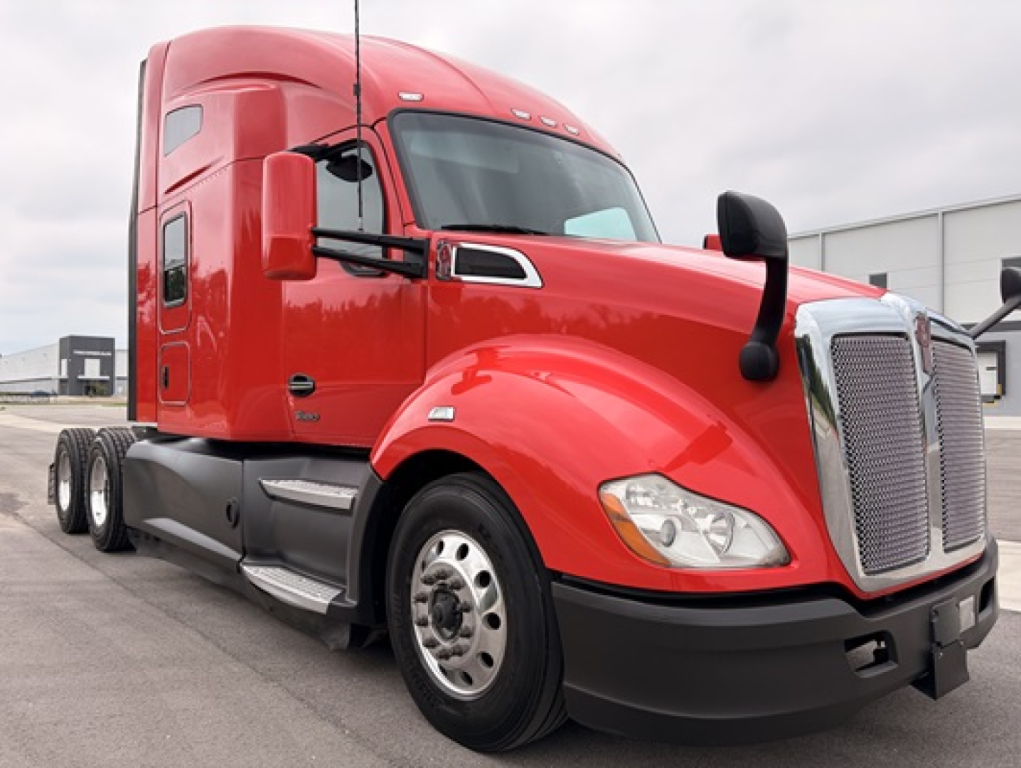
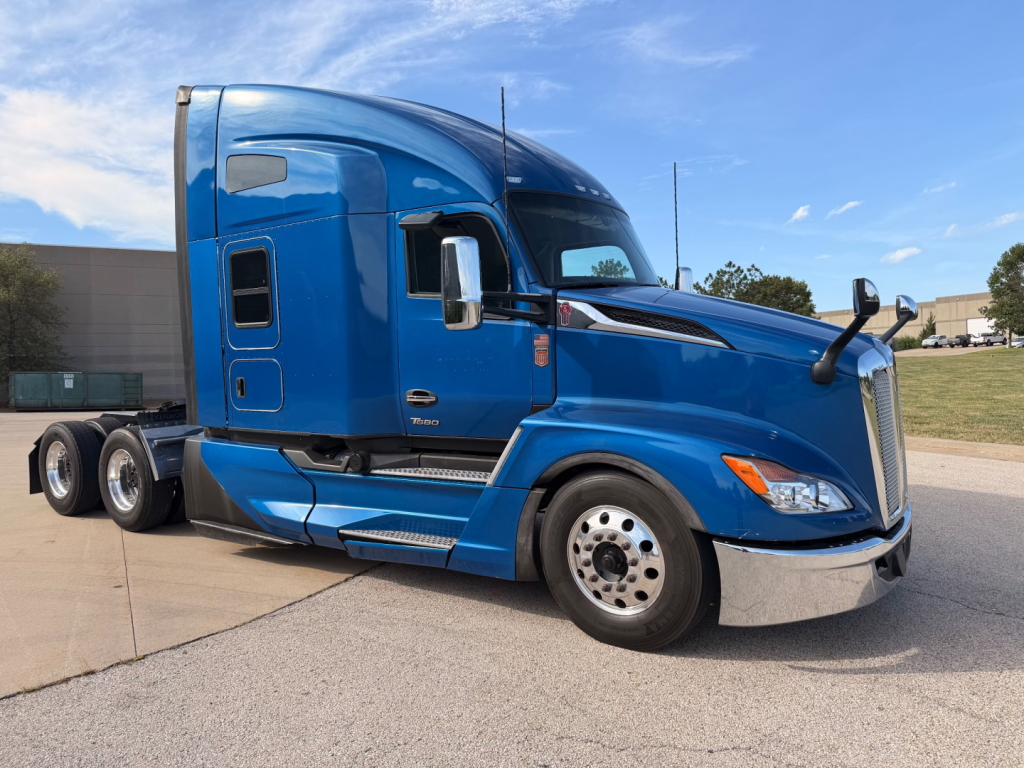
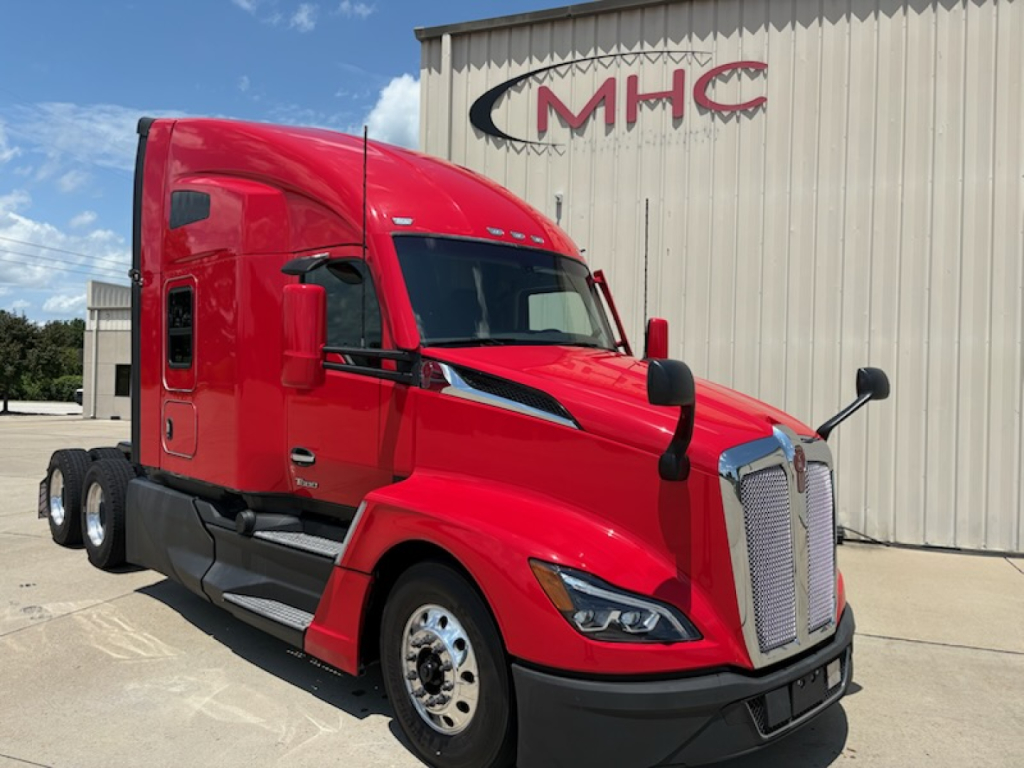
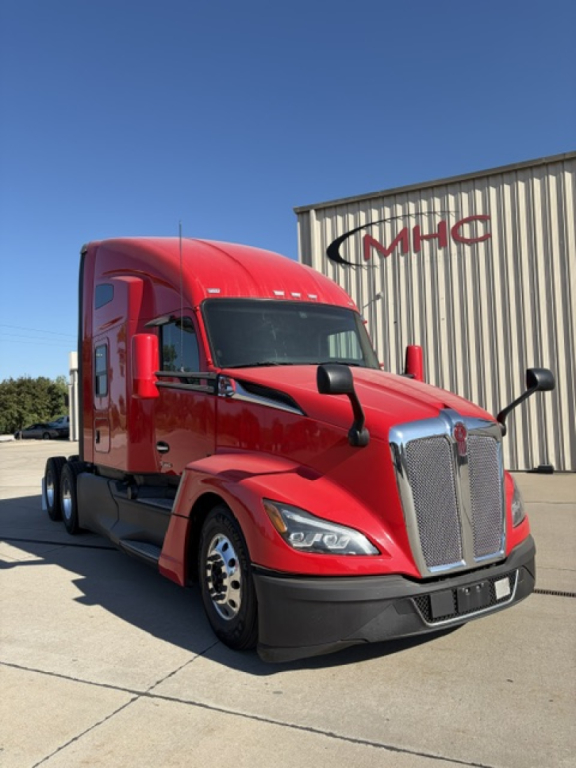
Have used conventional sleeper truck to sell? List it here to reach thousands of buyers.
Used Conventional Sleeper Trucks in Kansas
Common specs in this category include 6x4 drivetrains, tandem rear axles, raised-roof sleepers, and diesel engines in the 13-liter to 15-liter range from Detroit, Cummins, Paccar, or Volvo. Popular models include the Freightliner Cascadia, Peterbilt 579, Kenworth T680, Volvo VNL, and International LT. Transmissions are often automated manuals, though some used units still carry manual gearboxes. Pay close attention to axle ratio, wheelbase, and gross vehicle weight rating, especially if the truck will stay on van, reefer, or general freight lanes. A lighter, more aerodynamic spec can improve fuel burn, while a heavier vocational-style spec may trade efficiency for durability and flexibility.
The sleeper itself matters more than many first-time buyers expect. Mid-roof and high-roof cabs change standing room, storage, and bunk layout, while larger sleepers can support team operations or drivers spending extended time on the road. Interior condition is more than cosmetic because worn seats, damaged cabinets, HVAC issues, and bunk problems usually point to the level of care the truck received. On a used conventional sleeper, it is smart to review engine hours, maintenance records, emissions system history, tire wear, and signs of uneven loading or alignment problems. Buyers should also inspect fifth wheel condition, frame condition, suspension type, and any installed features such as APUs, inverter systems, collision mitigation, lane departure, and tire inflation systems.
Kansas buyers often look for a balance between highway efficiency and all-season reliability. Trucks that regularly crossed open plains and western grades may show the benefit of steady highway miles, but they should still be checked for cooling system performance, turbo response, and brake condition. If the truck will run mostly dry van or reefer, a fuel-efficient aero sleeper with a proven 12-speed or similar automated transmission is often the practical choice. If it will see heavier payloads or more varied routes, a stronger rear axle spec, different gearing, or a larger engine may be worth the tradeoff. The best used conventional sleeper truck is usually the one with a documented maintenance history, a spec that matches the freight, and a cab layout the driver can live with for the long haul.
Frequently Asked Questions about Used Conventional Sleeper Trucks in Kansas
What is a conventional sleeper truck used for?
A conventional sleeper truck is built for over-the-road freight where the driver needs both highway capability and an onboard sleeping area. It is commonly used for dry van, reefer, flatbed, and other long-haul applications. The conventional hood design also gives easier engine access than a cabover, which is one reason these trucks remain the standard choice for most North American linehaul operations.
What should I check first on a used conventional sleeper truck?
Start with the engine, transmission, drivetrain, and maintenance history. Mileage matters, but engine hours, service intervals, emissions repairs, and prior major work often tell a better story than the odometer alone. After that, inspect the sleeper condition, frame, suspension, tires, fifth wheel, and signs of oil, coolant, or aftertreatment issues. A truck with a clean service record and a spec that matches the intended load is usually a safer buy than one chosen on appearance alone.
Which sleeper size is best for long-haul work?
High-roof sleepers are usually preferred for long-haul service because they offer better standing room, more storage, and a more livable bunk area. Mid-roof sleepers can still work well for shorter regional runs or fleets trying to reduce weight and initial cost. The right choice depends on how many nights the driver spends in the truck, whether the operation runs solo or team, and how much onboard storage is needed for personal gear and equipment.
Are automated transmissions common in used sleeper trucks?
Yes. Automated manual transmissions are now common in used conventional sleeper trucks because they improve shift consistency, reduce driver fatigue, and can help fuel economy. They are especially common in later-model highway tractors from Freightliner, Volvo, Peterbilt, and Kenworth. Buyers should still confirm software updates, clutch condition where applicable, and overall drivability, because poor shift behavior can point to calibration or component issues.
What specs matter most for Kansas and Midwest freight lanes?
For Kansas and surrounding Midwest lanes, buyers usually prioritize aerodynamic design, dependable cooling, a 6x4 drivetrain, and gearing that supports highway speeds without sacrificing pull on grades. Trucks running westbound toward Colorado may benefit from an engine and axle ratio that handle elevation and wind efficiently. Fuel capacity, bunk comfort, and safety systems also matter because many regional trucks in this area still spend long stretches on interstate runs.