
Used Kenworth Conventional Sleeper Trucks For Sale in Kansas
Compare used Kenworth conventional sleeper trucks for sale in Kansas by gearing, sleeper layout, emissions history, and condition for Plains freight.
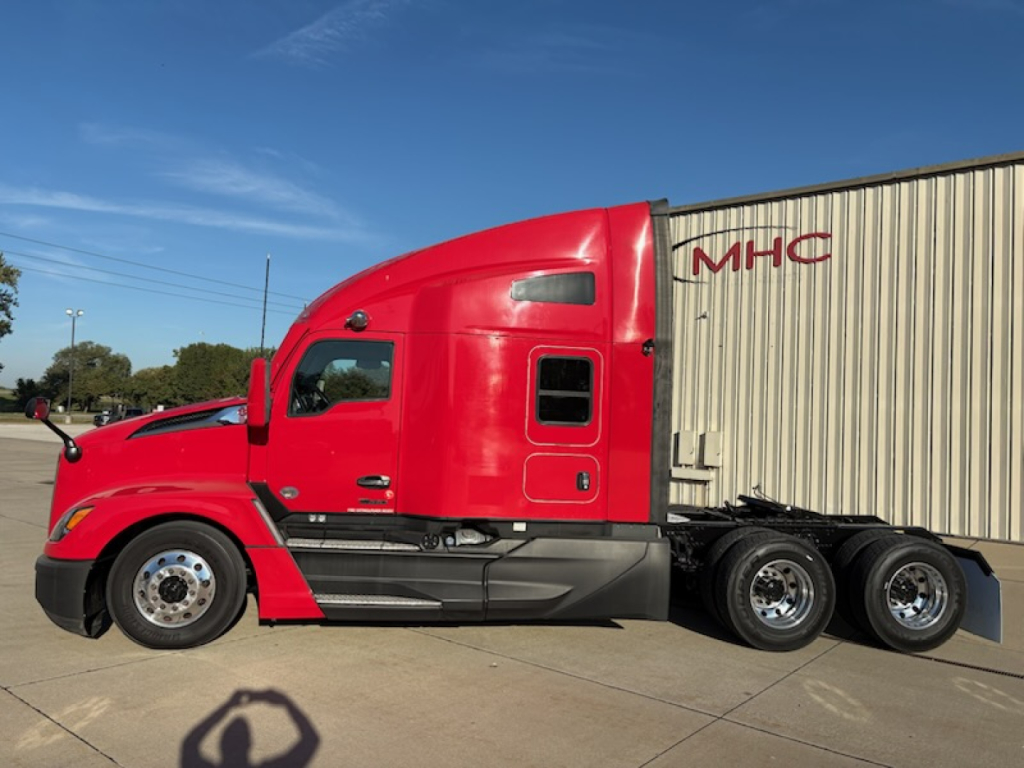
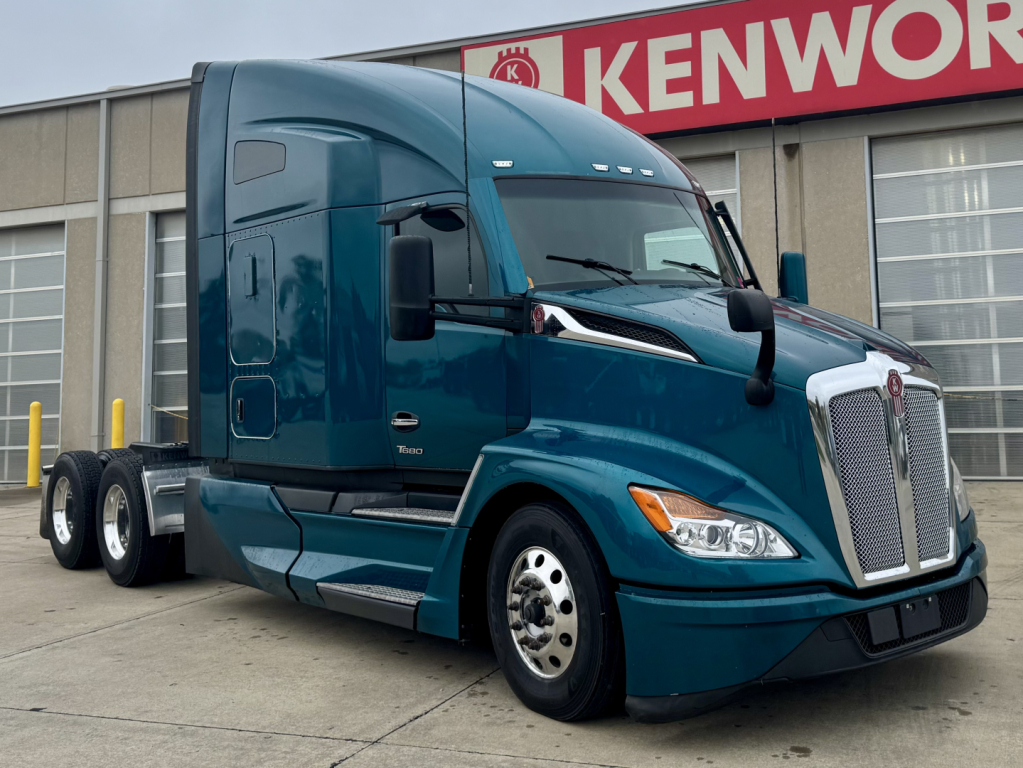
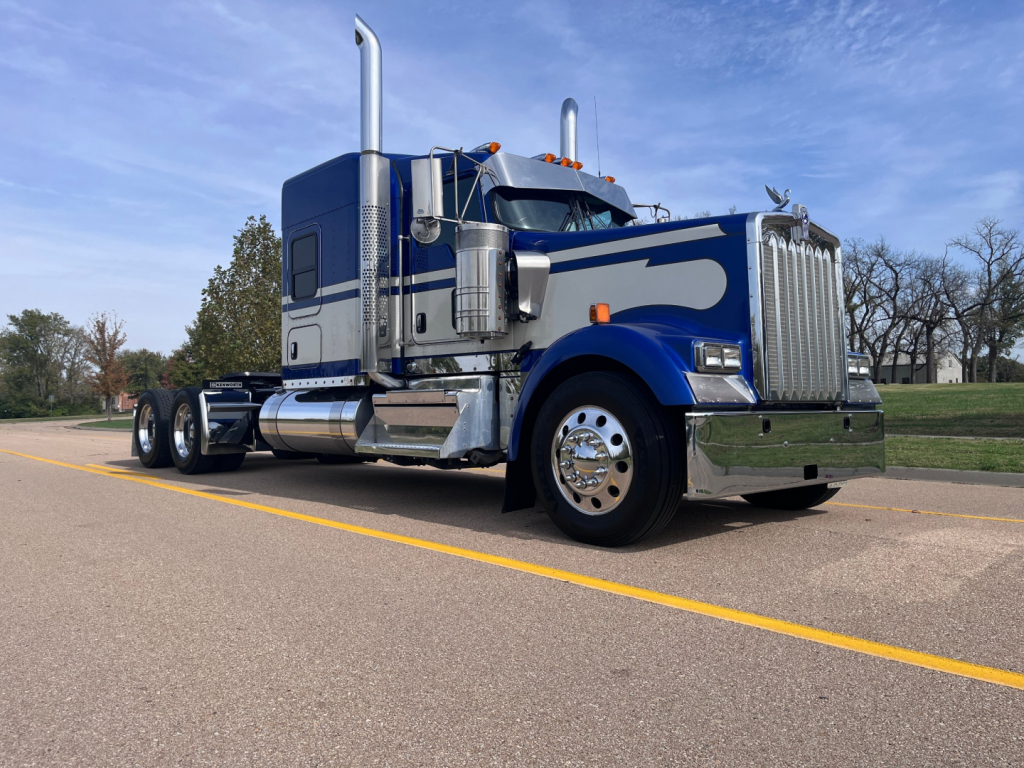
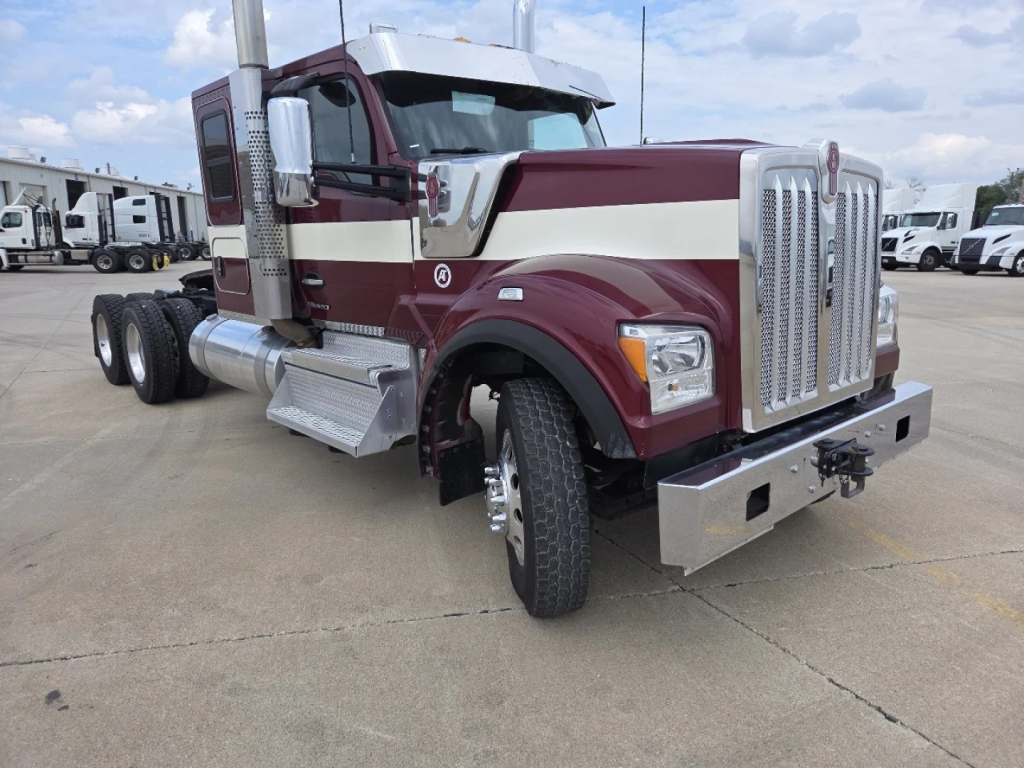
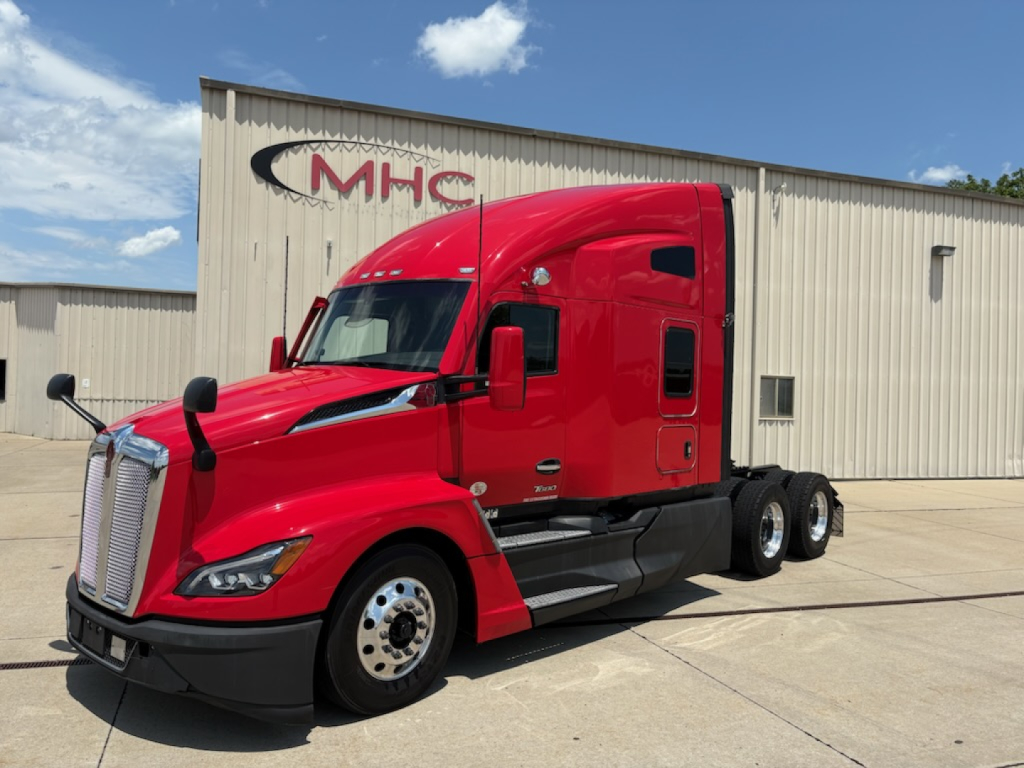
Selling a used kenworth conventional sleeper truck? List your used kenworth conventional sleeper truck for sale and reach thousands of commercial buyers.
Used Kenworth Conventional Sleeper Trucks in Kansas
Maintenance records and an ECM download matter more than odometer mileage alone on a used sleeper tractor. Compare engine hours, idle percentage, fault history, and documented DPF cleaning or replacement. Check for coolant loss, excessive crankcase pressure, charge-air leaks, and evidence of overheating. Inspect fifth-wheel jaws, frame rails near suspension brackets, air springs, brakes, and uneven tire wear. Test sleeper HVAC, bunk heaters, and any APU because overnight comfort equipment creates its own maintenance load.
Kansas service adds windblown dust, summer cooling demands, and winter deicing exposure to the inspection list. Look inside the radiator and charge-air-cooler stack for packed debris, and examine air lines, wiring connectors, and crossmembers for corrosion. Grain-elevator approaches and rural loading sites favor adequate ground clearance and traction equipment over highway-only specifications. Confirm tractor wheelbase and fifth-wheel adjustment against the intended trailer, since heavier axle ratings alone do not establish legal payload.
Frequently Asked Questions about Used Kenworth Conventional Sleeper Trucks in Kansas
Is a 76-inch Kenworth sleeper big enough for team driving?
A 76-inch Kenworth sleeper configured with two bunks can accommodate team operation, but sleeper length alone does not confirm a double-bunk layout. Verify the upper bunk, mattress dimensions, restraints, storage access, and climate control with both sleeping positions occupied. Compare usable standing room and seat travel, especially when evaluating different T680 generations or comparing an aerodynamic cab with a traditional W900.
Can a Kenworth sleeper tractor with heavier axles legally haul more weight in Kansas?
Heavier axle ratings do not automatically increase legal gross weight in Kansas. A standard five-axle tractor-trailer combination on Interstate highways is generally limited to 80,000 pounds, with 20,000-pound single-axle and 34,000-pound tandem limits plus federal bridge requirements. Higher weights require an applicable exception or permit. Check the complete combination's axle spacing, tire ratings, registration, and planned route before selecting a heavy-spec Kenworth.
Which used Kenworth sleeper trucks have DPF and DEF systems?
Most on-highway Kenworth sleepers with 2007-emissions engines have a DPF, while 2010-emissions engines generally add SCR and DEF. Engine certification matters more than the advertised chassis model year, particularly after an engine replacement. Verify the emissions label and installed equipment, then review regeneration history, soot-related faults, DEF-system repairs, and evidence that the original emissions controls remain intact.
How should I test an automated transmission in a used Kenworth T680?
A loaded road test and transmission diagnostic report are the strongest checks for an automated transmission in a used Kenworth T680. Test forward and reverse engagement, low-speed backing, uphill starts, and shifts after the drivetrain reaches operating temperature. Review clutch wear information where supported, calibration records, and stored actuator faults. Confirm the exact transmission model because Eaton and PACCAR automated systems have different service requirements.