
Used Boom Trucks For Sale
Shop used boom trucks with crane, utility, and material-handling setups. Compare reach, lift capacity, outriggers, chassis specs, and PTO hours.
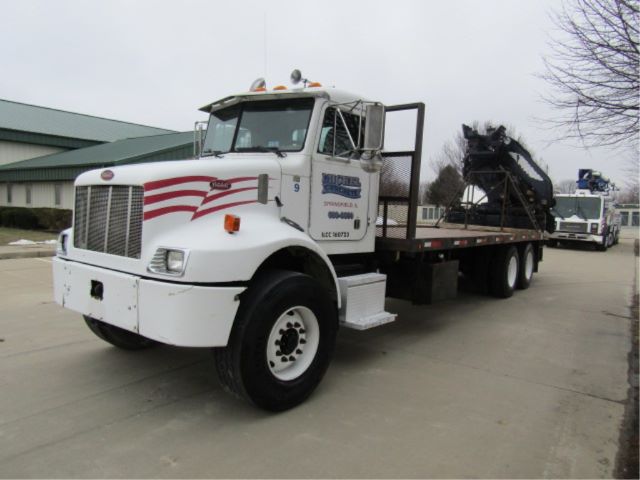
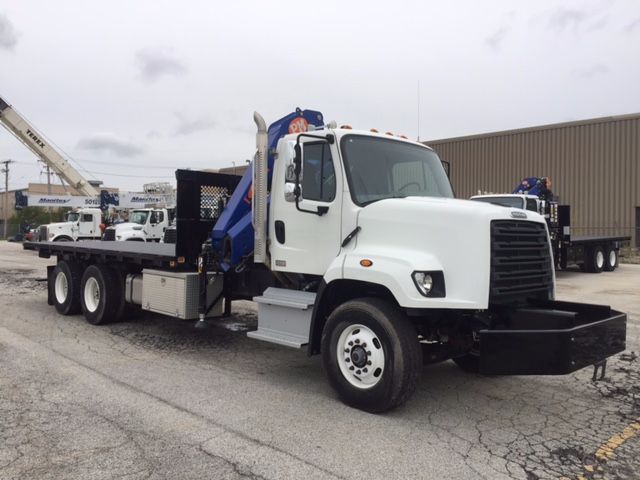
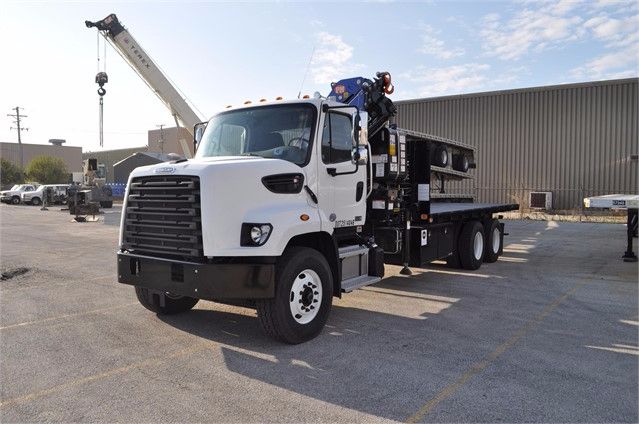
Selling a used boom truck? List your used boom truck for sale and reach thousands of commercial buyers.
Used Boom Trucks
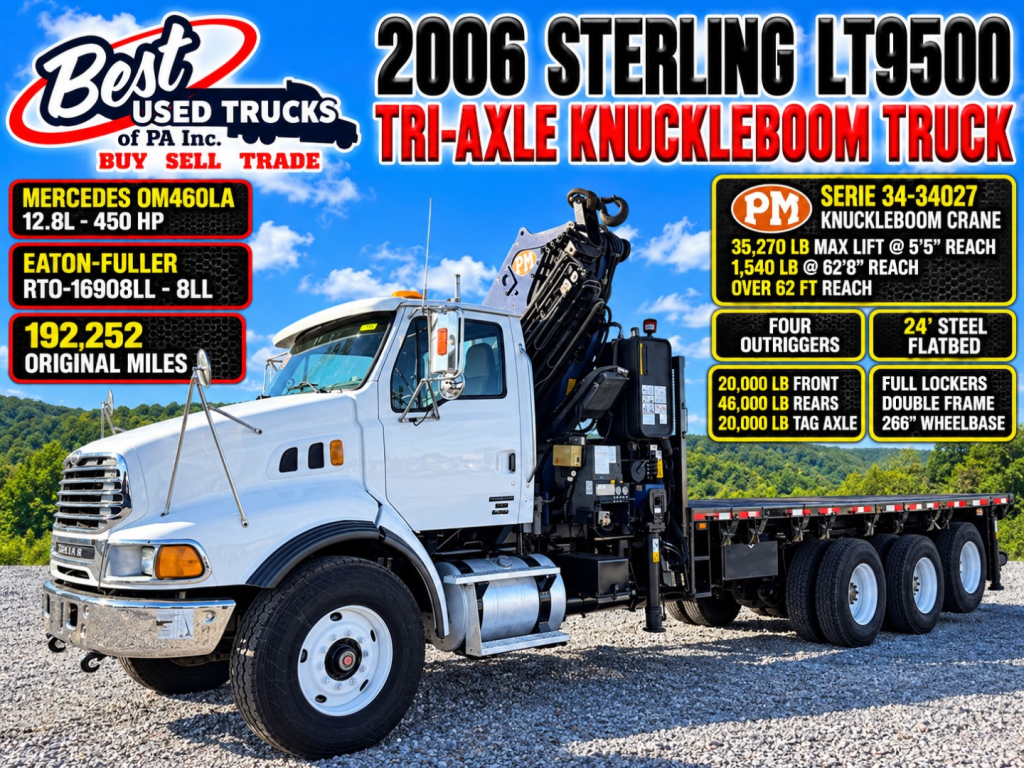
On crane-equipped boom trucks, buyers usually compare maximum lift capacity, horizontal reach, hydraulic stability, and chassis configuration before anything else. Common used setups include medium-duty and severe-duty chassis from Freightliner, International, Peterbilt, and similar makes, often with diesel engines from Cummins and automatic or manual transmissions. Features that add real operating value include radio remote controls, load moment indicators, hydraulic outriggers, out-and-down stabilizers, differential locks, and stow alarms. A 6x4 chassis, tandem rear axle, or cheater axle can be important when the crane and body package push axle weights higher, especially on units built for heavier picks.
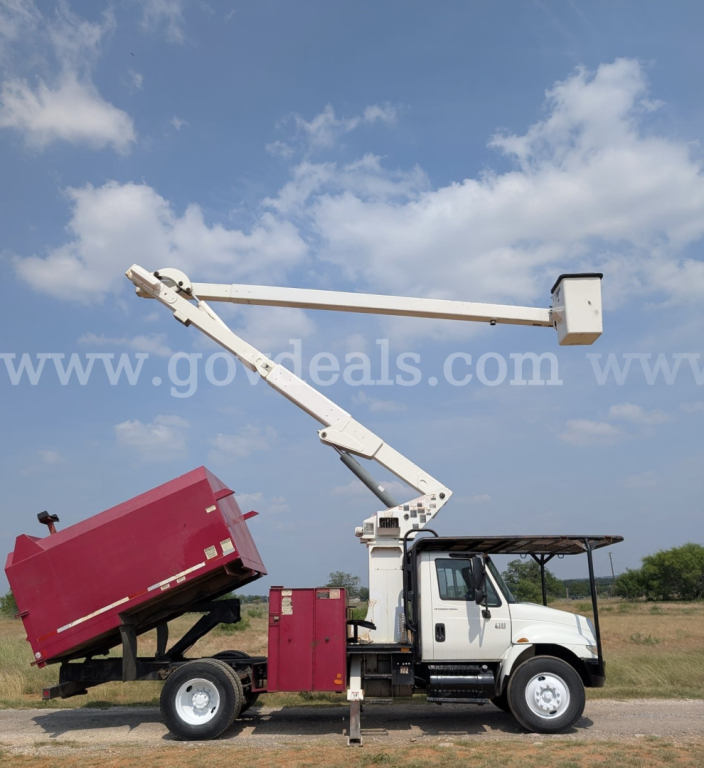
If the truck is built around an aerial work platform instead of a cargo crane, inspect platform height, side reach, articulation, dielectric certification history, and PTO hours along with engine miles. Utility and bucket-style boom trucks are often evaluated more by service records and annual testing than by mileage alone because time spent operating the boom can matter as much as road use. Buyers should also look closely at frame condition, outrigger operation, hydraulic leaks, turntable wear, boom sections, basket controls, and any electronic safety interlocks. For crane-body trucks, body floor condition, stake sides, tool storage, and tie-down layout can affect day-to-day usefulness as much as published lift specs.
A good used boom truck match comes down to job cycle and legal operating limits. Check gross vehicle weight rating, wheelbase, bridge compliance, CDL requirements, and whether the truck will work on tight urban jobsites or open commercial sites. Verify service documentation for the crane or aerial device, confirm current inspection status, and compare PTO hours against the type of work the truck has done. Buyers who focus on reach, stability, chassis capacity, and application-specific equipment tend to end up with a boom truck that earns consistently instead of one that is only impressive on paper.
Frequently Asked Questions about Used Boom Trucks
What is the difference between a boom truck and a knuckle boom truck?
A boom truck often refers broadly to any truck-mounted lifting device, but in the material-handling market it usually means a truck with a crane mounted behind the cab or on the body. A knuckle boom truck uses an articulating crane with folding sections, which helps in tight delivery areas and precise placement. A straight or stiff boom crane usually offers simpler geometry and is often preferred for certain lifting patterns. The right choice depends on the loads you handle, the reach needed, and how much maneuverability the jobsite requires.
What should I check first on a used boom truck?
Start with the boom system and the truck chassis as separate assets. Review lift capacity or platform height, PTO hours, outriggers, hydraulic function, remote controls, safety interlocks, and service records for the crane or aerial device. Then inspect engine condition, transmission, axle ratings, frame, suspension, tire wear, and brake condition. On utility boom trucks, dielectric testing and inspection history are especially important. On crane trucks, pay close attention to structural repairs, weld quality, and signs of overload stress around the mounting area and subframe.
Are miles or PTO hours more important on a used boom truck?
Both matter, but PTO hours can tell you more about working wear on the boom equipment. A truck with moderate road miles and heavy PTO time may have more wear in the hydraulic system, turntable, pins, bushings, and controls than mileage alone suggests. Engine miles still matter for chassis life, especially on medium-duty trucks that spend time in stop-and-go service. The best evaluation compares miles, engine hours if available, PTO hours, and maintenance records together rather than relying on one number.
Do I need outriggers on a boom truck?
Most boom trucks used for lifting materials or elevating personnel rely on outriggers or stabilizers for safe operation. Outriggers increase stability, improve lifting performance, and help the equipment operate within its rated chart. The style matters too, with out-and-down hydraulic outriggers common on many truck-mounted cranes. Buyers should verify that outriggers deploy smoothly, hold pressure, and show no signs of structural damage, leaks, or prior repairs that could affect stability or safe operation.
What chassis specs matter most when buying a used boom truck?
The key chassis factors are gross vehicle weight rating, axle configuration, wheelbase, rear suspension capacity, and engine-transmission pairing. A boom body and crane add significant weight, so axle ratings and bridge compliance can be just as important as horsepower. Wheelbase affects both stability and turning radius, which matters if the truck will work in neighborhoods, alleys, or congested jobsites. Buyers should also confirm the truck has the PTO setup, frame strength, and suspension needed to support the mounted equipment without compromising legal payload or handling.