
Boom Trucks For Sale
Compare boom trucks for sale, including knuckle boom and crane body setups, with key specs on lift capacity, outriggers, chassis, and PTO.
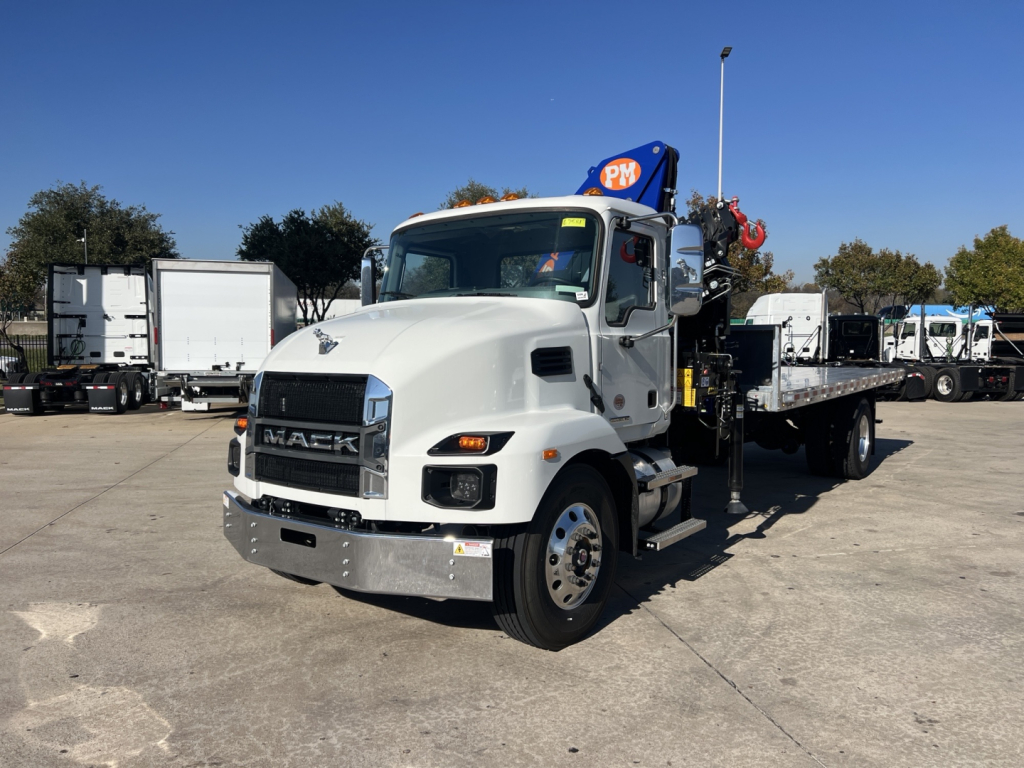
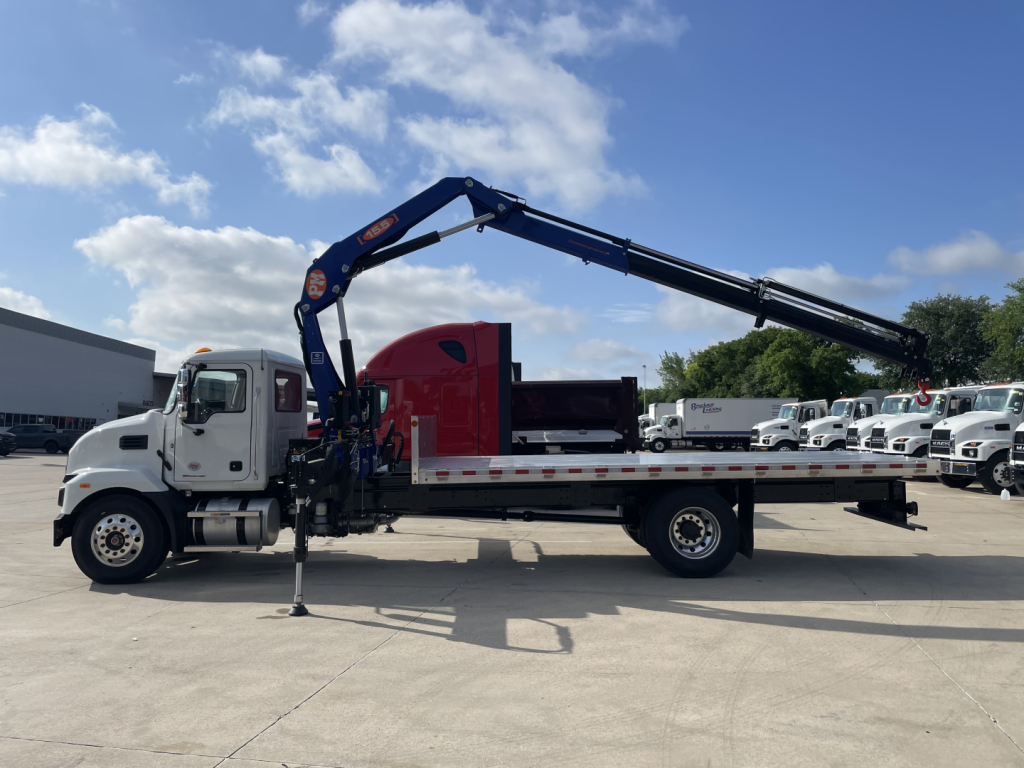
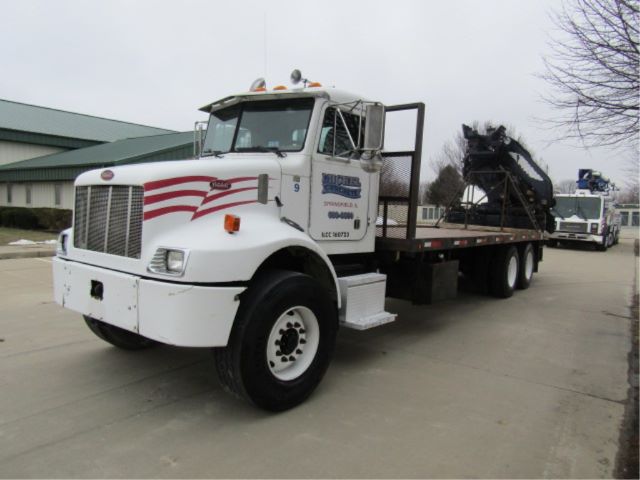
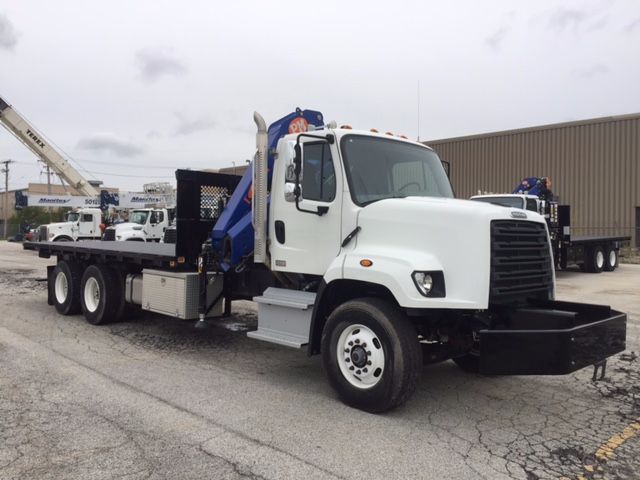
Selling a boom truck? List your boom truck for sale and reach thousands of commercial buyers.
Boom Trucks
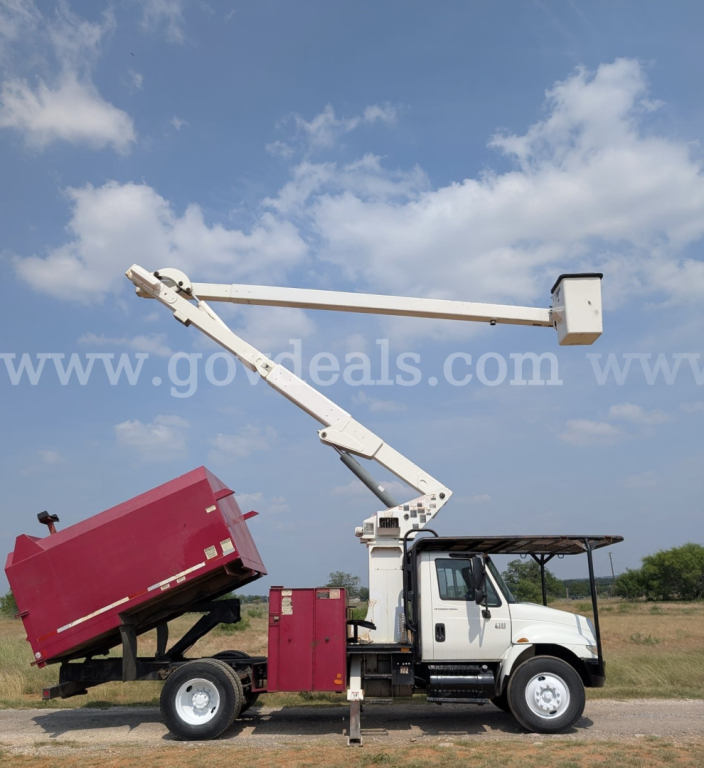
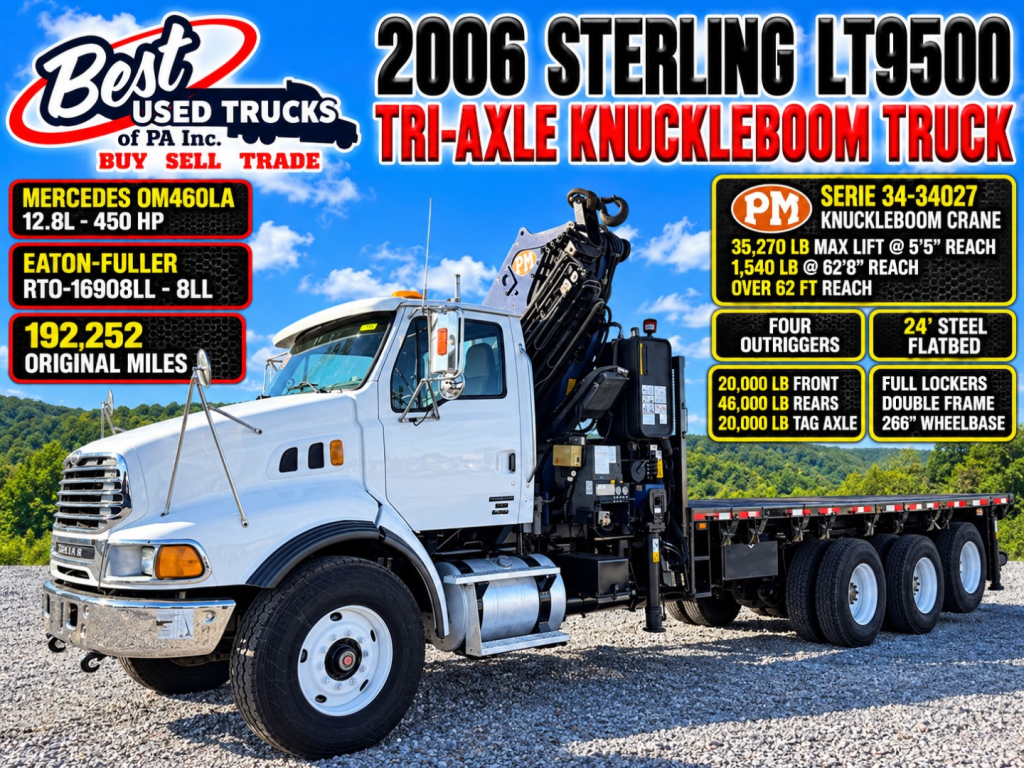
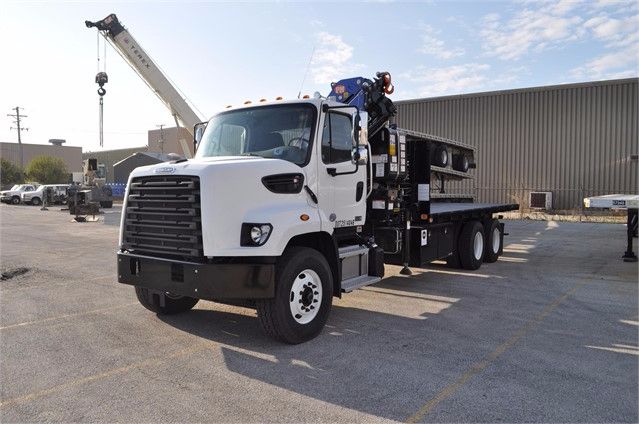
Lift capacity, reach, and stability matter more than badge name alone. Many boom trucks in the medium-duty and vocational market are built on 6x4 or heavy single-axle chassis from makers like Freightliner, Mack, Peterbilt, and similar platforms. Common powertrains include Cummins diesel engines paired with Allison automatic or Eaton Fuller manual transmissions, often selected around PTO compatibility and start-stop jobsite use. Buyers should compare rated lifting capacity at specific radiuses, not just the headline max lift number. Outrigger design, load moment indicator systems, radio remote controls, and stow alarms all affect safe operation and productivity in the field.
Body configuration is just as important as the crane. Some boom trucks carry aluminum or steel flatbeds for building materials, generators, palletized freight, or jobsite equipment. Others are spec'd with crane bodies, tool storage, dunnage space, or specialized towing gear. Deck length, bed material, tie-down layout, and available payload should be reviewed alongside axle ratings and wheelbase. A truck with a strong crane can still be a poor fit if the deck is too short, the axle spread limits load placement, or the chassis leaves little legal payload once the crane and body are installed.
For buyers comparing used and newer boom trucks, the critical checks are hydraulic condition, PTO operation, outrigger wear, crane certification records, and signs of frame stress around the mount area. It is also smart to verify remote function, LMI calibration, hose condition, and whether replacement service parts are readily available for the crane brand. The right boom truck should match the actual work cycle: rooftop HVAC placement, construction material delivery, utility support, machinery moving, sign installation, or recovery work. When the chassis, crane, and body are matched correctly, a boom truck can replace multiple pieces of equipment and keep a crew productive with fewer moves and less setup time.
Also known as: Crane Truck, Truck-Mounted Crane
Frequently Asked Questions about Boom Trucks
What is the difference between a boom truck and a knuckle boom truck?
A boom truck is a broad category for trucks equipped with a mounted lifting boom or crane. A knuckle boom truck uses an articulating crane with folding joints, which allows compact transport and precise placement in confined work areas. Straight boom cranes usually offer simpler geometry and may suit different lift patterns, while knuckle booms are often preferred for loading, unloading, and placing materials around obstacles.
What specs matter most when buying a boom truck?
The most important specs are rated lift capacity at working radius, horizontal reach, vertical reach, outrigger type, GVWR, axle ratings, wheelbase, and usable payload after the crane and body are installed. Buyers should also review the PTO and hydraulic setup, bed length, tie-down configuration, and whether the truck has features such as radio remote control, load moment indicator, differential locks, and storage provisions for rigging and dunnage.
Are boom trucks used mainly for construction?
Construction is one of the biggest applications, but boom trucks are used across many industries. Common uses include HVAC placement, roofing supply delivery, sign and lighting work, utility support, machinery handling, building material delivery, and some specialized towing or recovery operations. The best application depends on crane reach, body design, payload, and how often the truck needs to travel between jobs versus staying on one site.
How do I evaluate a used boom truck?
Start with the crane and hydraulic system, not just the chassis mileage. Check service records, annual inspections, structural condition at the crane mount, outrigger performance, hose and cylinder condition, PTO engagement, and the accuracy of the load moment indicator if equipped. Then inspect frame condition, suspension, brakes, tires, and axle ratings to confirm the truck can still carry and stabilize the intended load safely.
What chassis setup is common for boom trucks?
Many boom trucks are built on medium-duty and vocational chassis with diesel engines, PTO-capable transmissions, and either single-axle or 6x4 tandem rear configurations. The right setup depends on crane weight, body length, legal payload, and jobsite traction needs. Tandem axle units are common when buyers need higher stability, heavier crane packages, or more deck capacity, while smaller single-axle trucks can be a better fit for urban delivery and lighter lifting work.