
2025 Boom Trucks For Sale
Shop 2025 boom trucks including knuckle boom and wrecker configurations. Compare lift capacity, outriggers, chassis specs, and job fit.
Selling a 2025 boom truck? List your 2025 boom truck for sale and reach thousands of commercial buyers.
2025 Boom Trucks
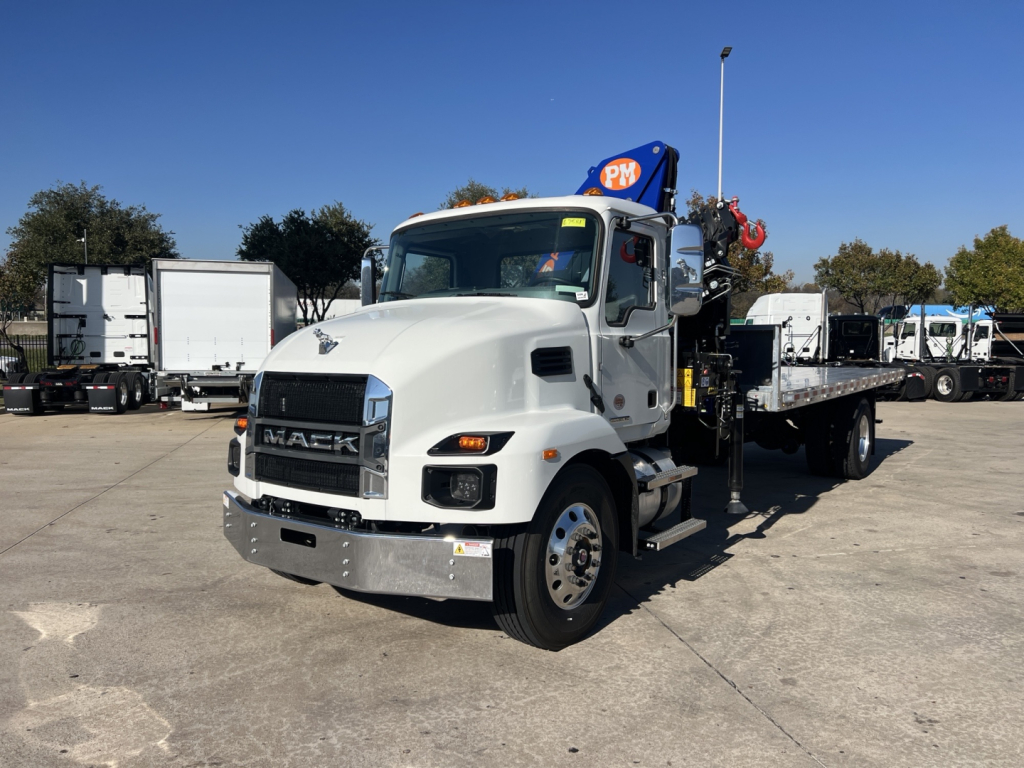
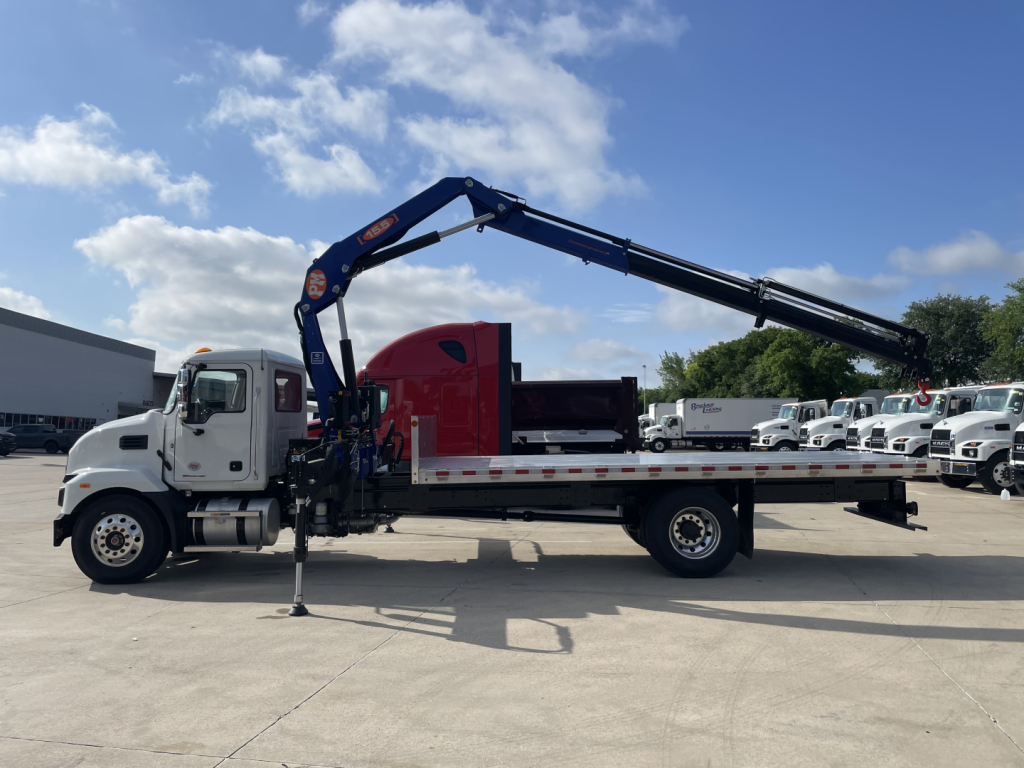
For crane-equipped boom trucks, the important specs start with lift capacity, horizontal reach, boom configuration, and outrigger spread. Buyers should also look closely at the crane control package, especially radio remote operation, load moment indicator systems, anti-two-block protection where applicable, and stow alarms for crane and outriggers. On the truck side, axle rating, wheelbase, transmission choice, PTO setup, and frame reinforcement matter just as much as the crane brand. Many 2025 units are built on medium-duty and severe-duty chassis from OEMs like Mack or Freightliner, often with diesel engines in the 300 HP range, automatic transmissions, and 4x2 or 6x4 drivetrains depending on the application.
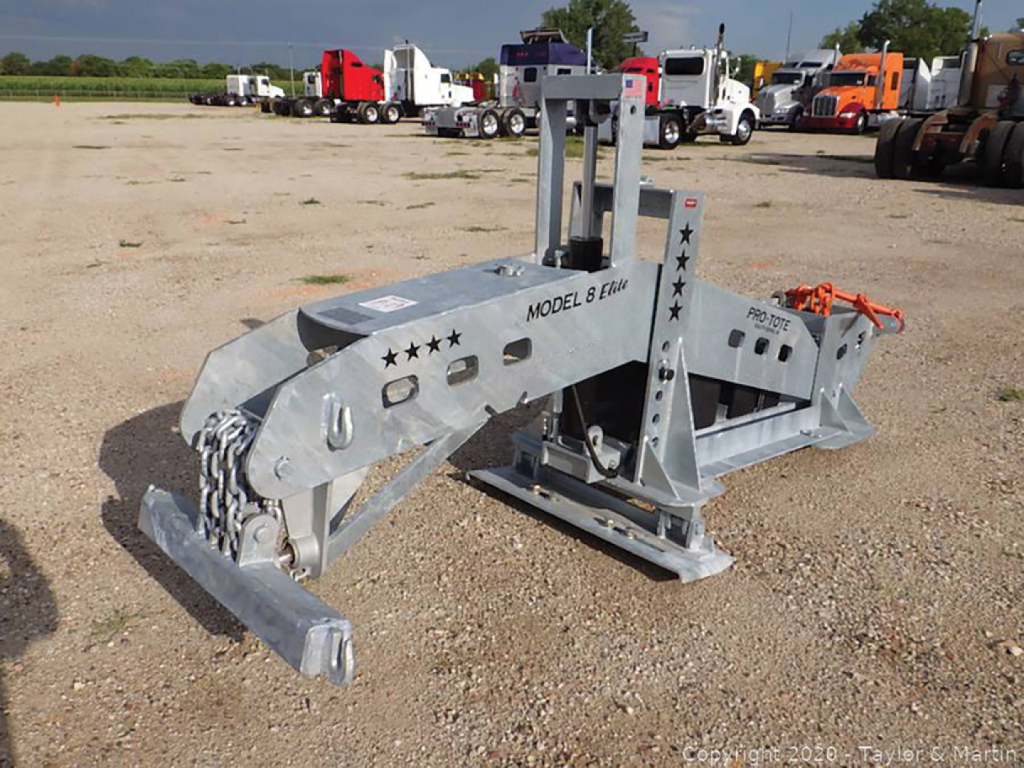
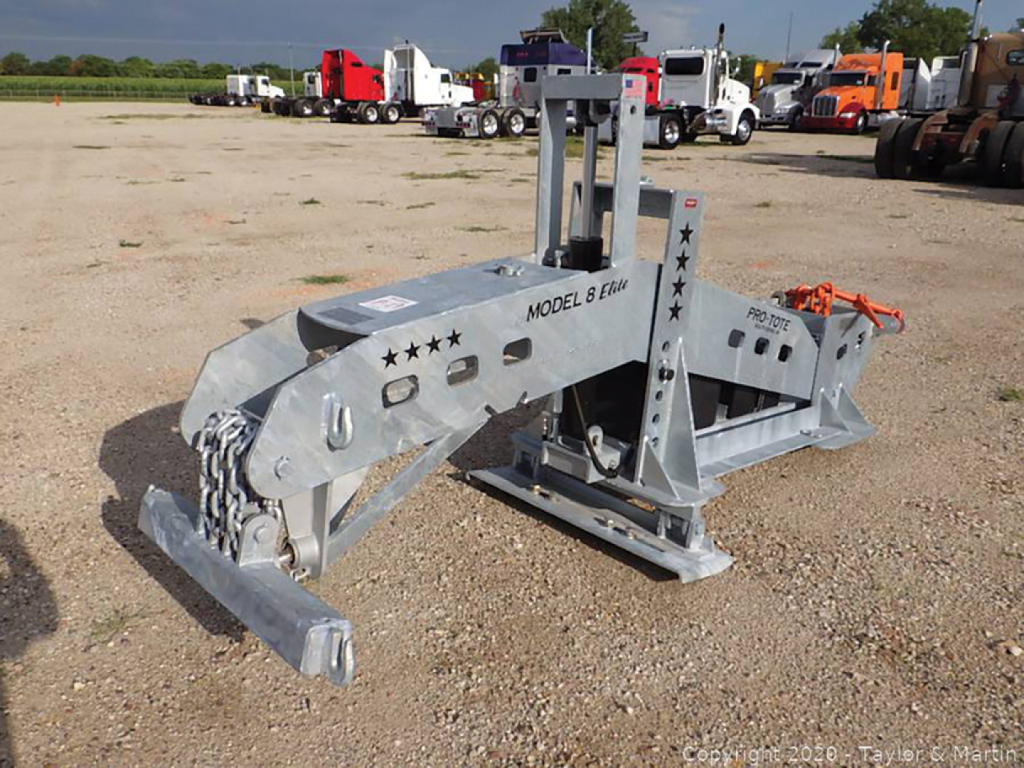
Body layout has a direct effect on productivity. Material-handling boom trucks may include a flatbed or stake body, tool storage, headache rack protection, and stabilizer packages sized for the crane chart. Recovery-oriented boom trucks may use hydraulic fifth-wheel systems, underlift equipment, or towing attachments instead of cargo deck space. If the work involves roofing supply, construction materials, jobsite equipment, or utility support, pay attention to bed length, payload after crane installation, and how much deck remains usable once the boom and outriggers are mounted. If the truck will spend time on uneven ground, outrigger design, rear suspension spec, and tire selection become more important than headline lift numbers.
A 2025 model year boom truck appeals to buyers who want current emissions hardware, newer safety electronics, and minimal drivetrain age, but the upfit still determines real-world value. The best comparisons are made by matching the crane chart, body style, and chassis rating to the actual loads being moved. A truck with a strong chassis and undersized boom will limit job capability, while a large crane on the wrong wheelbase can create balance and legal payload issues. For many fleets, the right boom truck is the one that combines stable lifting geometry, serviceable hydraulic components, and a chassis spec that fits both the route and the load.
Frequently Asked Questions about 2025 Boom Trucks
What is the difference between a knuckle boom truck and a telescopic boom truck?
A knuckle boom truck uses an articulating crane with multiple pivot points, which makes it better for lifting and placing loads in confined areas or around obstacles. A telescopic boom truck uses a straight boom that extends outward, which is generally better for direct reach and conventional crane-style lifting. The right choice depends on whether the work demands precise articulation or longer straight-line extension.
What should I check first when comparing 2025 boom trucks?
Start with the crane or boom rating, then confirm the truck chassis is properly matched to it. Lift capacity, reach, outrigger configuration, wheelbase, axle ratings, PTO setup, and remaining payload after the upfit are the key numbers. Buyers should also verify the intended application, because a boom built for recovery work is not the same as one built for material handling or construction delivery.
Are outriggers and stability systems important on a boom truck?
Yes. Outriggers are a primary part of safe lifting performance because the crane chart depends on proper stabilization. The type of outriggers, their spread, and whether they are hydraulic in-out and down-up designs all affect setup flexibility and usable lifting capacity. Electronic systems such as a load moment indicator help prevent overload or destabilizing crane functions, but they do not replace correct setup and operator practices.
Can a boom truck still carry payload on the body?
Many boom trucks can still carry material, but usable payload depends on the weight of the crane, the body design, and the chassis ratings. A flatbed or stake-bed boom truck may retain deck space for jobsite materials, while a wrecker-style or recovery boom truck may prioritize towing hardware over cargo area. Buyers should always look at legal GVWR, axle distribution, and net payload after the upfit is installed.
Is a boom-equipped wrecker the same as a crane truck?
No. A boom-equipped wrecker is designed primarily for towing, recovery, and moving disabled vehicles or equipment, often using underlift or hydraulic fifth-wheel systems. A crane truck is designed for lifting and placing loads according to a crane load chart. Some units may look similar at a glance, but the boom structure, controls, body equipment, and intended duty cycle are different.