
Used Boom Trucks For Sale in Illinois
Browse used boom trucks in Illinois, including knuckle boom, service, and wrecker configurations with lifting specs, chassis options, and PTO setups.
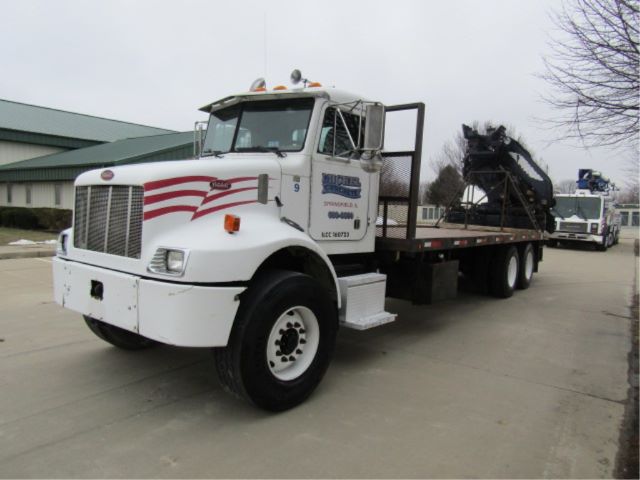
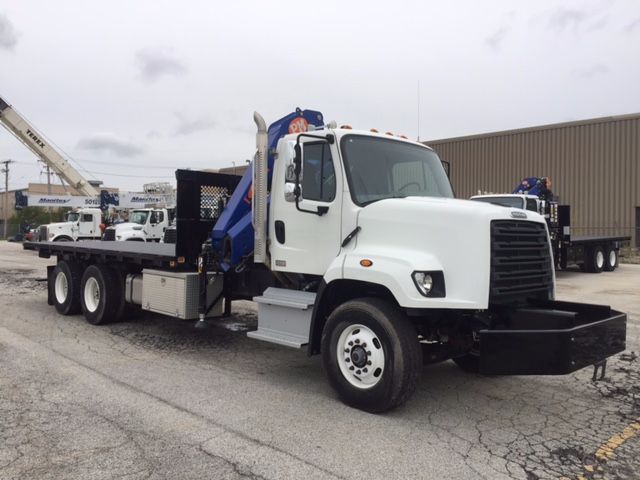
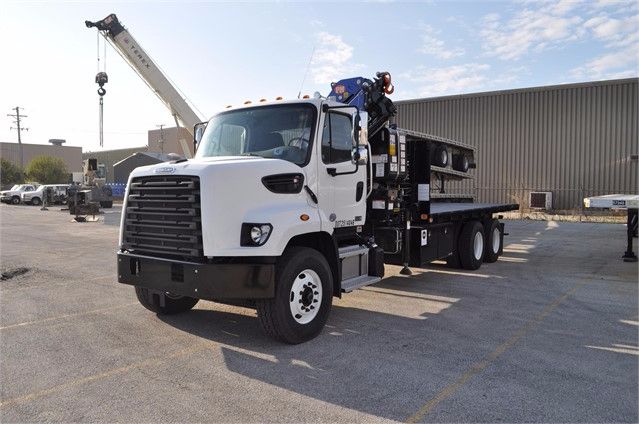
Selling a used boom truck? List your used boom truck for sale and reach thousands of commercial buyers.
Used Boom Trucks in Illinois
On used units, crane capacity and stability matter more than model year alone. Pay attention to rated lifting capacity, hydraulic reach, boom type, and whether the truck has load safety systems such as an LMI, outrigger interlocks, or stow alarms. Outrigger configuration is a major value factor, especially on cab mounted cranes. Hydraulic in-and-down outriggers generally offer better setup speed and more consistent field use than basic manual systems. Remote controls, PTO function, hydraulic leaks, boom wear pads, hose routing, and rotation smoothness all deserve close inspection. On higher-capacity trucks, ask about annual crane inspections, certification records, and any structural repairs to the subframe, body, or stabilizer mounts.
The chassis side of a used boom truck is just as important as the crane. Many buyers in this category look for medium-duty and severe-duty platforms from Freightliner, Peterbilt, and similar makes, often with Cummins diesel engines, automatic or manual transmissions, and 6x4 drivetrains. Wheelbase, axle ratings, and frame reinforcement should match the crane and body installation. A long wheelbase can improve body space and load distribution, but it can also affect turning radius on tighter jobsites or urban streets. In Illinois, corrosion deserves extra attention because road salt can impact outriggers, hydraulic lines, electrical connections, bed structure, and frame condition. Check for rust around crossmembers, suspension hangers, toolbox mounts, and crane pedestal attachment points.
A good used boom truck should be evaluated as a complete working system, not just a truck with a crane attached. Buyers should verify PTO engagement under load, pump performance, idle management, suspension condition, tire wear, and any signs of overloading in the rear suspension or frame. If the truck will be used for roofing supply, machinery moving, utility work, or recovery service, make sure the boom geometry, body deck, tie-down setup, and storage layout fit that application. Capacity on paper is only part of the story. Real-world usability comes from proper mounting, stable outriggers, clean hydraulics, and a chassis spec that supports safe lifting day after day.
Frequently Asked Questions about Used Boom Trucks in Illinois
What is the difference between a knuckle boom truck and a wrecker boom truck?
A knuckle boom truck is an articulating crane truck designed to load, unload, and place materials such as pallets, equipment, or building supplies. A wrecker boom truck is built for towing and recovery, using a boom, underlift, or wheel-lift system to move disabled vehicles. The two categories may both be listed as boom trucks, but the intended application, body design, hydraulic setup, and safety equipment are very different.
What should I inspect first on a used boom truck?
Start with the crane structure, outriggers, and hydraulic system. Look for cracks, weld repairs, cylinder seepage, damaged hoses, uneven extension, and excessive play in pins or pivot points. After that, inspect the truck chassis for frame corrosion, suspension wear, PTO operation, axle ratings, and tire condition. Service records, crane inspection documents, and evidence of proper mounting work are strong indicators of how the unit was maintained.
How important is lift capacity on a used boom truck?
Lift capacity is critical, but it needs to be considered with reach, stabilizer setup, and body configuration. A truck rated for high capacity close in may lift much less at full extension. Buyers should review the crane load chart, not just the advertised maximum capacity. The right unit is the one that safely handles the typical load at the working radius required for the job.
Are automatic transmissions common in used boom trucks?
Yes. Many used boom trucks, especially medium-duty cab mounted crane trucks, are equipped with automatic transmissions because they simplify stop-and-go operation and jobsite maneuvering. Manual transmissions are still common on older units and can be a good fit for certain fleets, but many operators prefer automatics for ease of use, driver training, and smoother urban or delivery-route work.
What matters most when buying a used boom truck in Illinois?
Rust and hydraulic condition should be near the top of the list. Illinois road salt can accelerate corrosion on frames, subframes, outriggers, and electrical components. Buyers should also confirm the truck has the right axle and wheelbase setup for local jobsite conditions, bridge compliance, and legal operating weight. A clean crane, sound outriggers, and a corrosion-checked chassis usually matter more than cosmetic appearance.