
Used Dodge Commercial Trucks For Sale
Browse used Dodge trucks including Ram 2500, 3500, 4500, and 5500 models with diesel or gas power for towing, service, hauling, and fleet work.

Selling a used dodge commercial truck? List your used dodge commercial truck for sale and reach thousands of commercial buyers.
Used Dodge Commercial Trucks
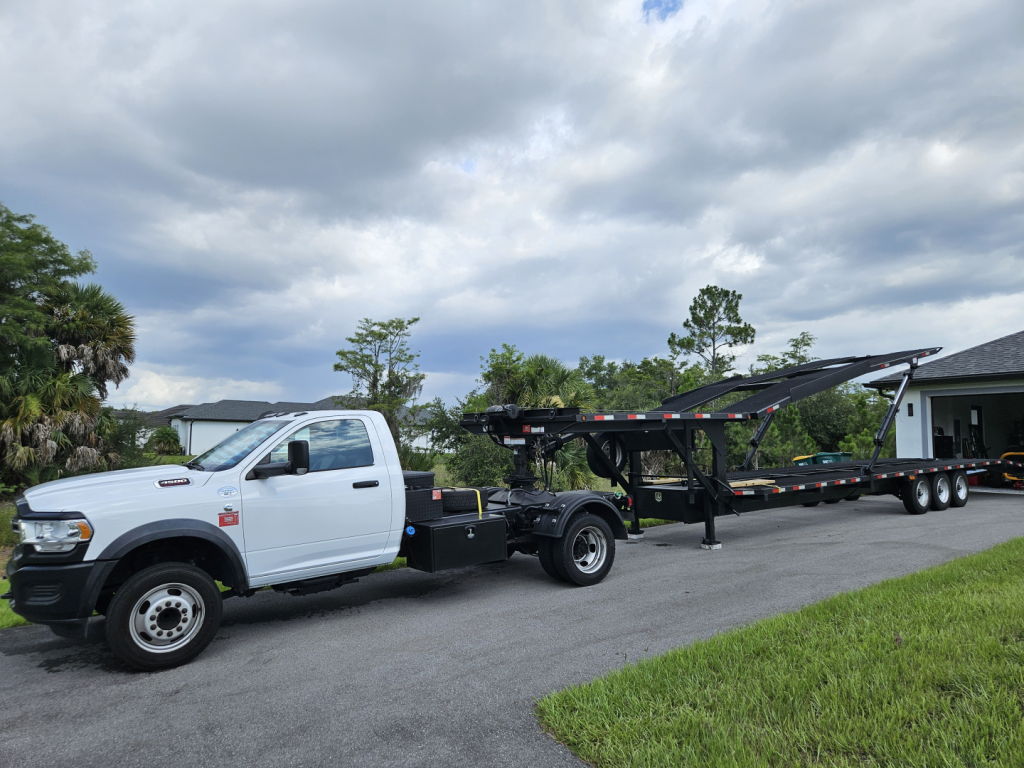
The first buying decision is usually chassis class and rear axle setup. A Ram 2500 or 3500 can suit lighter contractor, pickup, plow, and utility work, while a Ram 4500 or 5500 is more common when the truck carries a rollback body, wrecker body, flatbed, service body, or gooseneck hot shot setup. Many used Dodge trucks in this segment are powered by the Cummins 6.7L turbo diesel, typically paired with an automatic transmission, and buyers should compare horsepower and torque ratings against the body type and operating weight. Wheelbase, cab configuration, 4x2 versus 4x4, dually rear axle, suspension type, and rear ratio all matter because they directly affect towing stability, bridge law flexibility, turning radius, and how well the truck handles mounted equipment such as winches, wheel lifts, PTO-driven hydraulics, or stationary fifth-wheel hitches.
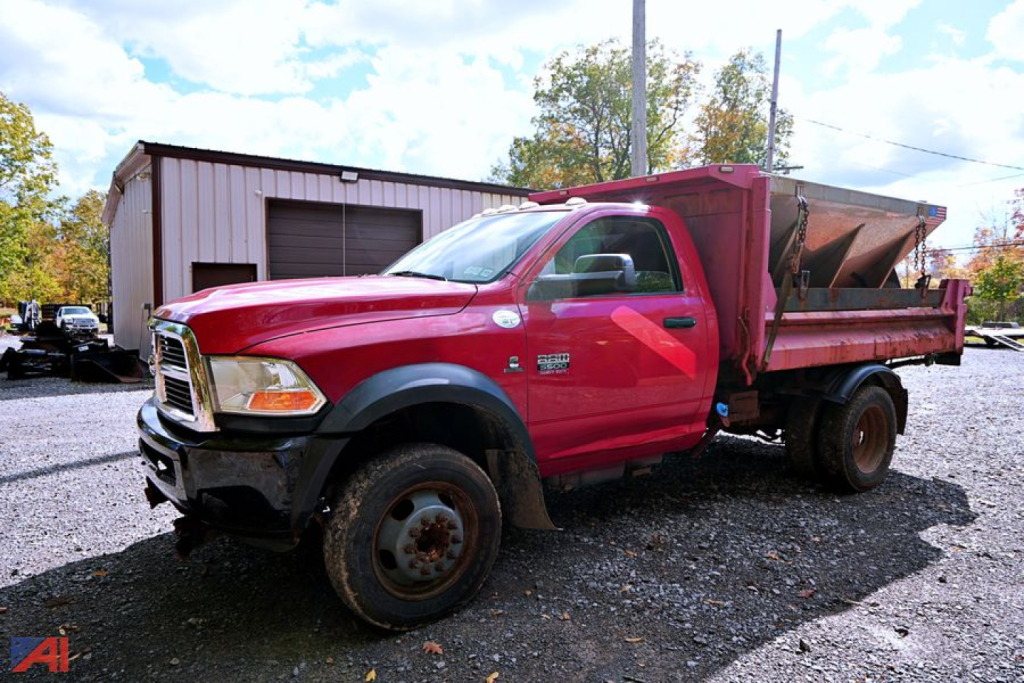
Upfit condition is just as important as the base truck. On used rollback and tow units, check bed length, deck material, bed capacity, wheel-lift rating, winch capacity, PTO engagement, and the condition of hydraulic lines and remote controls. On hot shot trucks, review fifth-wheel or gooseneck setup, frame condition, hitch mounting, tire rating, and any signs of overloading. For service, municipal, or plow trucks, pay close attention to front axle wear, steering components, brake condition, rust around mounts, and electrical integration for lights and auxiliary equipment. If the truck has been in fleet service, service records, idle hours, and evidence of regular preventive maintenance can tell you more than cosmetics.
A good used Dodge truck should be matched to the job, not just the badge or model year. Buyers comparing listings should verify GVWR, actual body manufacturer specs, wheelbase, tire size, fuel tank configuration, and whether the truck was built as a pickup or true cab-and-chassis unit. Diesel emissions equipment, transmission service history, suspension wear, and drivetrain setup are all critical on later-model heavy duty Rams. When the application is towing, recovery, expediting, or municipal duty, the best value usually comes from a truck with the right upfit already installed, a clean maintenance history, and specifications that leave enough margin for the way the truck will actually be worked.
Frequently Asked Questions about Used Dodge Commercial Trucks
What are the most common used Dodge truck models for commercial work?
The most common used Dodge trucks for commercial applications are Ram 2500, 3500, 4500, and 5500 models. The lighter 2500 and 3500 are often used for contractor, pickup, plow, and utility work, while the 4500 and 5500 are more frequently found as cab-and-chassis trucks with rollback beds, wreckers, flatbeds, service bodies, and hot shot hitches. The right model depends on GVWR, rear axle capacity, and the type of body or trailer the truck needs to handle.
Is a used Ram 5500 a good choice for towing and vocational upfits?
A used Ram 5500 is a strong choice when the application requires higher payload, heavier towing, or a purpose-built upfit. It is commonly used for rollback carriers, wreckers, hooklift bodies, service trucks, and hot shot setups because it offers a heavier frame, higher rated axles, and compatibility with PTO and hydraulic equipment. Buyers should still confirm the exact body rating, axle ratio, wheelbase, and hitch or bed specifications because the upfit determines how the truck will perform in daily service.
What should I inspect on a used Dodge truck with a rollback or wrecker body?
Focus on both the truck and the upfit. Inspect the frame for cracks, corrosion, or repairs near body mounts, then check PTO operation, hydraulic cylinders, hoses, winch condition, controls, and the bed or boom structure itself. Review deck length, bed capacity, wheel-lift rating, and winch rating to make sure the equipment matches your intended use. Tire condition, brake wear, rear suspension, and signs of repeated overloading are also important because tow and recovery work puts consistent stress on the chassis.
Are diesel Dodge trucks better than gas models for commercial use?
Diesel Dodge trucks are often preferred for heavier commercial work because the Cummins engine platform is well known for strong low-end torque and better performance under load. That matters in towing, recovery, hot shot hauling, and applications with mounted equipment. Gas trucks can still make sense for lighter duty use, shorter routes, and lower acquisition cost, but buyers should compare annual mileage, average load, maintenance history, and emissions system condition before deciding which engine type offers the better operating value.
What is the difference between a pickup-based Ram and a cab-and-chassis Ram?
A pickup-based Ram is built with a factory pickup bed and is generally intended for towing or light commercial use, while a cab-and-chassis Ram is designed to accept a vocational body such as a flatbed, service body, rollback, or wrecker body. Cab-and-chassis models typically have frame dimensions and rear axle widths suited for commercial upfits, and their published ratings can differ from pickup versions even within the same model line. For commercial buyers, that distinction matters because it affects body compatibility, payload, and how the truck can be legally and safely configured.