
Dodge Commercial Trucks For Sale
Used Dodge heavy duty trucks, including Ram 2500-5500 pickups and chassis cabs. Compare Cummins powertrains, GVWR, towing, and upfit-ready specs.
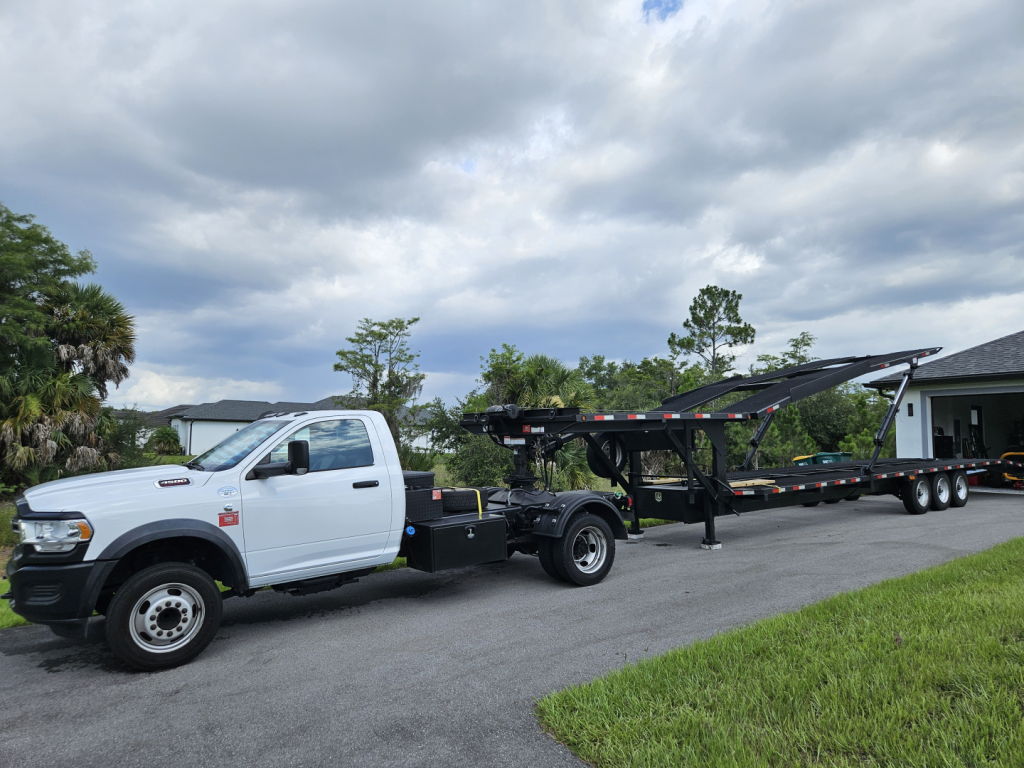
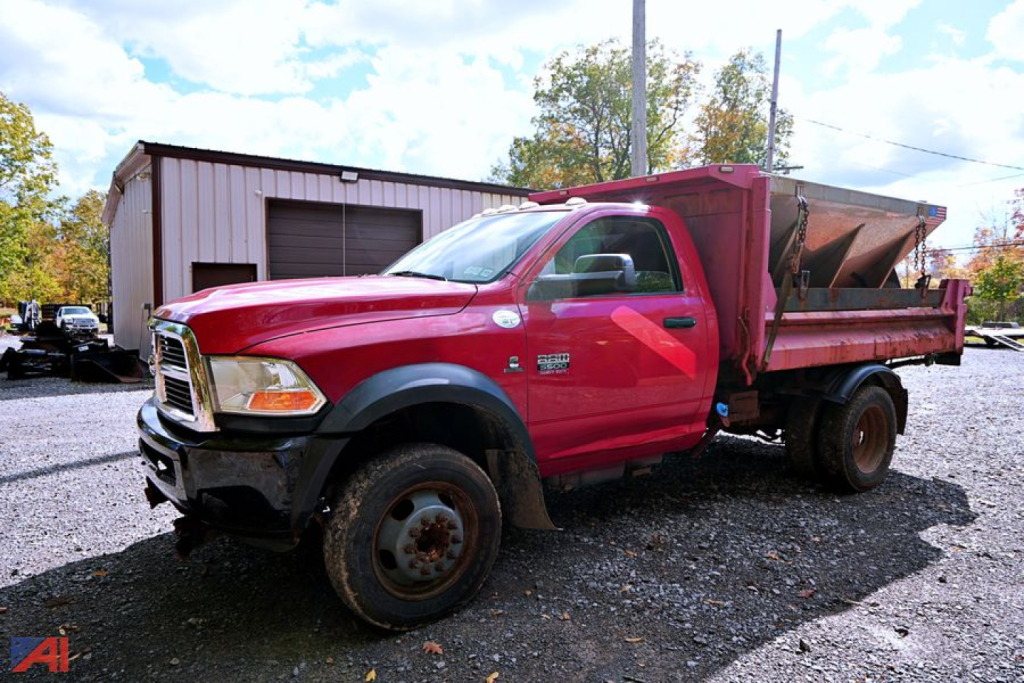

Selling a dodge commercial truck? List your dodge commercial truck for sale and reach thousands of commercial buyers.
Dodge Commercial Trucks
Engine and driveline choices define capability and operating cost. The 5.9L Cummins inline-6 diesel (pre-2007.5) is valued for simplicity and fuel economy, while the 6.7L Cummins adds torque and higher GCWRs along with modern emissions equipment. Automatic transmissions include 47RE and 48RE behind the 5.9L, 68RFE in many 6.7L 2500-3500 pickups, and Aisin AS68RC or AS69RC in many 4500-5500 and high-GCWR 3500 applications. Manual options like the NV5600 and G56 offer direct control but usually carry lower tow ratings. Rear axle ratios commonly range from 3.42 to 4.10 in 2500-3500, and 4.44 or 4.88 in 4500-5500, which impacts startability, gradeability, and fuel burn.
Chassis cabs are built for upfitting with straight C-channel rails, multiple CA lengths, PTO provisions on many Aisin-equipped trucks, and dual alternator options. 4500-5500 trucks typically run 19.5 inch commercial tires on 10-lug hubs with heavy rear axles like the Dana S110 or S111, hydroboost brakes, and higher front axle ratings for plows or cranes. Pickups bring factory bed options, integrated gooseneck prep on later years, and better NVH for longer routes. Dually 3500 models increase lateral stability under a fifth wheel or gooseneck and usually pair best with 3.73 or 4.10 gears for mixed highway and grade work.
Smart buying starts with matching GVWR, GCWR, and axle ratio to the route, trailer weight, and terrain. Pre-2007.5 5.9L units avoid DPF systems, 2007.5 to 2012 6.7L models use EGR and DPF, and most 2013 and newer add DEF with SCR, which improves fuel economy but adds another consumable. Inspect records for transmission service, coolant and fuel filter intervals, and axle lube changes. On higher mileage trucks, look closely at steering and front-end components, injector balance rates, turbo actuator function on the 6.7L, and frame or cab rust in salt states. For upfitted units, verify body weight against payload, PTO operation, wiring integrity, and tire load ratings, then confirm the truck’s door-sticker ratings align with your licensing and insurance requirements.
Frequently Asked Questions about Dodge Commercial Trucks
What is the difference between a Dodge Ram 3500 pickup and a 4500 or 5500 chassis cab for commercial work?
A Ram 3500 pickup delivers a smoother ride, lighter curb weight, and often higher highway comfort with factory bed or gooseneck prep. The 4500 and 5500 chassis cabs step up to commercial 19.5 inch tires, heavier axles, higher GVWRs, and straight frame rails for upfits like dumps, service bodies, and cranes. They also commonly pair with Aisin automatics, deeper axle ratios, and PTO options. If you need maximum payload and upfit flexibility, 4500-5500 is the typical choice; if you prioritize ride quality and mixed personal-commercial use, a 3500 pickup is usually better.
Which engine and transmission combinations are best for heavy gooseneck or fifth-wheel towing?
For the highest GCWR and grade performance, a 6.7L Cummins paired with an Aisin automatic and 3.73 or 4.10 gears in a 3500, or 4.44 gears in a 4500-5500, is a proven setup. The 68RFE can tow well when properly cooled and maintained, but the Aisin typically offers stronger torque handling and PTO options. Manual transmissions like the G56 give control on grades but often carry lower factory tow ratings. Match gearing to trailer weight and terrain to balance startability and cruising rpm.
Which Dodge Ram diesel years are pre-emissions, and what are the trade-offs?
The 5.9L Cummins through 2006, and early 2007 models, avoid DPF systems. Starting in 2007.5, the 6.7L introduced EGR and DPF, and most 2013 and newer added DEF with SCR. Pre-emissions trucks are simpler and can be cheaper to maintain, but they are older, may have lower output, and can face restrictions in areas with strict emissions rules. Later SCR-equipped 6.7L trucks usually get better fuel economy and higher GCWRs at the cost of DEF consumption and additional aftertreatment components to maintain.
What should I inspect on a used Dodge heavy-duty truck before buying?
Review service records first. On the 6.7L, check injector balance rates, turbo actuator operation, and aftertreatment history. On 5.9L, look for transmission service and evidence of quality tuning if modified. Inspect front-end components like ball joints, track bar, and steering box, check for frame and cab rust in salt regions, verify PTOs and upfits function correctly, and confirm tire date codes and load ratings, especially on 19.5 inch wheels. Always compare door-sticker GVWR and axle ratings to your intended payload and hitch setup.
Do I need a CDL to operate a Dodge Ram 4500 or 5500, or a 3500 towing a large trailer?
CDL requirements depend on the combined weight ratings and your state. If the combined GVWR or GCWR is 26,001 pounds or more and the trailer GVWR exceeds 10,000 pounds, a Class A CDL is generally required. Many 4500-5500 configurations and some 3500s towing heavy goosenecks exceed this threshold. Always check the door-sticker ratings and local regulations, then confirm with your insurer.