
Used Winch Trucks For Sale
Browse used winch trucks for heavy hauling, oilfield, and recovery work. Compare chassis, winch capacity, axle setups, and drivetrain specs.
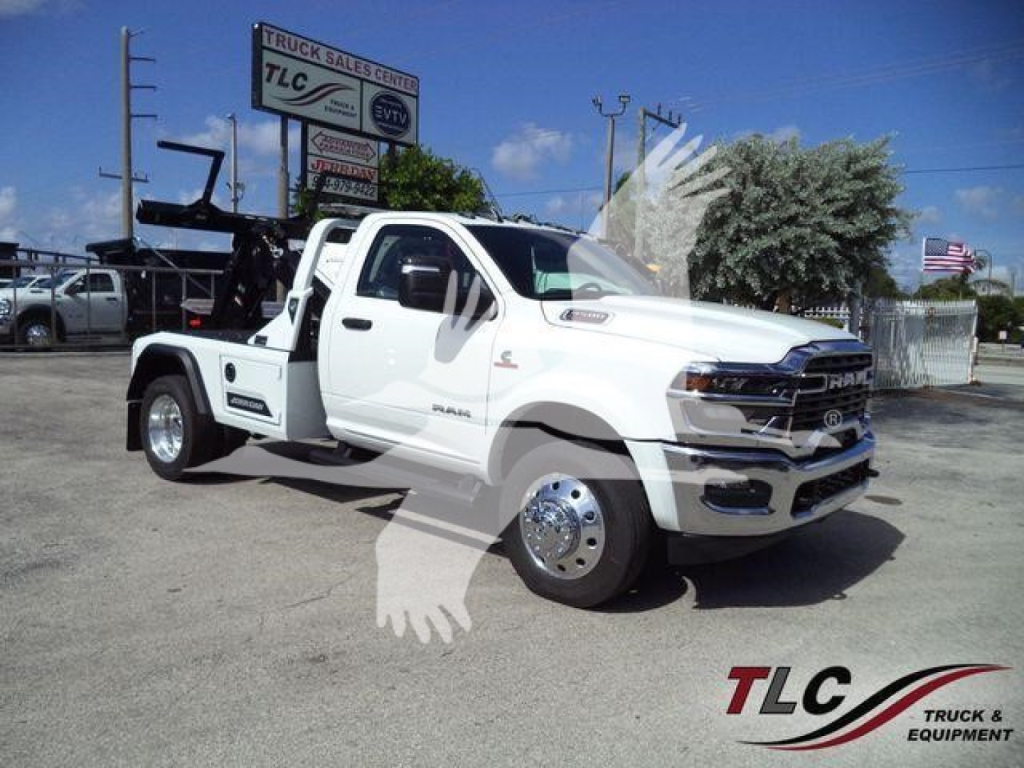
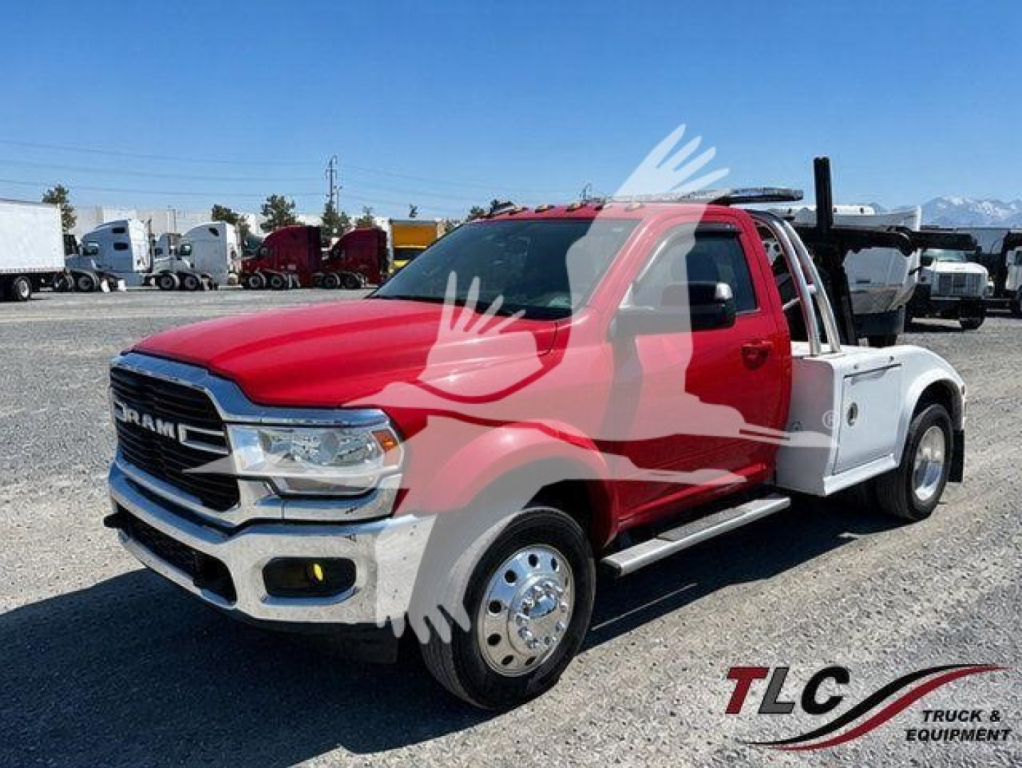
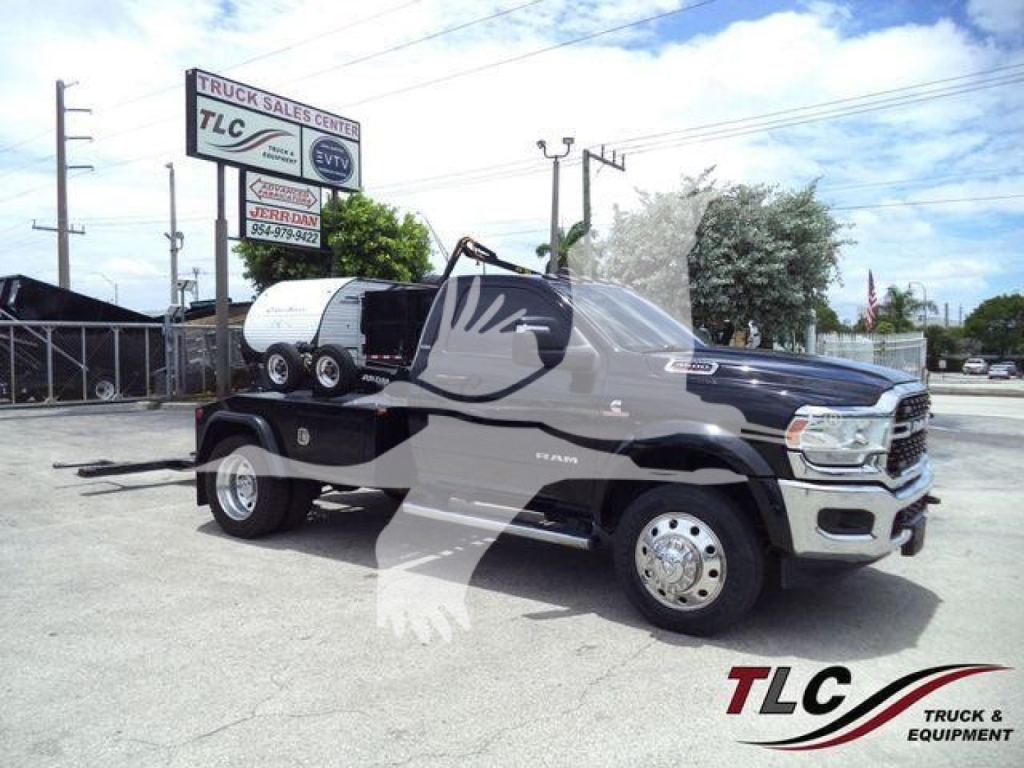
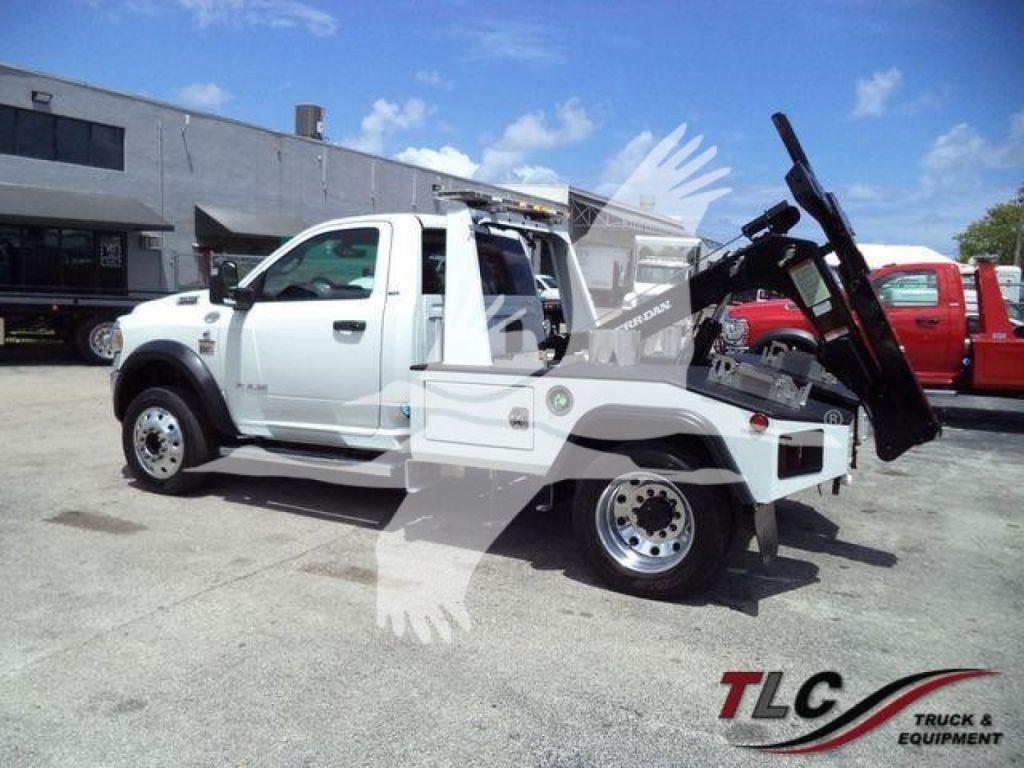
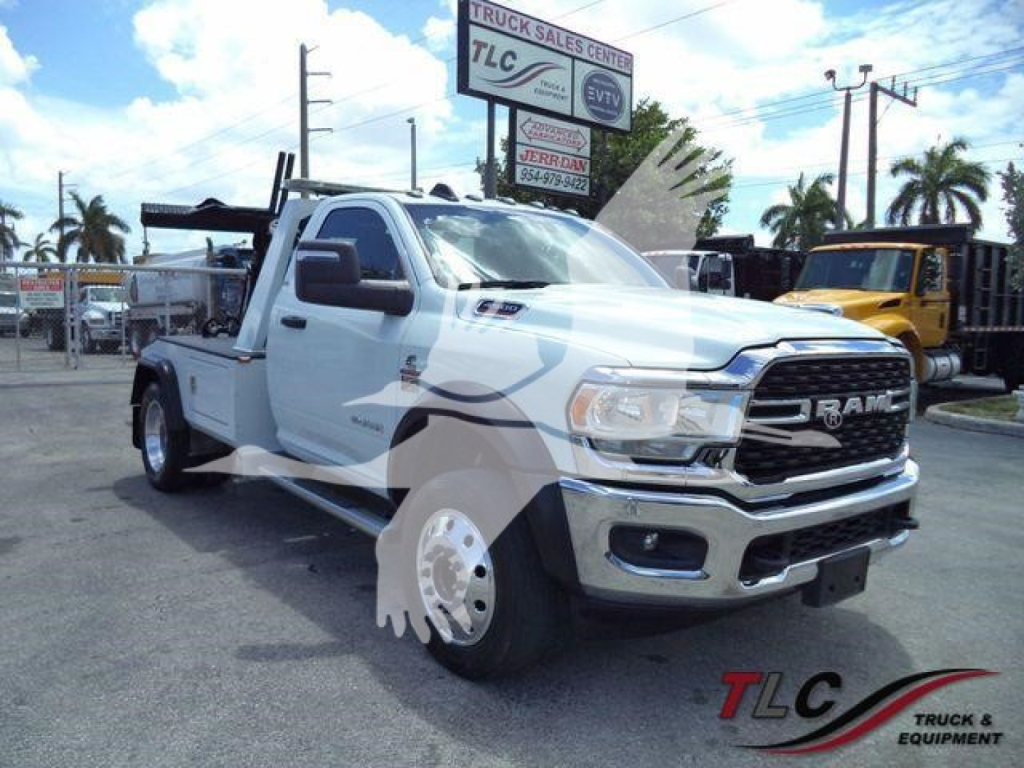
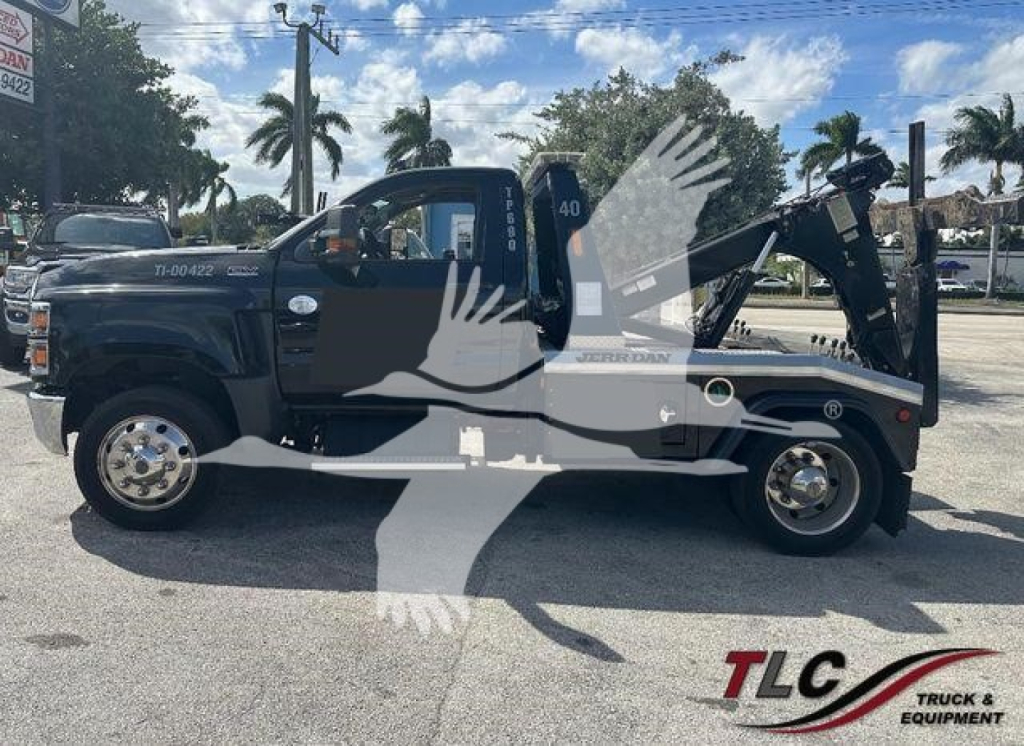
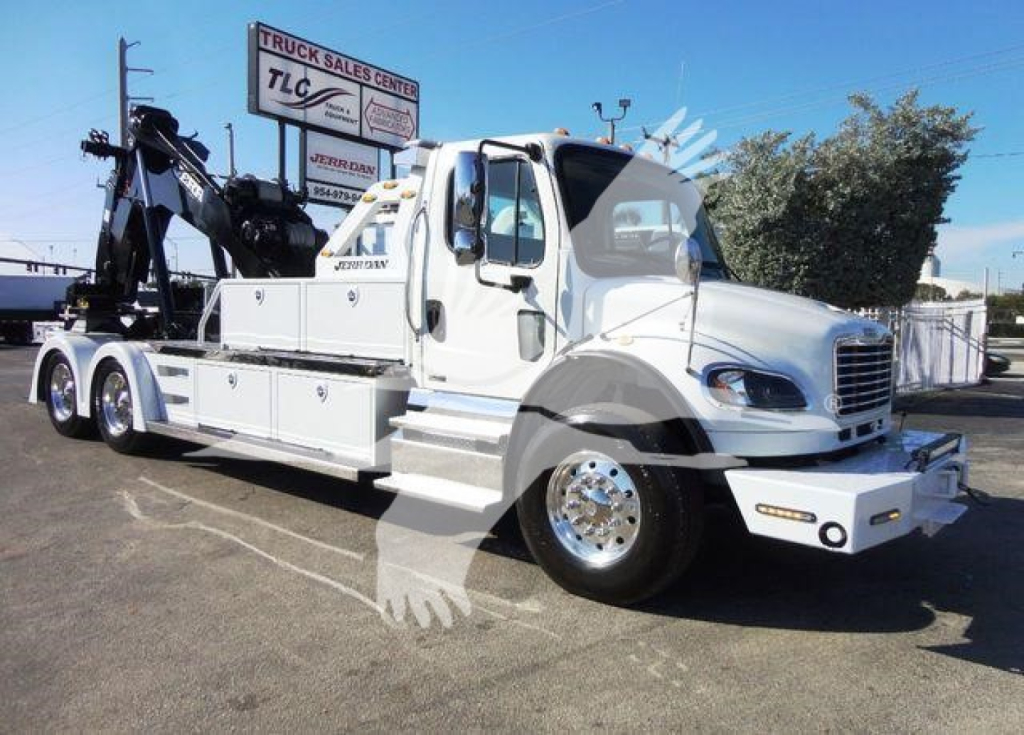
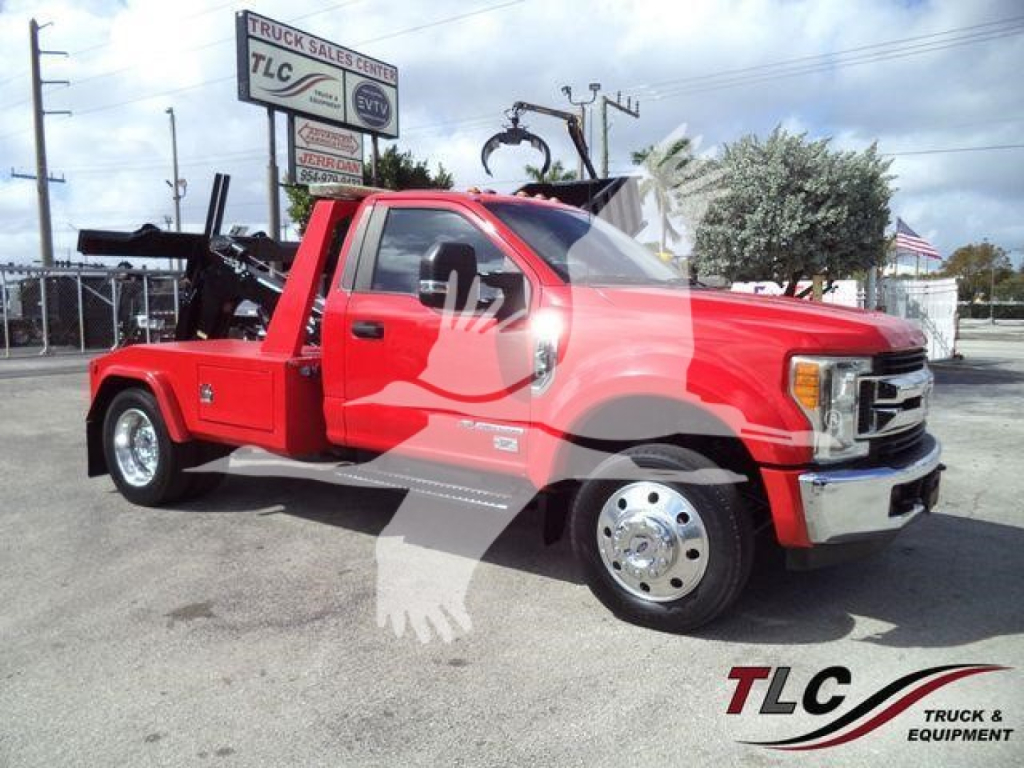
Selling a used winch truck? List your used winch truck for sale and reach thousands of commercial buyers.
Used Winch Trucks
Most used winch trucks are built on severe-duty or vocational chassis from Mack, Kenworth, Peterbilt, Western Star, Freightliner, and similar platforms. Common setups include tandem and tri-axle configurations, heavier front axles, double-frame rails, locking differentials, and PTO-driven hydraulic systems. Winch capacity, boom or gin pole arrangement, wet kit configuration, and deck layout matter just as much as horsepower. Some trucks are set up for oilfield float work with headache racks, chain trays, and pintle hitches, while others are configured more for recovery, equipment loading, or dragging disabled units onto a lowboy. Transmission choice is also important. Automated manuals can work well on-road, but many buyers still prefer manual transmissions for precise low-speed control when tensioning a line or easing a load into position.
A good used winch truck should be evaluated as both a truck and a hydraulic work platform. Engine hours, PTO engagement history, winch drum condition, cable or synthetic rope wear, fairlead condition, hydraulic leaks, and frame reinforcement all deserve close attention. On older units, inspect the hoist and winch mounts for cracks, signs of plating, and repairs around high-stress points. Suspension type, wheelbase, tire size, and rear ratio affect turning radius, stability, and pulling performance. If the truck will spend time on leases, pipeline spreads, or unpaved access roads, ground clearance, traction aids, and weight distribution become more important than highway speed.
Matching the truck to the job is the key buying decision. A lighter single-purpose unit may be enough for moving tags and smaller equipment, while heavier tandem or tri-drive trucks are better suited for loaded trailers, stuck iron, and rough-field recovery. Buyers comparing used winch trucks should pay close attention to legal weight, hitch setup, brake specification, and any auxiliary hydraulic features already installed. A properly spec'd used winch truck can still deliver strong service life if the chassis, hydraulics, and winch system have been maintained together rather than treated as separate systems.
Frequently Asked Questions about Used Winch Trucks
What is a winch truck used for?
A winch truck is used to pull, load, position, and recover heavy equipment, trailers, and disabled vehicles. Common applications include oilfield float service, construction equipment moves, pipeline support, off-road recovery, and loading non-running units onto trailers. The truck combines a heavy chassis with a hydraulic winch system so it can apply controlled pulling force in situations where a standard tractor or straight truck cannot.
What should I look for when buying a used winch truck?
Focus on the chassis, hydraulic system, and winch assembly as one integrated package. Check axle ratings, frame condition, PTO operation, hydraulic pump performance, winch rating, drum wear, cable condition, and mounting structure. It is also important to inspect for frame cracks, hydraulic leaks, differential lock function, suspension wear, and signs of overloading or poor repairs around the rear body and winch mounts.
Are tandem axle winch trucks better than single axle models?
Tandem axle winch trucks usually offer better traction, higher legal capacity, and improved stability when pulling or carrying heavier loads. They are common in oilfield and heavy equipment applications where rough terrain and heavier trailer work are routine. Single axle models can still make sense for lighter jobs, tighter urban access, or operations that prioritize lower empty weight and simpler maintenance.
How important is winch capacity on a used winch truck?
Winch capacity is one of the first specs to verify because it directly affects what the truck can safely recover or load. Buyers should compare line pull rating, drum size, cable type, hydraulic system output, and the truck's overall chassis stability. A high-capacity winch on an underspec chassis is not a balanced setup, so the truck's axle ratings, frame strength, and braking system need to match the intended work.