
Used Commercial Trucks For Sale in Oregon
Find used commercial trucks in Oregon. Compare highway, vocational and delivery specs, engines, axles and features for I-5 and mountain routes.
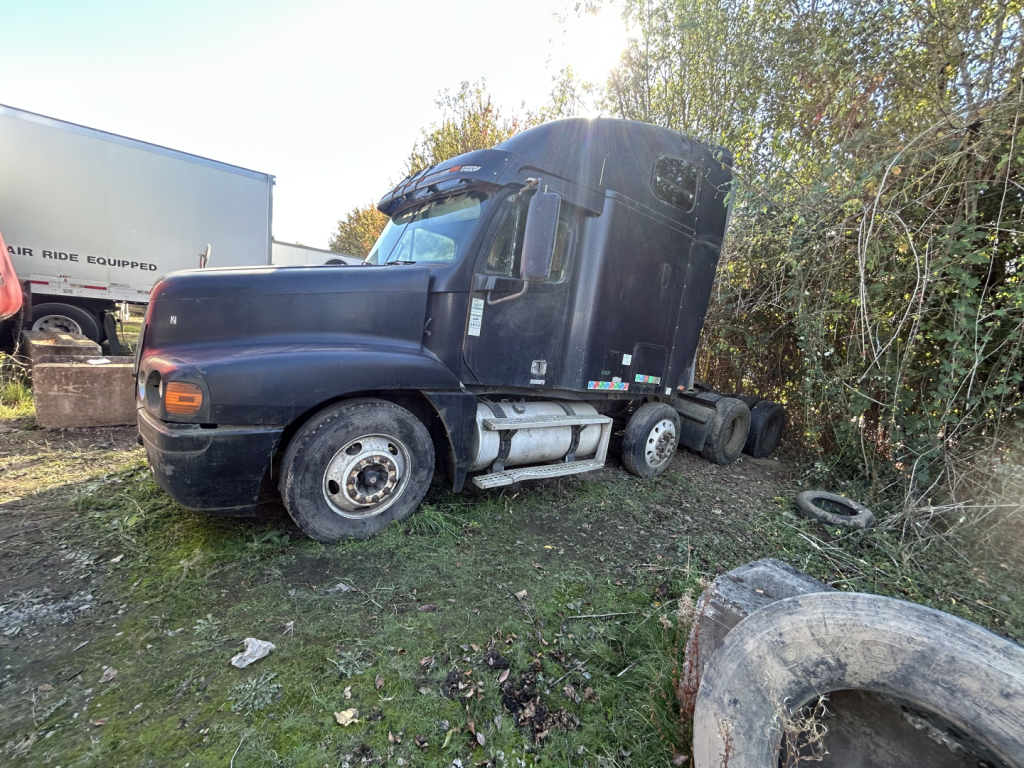
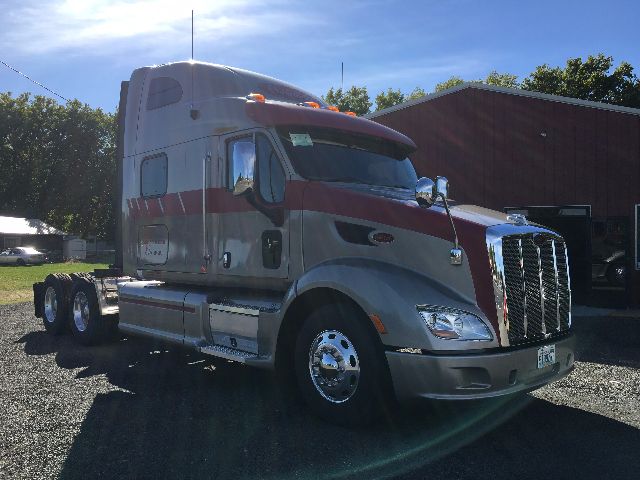
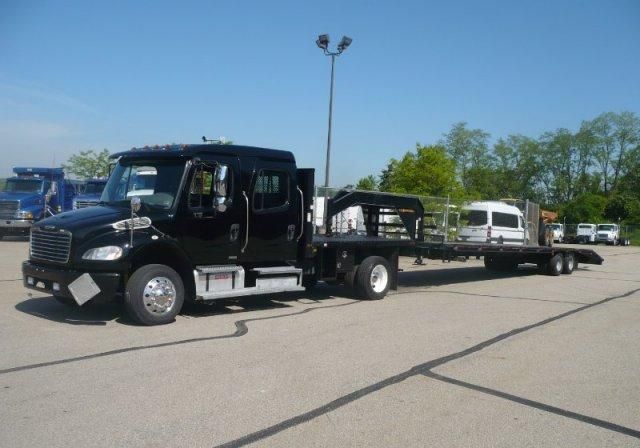
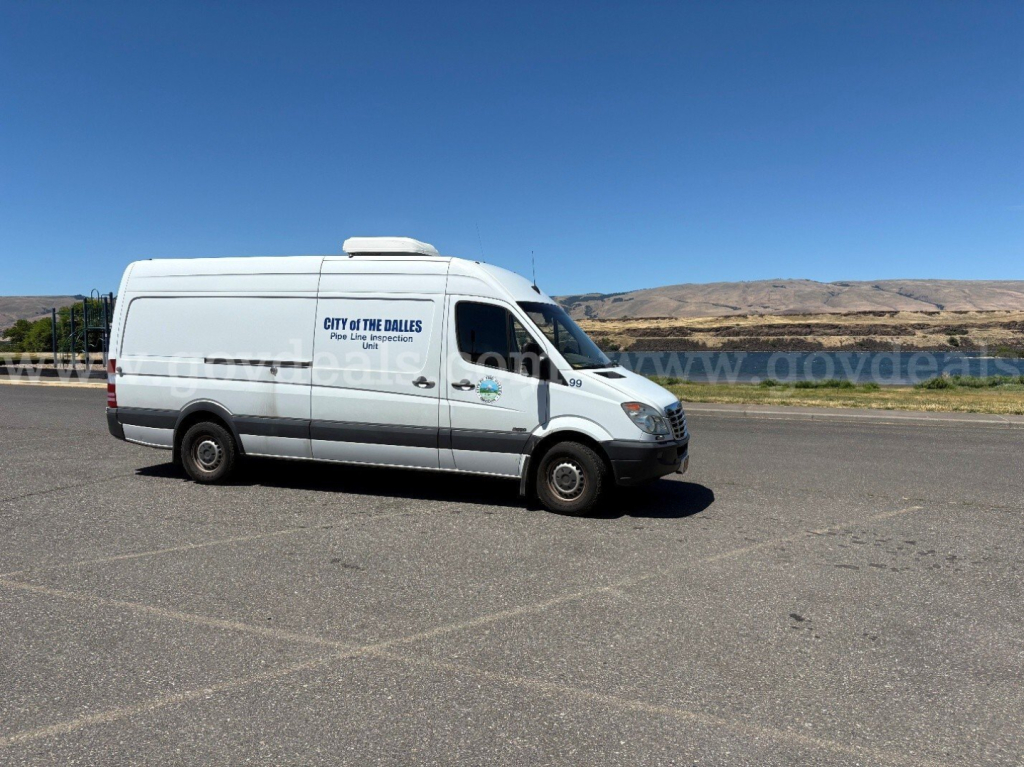
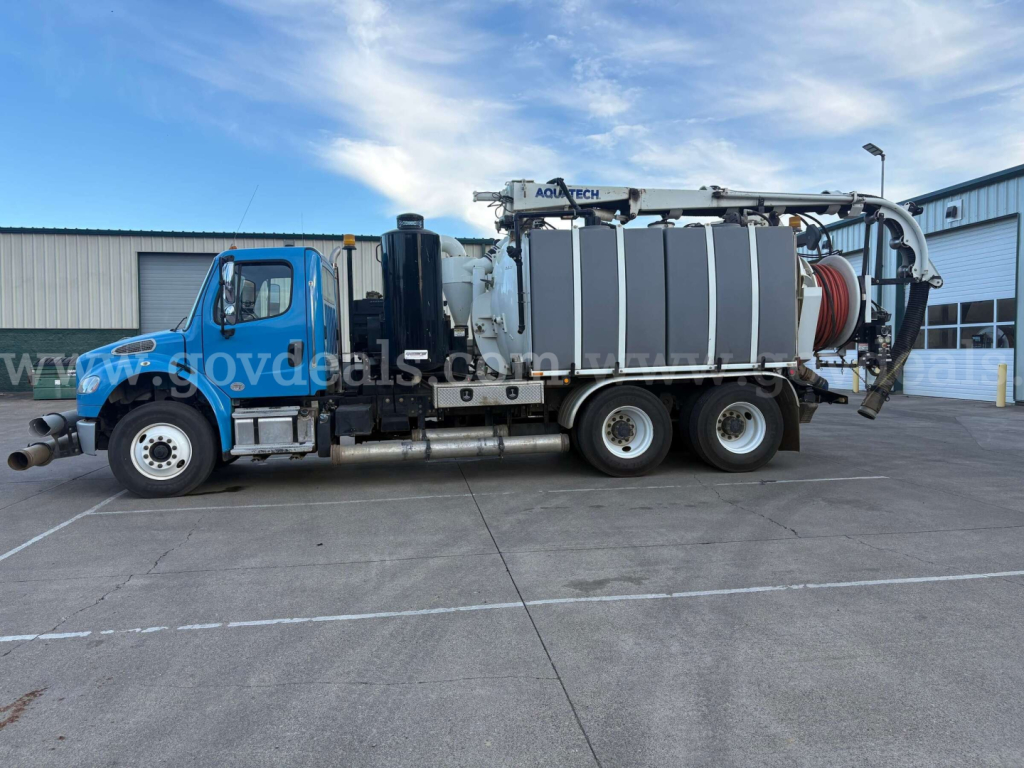
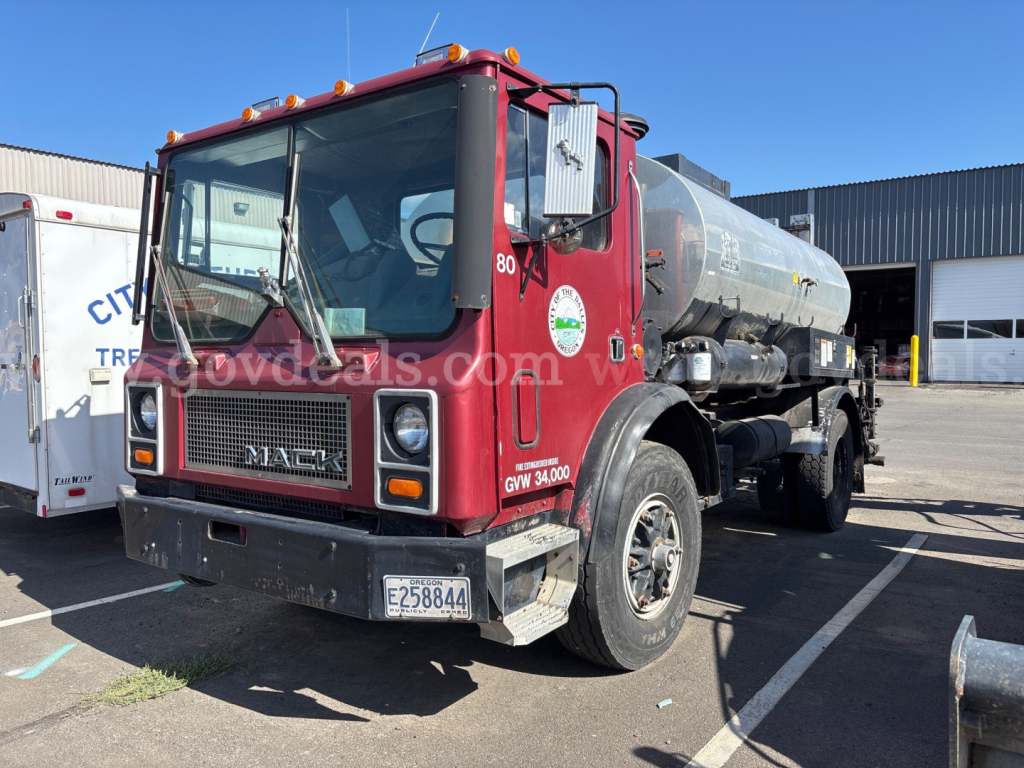

Selling a used commercial truck? List your used commercial truck for sale and reach thousands of commercial buyers.
Used Commercial Trucks in Oregon
Forestry, aggregate, and heavy construction dominate many lanes east of the Valley, so vocational specs are common. A 16k to 20k steer axle, 40k to 46k rears with full locking diffs, and double-frame or insert rails handle rough spur roads. Hendrickson Haulmaax, Chalmers, or heavy Camelback ride tougher off-road, while air ride protects payload on pavement. Pusher or tag lift axles help legalize higher payloads under Oregon’s weight-mile regime and improve bridge compliance, but add tare weight and maintenance. Many Oregon vocational trucks are set with wet kits for live floors, end dumps, or lowboys, so verify PTO type, pump flow, and reservoir capacity for your trailer.
Urban and regional delivery around Portland, Salem, Eugene, Bend, and Medford leans on medium-duty and straight trucks. For dry van or reefer bodies, confirm inside height, scuff protection, e-track, and liftgate capacity for dock and curb work. A 24 to 26 foot box maximizes cube without sacrificing maneuverability on older streets. If cross-border runs into California are planned, choose 2010 or newer EPA engines with DPF and SCR to meet CARB rules. Non-CDL 26,000 GVWR units reduce licensing complexity, but CDL-class trucks with air brakes, higher axle ratings, and Allison or AMT transmissions deliver better durability and grade performance.
Used trucks from the Northwest are often well maintained, yet the climate and terrain leave fingerprints. Inspect for magnesium chloride corrosion in frame flanges and electrical connectors, check DPF ash load, regen history, and NOx sensor counts via an ECM download, and sample engine and axle oils. On former log or dump units, look for rail rust-jacking, crossmember fretting, spring and torque rod bushing wear, and PTO leaks. Plan for Oregon’s weight-mile account if operating over 26,000 lbs, confirm IFTA status for interstate work, and consider anti-idle solutions like APUs or bunk heaters to comply with local idling limits. A tight turning radius, proper wheelbase for your body or trailer, and reliable braking and retarder performance pay off daily on Oregon routes.
Frequently Asked Questions about Used Commercial Trucks in Oregon
What engine and gearing work best for Oregon’s grades and highway speeds?
For mixed I-5 cruising and mountain grades, a 455 to 505 hp diesel with 1,750 to 1,850 lb-ft pairs well with a direct-drive AMT and 2.64 to 2.85 rear ratios for fuel economy, or an overdrive transmission with 3.08 to 3.36 rears if you pull heavier weights or see frequent climbs. Prioritize a strong engine brake, adequate cooling, and axle ratios that keep you in the fat part of the torque curve at 58 to 65 mph.
How does Oregon’s weight-mile tax affect my truck choice?
Any truck operating in Oregon at over 26,000 lbs pays a weight-mile tax instead of the standard state fuel tax. Your axle count, spacing, and registered weight influence the rate and legal payload. Specs like pusher or tag lift axles can increase legal weight and stability, but they add tare and complexity, so balance payload gains against maintenance and tire costs. Set up your ODOT account and credentials before operation.
Can I use an older diesel if I run into California from Oregon?
If your routes include California, plan on a 2010 or newer EPA engine equipped with DPF and SCR. California’s Truck and Bus rules restrict most pre-2010 diesel engines from operation, regardless of Oregon registration. Verify the engine model year, aftertreatment health, and CARB compliance plates to avoid costly downtime and citations.
What should I inspect on a used dump or log truck from the Northwest?
Check frame rails for corrosion between liners, crossmember cracks, and evidence of off-road abrasion. Inspect suspension bushings, spring pins, torque rods, and driveline slip joints for wear. Confirm PTO engagement, pump flow, hydraulic hose condition, and tank cleanliness. Look over the fifth wheel or pintle, brake linings and drums or rotors, and tire sidewalls for chain damage from winter operations.
Are automatics or manuals better for Oregon routes?
Automated manuals excel on variable grades with hill-hold, smart downshifts, and integrated engine brake control that reduce fatigue and clutch wear. Modern Allison automatics shine in stop and go or off-road work with smooth low-speed control. Traditional 13 or 18 speed manuals offer direct control and easy field repairs, but driver skill and clutch life become critical on steep terrain.