
Used Rollback Trucks For Sale
Browse used rollback trucks with carrier beds, winches, and wheel-lift options. Compare deck length, GVWR, drivetrain, and towing setup.
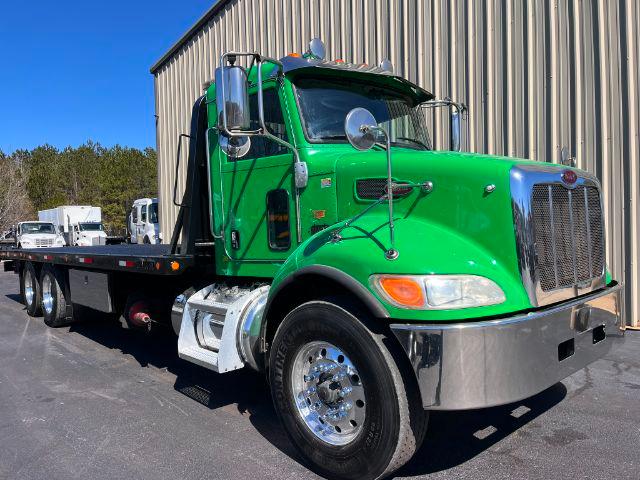
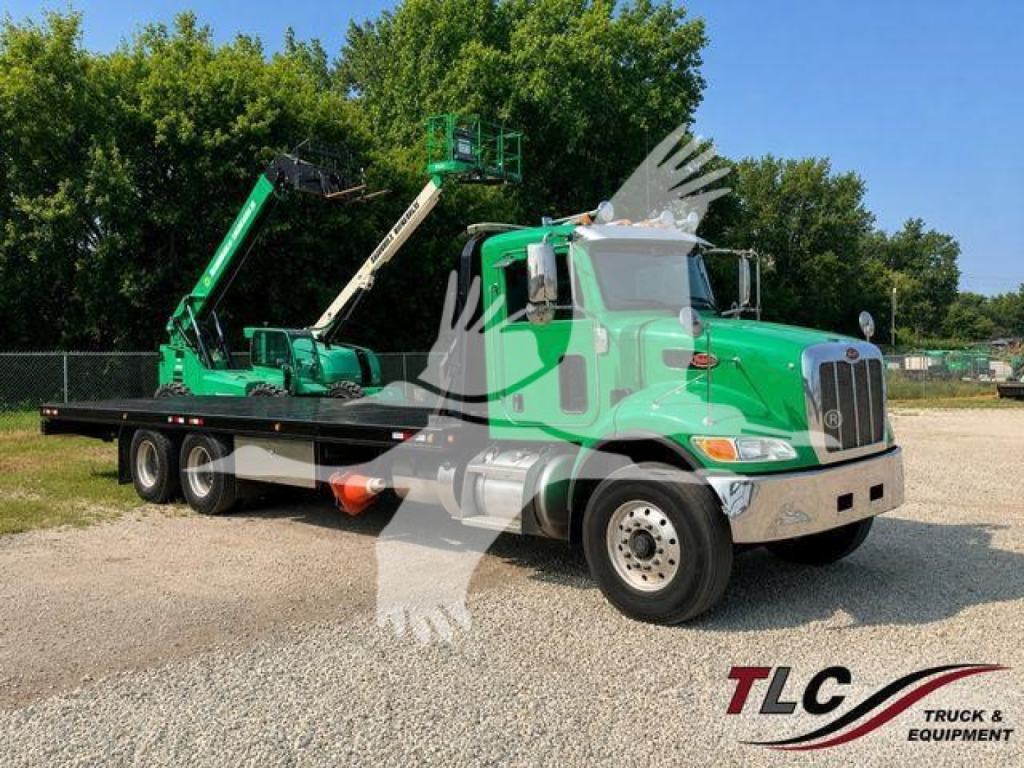
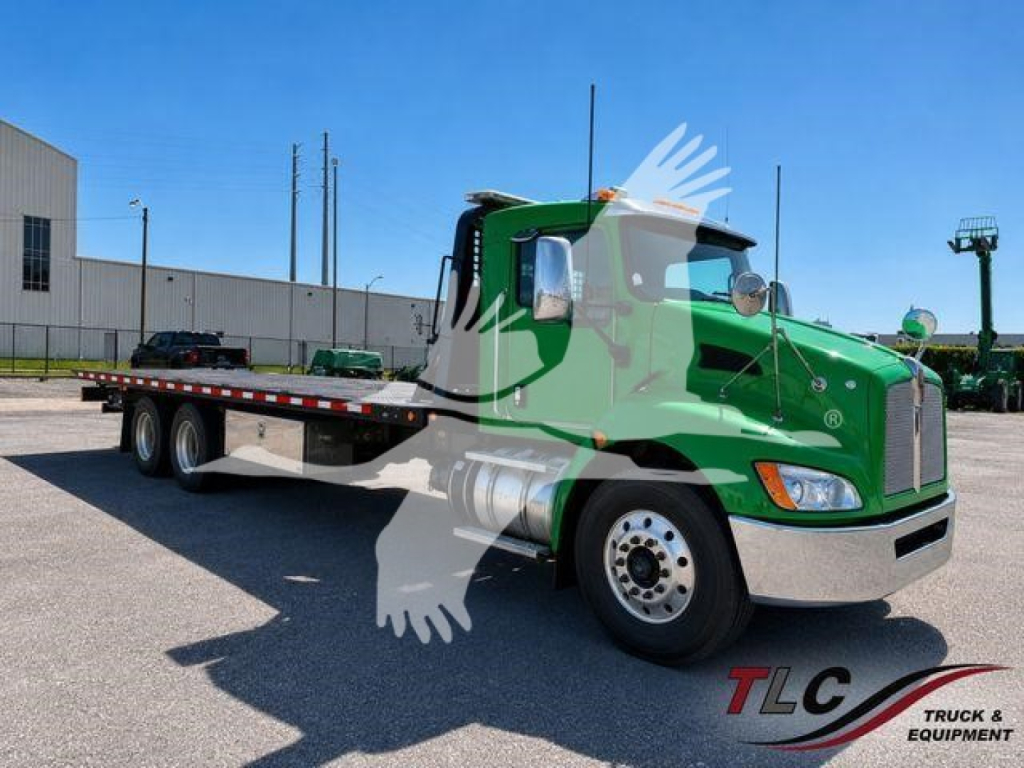
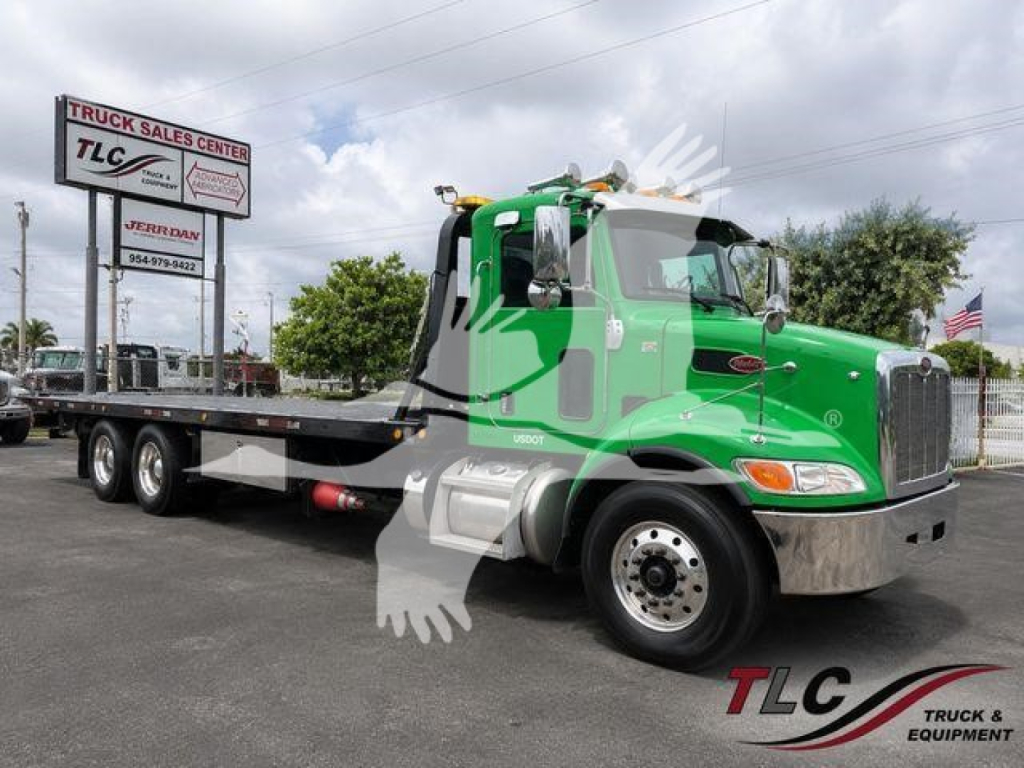
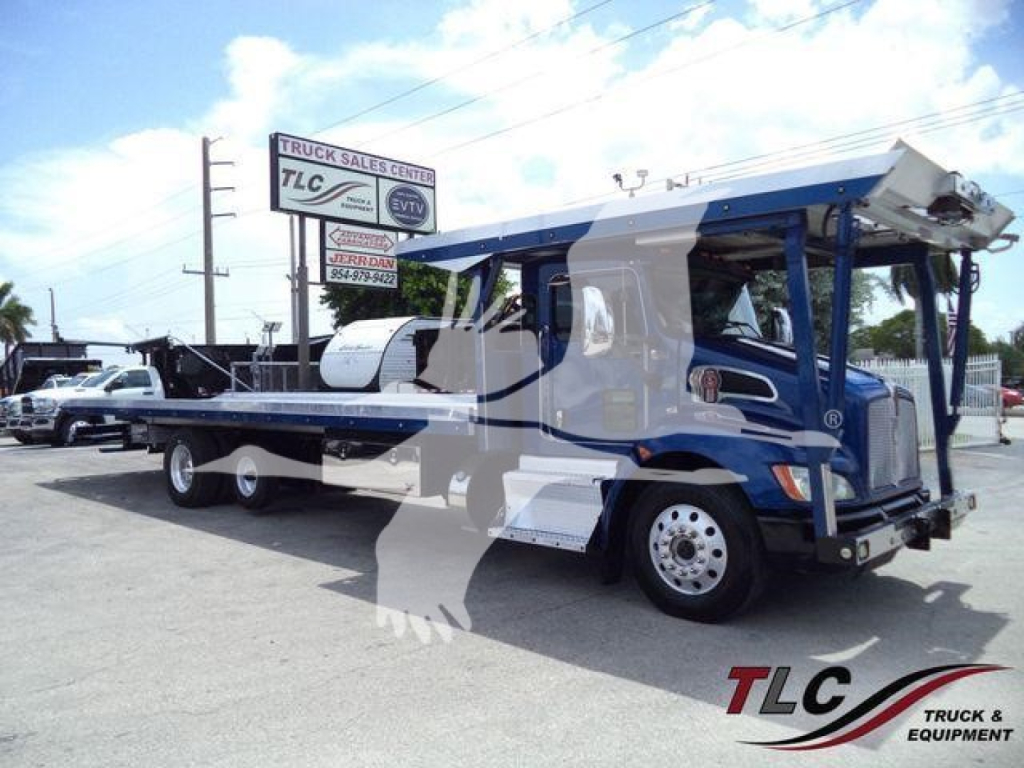
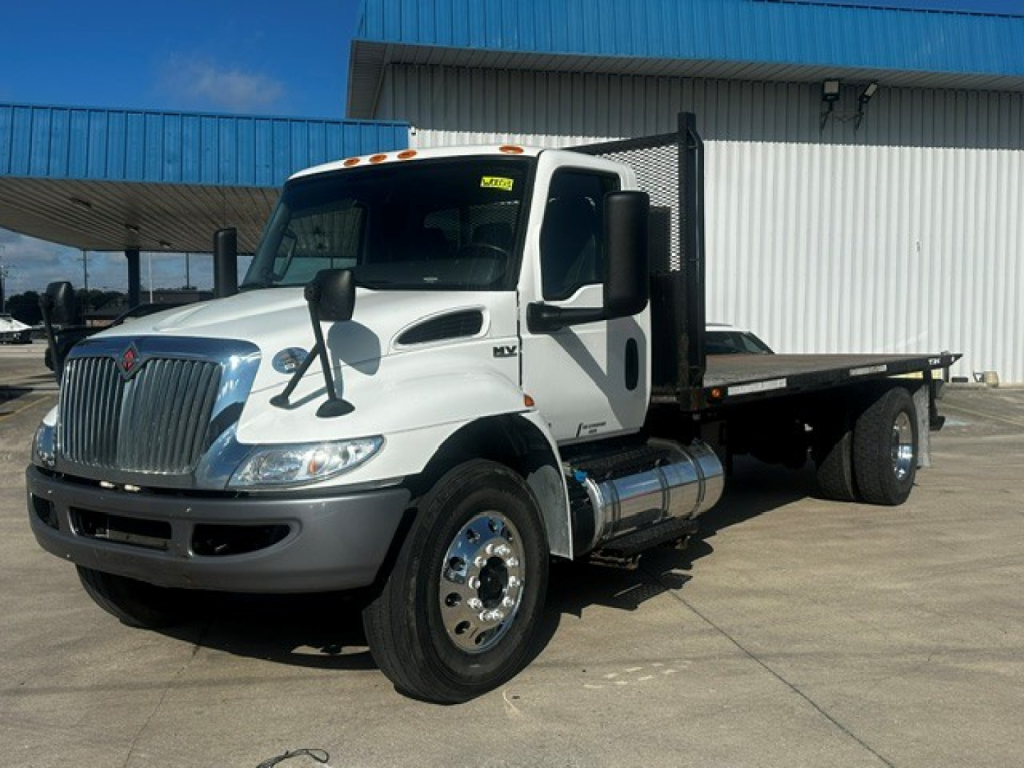
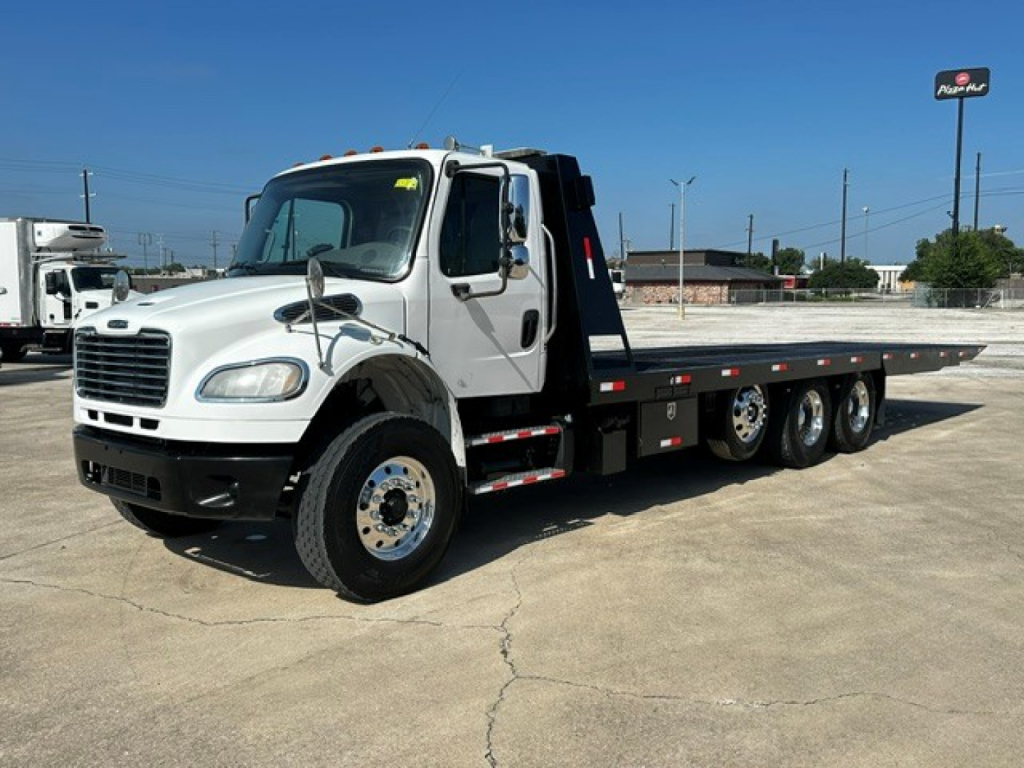
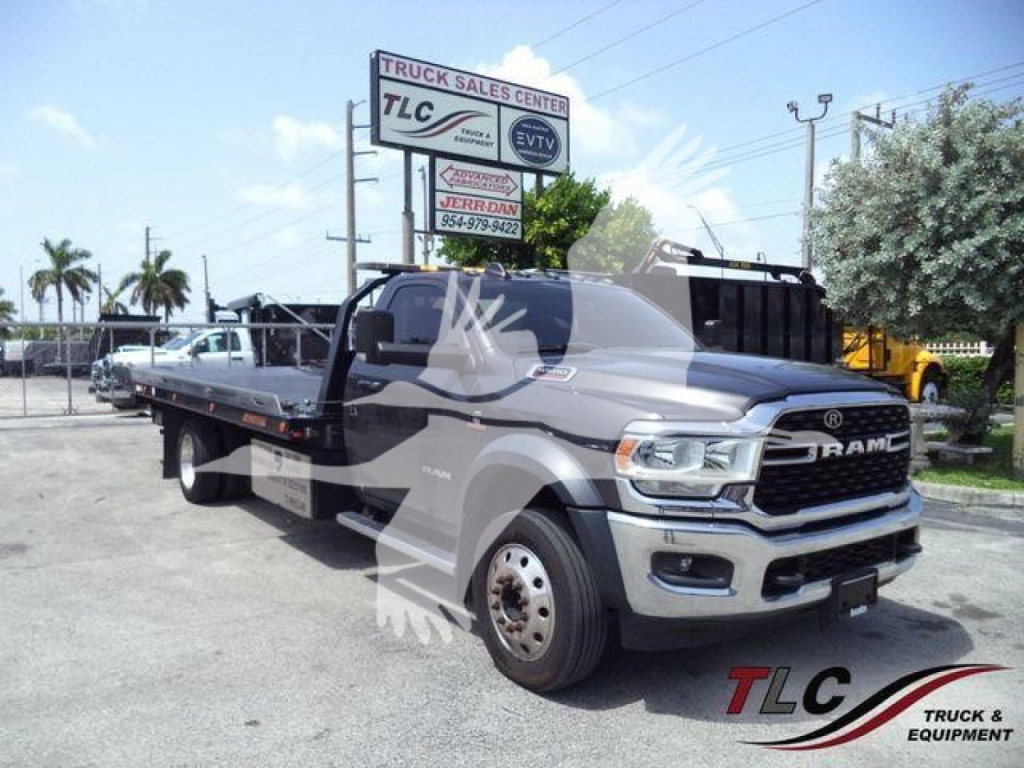
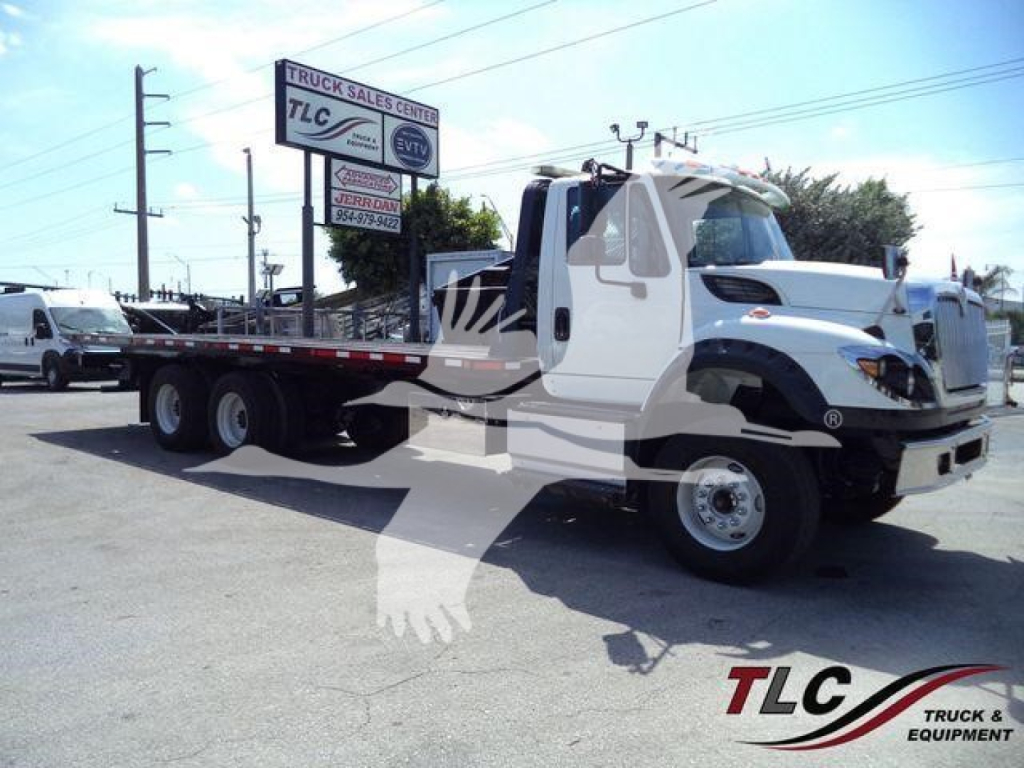
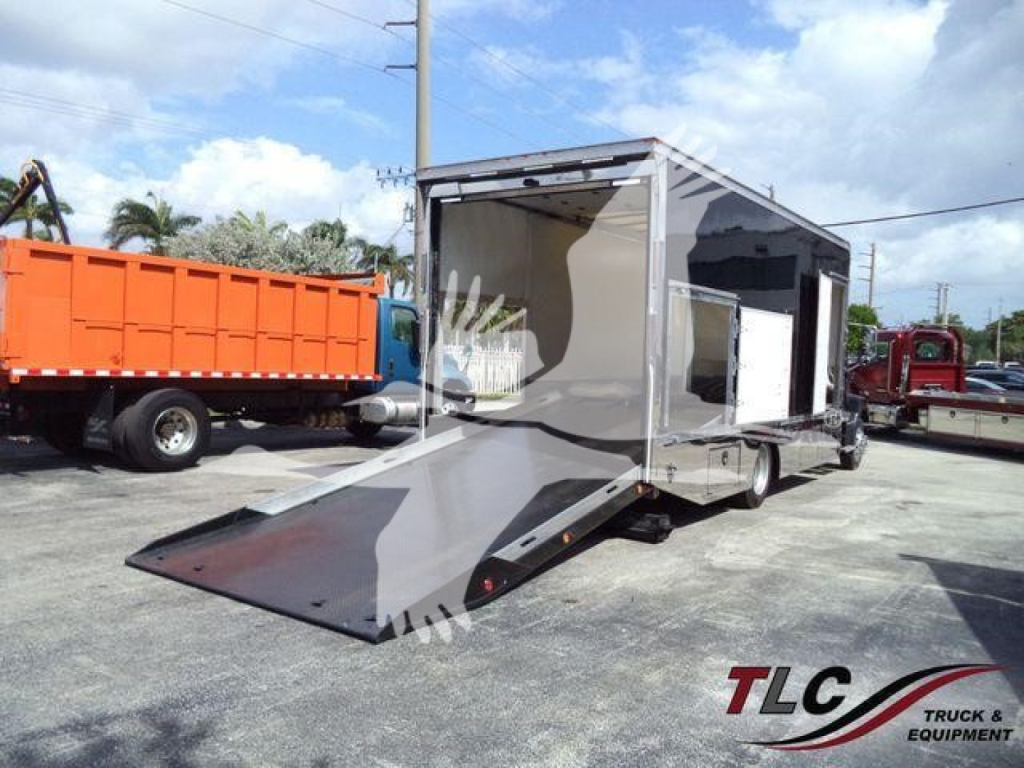
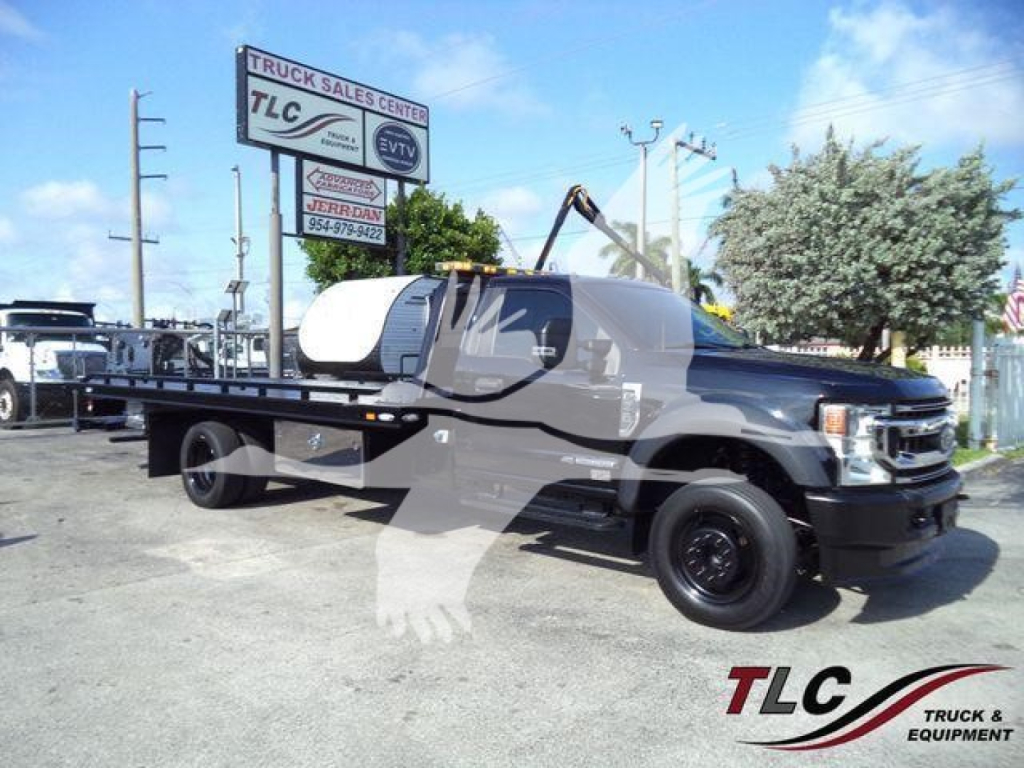
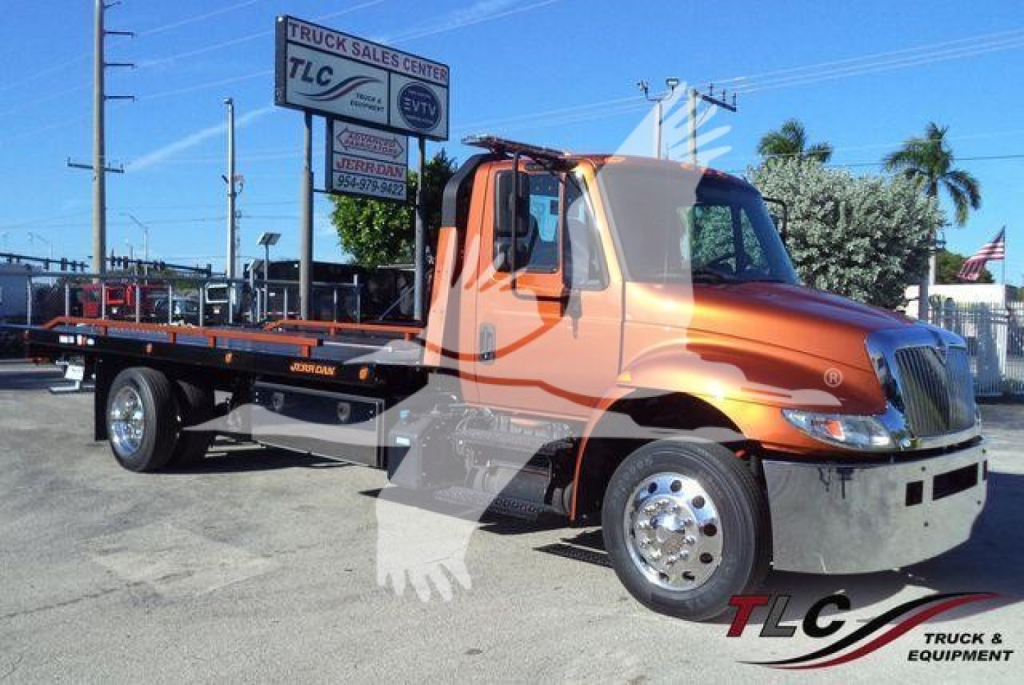
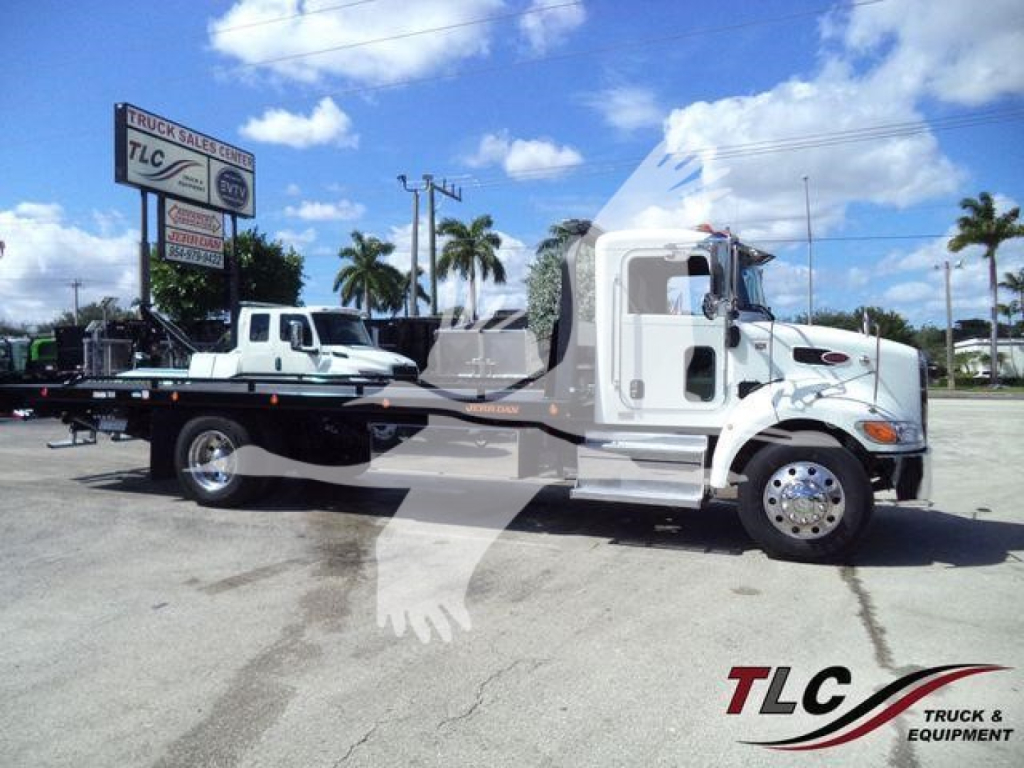
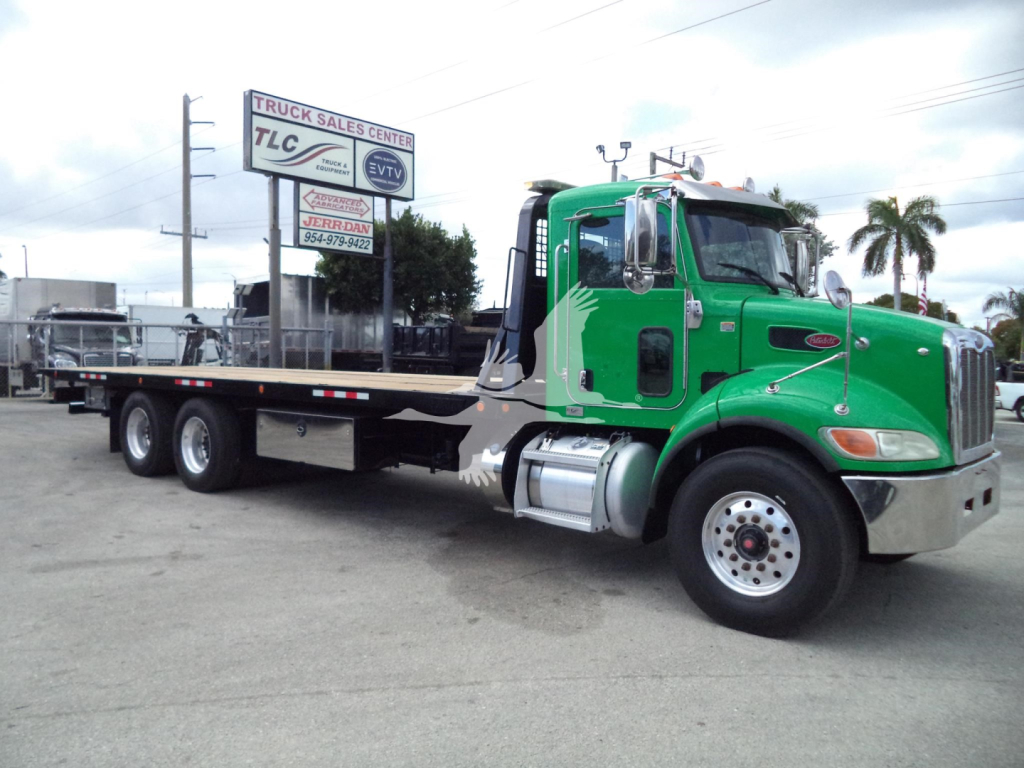
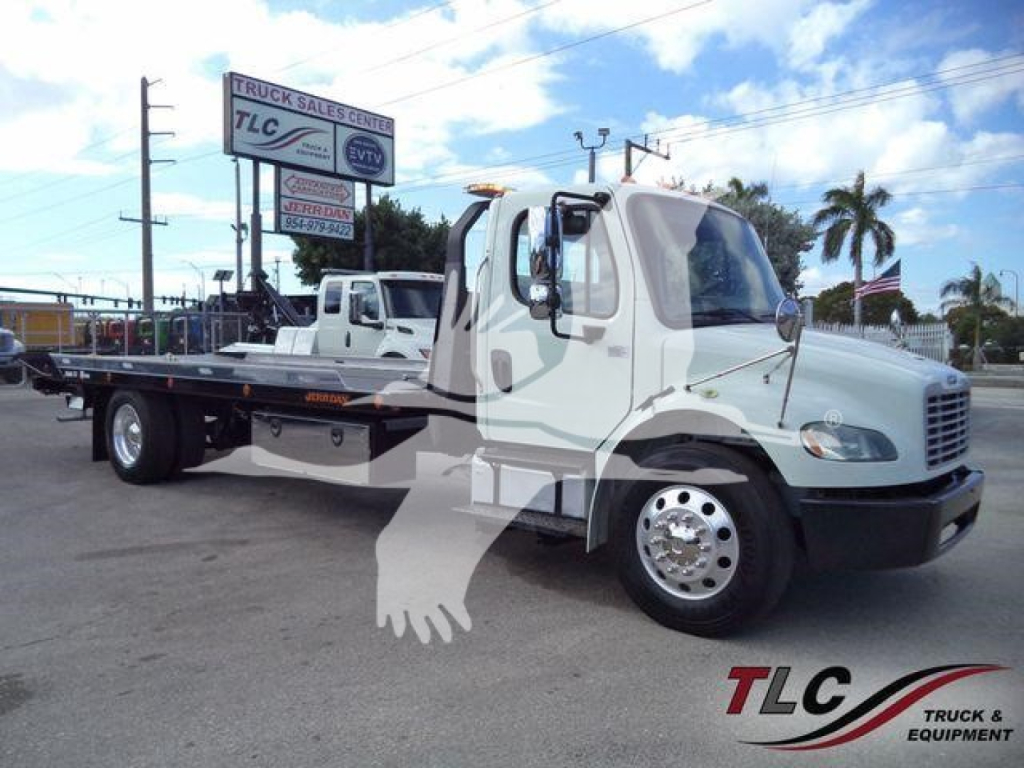
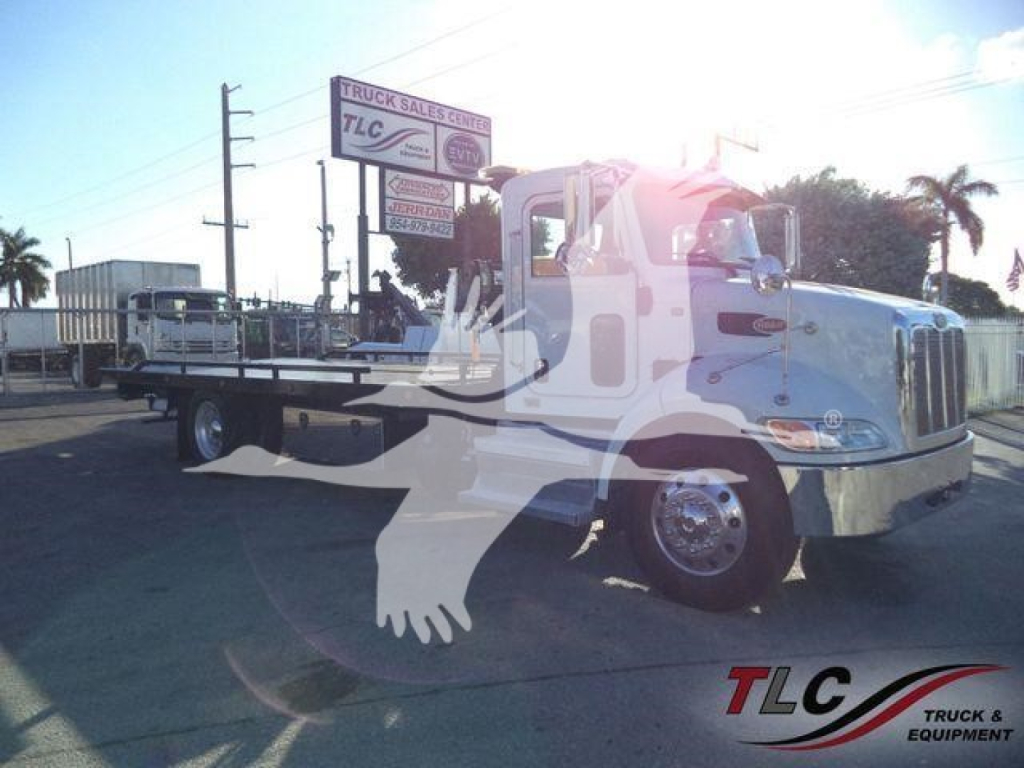
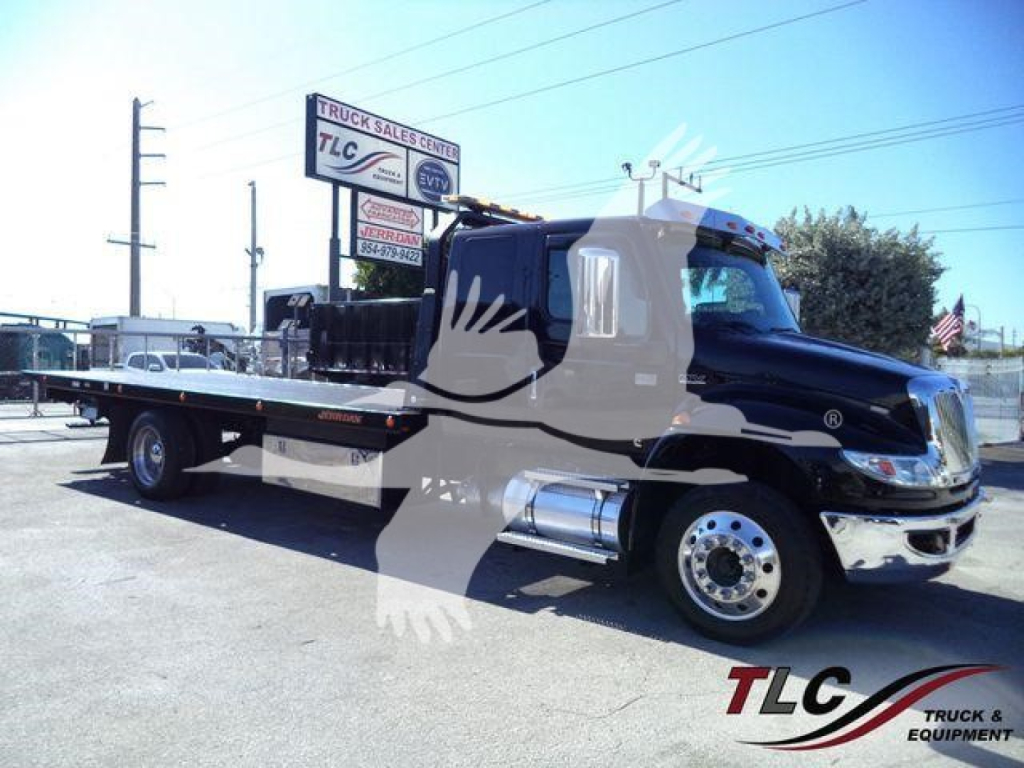
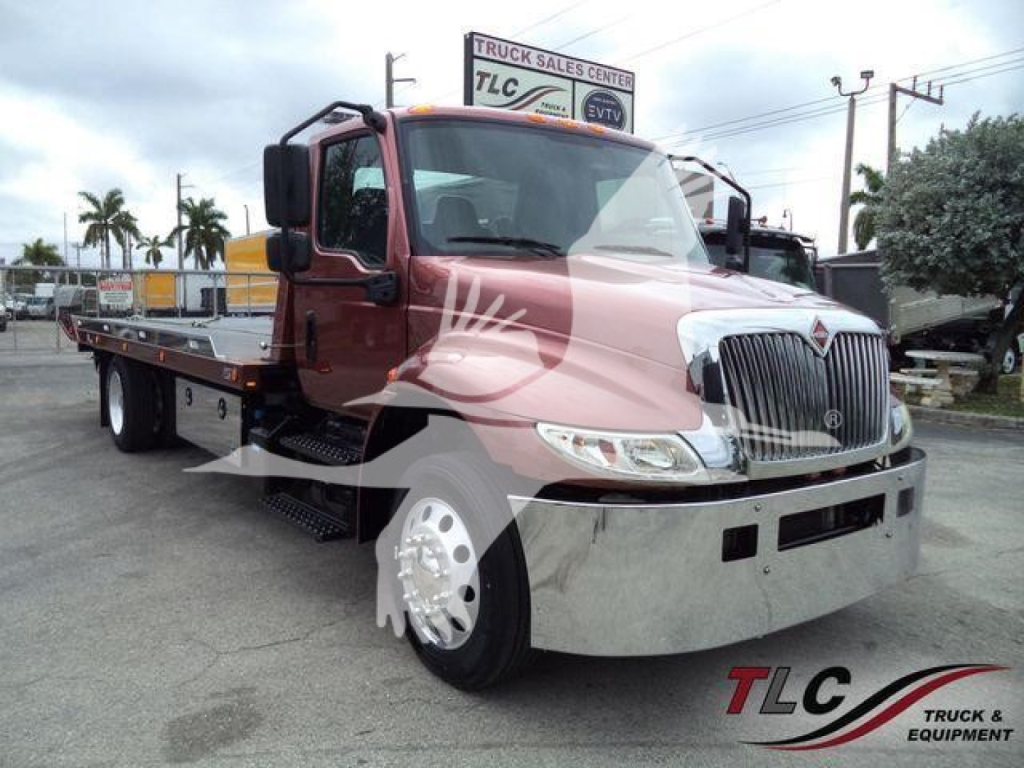
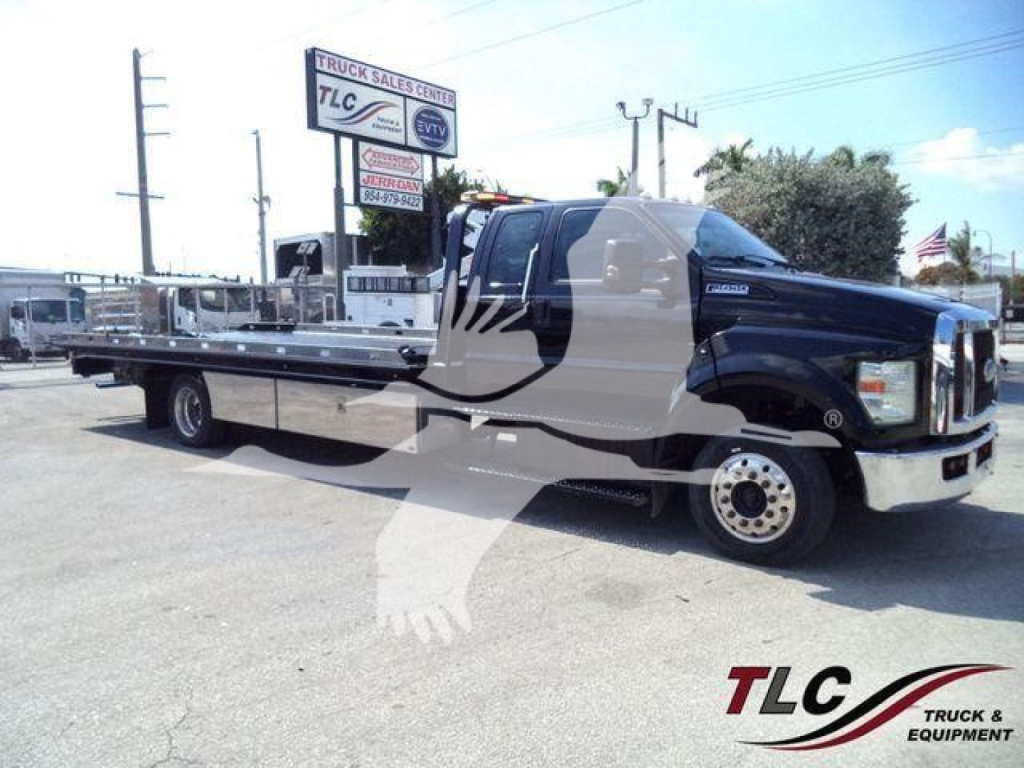
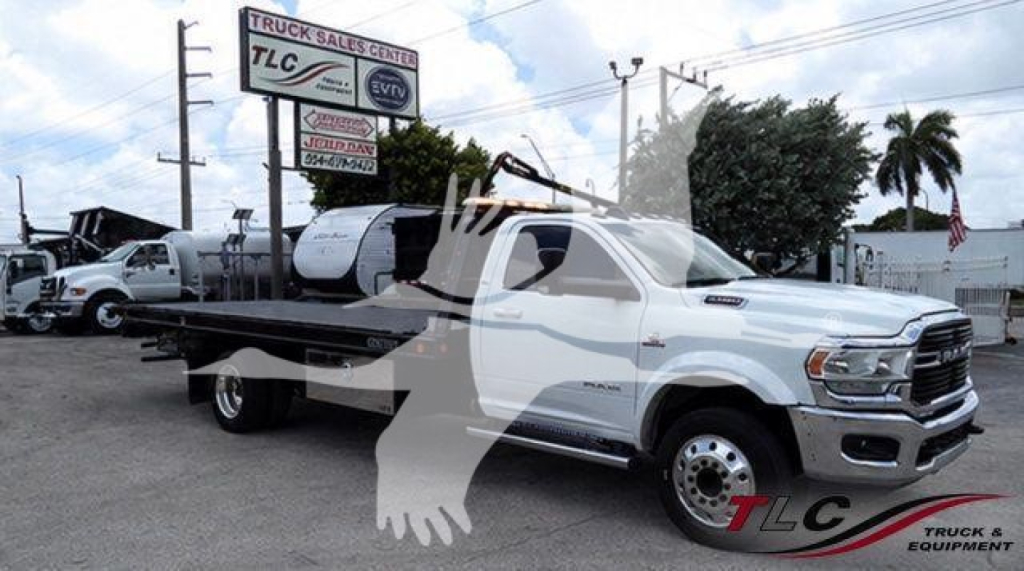
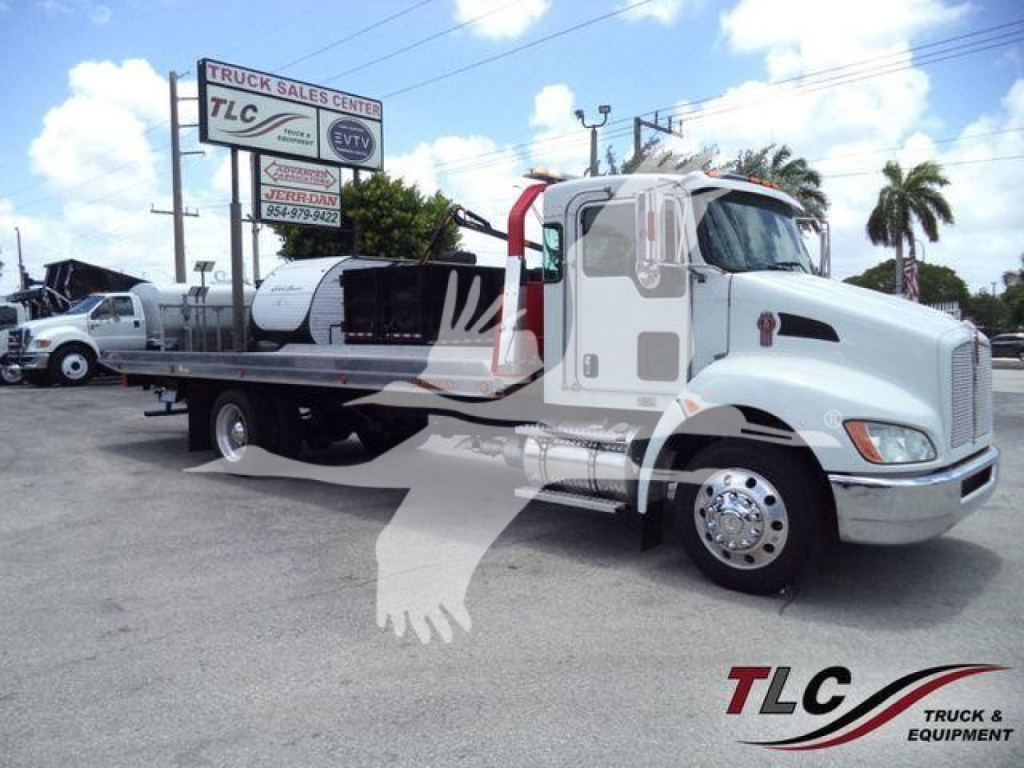
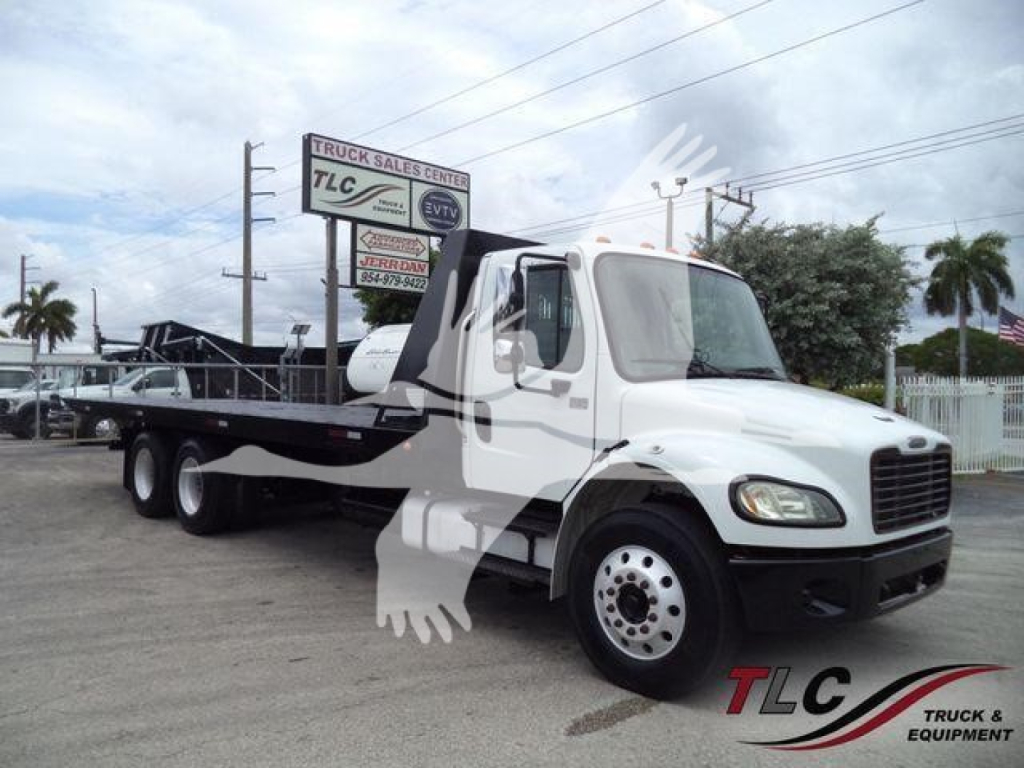
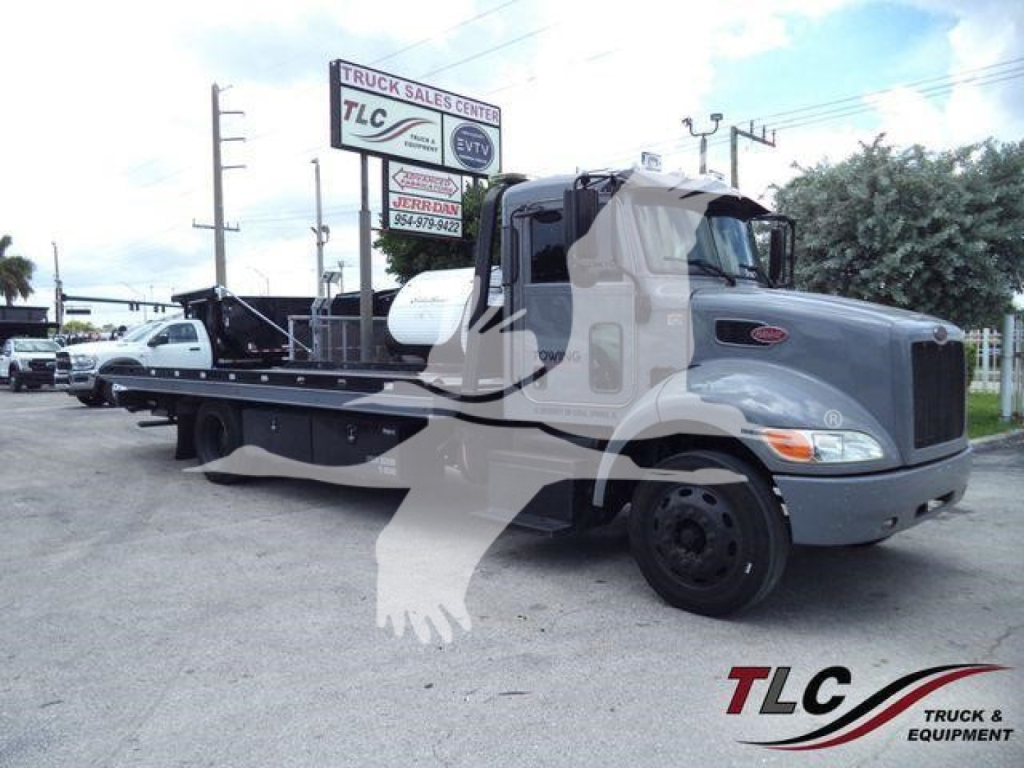
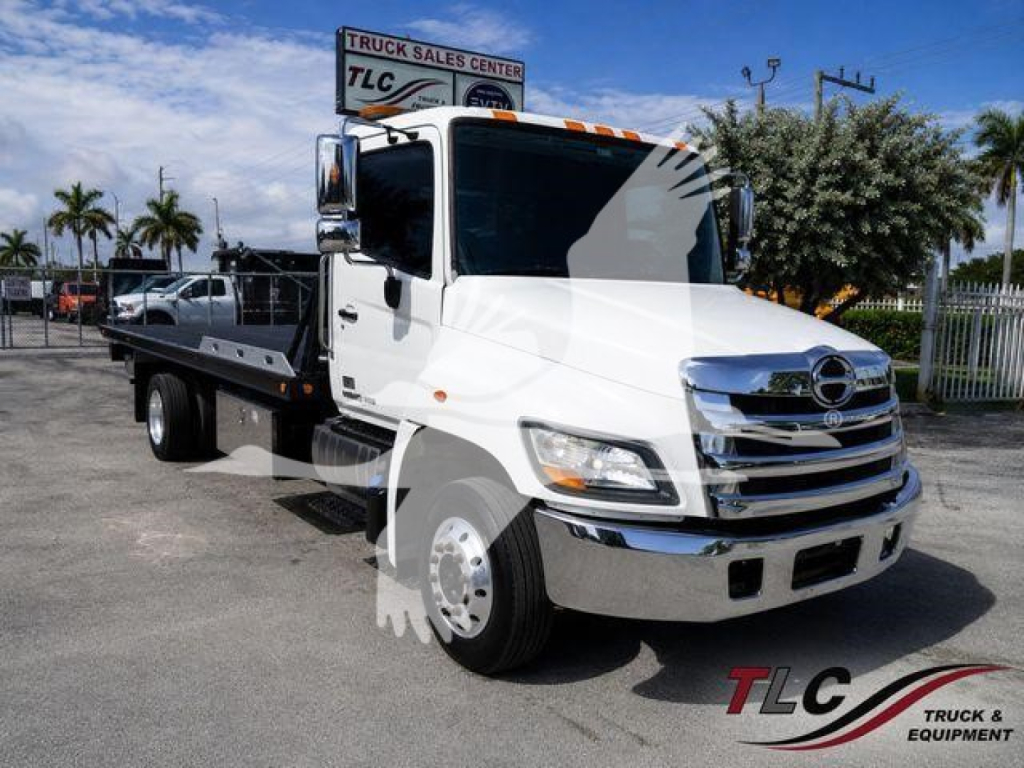
Showing 1 to 28 of 75 results
Selling a used rollback truck? List your used rollback truck for sale and reach thousands of commercial buyers.
Used Rollback Trucks
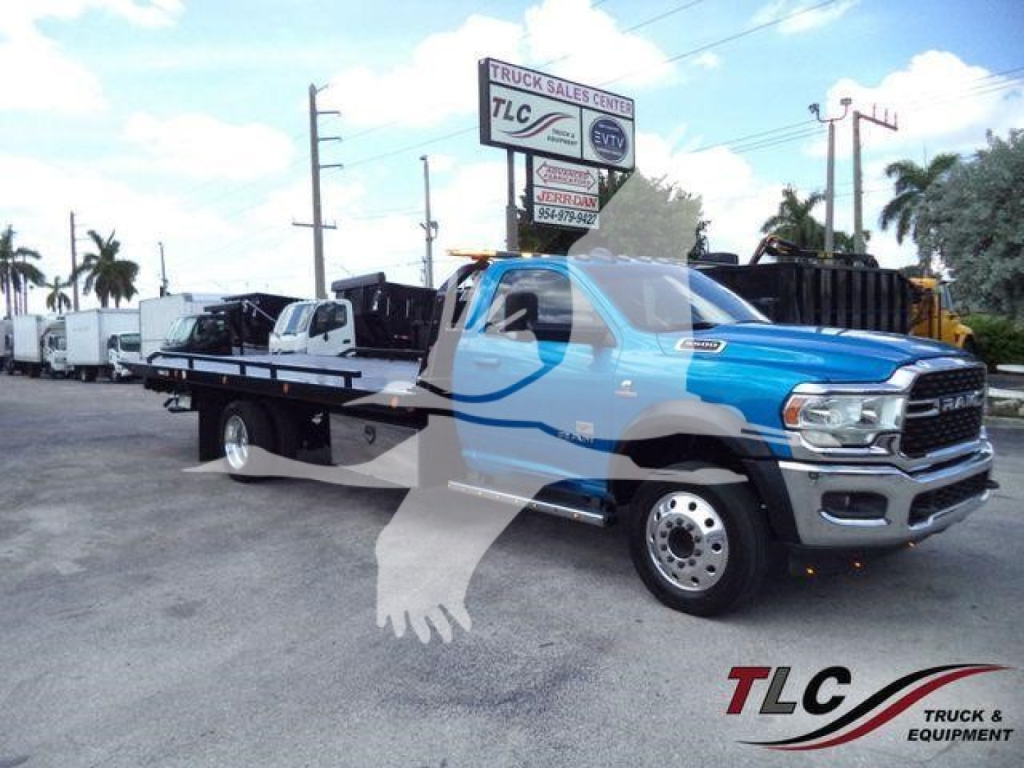
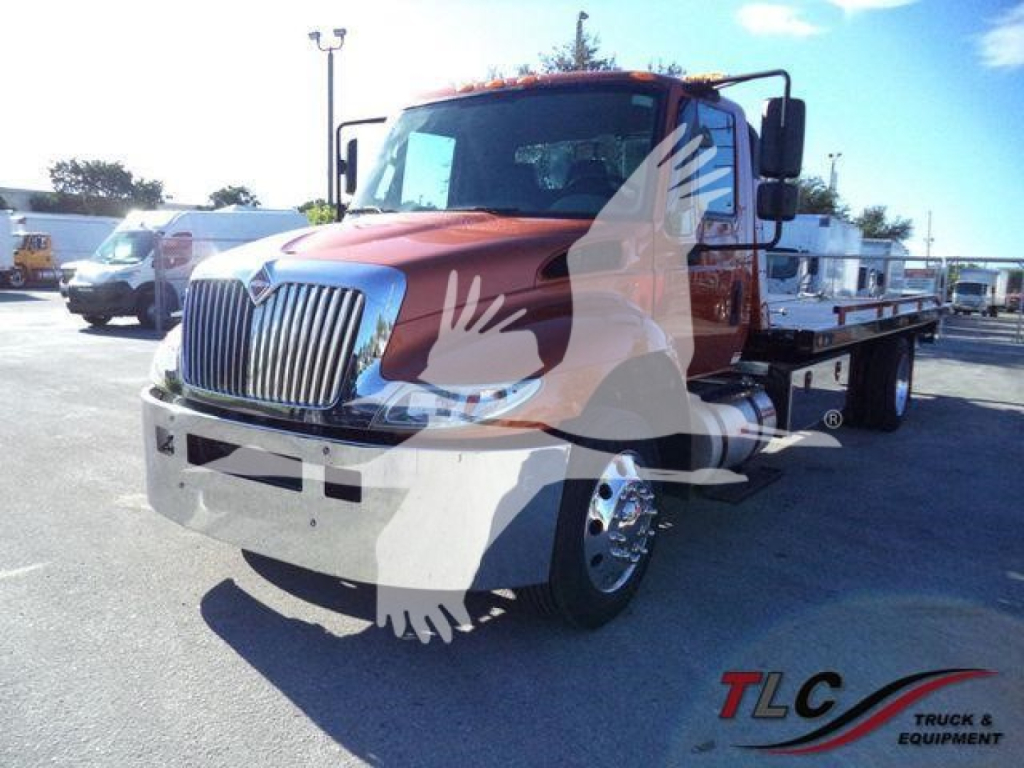
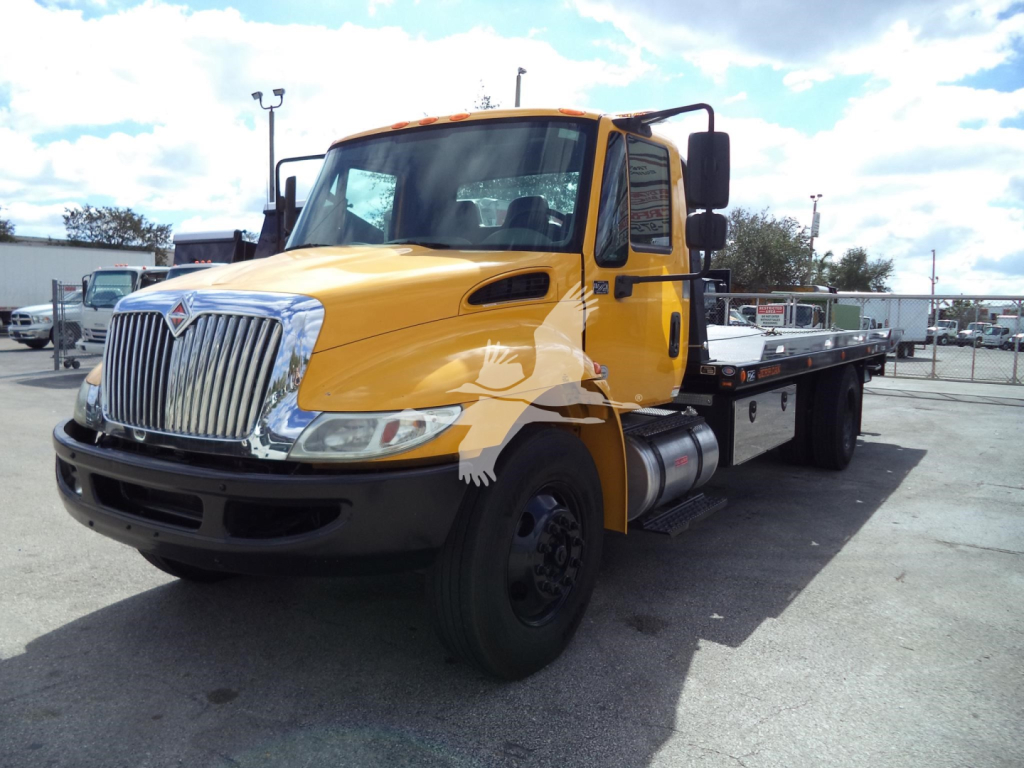
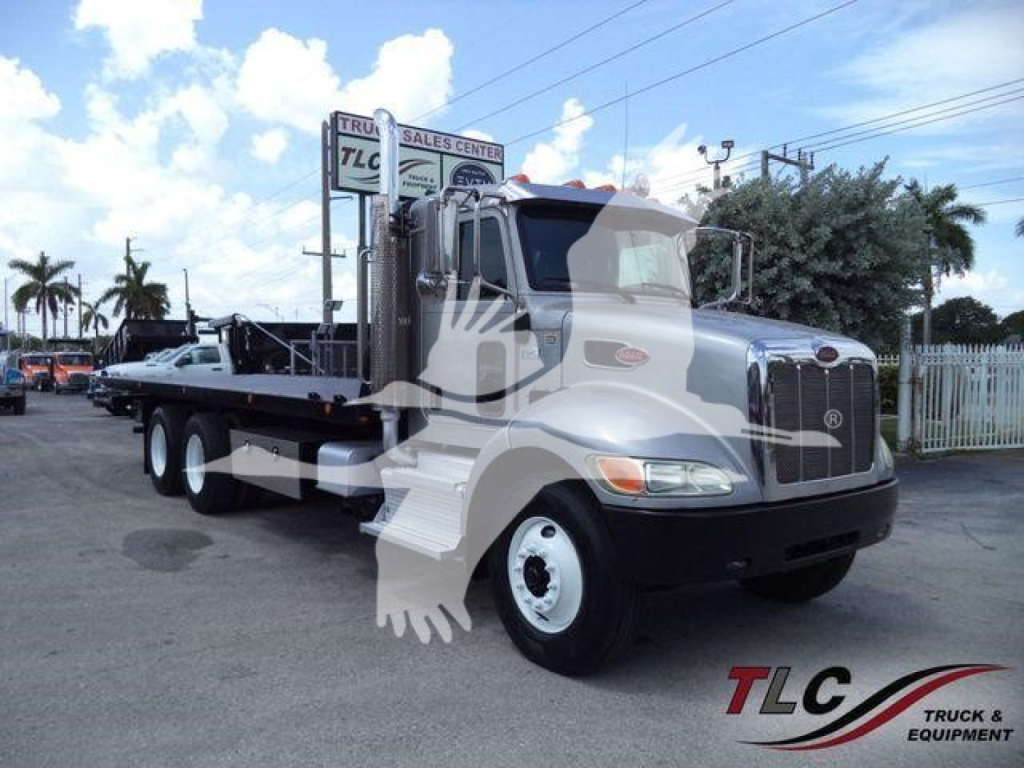
Chassis and drivetrain matter as much as the carrier body. Many used rollback trucks are built on Ram 5500, International DuraStar, Peterbilt 348, Mack MD6, Freightliner M2, or similar platforms, with diesel engines paired to Allison automatics or manual transmissions depending on duty cycle. Buyers should compare GVWR, front and rear axle ratings, wheelbase, rear axle ratio, and suspension type before focusing on cosmetics. Light-duty repossession and vehicle transport work often favors single-axle trucks with aluminum decks for lower curb weight and better payload. Heavier commercial towing, municipal fleets, and equipment hauling can justify a tandem-axle rollback with higher bed capacity, air ride suspension, and stronger winch packages.
Carrier body details drive day-to-day usability. Deck material affects weight and durability, with steel floors generally preferred for hard commercial use and aluminum decks helping maximize legal payload. Bed length, rail style, winch capacity, bed angle, and wheel-lift design all influence what the truck can safely load. Toolboxes, work lights, strobes, tie-down storage, and wireless controls are common features that improve productivity. On used units, inspect the subframe, cylinder mounts, deck rollers, hydraulic lines, PTO operation, and winch condition closely. Bed rails, crossmembers, and scuff areas can reveal how the truck was used and whether it spent its life in light vehicle transport or more punishing recovery service.
Condition evaluation should include more than engine hours and mileage. Check for frame rust, deck straightness, hydraulic leaks, uneven tire wear, brake condition, and signs of overload around suspension hangers and axle components. If the truck has a wheel-lift, confirm its lift rating and inspect pivot points, forks, and hydraulic function. Verify whether the truck is CDL or non-CDL based on GVWR and local operating requirements, especially if it will be used for mixed-duty fleet work. A well-matched used rollback truck can serve towing companies, auctions, dealerships, equipment rental houses, municipalities, and independent transport operators for years, but the best value comes from matching the truck's true bed and chassis ratings to the type of vehicles you move every day.
Frequently Asked Questions about Used Rollback Trucks
What is the difference between a rollback truck and a wrecker?
A rollback truck uses a hydraulic tilting and sliding deck to load a vehicle completely onto the bed, while a traditional wrecker primarily tows a vehicle with a boom, wheel-lift, or underlift. Rollbacks are preferred for all-wheel-drive vehicles, damaged vehicles, low-clearance cars, and units that should not be towed with drive wheels on the ground. Some rollback trucks also include a wheel-lift or stinger, which gives them limited wrecker capability.
What deck length is common on a used rollback truck?
Most light- and medium-duty rollback trucks use carrier beds in the 19 to 22 foot range. A 19 foot 6 inch to 21 foot bed is common on Class 4 and Class 5 chassis used for cars, pickups, and light commercial vehicles. Heavier medium-duty or tandem-axle rollback trucks may use longer or higher-capacity beds for equipment, vans, and larger trucks. The right deck length depends on the wheelbase and overall size of the vehicles you plan to load.
Should I buy a steel or aluminum rollback bed?
Steel rollback beds are typically favored for durability, repairability, and hard-use towing applications. They hold up well in commercial service where chains, forks, and equipment regularly contact the deck. Aluminum beds reduce empty weight, which can improve legal payload and fuel economy, and they resist corrosion better than painted steel. Buyers moving lighter vehicles and wanting maximum payload often prefer aluminum, while heavier-duty operators often stay with steel.
Do I need a CDL to operate a rollback truck?
CDL requirements depend on the truck's gross vehicle weight rating, the combined weight of the truck and any towed unit, and state or federal rules that apply to your operation. Many single-axle rollback trucks are configured to remain in non-CDL territory, but medium-duty and tandem-axle units can exceed that threshold quickly. The safest approach is to verify the GVWR on the chassis tag, review the body upfit rating, and confirm local licensing rules before buying.
What should I inspect first on a used rollback truck?
Start with the carrier system and the chassis together. Confirm the bed slides smoothly, the tilt function is consistent, the PTO engages properly, and the winch operates under load. Then inspect hydraulic cylinders, hoses, deck rollers, crossmembers, tie-down points, and wheel-lift components if equipped. On the truck itself, review engine condition, transmission operation, brake wear, suspension, axle ratings, frame condition, and tire wear patterns. A rollback can look clean cosmetically while still having expensive hydraulic or structural issues.