
Used Ram Rollback Trucks For Sale
Browse used Ram rollback trucks, including Ram 5500 carriers with Cummins diesel power, low-profile beds, wheel lifts, and towing-ready specs.
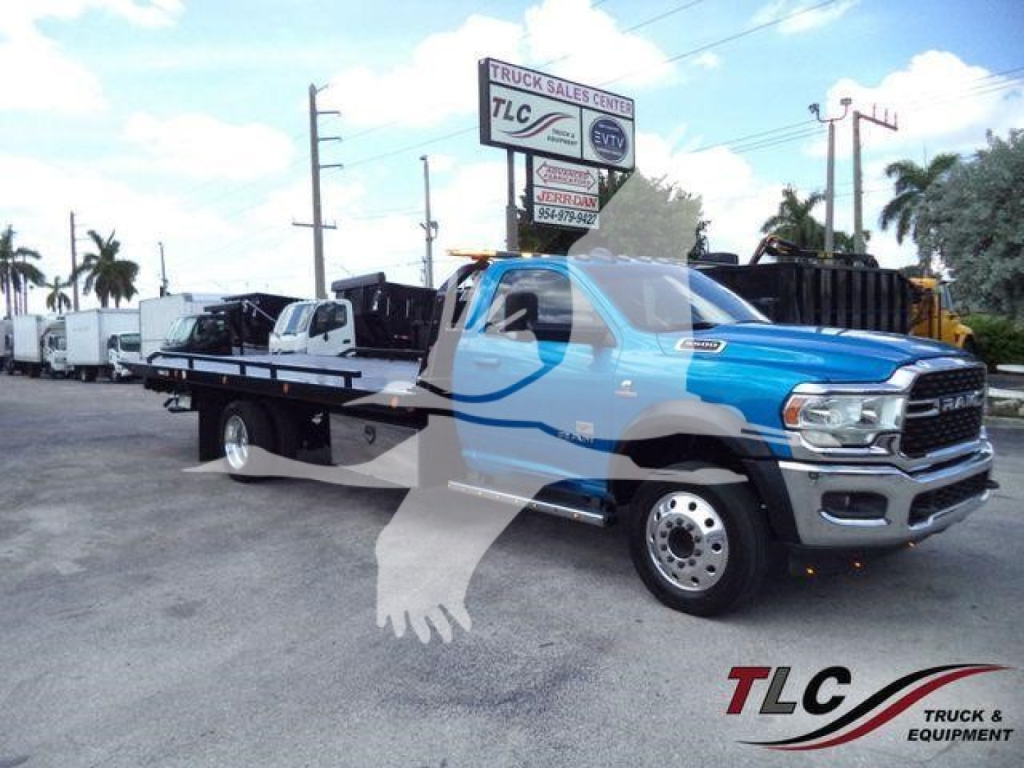
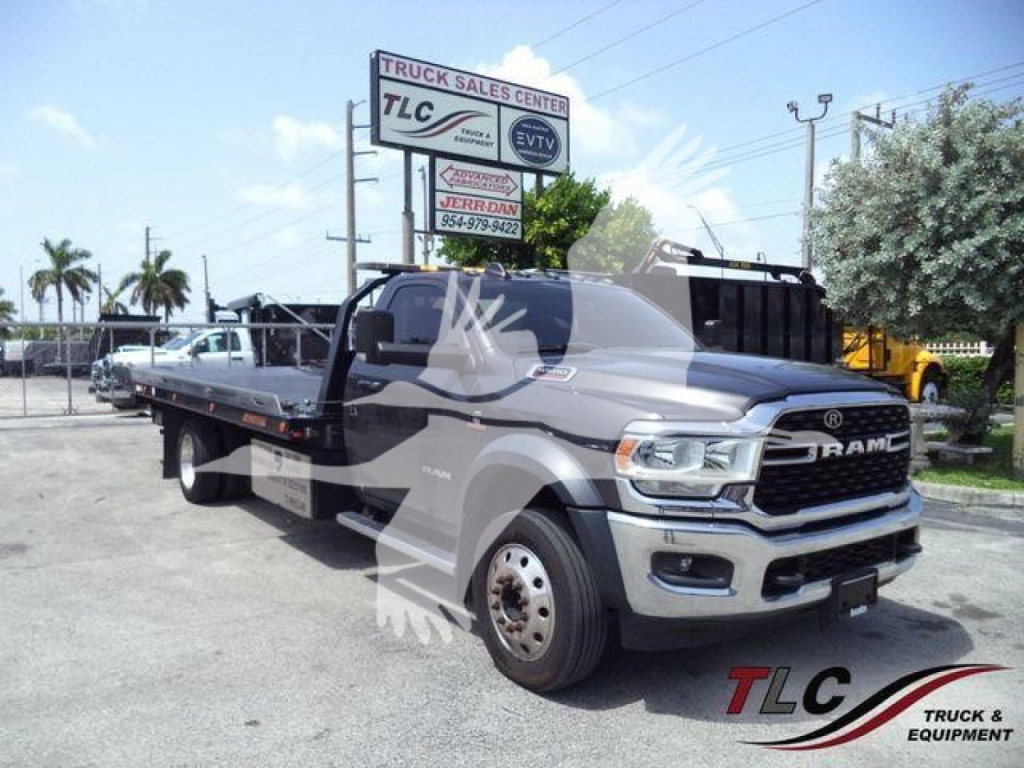
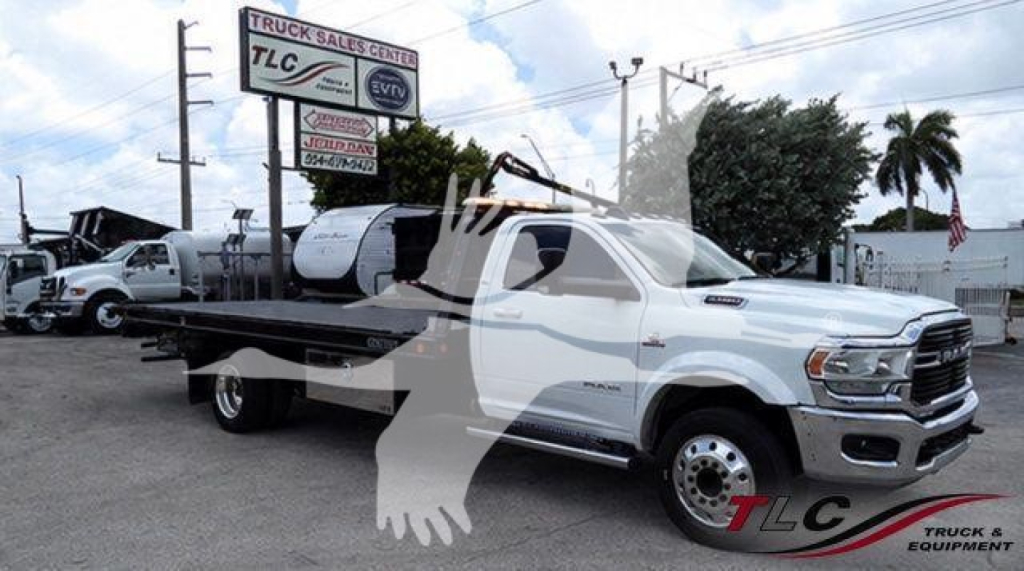
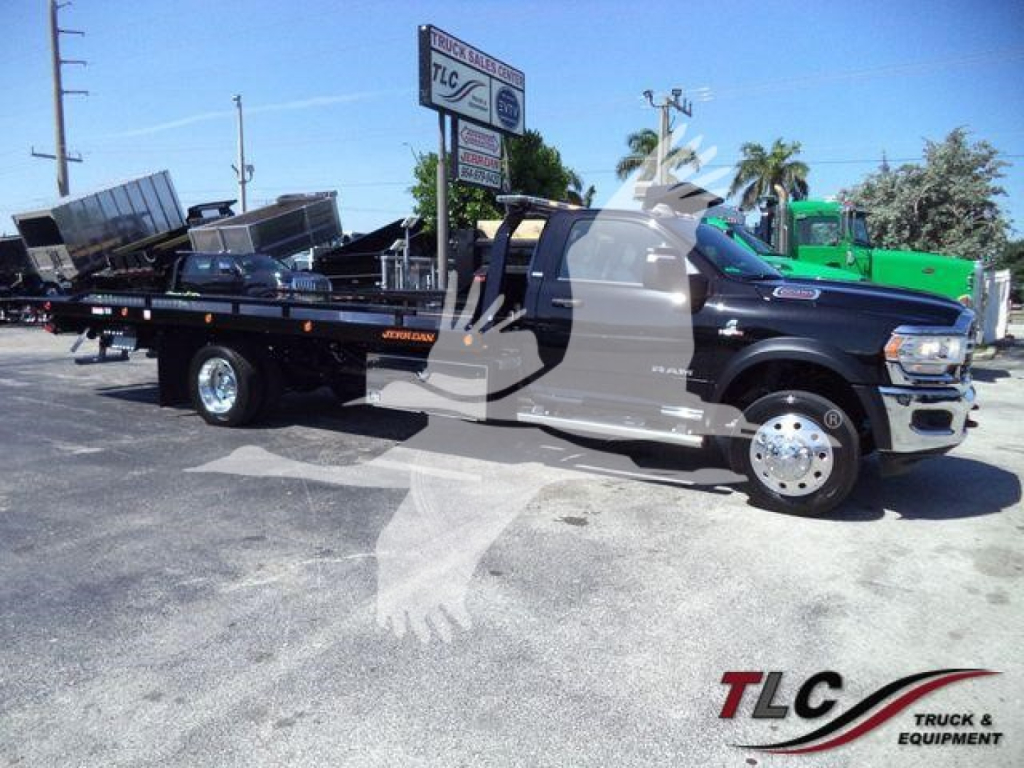
Selling a used ram rollback truck? List your used ram rollback truck for sale and reach thousands of commercial buyers.
Used Ram Rollback Trucks
The chassis is a major part of the buying decision. Many used Ram rollback trucks in this class are equipped with the 6.7L Cummins turbo diesel and an automatic transmission, often paired with a 4x2 driveline for lower curb weight and simpler maintenance. On a Ram 5500, buyers should pay close attention to GVWR, front and rear axle ratings, brake condition, tire size, and wheelbase because those details directly affect body fit, ride quality, and legal payload. A rollback may be advertised by bed capacity such as 6-ton, but real-world performance depends on the full chassis and body combination, including winch rating, wheel-lift capacity, deck length, and how the truck balances with a vehicle loaded forward or rearward on the bed.
Most used Ram rollback trucks on the market carry 19.5-foot or 20-foot decks that are about 102 inches wide. Low car carrier decks and extra-low-profile designs are popular because they improve loading angles for low-clearance cars, crossovers, and light trucks. Common upfit features include dual-angle or low-center-gravity decks, removable side rails, hydraulic wheel lifts with L-arms, 8,000-lb or similar winches, toolboxes, work lighting, and light bars. Steel decks are typically favored for durability and repairability, while aluminum components can reduce weight and help preserve payload. If the truck will spend most of its time on private-property impounds, dealer transfers, or mechanical breakdown calls, deck geometry and wheel-lift usability often matter more than headline horsepower.
Condition matters more than model year on a used rollback. Buyers should inspect the subframe, deck pivots, hydraulic cylinders, hoses, winch line, PTO operation, and bed controls for signs of hard towing service. Check for frame corrosion, uneven deck wear, damaged rails, and wheel-lift slop. On the Ram chassis side, confirm maintenance history on the Cummins engine, transmission performance under load, steering and front-end wear, and any signs of electrical issues tied to the body installation. A good used Ram rollback truck should load smoothly, track straight, brake confidently, and show a body/chassis spec that matches the kind of vehicles you plan to move every day.
Frequently Asked Questions about Used Ram Rollback Trucks
What is the most common Ram rollback truck configuration?
The most common setup is a Ram 5500 cab-and-chassis with a 19.5-foot to 20-foot rollback body, usually 102 inches wide, powered by a 6.7L Cummins diesel and automatic transmission. Many are built as 4x2 carriers for light-duty towing and vehicle transport. Typical body equipment includes a low-profile deck, hydraulic wheel lift, winch, removable rails, and side toolboxes.
Is a used Ram 5500 rollback suitable for towing cars and light trucks?
Yes, that is the core application for this class. A used Ram 5500 rollback is commonly used to transport passenger cars, SUVs, pickup trucks, and other light vehicles for repossession, recovery, breakdown service, and dealer moves. Buyers should still match the truck's deck rating, wheel-lift capacity, winch rating, and GVWR to the heaviest vehicles they expect to handle on a regular basis.
What should I inspect on a used rollback body?
Focus on the hydraulic system, deck structure, and wear points. Check bed operation from full tilt to full rollback, inspect cylinders and hoses for leaks, test the winch under load, and examine the wheel lift, L-arms, crossmembers, deck surface, rails, and toolboxes. Uneven wear, cracked welds, bent structure, or sloppy pivot points can indicate a truck that has seen hard recovery work or poor maintenance.
Are low-profile or extra-low-profile beds worth it?
For many operators, yes. Low-profile and extra-low-profile rollback decks reduce loading angle, which helps prevent scraping on low-clearance cars, sports cars, and longer-wheelbase vehicles. That can speed up loading and reduce the need for extra boards or special positioning. They are especially useful for urban towing, dealership work, and any operation that handles newer passenger vehicles with limited ground clearance.
What matters more on a used Ram rollback truck: chassis or body?
Both matter, but the best buying decision comes from evaluating them together. The Ram chassis determines engine performance, braking, axle capacity, ride, and serviceability. The rollback body determines how efficiently the truck can load, secure, and recover vehicles. A strong Cummins-powered chassis is valuable, but it does not make up for a worn hydraulic system or an incorrectly matched bed. The right truck is the one with a sound chassis and a body spec that fits your daily towing work.