
Used International Rollback Trucks For Sale
Shop used International rollback trucks built for towing, recovery, and vehicle transport with durable chassis, diesel power, and proven bed setups.
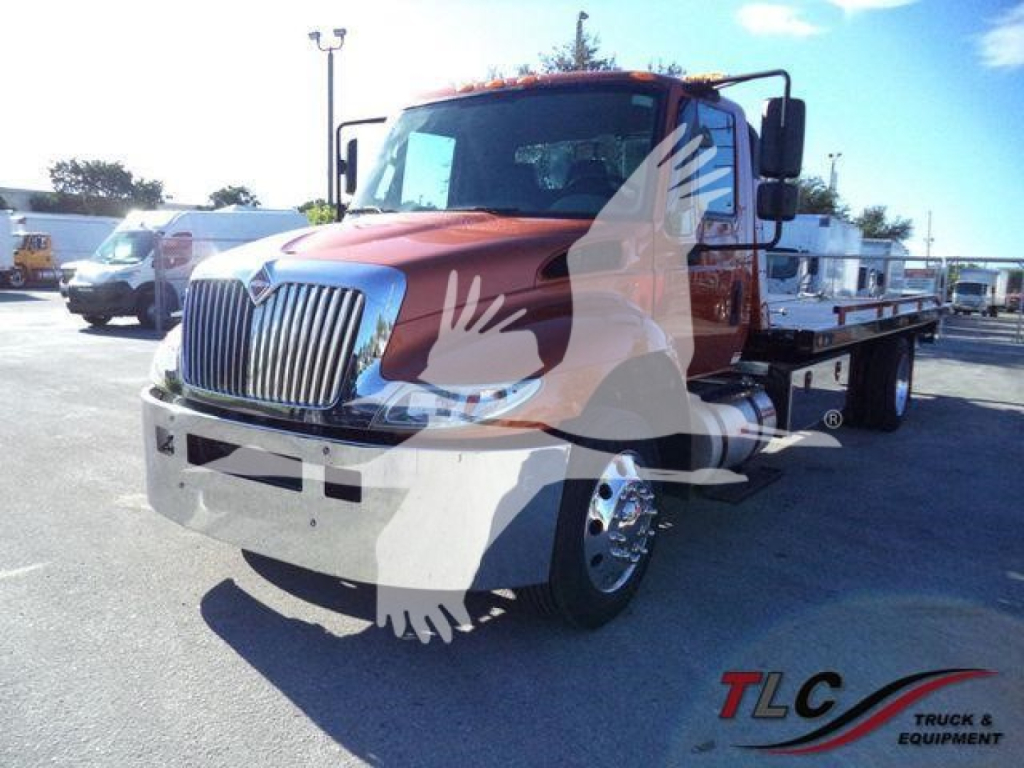
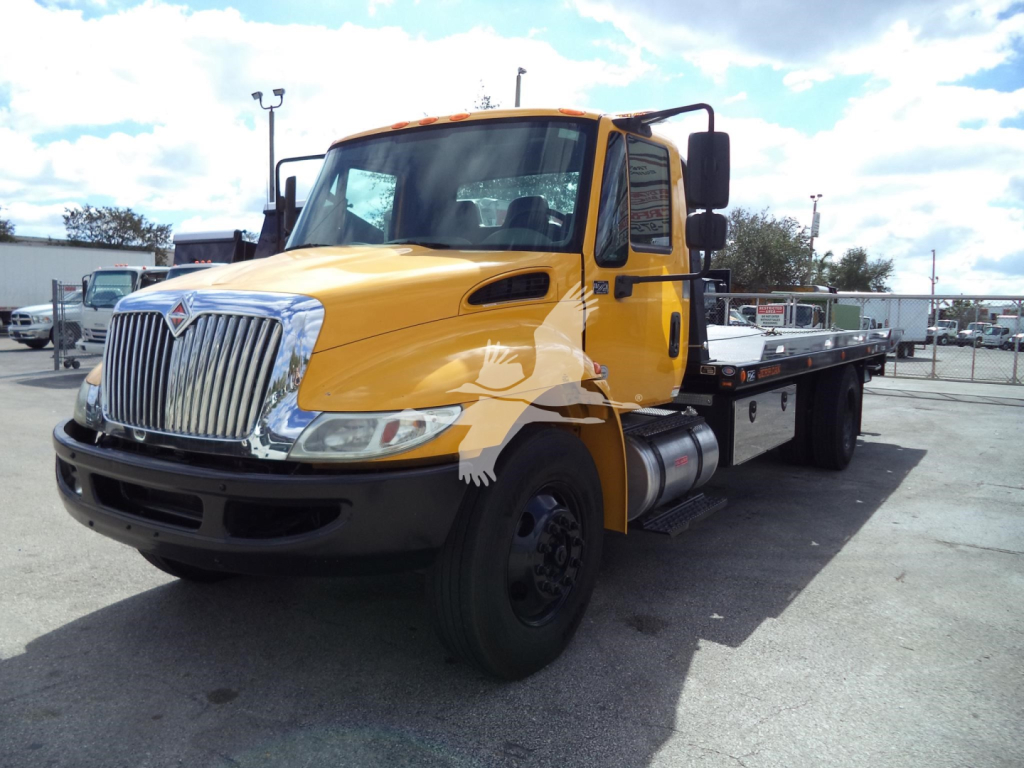
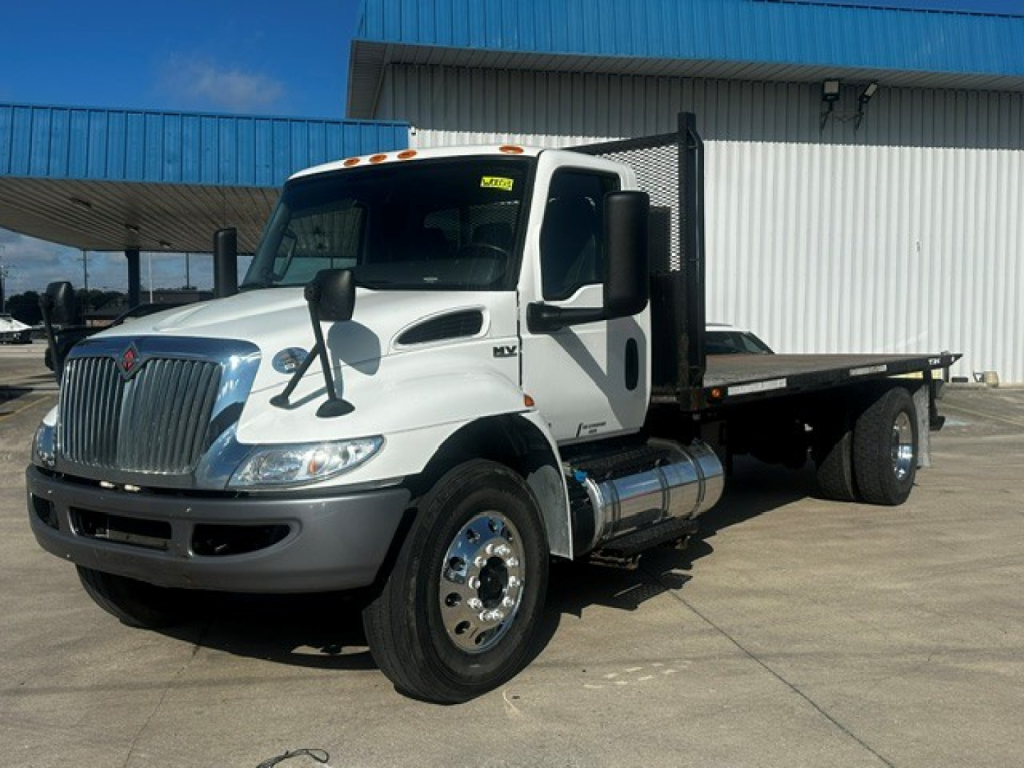
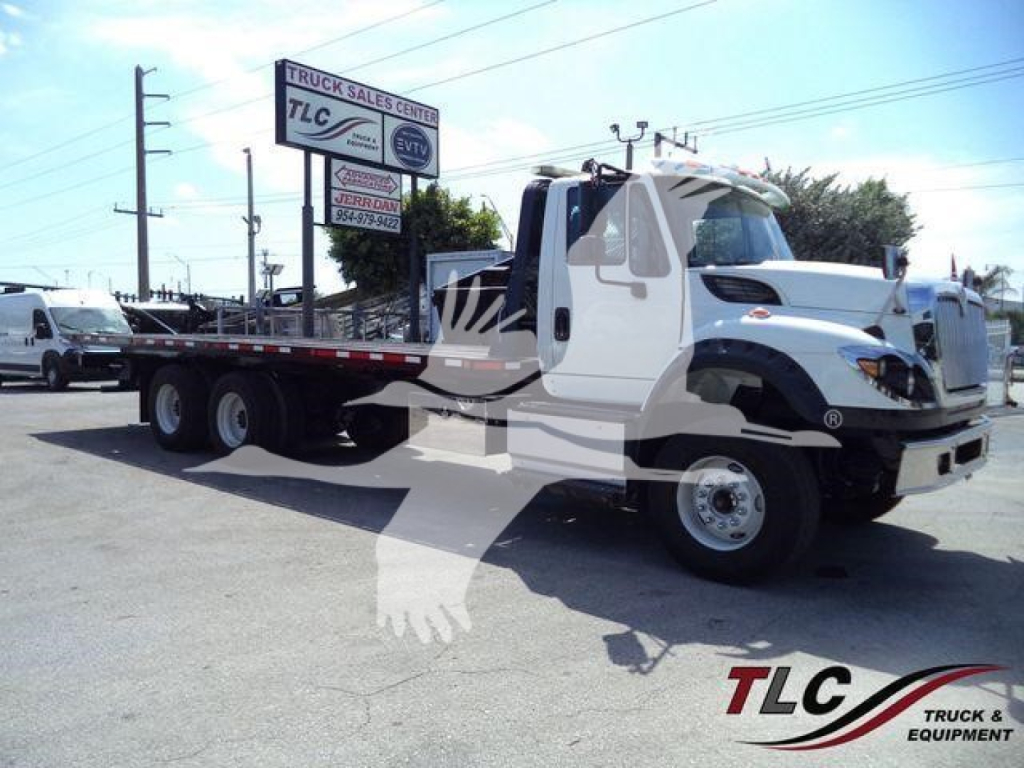
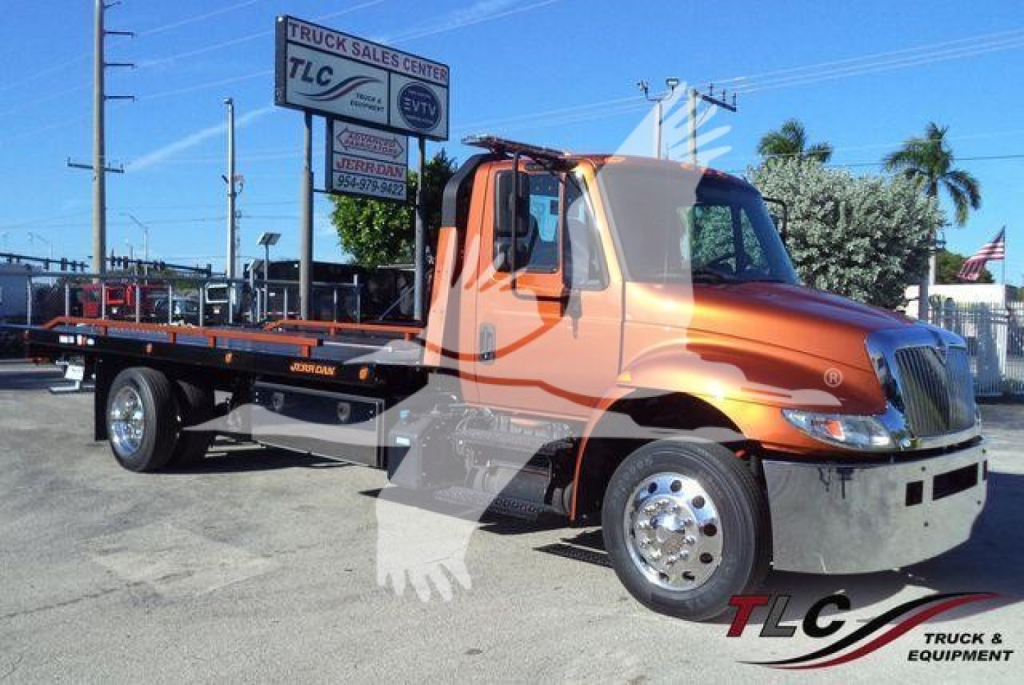
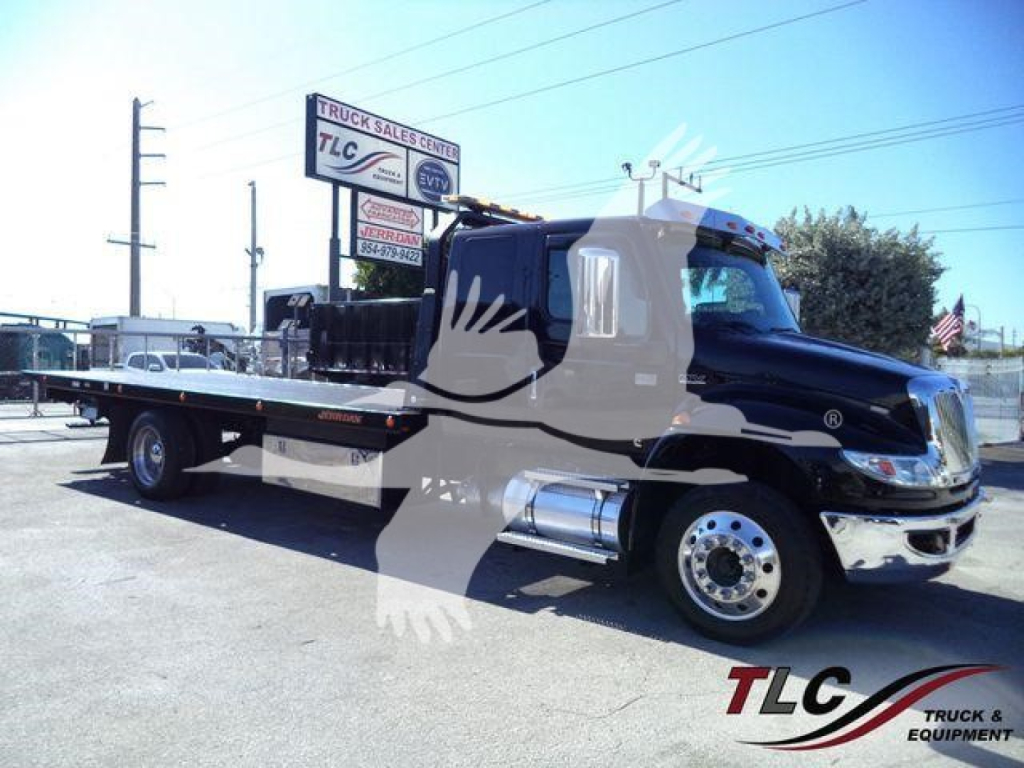
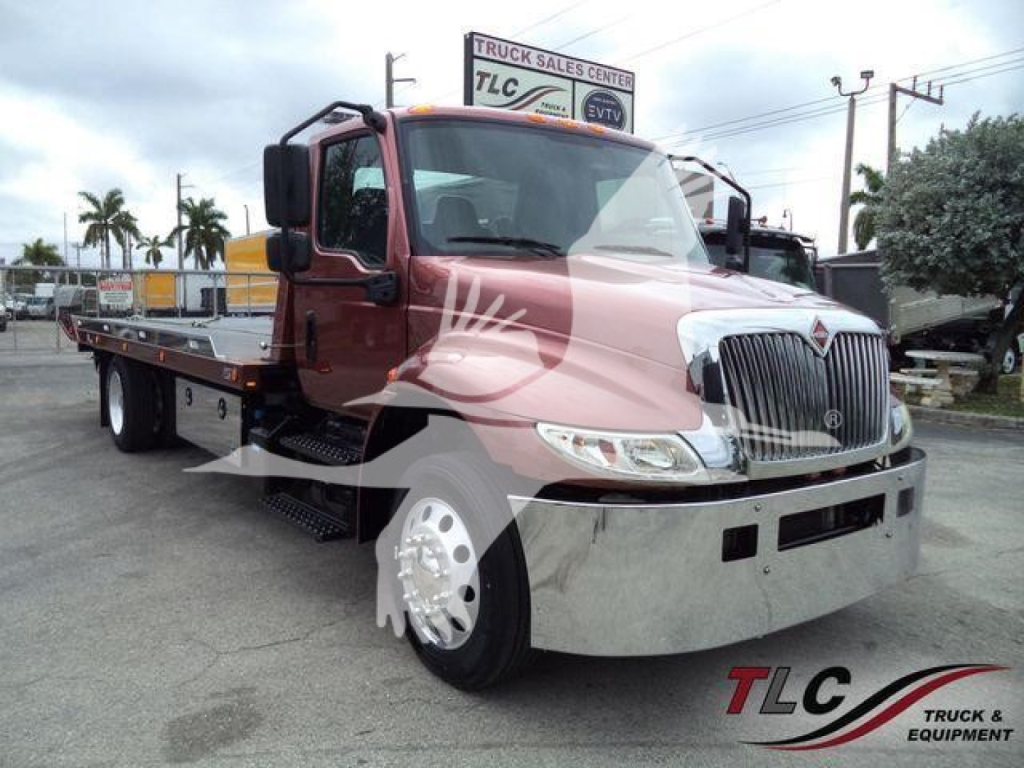
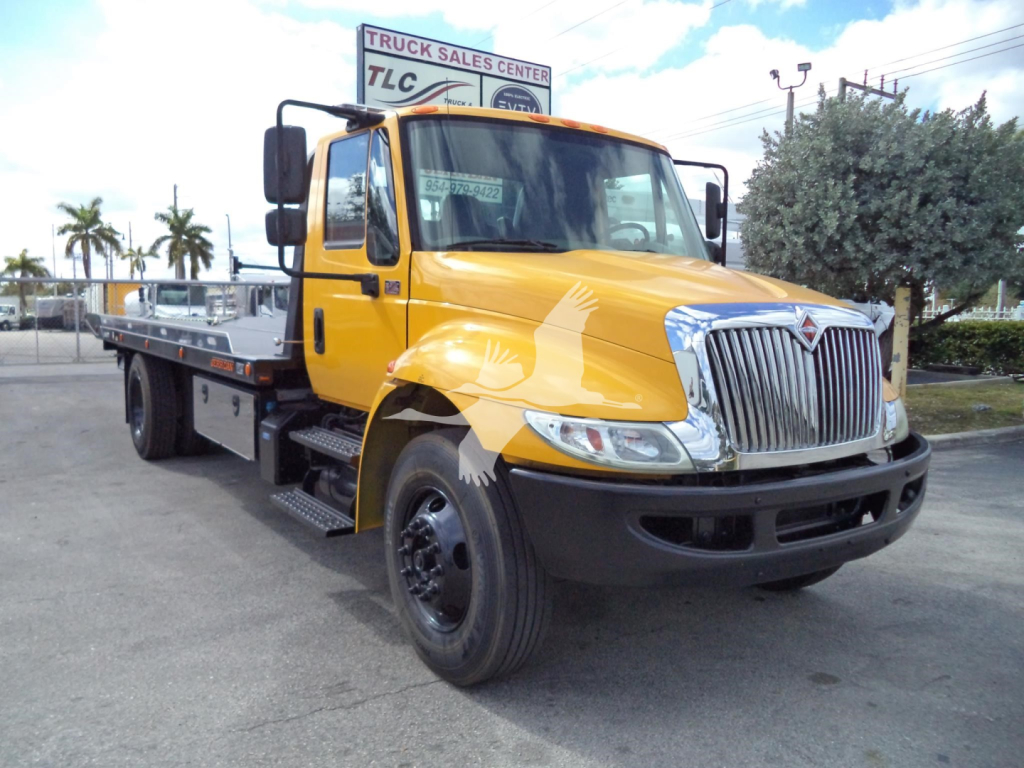
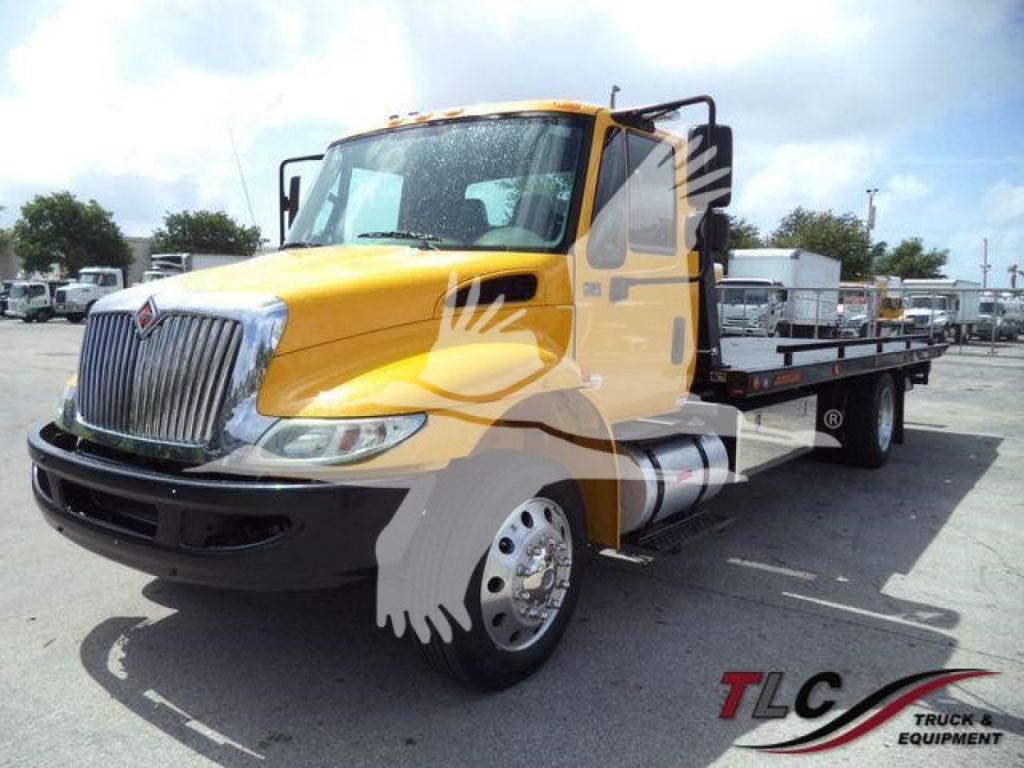
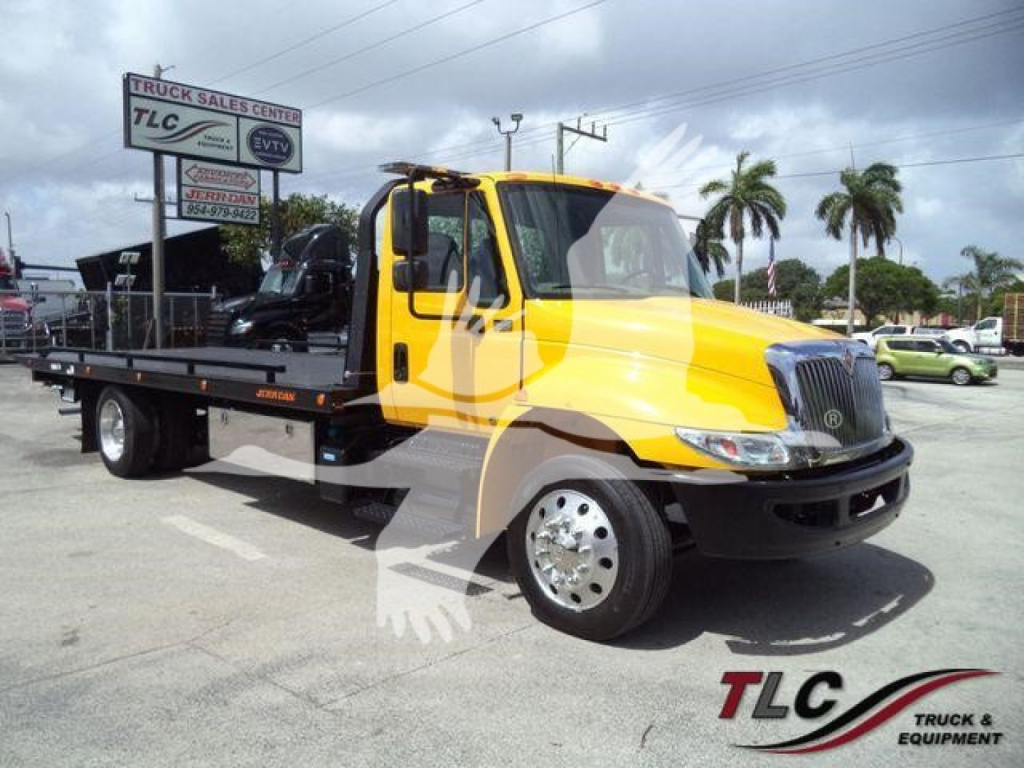
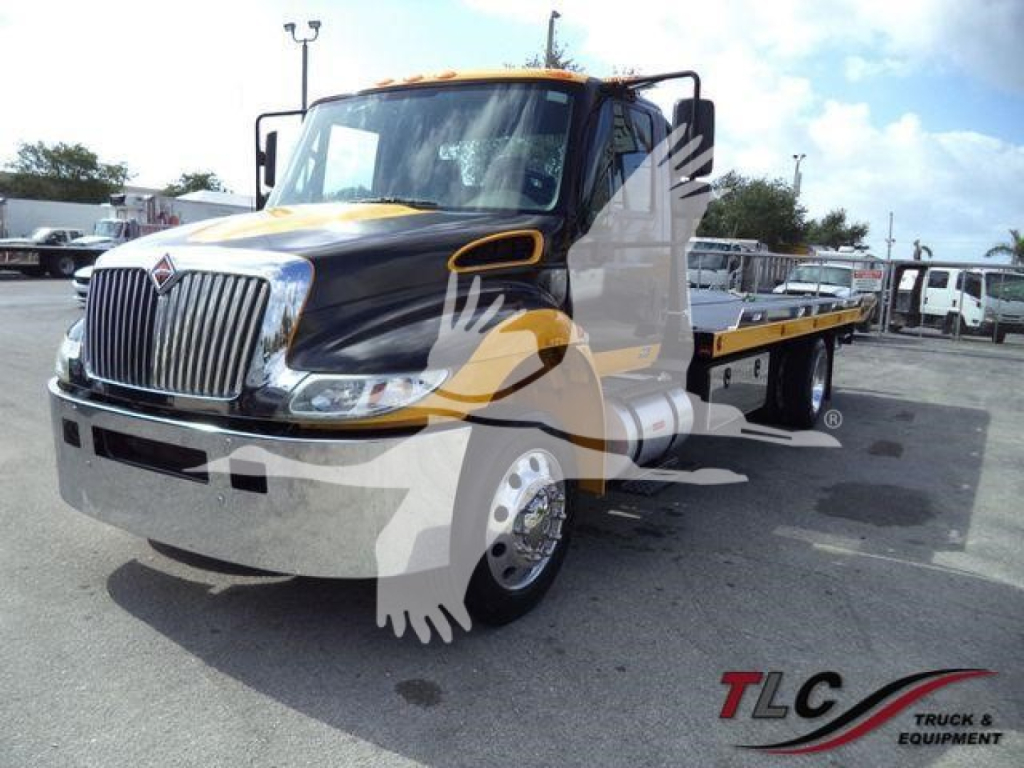
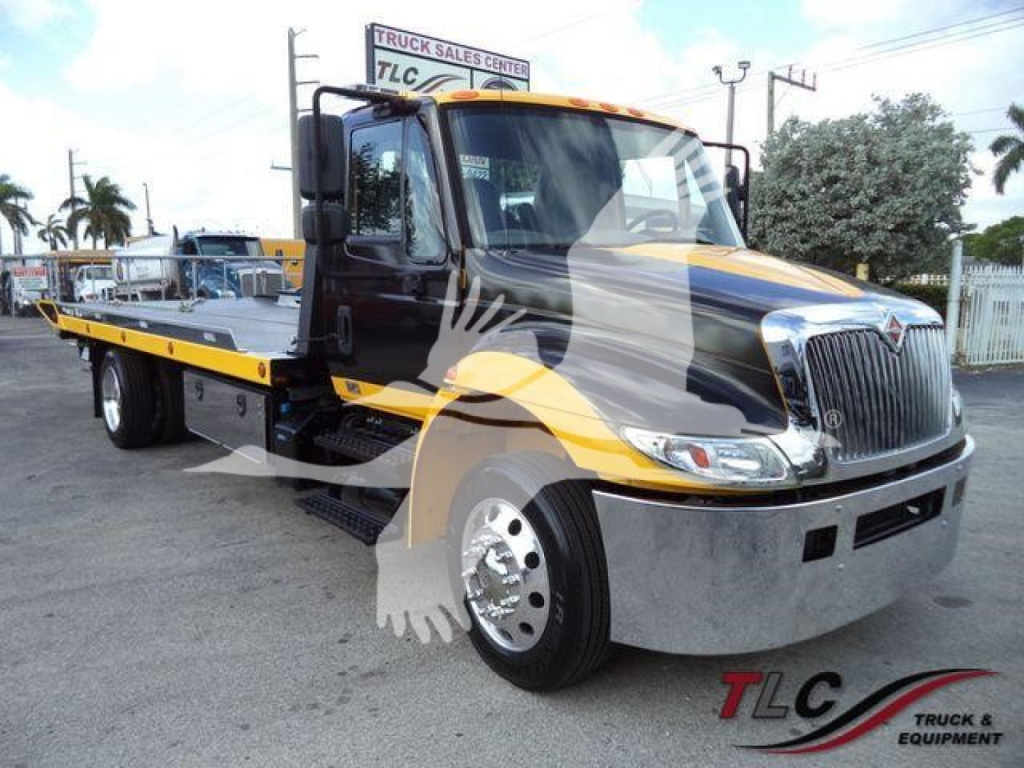
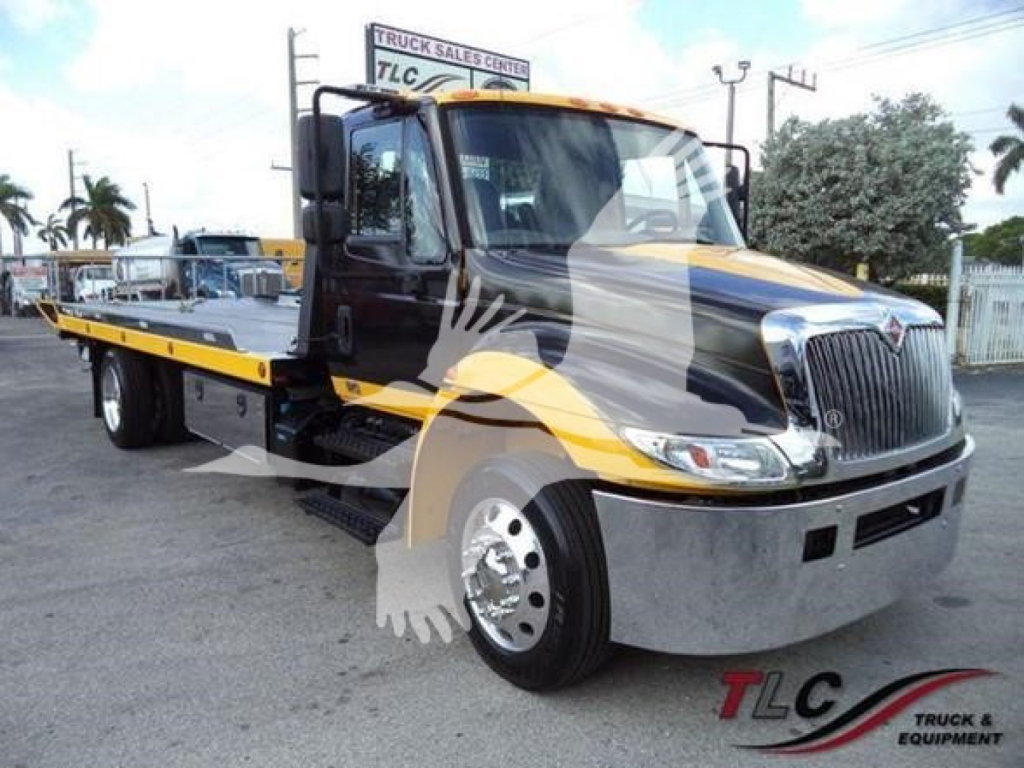
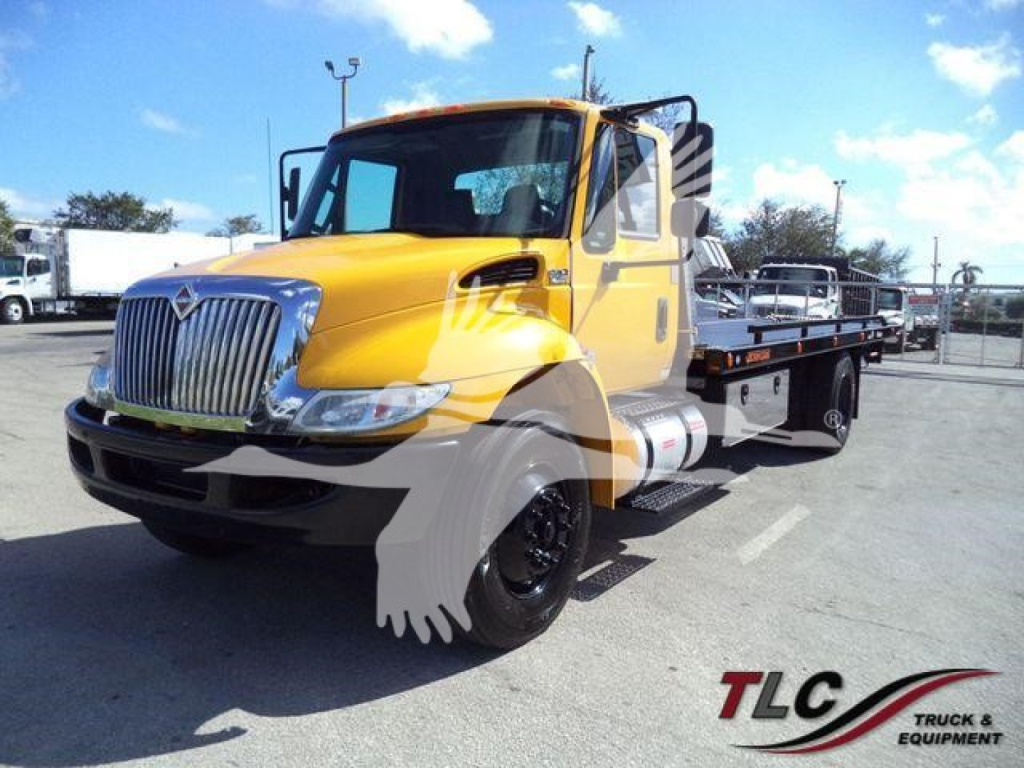
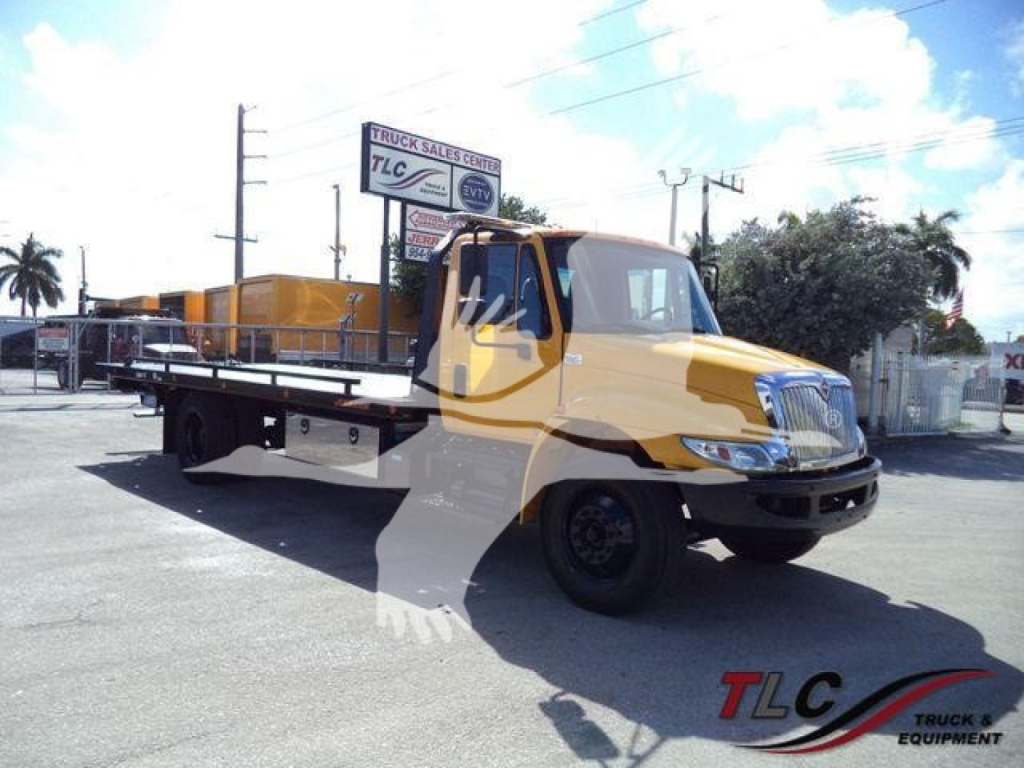
Selling a used international rollback truck? List your used international rollback truck for sale and reach thousands of commercial buyers.
Used International Rollback Trucks
The bed and underlift setup usually matter as much as the chassis. A steel deck is common on older used rollback trucks and holds up well in heavy towing work, while aluminum can reduce empty weight and improve payload. Key items to inspect include deck length, bed cylinder condition, winch capacity, subframe rust, crossmember integrity, and the operation of the wheel lift. If the truck will spend most of its time moving cars and light trucks, a lower deck angle and smooth bed travel can save time and reduce loading issues. For mixed-use work, check the rated capacity of both the carrier bed and the underreach, along with tool storage, work lights, tie-down points, and auxiliary controls.
On the chassis side, buyers should pay attention to GVWR, brake type, suspension, and whether the truck stays under CDL thresholds in its current configuration. Many International rollback trucks fall into medium-duty classes that can work well for municipal fleets, auction transport, salvage operators, and independent towing companies. Air brakes, 22.5-inch wheels, spring or air suspension, and hydraulic or electric-over-hydraulic accessory systems are all common depending on age and build. Service history is especially important on used units because transmission behavior, PTO engagement, hydraulic leaks, and frame corrosion can turn a low-priced truck into a high-cost repair project.
International rollback trucks are also known for having a wide parts network and familiar driveline combinations, which helps reduce downtime for operators who run older equipment. A good used unit should be evaluated as a complete system: engine, transmission, PTO, hydraulics, carrier bed, wheel lift, and electrical controls all need to work together reliably. For buyers comparing multiple listings, the best value is usually found by matching bed size, towing capacity, axle ratings, and drivetrain condition to the type of recoveries and transports the truck will actually handle each week.
Frequently Asked Questions about Used International Rollback Trucks
What should I look for first on a used International rollback truck?
Start with the condition of the rollback bed, hydraulics, and wheel lift, then move to the engine, transmission, and frame. Bed cylinders, winch function, PTO engagement, deck rollers, and subframe rust can tell you a lot about how the truck was used and maintained. On the chassis, pay close attention to transmission shifting, brake condition, suspension wear, and corrosion around hangers, crossmembers, and body mounts.
Are International rollback trucks good for non-CDL towing work?
Many International rollback trucks can be configured for non-CDL operation, but it depends on the truck's GVWR and the actual body installed. Medium-duty International models are often built to stay near the 26,000-pound threshold, which can work well for light-duty towing and vehicle transport. Buyers should verify the door sticker, registration class, axle ratings, and local licensing requirements before assuming a truck is non-CDL.
What bed length is most common on an International rollback?
Used International rollback trucks commonly carry 19-foot, 21-foot, or 22-foot beds, depending on wheelbase and intended use. A shorter bed can be easier to maneuver in urban towing and repo work, while a 21- or 22-foot carrier is often preferred for larger pickups, vans, and small equipment. The best choice depends on the weight and length of the vehicles you plan to move most often.
Which drivetrain components matter most on an older International rollback truck?
The engine, Allison automatic transmission, PTO, and hydraulic pump are the core components to evaluate. International medium-duty trucks are often chosen because proven diesel engines and common automatic transmission pairings are easier to support than more specialized setups. A truck that runs well but has PTO delays, hydraulic chatter, or erratic transmission shifting may need significant work before it is ready for daily towing service.
Is a steel or aluminum rollback bed better on a used truck?
Steel beds are common on used rollback trucks and are generally valued for durability and repairability in hard towing service. Aluminum beds reduce empty weight and can improve payload, but buyers should inspect them closely for impact damage, fatigue around mounting points, and prior repairs. The right choice depends on whether the truck will see rough recovery work, frequent loading cycles, or more routine vehicle transport.