
Used International Rollback Trucks For Sale in Florida
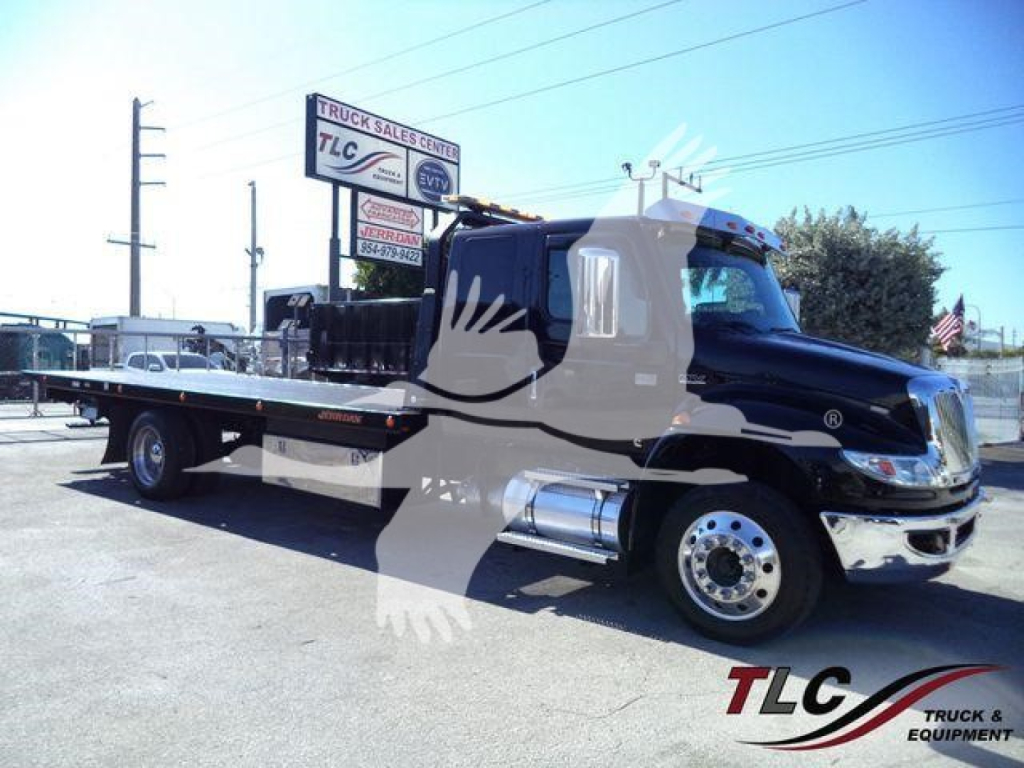
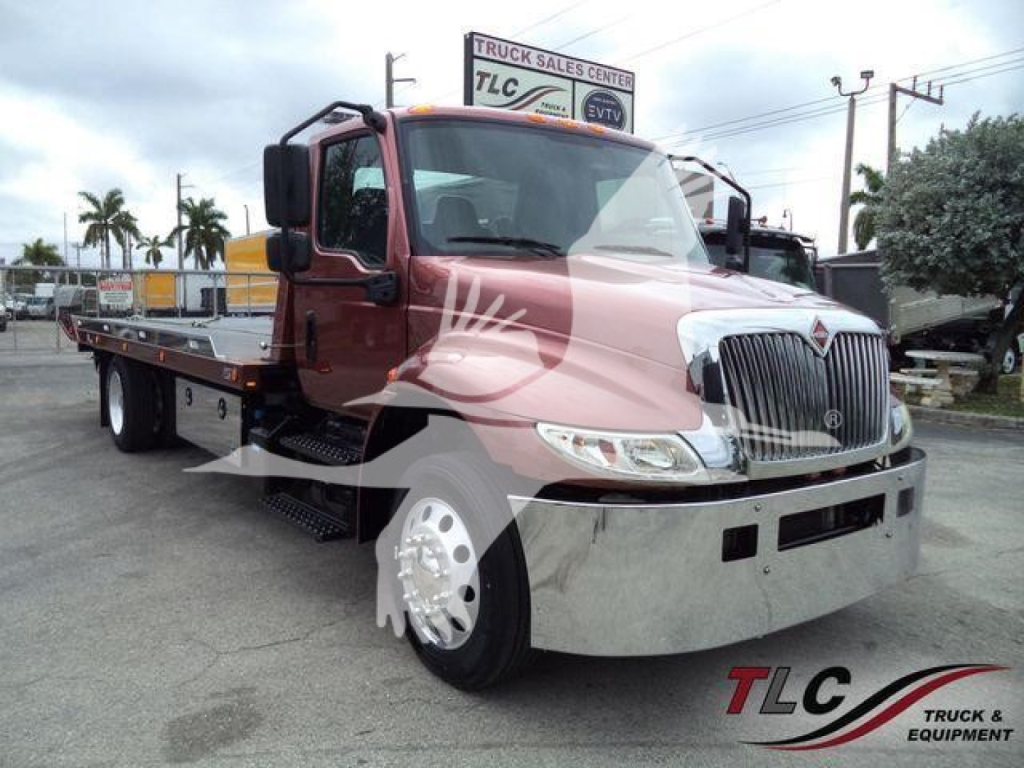
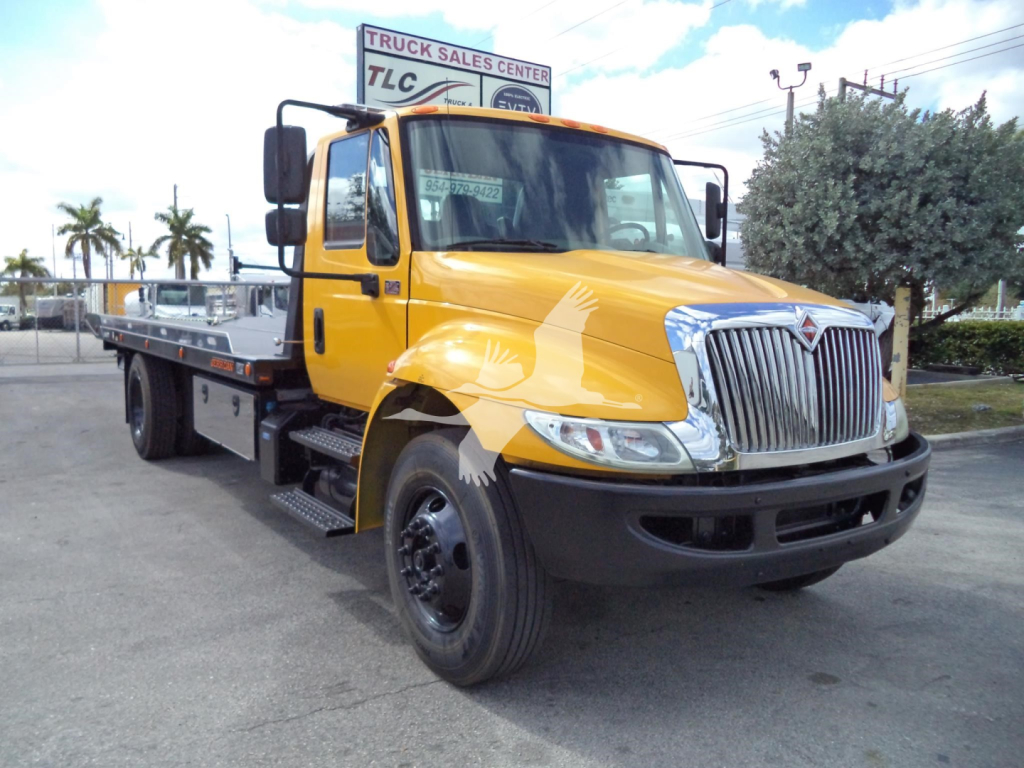
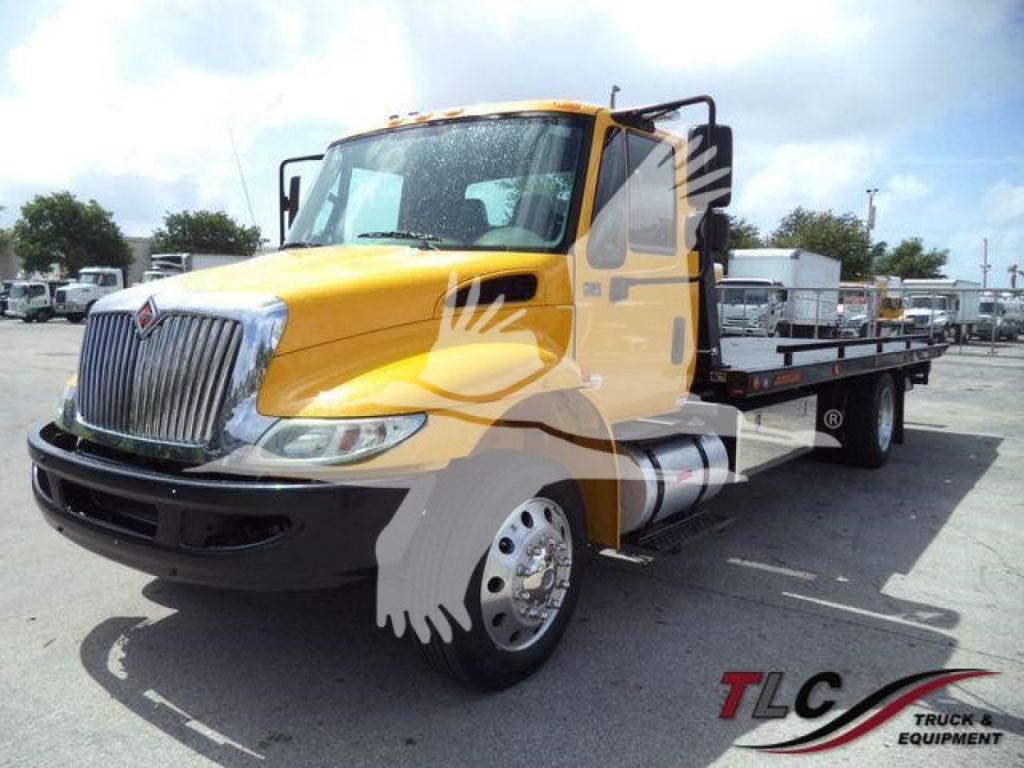
Browse used International rollback trucks in Florida, including Durastar and WorkStar models with Jerr-Dan carriers, wheel lifts, and winches.
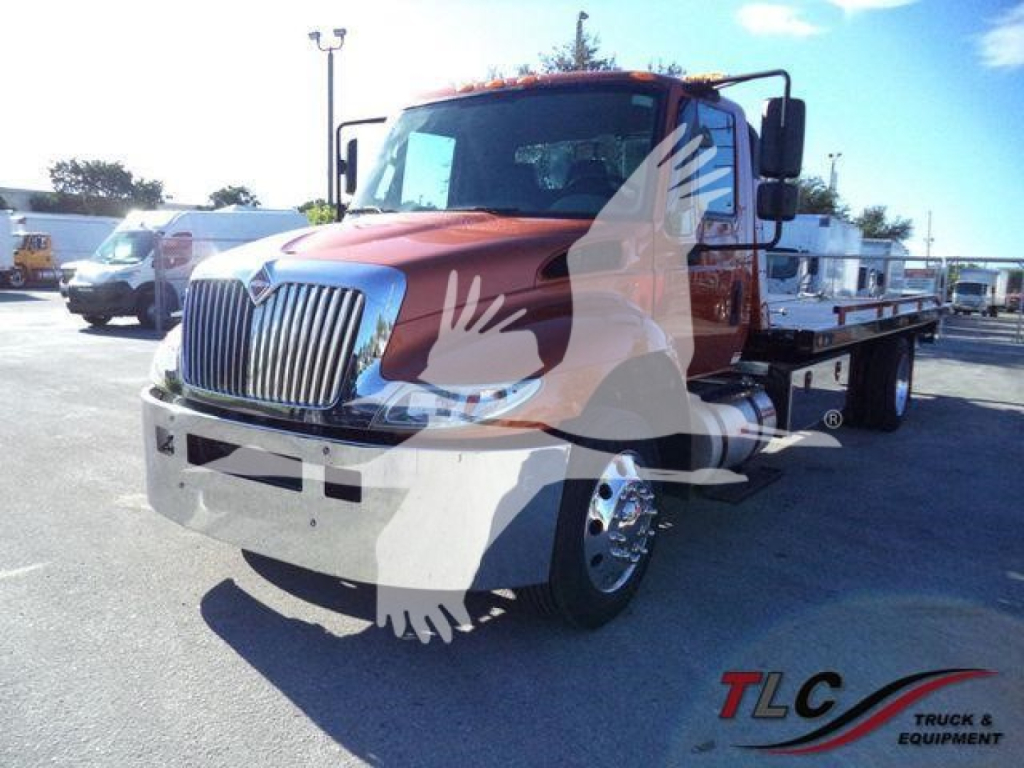
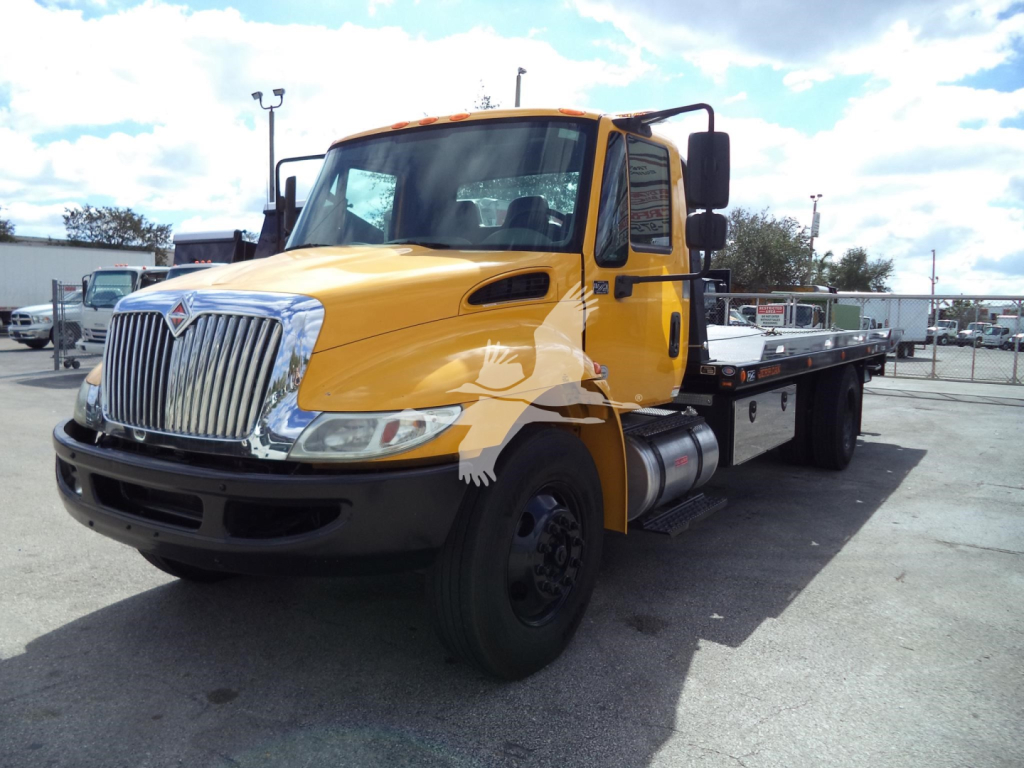
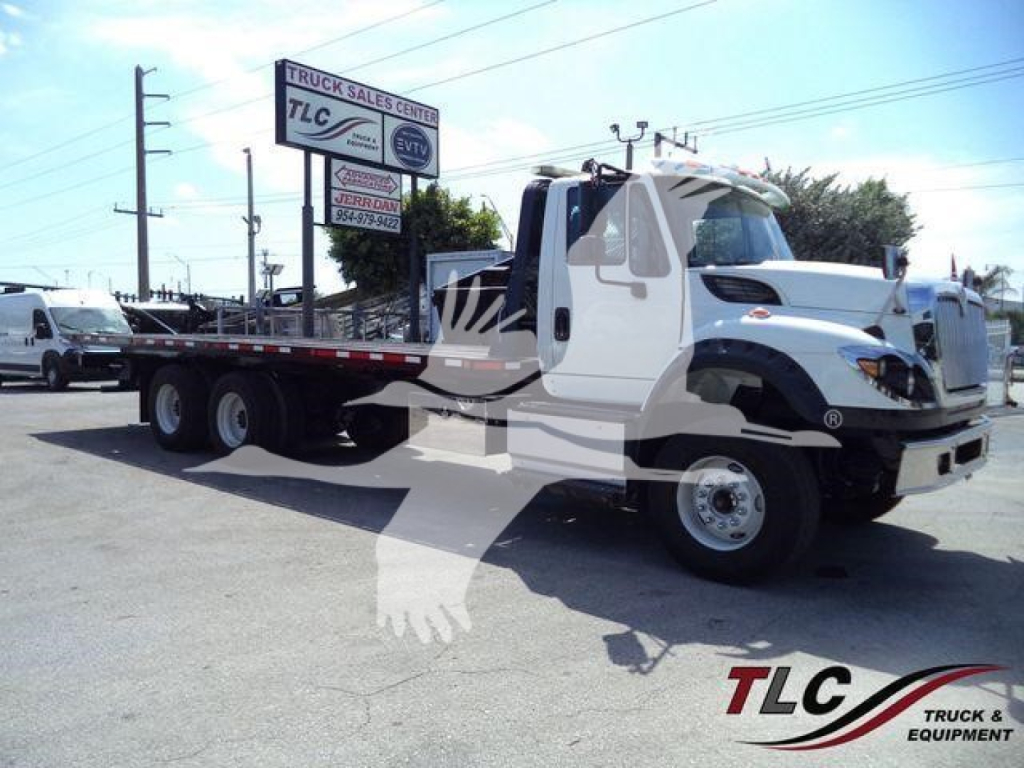
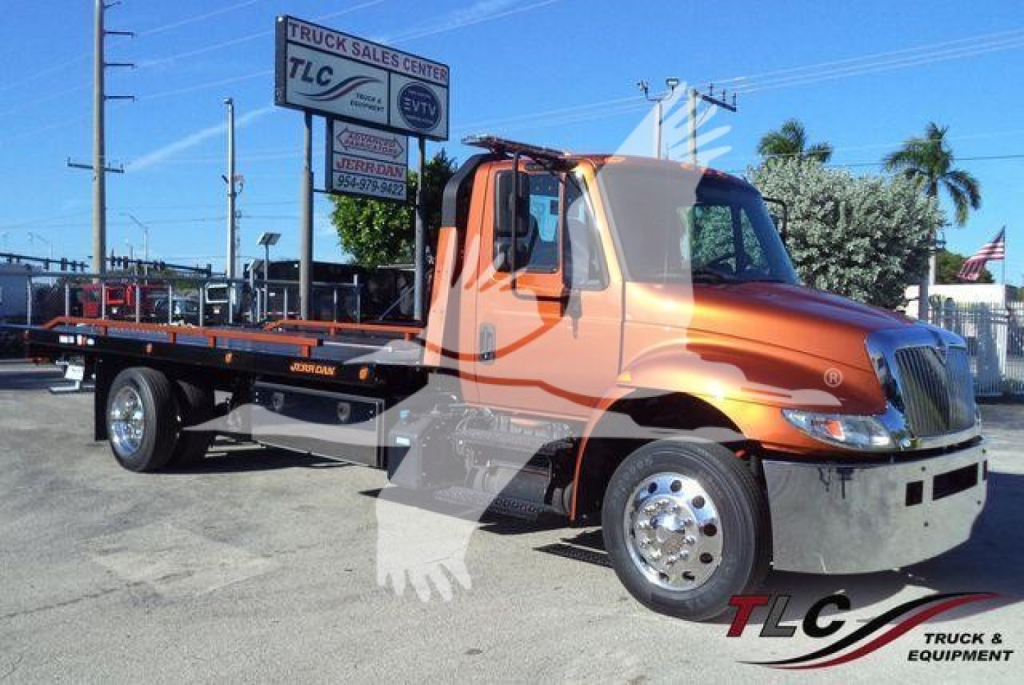
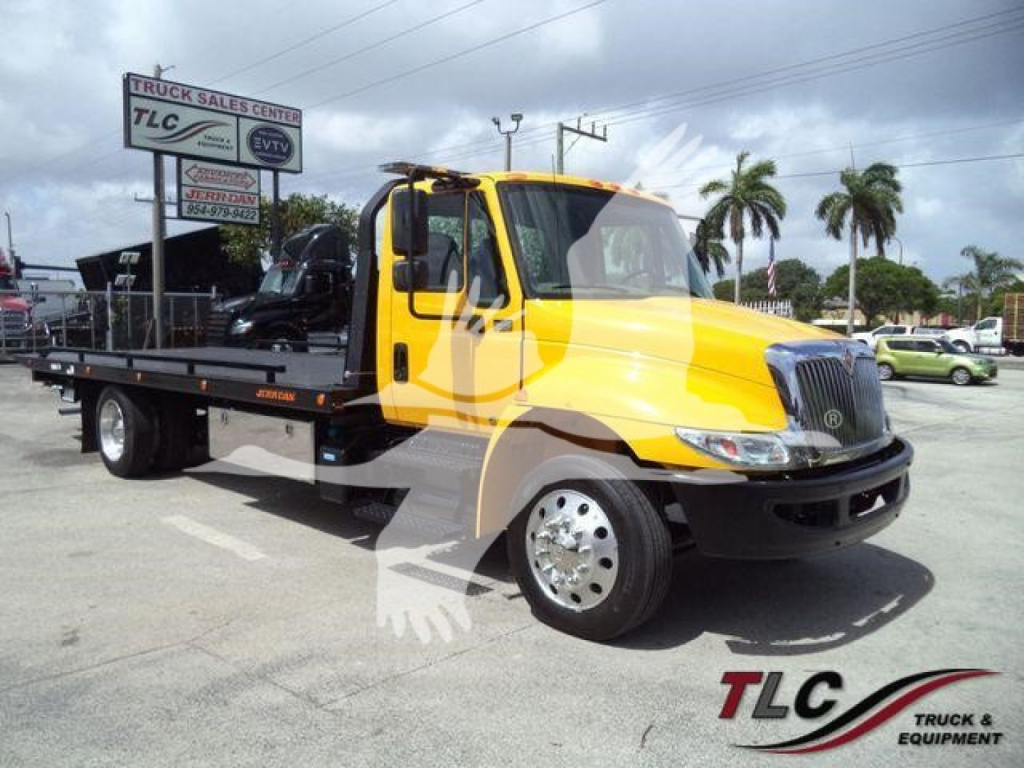
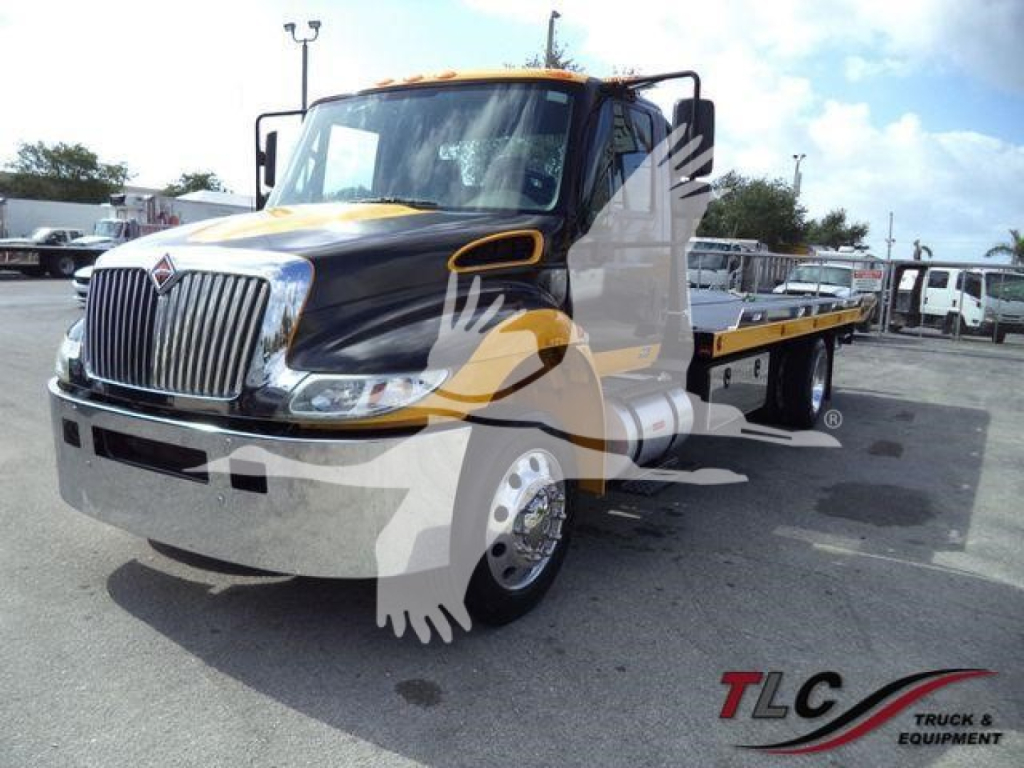
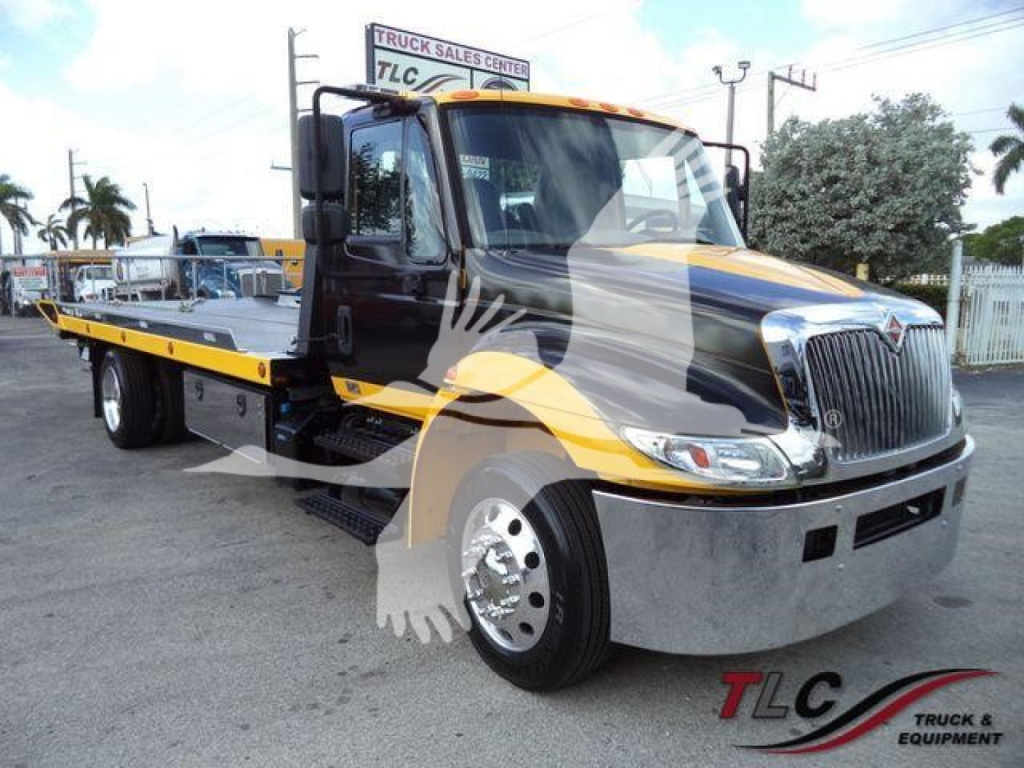
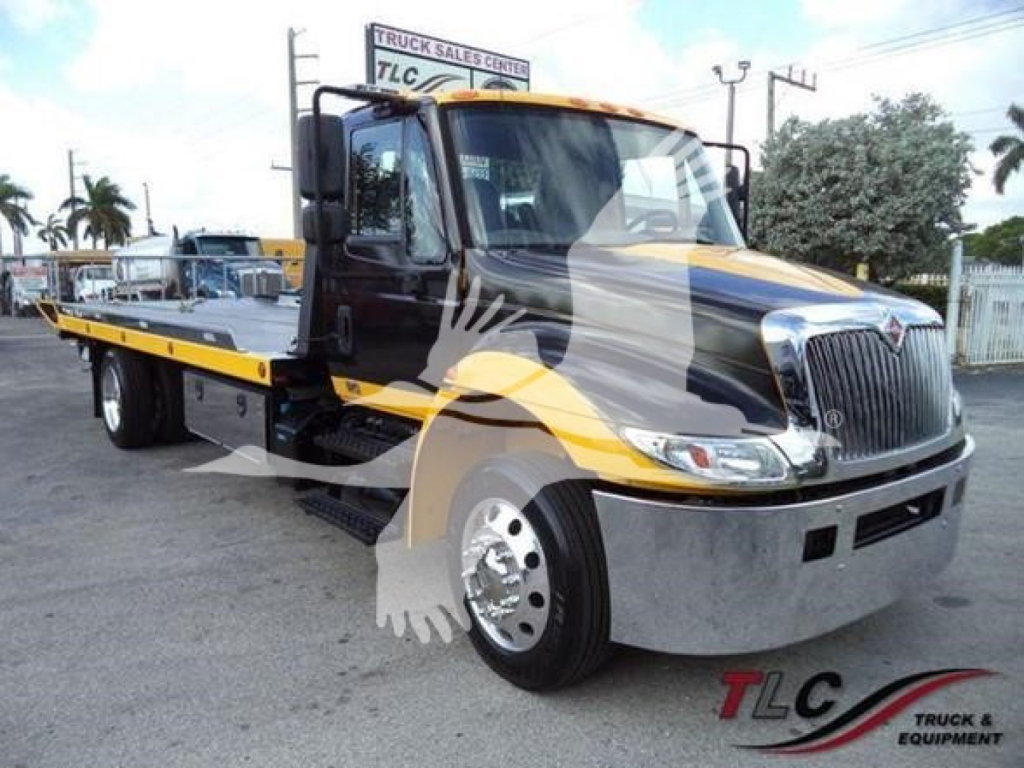
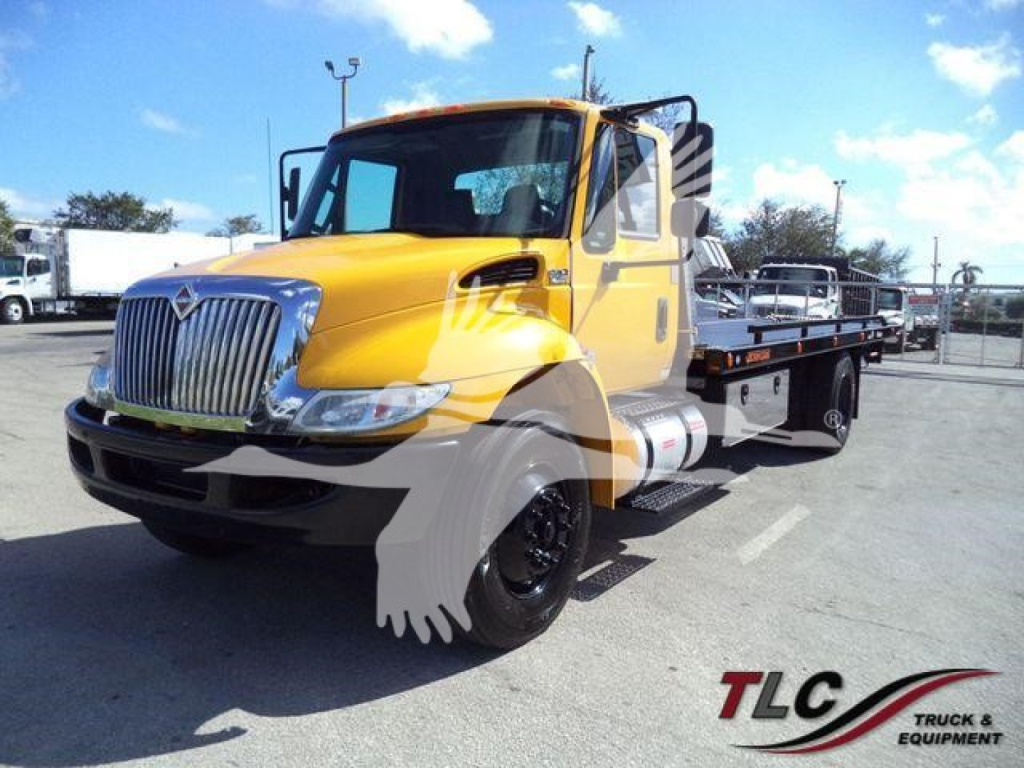
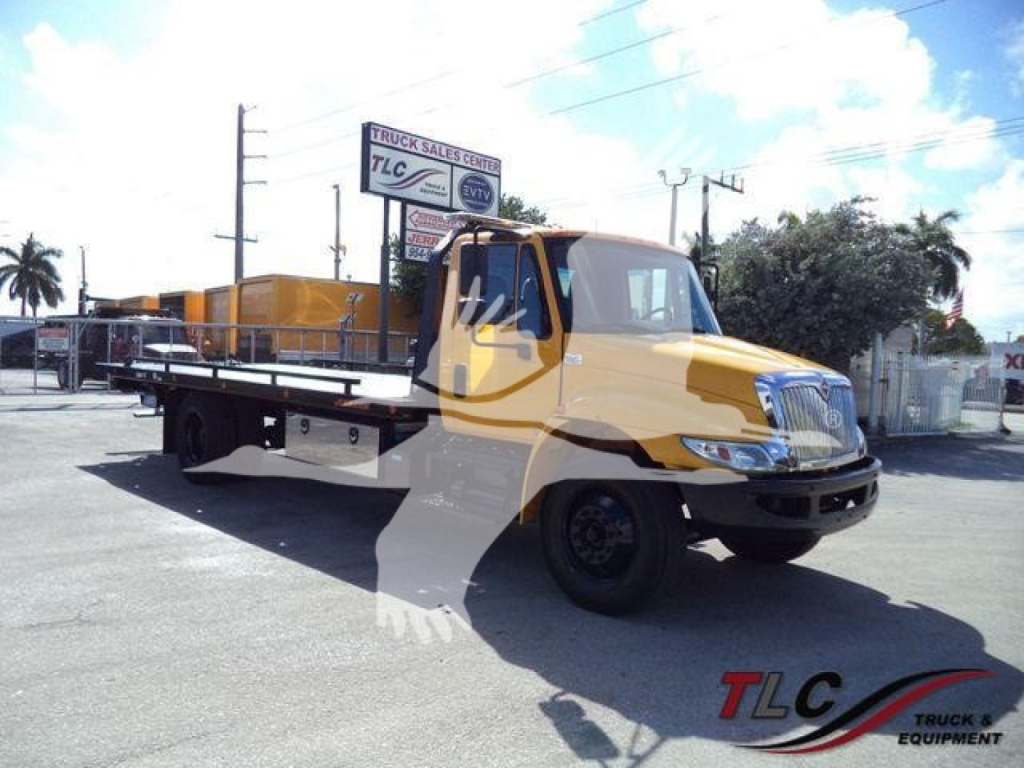
Selling a used international rollback truck? List your used international rollback truck for sale and reach thousands of commercial buyers.
Used International Rollback Trucks in Florida
The chassis decision is where most buyers should start. Many used International rollback trucks in this class carry a 6.7L Cummins ISB with an Allison automatic, usually backed by air brakes and, on better-equipped units, air ride suspension. That combination is popular because it is easy to operate in stop-and-go towing service and generally well suited for urban and regional routes. Typical GVWR on a Durastar rollback is around 26,000 pounds, which keeps the truck in a productive medium-duty range for passenger vehicles, pickups, vans, and small equipment. Heavy-duty International WorkStar rollback trucks step up to larger engines, heavier axles, double-frame construction, and much higher deck and winch ratings when the job calls for more than standard car carrier capacity.
On the body side, buyers should pay close attention to deck length, deck width, carrier rating, wheel-lift capacity, and winch specification. Many International rollback trucks are fitted with Jerr-Dan carriers in 20-foot or 22-foot extra low-profile configurations, often 102 inches wide with 6-ton ratings and 3,500-pound wheel lifts. That setup is well suited for low-clearance cars, crossovers, and everyday towing calls. A dual-angle or shark-style deck can improve loading angles on lowered vehicles. Common supporting equipment includes 8,000-pound winches, removable rails, LED light bars, stainless toolboxes, L-arms, tie-down gear, and low-profile 22.5 tires. For buyers handling heavier recovery or transport work, a larger rollback body with a 15-ton deck, 20,000-pound winch, rear stabilizer, PTO, and pintle hitch can make a major difference in versatility.
A used International rollback truck should be evaluated as both a chassis and an upfit. Check frame condition, hydraulic operation, bed slide and tilt function, winch performance, wheel-lift wear, and the condition of chains, straps, controls, and lighting. In Florida, corrosion is usually less severe than in northern salt states, but sun exposure, coastal humidity, and hard municipal or fleet use still matter. Service records, PTO history, tire date codes, brake condition, and any remaining body warranty can add real value. For most towing operations, the best truck is the one with the right deck geometry, legal carrying capacity, and duty-cycle match, not just the newest cab or the highest advertised horsepower.
Frequently Asked Questions about Used International Rollback Trucks in Florida
What is the most common International rollback truck configuration?
The most common setup is an International Durastar 4300 with a 6.7L Cummins diesel, Allison automatic transmission, air brakes, and a 20-foot to 22-foot carrier body. Many of these trucks are equipped with a 6-ton rollback deck, 102-inch bed width, an 8,000-pound winch, and a 3,500-pound wheel lift. This configuration is widely used for vehicle towing, dealer transfers, and general light-duty recovery because it balances capacity, maneuverability, and ease of operation.
How much can an International rollback truck typically carry?
Capacity depends on the chassis GVWR, body rating, and actual empty weight of the finished truck. A medium-duty International rollback with a 26,000-pound GVWR and a 6-ton carrier body is commonly used for cars, half-ton and three-quarter-ton pickups, vans, and some small equipment. A heavier International WorkStar rollback with a larger deck, stronger axles, and a heavier winch can handle substantially more, but buyers should always look at the truck's actual payload and the body manufacturer's rating instead of relying only on the deck size.
What should I inspect on a used rollback body?
Focus on hydraulic performance, deck structure, and wear points. The bed should slide and tilt smoothly without hesitation, binding, or hydraulic leaks. Inspect the subframe, crossmembers, deck surface, pylon, winch line, sheaves, wheel-lift components, L-arms, chain hooks, and control stations. Also check for cracked welds, bent rails, damaged toolboxes, inoperative lighting, and worn tie-down equipment. A rollback can look clean cosmetically while still needing expensive hydraulic or structural work.
Are International rollback trucks good for Florida towing work?
They are a strong fit for Florida operations because they are commonly spec'd for city and regional service, and many are set up with low-profile carrier decks that work well for passenger vehicles and light trucks. Florida buyers often prioritize reliable air conditioning, automatic transmissions, good turning radius, and deck angles that can handle low-clearance vehicles. Coastal exposure and heat make it important to inspect wiring, hydraulic hoses, cab seals, paint condition, and any corrosion around the body, frame, and light mounts.
What is the difference between a standard rollback and an extra low-profile rollback?
An extra low-profile rollback, often called an XLP or low-carrier design, uses deck geometry intended to reduce loading angle and improve approach for vehicles with limited ground clearance. That matters when towing sports cars, luxury cars, lowered vehicles, or units with damaged suspension. A standard rollback may still handle general towing duties well, but an extra low-profile deck can reduce scraping risk and speed up loading on difficult calls. Buyers who expect frequent transport of specialty vehicles usually place a premium on this feature.