
Used 2018 Rollback Trucks For Sale
Shop used 2018 rollback trucks with common specs, bed sizes, winch capacities, wheel-lift ratings, and towing features buyers compare.
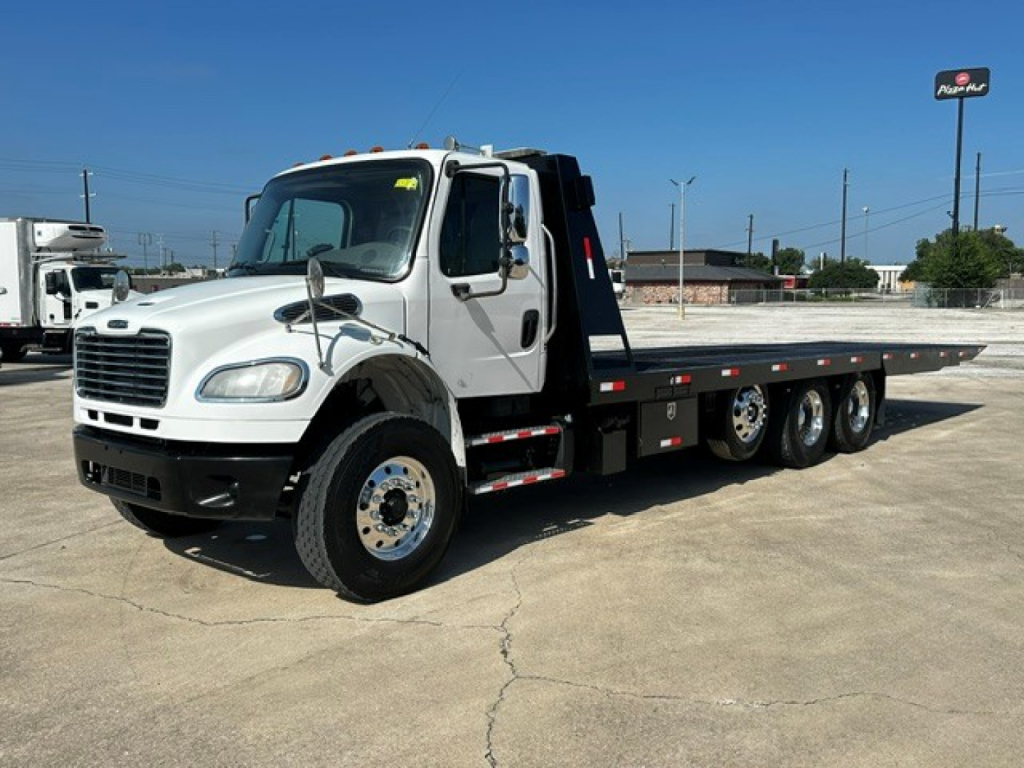
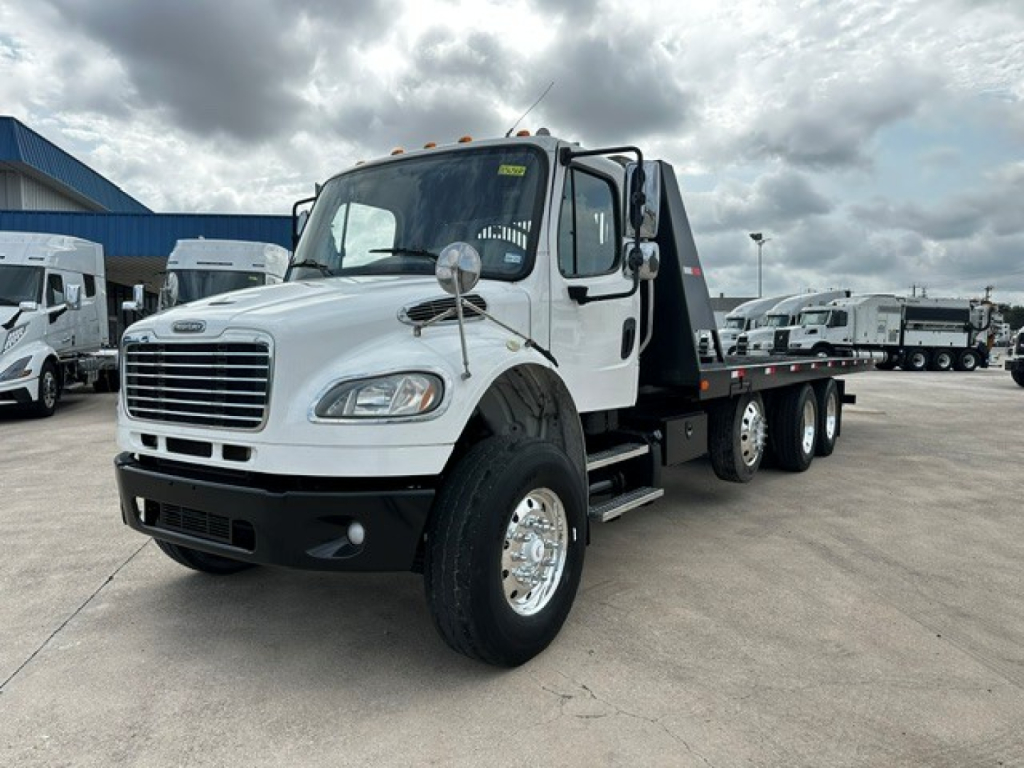
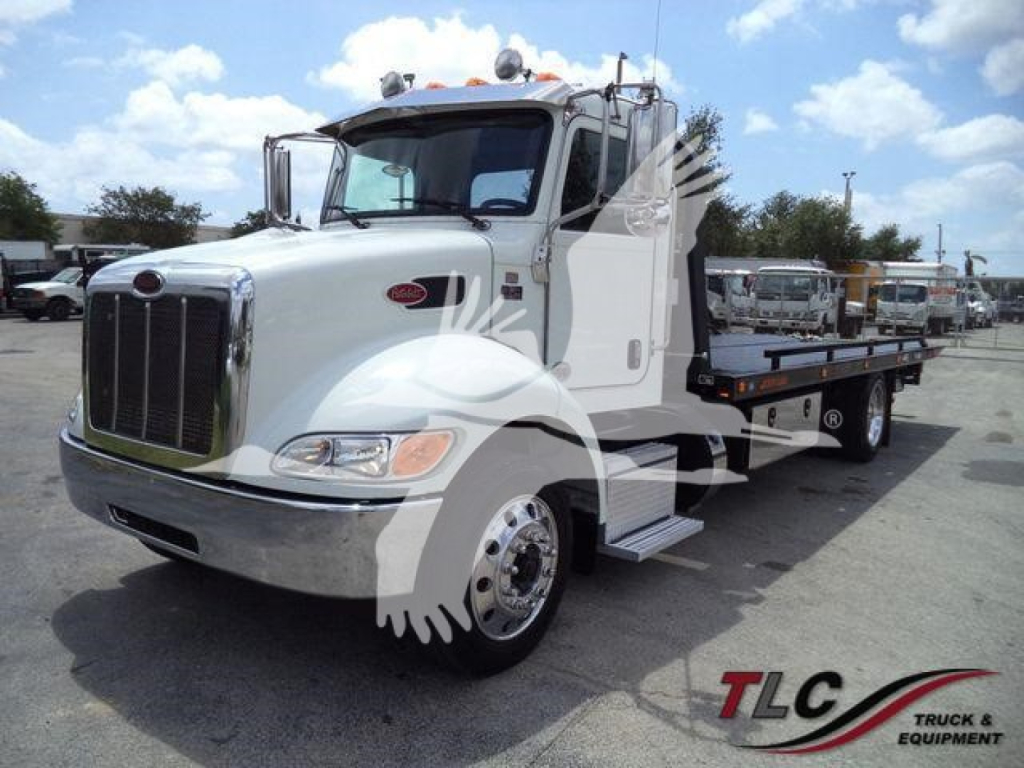
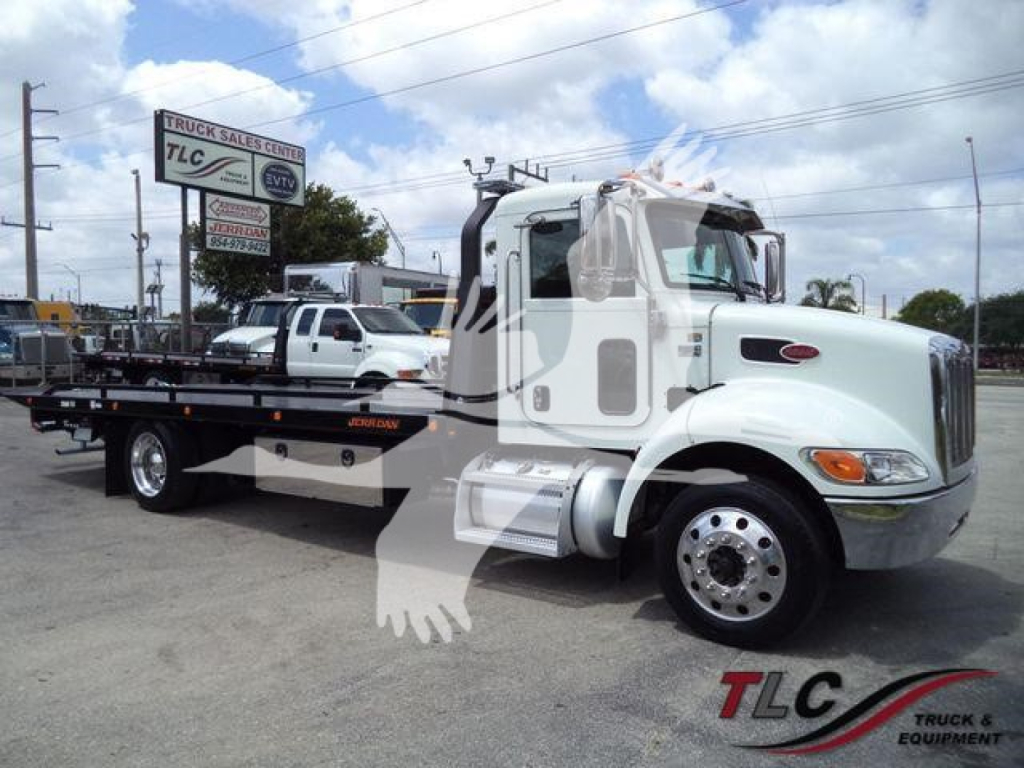
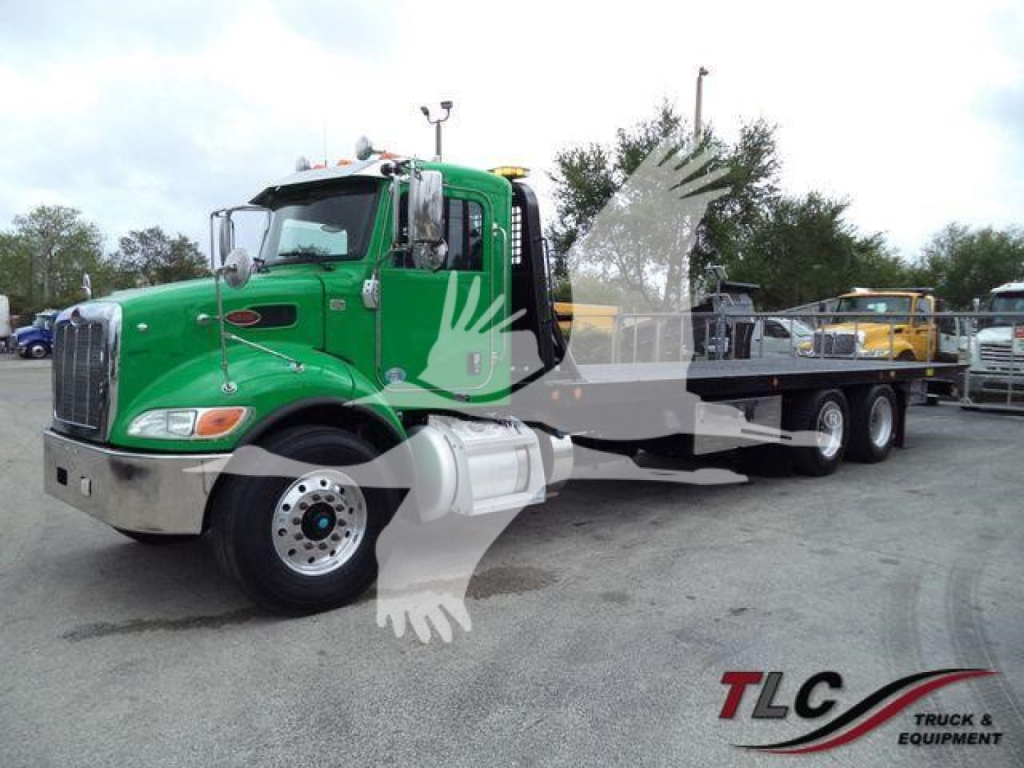
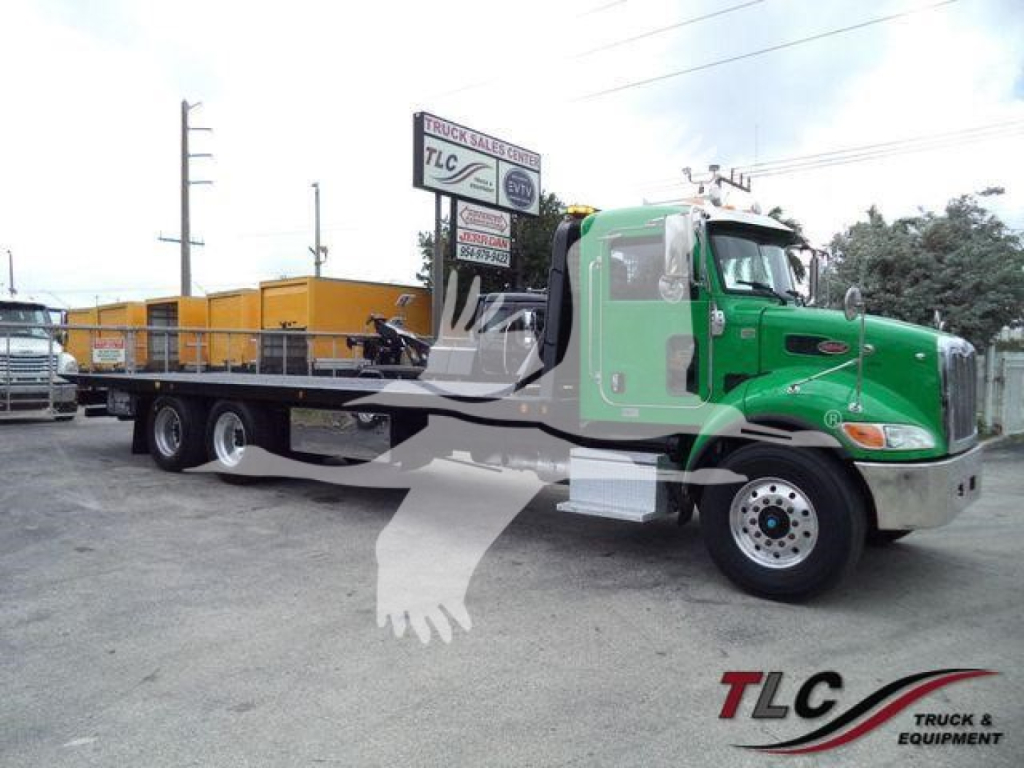
Selling a used 2018 rollback truck? List your used 2018 rollback truck for sale and reach thousands of commercial buyers.
Used 2018 Rollback Trucks
Common 2018 rollback configurations include 19.5-foot to 22-foot steel or aluminum decks, typically 102 inches wide, with low-profile or LCG bed designs for easier loading angles. Winches in the 8,000 to 20,000 pound range are common depending on chassis class and body builder, and many units include a hydraulic wheel lift for short tows or tandem moves. Bed construction matters. Steel decks are durable and familiar in towing fleets, while aluminum can save weight and improve legal payload. Look closely at subframe condition, rear pivot wear, deck floor thickness, crossmember spacing, slide pads, hydraulic cylinders, PTO operation, and the condition of the cable, fairlead, and winch controls. A rollback that looks clean but has bed twist, rough slide action, or leaking hydraulics can become expensive quickly.
On 2018 trucks, powertrains often include diesel engines from Cummins, PACCAR, Power Stroke, or Hino paired with automatic or automated transmissions, frequently Allison in medium-duty applications. Front axle ratings, rear axle capacity, wheelbase, frame spec, and suspension type all affect how stable the truck feels with a load on the deck or on the wheel lift. Air brakes are common on larger Class 6 to Class 8 units, while hydraulic brake systems may appear on lighter carriers. If the truck will spend time in urban towing, pay attention to turning radius, cab-to-axle dimensions, mirror setup, and visibility around the bed headboard. For highway transport, engine brake performance, axle ratio, cruise control, and fuel capacity matter more than appearance packages.
A smart buyer should evaluate a used 2018 rollback truck as both a chassis and an upfit. Body brands such as Jerr-Dan, Century, and other carrier builders each have different bed geometry, controls, parts support, and wheel-lift designs. Check for documented service on hydraulics, transmission PTO, deck rollers, wheel-lift pins, L-arms, tie-down points, and lighting. Confirm bed rating, wheel-lift rating, and tow rating independently from the seller description, because those numbers are not interchangeable. If the truck will haul lowered vehicles, long-wheelbase pickups, or EVs, loading angle and deck clearance are critical. If it will handle work trucks or fleet units, prioritize chassis durability, double-frame construction where applicable, and brake and suspension condition over cosmetic upgrades.
Frequently Asked Questions about Used 2018 Rollback Trucks
What bed length is most common on a 2018 rollback truck?
Many 2018 rollback trucks use 19.5-foot, 21-foot, or 22-foot decks, usually 102 inches wide. The right length depends on what you haul most often. A 19.5-foot carrier works well in tighter urban environments and for standard passenger vehicles, while 21-foot and 22-foot beds offer better flexibility for crew cab pickups, SUVs, vans, and some equipment. Deck length should be considered along with wheel-lift reach, loading angle, and chassis wheelbase.
What is the difference between bed rating, winch rating, and wheel-lift rating on a rollback?
These ratings describe different parts of the truck and should not be treated as the same number. Bed rating refers to what the carrier deck is designed to carry. Winch rating refers to pulling capacity, usually measured on the first layer of cable, and it does not mean the truck can legally transport that much weight on the deck. Wheel-lift rating applies to how much weight the underlift can support, often at a specified extension. A buyer should verify all three ratings because safe towing depends on the complete system, not one headline capacity figure.
Is a diesel 2018 rollback truck a better choice than gas?
For most commercial towing applications, diesel is still the more common choice in 2018 rollback trucks because it provides stronger torque, better durability under frequent loading, and better suitability for heavier chassis classes. That said, the best choice depends on duty cycle and operating costs. A diesel truck may make more sense for daily towing, highway miles, and heavier loads, while lighter-use operations may place more value on simpler maintenance and lower acquisition cost. Emissions system condition is important on any 2018 diesel, so DEF system service history should be reviewed carefully.
What should I inspect first on a used 2018 rollback truck?
Start with the hydraulics, deck operation, and structural condition before focusing on cosmetic items. Run the bed through full tilt and slide functions, test the winch under load if possible, inspect cylinder seals and hydraulic lines, and check for unusual play in the bed pivot and slide mechanism. Then inspect the chassis frame, suspension, brakes, PTO engagement, and tire wear. On a towing unit, the truck and the carrier body wear together, so a proper inspection has to cover both systems.
Are low-profile or LCG rollback beds worth it?
Yes, for many towing operations a low-profile or LCG bed is a major advantage because it improves loading angle and reduces the chance of scraping low-clearance vehicles. That matters when hauling sports cars, lowered vehicles, EVs, and long-wheelbase pickups. An LCG design can also speed up loading and reduce the need for extra cribbing or ramps in routine recoveries. Buyers should still confirm deck height, ramp design if equipped, and front approach geometry, because not all low-profile beds perform the same in the field.