
Used 2022 Rollback Trucks For Sale
Shop used 2022 rollback trucks with low-profile carriers, wheel lifts, winches, and medium-duty chassis for towing and vehicle transport.

Selling a used 2022 rollback truck? List your used 2022 rollback truck for sale and reach thousands of commercial buyers.
Used 2022 Rollback Trucks
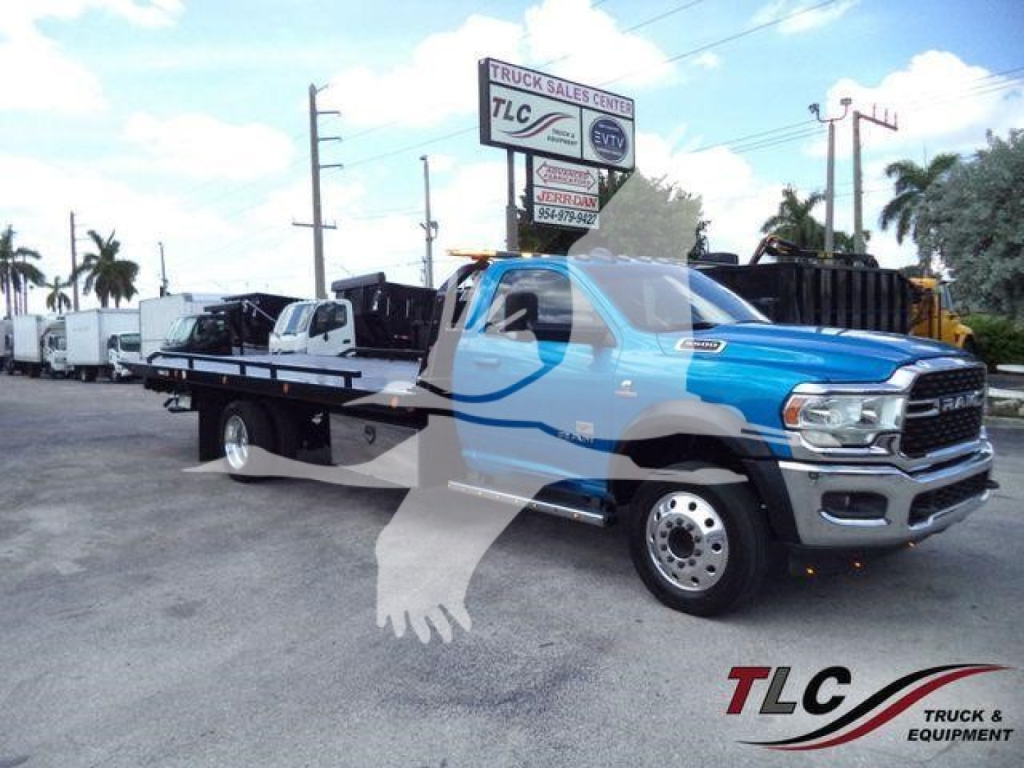
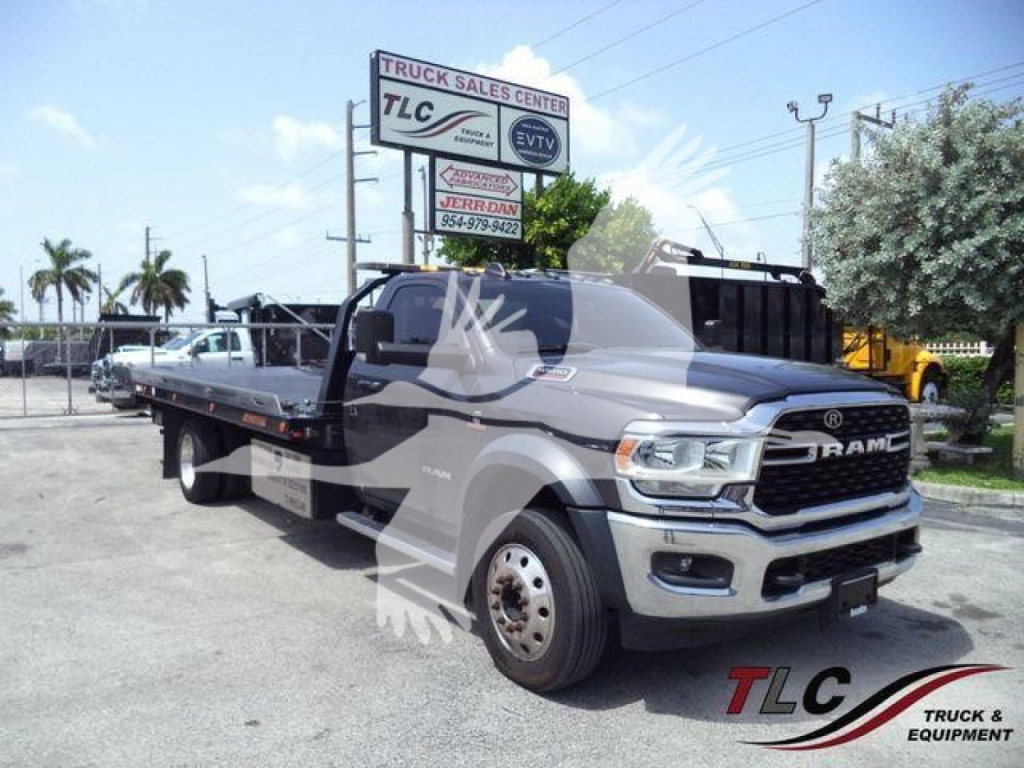
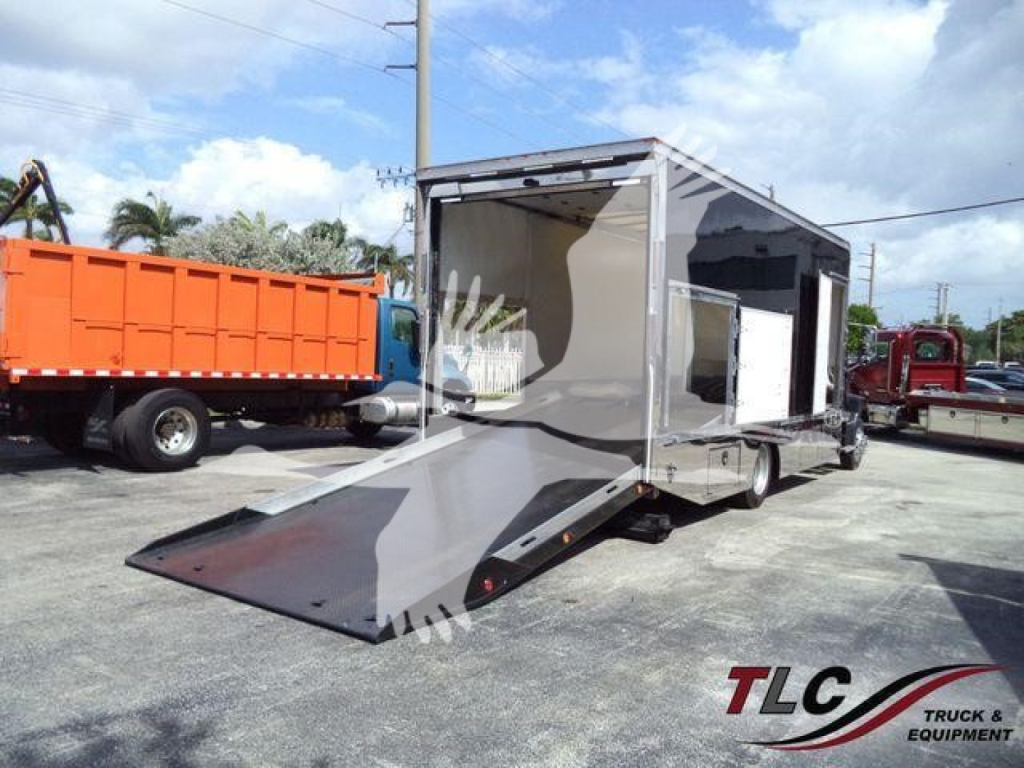
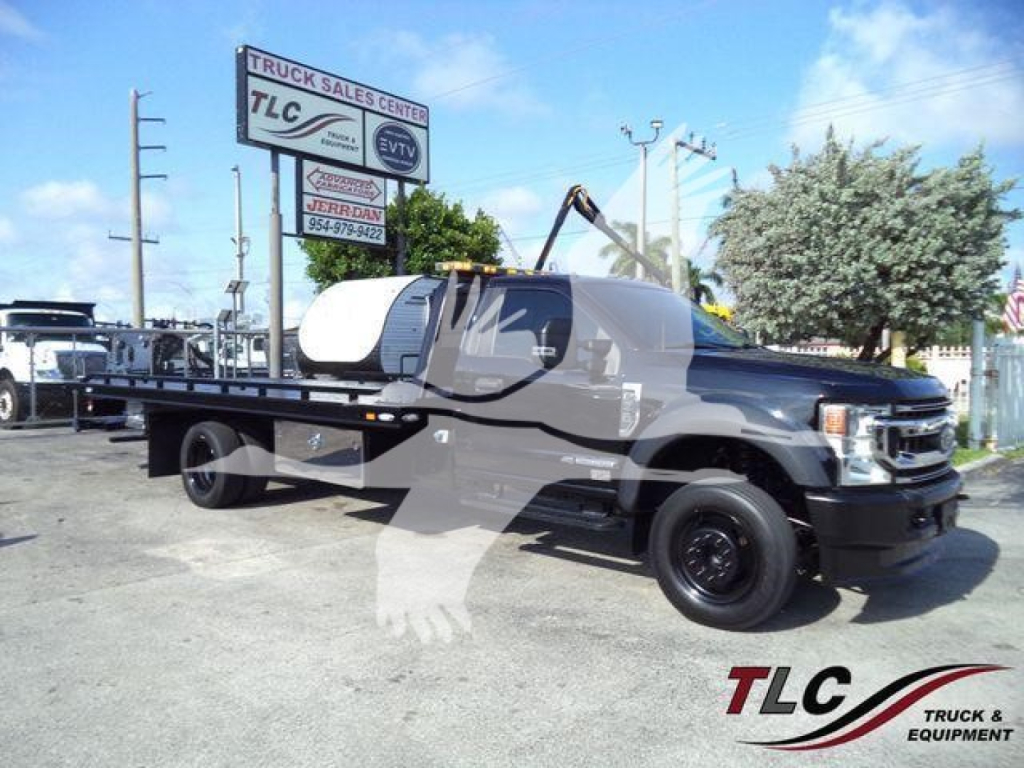
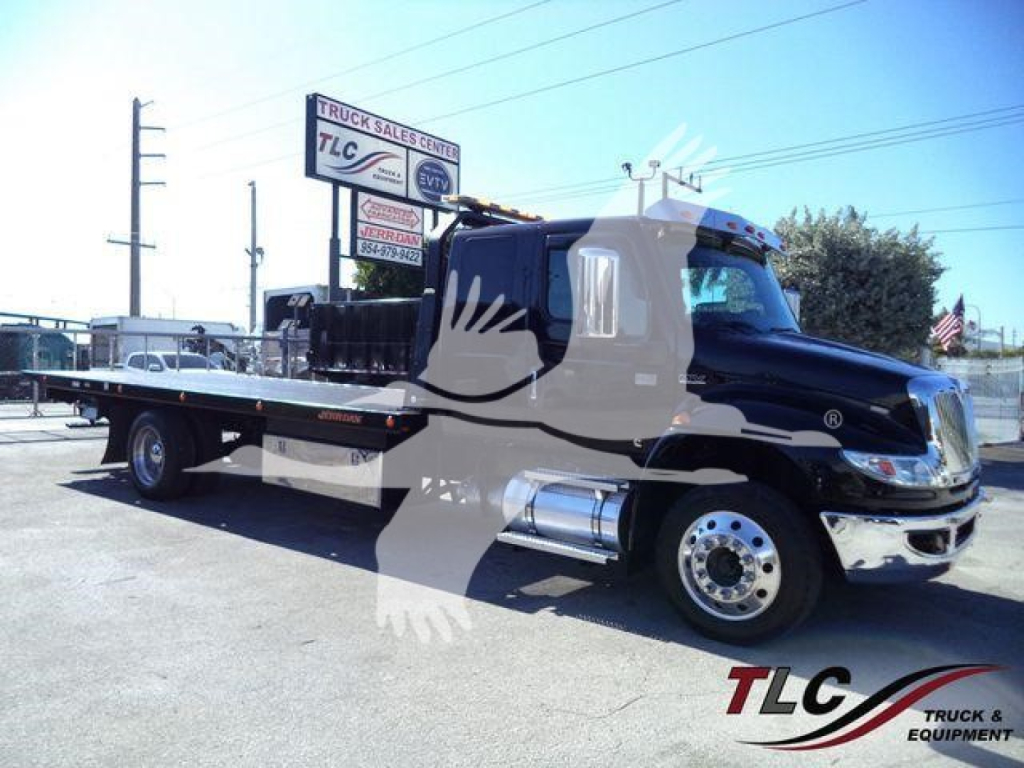
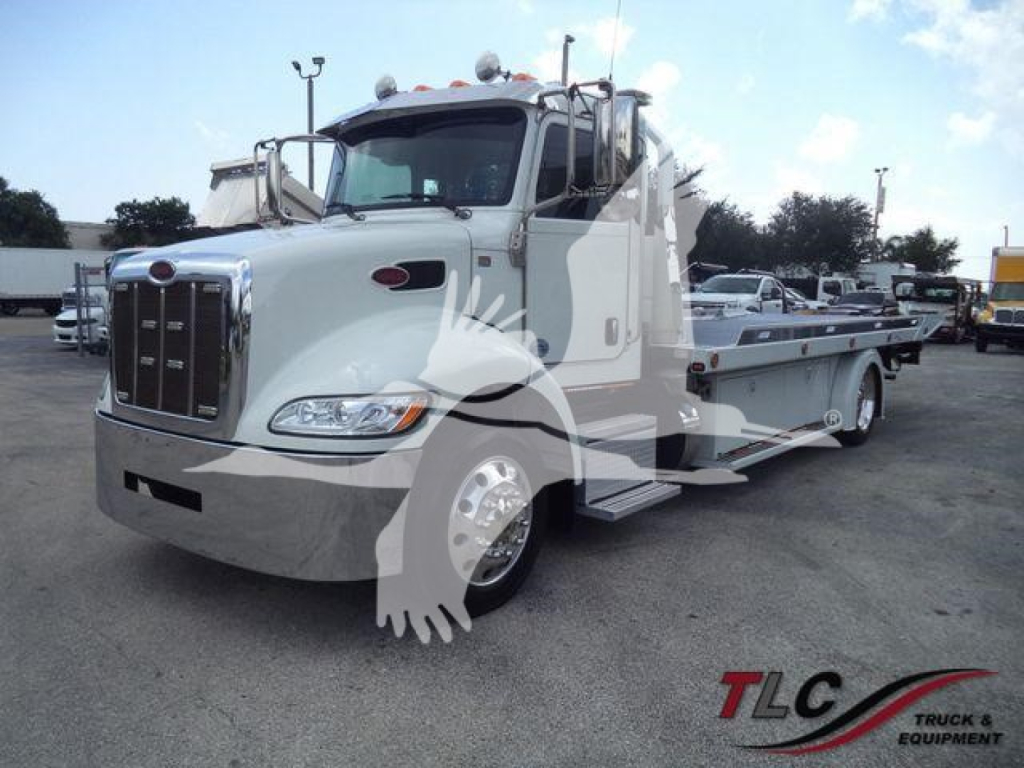
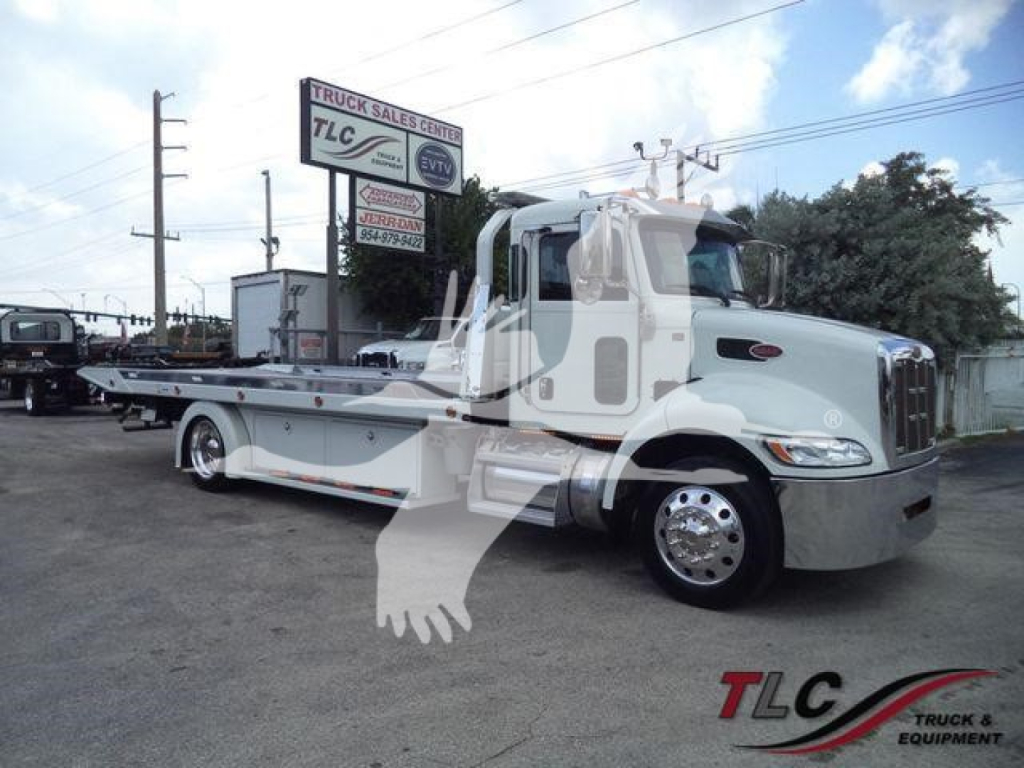
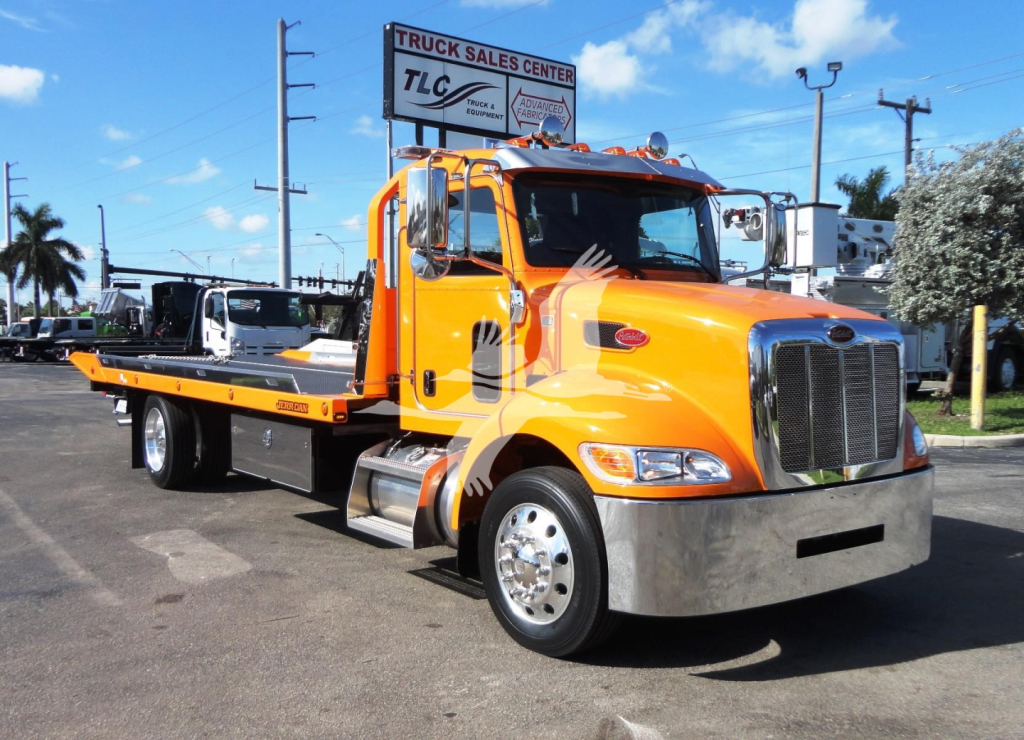
The bed and recovery package matter as much as the cab and engine. Common 2022 rollback configurations include 19.5-foot to 22-foot decks, usually 102 inches wide, with low-profile or LCG/XLP designs for reduced loading angle and better clearance on low cars. Steel decks remain popular for durability and lower repair cost, while aluminum beds can cut weight and improve payload. Buyers should compare winch size, wheel-lift rating, rail style, toolbox layout, deck surface, and hydraulic controls. An 8,000-pound winch and a 3,500-pound wheel lift are common on light-duty carriers, but the real question is how the truck is spec'd for your workload, including exotics, pickups, small box trucks, or repo work. Removable rails, LED light bars, dual free-spool winches, and auto-grid wheel lifts can make a noticeable difference in daily use.
On the chassis side, 2022 rollback trucks are often found with medium-duty platforms from Ford, International, Kenworth, Peterbilt, Chevrolet, or Freightliner, typically paired with diesel engines and automatic transmissions. Key buying points include wheelbase, rear axle rating, suspension type, brake system, tire size, and cab-to-axle dimensions because those specs affect deck fit, ride quality, turning radius, and long-term serviceability. Air brakes and air ride suspension are common on heavier Class 6 units, while hydraulic brakes and 19.5-inch tires show up often on lighter chassis. For tow operators running city calls, tight turning and quick bed cycle times can matter more than highway speed. For longer transport work, cab comfort, fuel capacity, and stability at full deck load become more important.
A used 2022 model should also be checked closely for the condition of the carrier, not just the truck. Inspect the bed pivot points, hydraulic cylinders, hoses, PTO operation, subframe, winch cable or synthetic line, L-arms, crossbars, and all tie-down gear. Look at rust around the deck edges and wheel-lift structure, verify that the controls respond smoothly, and confirm that the truck tracks straight under load. Service records, body installation quality, and evidence of commercial towing use tell you a lot about remaining life. For most buyers in this category, the best rollback truck is the one that balances chassis durability, deck length, low-clearance loading ability, and wheel-lift functionality for the type of vehicles moved every day.
Frequently Asked Questions about Used 2022 Rollback Trucks
What is the most common bed size on a used 2022 rollback truck?
The most common bed sizes are 19.5 feet and 22 feet, usually at 102 inches wide. A 19.5-foot bed is common on lighter Class 5 or lower-GVWR setups and works well for standard passenger vehicles and light pickups. A 22-foot bed is more common on Class 6 chassis and gives more flexibility for crew cab pickups, longer wheelbase vehicles, and better load positioning. The right choice depends on the vehicles you transport, local weight limits, and the chassis rating under the bed.
Is a steel rollback bed better than an aluminum bed?
Steel beds are typically favored for durability, lower upfront cost, and easier repair after hard commercial use. Aluminum beds reduce body weight, which can improve payload and sometimes fuel economy, but they usually cost more and repairs can be more specialized. For high-volume towing with frequent loading and occasional contact damage, steel is often the practical choice. For operators focused on maximizing legal carrying capacity or hauling lower-profile vehicles, aluminum can be a smart spec.
What wheel-lift capacity should I look for on a 2022 rollback truck?
A 3,500-pound hydraulic wheel lift is common on light-duty rollback trucks and covers many normal towing situations. That said, wheel-lift capacity should be matched to the heaviest front or rear axle loads you expect to pick up, not just the total vehicle weight. Operators moving heavier pickups, vans, or incomplete vehicles should verify both the wheel-lift rating and the chassis rear axle capacity. A strong wheel lift on an underspec'd chassis does not create legal or safe carrying capacity.
What should I inspect first on a used rollback truck?
Start with the carrier hydraulics, winch operation, and the structural condition of the bed and wheel-lift assembly. Cycle the deck fully, listen for pump strain, and watch for uneven movement, leaks, or hesitation. Then inspect the chassis for brake condition, tire wear, suspension wear, steering play, and frame corrosion. On a rollback, the body often tells the true work history of the truck, so worn pivot points, bent rails, damaged toolboxes, or heavy scuffing can reveal more than odometer mileage alone.
Are used 2022 rollback trucks good for both towing and vehicle transport?
Yes. A rollback truck is designed to do both, which is why it remains one of the most versatile pieces of light-duty towing equipment. The slideback deck allows full vehicle loading for accident recovery, all-wheel-drive vehicles, low-clearance cars, and dealer or auction transport. The wheel lift adds flexibility for short tows and vehicle repositioning. That combination makes a 2022 rollback a practical choice for tow companies, roadside service fleets, auto transport support, municipalities, and equipment rental operations.