
Used Peterbilt Rollback Trucks For Sale
Shop used Peterbilt rollback trucks including 337 and 348 models. Compare bed length, winch capacity, GVWR, axle ratings, and PTO setup.
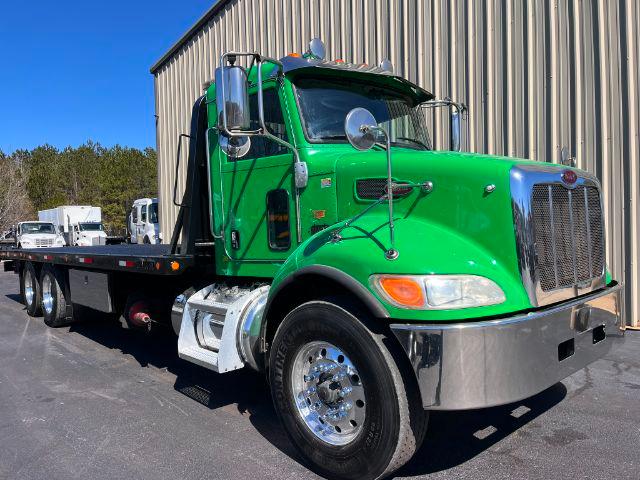
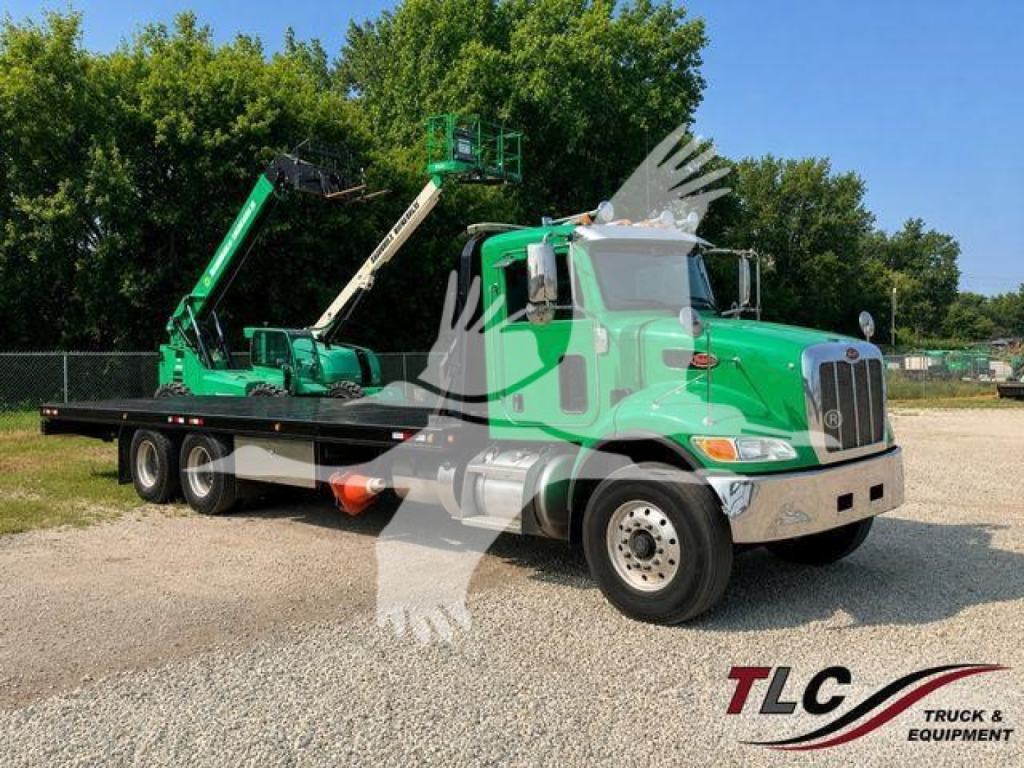
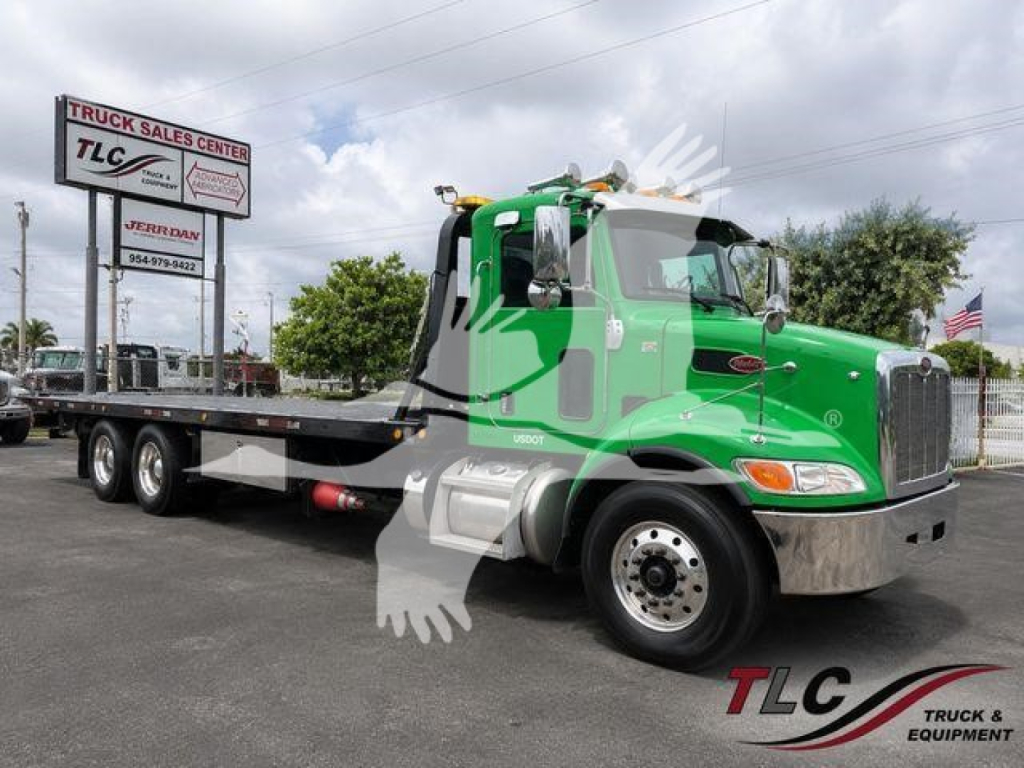
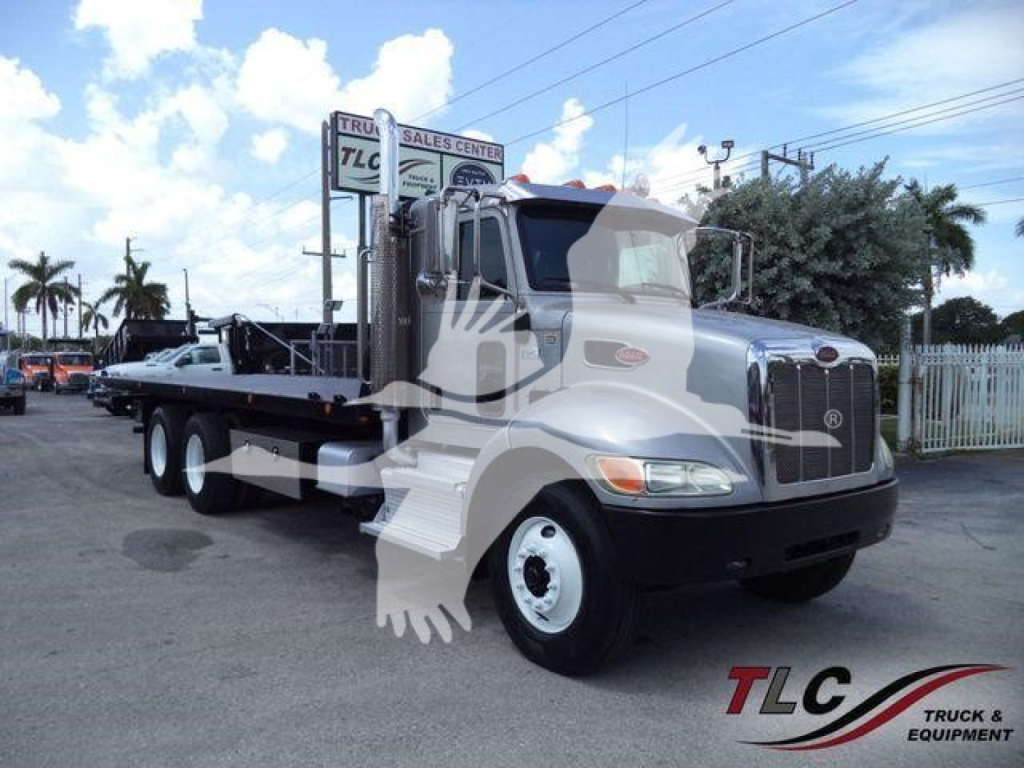
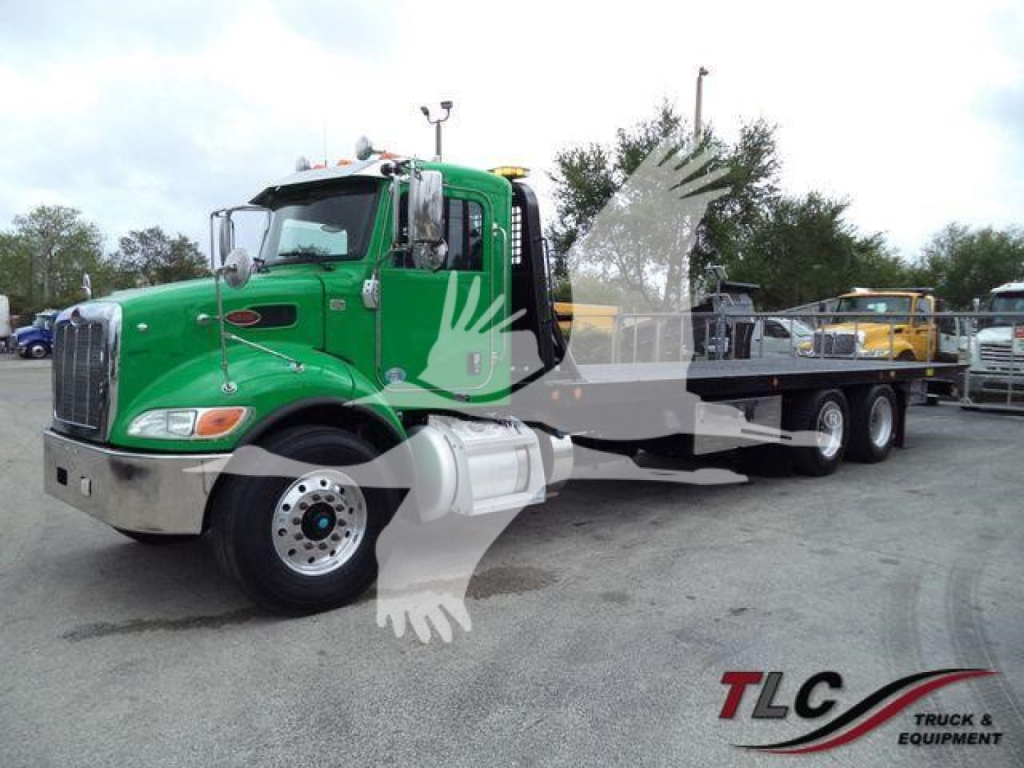
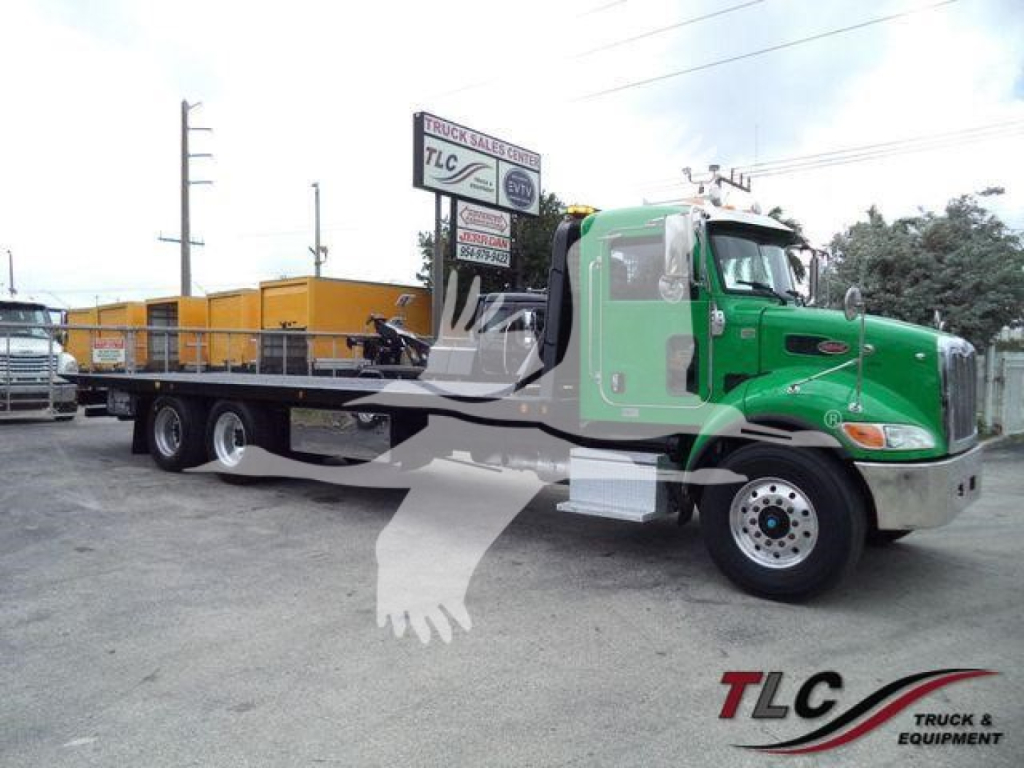
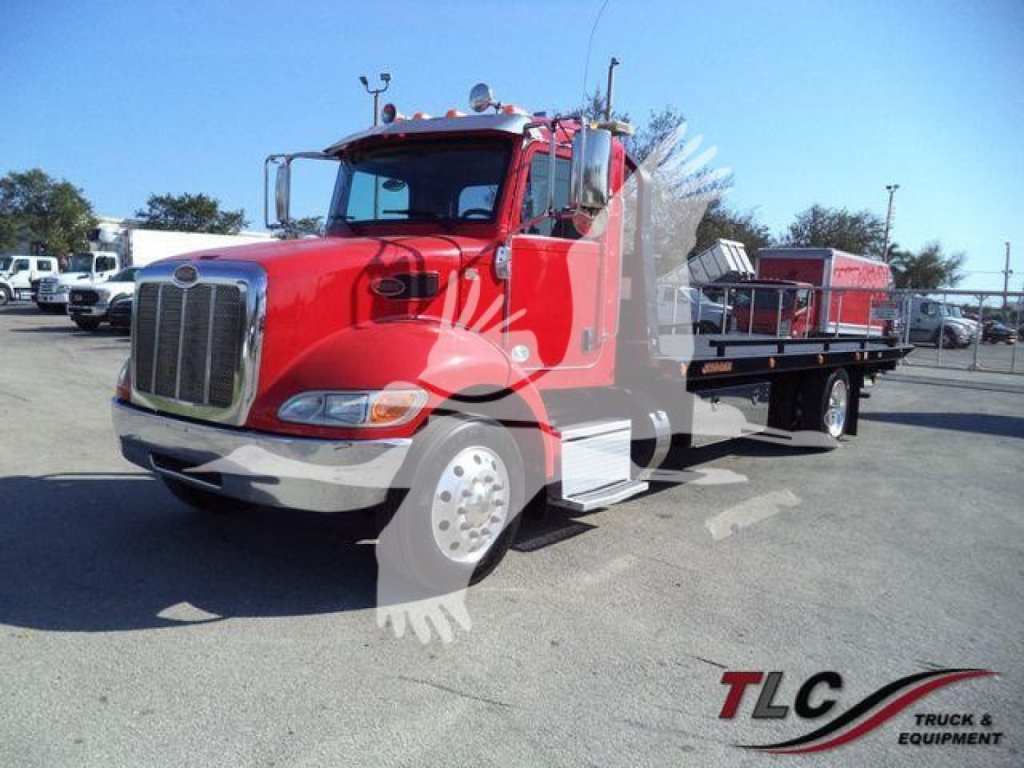
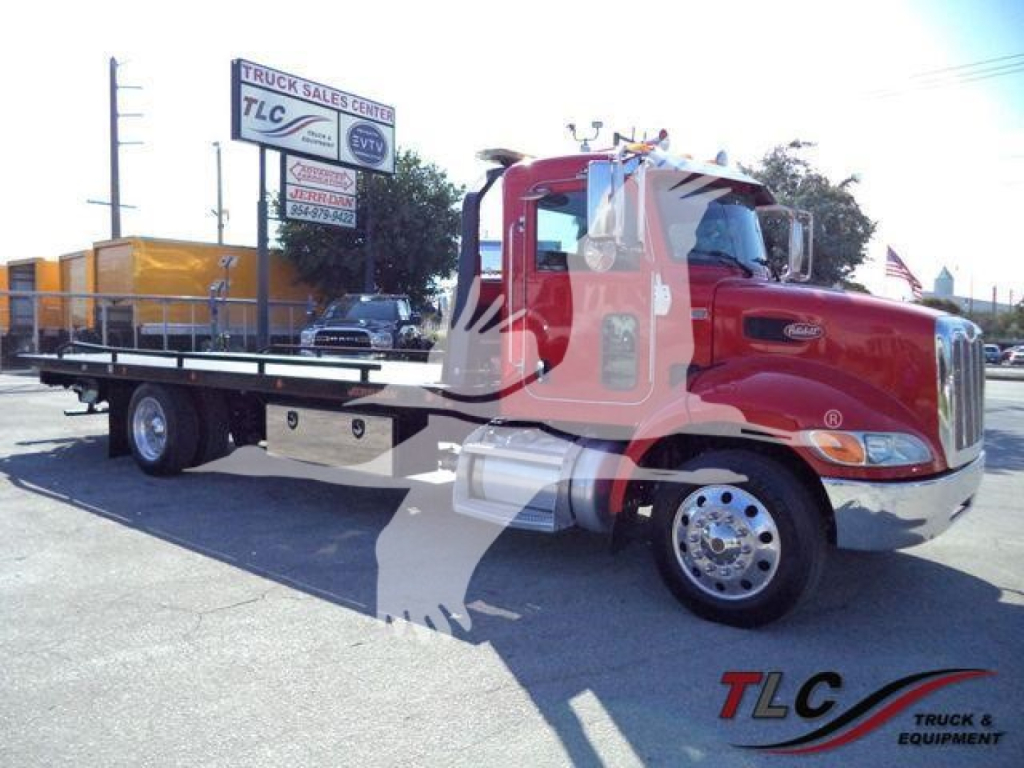
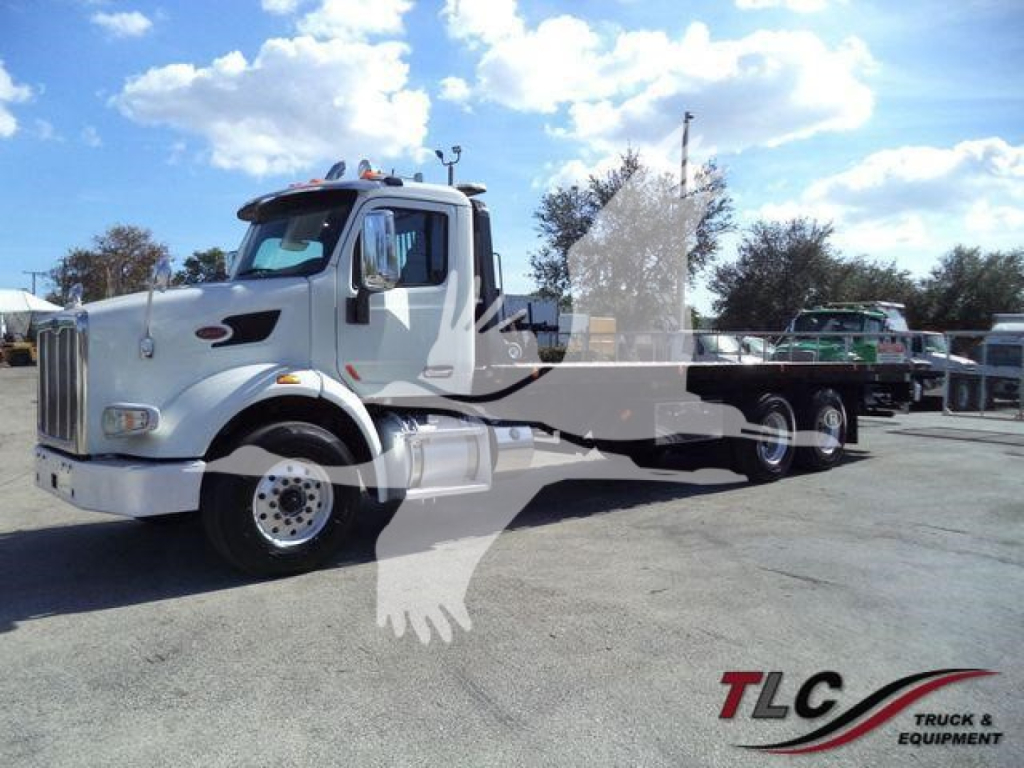
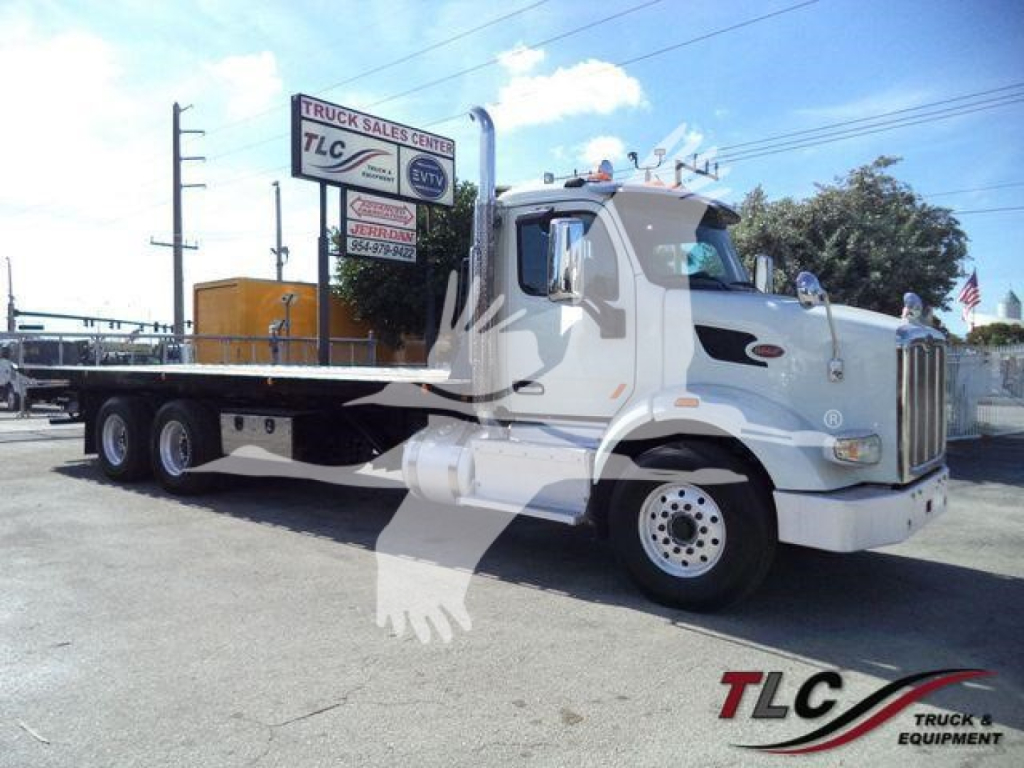
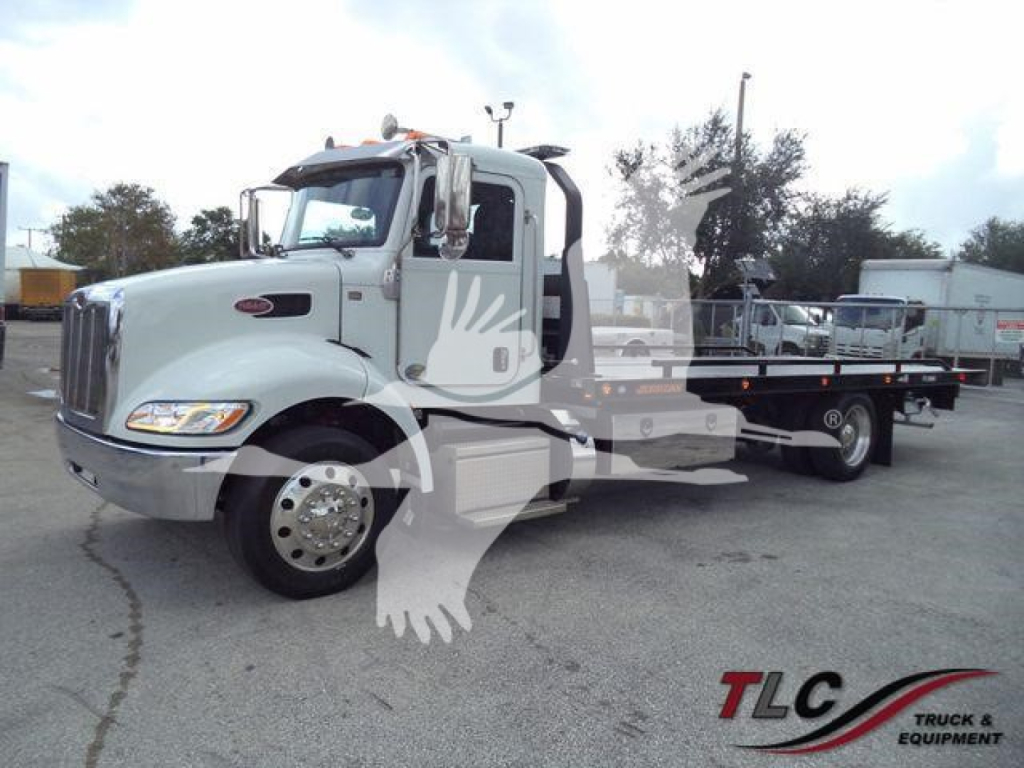
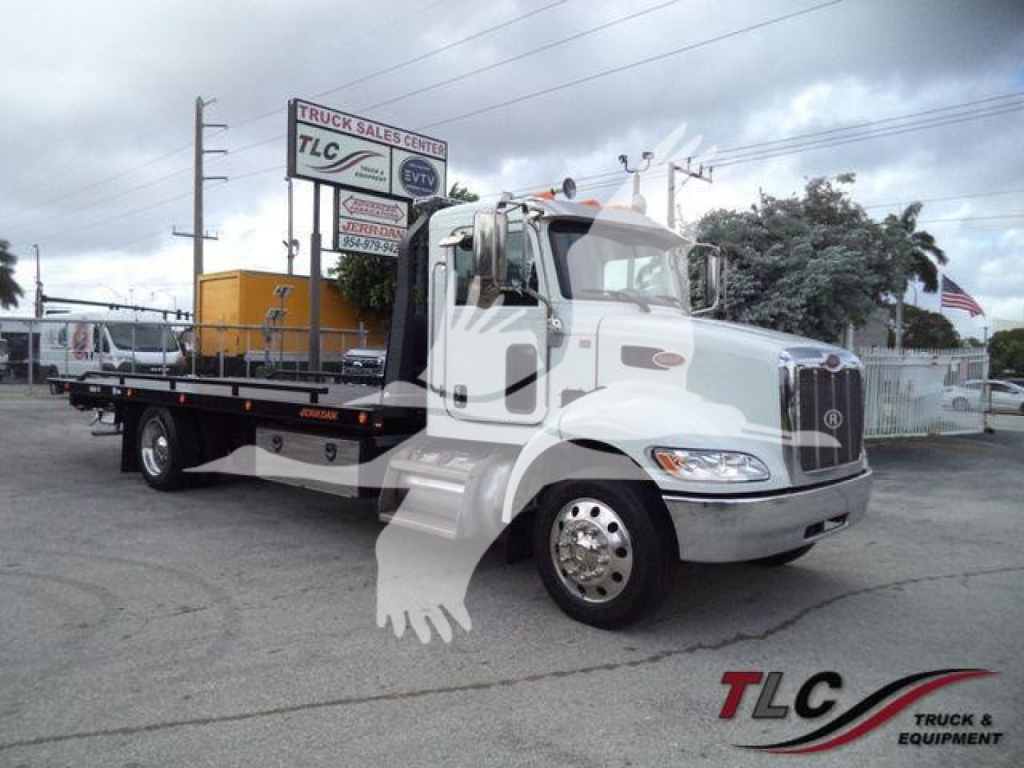
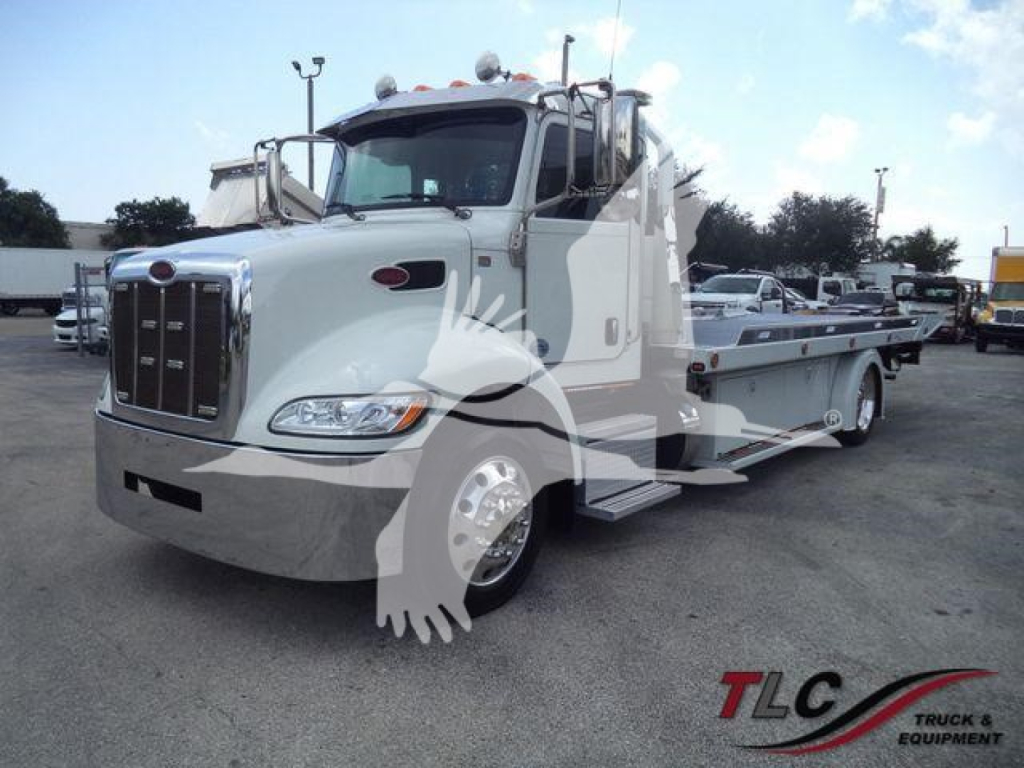
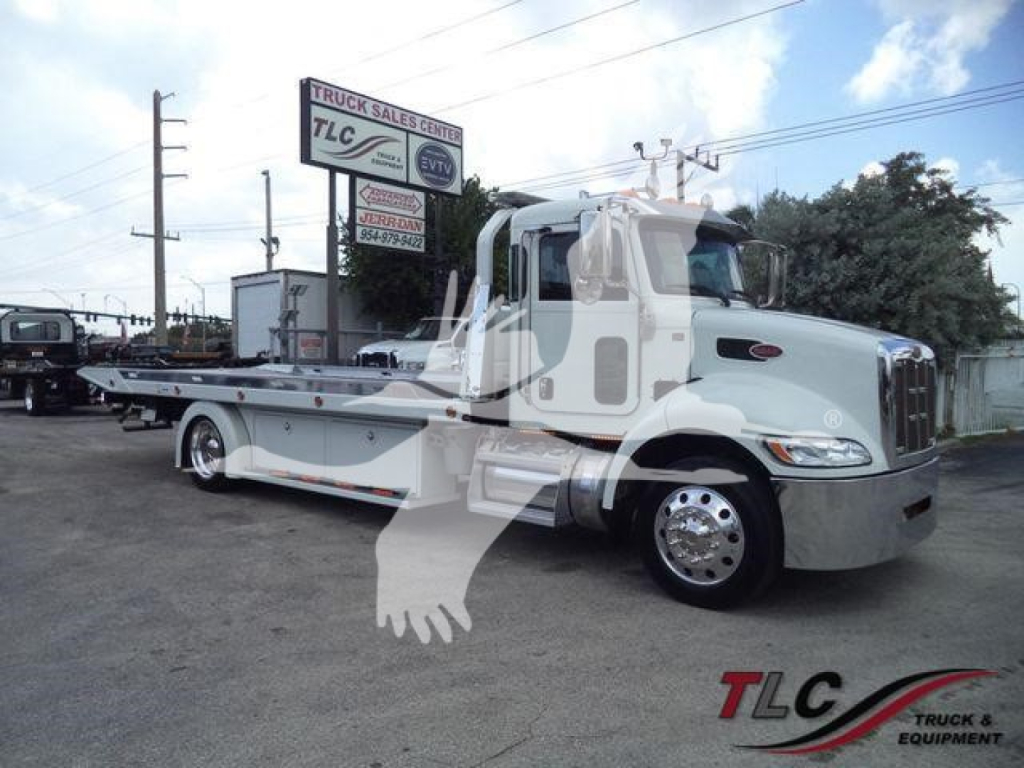
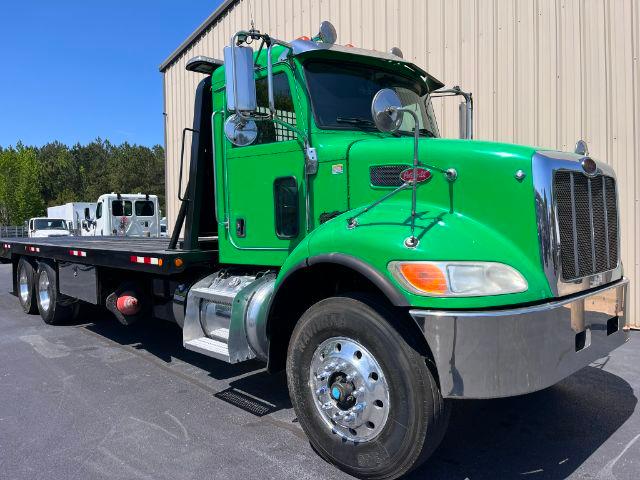
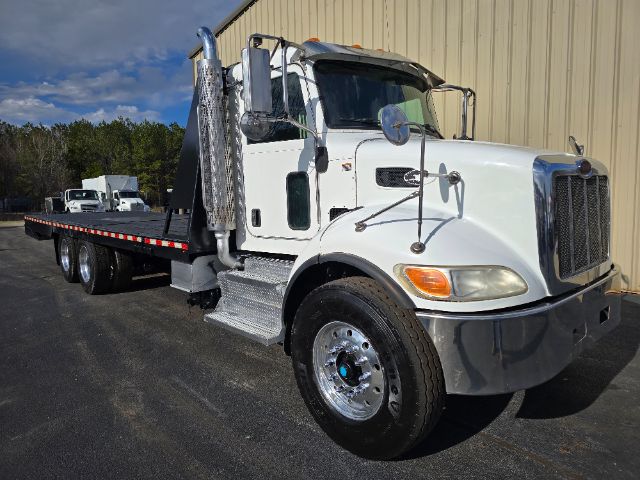
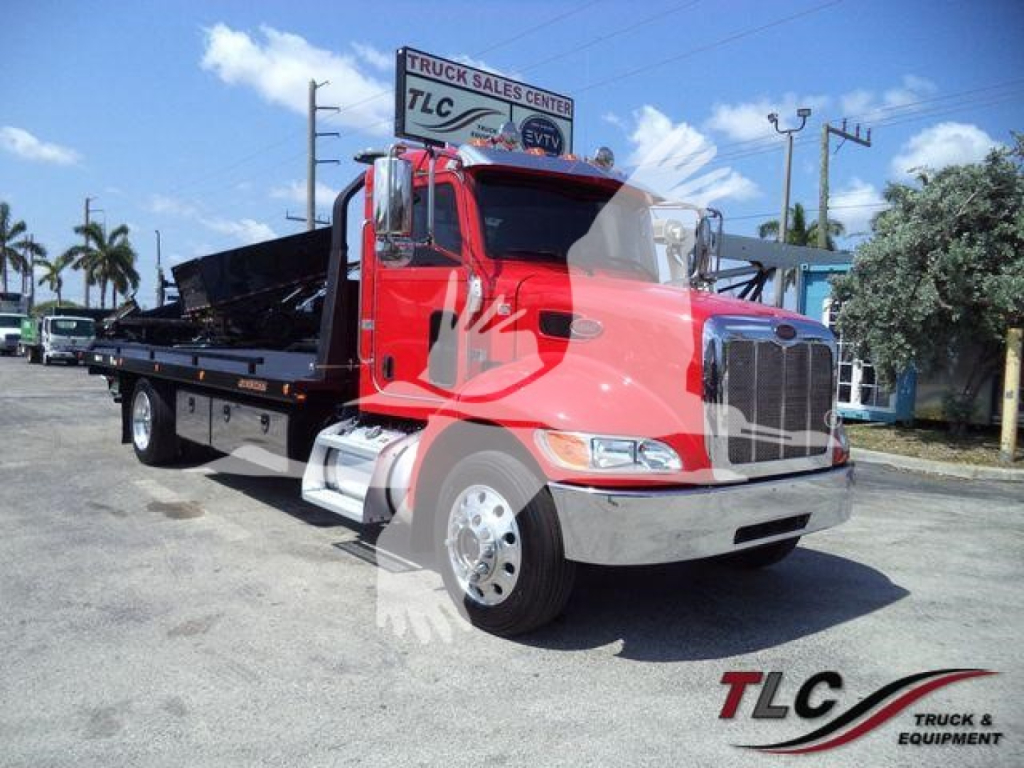
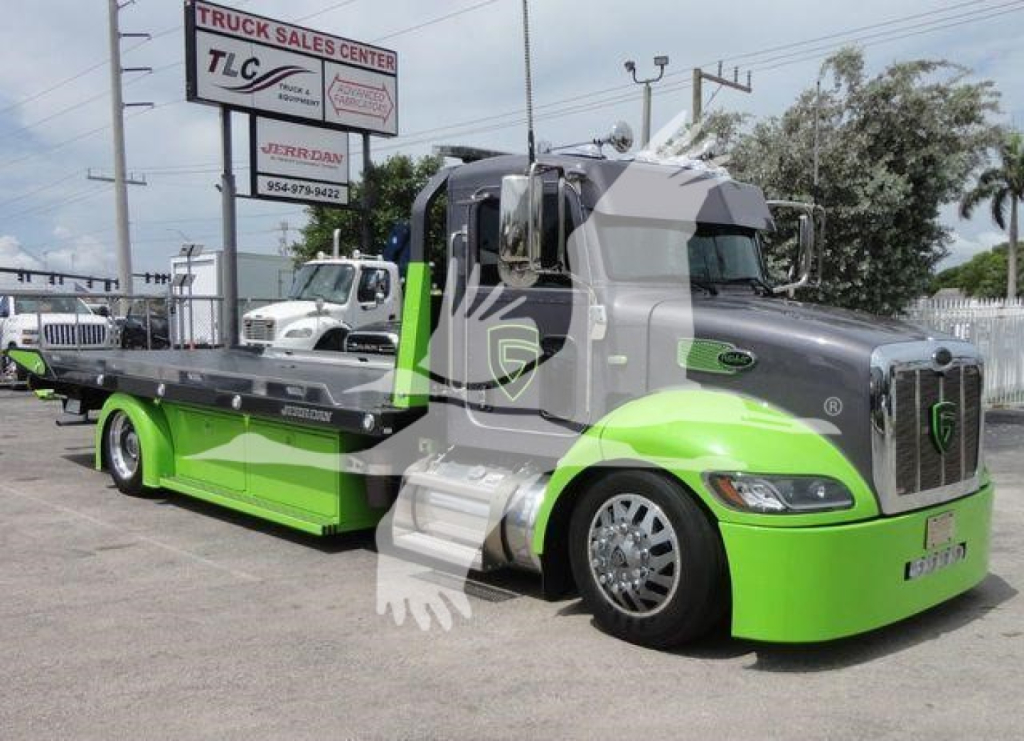
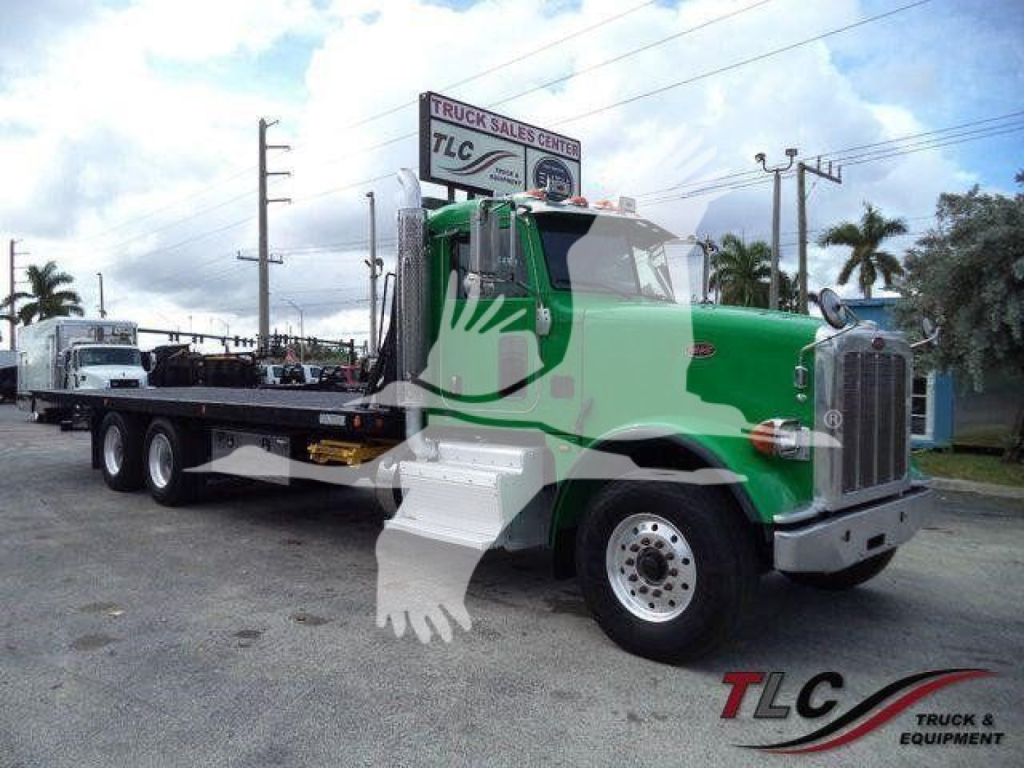
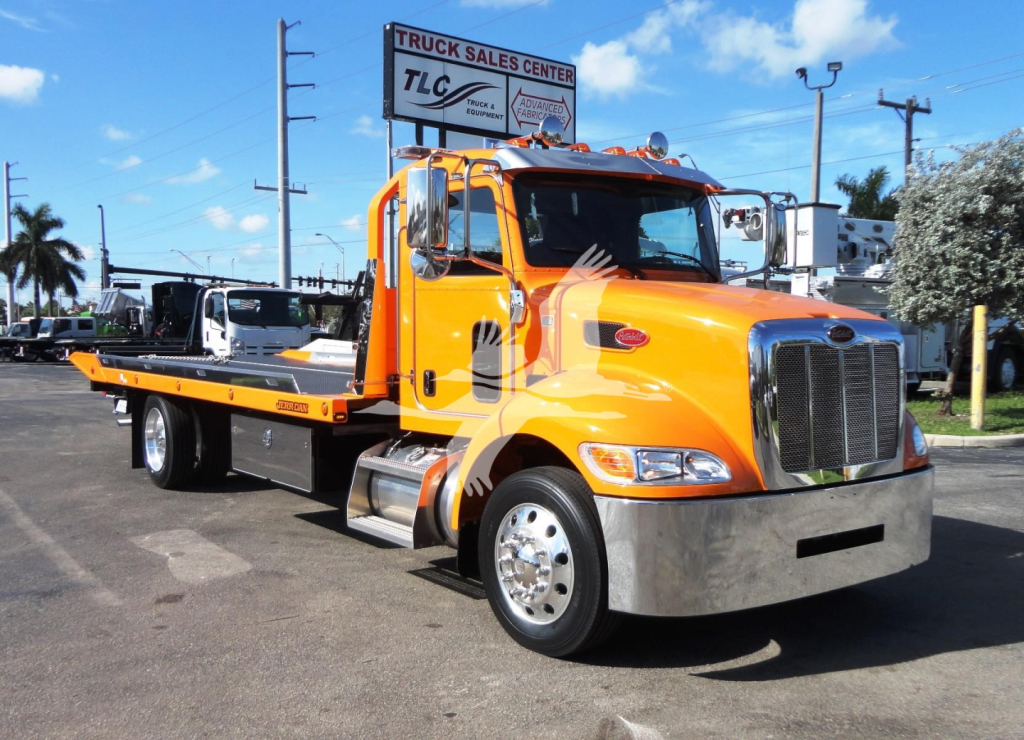
Showing 1 to 28 of 31 results
Selling a used peterbilt rollback truck? List your used peterbilt rollback truck for sale to reach thousands of commercial buyers.
Used Peterbilt Rollback Trucks
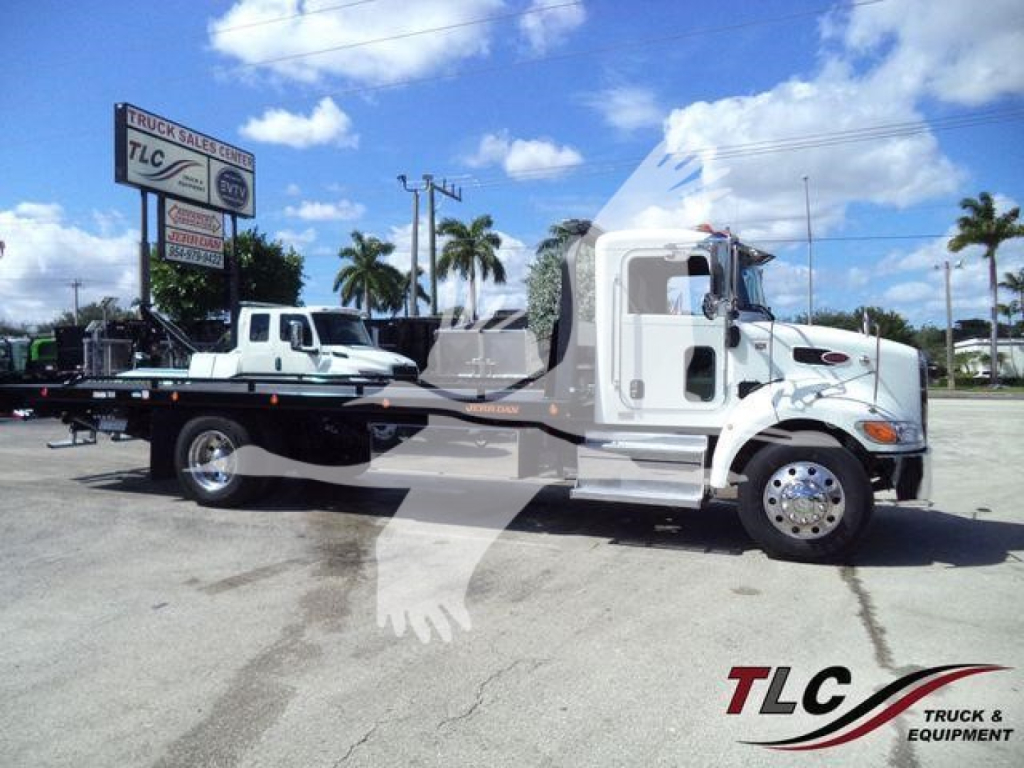
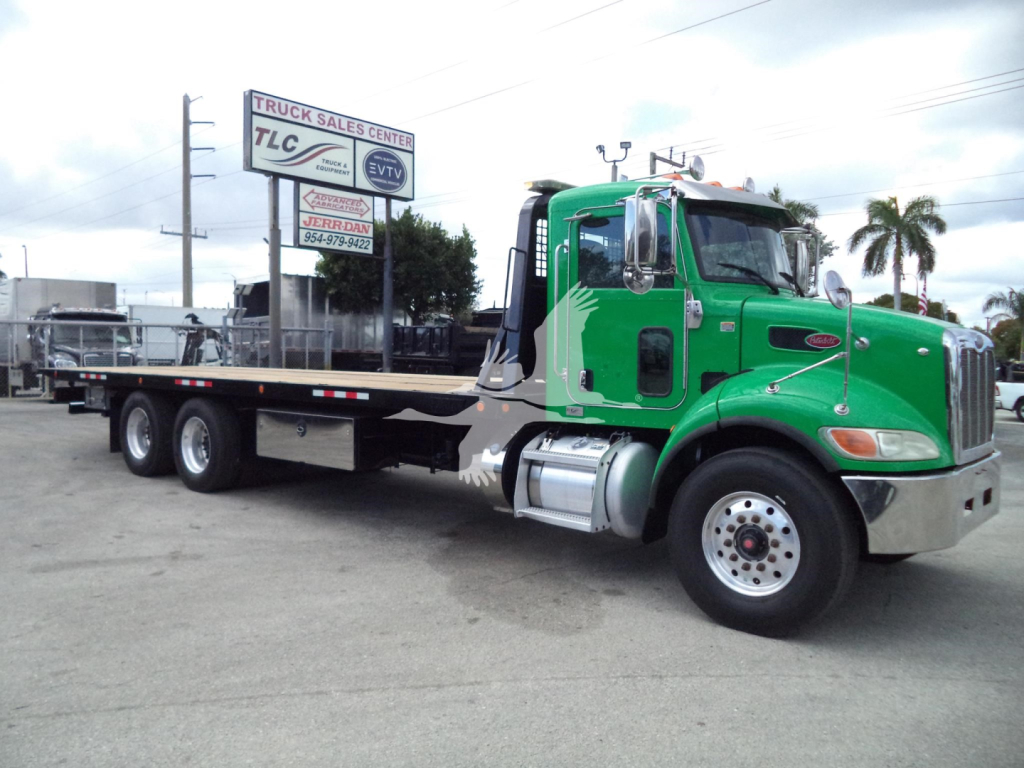
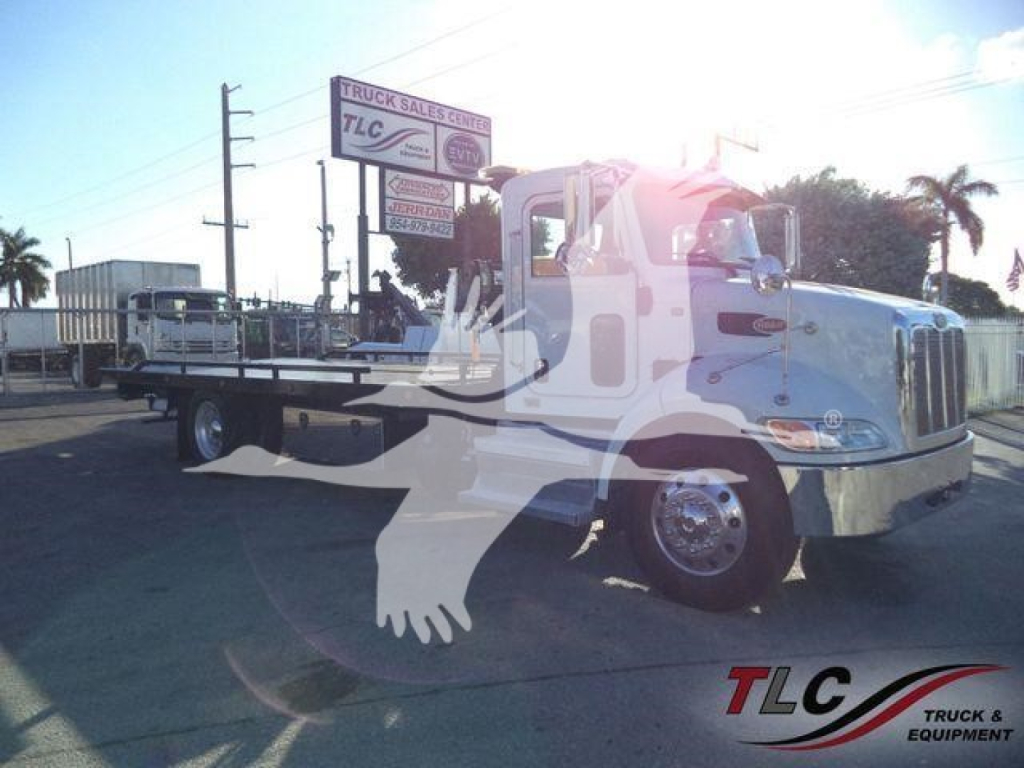
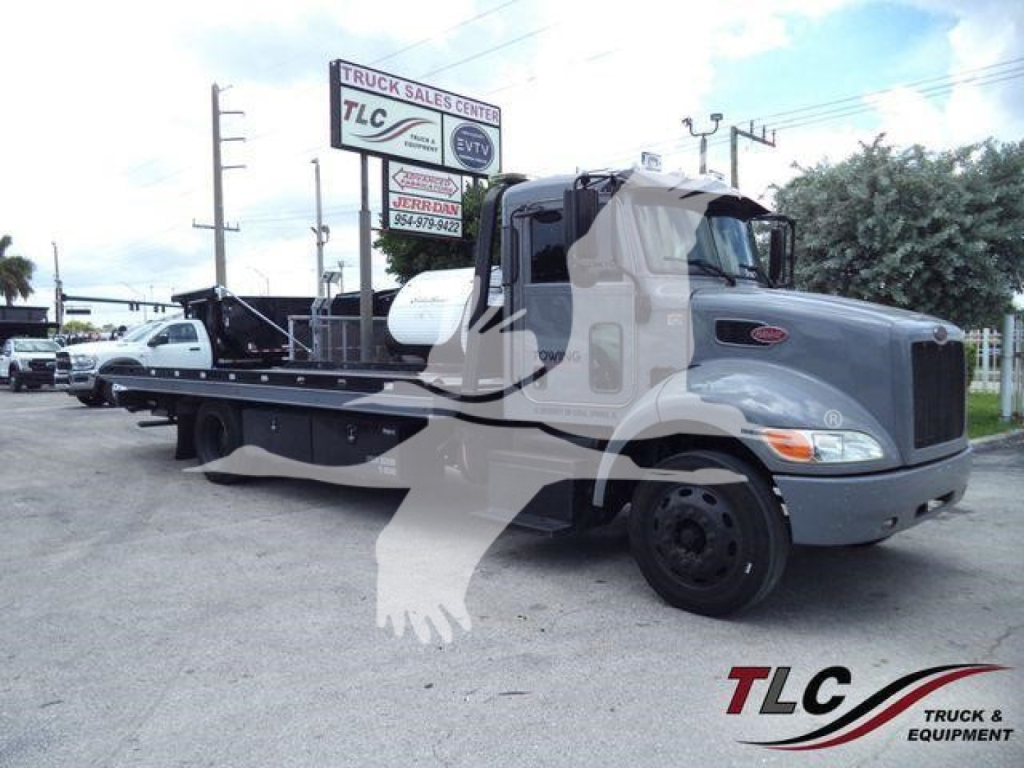
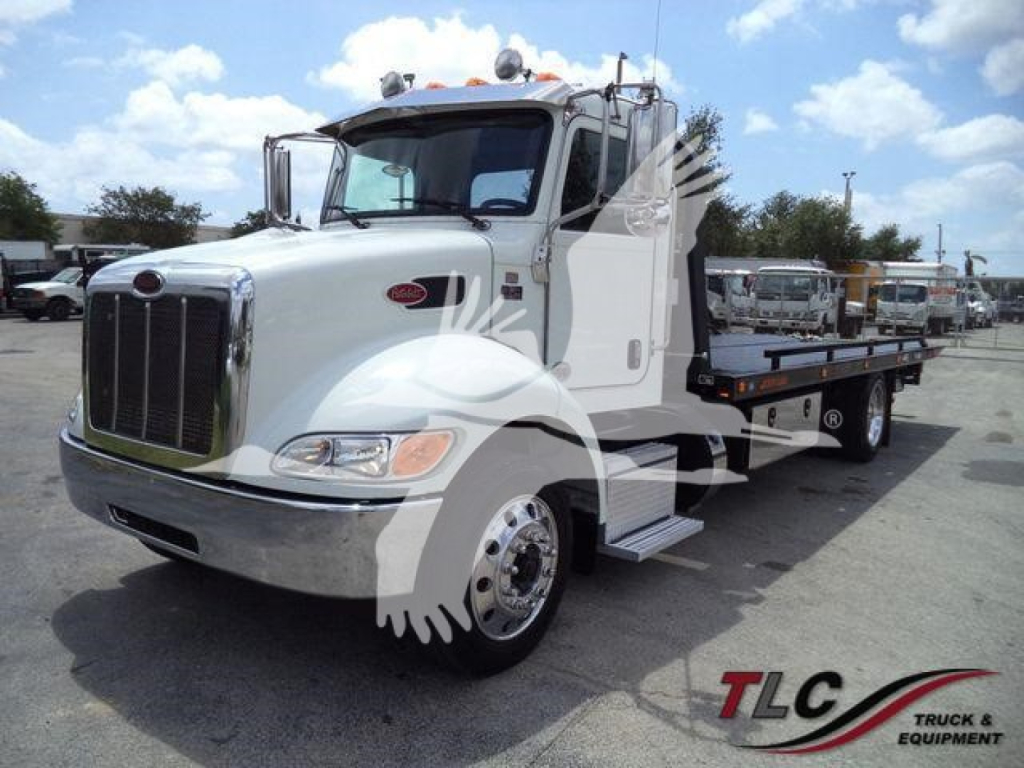
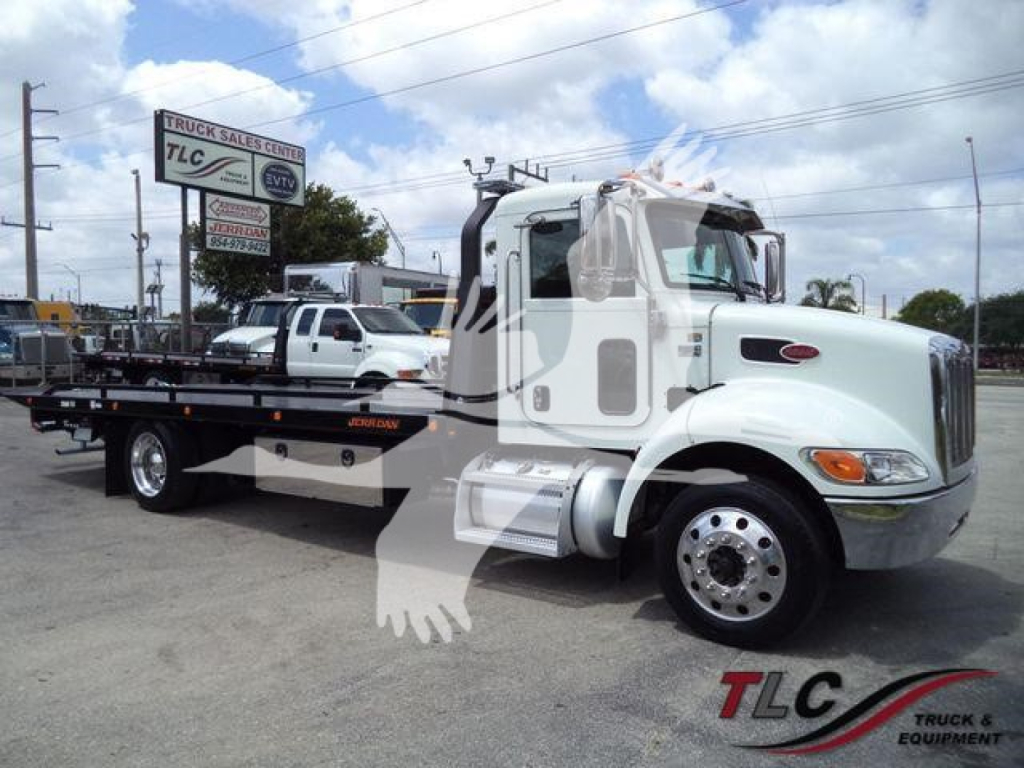
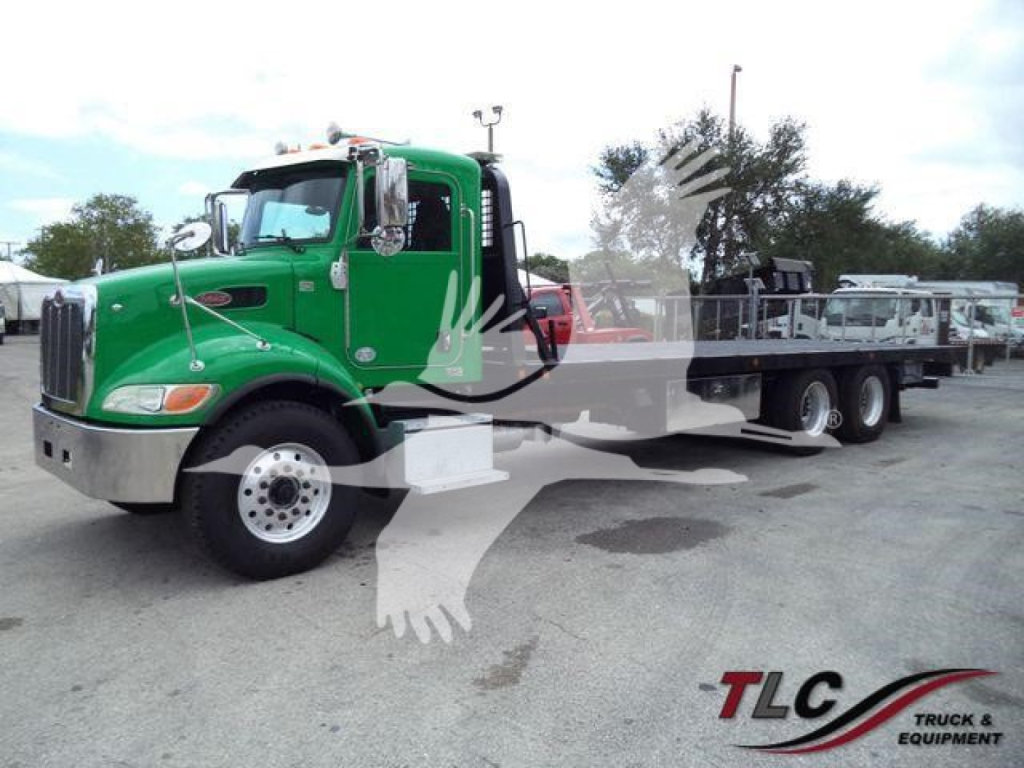
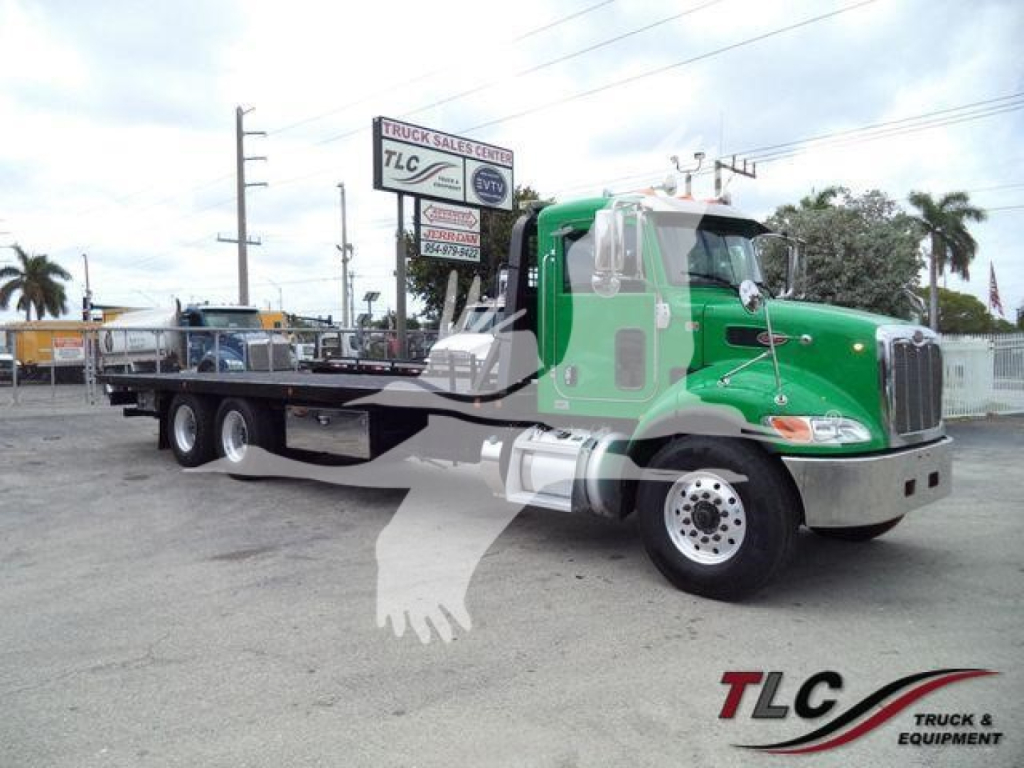
The first decision is usually size and weight class. A Peterbilt 337 rollback is commonly seen around 26,000 GVWR for non-CDL applications, often with 21-foot carriers and lighter winch and wheel-lift setups. A Peterbilt 348 rollback moves into a much heavier class, frequently built as a tandem axle 6x4 with 20,000-pound front axles, 40,000-pound rears, and GVWRs around 60,000 pounds. On those trucks, bed lengths in the 28-foot to 29-foot range and bed ratings around 30,000 pounds are common. That heavier chassis matters if the truck will regularly haul construction equipment, larger pickups, utility bodies, or loaded work trucks where deck rating, frame strength, and brake capacity all become critical.
Powertrain spec is a major buying factor on used Peterbilt rollback trucks. Many are equipped with PACCAR PX-7 or PX-9 diesel engines, often paired with Allison automatic transmissions such as the A2200 or RDS 3000 series. That combination is popular in towing because it is easy to operate in traffic, works well with PTO hydraulics, and reduces driver fatigue during repeated loading cycles. Air ride suspension, engine brakes, and aggressive rear axle ratios are common on heavier carriers because they improve ride quality, low-speed control, and grade management. Buyers should also pay close attention to wheelbase, because carrier length, overhang, and wheel-lift geometry all affect loading angle, front axle transfer, and how well the truck handles taller or longer equipment.
The body and hydraulic package deserve as much attention as the cab and engine. On a used rollback, check the deck rating, deck material, cylinder condition, subframe integrity, crossmember rust, winch capacity, wire rope or synthetic line condition, remote function, and PTO engagement. Brands such as Jerr-Dan and Hydratail are common in this segment. Raised rails, headboards, scuff protection, toolbox layout, work lights, strobes, and wheel-lift capacity can change how useful the truck is for your operation. If the truck will be used for commercial towing, look closely at bed slide wear pads, pivot points, hydraulic hose routing, and any signs of deck twist from repeated off-center loads. A good used Peterbilt rollback truck is not just about horsepower or appearance. It is about matching deck length, axle capacity, hydraulic performance, and legal GVW to the type of vehicles or equipment you move every day.
Frequently Asked Questions about Used Peterbilt Rollback Trucks
What is the difference between a Peterbilt 337 rollback and a Peterbilt 348 rollback?
A Peterbilt 337 rollback is typically a medium-duty carrier used for lighter towing, vehicle transport, and some non-CDL applications when spec'd at 26,000 GVWR. A Peterbilt 348 rollback is a heavier chassis, often tandem axle, built for larger deck ratings, longer bodies, and higher axle capacities. If the truck will spend most of its time moving cars, pickups, and light service vehicles, a 337 may be enough. If it will haul work trucks, utility bodies, skid steers, or heavier equipment, a 348 usually offers the frame, brake, and suspension capacity needed for that work.
What bed length and bed rating are common on used Peterbilt rollback trucks?
Common bed lengths on used Peterbilt rollback trucks range from about 21 feet on lighter single-axle carriers to 28 or 29 feet on heavier tandem-axle units. Bed ratings often vary from around 12,000 pounds on lighter carriers to 30,000 pounds on heavy equipment-style rollbacks. The right combination depends on the weight, wheelbase, and ground clearance of the vehicles or equipment being transported. Buyers should compare not only the published deck rating, but also the truck's axle ratings, wheelbase, and legal loaded GVW.
Are Allison automatic transmissions a good choice in a rollback truck?
Yes. Allison automatic transmissions are widely preferred in rollback applications because they simplify loading work, reduce clutch wear in stop-and-go operation, and give drivers smoother control when spotting vehicles onto the deck. They also pair well with PTO-driven hydraulic systems commonly used on rollback bodies. For fleets with multiple drivers or urban towing routes, an Allison-equipped Peterbilt rollback can improve ease of use and reduce training time compared with a manual transmission truck.
What should I inspect on a used Peterbilt rollback body before buying?
The rollback body should be inspected as closely as the chassis. Check the deck for structural repairs, rust, bent rails, damaged crossmembers, and uneven wear on the slide system. Test hydraulic functions under load if possible, including tilt, slide, winch, wheel-lift, and PTO engagement. Inspect cylinders, hoses, pins, bushings, wear pads, roller systems, lighting, tie-down points, and the condition of the winch cable or rope. A truck with a strong engine and transmission can still become expensive quickly if the carrier body has deferred maintenance or structural fatigue.
Can a used Peterbilt rollback truck be used for equipment hauling as well as towing?
Yes, many Peterbilt rollback trucks are used as equipment carriers in addition to traditional towing work. Heavier tandem-axle models with 28-foot or longer decks, 30,000-pound bed ratings, and strong winch setups are commonly used to move skid steers, small excavators, forklifts, scissor lifts, and service trucks. The key is confirming that the deck rating, tie-down provisions, axle capacity, and loaded weight all match the equipment being moved. Equipment hauling also puts more stress on deck structure and loading angle, so body condition matters more than it does on a light car carrier.