
Used 2020 Peterbilt Rollback Trucks For Sale
Shop used 2020 Peterbilt rollback trucks. Compare bed sizes, winch capacity, GVWR, wheel-lift setup, and chassis specs for towing work.
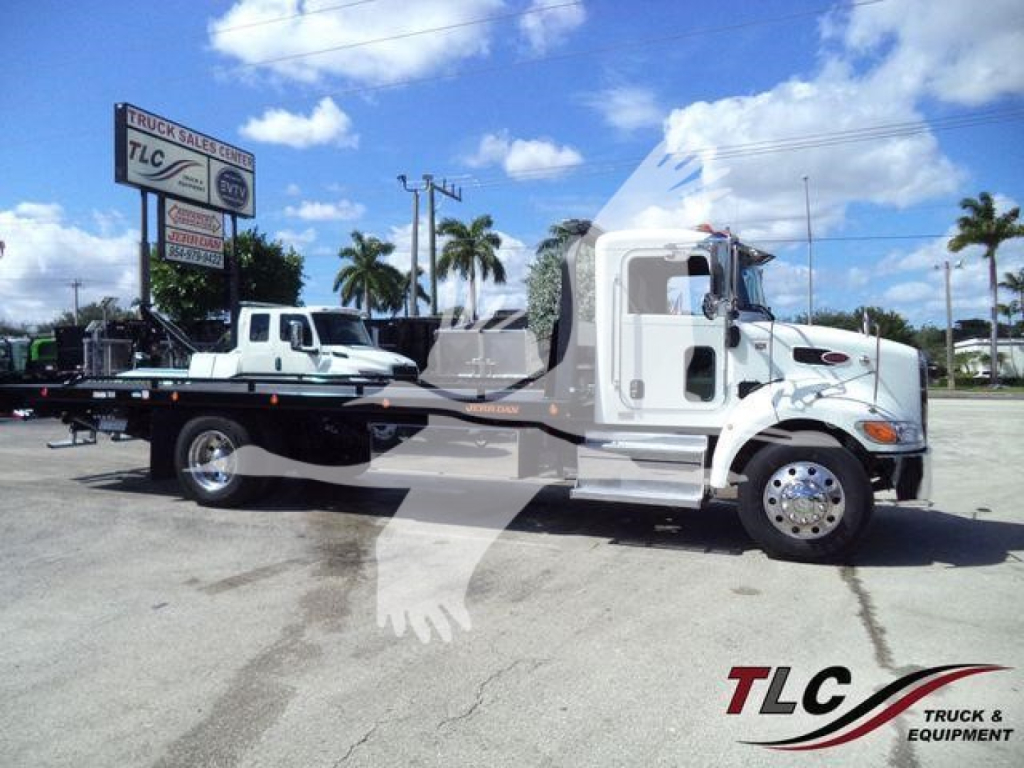
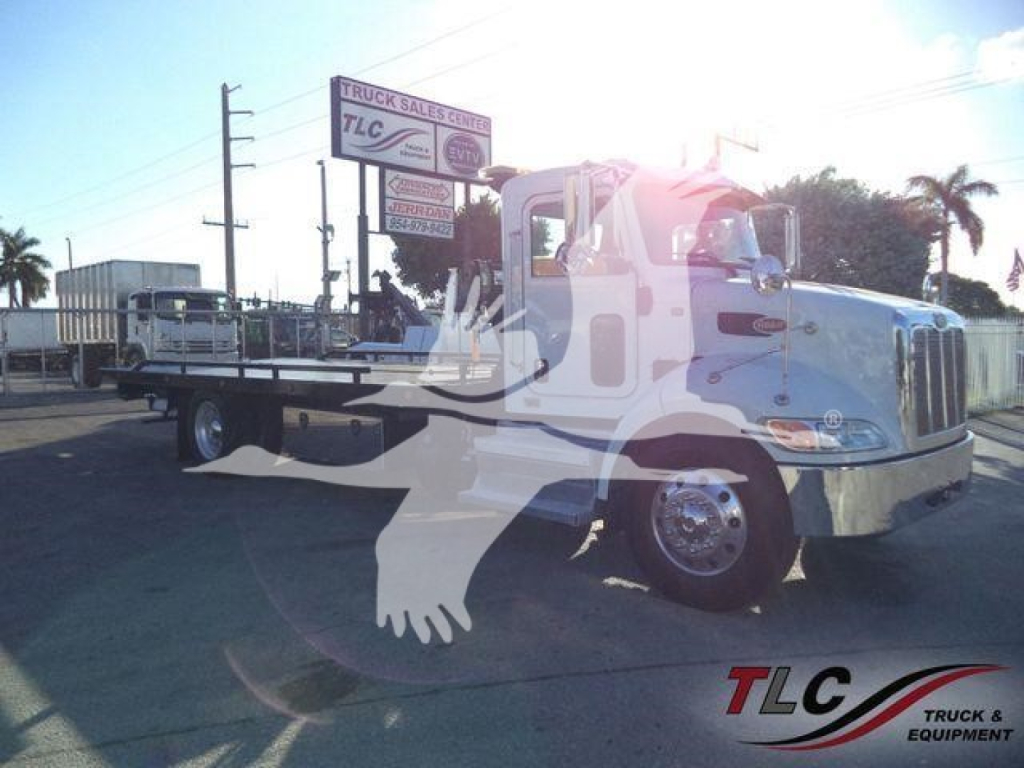
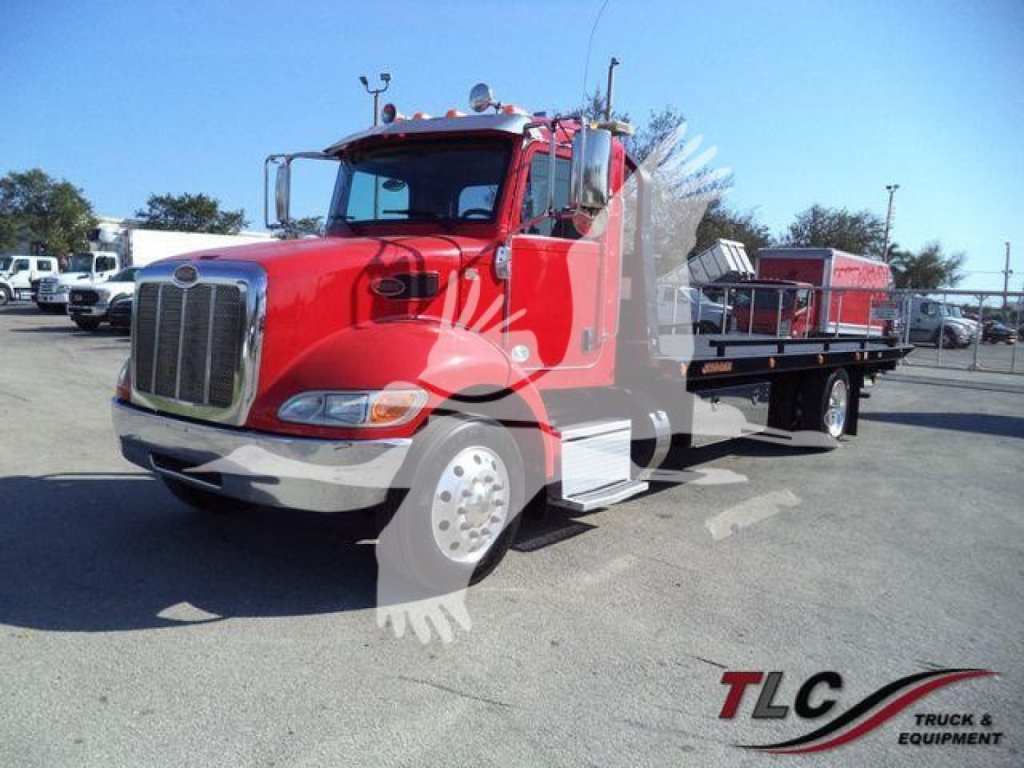
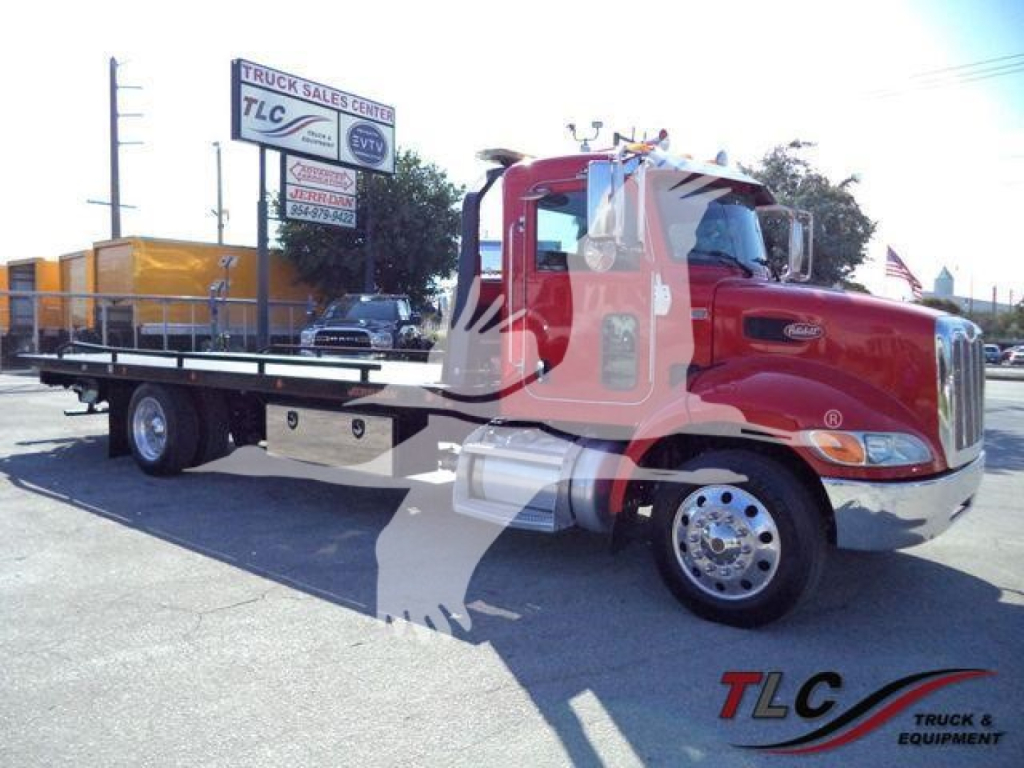
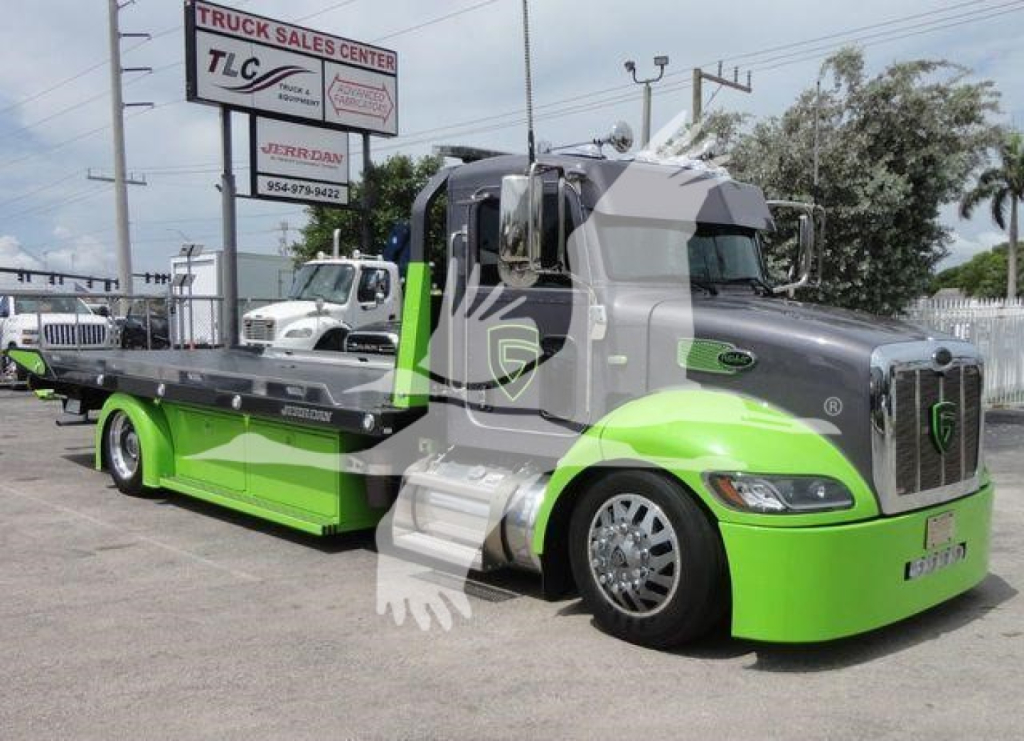
Selling a used 2020 peterbilt rollback truck? List your used 2020 peterbilt rollback truck for sale and reach thousands of commercial buyers.
Used 2020 Peterbilt Rollback Trucks
The bed and hydraulic package matter as much as the cab and engine. Common rollback bodies include Jerr-Dan, Century, and Chevron units, with deck lengths often ranging from 21 to 22 feet on medium-duty trucks and 28 feet on heavier tandem axle builds. Bed width, low-angle loading geometry, deck material, and wheel-lift capacity all affect day-to-day usefulness. A lower center of gravity body can make loading lower-clearance cars easier, while a heavier steel deck may suit tougher service even if it adds weight. Winch ratings often range from 8,000 to 20,000 pounds depending on application, and buyers should confirm cable condition, hydraulic response, bed slide operation, PTO engagement, and whether the truck includes practical towing equipment like toolboxes, chain racks, work lights, strobes, and remote controls.
On 2020 Peterbilt rollback trucks, powertrain choices often center on PACCAR PX-7 or Cummins diesel engines paired with Allison automatic transmissions in medium-duty configurations. Heavier rollback and carrier builds may use larger Cummins engines with manual or automated transmissions, especially on severe-duty chassis. The right setup depends on route profile and payload. Local urban towing generally favors an automatic transmission, tight wheelbase, and maneuverable single-axle chassis. Highway recovery and longer transport runs may justify more horsepower, air ride suspension, larger front axle ratings, and tandem rears with a double-frame chassis. Front axle capacity, rear axle ratio, suspension type, brake configuration, and wheelbase all deserve close attention because they directly affect bed length, stability, and legal payload.
Condition on a used rollback truck should be judged as a working system, not just a chassis with a bed attached. Look for frame modifications, corrosion around bed mounts, wear in the subframe rollers, hydraulic leaks, uneven deck travel, and wheel-lift damage from repeated curb contact. Review engine hours alongside miles, especially on trucks that spend long periods idling at recovery scenes. Interior condition also matters because these trucks often see high daily use with multiple stops, frequent driver entry, and constant PTO operation. A well-spec'd 2020 Peterbilt rollback can be a strong fit for repossession work, municipal towing, accident recovery, dealer transfers, rental fleet moves, and general car hauling, provided the chassis, body, and recovery equipment are matched to the actual job.
Frequently Asked Questions about Used 2020 Peterbilt Rollback Trucks
What should I look for first on a used 2020 Peterbilt rollback truck?
Start with GVWR, axle ratings, and bed capacity because those three items define what the truck can legally and safely haul. After that, check the rollback body brand, deck length, wheel-lift rating, winch capacity, and hydraulic condition. A buyer should also verify engine type, transmission, wheelbase, and PTO operation since those directly affect maneuverability, serviceability, and total job fit.
Which Peterbilt models are most common for rollback applications?
The Peterbilt 337 is one of the most common choices for medium-duty rollback service because it suits car hauling, light recovery, and urban towing well. Heavier rollback applications may be built on 348, 367, or 567 chassis when the job calls for higher GVWR, tandem axles, larger engines, longer beds, or heavier wheel-lift and winch systems. The best model depends on whether the truck will spend most of its time moving passenger vehicles or handling commercial recovery work.
Are 2020 Peterbilt rollback trucks better suited for car hauling or towing?
They can do either job, but the spec determines the real use case. A single-axle 337 with a 21- or 22-foot bed and moderate winch capacity is often best for vehicle transport, dealer moves, repossessions, and light-duty towing. A heavier Peterbilt rollback with a longer deck, larger winch, hydraulic wheel lift, and higher axle ratings is better suited for commercial towing, work truck transport, and more demanding recovery situations.
What bed size is typical on a Peterbilt rollback truck?
Medium-duty Peterbilt rollback trucks commonly carry 21- to 22-foot decks, which are practical for passenger vehicles, pickups, and general transport work. Heavy-duty builds can use 28-foot beds for larger vehicles and more demanding loading situations. Bed length should be evaluated along with wheelbase, overhang, and weight distribution so the truck remains stable and compliant when loaded.
How important is the transmission choice on a rollback truck?
Transmission choice matters because rollback trucks operate in stop-and-go conditions, tight loading areas, and frequent PTO cycles. Allison automatics are popular in medium-duty towing because they are easy to drive, efficient in urban work, and well-suited to repeated starts and stops. Manual or heavier-spec transmissions may still make sense on larger tandem-axle trucks where higher horsepower and heavy recovery loads are part of the daily job.