
Used 2021 Peterbilt Rollback Trucks For Sale
Shop the used 2021 Peterbilt rollback truck category. Compare bed sizes, winch setups, GVWR, wheel-lift options, and towing specs.
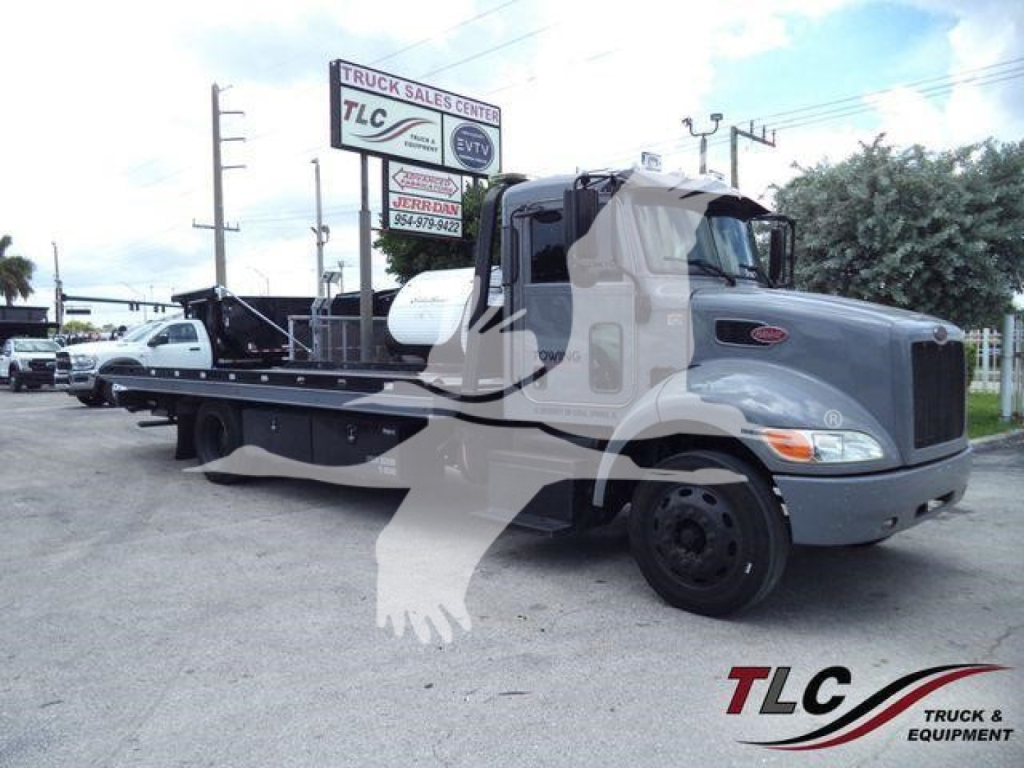
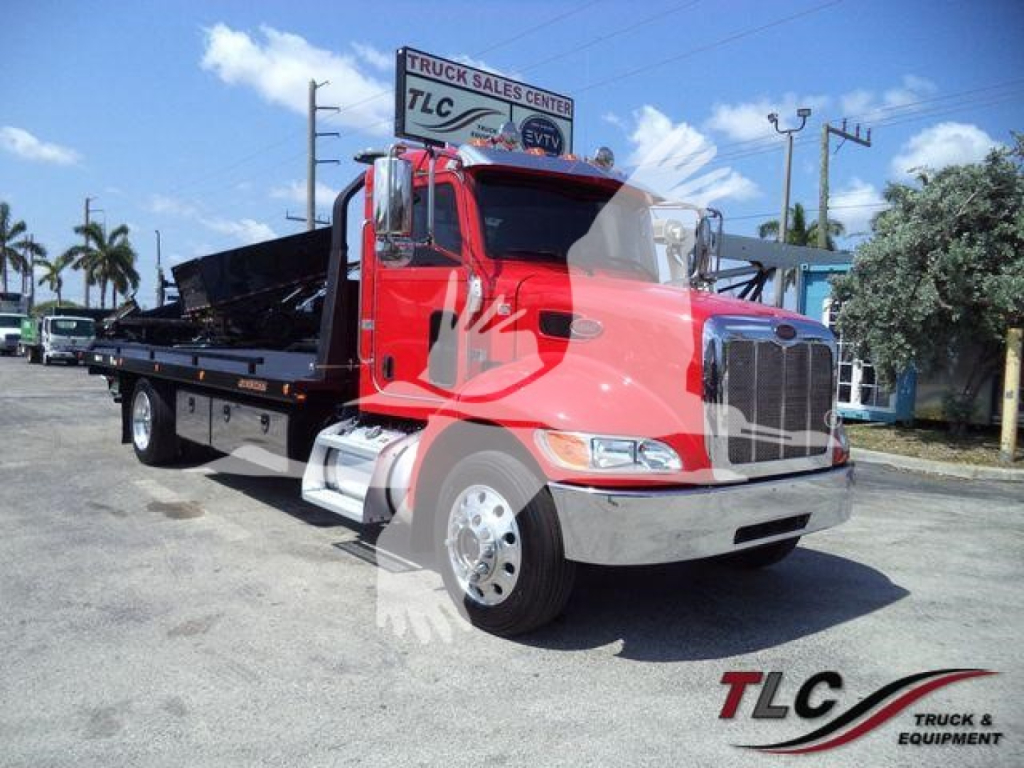

Selling a used 2021 peterbilt rollback truck? List your used 2021 peterbilt rollback truck for sale to reach thousands of commercial buyers.
Used 2021 Peterbilt Rollback Trucks
The 2021 Peterbilt rollback market often centers on medium-duty chassis specs such as a Cummins PX-7 or similar diesel, Allison automatic transmission, air brakes, and air ride suspension. A 26,000 GVWR setup is common because it gives operators strong capability while avoiding some of the licensing and regulatory burdens that come with heavier classes, depending on body spec and local rules. Buyers should still verify actual GVWR, front and rear axle ratings, wheelbase, and body manufacturer data plate because rollback performance depends on weight distribution as much as rated deck capacity. A 6-ton carrier rating, an 8,000-lb winch, and a 3,500-lb wheel-lift are typical reference points in this segment, but real-world usability changes with deck angle, center of gravity, subframe design, and overhang.
On a Peterbilt rollback, the upfit brand and body configuration deserve close attention. Jerr-Dan, Miller Industries, Chevron, and similar builders each have design differences in deck construction, hydraulic controls, crossmember layout, tie-down points, and tool storage. Features like removable rails, dual toolboxes, wireless remote controls, LED work lighting, and side recovery systems can make a measurable difference in daily use. If the truck will spend most of its time on accident scenes or highway calls, look carefully at lighting package quality, PTO and hydraulic responsiveness, and how accessible the controls are while standing clear of traffic. If it is intended mainly for transport, bed surface condition, winch line wear, and the deck's ability to handle low-clearance vehicles are usually more important than cosmetic add-ons.
Condition matters on both the truck and the body. On a used 2021 model, check for frame corrosion, bed pivot wear, cylinder seepage, sloppy slide mechanisms, cracked deck welds, wheel-lift pin wear, and signs of overloaded service. Review engine hours if available, not just odometer miles, especially on units that spent time idling at scenes or running PTO equipment. Tire size, brake type, suspension, and cab equipment also affect operating cost and driver retention more than many buyers expect. A well-spec'd Peterbilt rollback should give a good balance of cab comfort, professional appearance, service access, and resale strength, but the best choice comes down to the kinds of vehicles being hauled, the legal weight environment, and how much recovery capability is needed beyond basic carrier work.
Frequently Asked Questions about Used 2021 Peterbilt Rollback Trucks
What bed size is most common on a used 2021 Peterbilt rollback truck?
In this category, 20-foot to 22-foot rollback beds are the most common, usually around 102 inches wide. That size range works well for passenger vehicles, pickups, crossovers, and many commercial units without making the truck overly long for city towing. Buyers hauling low-clearance vehicles often prefer extra-low-profile or low center-of-gravity decks because loading angle can matter as much as bed length.
Is a 26,000 GVWR Peterbilt rollback enough for regular towing work?
For many light-duty and medium-duty towing operations, a 26,000 GVWR Peterbilt rollback is a practical sweet spot. It can support a 6-ton carrier body, winch, and wheel-lift while staying maneuverable and commonly avoiding the step up to heavier chassis classes. The important detail is payload after the body, tools, fuel, and accessories are installed, so buyers should confirm actual scale-ready weight and axle ratings rather than relying only on the headline GVWR.
What should I inspect first on a used rollback body?
Start with the bed structure and hydraulic system. Look for cracked welds, rust around crossmembers, deck warping, uneven slide action, cylinder leaks, worn pivot points, and wheel-lift slop. Then inspect the winch, cable or synthetic line condition, remote and control functions, chain storage, tie-down points, and toolbox mounts. The rollback body does the revenue work, so its condition often matters more than cab cosmetics.
Are Allison automatic transmissions preferred in Peterbilt rollback trucks?
Yes, many operators prefer an Allison automatic in a rollback because it simplifies stop-and-go towing, tight maneuvering, and repeated loading cycles. Automatic transmissions are especially common in urban recovery, repo, and transport service where multiple drivers may use the truck. They also pair well with PTO-driven hydraulic systems, though buyers should still confirm maintenance history, fluid condition, and shift quality under load.
What makes a Peterbilt rollback different from a standard flatbed truck?
A rollback, also known as a car carrier or slide-back tow truck, uses a hydraulic tilting and sliding bed designed to load disabled or non-running vehicles directly onto the deck. A standard flatbed truck typically relies on forklifts, cranes, or dock loading and is not built around vehicle recovery. On a rollback, features such as a winch, wheel-lift, low approach angle, L-arms, tie-down systems, and recovery lighting are central to the truck's purpose.