
Used 2018 Peterbilt Rollback Trucks For Sale
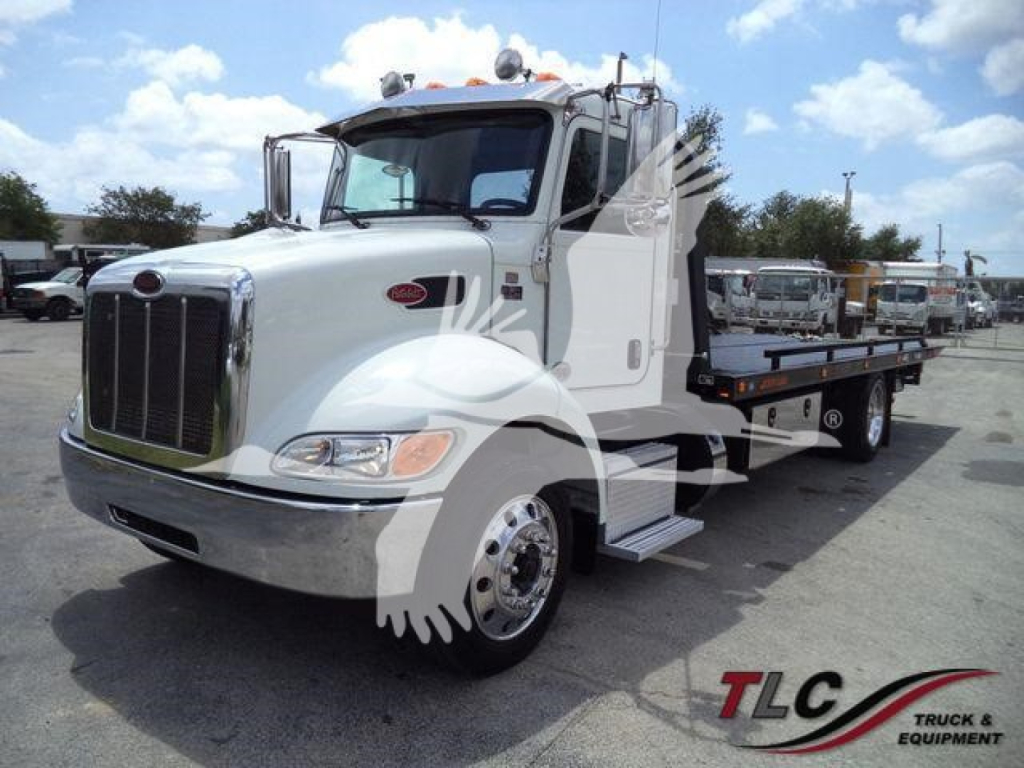
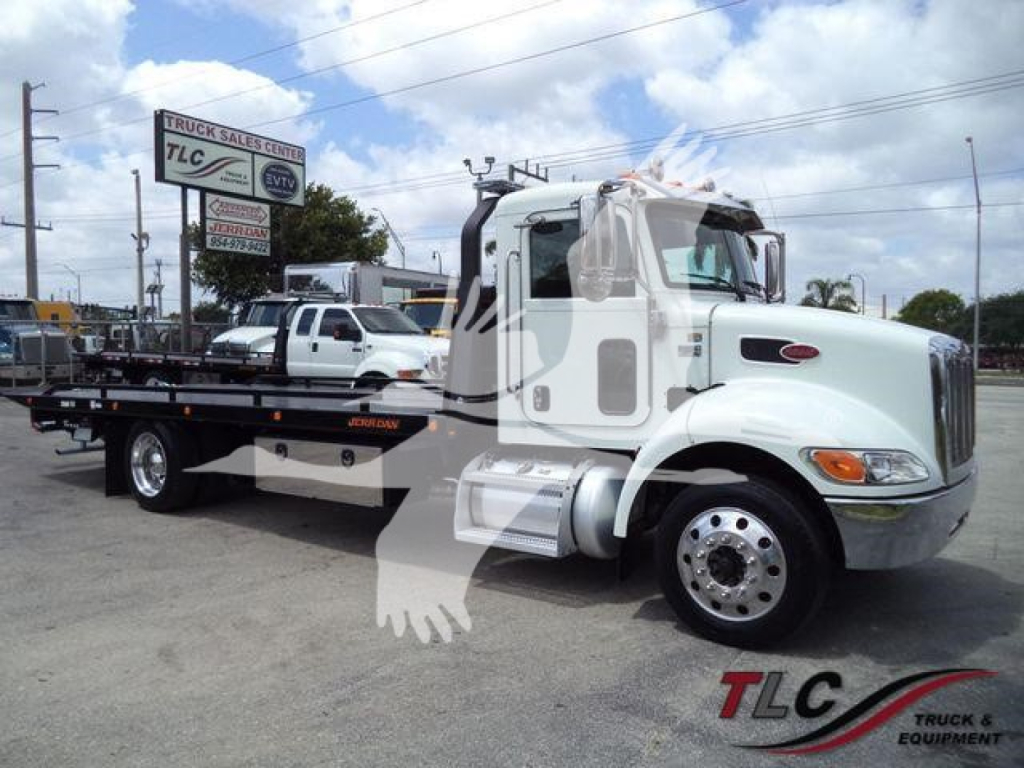
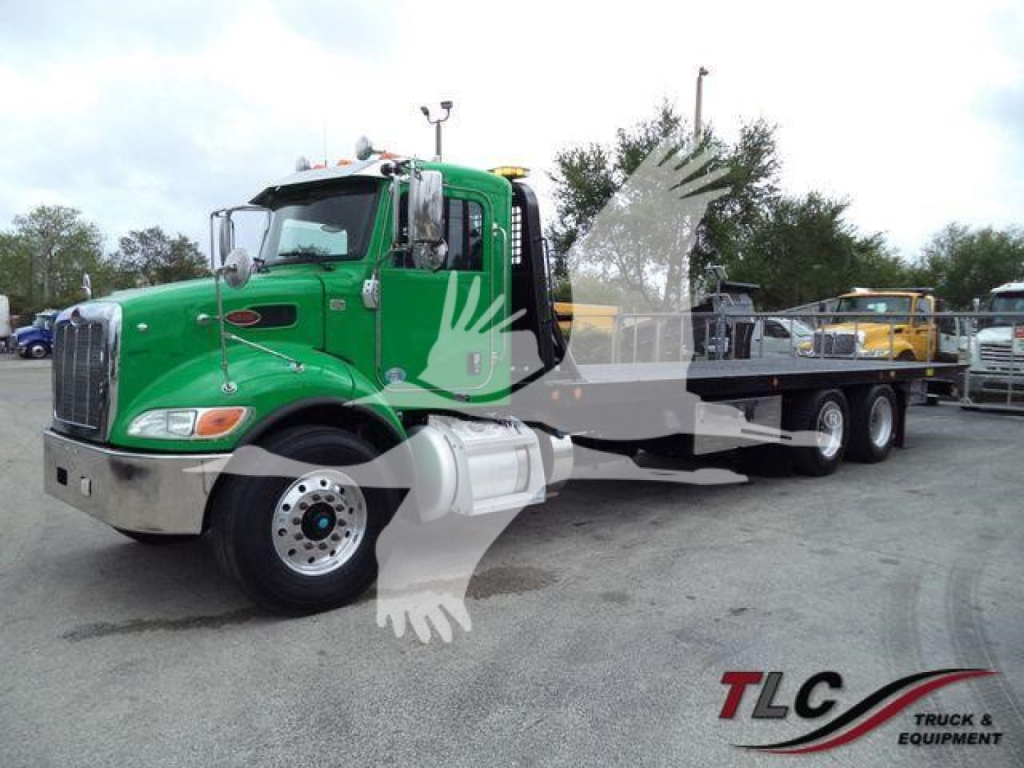
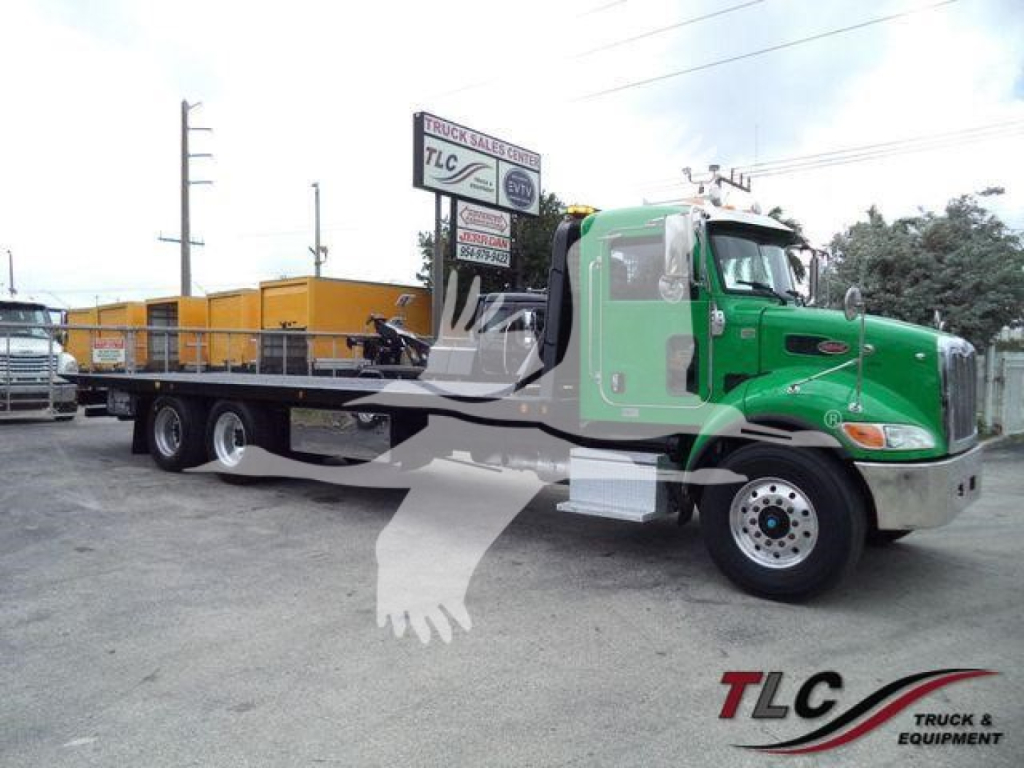
Shop used 2018 Peterbilt rollback trucks, including 337-based carriers with Jerr-Dan beds, winches, wheel lifts, and medium-duty towing specs.
Selling a used 2018 peterbilt rollback truck? List your used 2018 peterbilt rollback truck for sale to reach thousands of commercial buyers.
Used 2018 Peterbilt Rollback Trucks
The key buying decision is the relationship between chassis rating and bed equipment. Many 2018 Peterbilt rollback trucks are built at or near a 26,000-pound GVWR, which is attractive for operators trying to balance payload, registration cost, and CDL considerations in certain states. Common specs include a Cummins 6.7L diesel, Allison automatic transmission, air brakes, air ride suspension, and 22.5-inch low-profile rubber. On the body side, buyers should look closely at bed length, bed width, deck material, low-angle or low-carrier geometry, winch rating, and wheel-lift capacity. A 6-ton steel carrier with an 8,000-pound winch and a 3,500-pound wheel lift is a common medium-duty rollback setup and covers a wide range of everyday towing jobs.
Body brand and upfit quality matter as much as the truck itself. Jerr-Dan and Century are two names buyers regularly compare in this class, and details like removable rails, toolbox configuration, wireless or tethered controls, LED work lighting, tie-down points, and underbody storage can affect daily productivity more than a small engine or trim difference. On a used unit, inspect the subframe, deck runners, hydraulic cylinders, hoses, PTO operation, cable condition, bed pivot points, wheel-lift wear, and any signs of twist or stress around the rear structure. If the truck has a newer bed on an older chassis, confirm how the installation was done and verify that frame spacing, PTO setup, and hydraulic system integration were handled correctly.
Peterbilt rollback trucks from 2018 appeal to buyers who want a cleaner-looking cab, solid driver comfort, and a chassis that is familiar to many service shops. Parts support for the Peterbilt 337 platform is generally strong, and the Cummins-Allison combination is well known across fleets. The right truck depends on lane and workload. Urban towing may favor a shorter wheelbase and lower-profile carrier for maneuverability, while transport-focused operators may prioritize deck length, storage, and tie-down flexibility. If the truck will spend time loading low-clearance cars, check approach angle and deck height carefully. If it will handle pickups, vans, or small equipment, pay close attention to wheel-lift rating, rear axle capacity, and how much usable payload remains after the carrier body is installed.
Frequently Asked Questions about Used 2018 Peterbilt Rollback Trucks
What is a 2018 Peterbilt rollback truck commonly used for?
A 2018 Peterbilt rollback truck is commonly used for passenger vehicle recovery, dealer transfers, auction hauling, light commercial vehicle transport, and general roadside towing. Most are configured as car carriers with a sliding and tilting deck, winch, and wheel lift. This makes them well suited for loading disabled vehicles, low-clearance cars, and light trucks with less risk of damage than a conventional tow setup.
What chassis and powertrain are common on a used 2018 Peterbilt rollback?
The most common chassis in this category is the Peterbilt 337. Many used 2018 units are equipped with a Cummins 6.7L diesel and an Allison automatic transmission, along with air brakes and medium-duty suspension components. That combination is popular because it is straightforward to operate, widely supported for service, and well matched to everyday towing and transport work.
What bed specs should buyers check on a Peterbilt rollback truck?
The most important bed specs are length, width, deck capacity, winch rating, and wheel-lift capacity. Many units in this category carry a 21-foot to 22-foot bed, around 102 inches wide, with a 6-ton carrier rating, an 8,000-pound class winch, and a wheel lift in the 3,500-pound range. Buyers should also verify deck height, loading angle, tie-down placement, rail design, and whether the carrier is steel or aluminum, since those details affect both usability and payload.
Is a 26,000 GVWR 2018 Peterbilt rollback a good fit for towing work?
A 26,000-pound GVWR rollback can be a strong fit for operators focused on cars, SUVs, light pickups, and general service towing. It often provides a good balance of maneuverability, legal simplicity, and operating cost, especially in markets where staying at or below certain weight thresholds matters. The tradeoff is lower overall capacity than a heavier Class 7 or Class 8 carrier, so buyers should match the truck to the heaviest vehicles they expect to move on a regular basis.
What should be inspected on a used Peterbilt rollback before purchase?
Inspect both the chassis and the carrier equipment. On the truck side, check engine service history, transmission operation, brake condition, suspension wear, tire size and age, and signs of frame corrosion or repair. On the rollback body, inspect the PTO, hydraulics, winch, cable, wheel lift, deck structure, rear crossmembers, controls, and all pivot points. Uneven deck wear, cracked welds, slow hydraulic response, or poor bed alignment can point to expensive repairs or heavy prior use.