
Used Peterbilt Rollback Trucks For Sale in Florida
Shop used Peterbilt rollback trucks for sale in Florida. Compare deck length, GVWR, winch capacity, wheel-lift specs, and cab configurations.
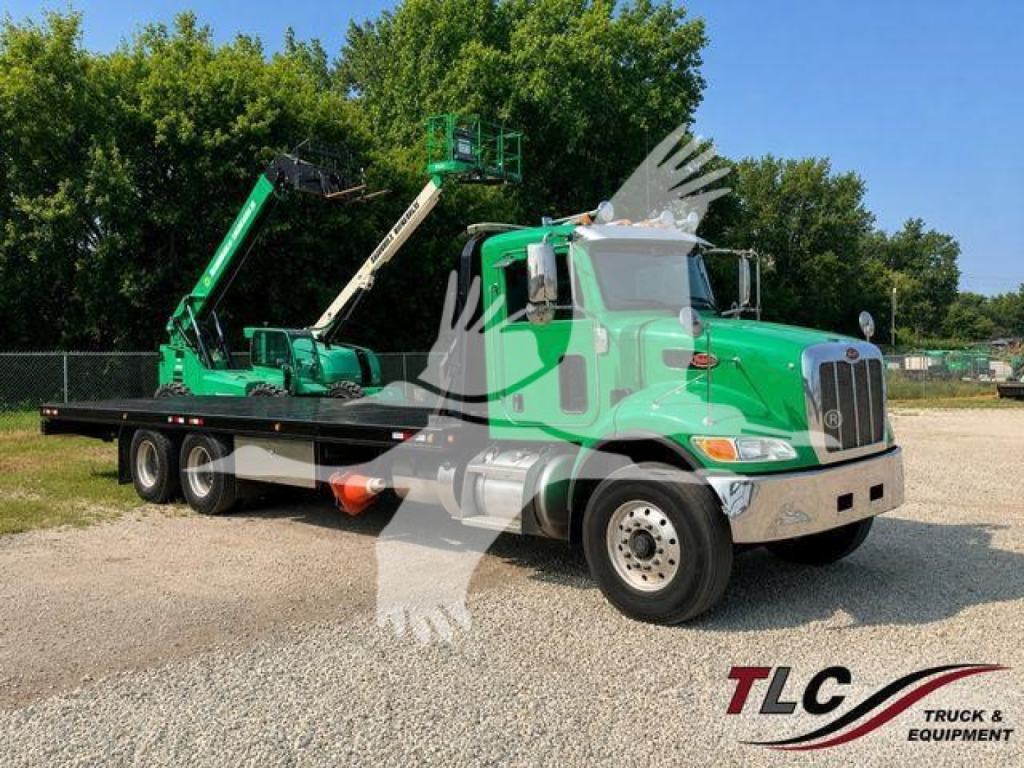
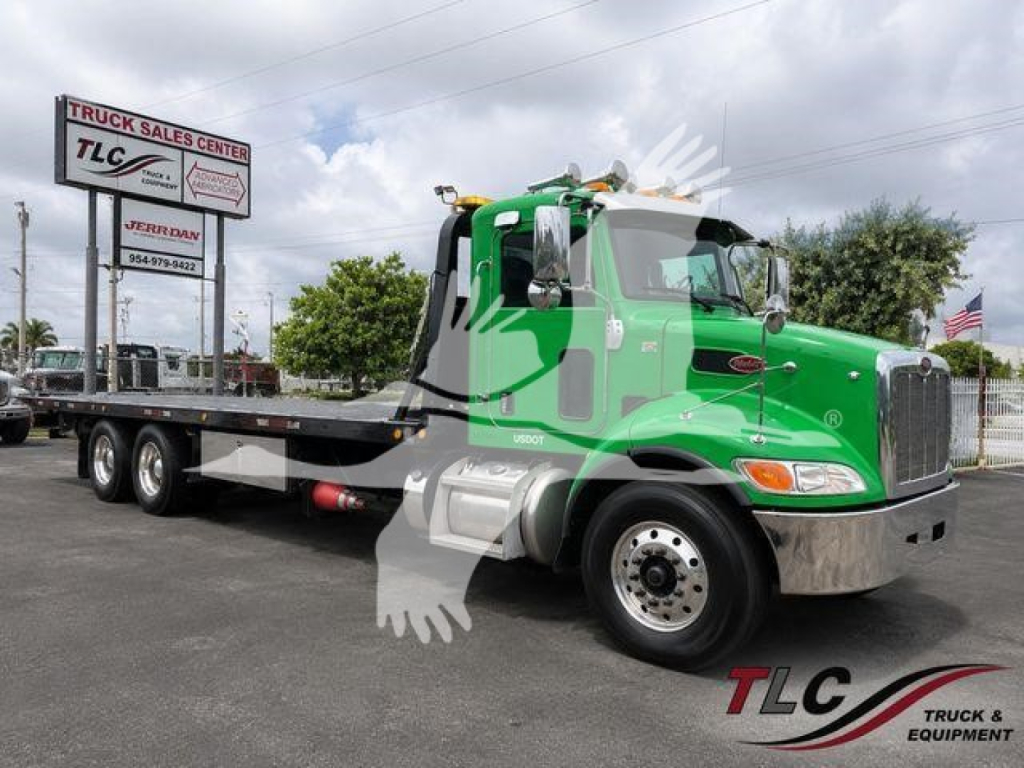
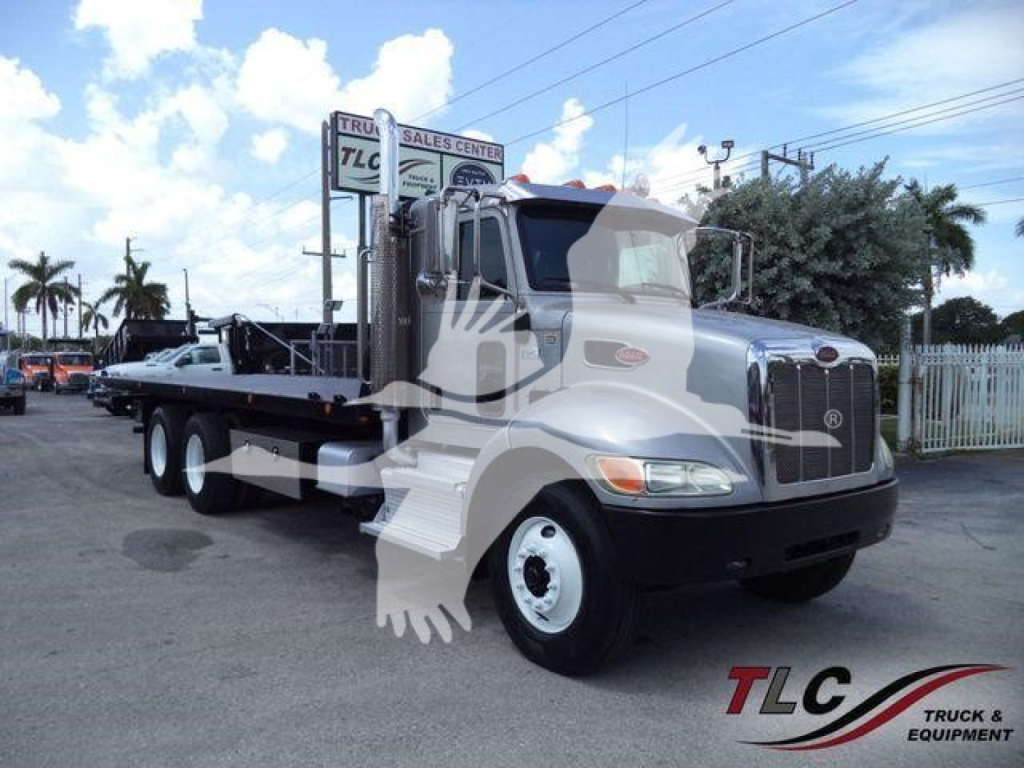
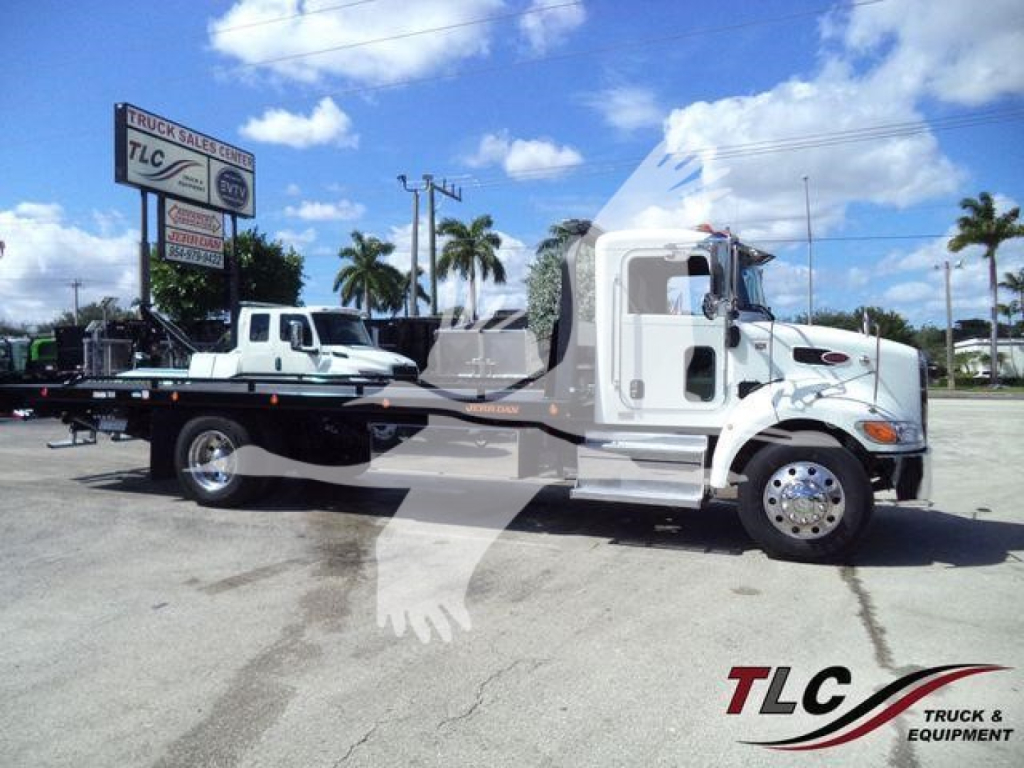
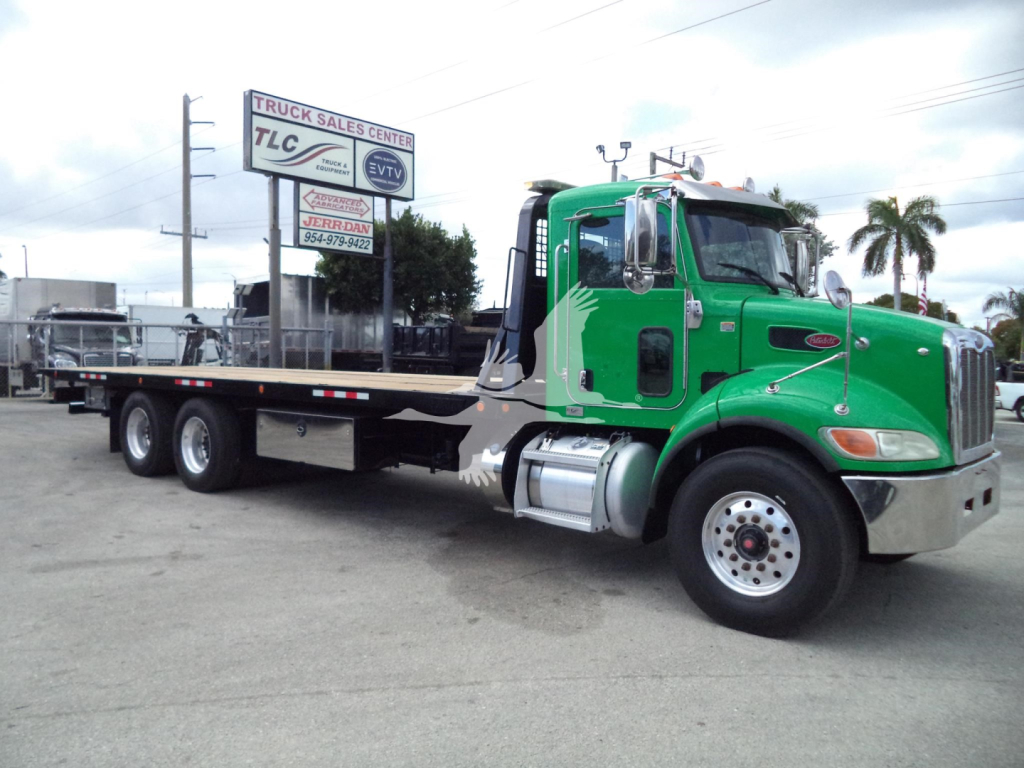
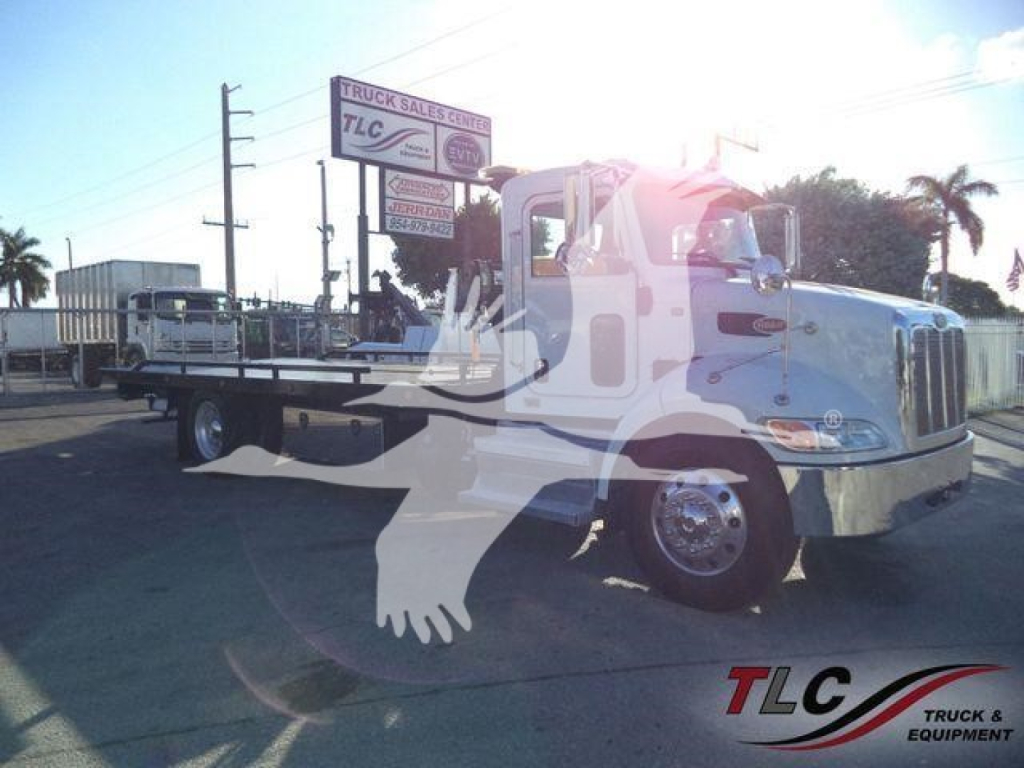
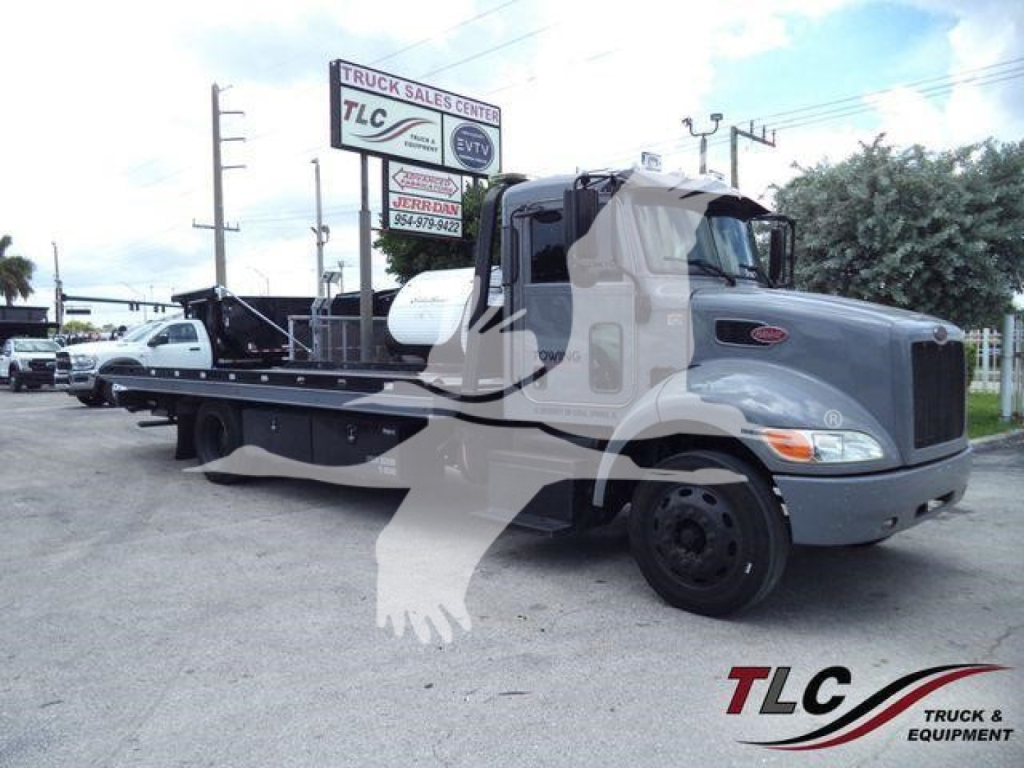
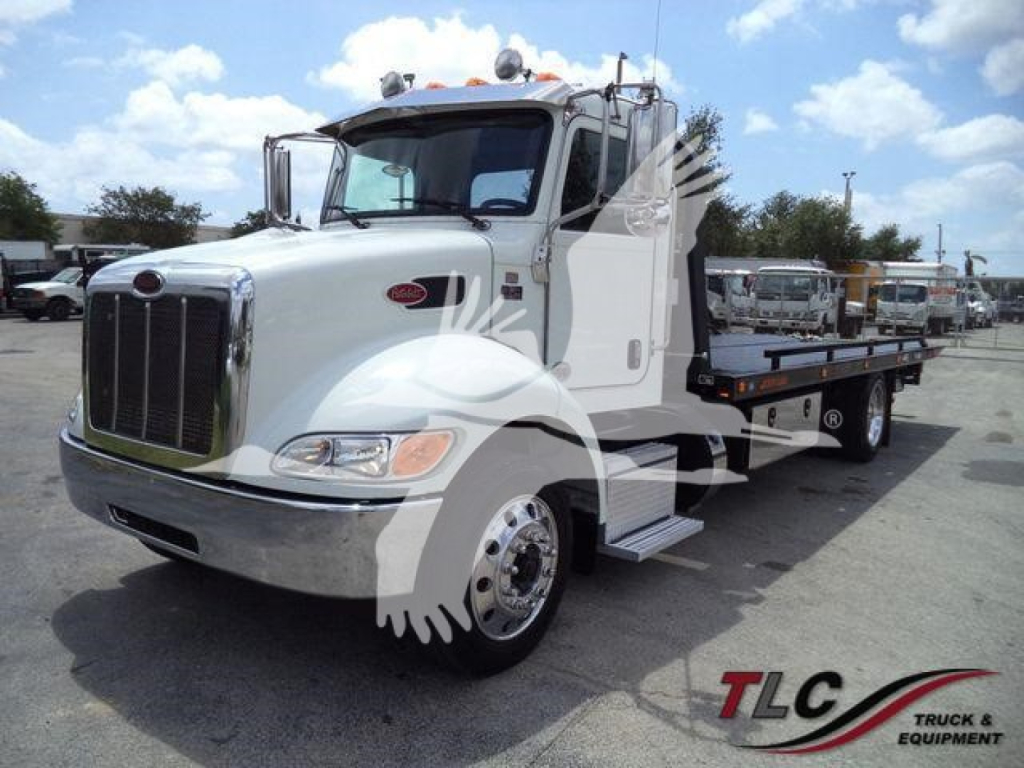
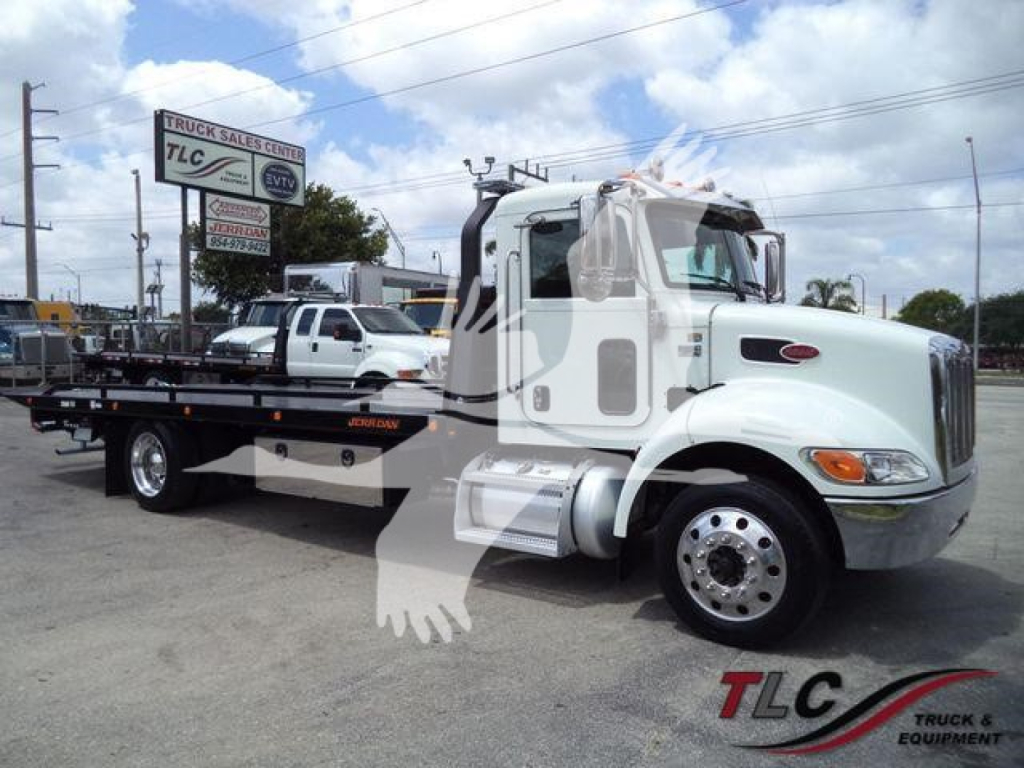
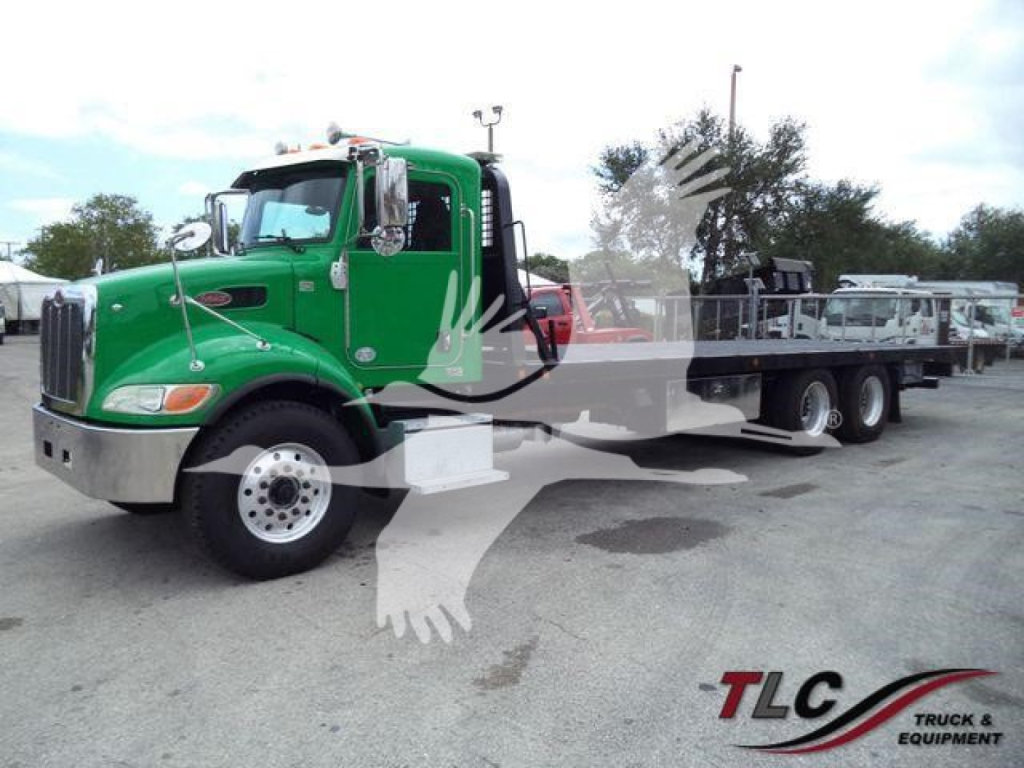
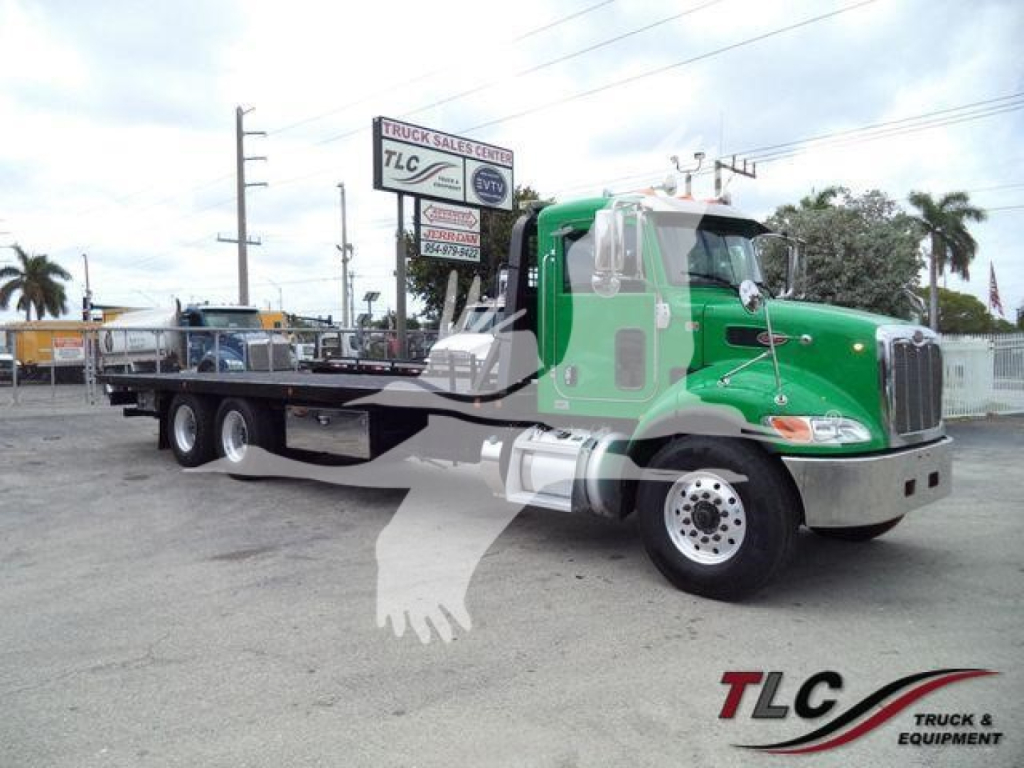
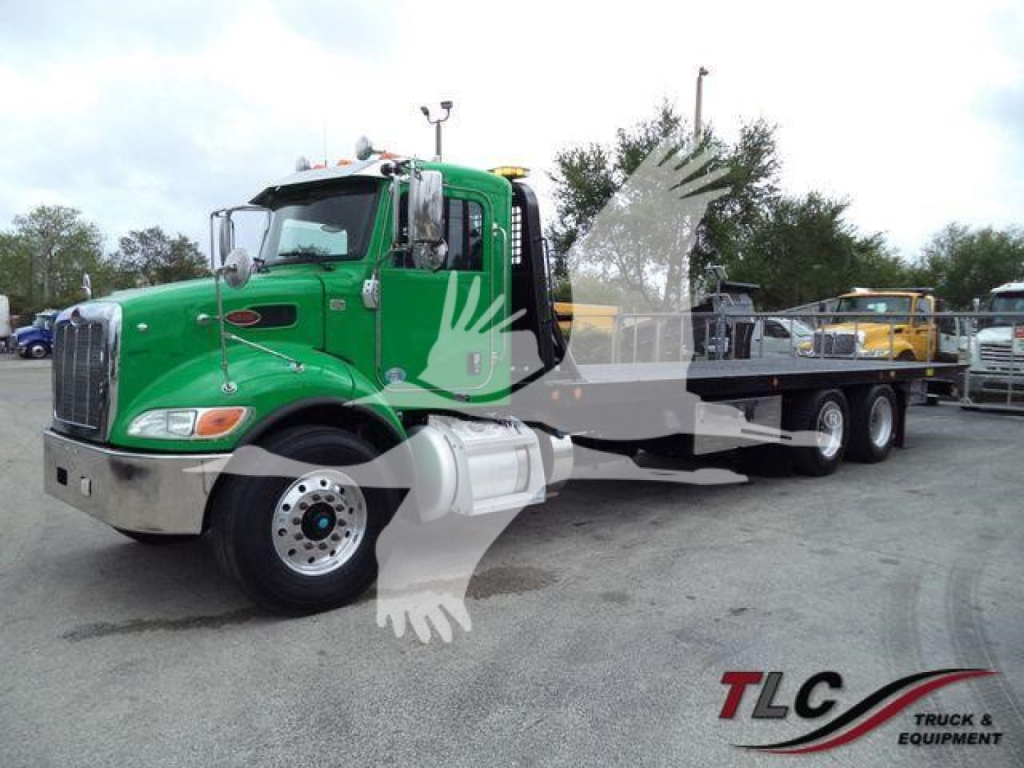
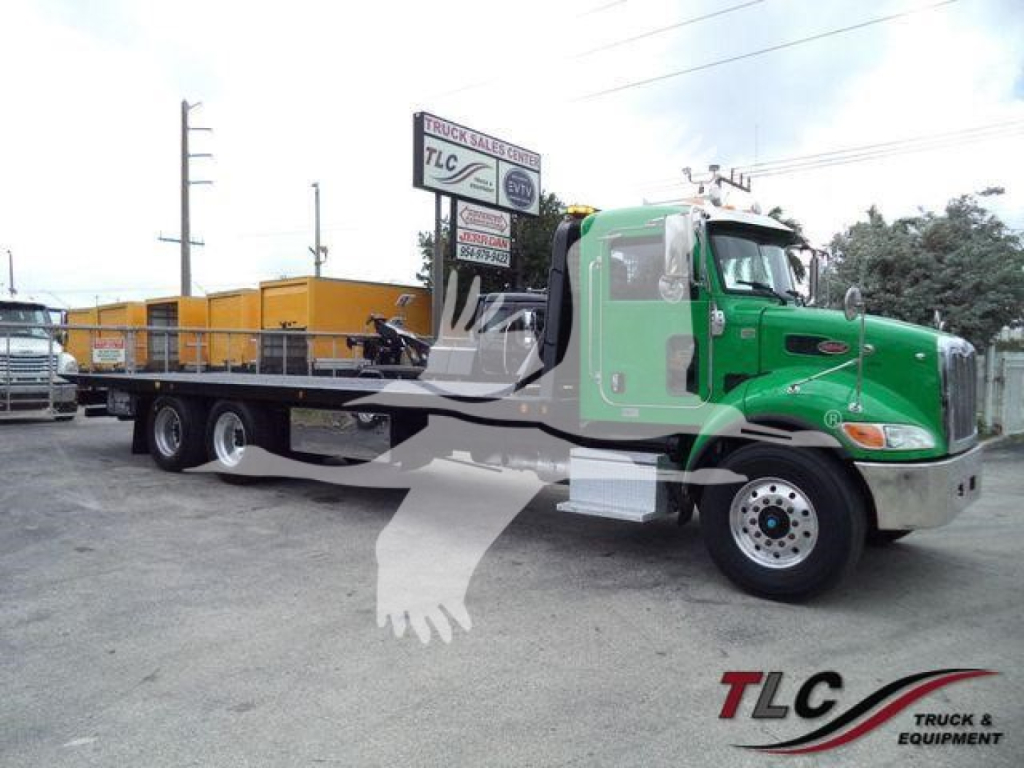
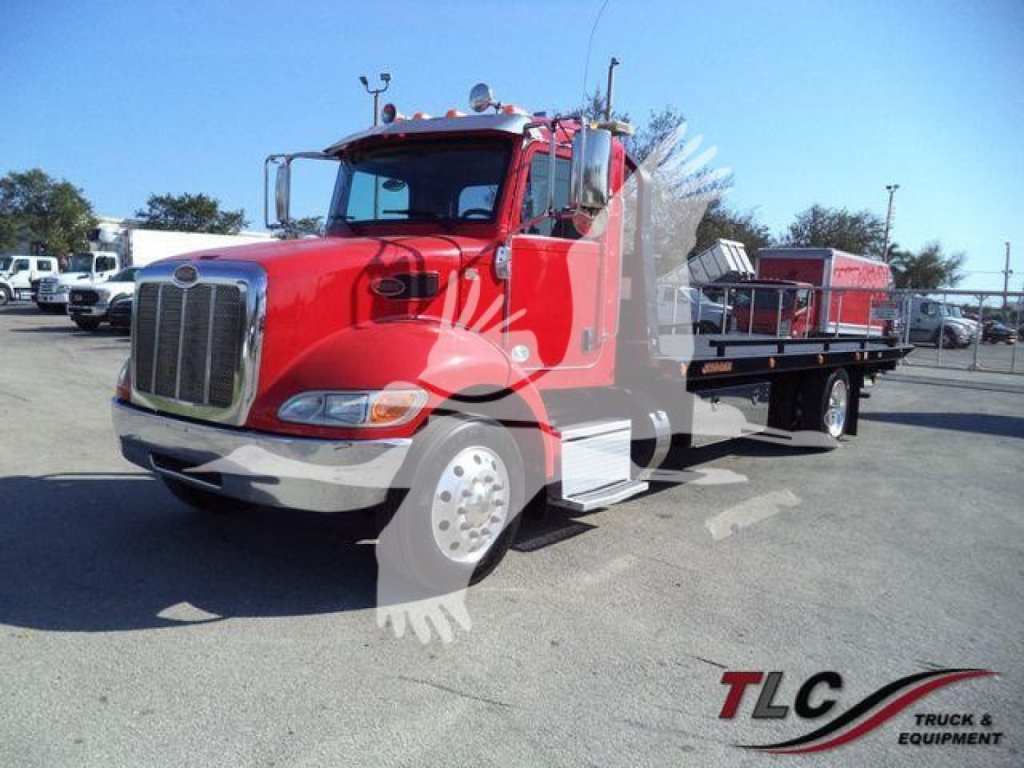
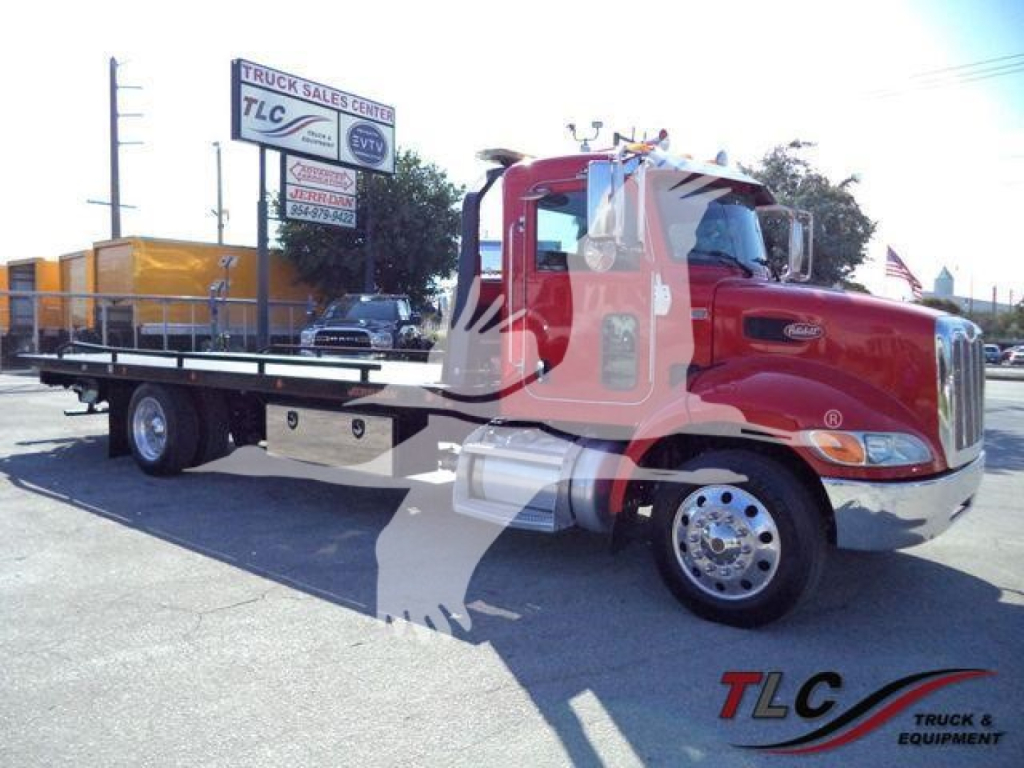
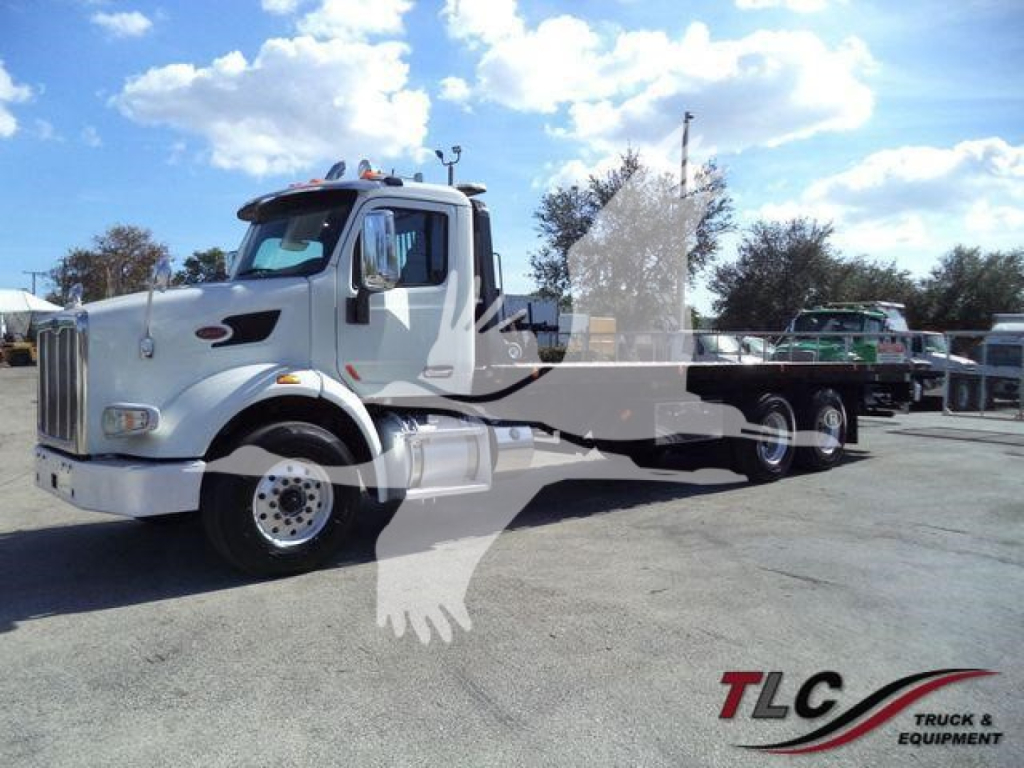
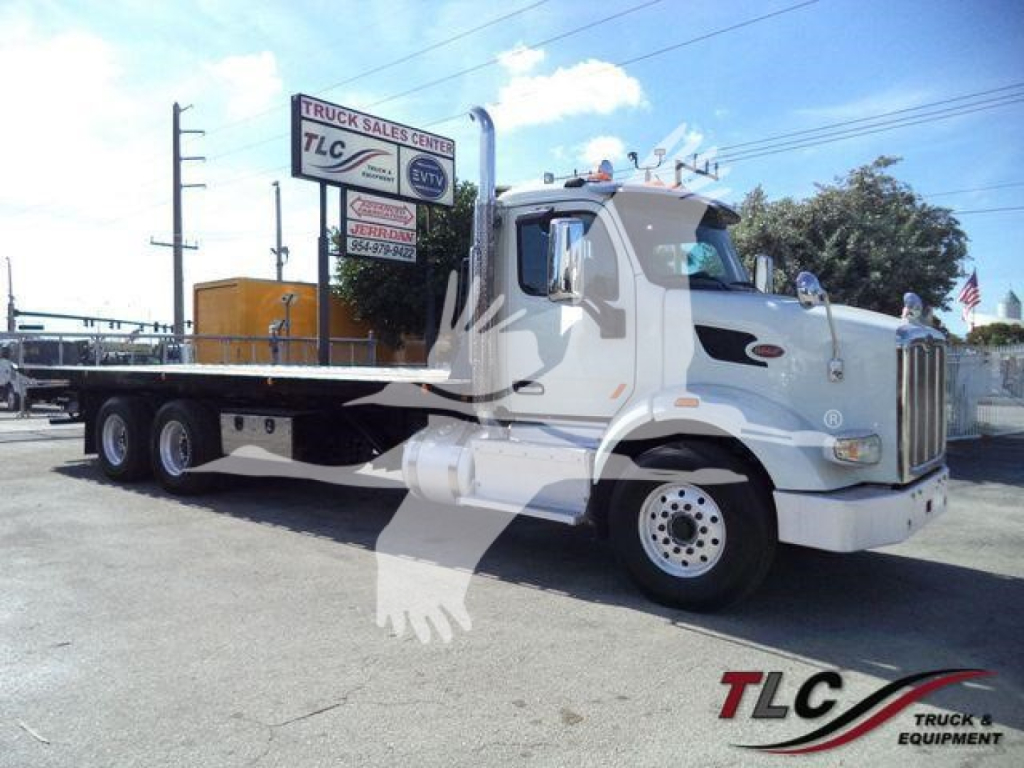
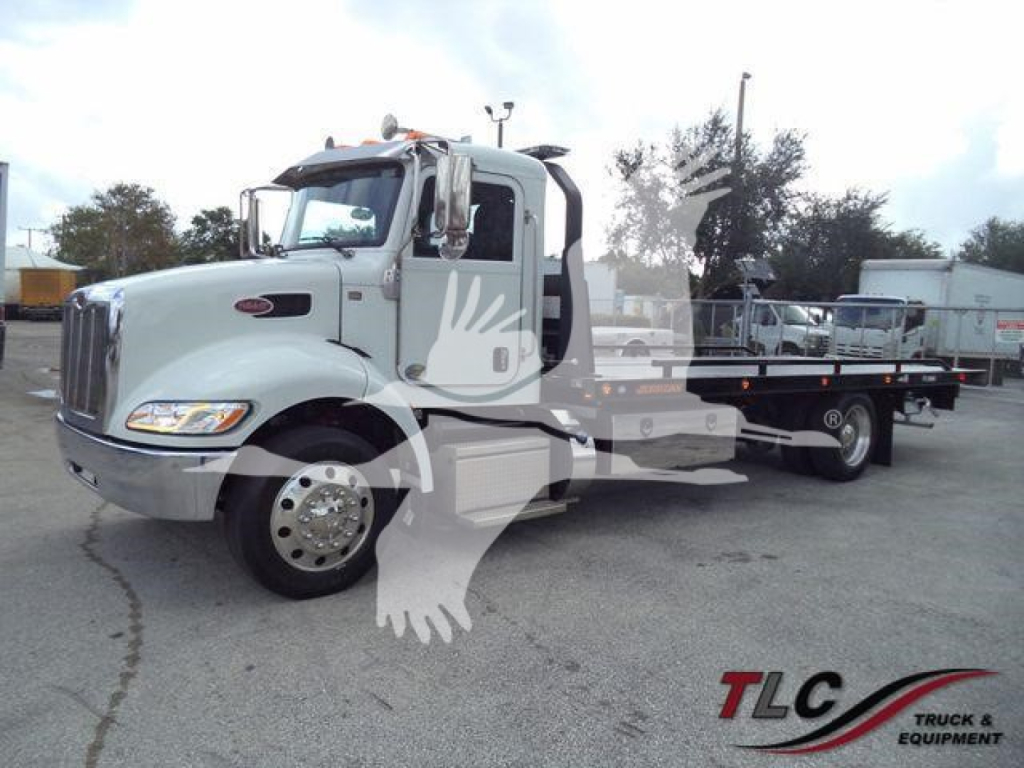
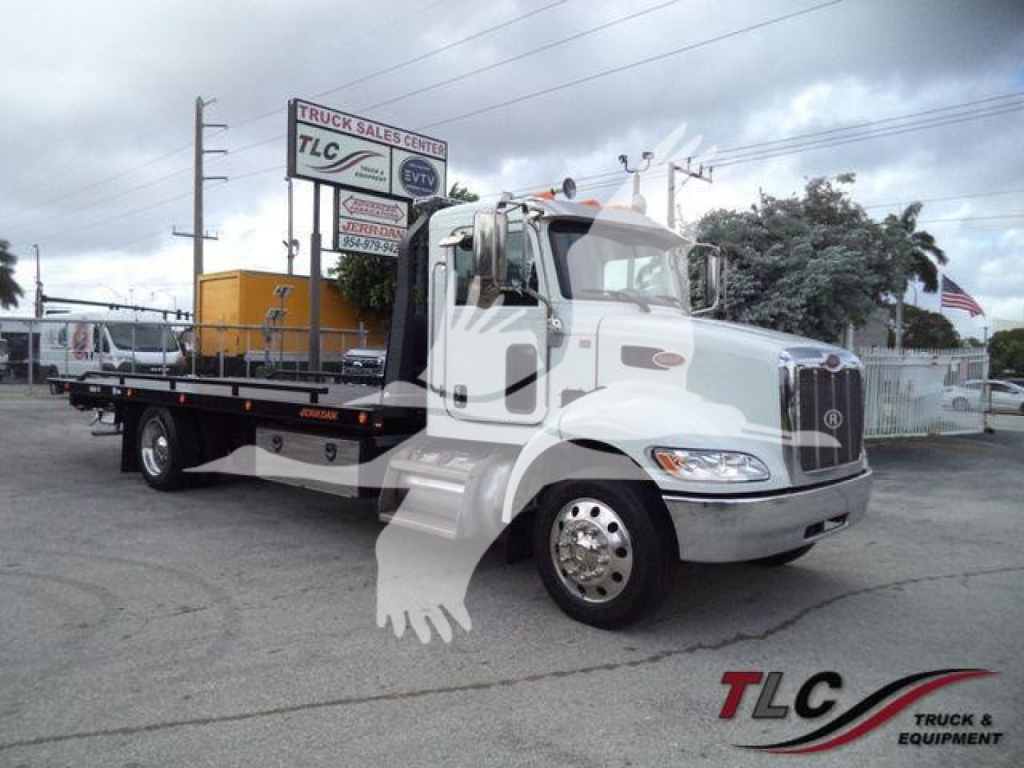
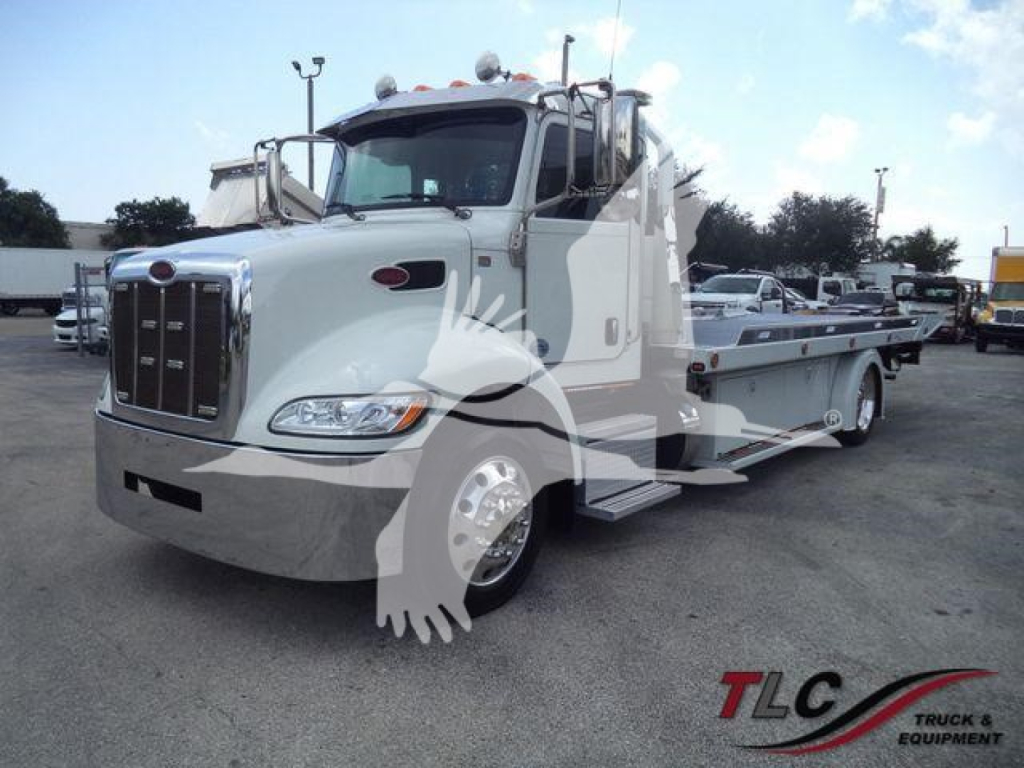
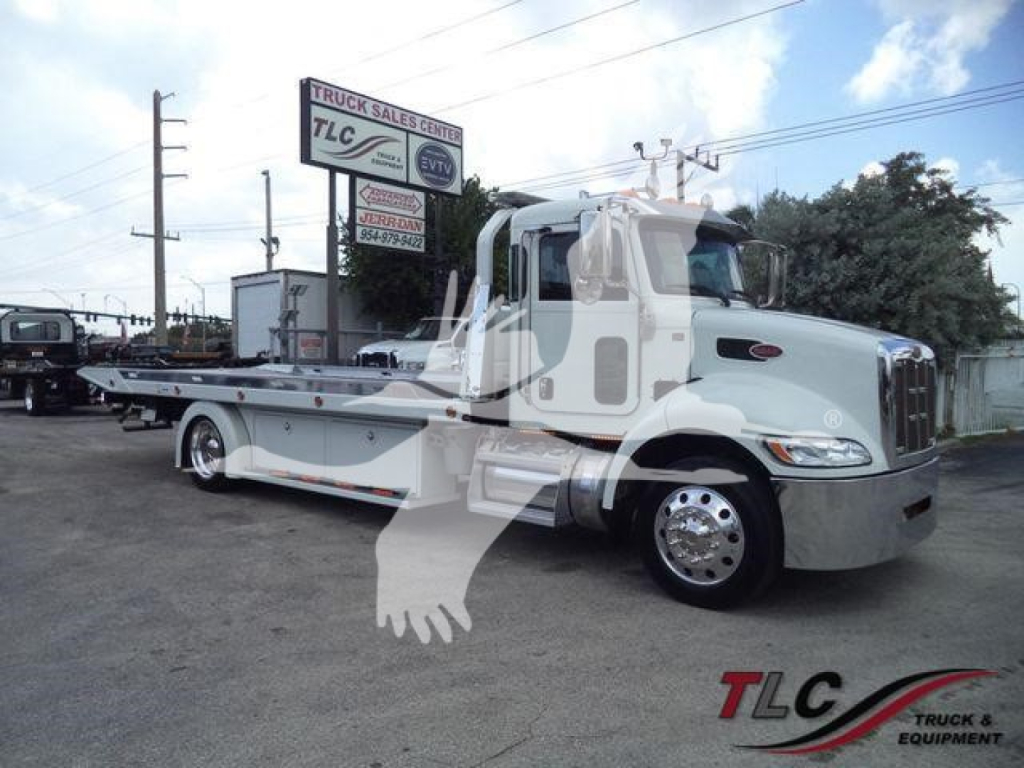
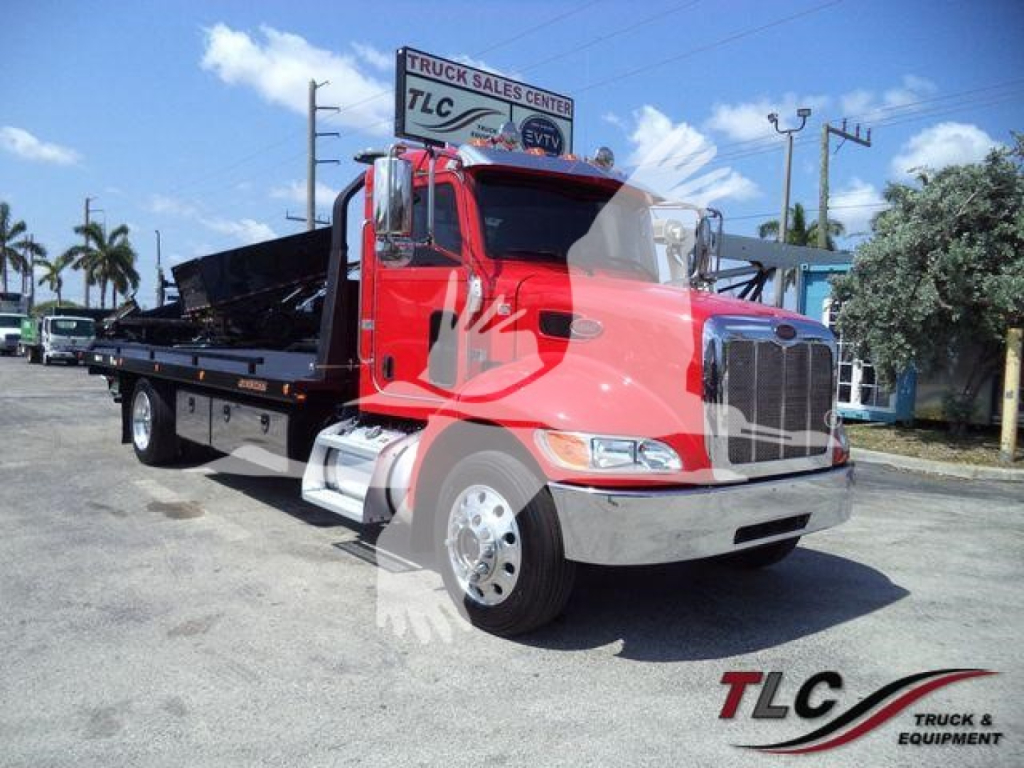
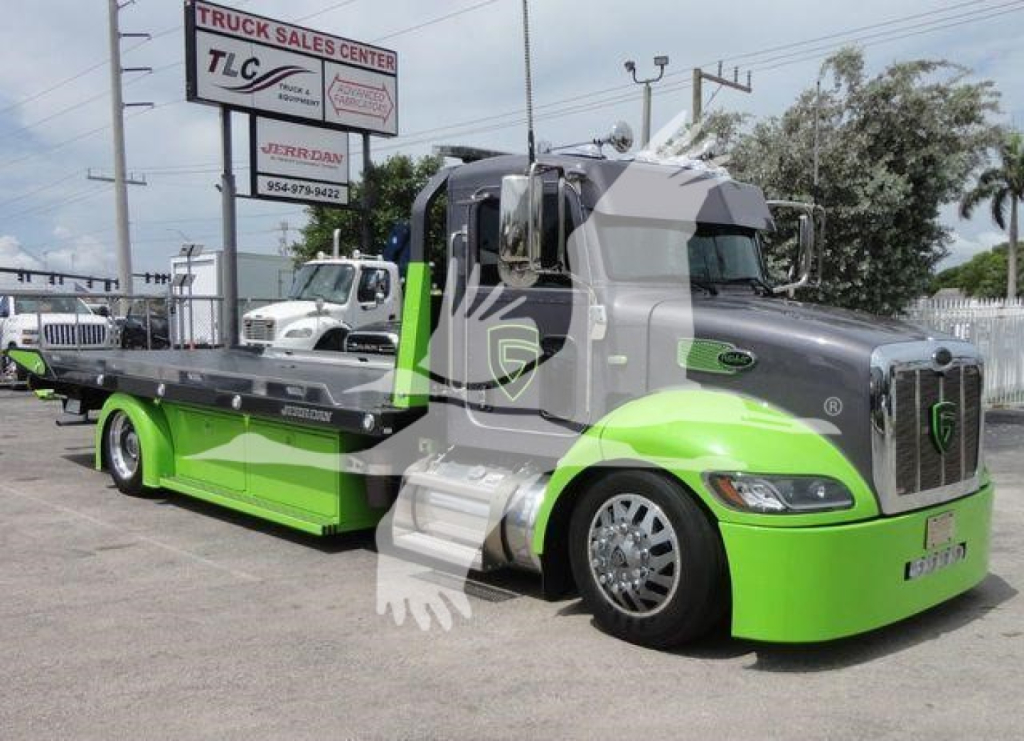
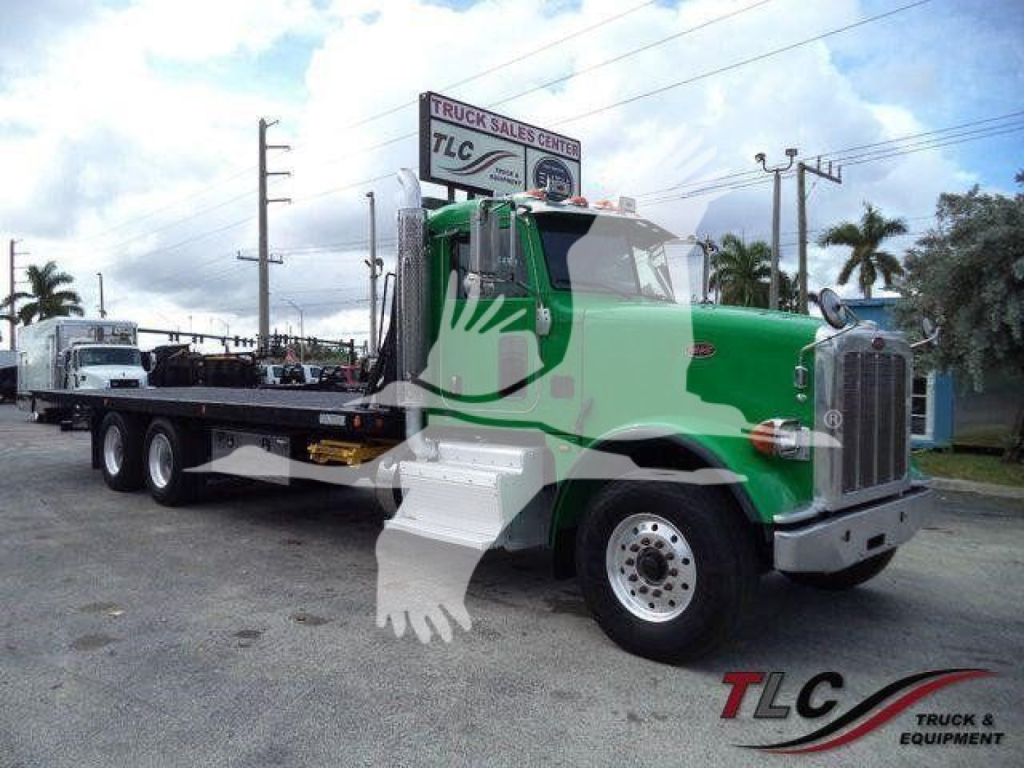
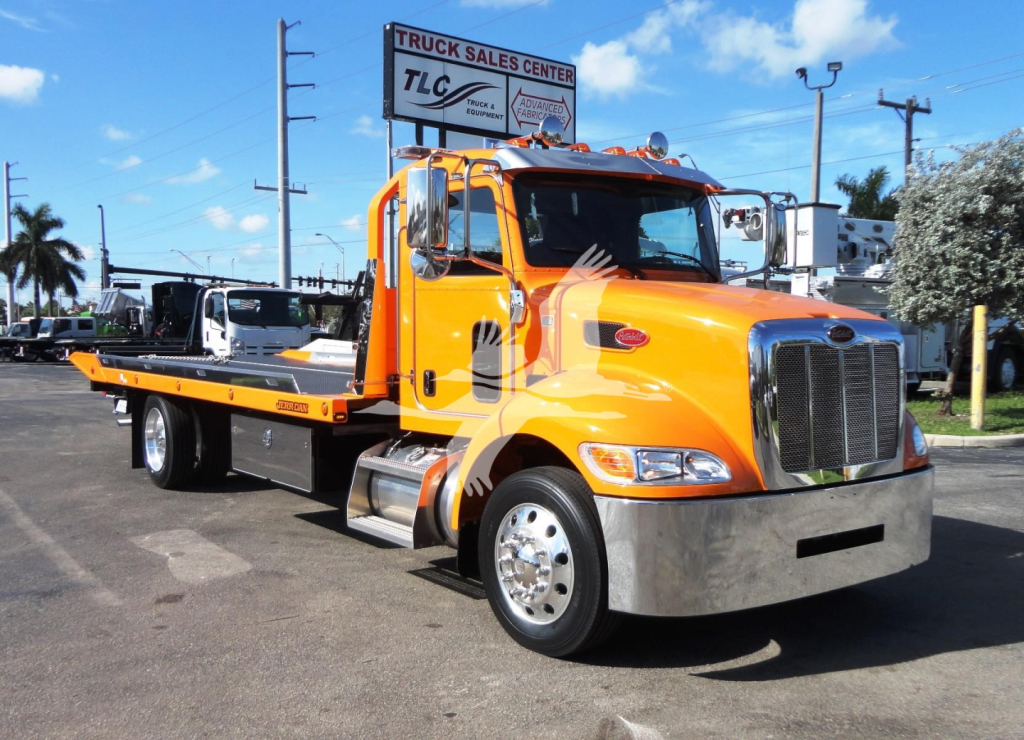
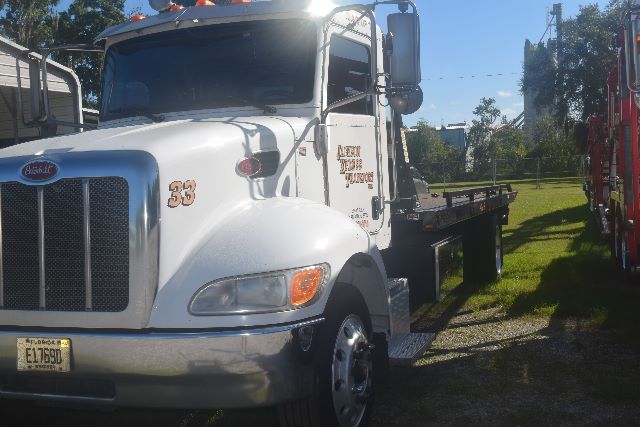
Selling a used peterbilt rollback truck? List your used peterbilt rollback truck for sale and reach thousands of commercial buyers.
Used Peterbilt Rollback Trucks in Florida
The first buying decision is usually chassis rating and carrier setup. Many used Peterbilt rollbacks are spec'd around a 26,000 lb GVWR to avoid CDL requirements in some applications, but actual legal operation still depends on total truck weight, load, and local regulations. Common deck lengths run about 20 to 22 feet, with steel and aluminum bodies both represented. Steel decks are durable and familiar in hard towing service, while aluminum carriers can reduce empty weight and improve payload margin. Buyers should compare bed width, deck floor condition, rail design, tie-down points, headboard construction, and the condition of the slide cylinder, subframe, and rear pivot areas. Wheel-lift capacity is another key spec, especially for dual-purpose towing and recovery work.
Winch and hydraulic performance matter more than appearance. On a used rollback, look closely at winch rating, cable or synthetic line condition, remote operation, free spool function, PTO engagement, and cycle speed under load. A medium-duty Peterbilt rollback may carry an 8,000 lb to 12,000 lb winch, with wheel-lifts commonly around 3,000 lb to 4,000 lb on standard-duty setups, though actual ratings vary by body model. Transmission choice is often an Allison automatic for stop-and-go towing routes, and engines in this class are typically chosen for reliability and serviceability over high horsepower. Check for air brake versus hydraulic brake configuration, rear axle ratio, suspension type, tire date codes, and signs of frame corrosion or bed repairs, especially around crossmembers, outriggers, and recovery stress points.
Florida buyers should also pay attention to cooling performance, A/C condition, rust from coastal exposure, and the truck's working profile. A rollback that spends its life on short urban calls has different wear than one handling dealer transfers up and down I-75. Cab condition, seat wear, visibility, lighting, toolbox layout, and control placement all affect daily productivity. A well-spec'd used Peterbilt rollback can serve owner-operators, towing companies, body shops, salvage operations, and fleet accounts that need a carrier with professional road presence and practical towing capability.
Frequently Asked Questions about Used Peterbilt Rollback Trucks in Florida
What should I look for first on a used Peterbilt rollback truck?
Start with the carrier body and hydraulic system, not just the cab and paint. Inspect the deck floor, rails, slide mechanism, pivot points, wheel-lift, PTO operation, and winch condition. Then verify chassis specs such as GVWR, brake type, transmission, suspension, and axle ratings. On a rollback, structural condition and hydraulic performance usually tell you more about remaining service life than appearance alone.
What deck length is common on a Peterbilt rollback?
Most medium-duty Peterbilt rollback trucks are equipped with carriers in the 20-foot to 22-foot range. That size works well for standard passenger vehicles, light trucks, and many commercial fleet moves. The right length depends on your mix of vehicles, local towing work, wheelbase, and how much usable deck space remains once the headboard and wheel-lift are factored in.
Is a 26,000 lb GVWR Peterbilt rollback a good choice?
A 26,000 lb GVWR setup is popular because it can fit many light- and medium-duty towing applications while helping some operators avoid CDL requirements in certain situations. It is still important to confirm legal operating requirements based on the truck's actual use, loaded weight, and state or local rules. From a practical standpoint, a 26K chassis often balances maneuverability, payload, and body options well for general vehicle transport.
Are Peterbilt rollback trucks used only for towing?
No. A rollback is used for more than repossessions and disabled vehicle recovery. Many operators use them for dealer transfers, auction transport, body shop delivery, equipment hauling, fleet relocation, and moving low-clearance vehicles that should not be towed conventionally. That broader use is why deck condition, tie-down layout, and loading angle are just as important as wheel-lift specs for many buyers.
What matters most for a used rollback in Florida?
Heat, humidity, and coastal exposure should be part of the inspection. Check A/C performance, cooling system condition, electrical connections, bed wiring, corrosion at the carrier structure, and rust on frame components, fasteners, and toolboxes. Also consider the truck's route history. A rollback used in salt-air coastal service or frequent stop-and-go urban towing may show different wear patterns than one used primarily for inland transport work.