
Used 2016 Peterbilt Rollback Trucks For Sale in Florida
Shop used 2016 Peterbilt rollback trucks in Florida. Compare 337 and 348 specs, bed sizes, winch capacity, GVWR, and towing setup.
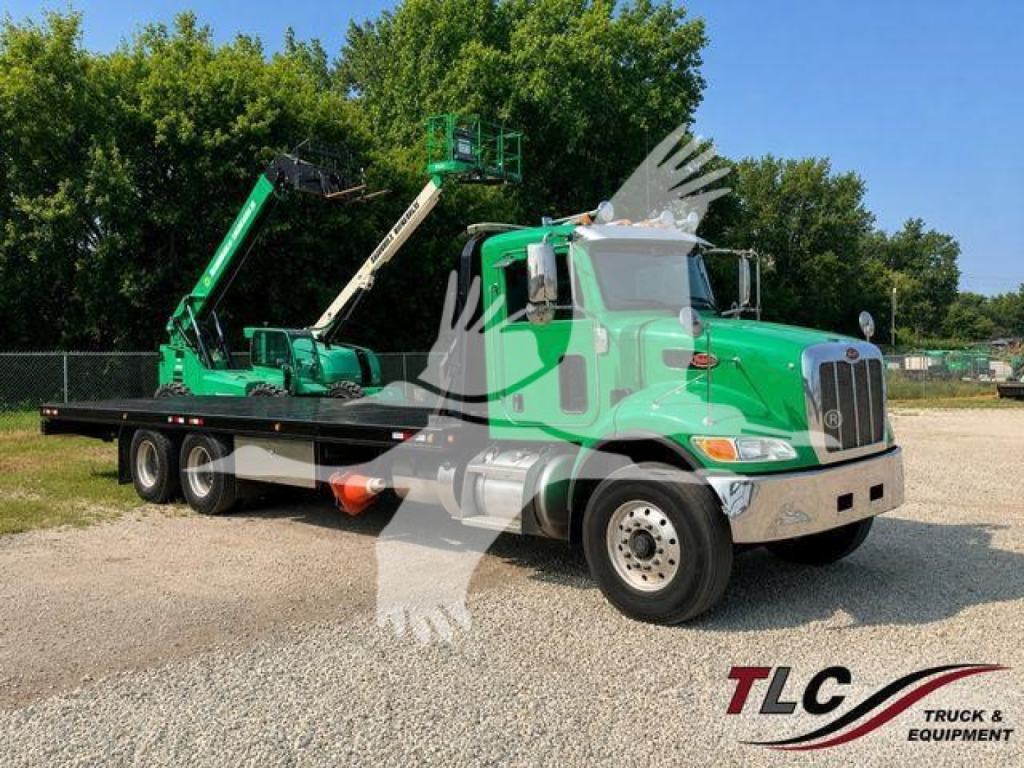
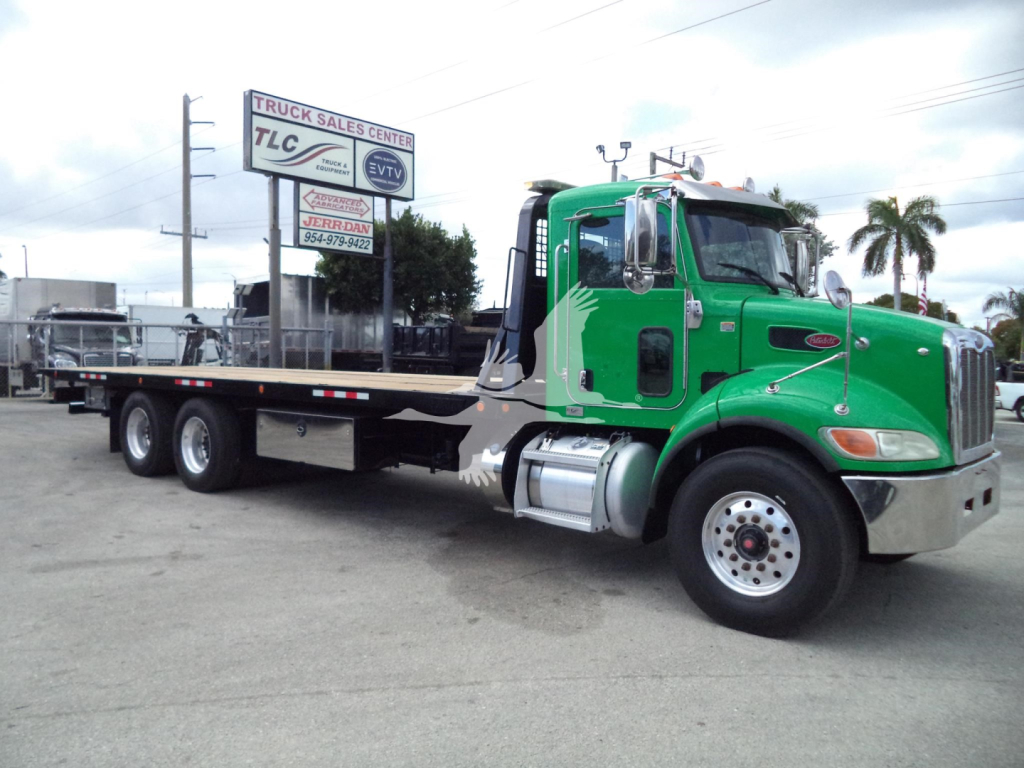
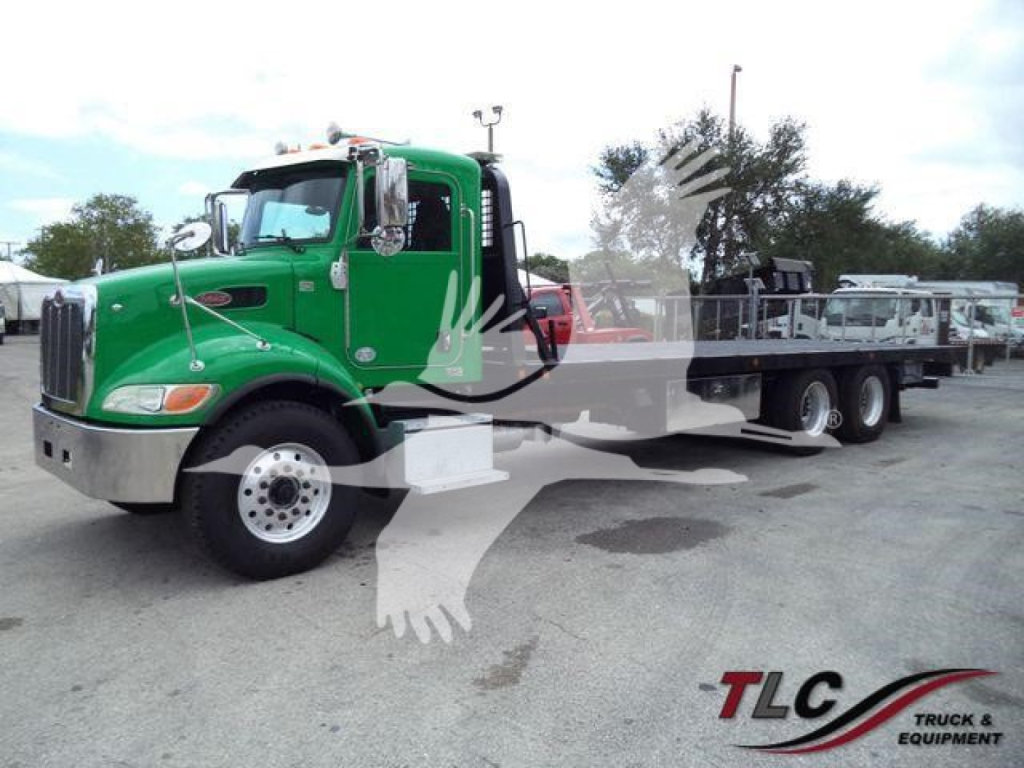
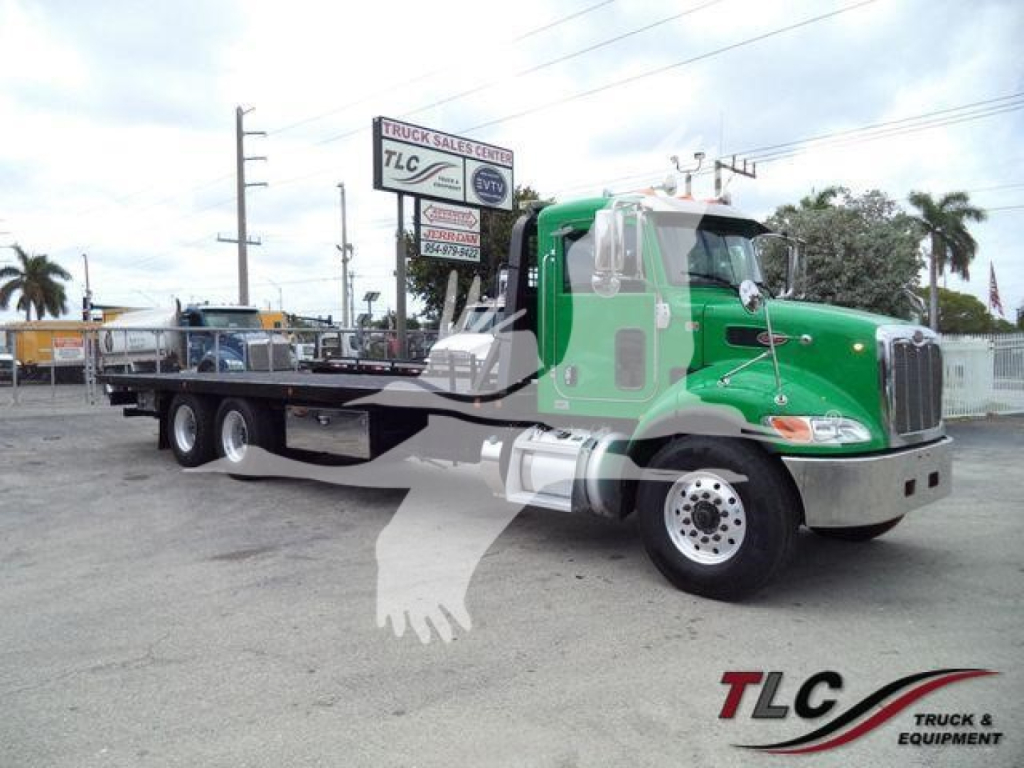
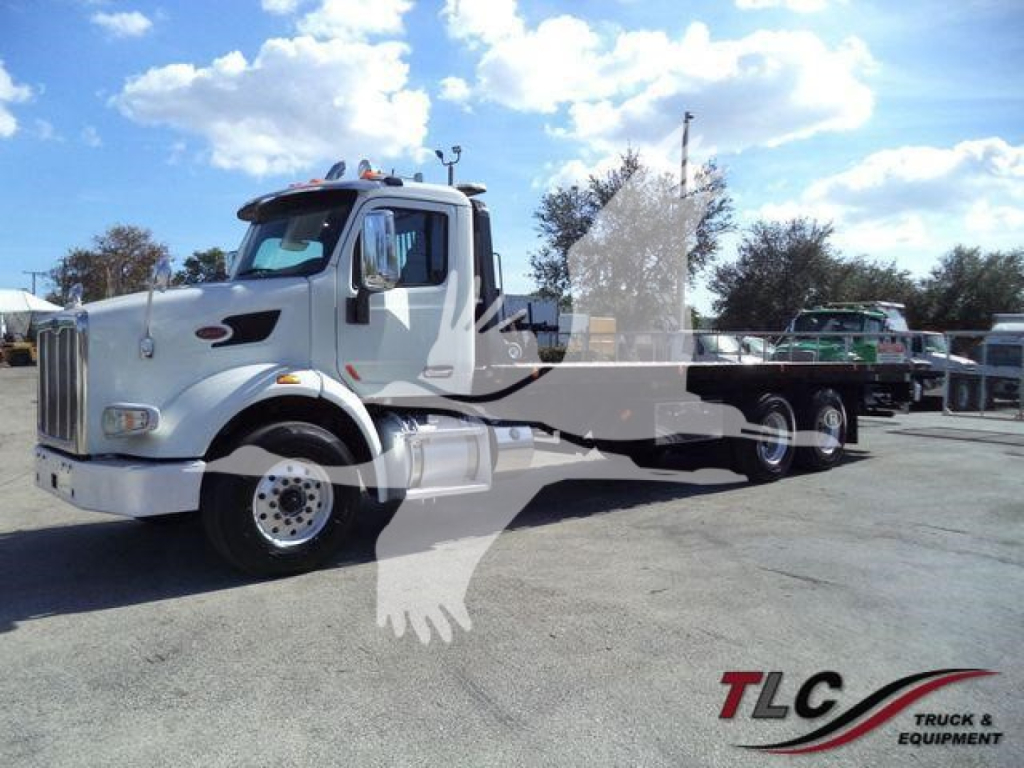
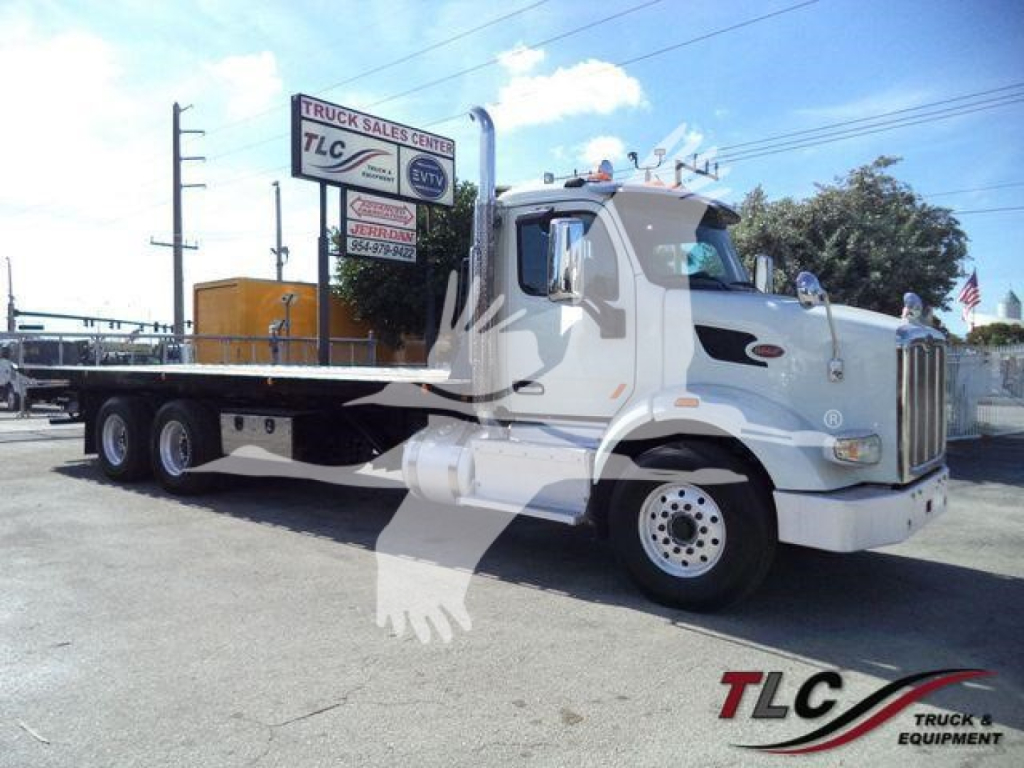
Selling a used 2016 peterbilt rollback truck? List your used 2016 peterbilt rollback truck for sale and reach thousands of commercial buyers.
Used 2016 Peterbilt Rollback Trucks in Florida
Frequently Asked Questions about Used 2016 Peterbilt Rollback Trucks in Florida
What should I look for first on a used 2016 Peterbilt rollback truck?
Start with the chassis and body combination, not just the cab. Confirm the GVWR, axle ratings, wheelbase, bed length, winch rating, and wheel-lift capacity match the work you plan to do. On a 2016 Peterbilt rollback, many buyers will compare a medium-duty 337 against a heavier 348. The 337 is commonly spec'd for 21-foot to 22-foot carriers and local towing, while the 348 is more likely to carry a 28-foot bed, heavier front and rear axles, and a double-frame setup for tougher recovery applications.
Which engine and transmission setups are common on 2016 Peterbilt rollback trucks?
Common powertrains include the Paccar PX-7 or PX-9 and Cummins diesel engines, usually paired with an Allison automatic in towing applications. Automatic transmissions are popular because they simplify loading, backing, and stop-and-go urban work. A PX-7 or similar medium-duty engine is typically enough for standard passenger vehicle transport, while a PX-9 or larger engine with a heavier transmission makes more sense on higher-GVWR rollback trucks carrying longer beds and larger loads.
How important are bed length and deck design on a rollback?
Bed length affects the type of vehicles you can carry, your loading angle, and how versatile the truck will be in real service. A 21-foot or 22-foot steel carrier is common for routine towing and transport, especially with low-profile or extra-low-profile deck designs that help with lower-clearance vehicles. A 28-foot rollback body is more specialized and usually tied to a heavier chassis. Buyers should also check deck width, raised rails or removable rails, headboard design, and the condition of the subframe, slide rails, hydraulic cylinders, and deck floor.
What towing and recovery components matter most on a used rollback?
The winch, wheel lift, PTO, and hydraulic system deserve close attention because they directly affect uptime. An 8,000 lb winch is common on lighter carriers, while heavier rollback trucks may use a 20,000 lb winch. Verify the wheel-lift rating, inspect the wire rope or synthetic line, check for smooth PTO engagement, and look for leaks or slow function in the hydraulic controls. Toolboxes, work lights, remote controls, and tie-down equipment also add value, but the core buying decision should center on the carrier structure and hydraulic performance.
Are used 2016 Peterbilt rollback trucks in Florida any different to shop for?
Florida buyers often prioritize corrosion condition, cooling system health, and strong A/C performance because of heat, humidity, and coastal exposure. It is worth checking the bed, crossmembers, wheel-lift assembly, and electrical connectors for rust or salt-related deterioration, especially on trucks that worked near the coast. Regional use also matters. A rollback that spent its life on local auto club calls may show different wear than a truck used for commercial recovery, repossession, or equipment moves across the state.