
Used 2016 Peterbilt Rollback Trucks For Sale
Shop used 2016 Peterbilt rollback trucks, including 348 and 567 models with 22- to 28-foot beds, winches, wheel lifts, and heavy GVWR specs.
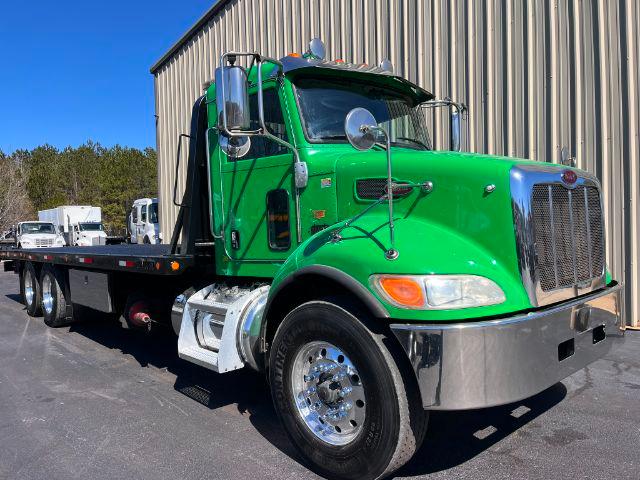
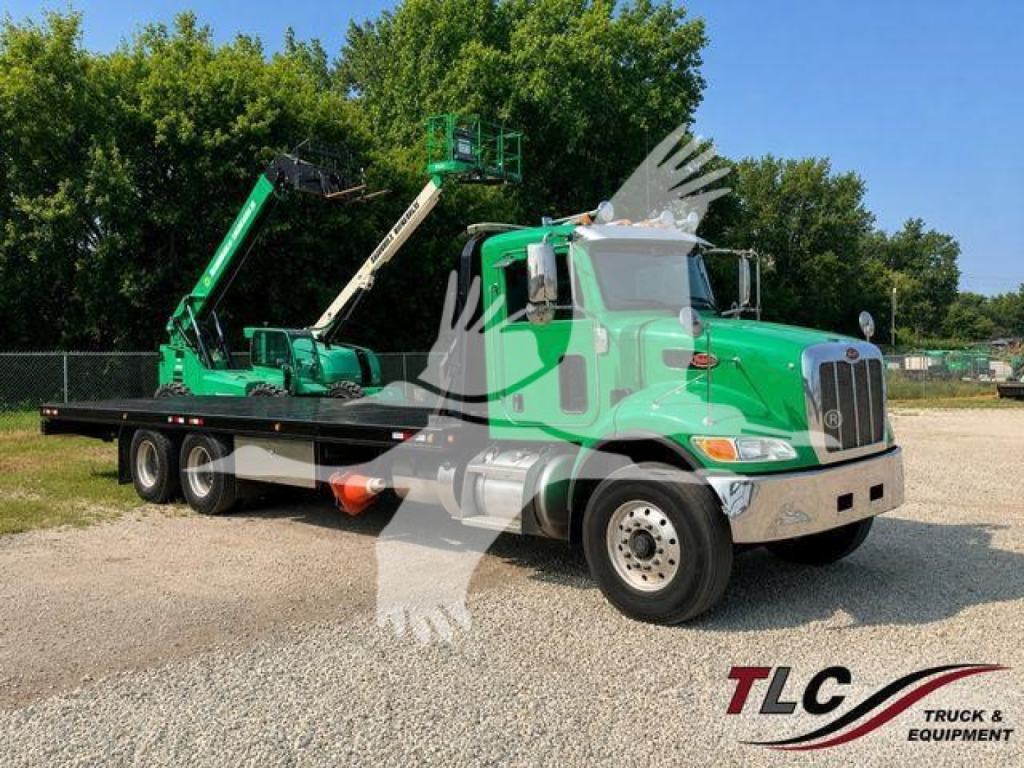
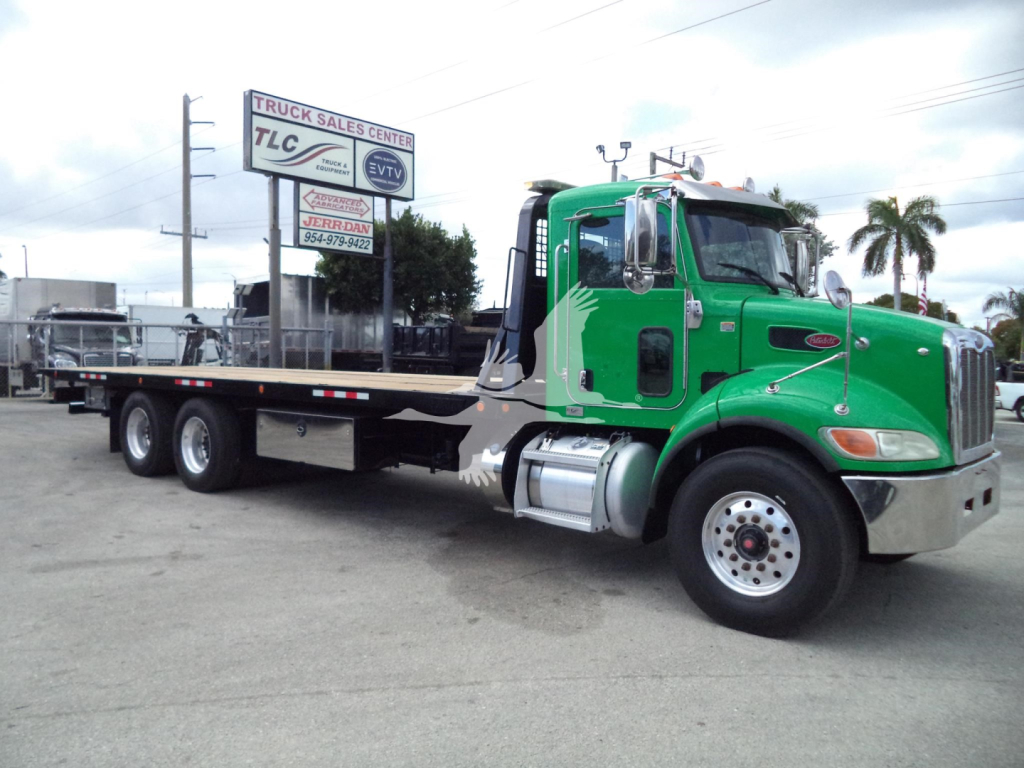
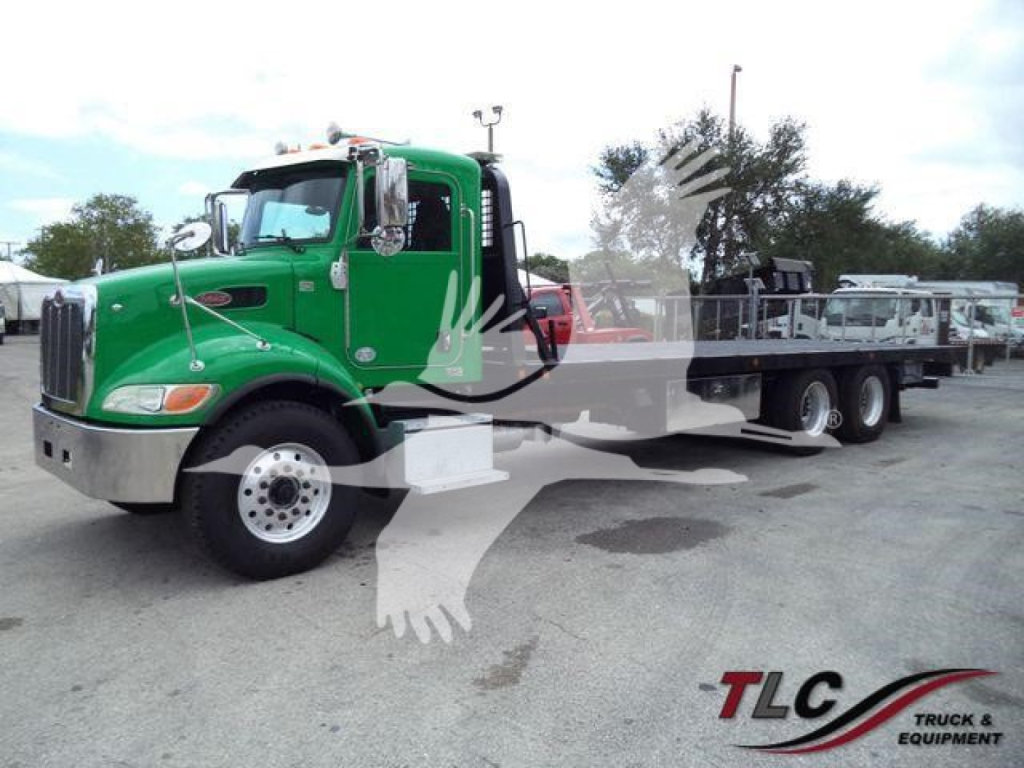
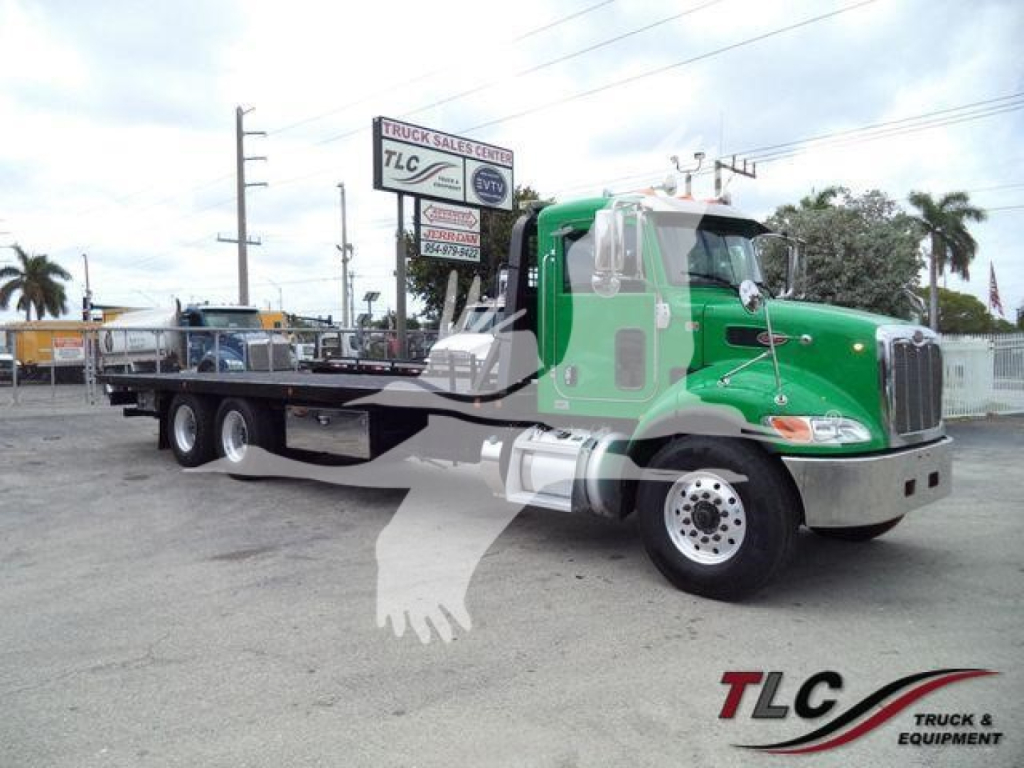
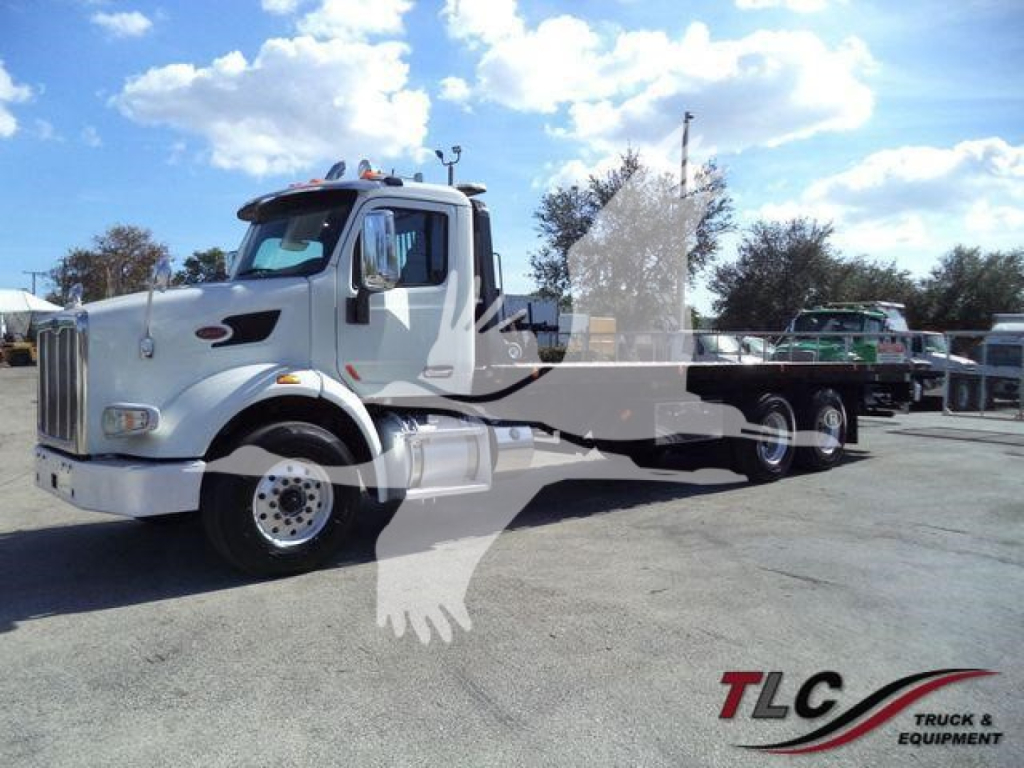
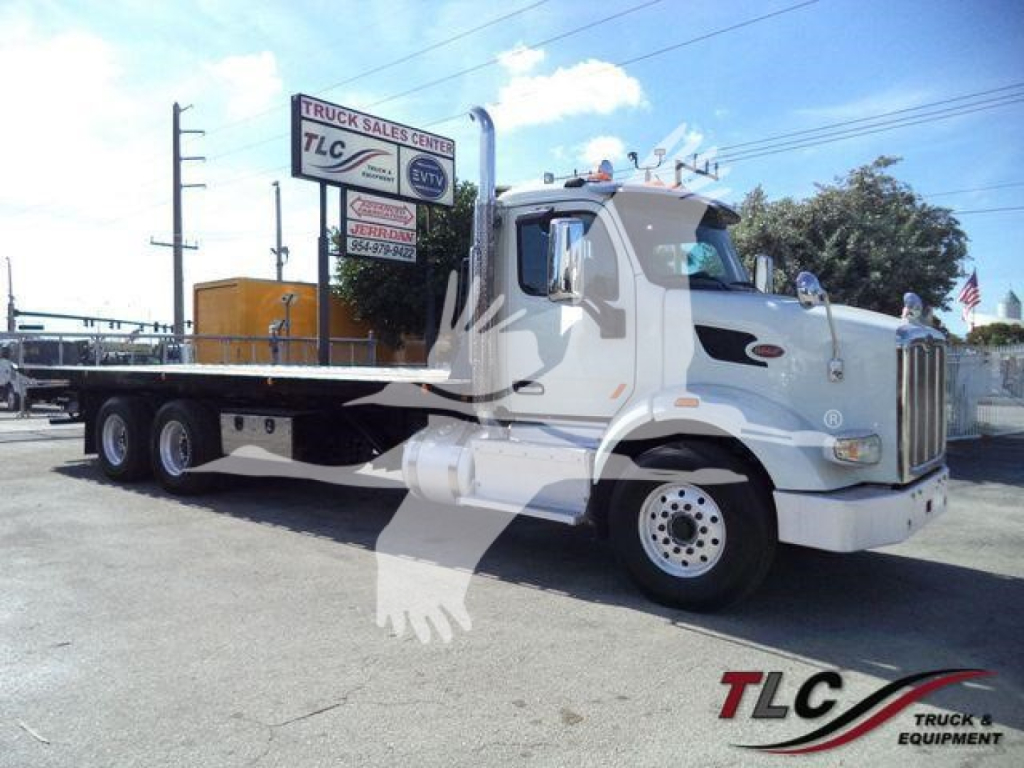
Selling a used 2016 peterbilt rollback truck? List your used 2016 peterbilt rollback truck for sale and reach thousands of commercial buyers.
Used 2016 Peterbilt Rollback Trucks
The biggest buying decisions usually start with chassis and bed capacity. Many 2016 Peterbilt rollback trucks were built with 22-foot to 28-foot beds, often 100 to 102 inches wide, with bed ratings ranging from light-duty carrier service up to 30,000-pound equipment hauling applications. On heavier builds, it is common to see 60,000-pound GVWR, 20,000-pound front axles, 40,000-pound rears, double frame rails, dual steering boxes, and air ride suspension. Buyers hauling construction equipment, forklifts, or medium-duty trucks should pay close attention to bed rating, wheelbase, axle spacing, winch capacity, and whether the truck has a hydraulic wheel lift. A long bed and high-capacity winch add versatility, but they also affect maneuverability, tare weight, and bridge compliance.
Powertrain choice matters on a rollback because the truck spends so much time starting, stopping, idling, and running PTO-driven hydraulics. In 2016 Peterbilt rollbacks, common engines include the Paccar PX-9 and Cummins ISX12, typically paired with Allison automatic transmissions or, in some heavier applications, Eaton Fuller manuals. Allison automatics are popular for tow and recovery work because they simplify urban driving and backing under load. Engine brake, PTO setup, rear axle ratio, and suspension spec all influence how well the truck performs with a full deck, a vehicle in the wheel lift, or both. Since 2016 trucks use DEF-based emissions systems, buyers should review maintenance history closely, especially for units with high engine hours, frequent idle time, or severe-duty service records.
Body brand and recovery equipment deserve the same scrutiny as the chassis. Many 2016 Peterbilt rollback trucks carry Century or Jerr-Dan bodies with Ramsey or Warn winches, steel decks, removable rails, toolboxes, pintle hitches, and light packages for commercial towing. Look at deck condition, cylinder leakage, crossmember corrosion, chain tie-down points, scuff areas, and the function of the wheel lift, bed slide, and winch free spool. If the truck will be used for towing rather than straight transport, check the underlift rating, hydraulic stability, and whether the setup matches local enforcement and permit requirements. A well-spec'd 2016 Peterbilt rollback can serve towing fleets, equipment rental companies, contractors, municipalities, and auction transport operators that need a dependable carrier with strong resale value and a professional appearance.
Frequently Asked Questions about Used 2016 Peterbilt Rollback Trucks
What are the most common 2016 Peterbilt rollback models?
The Peterbilt 348 is one of the most common 2016 rollback truck platforms because it balances medium and heavy-duty capability with a vocational chassis design that works well for carrier bodies. Some buyers also find 2016 Peterbilt 567 rollback trucks, which are typically heavier-spec units with larger engines, higher GVWR ratings, and more severe-duty chassis components for equipment hauling or heavy recovery support.
What bed length and capacity should I look for in a used 2016 Peterbilt rollback truck?
That depends on the vehicles or equipment you plan to move. Many 2016 Peterbilt rollback trucks are equipped with 22-foot to 28-foot beds and widths around 100 to 102 inches. Light-duty transport and standard vehicle recovery may fit well with shorter, lower-capacity decks, while equipment hauling often calls for a 28-foot bed, stronger subframe construction, and bed ratings up to 30,000 pounds. Buyers should match deck length, bed rating, and winch size to their actual load mix rather than shopping by GVWR alone.
Are Allison automatic transmissions better for rollback trucks?
For many rollback applications, Allison automatics are preferred because they handle frequent stop-and-go driving, backing, and PTO operation very well. They reduce driver fatigue in city recovery work and can improve consistency when loading vehicles onto the deck. Manual transmissions still appear in heavier units and may appeal to some operators for highway hauling or driver preference, but automatic-equipped rollback trucks are typically easier to put into daily fleet service.
What should I inspect on a used 2016 Peterbilt rollback body?
Focus on the working parts of the carrier as much as the cab and engine. Inspect the deck surface, bed rails, tie-down points, scuff liners if equipped, hydraulic cylinders, hoses, PTO engagement, winch operation, and wheel lift function. Check for cracked welds, bent crossmembers, corrosion around toolboxes and body mounts, and uneven deck wear that may indicate hard loading cycles. A rollback truck can have a sound chassis but still require costly body and hydraulic repairs if these systems were neglected.
Is a 2016 Peterbilt rollback suitable for equipment hauling as well as towing?
Many are, but only if the chassis and body were spec'd for that work. A heavy-spec 2016 Peterbilt rollback with a 28-foot deck, 30,000-pound bed rating, 20,000-pound front axle, 40,000-pound rears, double frame, and a large winch can be a strong fit for moving skid steers, mini excavators, forklifts, and similar equipment. Buyers should also verify ramp angle, deck height, tie-down layout, and local weight compliance, because a truck set up mainly for vehicle recovery may not be ideal for repeated equipment transport.