
Used Peterbilt Rollback Trucks For Sale in Georgia
Browse used Peterbilt rollback trucks in Georgia, including 348 models with 28-29 ft beds, winches, air ride, and 60,000 lb GVWR.
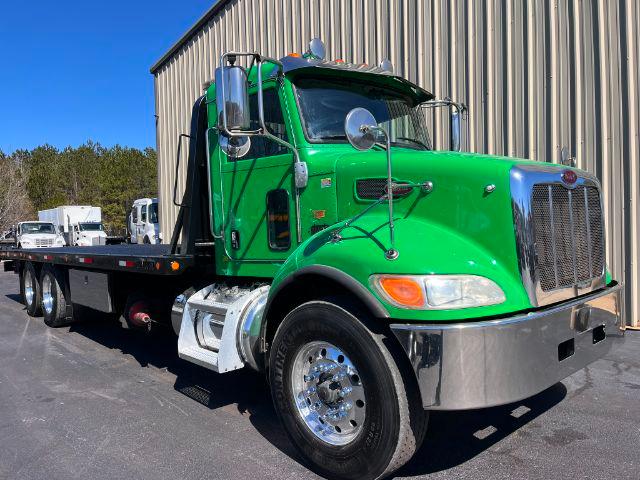
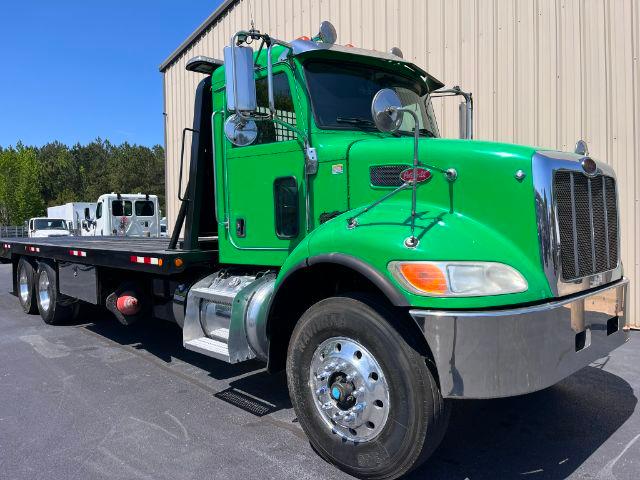
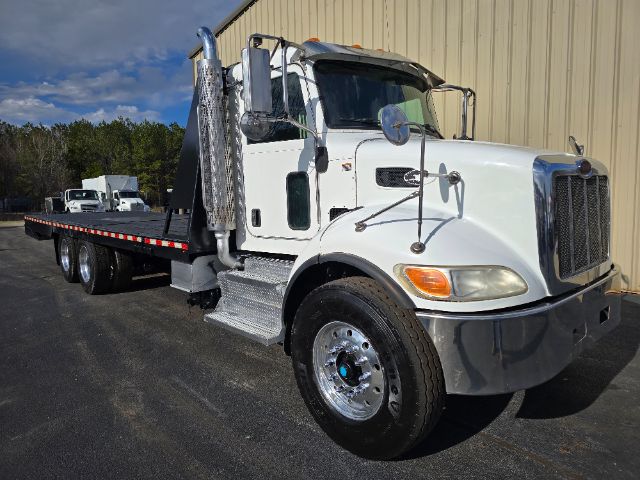
Selling a used peterbilt rollback truck? List your used peterbilt rollback truck for sale and reach thousands of commercial buyers.
Used Peterbilt Rollback Trucks in Georgia
A buyer should start with bed size, bed rating, and chassis capacity. Many used Peterbilt rollback trucks are equipped with 28 ft to 29 ft steel or aluminum rollback bodies, and 30,000 lb bed ratings are common in heavier equipment carrier applications. A 60,000 lb GVWR setup with 20,000 lb front axle and 40,000 lb rear axle is typical on tandem axle configurations designed for larger payloads and better stability. Wheelbase, rear axle ratio, and suspension matter here because they directly affect deck length, load distribution, turning radius, and highway drivability. Air ride suspension is a desirable spec for operators hauling delicate equipment or running mixed on-road work, while a strong winch setup is essential if the truck will regularly load disabled or non-running machines.
Powertrain specs on used Peterbilt rollback trucks often center on mid-range diesel engines such as the PACCAR PX-9 in the 300 to 350 hp range, paired with Allison automatic transmissions like the RDS 3000 series. That combination is popular because it delivers predictable low-speed control during loading, easier operation in traffic, and solid vocational durability. Engine brakes, power steering, and cab comfort features like air conditioning, tilt wheel, power windows, and power locks are common and worth noting on a used unit because driver comfort and ease of use matter on rollback work. If the truck will spend most of its time in stop-and-go service around Atlanta, Macon, Savannah, or Augusta, transmission condition, brake wear, hydraulic performance, and PTO operation deserve close inspection.
When comparing used Peterbilt rollback trucks for sale, pay close attention to the rollback manufacturer, hydraulic system condition, deck wear, cable or winch condition, tie-down points, toolbox storage, lighting, and any signs of frame stress around the body installation. A truck with the right chassis can still be a poor fit if the bed is undersized for your equipment mix or if the hydraulics have been neglected. Buyers in Georgia should also consider overall height, deck approach angle, and how the truck will perform on jobsite entrances, paved lots, and rural roads. A properly spec'd Peterbilt rollback can serve as an equipment hauler, rollback wrecker, or equipment carrier, so the best choice usually comes down to payload needs, loading style, and how much daily work is split between transport and recovery.
Frequently Asked Questions about Used Peterbilt Rollback Trucks in Georgia
What is the most common Peterbilt rollback truck model on the used market?
The Peterbilt 348 is one of the most common rollback truck chassis on the used market. It is widely used for equipment hauling and rollback wrecker applications because it offers a strong vocational frame, good visibility, and compatibility with heavier rollback bodies in the 28 ft to 29 ft range.
What bed size and capacity should I look for on a used Peterbilt rollback truck?
A lot depends on what you haul most often, but many buyers target a 28 ft to 29 ft bed with a 30,000 lb bed rating for heavier equipment transport. That range works well for skid steers, compact excavators, forklifts, scissor lifts, and some medium-duty vehicles. The right spec also depends on wheelbase, axle ratings, and how the load sits on the deck, not just the published bed capacity.
Are Allison automatic transmissions a good choice for rollback trucks?
Yes. Allison automatic transmissions are a common and practical choice for rollback trucks because they provide smooth low-speed control during loading and unloading, reduce driver fatigue in traffic, and are well suited to vocational stop-and-go use. On a used truck, buyers should still verify shift quality, PTO engagement, fluid condition, and service history.
What should I inspect on a used Peterbilt rollback besides the engine and miles?
The rollback body and hydraulic system are just as important as the chassis. Inspect the deck for wear, rust, cracks, and damaged tie-down areas. Check the winch, cable or synthetic line, hydraulic cylinders, PTO operation, controls, toolboxes, lighting, and body mounting points. Also look for frame stress, uneven deck movement, and signs that the truck has regularly hauled loads beyond its intended capacity.
Why are tandem axle Peterbilt rollback trucks popular for equipment hauling?
Tandem axle rollback trucks are popular because they offer higher GVWR, stronger rear axle capacity, and better stability under heavier loads. A common setup is a 20,000 lb front axle with 40,000 lb rears for a 60,000 lb GVWR. That type of configuration is well suited for fleets hauling larger equipment where single axle carriers may run out of legal capacity or deck support.