
Used 2019 Rollback Trucks For Sale
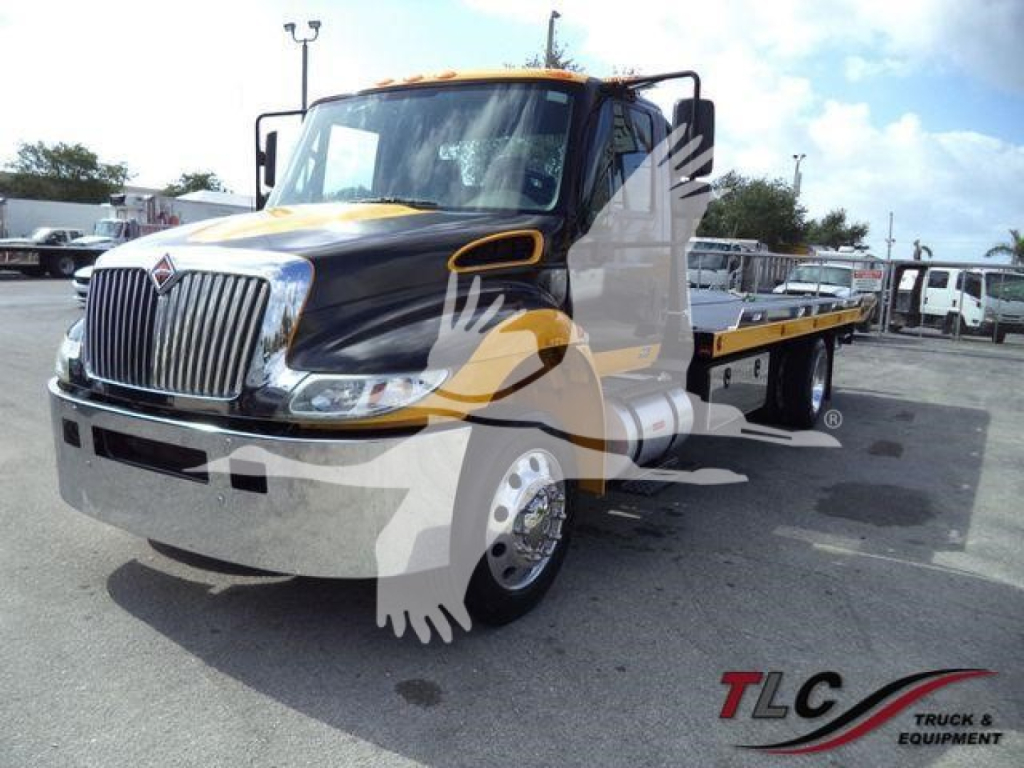
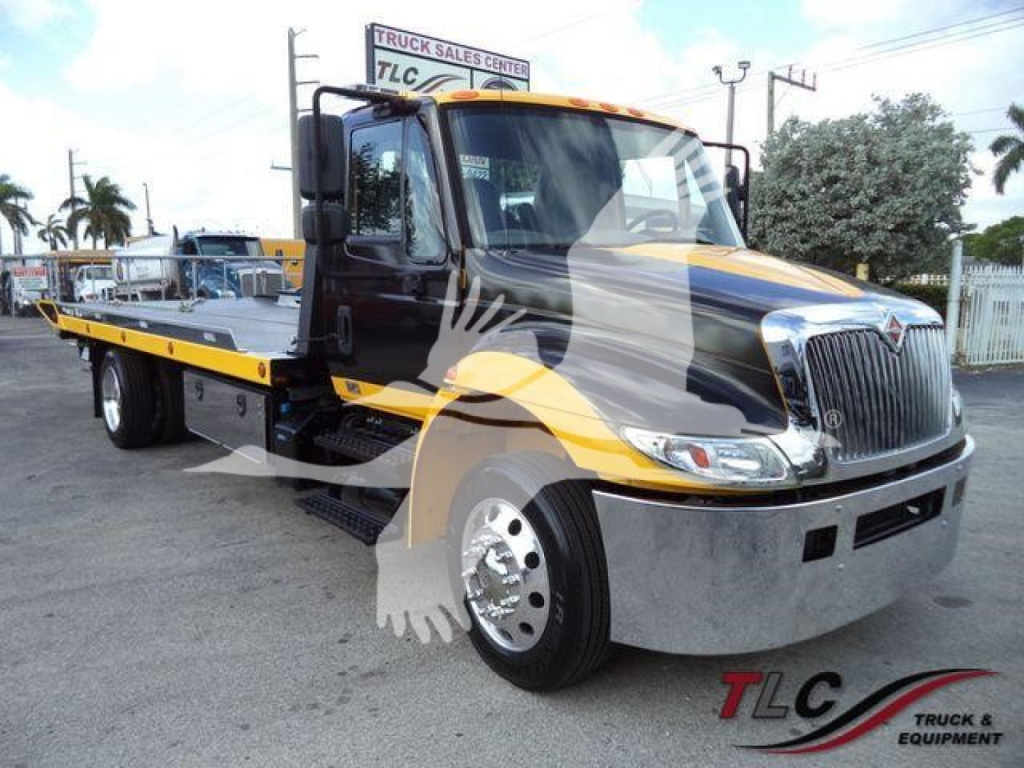
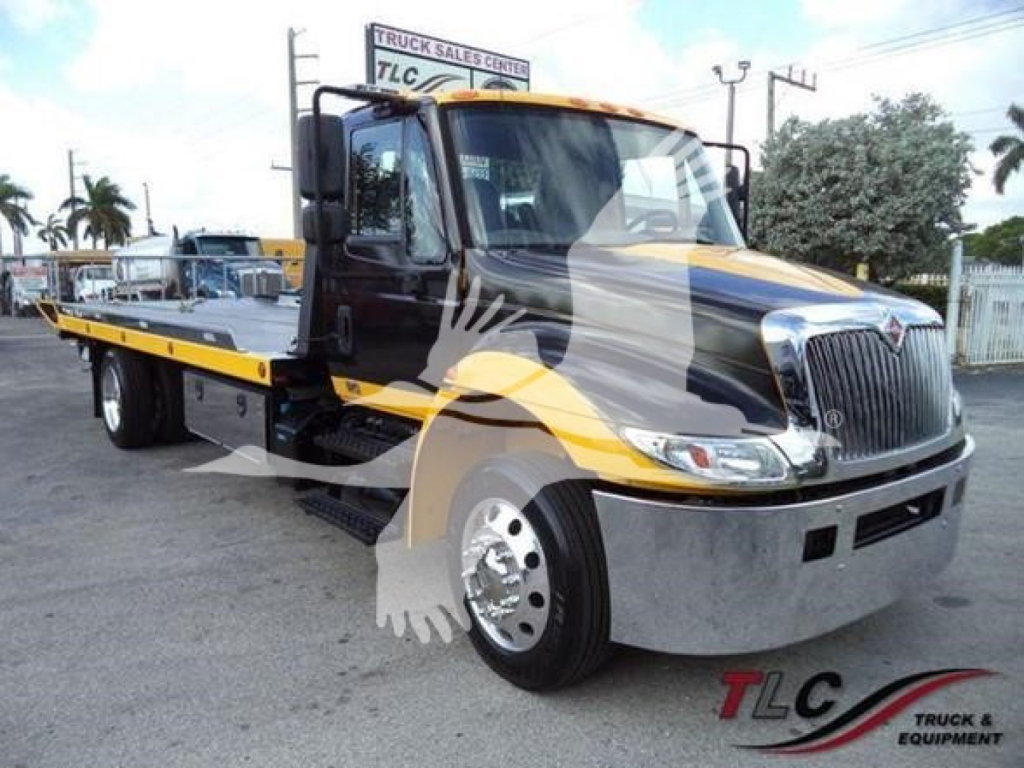
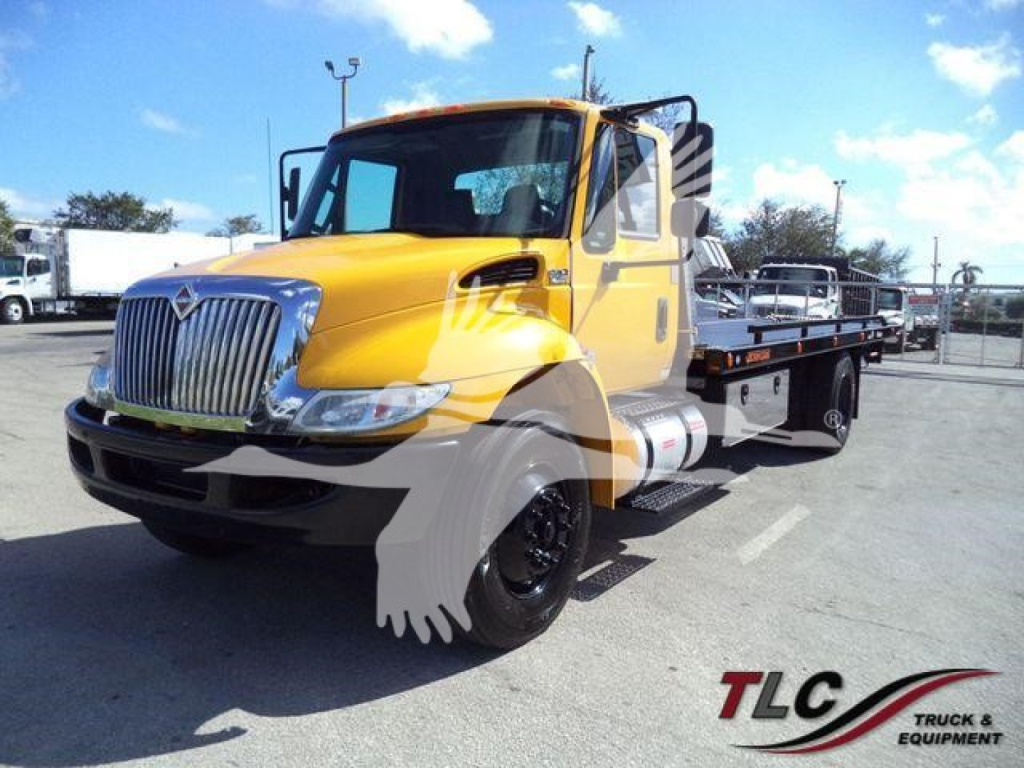
Shop used 2019 rollback trucks with 21 to 22 ft decks, wheel lifts, winches, and medium-duty chassis for towing and vehicle transport.
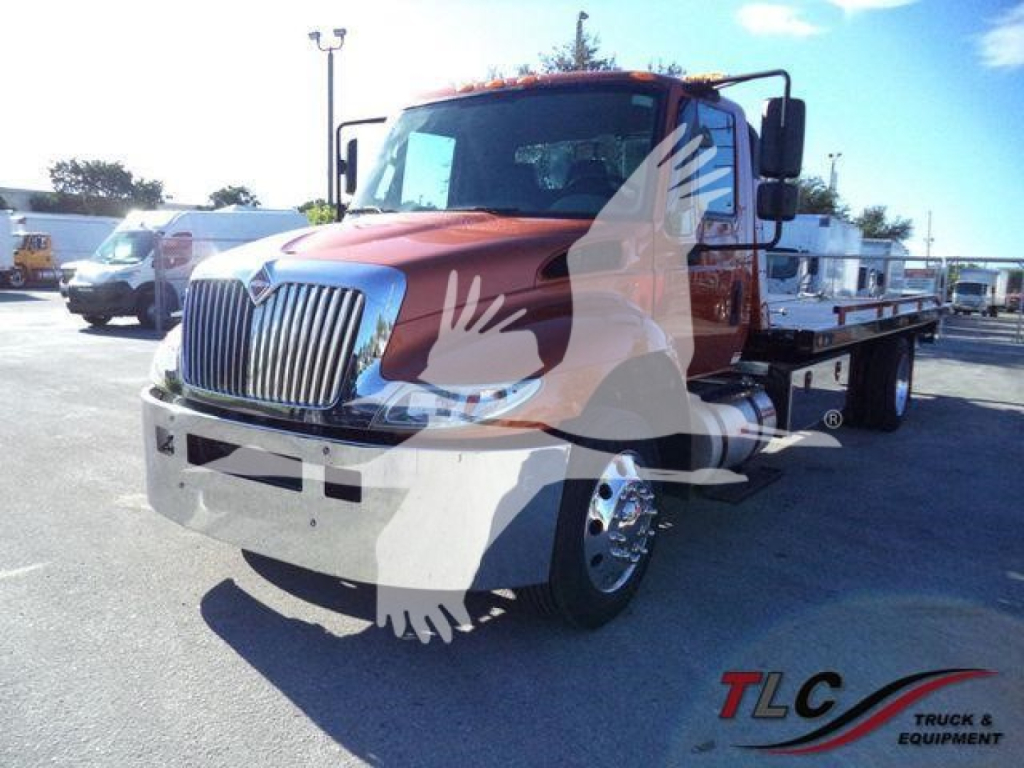
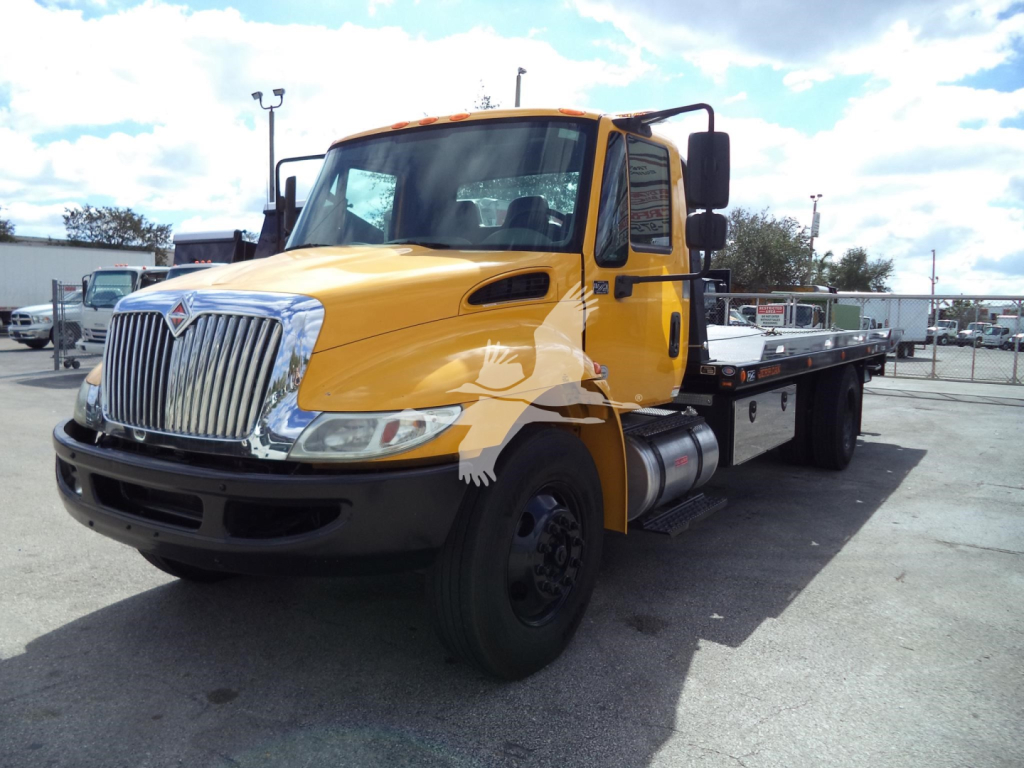
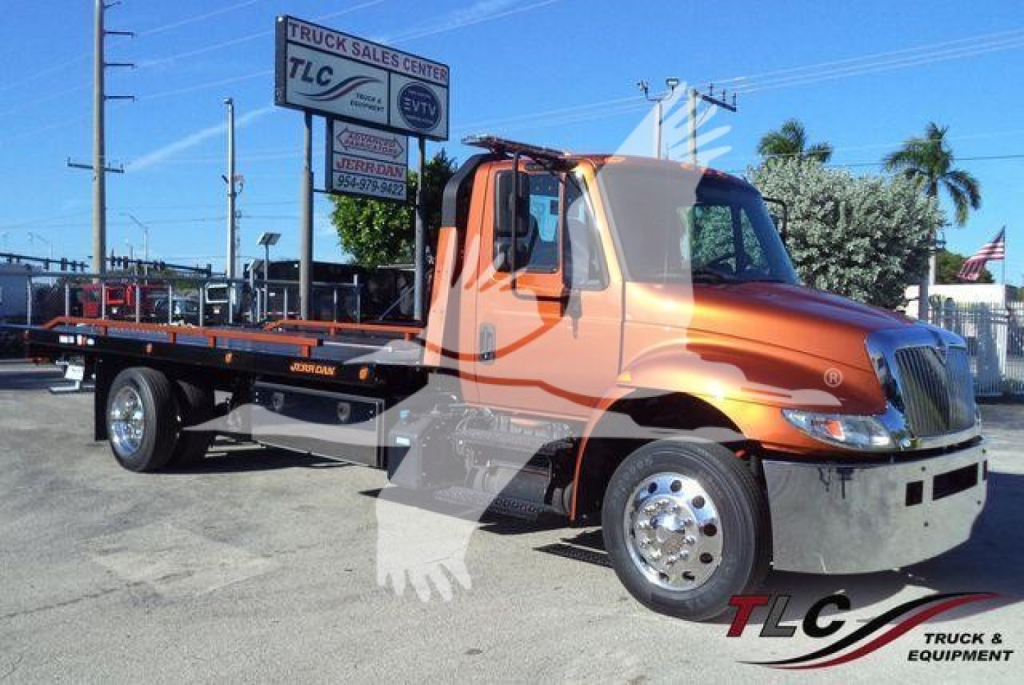
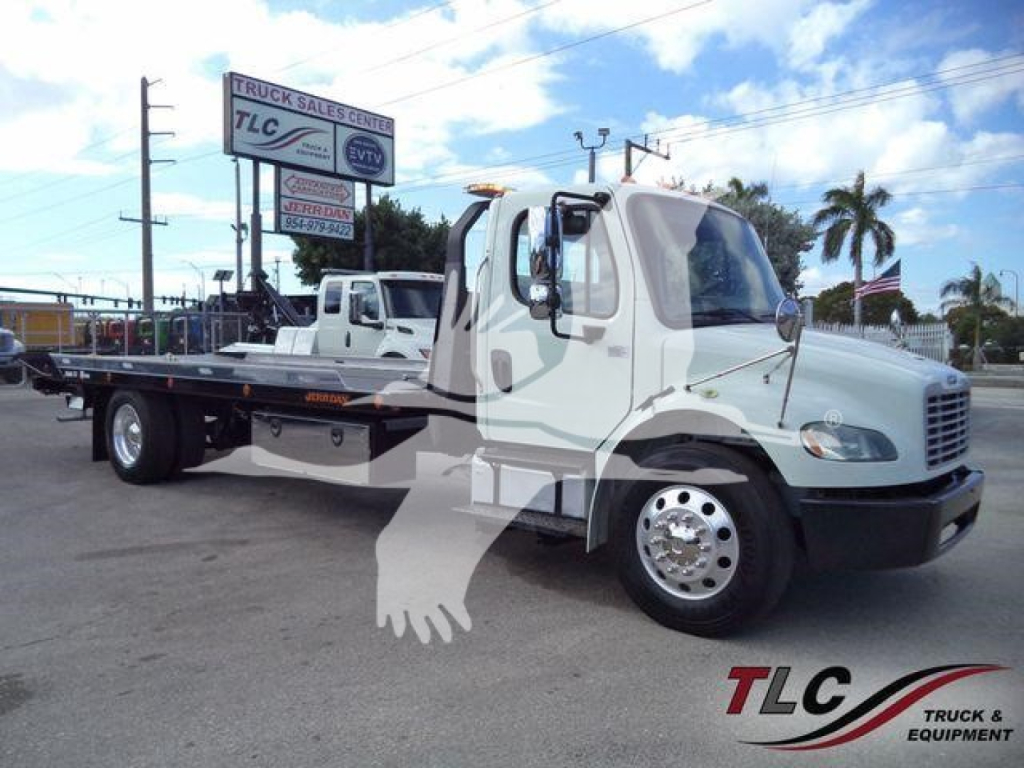
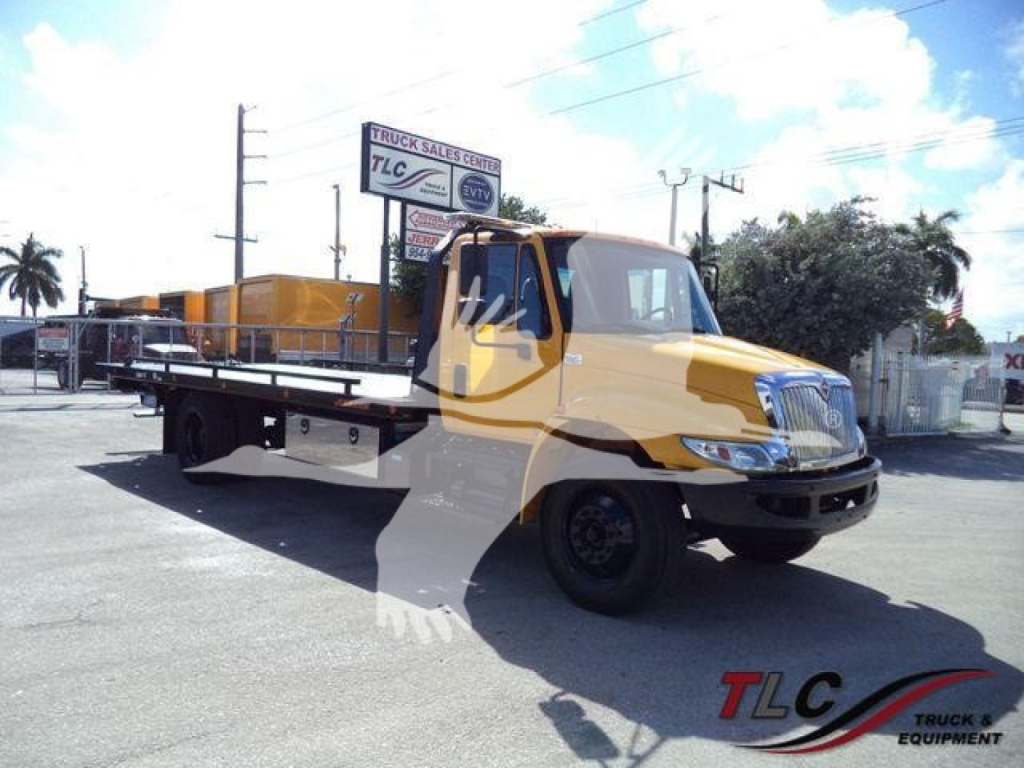
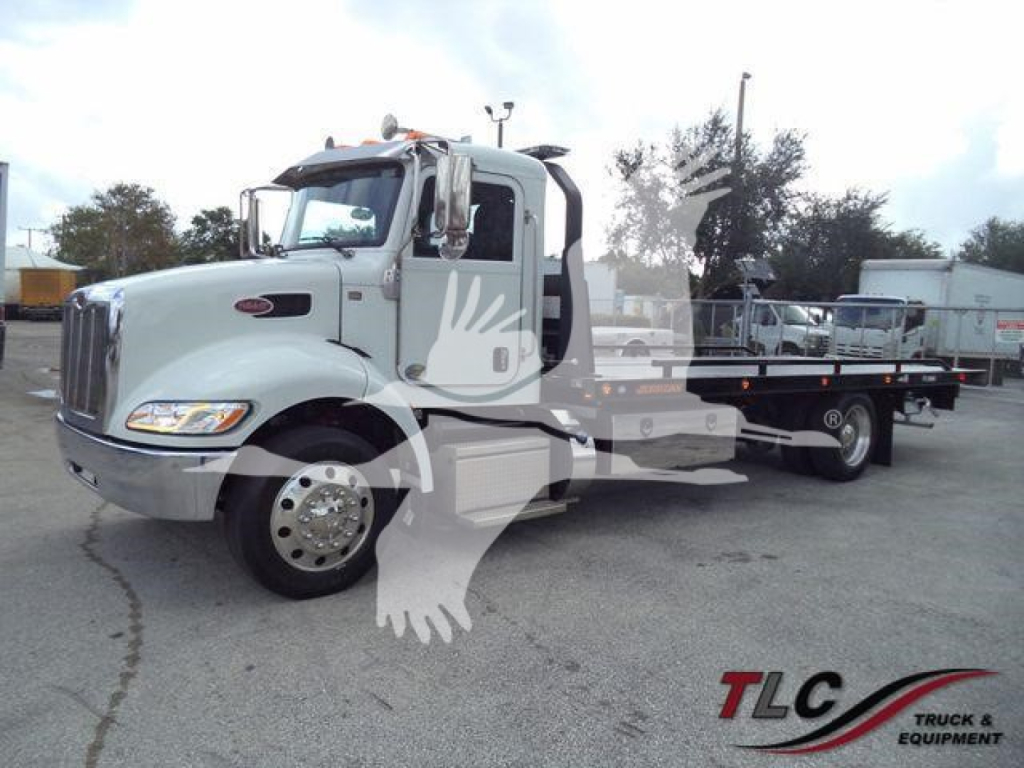
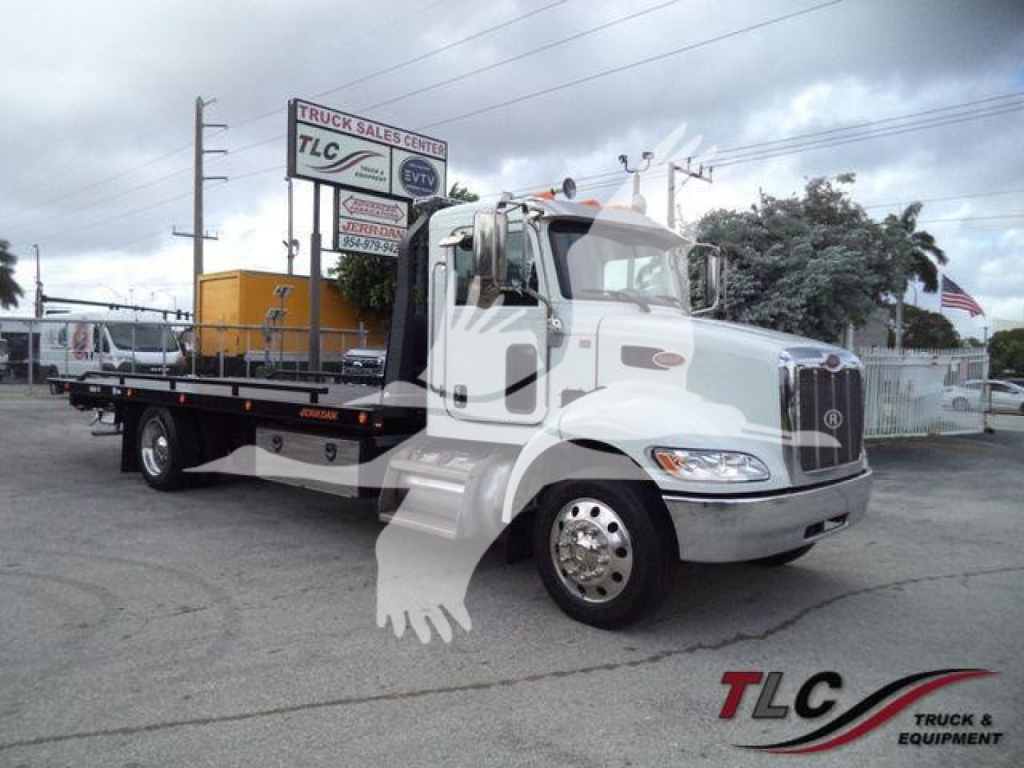

Selling a used 2019 rollback truck? List your used 2019 rollback truck for sale and reach thousands of commercial buyers.
Used 2019 Rollback Trucks
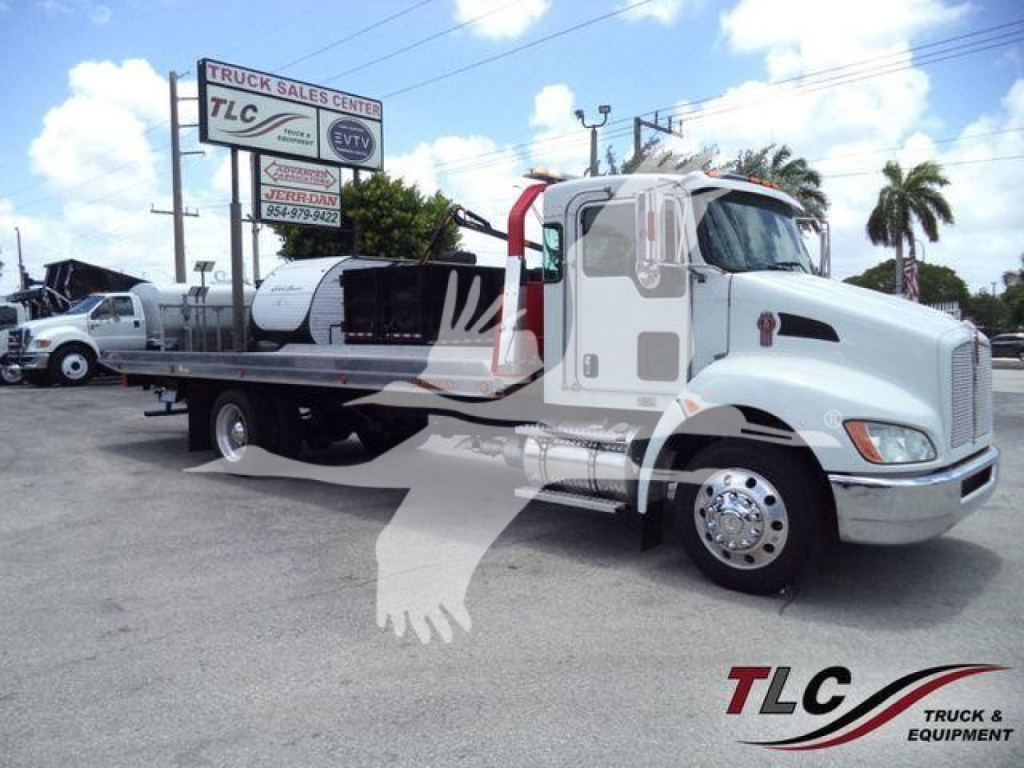
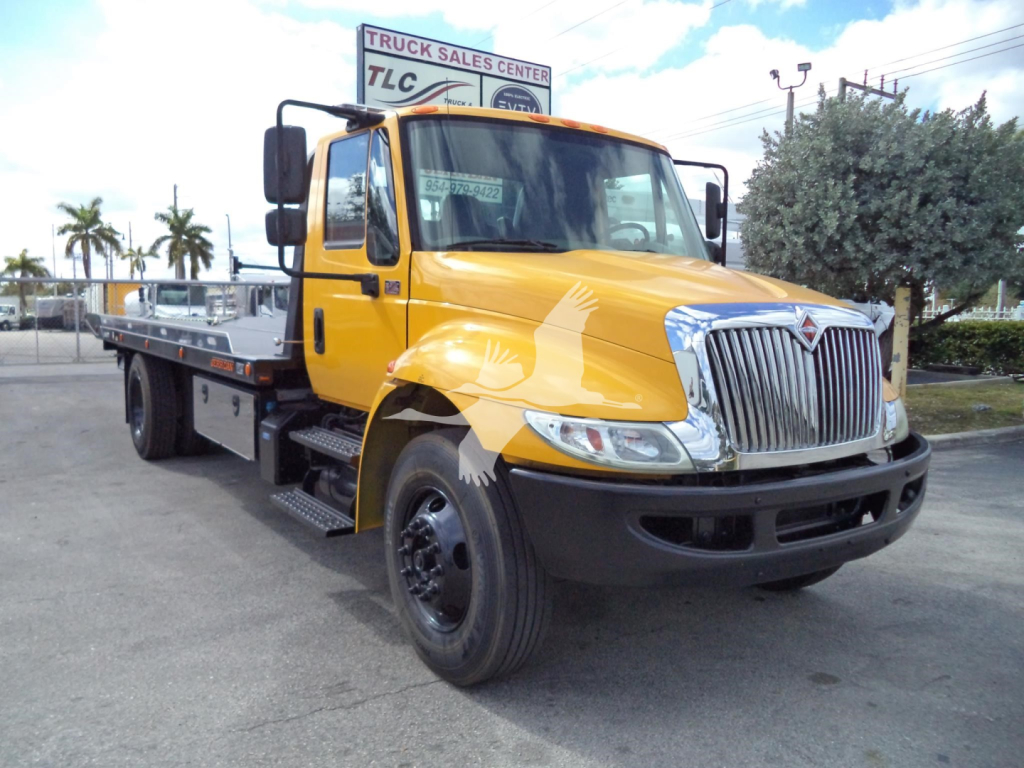
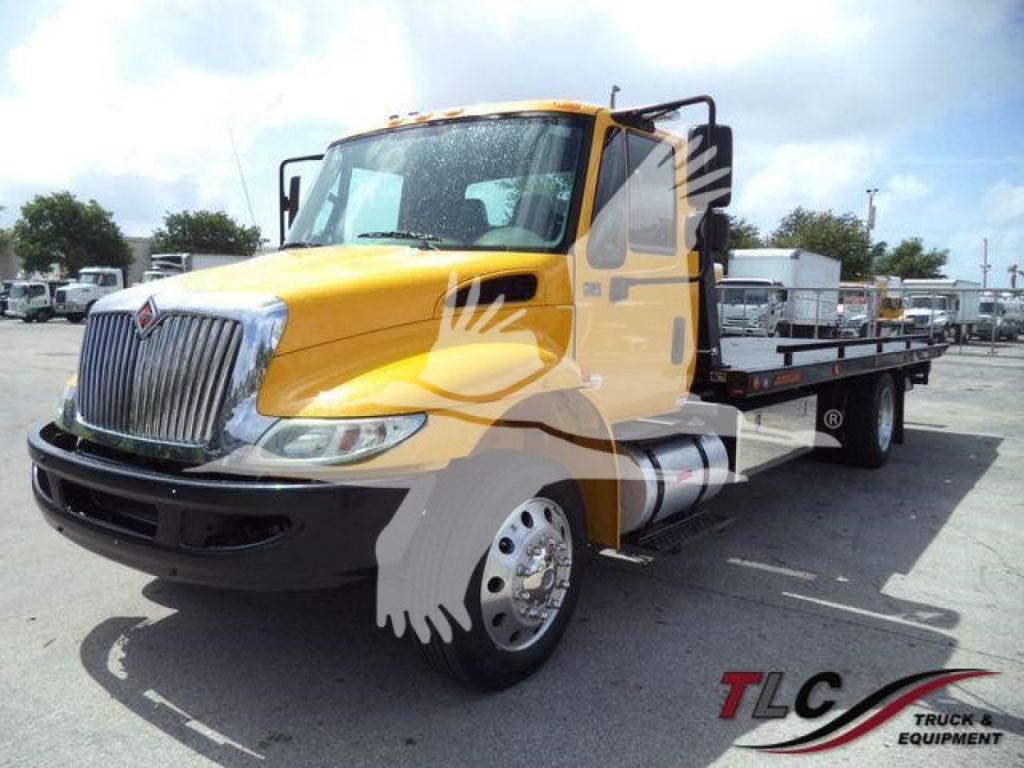
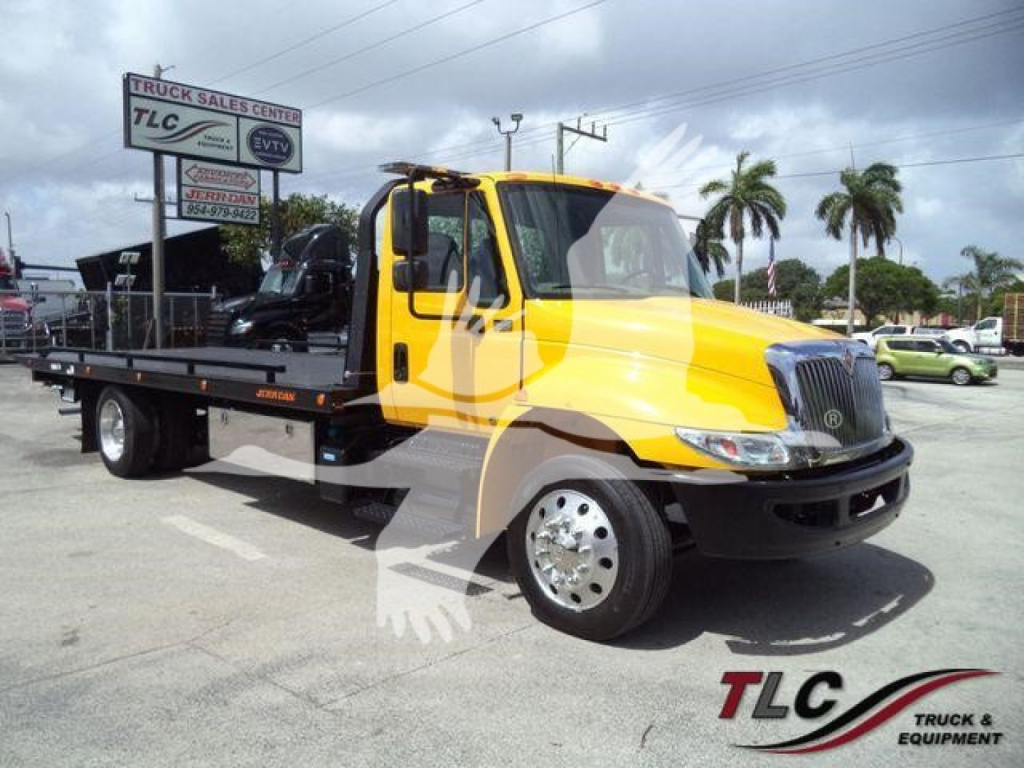
The bed and recovery equipment matter as much as the chassis. A typical 2019 rollback tow truck will have a 102-inch wide steel or aluminum deck, a hydraulic slide-and-tilt carrier, an 8,000 lb class winch, and a 3,500 lb hydraulic wheel lift. Many are spec'd with removable rails, dual-angle or right-approach decks, stationary headboards, side toolboxes, work lights, and wireless winch remotes. Buyers should pay attention to deck rating versus actual use. A 6-ton carrier handles a broad mix of passenger vehicles and small commercial units, but the truck's real-world usefulness depends on wheelbase, bed design, wheel-lift geometry, and how the weight distributes across the steer and drive axles when towing a second vehicle.
On the chassis side, 2019 rollback trucks commonly use diesel engines from Cummins, Hino, or Ford matched to Allison automatic transmissions. GVWR often lands around 25,950 to 26,000 lb, which is attractive for operators trying to stay in a non-CDL configuration, though local regulations, endorsements, and combined operating weight still need to be verified. Air brakes and air ride suspension are common on higher-spec units, while low-profile 19.5 or 22.5 tires help keep deck height down. If the truck will spend most of its time in city service, look closely at turning radius, cab visibility, and storage layout. For longer runs between auctions or dealer lots, ride quality, fuel capacity, seating, and cab condition become more important.
Condition is where a used 2019 rollback truck separates itself. Check the carrier subframe, deck crossmembers, pivot points, hydraulic cylinders, hoses, cable condition, winch function, and wheel-lift wear pads. Inspect the bed surface for hard use from equipment loading, not just cosmetic rust. On the chassis, service records, brake life, suspension condition, PTO operation, and hours of idle time can tell more than odometer miles alone. A well-maintained 2019 rollback can still offer an excellent balance of emissions-era reliability, modern lighting and safety features, and lower acquisition cost than a newer truck, especially for fleets that need a versatile car carrier flatbed tow truck without stepping into a brand-new purchase.
Frequently Asked Questions about Used 2019 Rollback Trucks
What size bed is most common on a used 2019 rollback truck?
Most used 2019 rollback trucks in the medium-duty market carry a 20, 21, or 22 foot bed, usually 102 inches wide. A 21 to 22 foot carrier is common because it gives good flexibility for loading sedans, SUVs, pickups, and small vans while still keeping the truck maneuverable enough for daily towing work. Low-profile and extra-low-profile decks are especially popular because they improve loading angle and reduce the chance of scraping low-clearance vehicles.
Do most 2019 rollback trucks come with a wheel lift?
Yes, many 2019 rollback tow trucks are equipped with a hydraulic wheel lift, often rated around 3,500 lb. That setup allows the truck to carry one vehicle on the deck and tow another from the wheel lift in many light-duty applications. Buyers should still verify axle ratings, wheelbase, and legal operating limits because the presence of a wheel lift does not automatically mean the truck can safely or legally handle every two-car scenario.
Is a 2019 rollback truck typically CDL or non-CDL?
Many 2019 rollback trucks are built at 25,950 or 26,000 lb GVWR, which often places them in the non-CDL range by truck rating alone. That said, CDL requirements can change based on actual combined weight, air brake restrictions, state law, and the type of towing being performed. The smart approach is to review the door sticker, registration class, and local regulatory rules before assuming a truck can be operated without a CDL.
What should I inspect first on a used 2019 rollback truck?
Start with the carrier system and PTO-driven hydraulics because that is where towing revenue is made. Check bed slide operation, tilt function, hydraulic leaks, winch performance, cable or synthetic rope condition, and wheel-lift movement. After that, inspect the frame, crossmembers, deck surface, suspension, brakes, tires, and service history. A clean cab and fresh paint matter less than a rollback body that operates smoothly under load and a chassis with documented maintenance.
Which chassis are common under 2019 rollback trucks?
Common chassis in this category include the Peterbilt 337, Freightliner M2 106, Hino 268, and Ford F-650. These trucks are popular because they support 20 to 22 foot rollback bodies well, offer diesel power with automatic transmissions, and are widely used in commercial towing fleets. The best choice depends on service network, driver preference, axle specification, and whether the truck is set up for urban recovery, dealer transport, or mixed-duty towing.