
Used 2019 Rollback Trucks For Sale in Florida
Browse used 2019 rollback trucks in Florida. Compare carrier length, bed style, wheel-lift capacity, GVWR, and chassis specs.
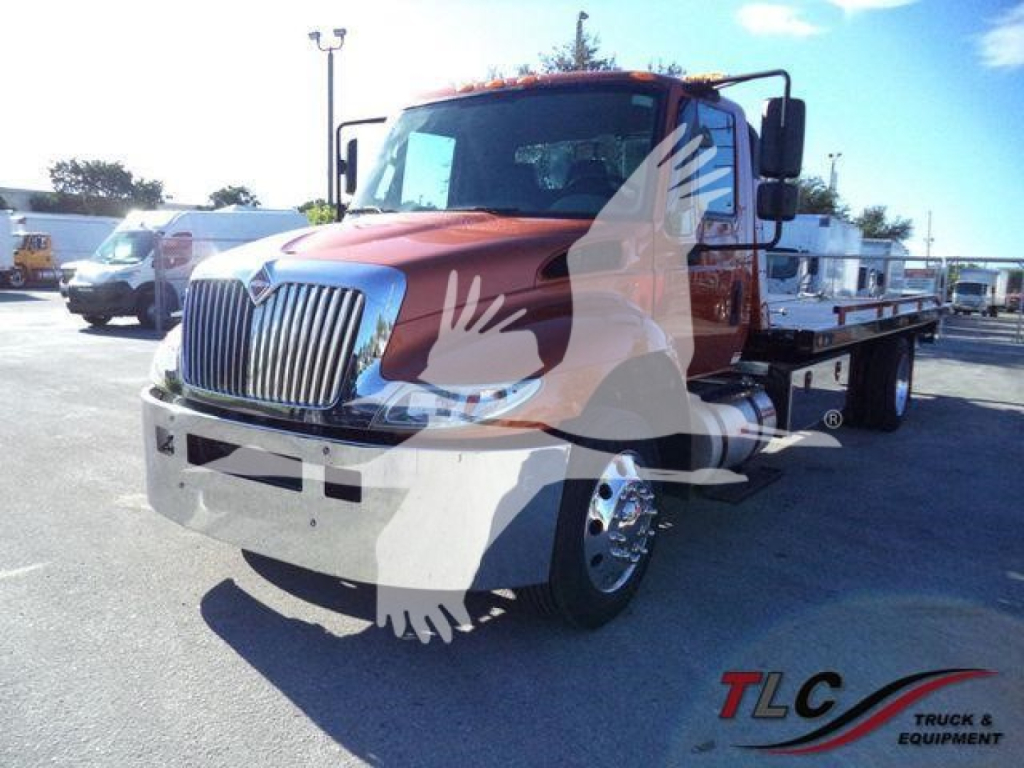
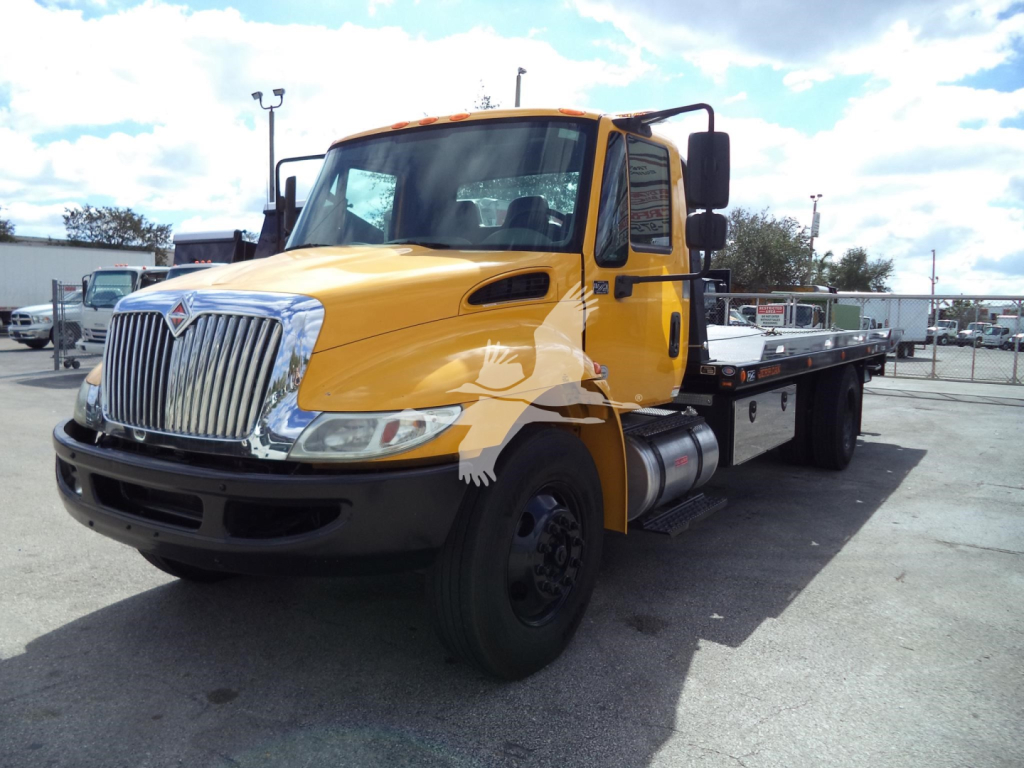
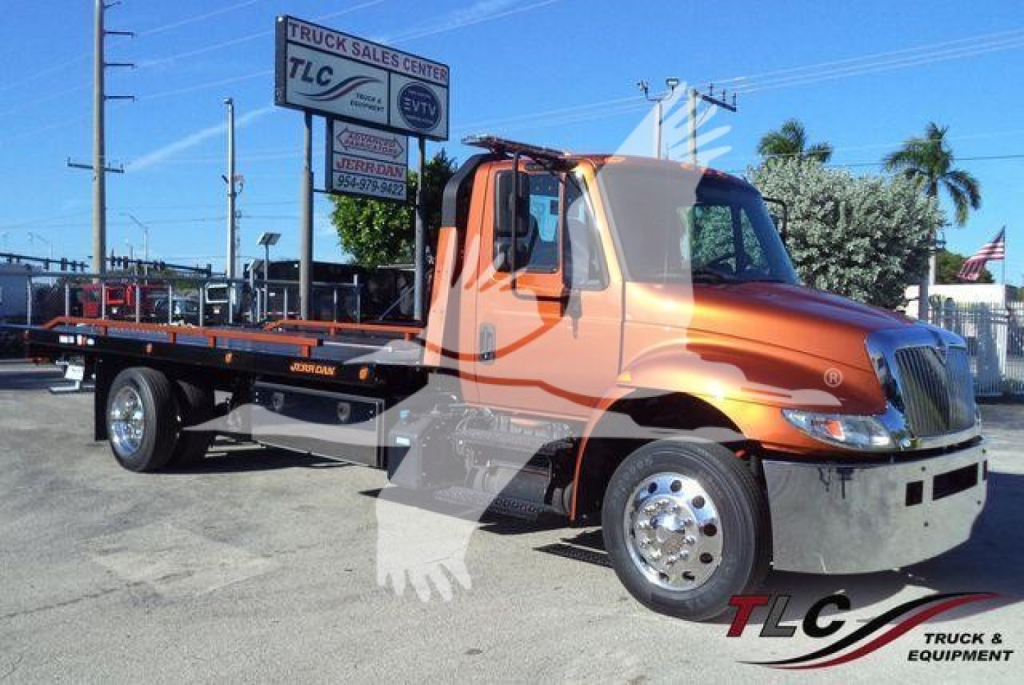
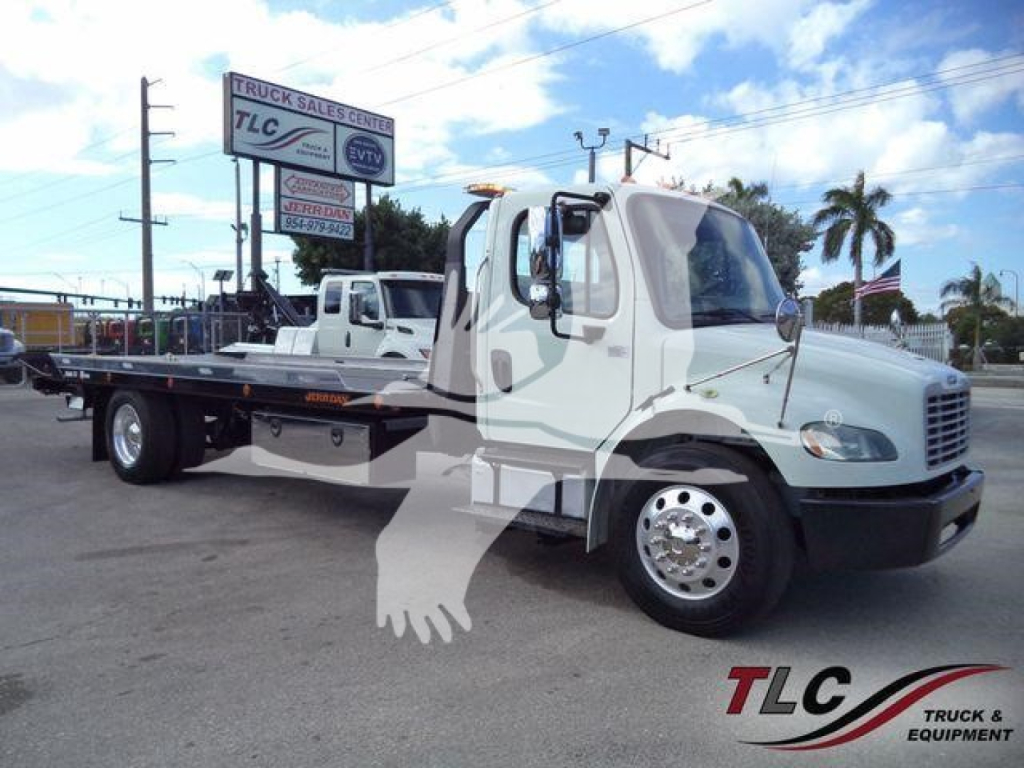
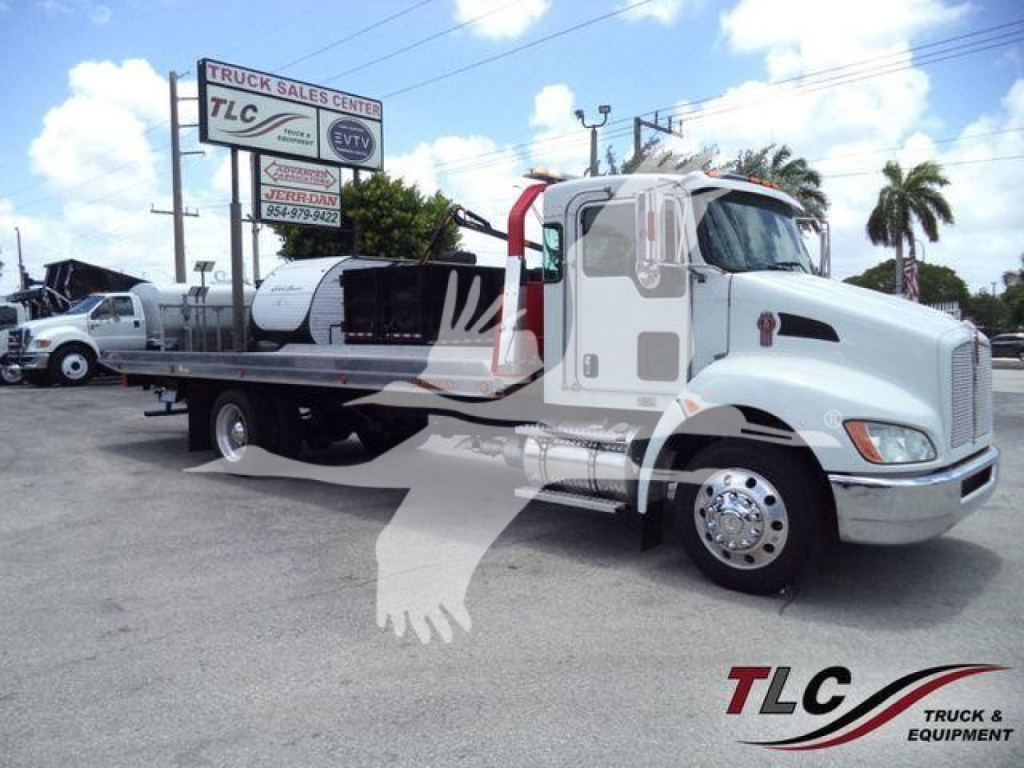
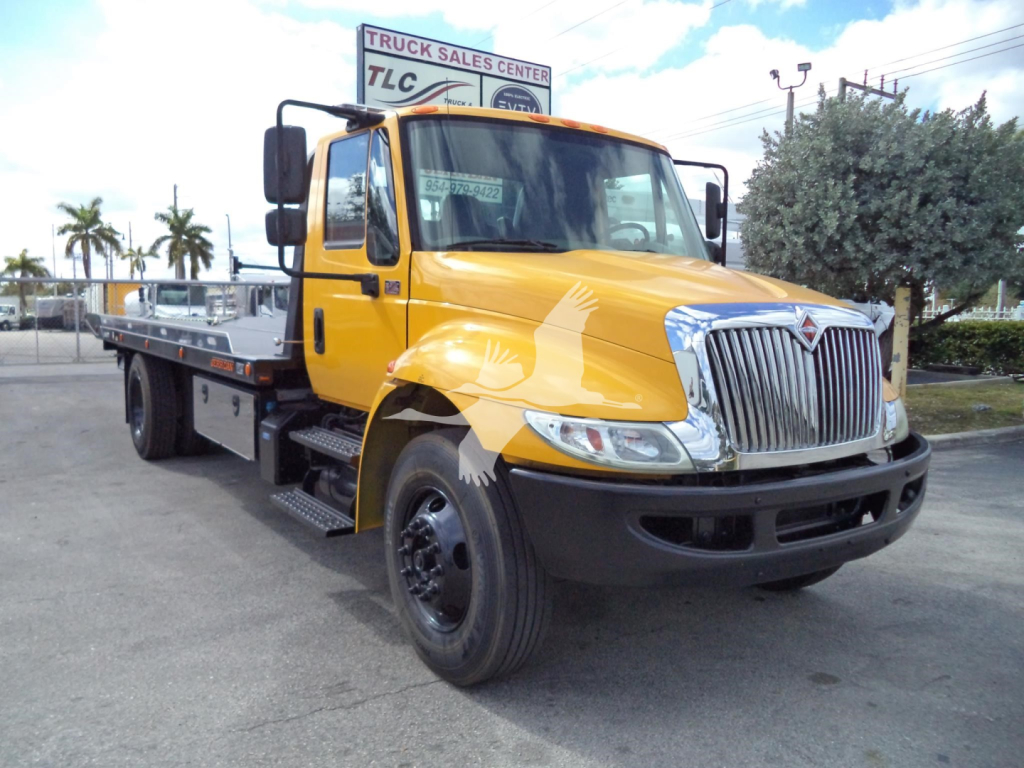
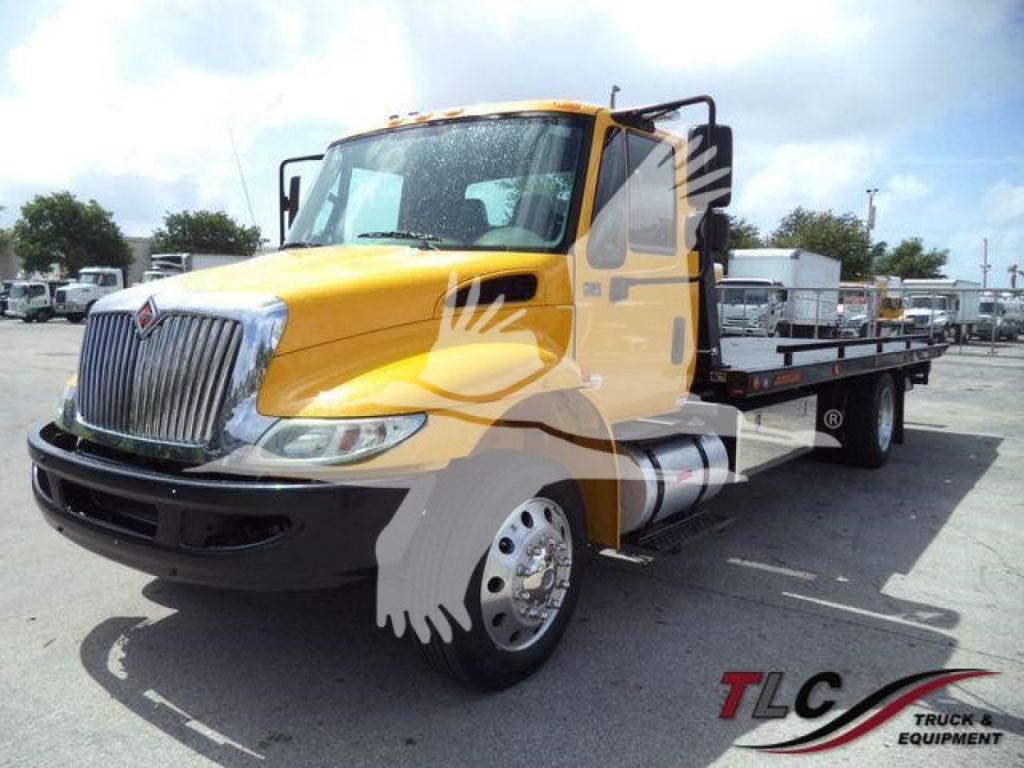
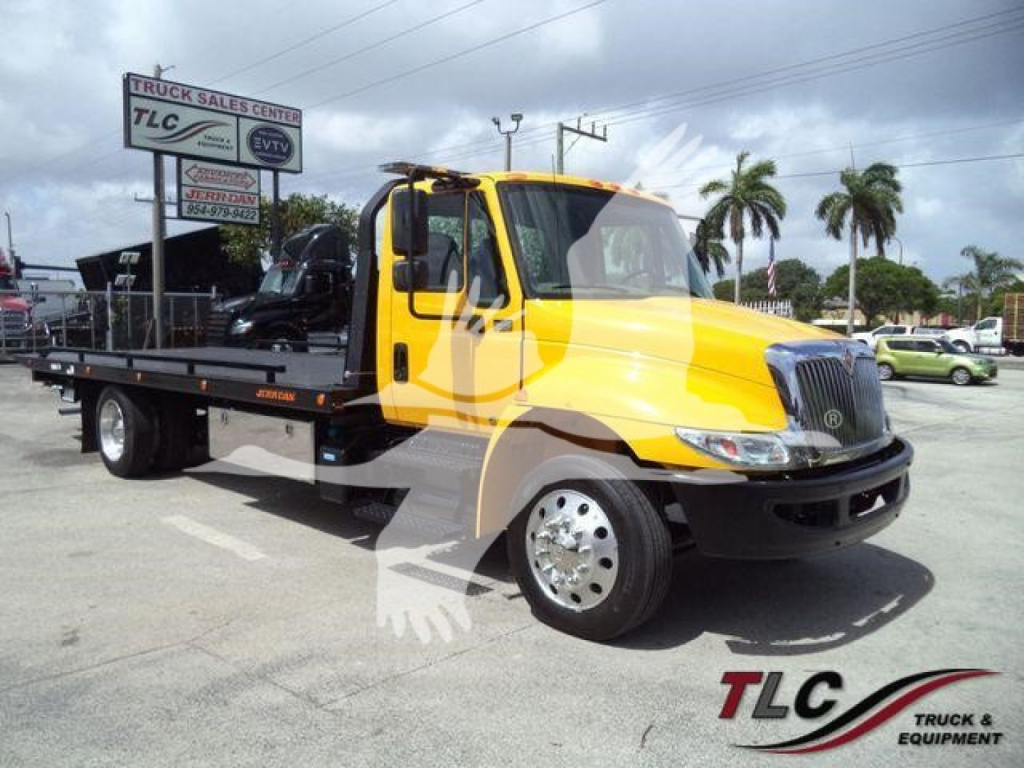
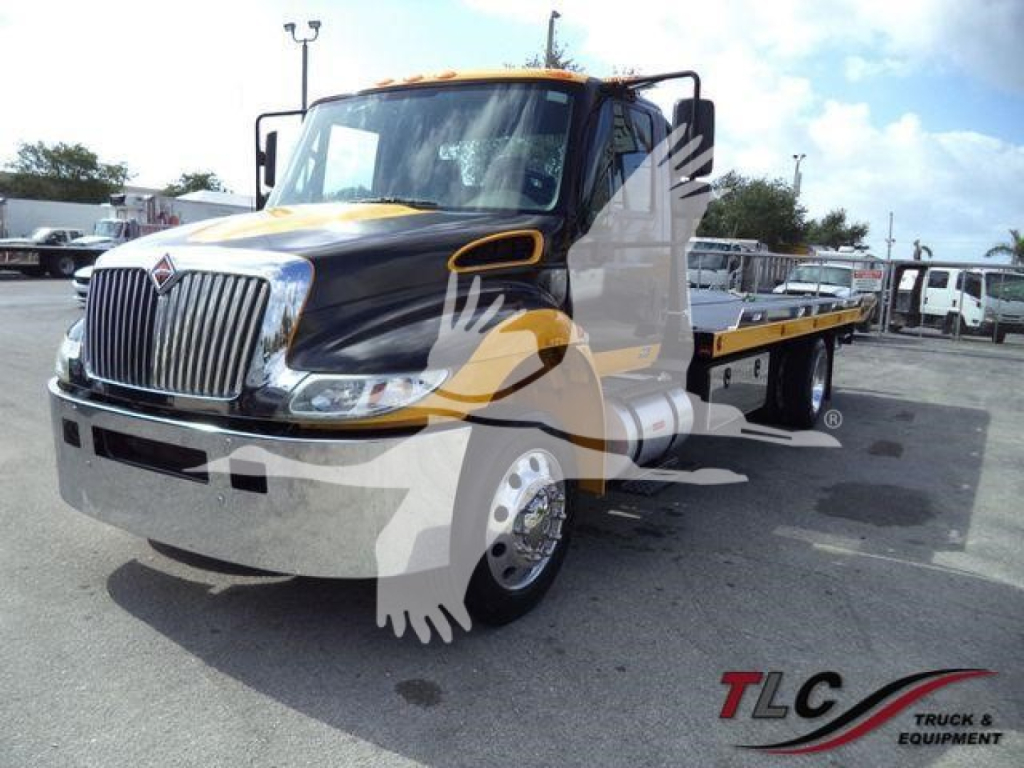
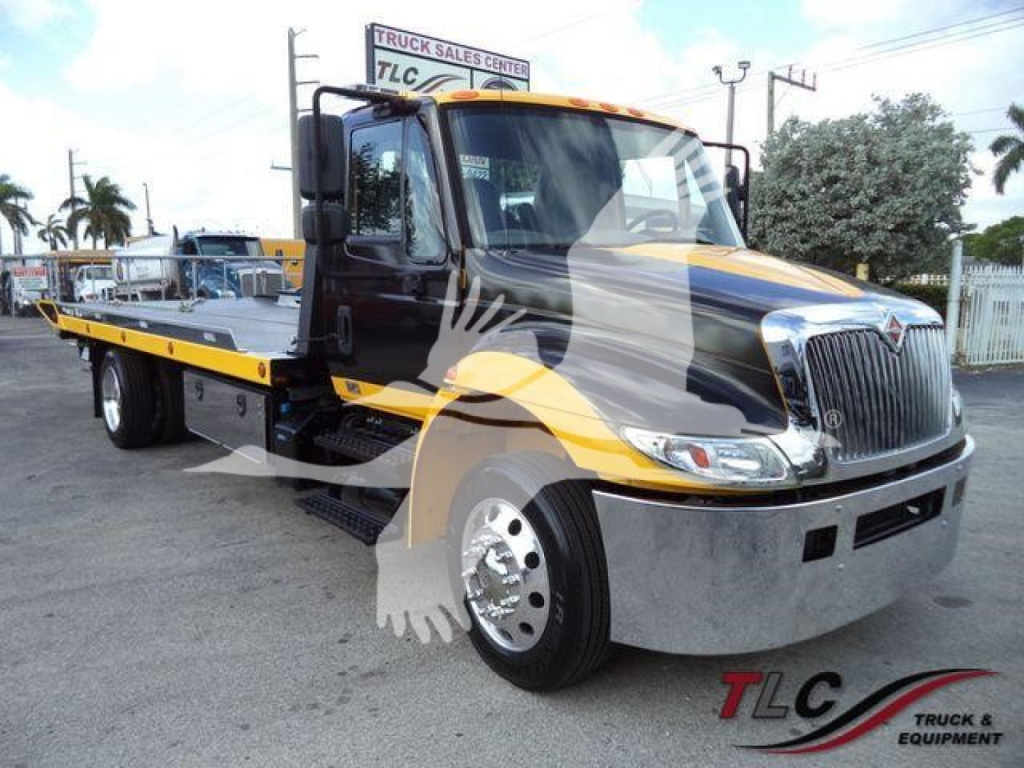
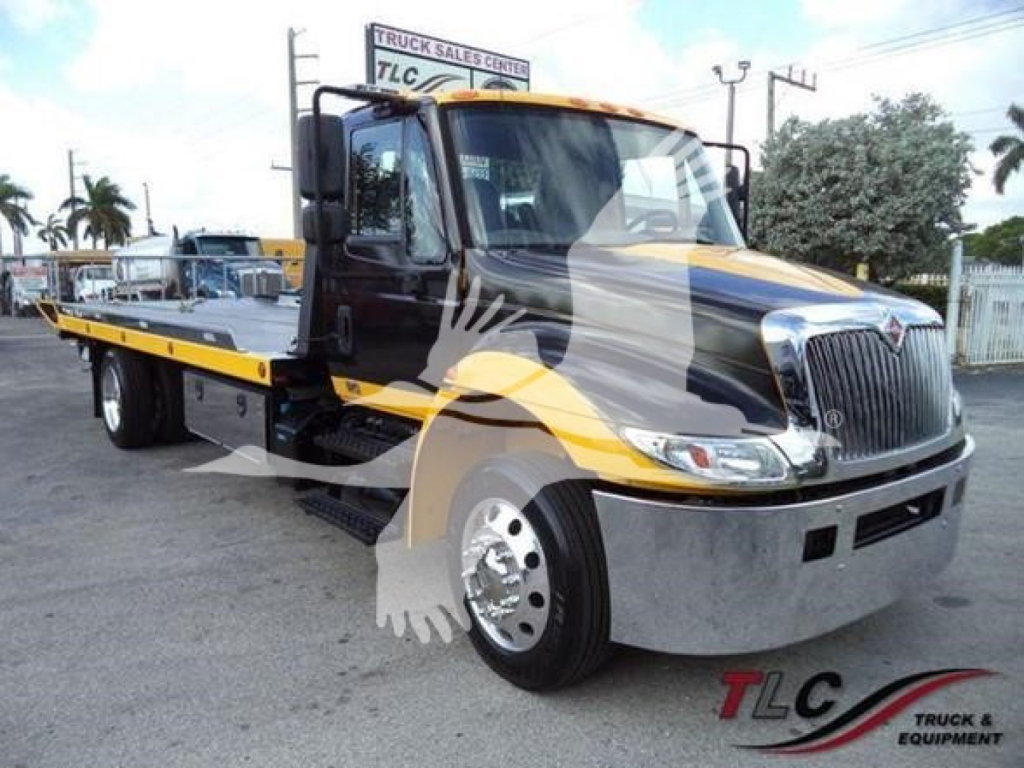
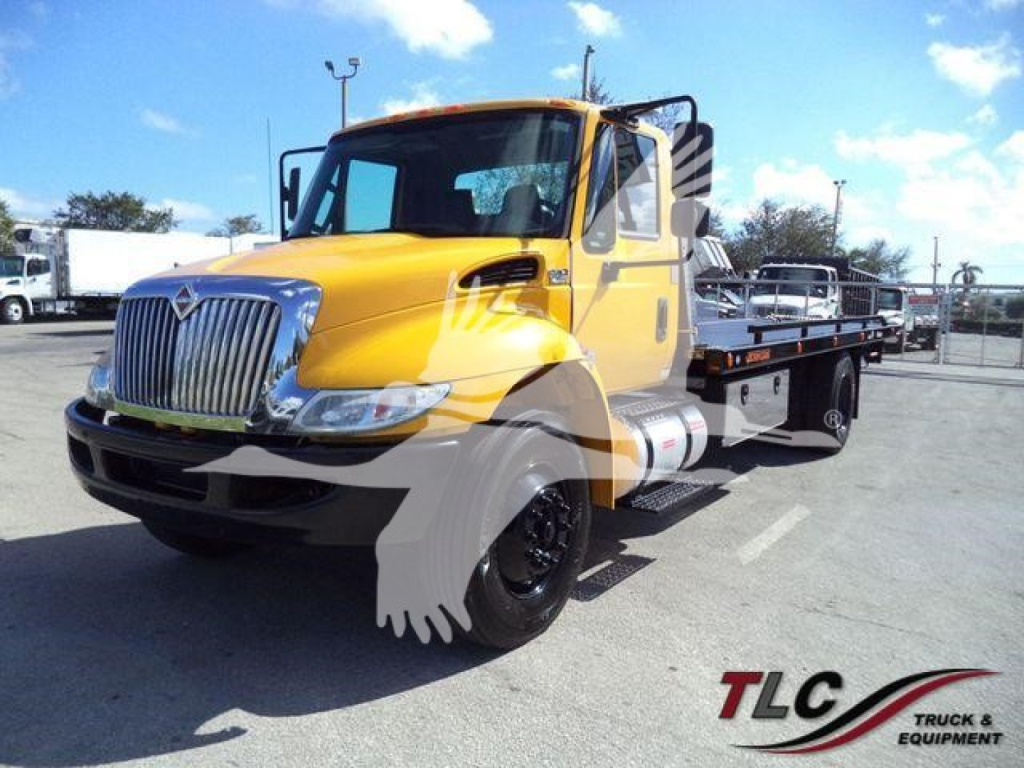
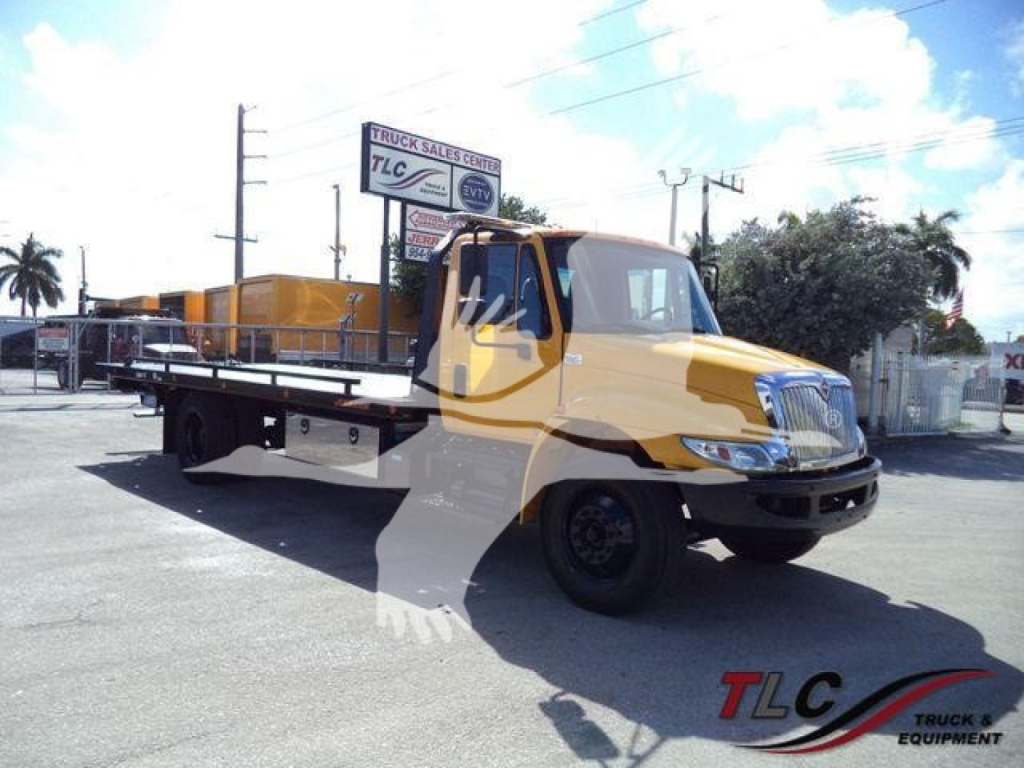
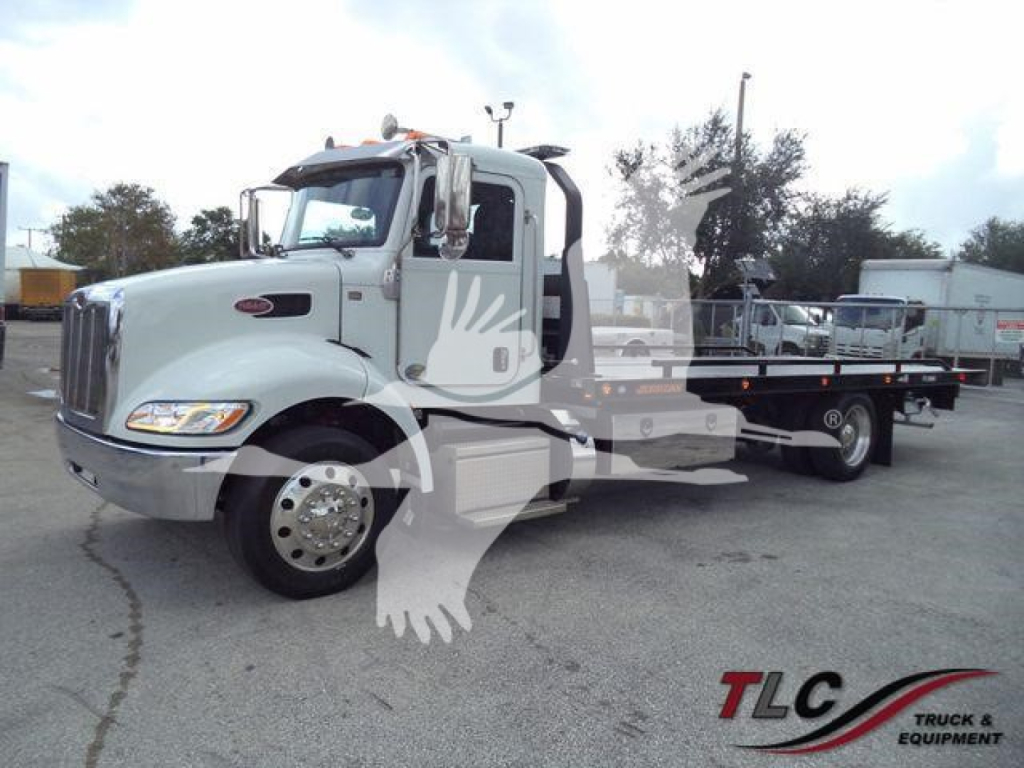
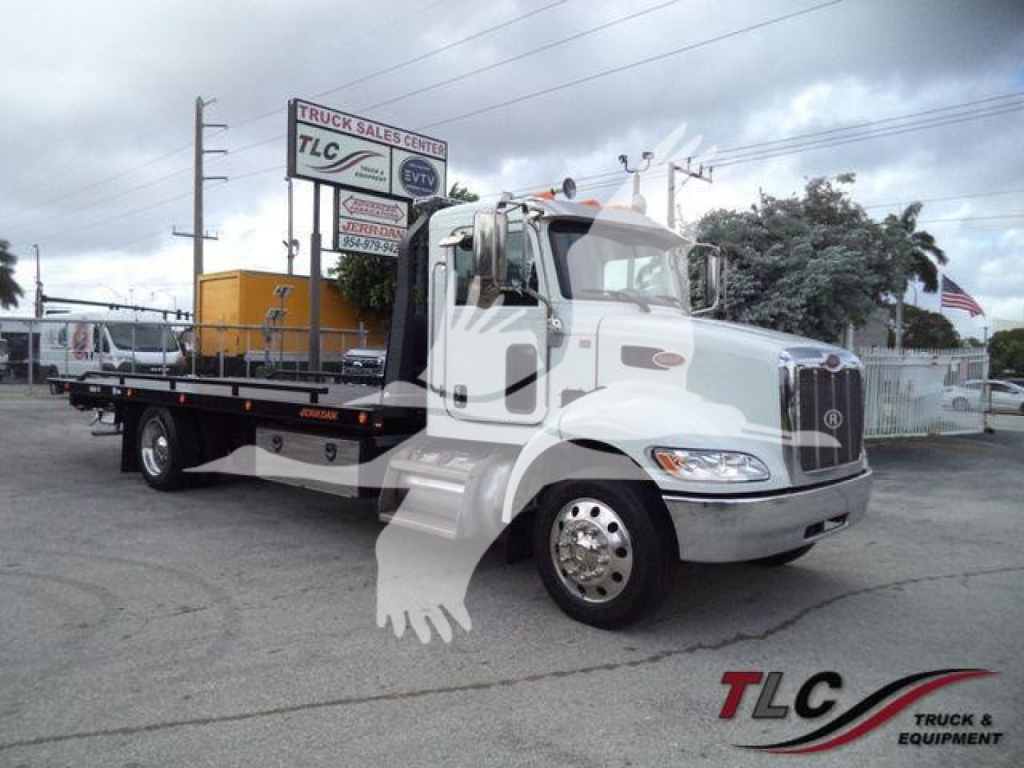
Selling a used 2019 rollback truck? List your used 2019 rollback truck for sale and reach thousands of commercial buyers.
Used 2019 Rollback Trucks in Florida
Chassis and GVWR drive both usability and licensing. A common 2019 spec is a Class 6 or Class 7 chassis such as an International Durastar 4300 or similar medium-duty platform, often paired with a Cummins diesel and an Allison automatic transmission. Many are rated around 25,999 to 26,000 GVWR, which is important for operators trying to stay under CDL thresholds in certain applications, though licensing and towing rules still depend on the truck’s configuration, combined weight, and state requirements. Air brakes, air ride suspension, and 22.5-inch rubber are frequent features in this segment because they improve ride quality, stability, and durability under daily towing duty. In Florida, corrosion exposure is different than in snow-belt states, but buyers should still inspect the carrier subframe, hydraulic lines, crossmembers, winch mounts, and bed pivot points for rust, wear, or signs of repair.
The upfit is where a rollback truck earns its money, so look closely at the carrier body rather than judging the truck by the cab alone. Many 2019 units are equipped with 6-ton carriers, 8,000 lb winches, and wheel lifts rated around 3,000 to 3,500 lbs. Removable rails, dual toolboxes, LED work lighting, L-arms, tie-down packages, and dual free-spool winches can all affect daily efficiency. If the truck has a newer bed installed on a 2019 chassis, verify warranty status, hydraulic component age, and whether the PTO, pump, controls, and lighting were integrated correctly. A clean off-lease chassis with a recent Jerr-Dan or similar carrier can be a strong value if the installation was done properly and the service history is documented.
For Florida buyers, application matters as much as brand. Urban towing in Miami, Orlando, Tampa, or Jacksonville favors maneuverability, quick hydraulic cycle times, and a low deck for parking garage or accident-recovery work. Longer 22 foot carriers are useful for crew cab pickups, vans, and longer wheelbase vehicles, while shorter decks can be easier to position in tight lots. If the truck will spend most of its life in transport service rather than recovery, prioritize bed condition, winch performance, tie-down access, and wheel-lift usability over cosmetic trim. A good used 2019 rollback truck should be evaluated as a working package: chassis mileage, engine hours if available, hydraulic condition, deck dimensions, GVWR, and the real-world payload and towing profile it can handle legally and efficiently.
Frequently Asked Questions about Used 2019 Rollback Trucks in Florida
What deck size is most common on a used 2019 rollback truck?
The most common deck lengths in this category are about 19 to 22 feet, with widths typically ranging from 96 to 102 inches. A 22 foot carrier is popular because it gives better flexibility for hauling crew cab pickups, SUVs, and longer passenger vehicles. A shorter deck can still work well for dense urban towing, especially when maneuverability matters more than maximum vehicle length.
Is a 26,000 GVWR rollback truck automatically non-CDL?
Not automatically. Many 2019 rollback trucks are spec'd at 25,999 or 26,000 GVWR to fit common non-CDL operating goals, but CDL requirements can still depend on actual use, combined weight, towing configuration, air brake rules, and state or federal regulations. Buyers should confirm how the truck will be used in service before assuming a specific license class is sufficient.
What should I inspect on the carrier body of a used rollback truck?
Focus on the bed floor, crossmembers, subframe, tilt cylinder mounts, hydraulic hoses, control station, PTO operation, winch condition, and wheel-lift assembly. Check for uneven deck wear, cracked welds, bent rails, fluid leaks, and signs of hard recovery use. Toolboxes, lighting, tie-down points, and ramps or removable rails should also be inspected because these smaller items affect daily uptime and replacement cost.
Are low-profile and extra-low-profile beds worth it on a rollback truck?
Yes, especially if the truck regularly loads low-clearance cars, performance vehicles, or damaged vehicles with limited rolling ability. A low-profile or XLP carrier reduces loading angle and helps prevent bumper, fascia, or underbody contact. That can speed up loading and reduce the need for wood blocks, skates, or alternate loading methods on difficult calls.
What engines and transmissions are common in 2019 rollback trucks?
In the 2019 medium-duty rollback market, Cummins diesel engines and Allison automatic transmissions are very common. This pairing is popular because it is familiar to most fleet technicians, well-supported in service networks, and well-suited to stop-and-go towing work. Final value depends less on the brand name alone and more on maintenance records, drivability, PTO performance, and how well the chassis matches the carrier body.