
Used Rollback Trucks For Sale in Florida
Browse used rollback trucks in Florida. Compare bed lengths, winch capacity, wheel-lift specs, chassis ratings, and carrier body options.
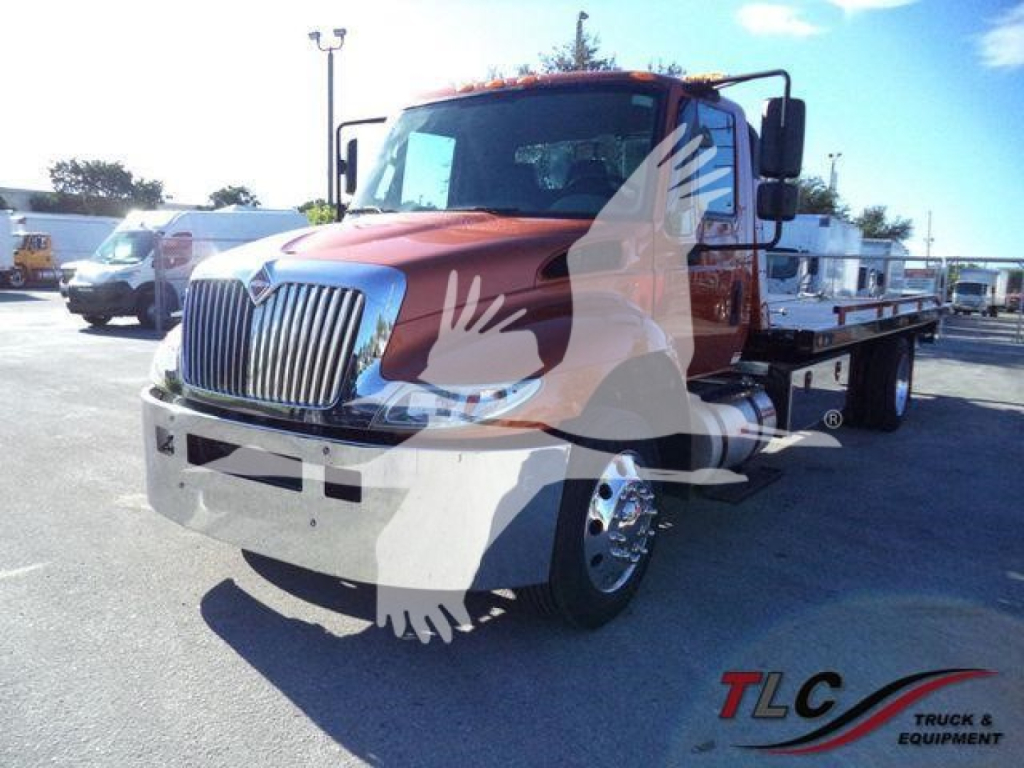
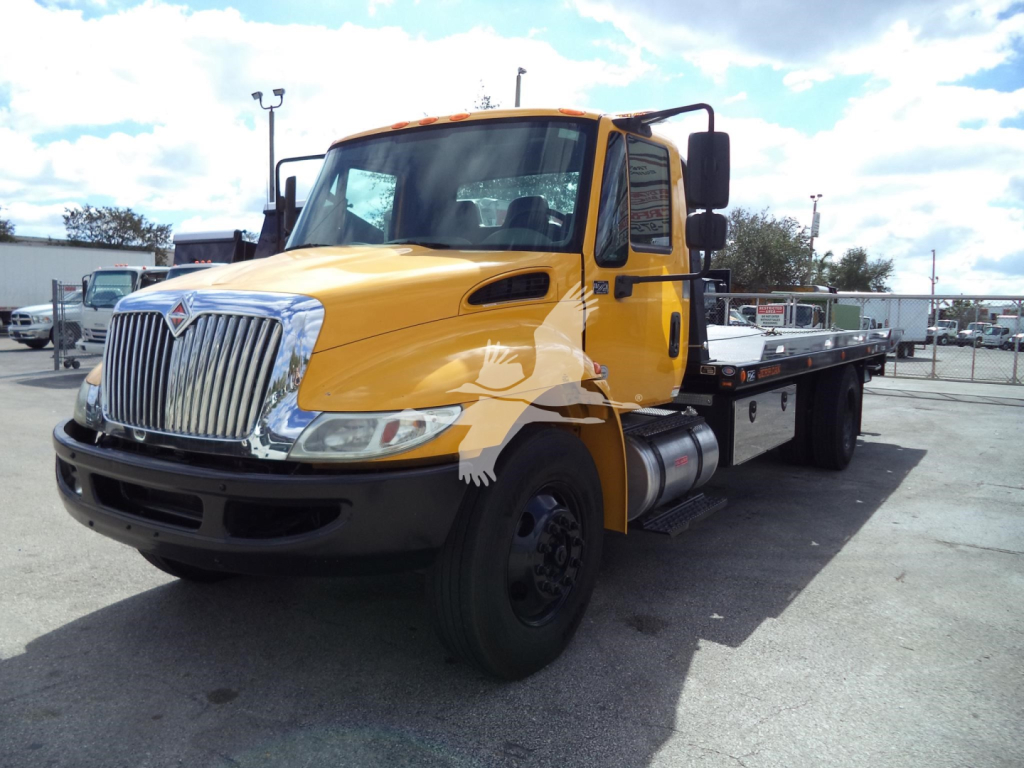
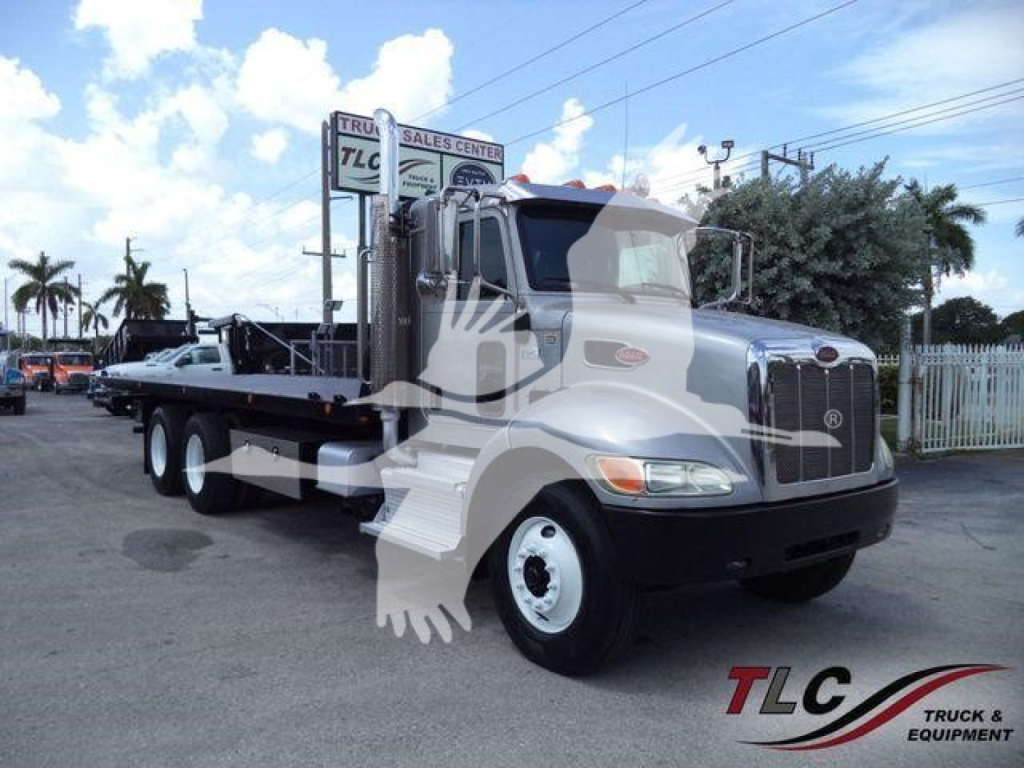
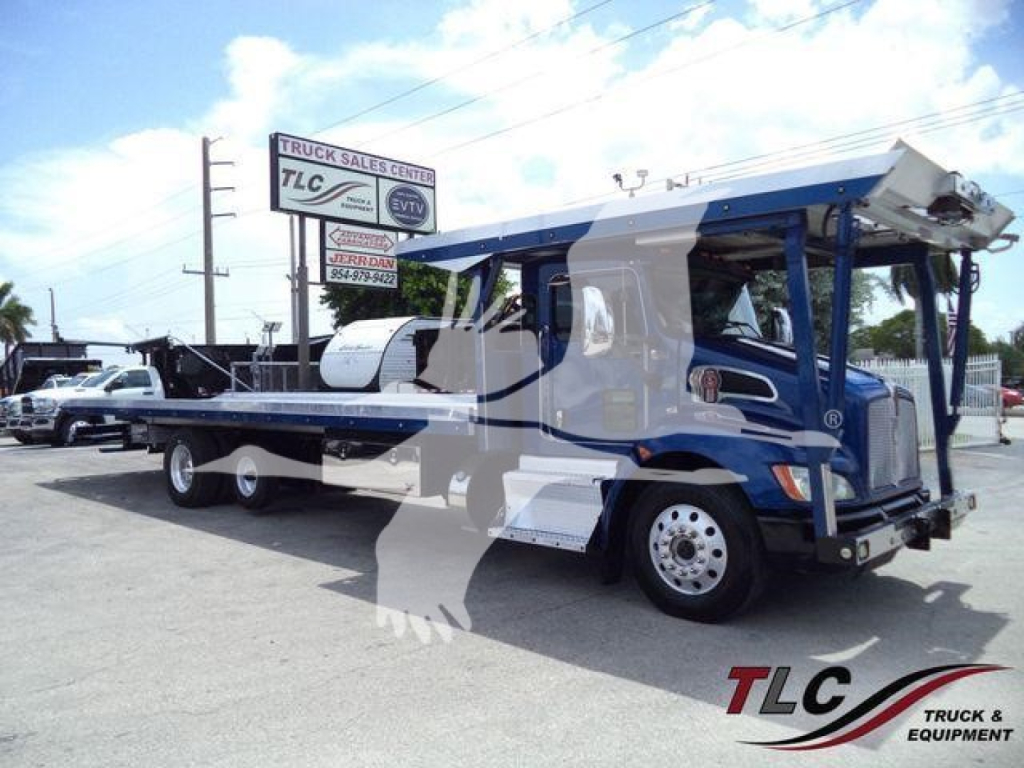
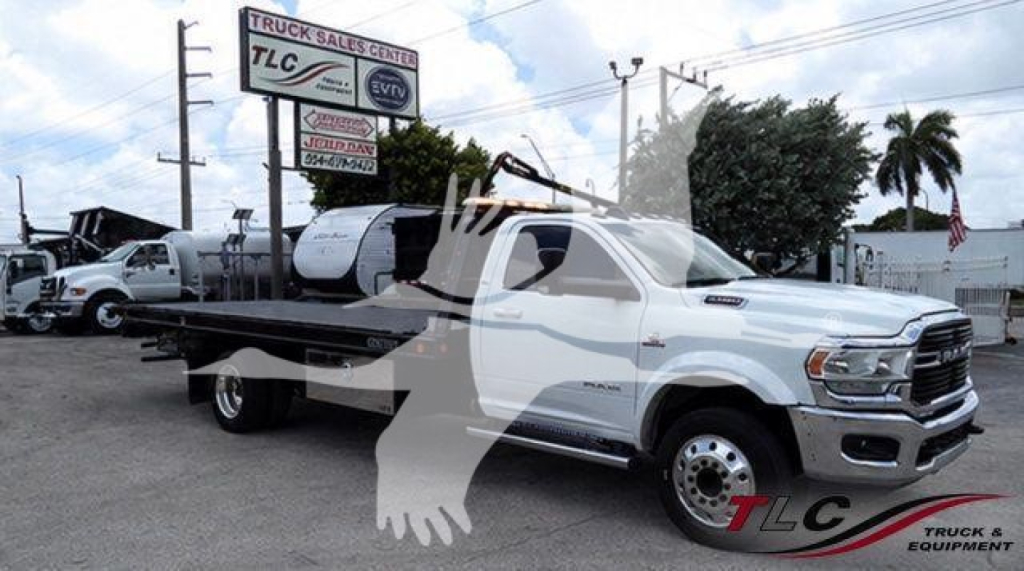
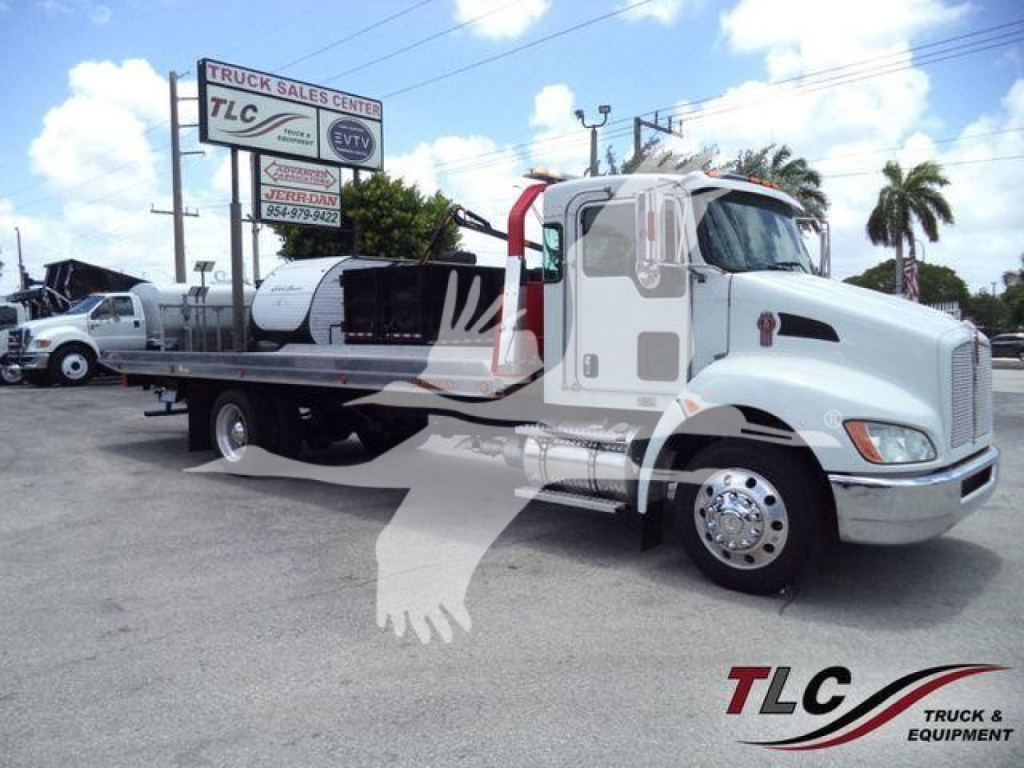
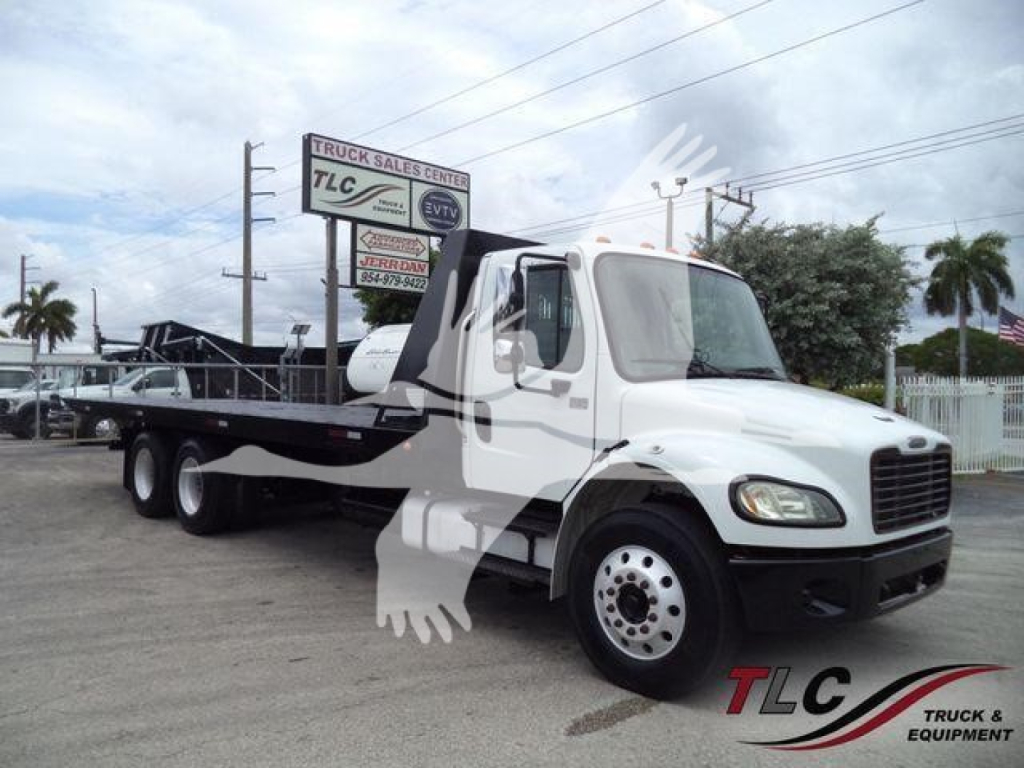
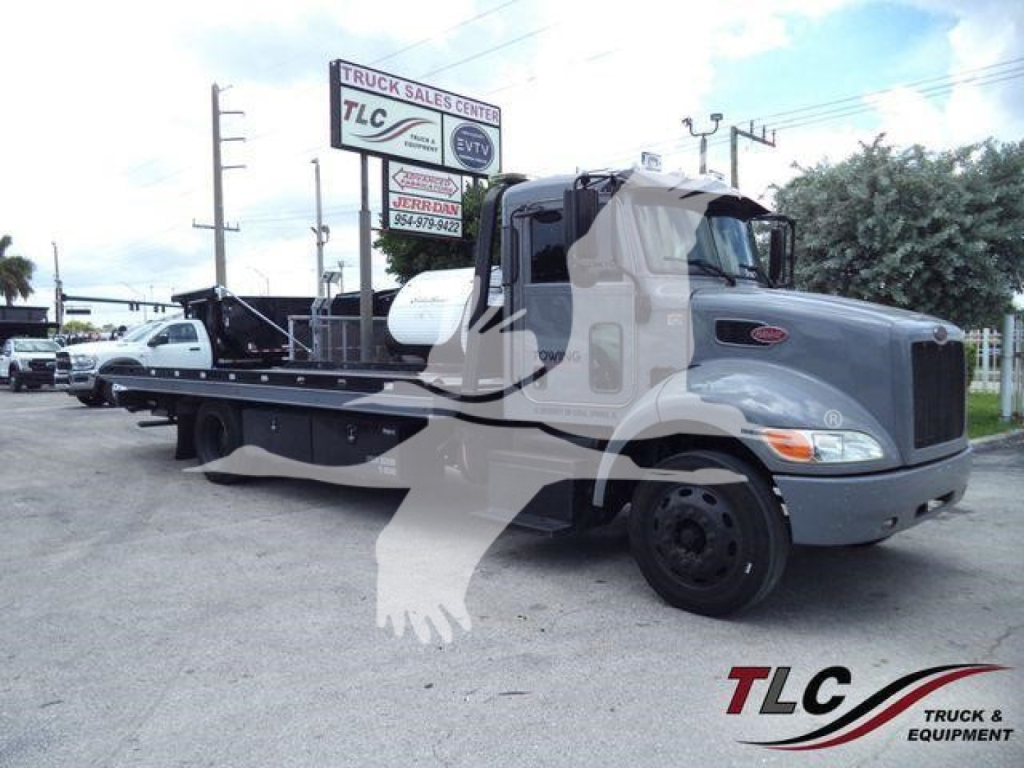
Showing 1 to 28 of 64 results
Selling a used rollback truck? List your used rollback truck for sale and reach thousands of commercial buyers.
Used Rollback Trucks in Florida
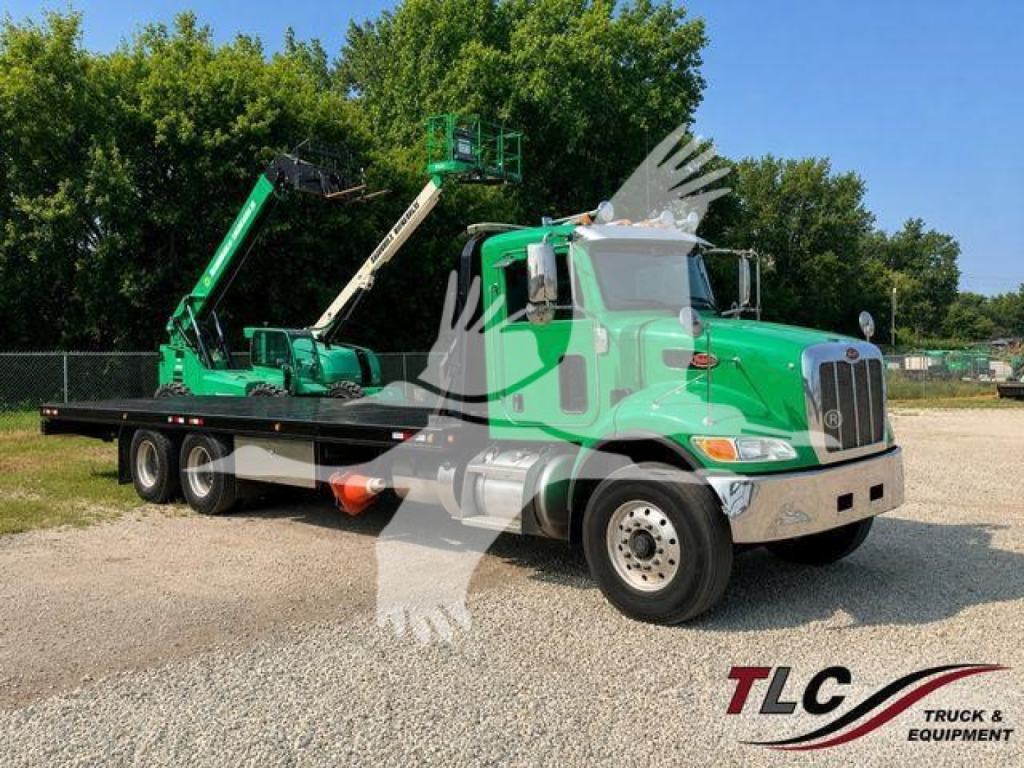
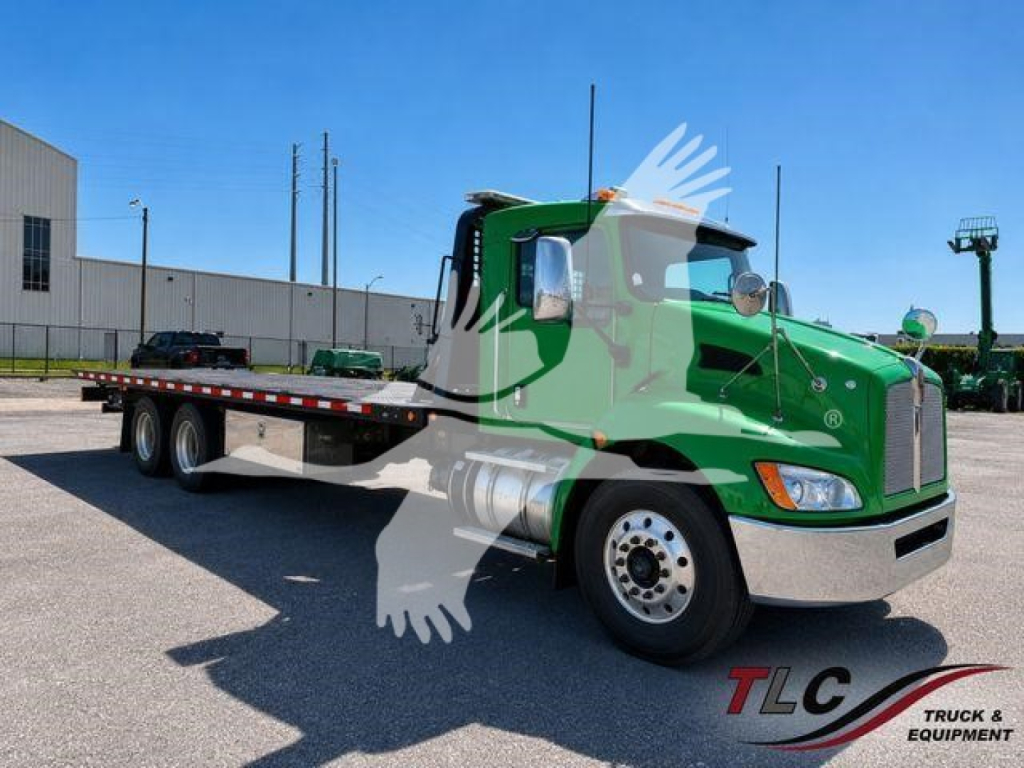
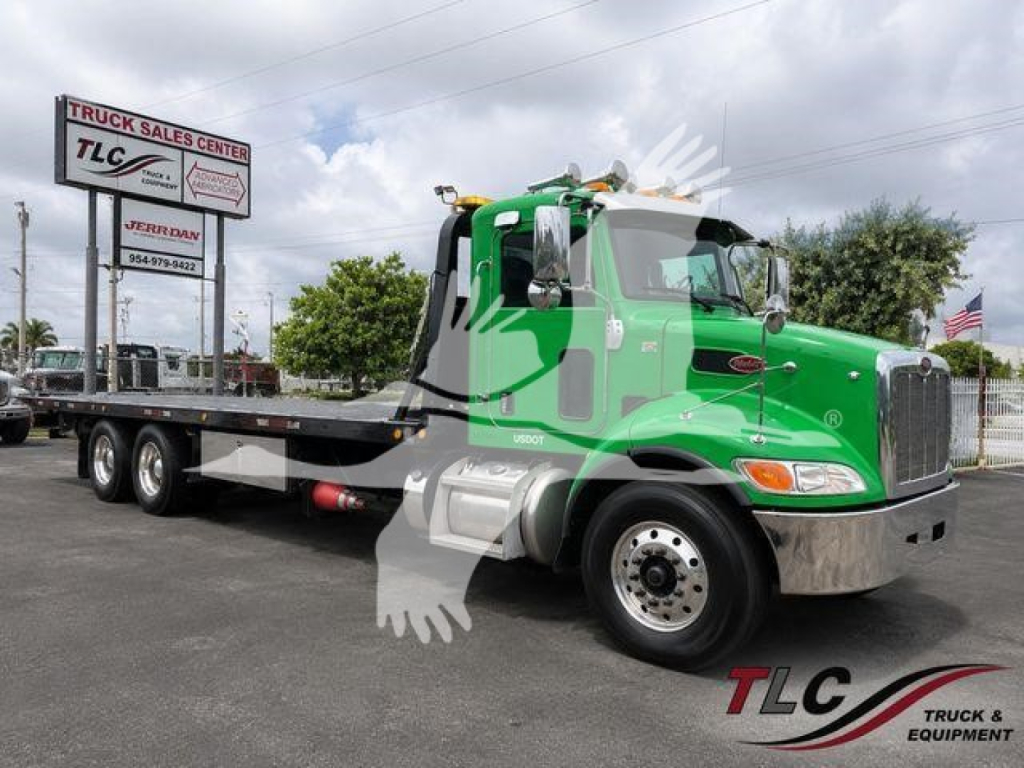
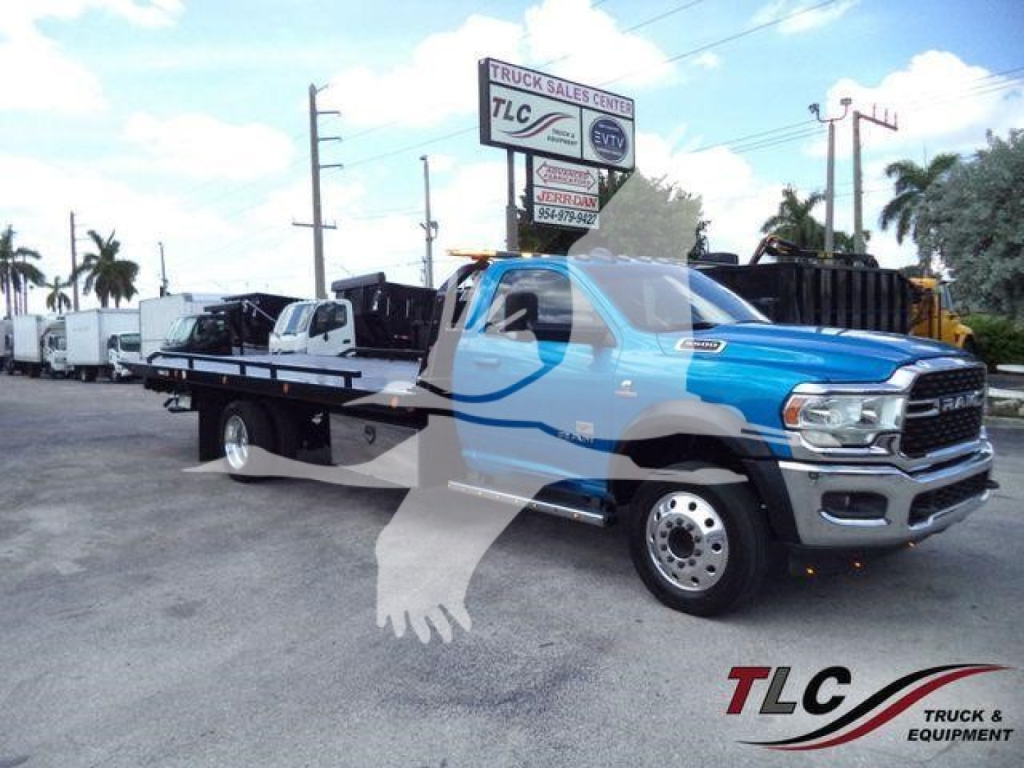
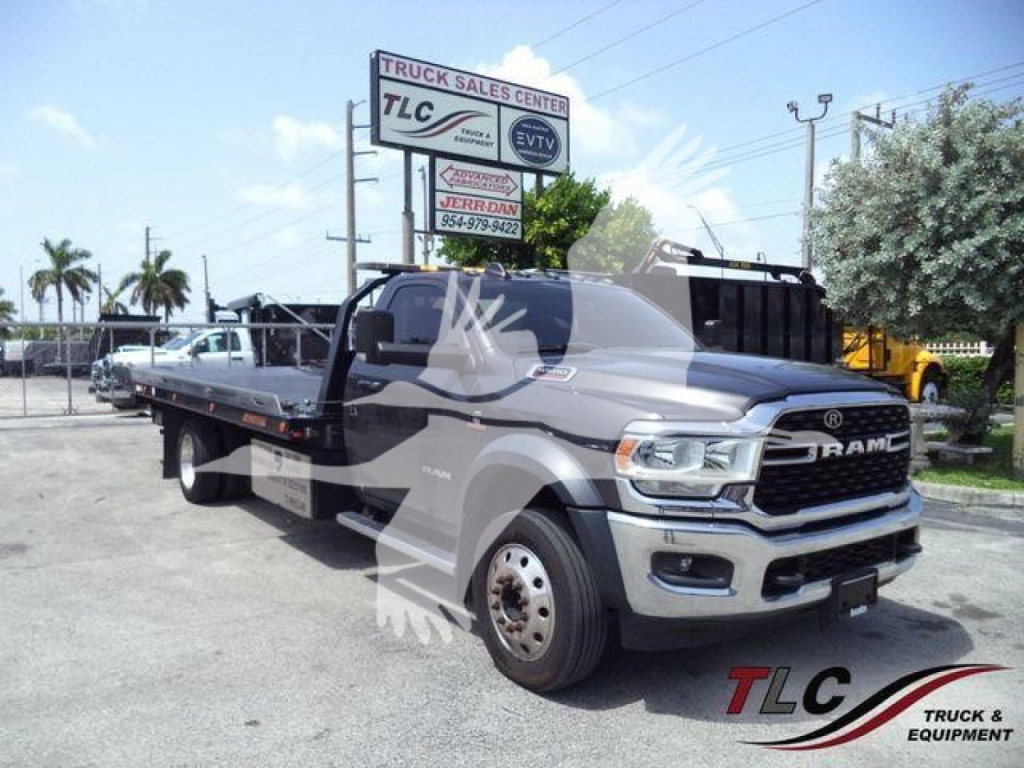
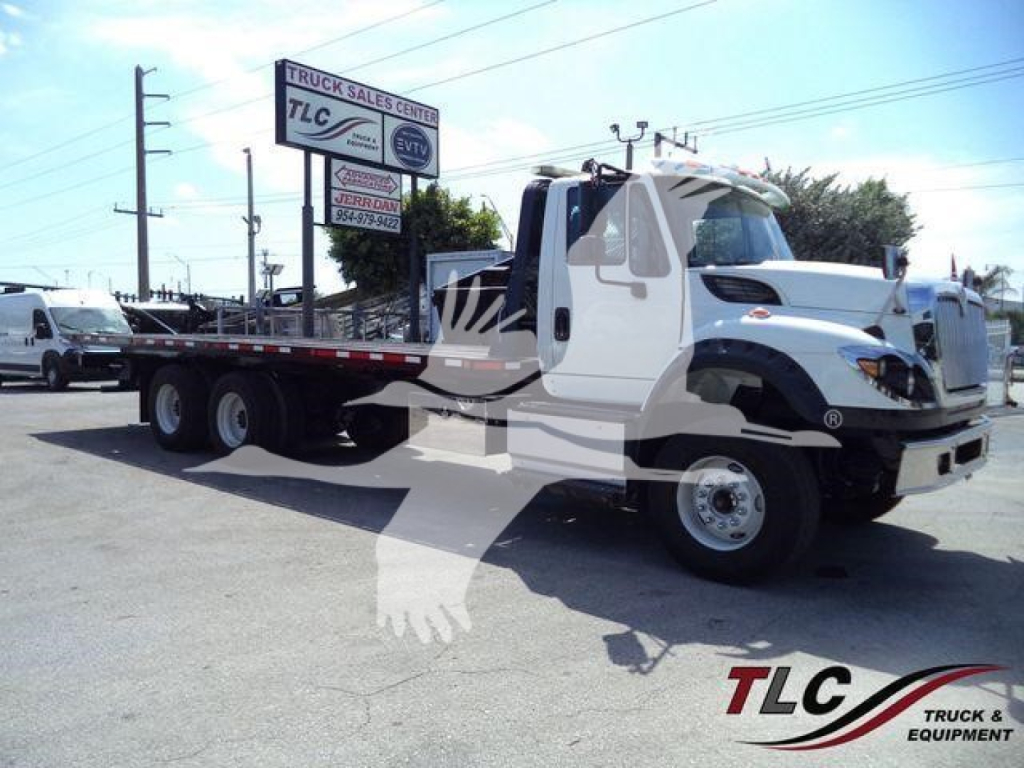
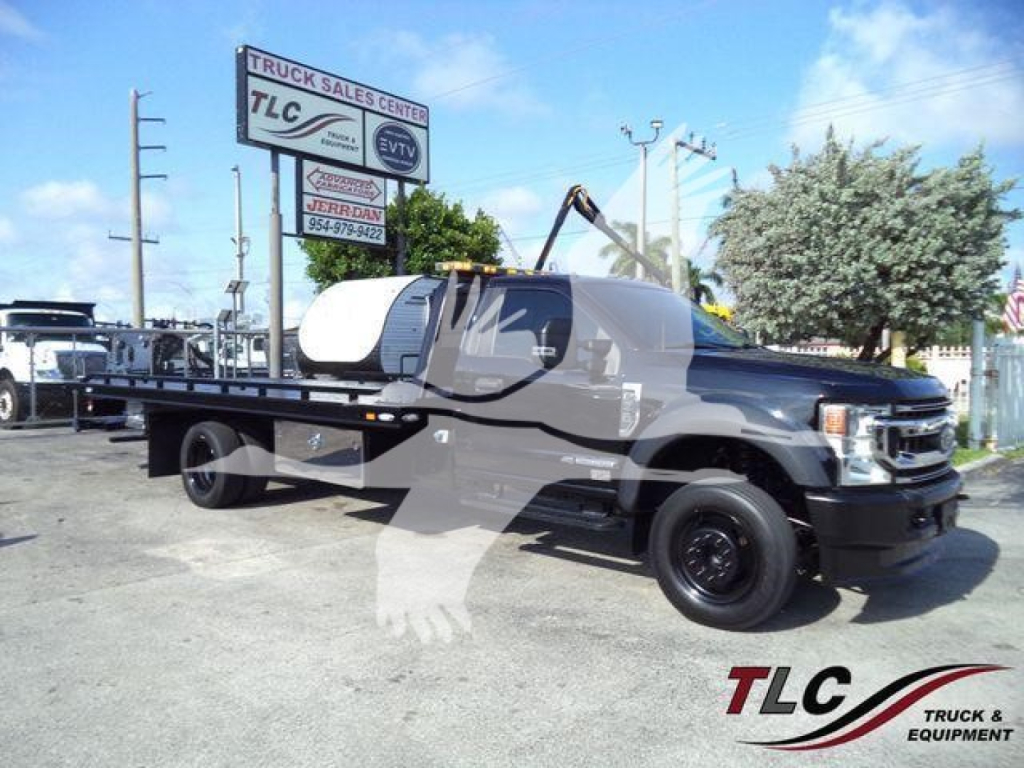
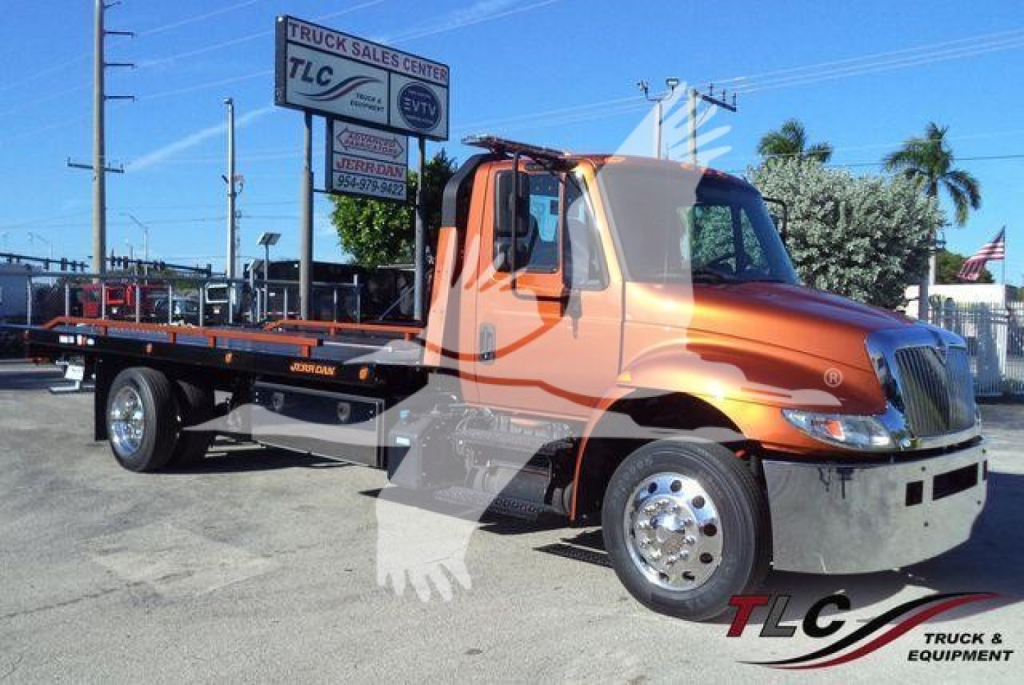
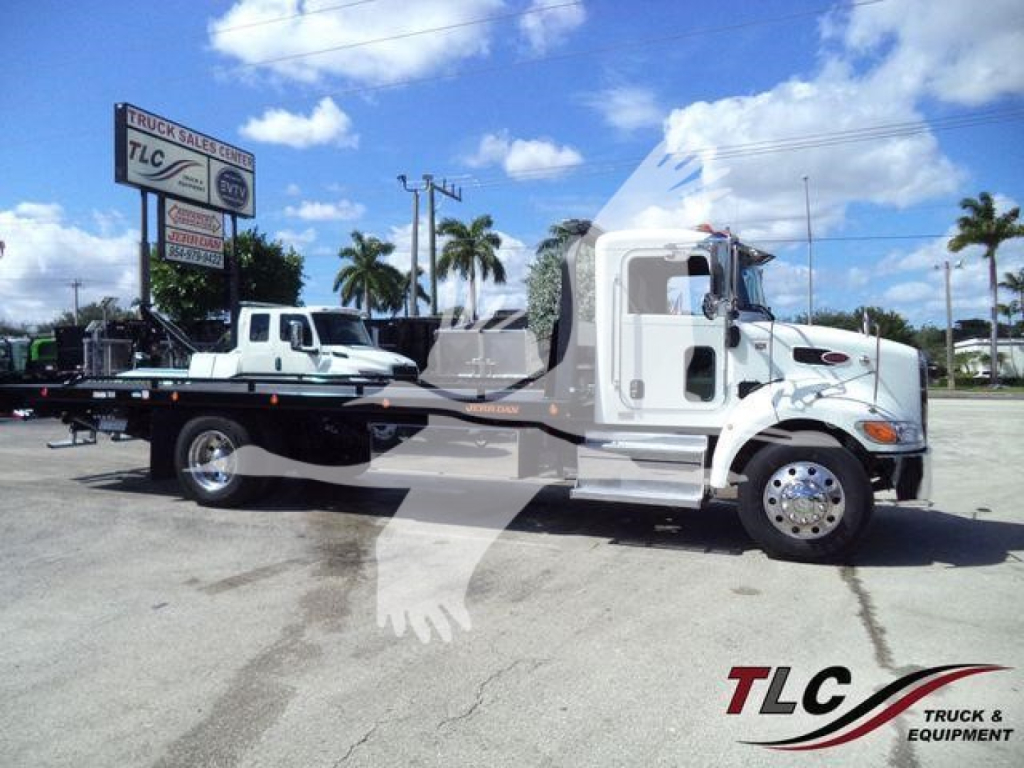
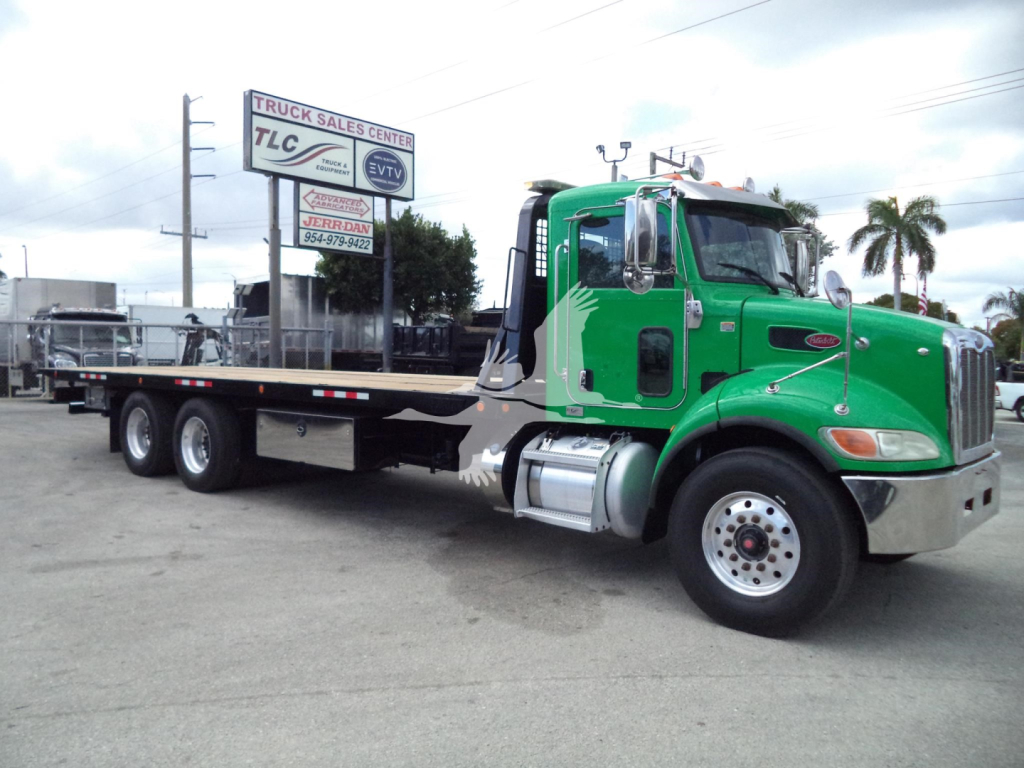
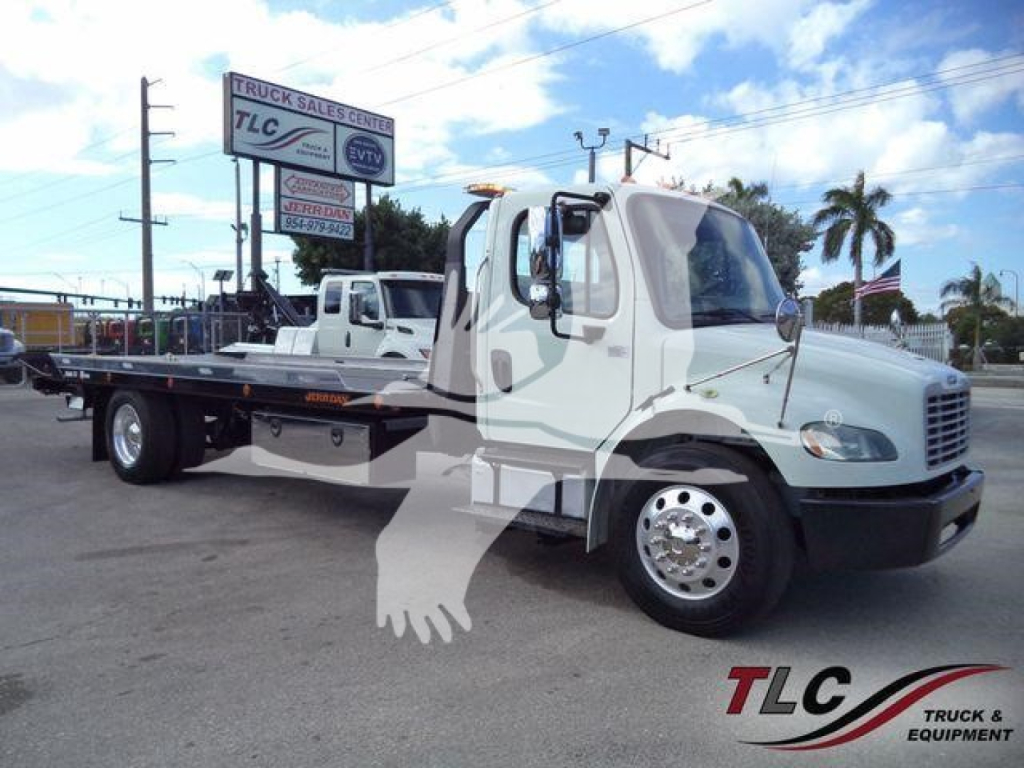
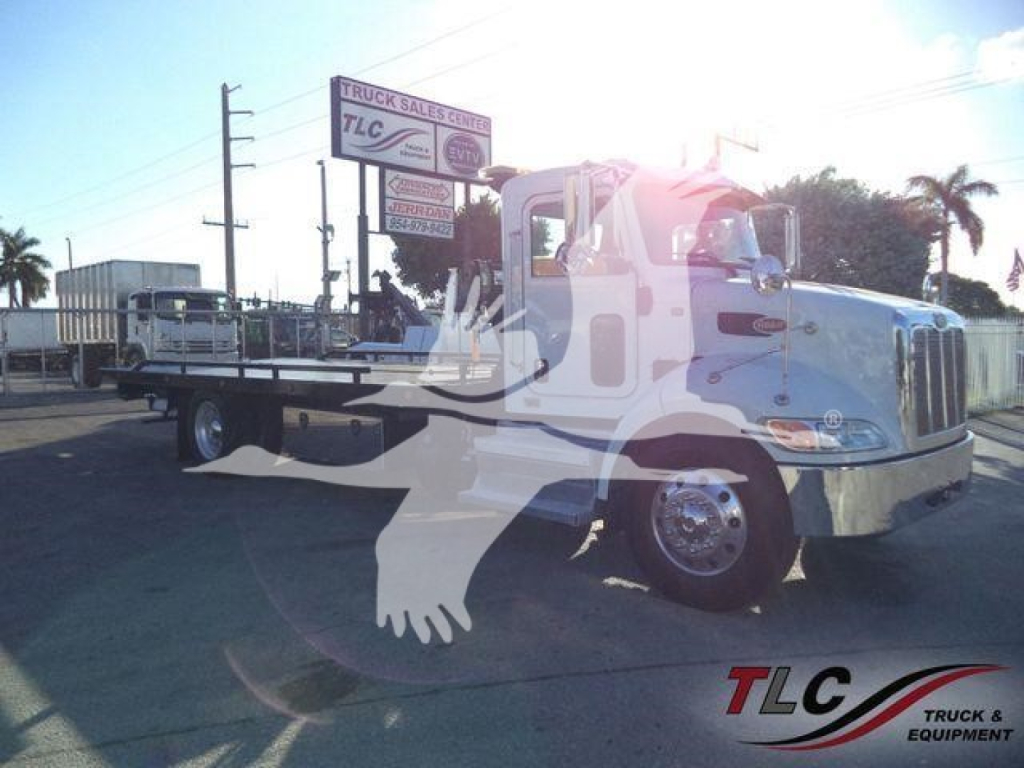
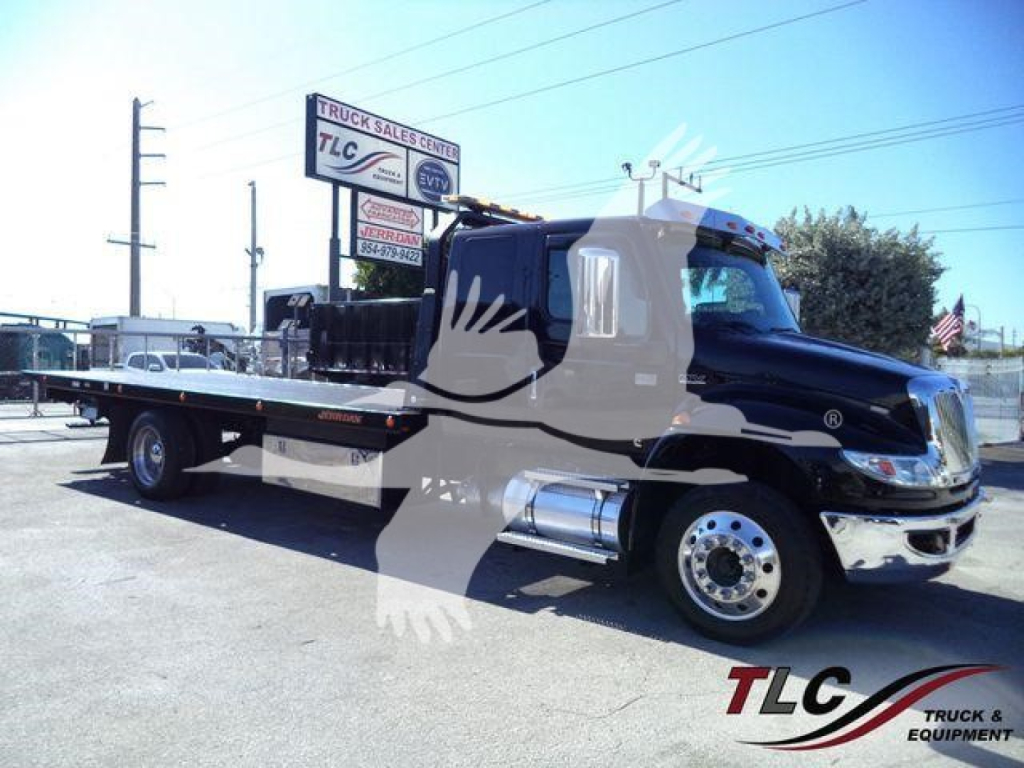
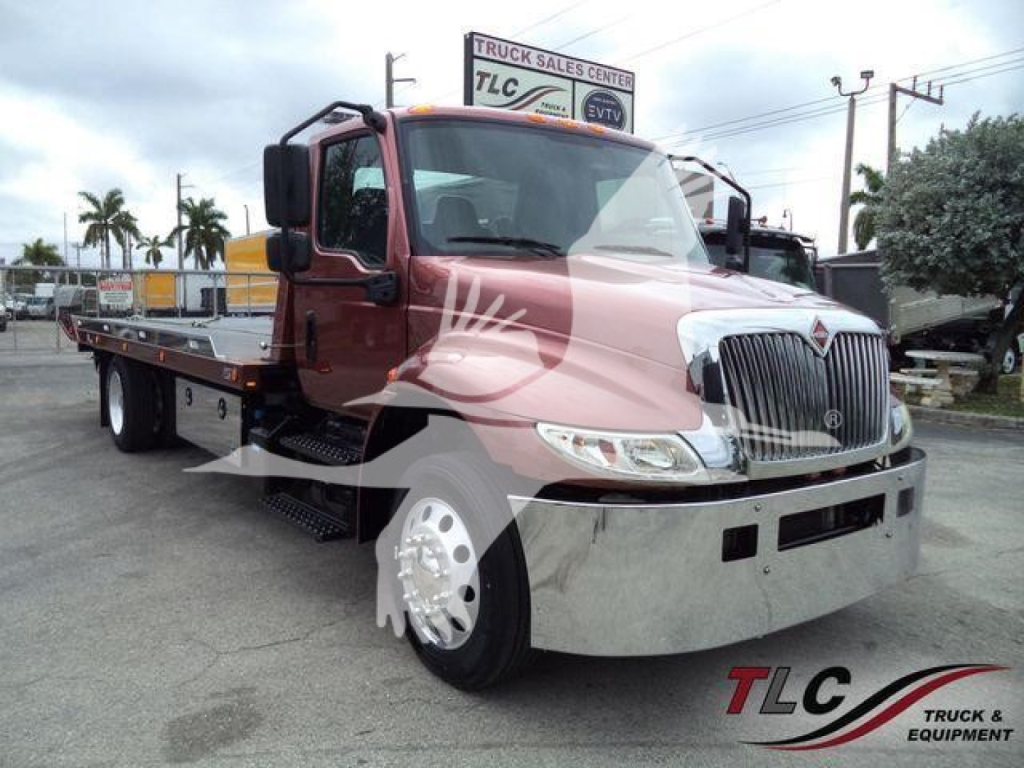
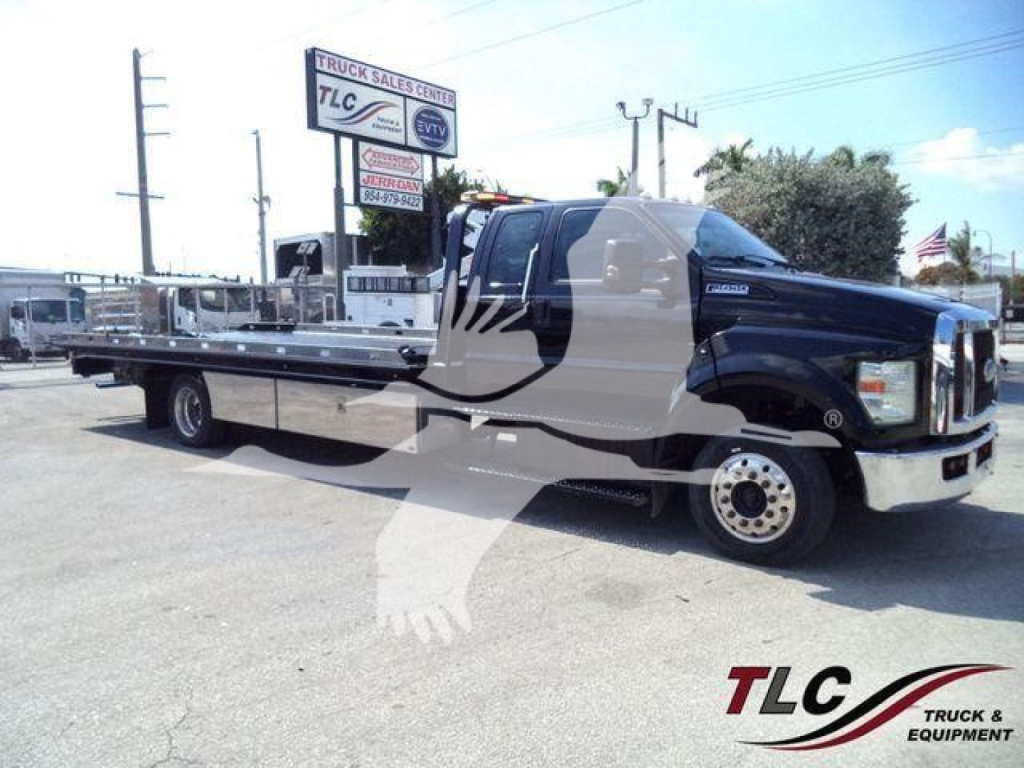
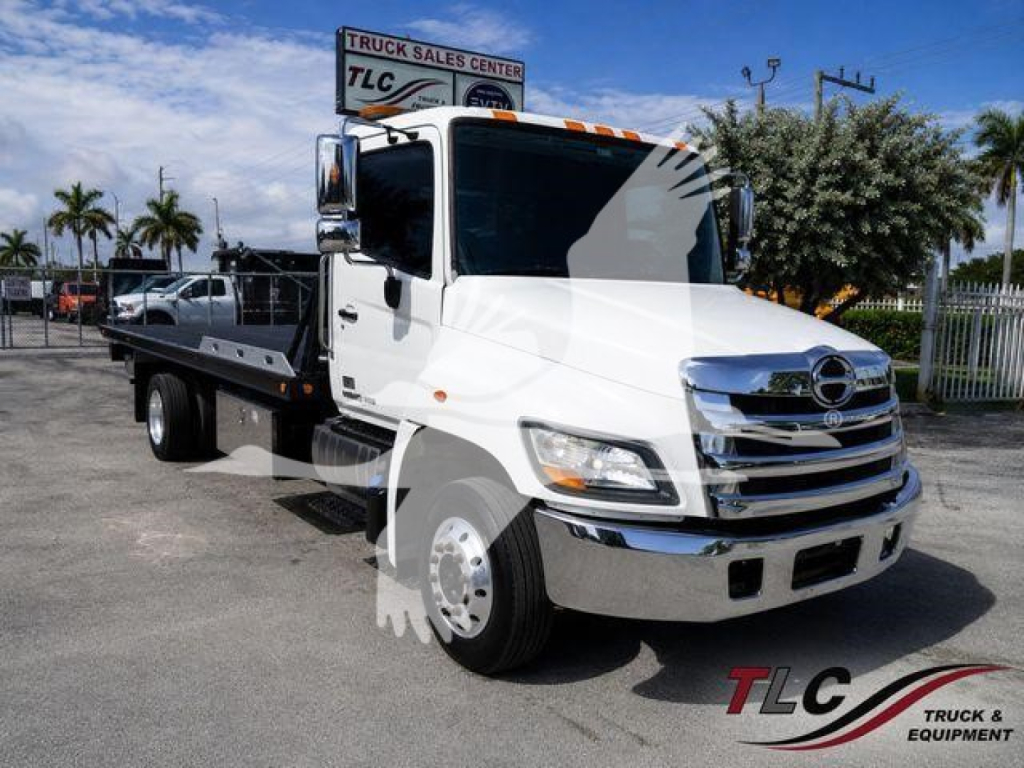
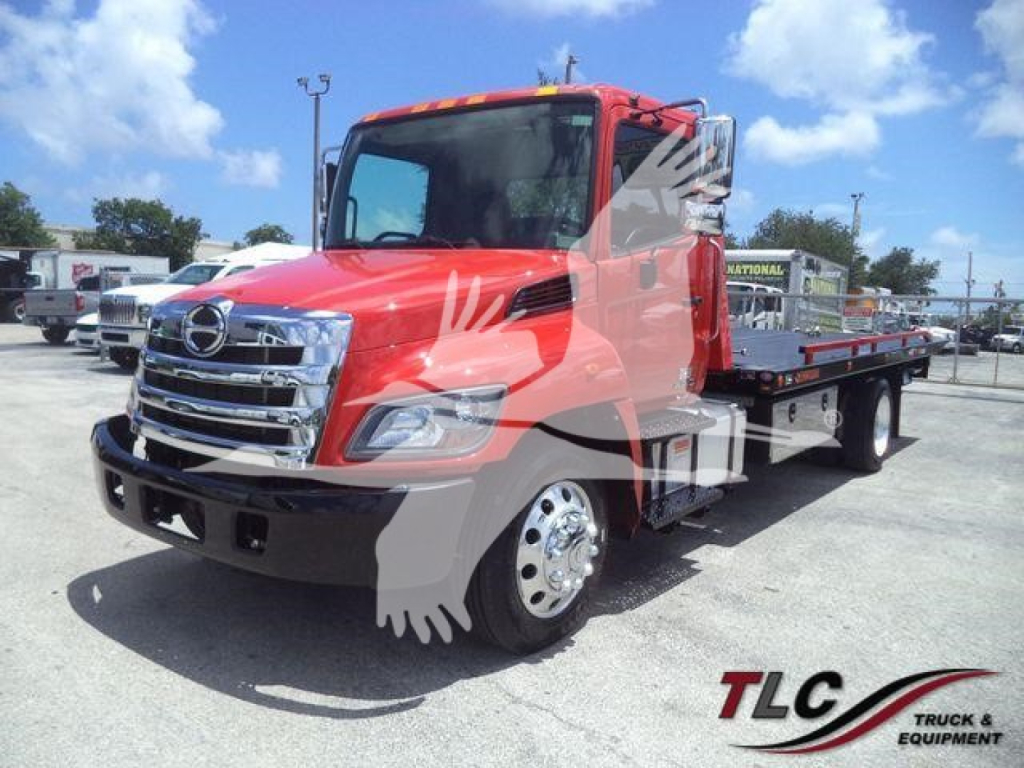
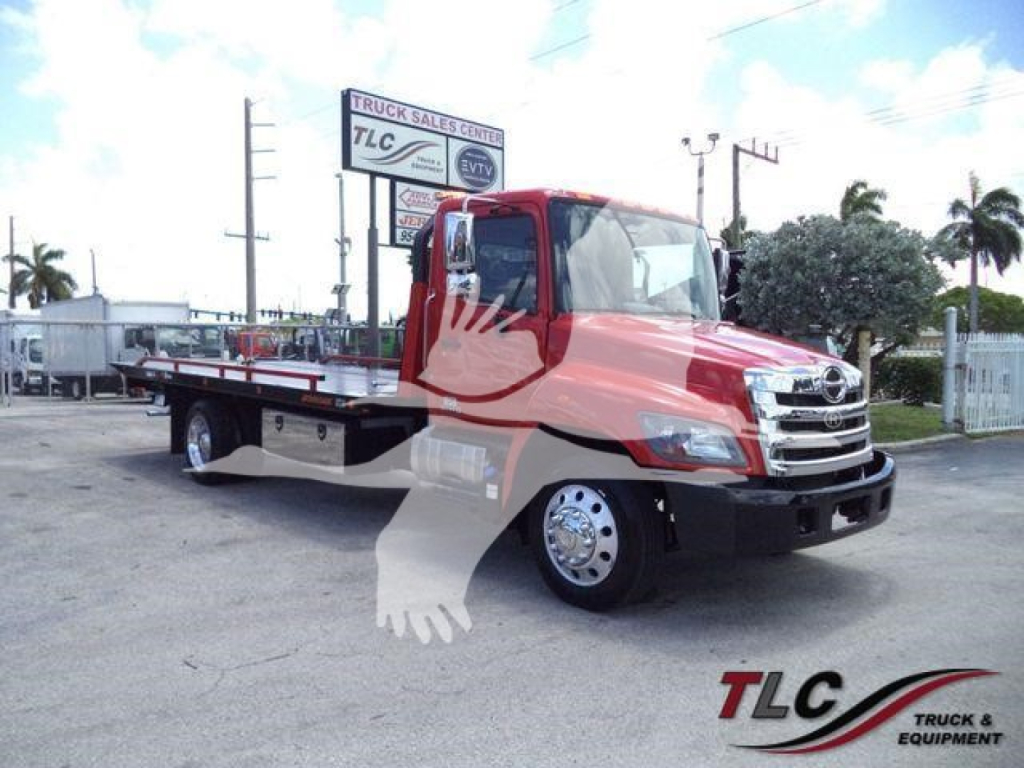
A practical starting point is matching bed length and deck style to the work. A 19.5-foot or 22-foot low center of gravity carrier is a strong fit for passenger vehicles, light trucks, and tighter urban recovery work. A 28-foot rollback on a heavier chassis is more at home moving larger pickups, vans, work trucks, equipment, or multiple loading scenarios where extra deck space and chassis stability matter. Key body specs include 102-inch bed width, 6-ton to 15-ton deck ratings, 8,000-lb to 20,000-lb winches, removable side rails, and hydraulic wheel-lifts in the 3,500-lb class and up. Dual-angle and low-profile deck designs can make a real difference when loading low-clearance cars, long-wheelbase vehicles, or damaged units with limited rolling ability.
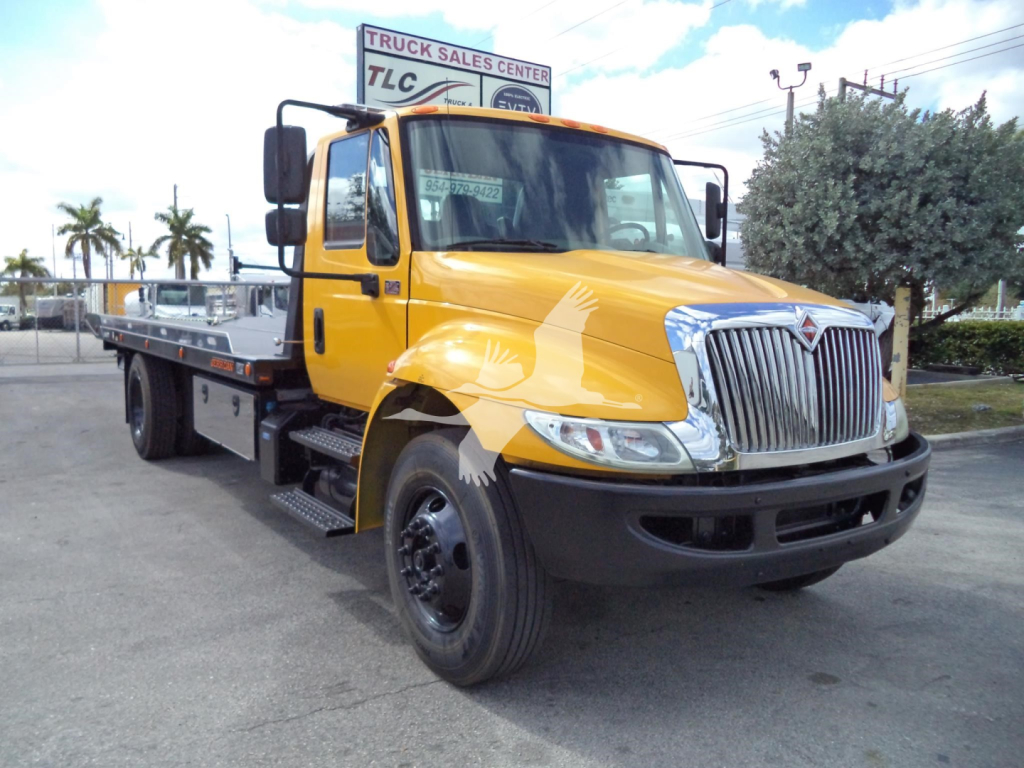
On the chassis side, used rollback trucks in this market often include Ram 5500, International DuraStar 4300, Freightliner M2 106, and heavier International WorkStar models. Engines commonly include Cummins 6.7L, Cummins ISL 8.9L, and larger heavy-duty diesels paired with automatic or 10-speed manual transmissions. Buyers should look closely at front and rear axle ratings, wheelbase, suspension type, brake system, PTO setup, and frame configuration. Air ride suspension, double-frame construction, dual steering boxes, and air brakes become more important as bed length and intended load increase. For a Florida operator working highways, ports, auctions, dealer transfers, and municipal routes, corrosion is usually less aggressive than in northern snow states, but hydraulic condition, deck wear, winch operation, and underbody maintenance still deserve a close inspection.
The best used rollback truck is the one sized correctly for the calls you run most often. A lighter 19,500-lb GVWR unit can be easier to register, maneuver, and operate for routine vehicle transport, while a 26,000-lb GVWR or heavier carrier gives more chassis capability for commercial pickups, loaded service bodies, and more demanding recovery work. Check deck cylinders, cable condition, tie-down points, toolbox layout, light bar function, and wheel-lift geometry before buying. If the truck will spend most of its time on repossessions, dealer moves, accident recovery, or equipment hauling, the right mix of bed height, winch pull, and wheel-lift design matters more than cosmetic upgrades.
Frequently Asked Questions about Used Rollback Trucks in Florida
What is the difference between a rollback truck and a wrecker?
A rollback truck uses a tilting, sliding deck to load the entire vehicle onto the bed, while a wrecker typically tows a vehicle with a boom or wheel-lift while the vehicle remains partly on the road. Rollbacks are preferred for all-wheel-drive vehicles, low-clearance cars, damaged vehicles, and dealer or auction transport because full-deck loading reduces driveline risk and road exposure.
What bed length is best for a used rollback truck?
The right bed length depends on the vehicles you move most often. A 19.5-foot or 22-foot bed is common for passenger cars, SUVs, and light-duty towing. A 28-foot rollback is better suited to larger trucks, vans, equipment, and jobs where extra deck space improves load placement and stability. Longer beds also require a chassis with the right wheelbase, axle ratings, and frame strength.
How much winch capacity should a rollback truck have?
Many light-duty rollback trucks use an 8,000-lb winch, which is adequate for routine vehicle loading in normal conditions. Medium-duty and heavy-duty carriers often step up to 20,000-lb winches for disabled trucks, equipment, and heavier recoveries. Winch selection should match the type of units being loaded, the terrain, and how often you handle non-running or damaged vehicles.
What should I inspect first on a used rollback truck?
Start with the carrier body and hydraulic system. Inspect the deck for rust, cracks, uneven wear, and damage around pivot points. Check cylinder operation, PTO engagement, winch function, cable condition, wheel-lift operation, and the condition of rails, tie-downs, and toolboxes. Then verify chassis mileage, engine hours if available, axle ratings, suspension, brakes, tires, and service records. On a used tow truck, body and hydraulic condition can be just as important as engine and transmission health.
Is a 26,000-lb GVWR rollback truck a good choice in Florida?
A 26,000-lb GVWR rollback is a common sweet spot for operators who need more capability than a light-duty carrier without moving into a much larger heavy-duty truck. It is often well-suited for moving pickups, vans, fleet vehicles, and medium-size commercial units. For Florida routes that mix city traffic, highways, auctions, and dealer transport, this size usually offers a strong balance of maneuverability, bed capacity, and chassis durability.