
Used 2017 Rollback Trucks For Sale in Florida
Shop used 2017 rollback trucks in Florida. Compare bed length, winch capacity, wheel-lift setup, GVWR, and chassis specs for towing work.
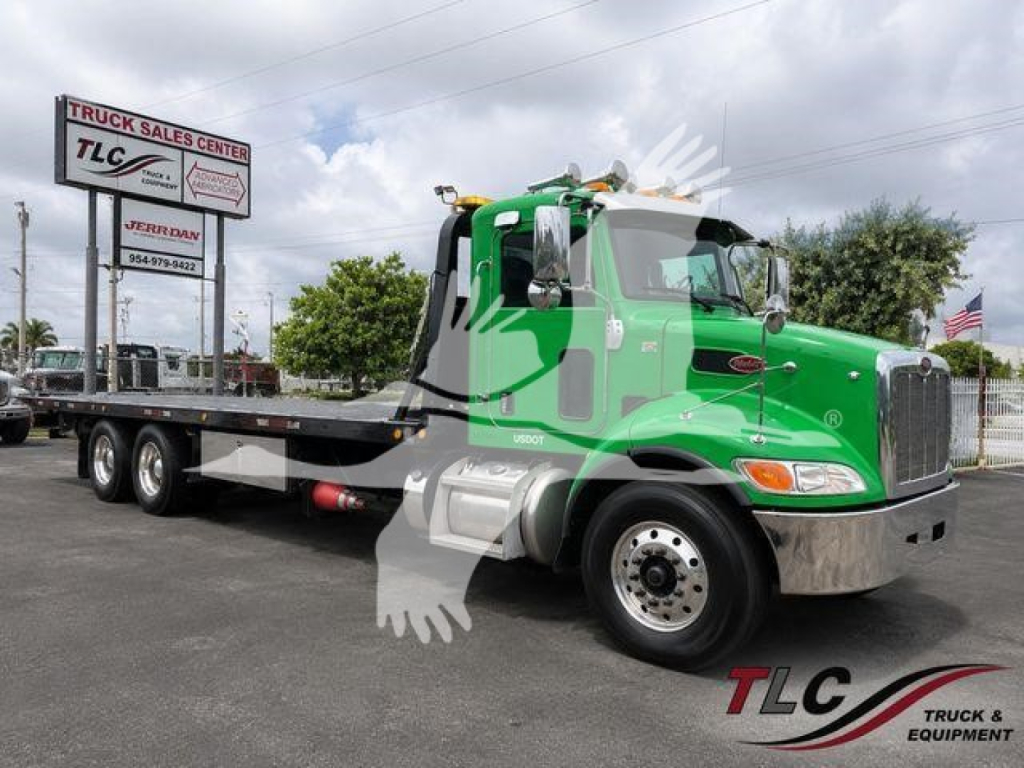
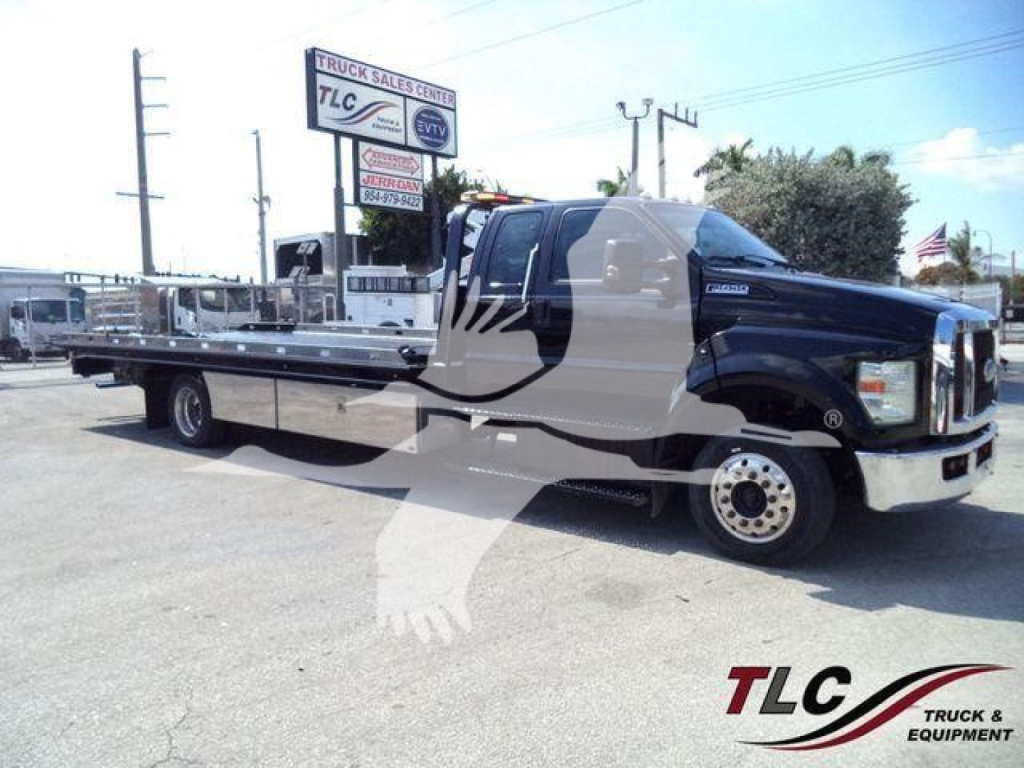
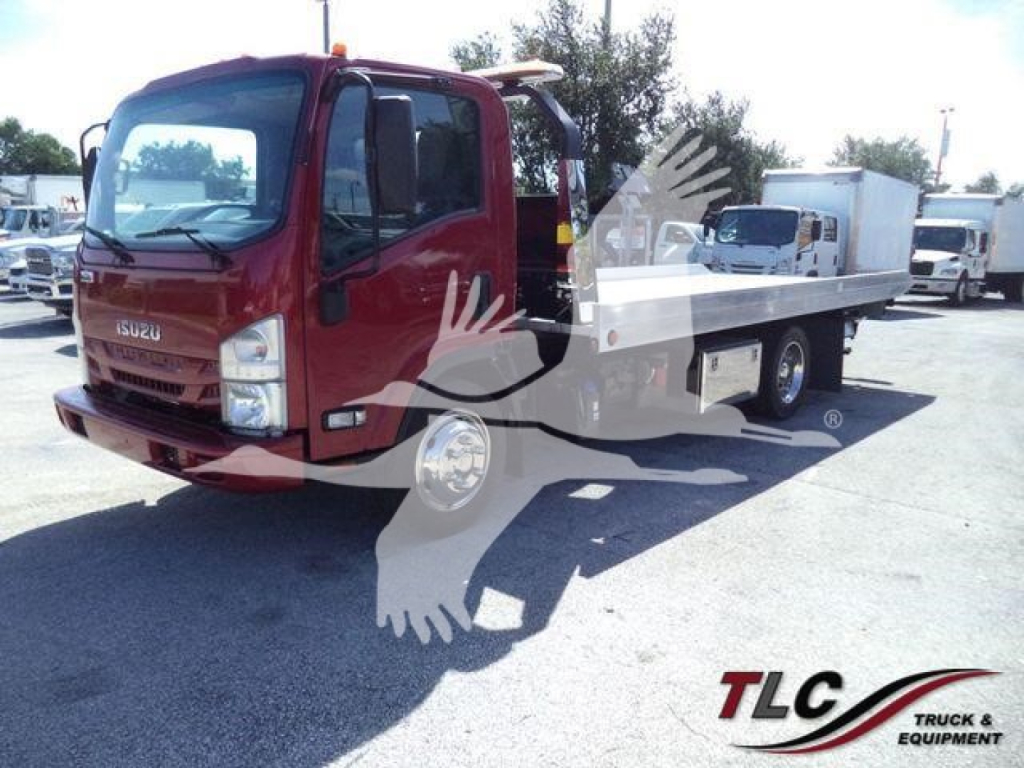
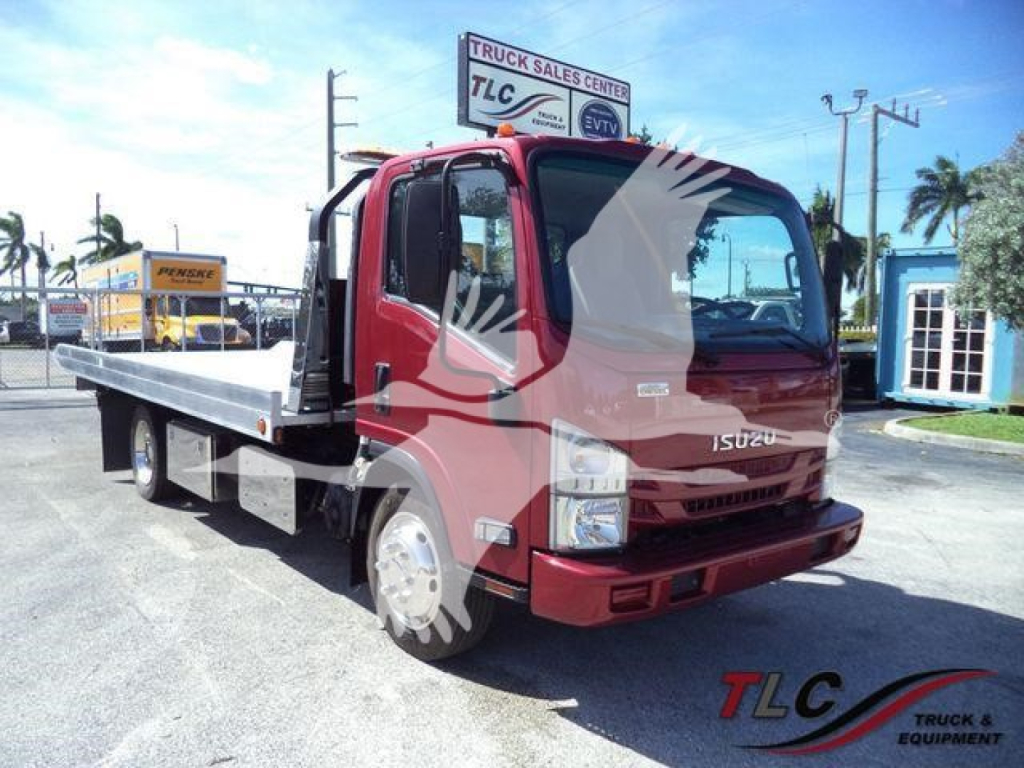
Selling a used 2017 rollback truck? List your used 2017 rollback truck for sale and reach thousands of commercial buyers.
Used 2017 Rollback Trucks in Florida
Bed size and body configuration matter as much as the chassis. Many 2017 rollback trucks run 21 to 22 foot low center gravity beds for standard passenger vehicle recovery and transport, while heavier units may carry 28 to 30 foot decks for larger vehicles or multi-car applications. Common body brands include Jerr-Dan, Century, and Chevron. Look closely at deck width, steel versus aluminum construction, removable rails, deck approach angle, and bed rating in tons. A typical light-duty carrier may have an 8,000 lb winch and 3,500 lb wheel lift, while heavier rollback trucks can be equipped with 20,000 lb winches, hydraulic wheel lifts, double-frame chassis, and tandem rear axles for severe-service towing.
The chassis side of the equation usually comes down to application and operating area. In Florida, automatic transmissions are common on medium-duty rollback trucks because they simplify urban towing and driver turnover, while larger tandem-axle units may use manual gearboxes for heavier recovery work. Engines often include Cummins B6.7, ISL9, ISX12, or ISX15 depending on class, with horsepower ranging from the low 200s on under-CDL carriers to 400 hp and up on heavy-spec trucks. Buyers should check wheelbase, front axle capacity, rear axle rating, suspension type, PTO setup, and whether the truck has air brakes, engine brake, differential lock, and dual steering boxes. On a 2017 diesel, emissions system condition is also worth reviewing, including DEF system service history and fault code records.
Florida buyers should also pay attention to corrosion exposure, hydraulic condition, and how the truck was used. A rollback that spent its life on vehicle transport routes may show different bed wear than one used in daily accident recovery. Inspect the subframe, bed pins, cylinder mounts, winch cable or synthetic line, scuff areas, tool boxes, light bar wiring, and wheel-lift pivot points. Tire size, deck surface traction, tie-down points, and ramp or tail design all affect daily usability. The best used 2017 rollback trucks are the ones with a body rating that matches the real workload, a chassis heavy enough for the job, and maintenance records that support the hours and mileage.
Frequently Asked Questions about Used 2017 Rollback Trucks in Florida
What is the difference between a rollback truck and a wrecker?
A rollback truck uses a hydraulic sliding and tilting bed to pull a vehicle fully onto the deck for transport. A wrecker typically lifts one end of the disabled vehicle with a boom or wheel-lift and tows it with two wheels on the ground. Rollback trucks are usually preferred for all-wheel-drive vehicles, low-clearance cars, damaged vehicles, and any transport where reducing driveline or bumper damage is a priority.
What bed length is most common on a 2017 rollback truck?
Common bed lengths depend on the truck class and intended work. Light and medium-duty rollback trucks often use 21 to 22 foot beds for passenger vehicles and pickups. Heavy-duty or tandem-axle rollback trucks may use 28 to 30 foot beds to handle larger vehicles, longer wheelbases, or multi-car hauling. Bed length should be matched to the wheelbase of the chassis and the type of vehicles being loaded most often.
Is an under-CDL rollback truck enough for towing work in Florida?
An under-CDL rollback around 25,950 to 26,000 GVWR can be a strong fit for standard car hauling, dealer transport, repossession, and light recovery. It is easier to staff and often less expensive to operate. It may not be enough for heavier pickups, work vans, commercial units, or jobs that require a stronger wheel lift and larger winch. Buyers should compare the body rating, axle capacities, and local job mix before choosing under-CDL over a heavier carrier.
What should I inspect first on a used 2017 rollback truck?
Start with the bed and hydraulic system, because that is the working end of the truck. Check cylinder operation, deck alignment, bed locks, winch function, wheel-lift wear, PTO engagement, and hydraulic leaks. Then inspect the frame, rear body mounts, suspension, tires, and brake system. On the powertrain side, review engine hours, transmission operation, DEF and emissions history, and any stored fault codes. A rollback can look clean cosmetically while still having expensive wear in the bed structure or hydraulics.
What winch and wheel-lift capacity should a rollback truck have?
For standard passenger vehicle work, an 8,000 lb winch and 3,500 lb wheel lift are common on light and medium-duty carriers. Heavier rollback trucks used for commercial towing, larger pickups, or severe-service recovery may carry 20,000 lb winches and more robust hydraulic wheel-lift systems. The right capacity depends on the heaviest real-world load, not the occasional best-case load. Buyers should also consider deck rating, chassis GVWR, and axle capacity because winch power alone does not determine what the truck can legally or safely handle.