
Used 2017 Rollback Trucks For Sale
Browse used 2017 rollback trucks with carrier beds, winches, and wheel lifts. Compare GVWR, bed size, chassis, and towing specs.
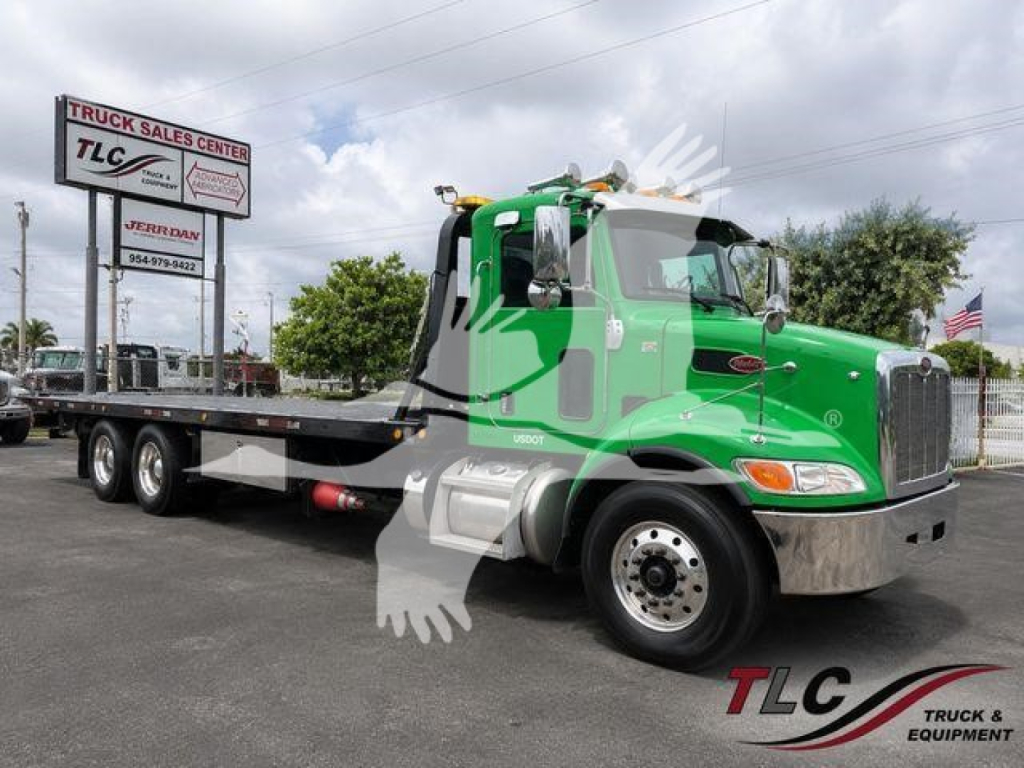
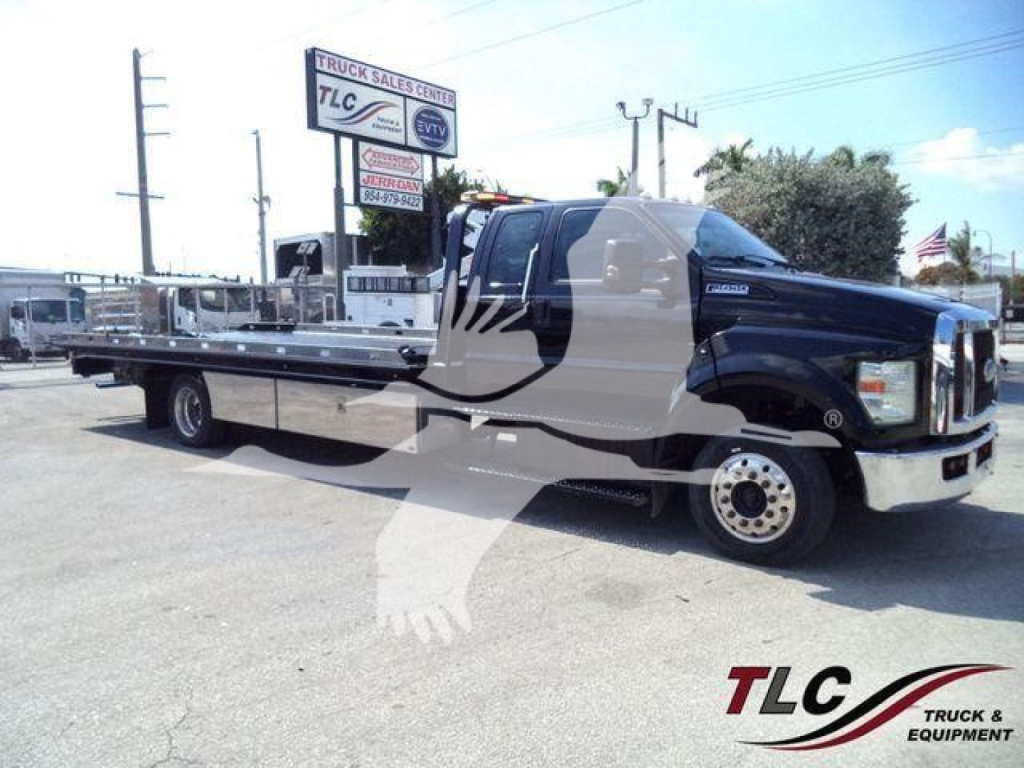
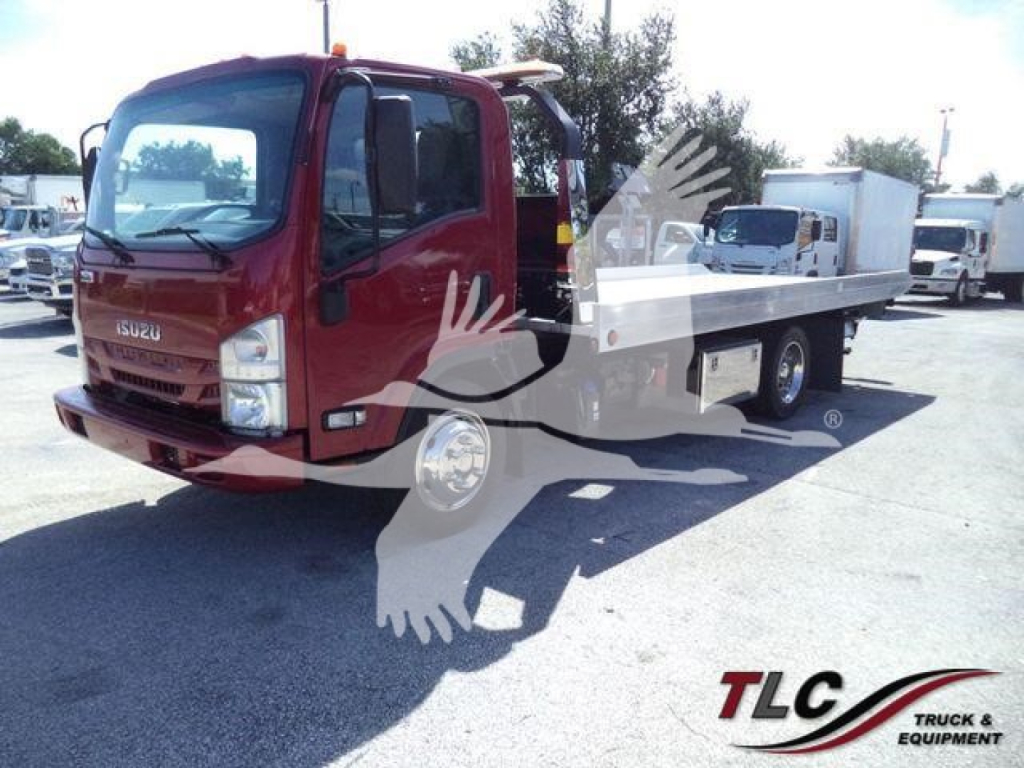
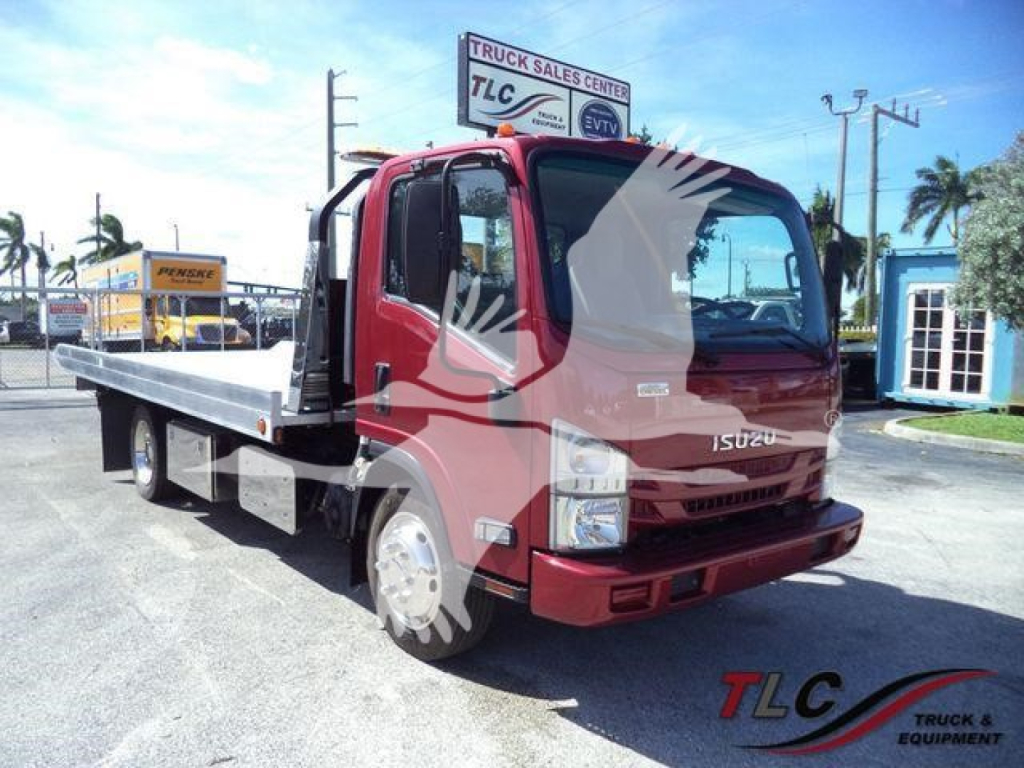
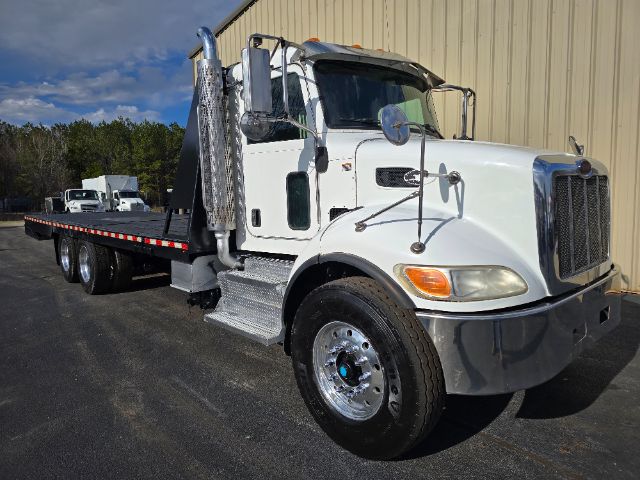
Selling a used 2017 rollback truck? List your used 2017 rollback truck for sale and reach thousands of commercial buyers.
Used 2017 Rollback Trucks
The first spec to sort out is capacity. Many 2017 rollback trucks are set up with 6-ton carrier beds, 8,000-lb winches, and wheel lifts rated around 3,500 to 4,000 lbs extended, which is a common fit for general roadside recovery, dealer transport, auction runs, and local repossession work. If the truck will see heavier pickups, loaded vans, or equipment moves, pay close attention to deck rating, subframe construction, mainbeam design, wheel-lift rating, and tow rating. Steel decks are common and durable, while aluminum bodies can save weight and improve payload. Low-profile and LCG or XLP style carriers matter if you handle lowered cars, EVs, or damaged vehicles with limited ground clearance.
Chassis selection matters as much as body brand. A 2017 rollback may be spec'd with diesel engines in the 6.7L to 7.6L range, automatic transmissions like the Allison 2200 series, and either hydraulic or air brake systems depending on GVWR. Many are non-CDL at 26,000 lb GVWR, which is a major advantage for fleets managing driver availability, but heavier rollback builds can move into CDL territory fast once bed size, wheel lift, and tool storage increase. Look closely at wheelbase, rear axle ratio, suspension type, PTO operation, and tire size, because these affect turning radius, deck angle, highway manners, and how confidently the truck handles a vehicle on the bed plus a tow on the wheel lift.
Body condition and operating hydraulics deserve a careful inspection on any used 2017 rollback truck. Buyers should check deck floor thickness, crossmember spacing, cylinder condition, cable and winch wear, pivot points, controls, lighting, and the condition of removable rails, toolbox doors, and tie-down gear. A truck that spent its life on municipal duty or fleet service may show different wear patterns than one used for repossession or accident recovery. The right 2017 rollback is not just about price or mileage. It is about matching bed length, carrier design, chassis GVWR, and wheel-lift capability to the kind of vehicles you actually move every day.
Frequently Asked Questions about Used 2017 Rollback Trucks
What is the typical bed size on a used 2017 rollback truck?
Most used 2017 rollback trucks in the medium-duty market are equipped with carrier beds around 21 to 22 feet long and about 102 inches wide. That size works well for passenger cars, SUVs, pickup trucks, and many light commercial vehicles. Some heavier rollback builds use 24 to 28 foot beds, but those are more common on larger chassis with higher GVWR and a different operating profile.
Is a 2017 rollback truck usually non-CDL?
Many 2017 rollback trucks are built at 25,999 to 26,000 lb GVWR, which keeps them in the non-CDL range in many jurisdictions. That said, the exact requirement depends on the truck's GVWR, combined weight, local regulations, and how it is used. Buyers should verify the door sticker, registration class, and intended operating weight, especially if the truck has a wheel lift, heavy toolboxes, or a larger body that pushes the chassis higher in rated capacity.
What winch and wheel-lift ratings are common on 2017 rollback trucks?
A common configuration on a 2017 rollback truck is an 8,000-lb winch and a wheel lift rated roughly 3,500 to 4,000 lbs when extended. Those numbers fit general towing and recovery work for cars and light trucks. Heavier rollback units can carry 12,000-lb to 20,000-lb winches and stronger wheel-lift systems, but the right setup depends on the type of recoveries and transports you handle most often.
What should I inspect on a used 2017 rollback body before buying?
Focus on the hydraulic system, deck structure, and wear components. Check tilt and slide function, cylinder seepage, hose condition, PTO engagement, control operation, winch cable condition, deck floor integrity, crossmembers, rear pivot area, wheel-lift operation, and all lighting and tie-down equipment. Rust, cracked welds, sloppy pivots, and uneven deck movement can point to expensive repairs or hard prior service.
Are steel or aluminum rollback beds better on a 2017 truck?
Steel beds are common because they are durable, widely repairable, and well suited for daily towing service. Aluminum beds reduce tare weight and can improve available payload, which is useful on non-CDL chassis and for operators trying to maximize legal carrying capacity. The better choice depends on your use case, corrosion exposure, and how much priority you place on long-term durability versus weight savings.