
Used 2020 Rollback Trucks For Sale in Florida
Browse used 2020 rollback trucks in Florida. Compare deck length, winch capacity, wheel-lift setup, GVWR, and tow body brands.
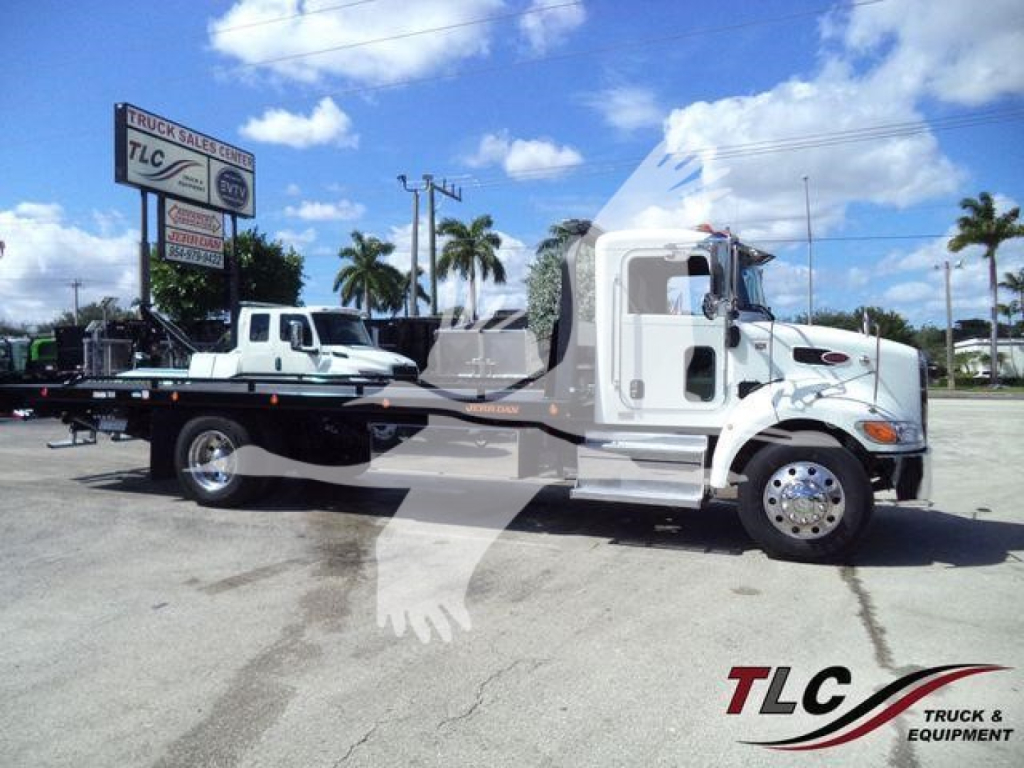
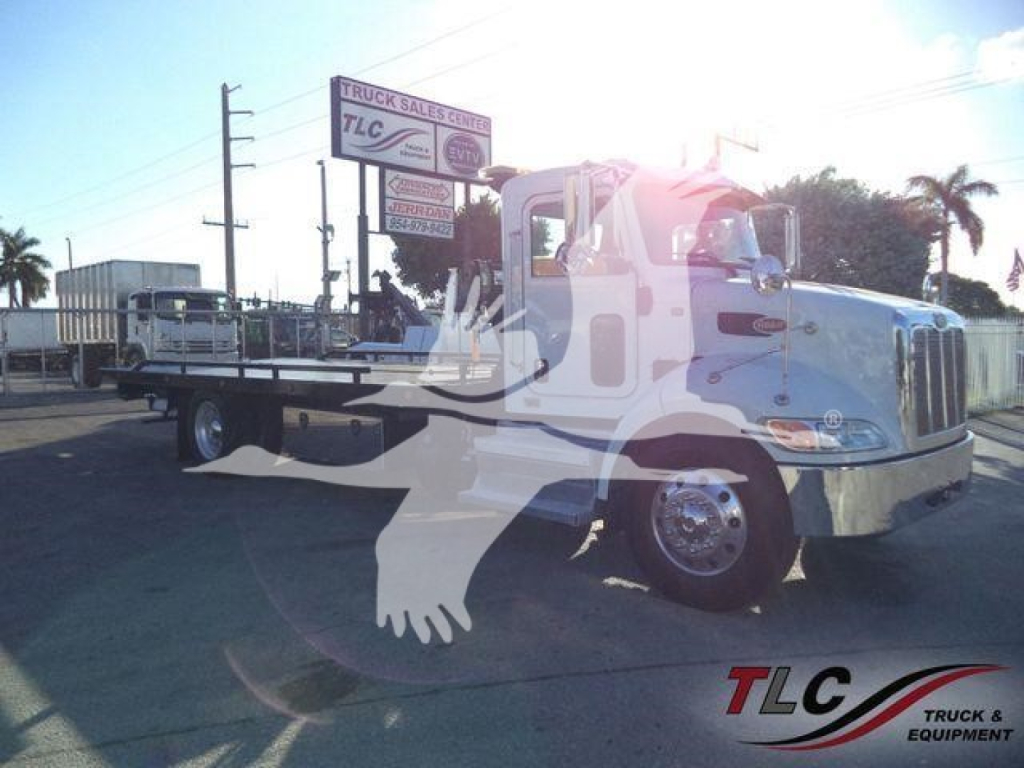
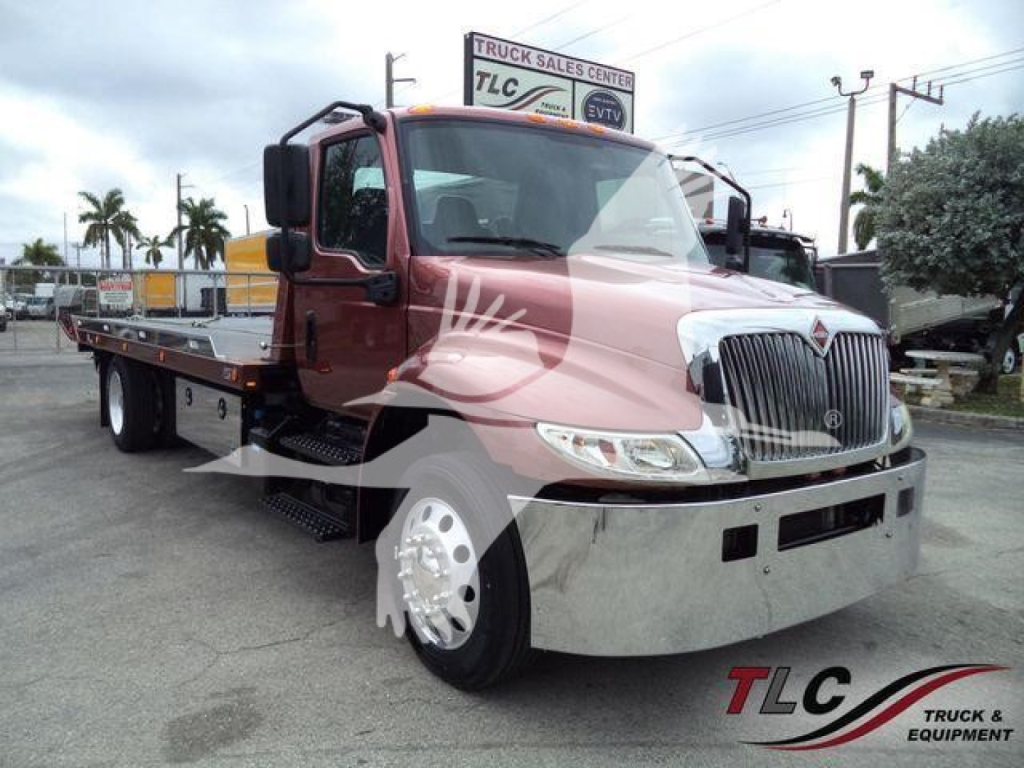
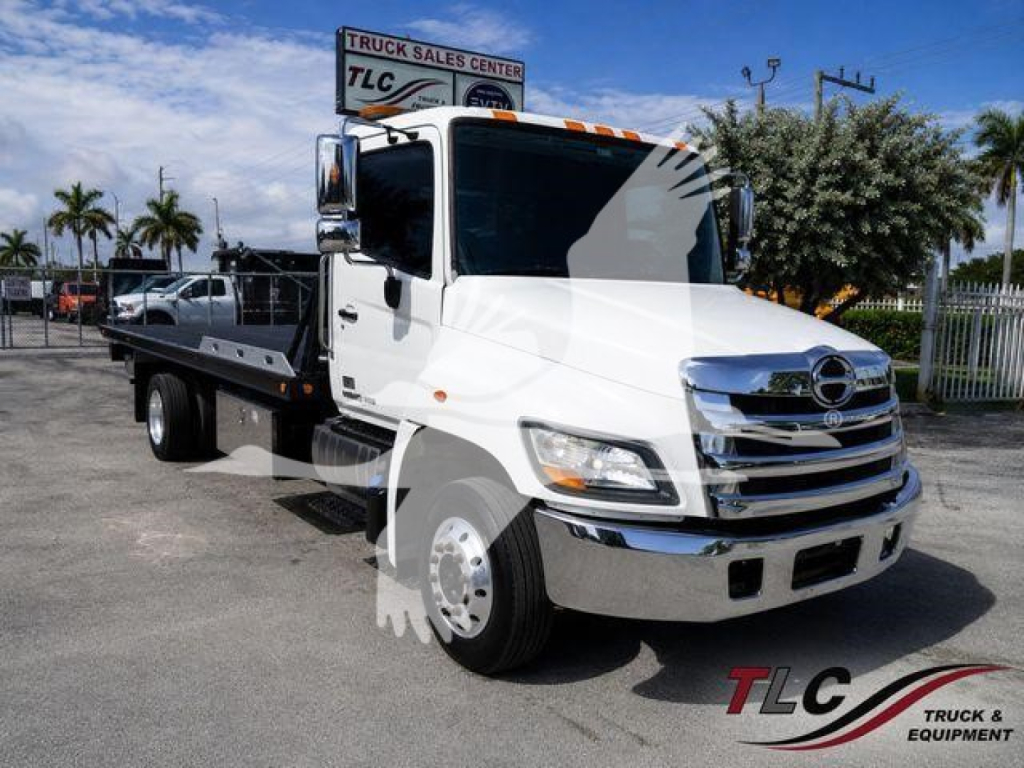
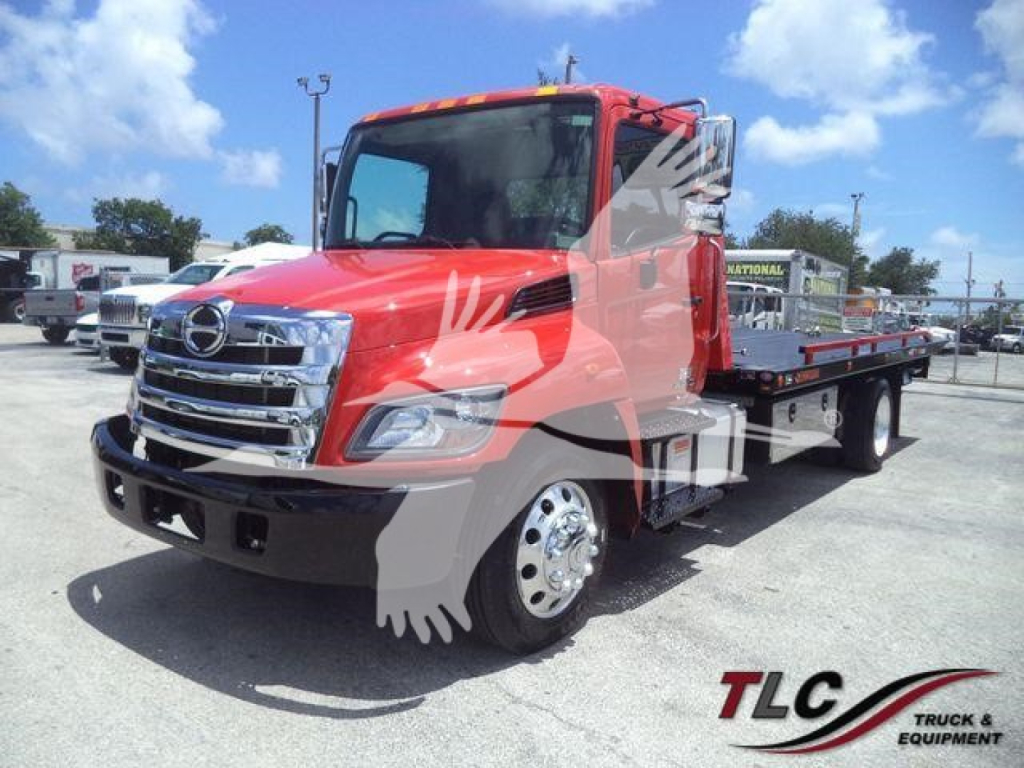
2020 Hino 268A
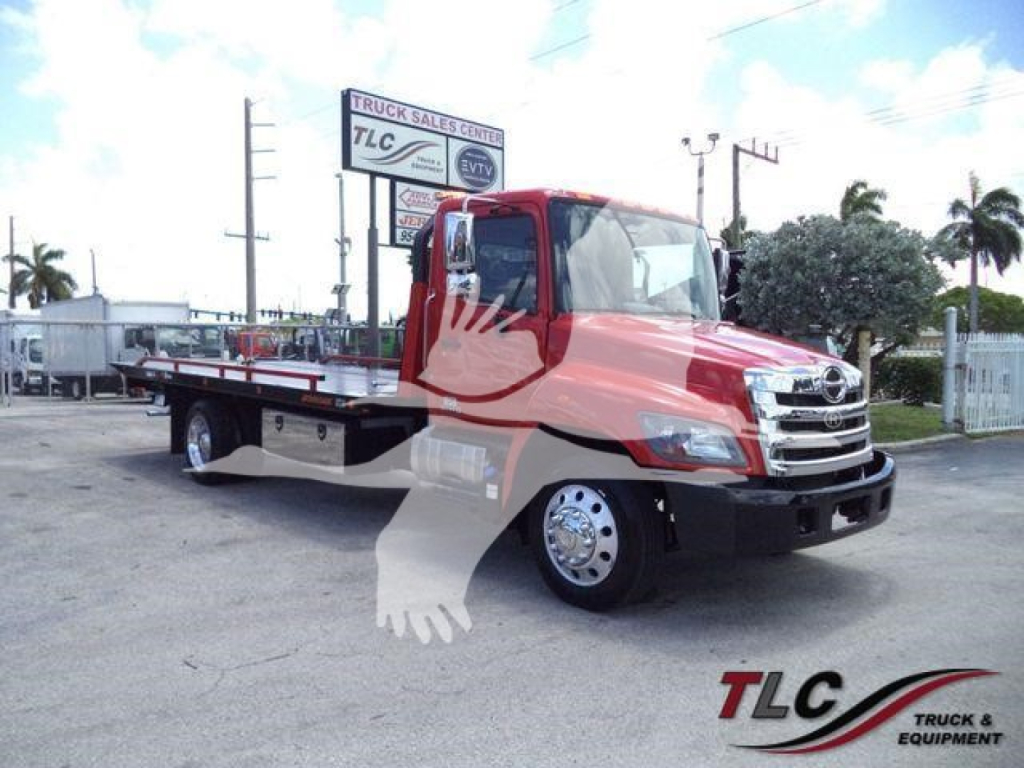
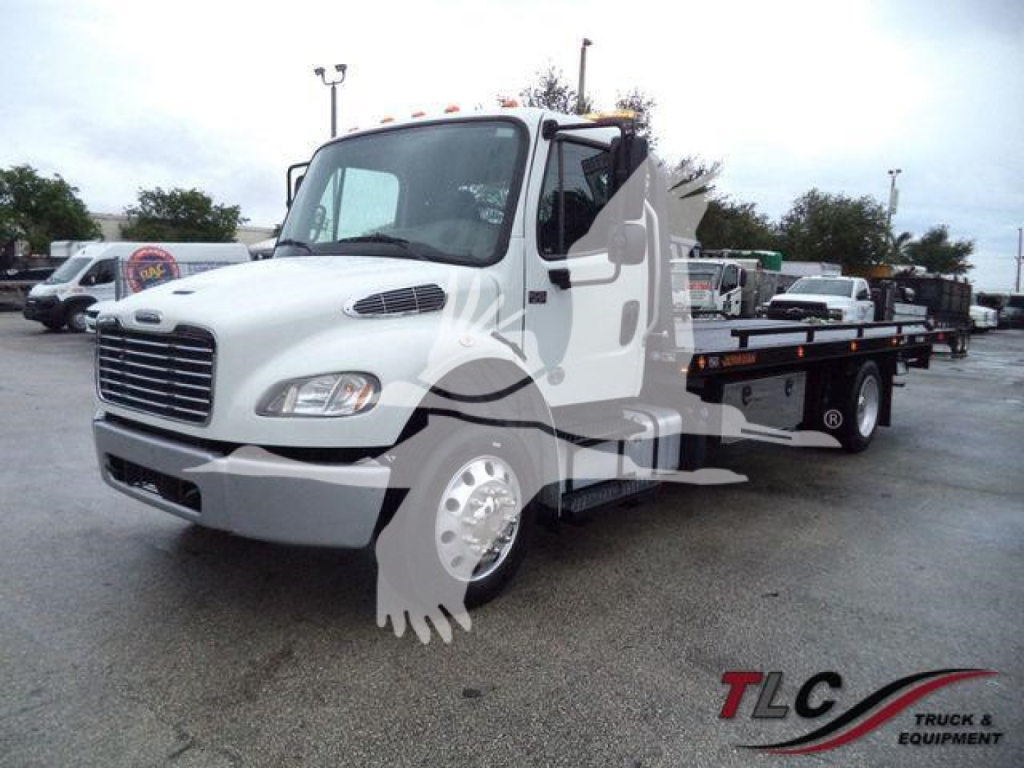
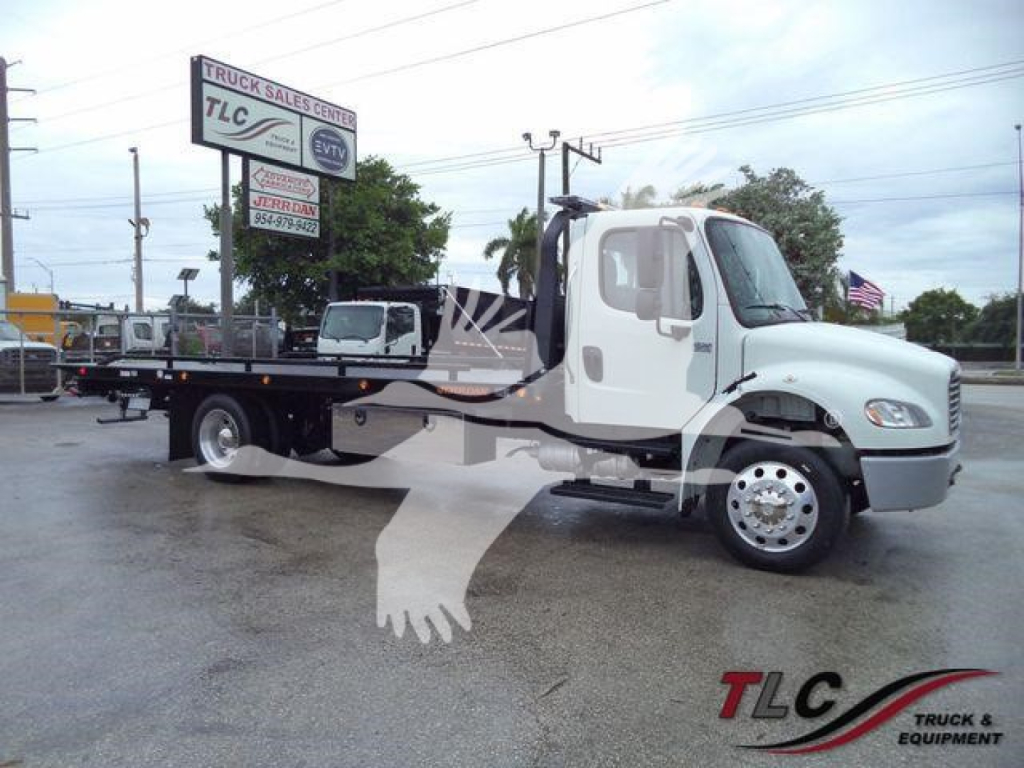
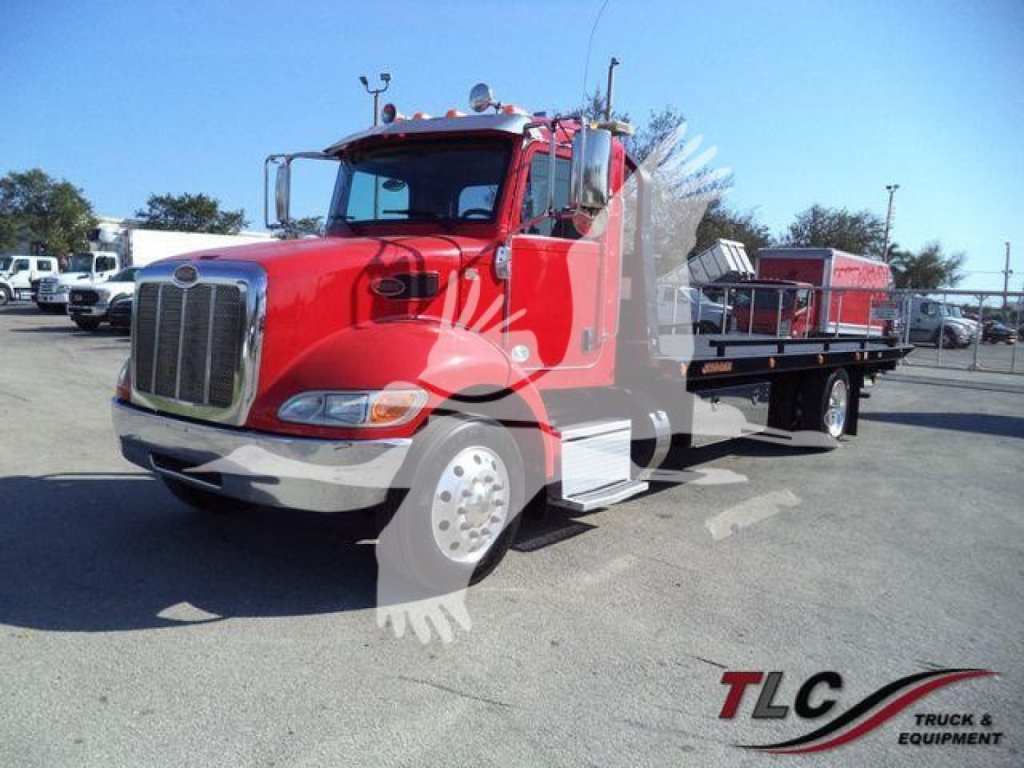
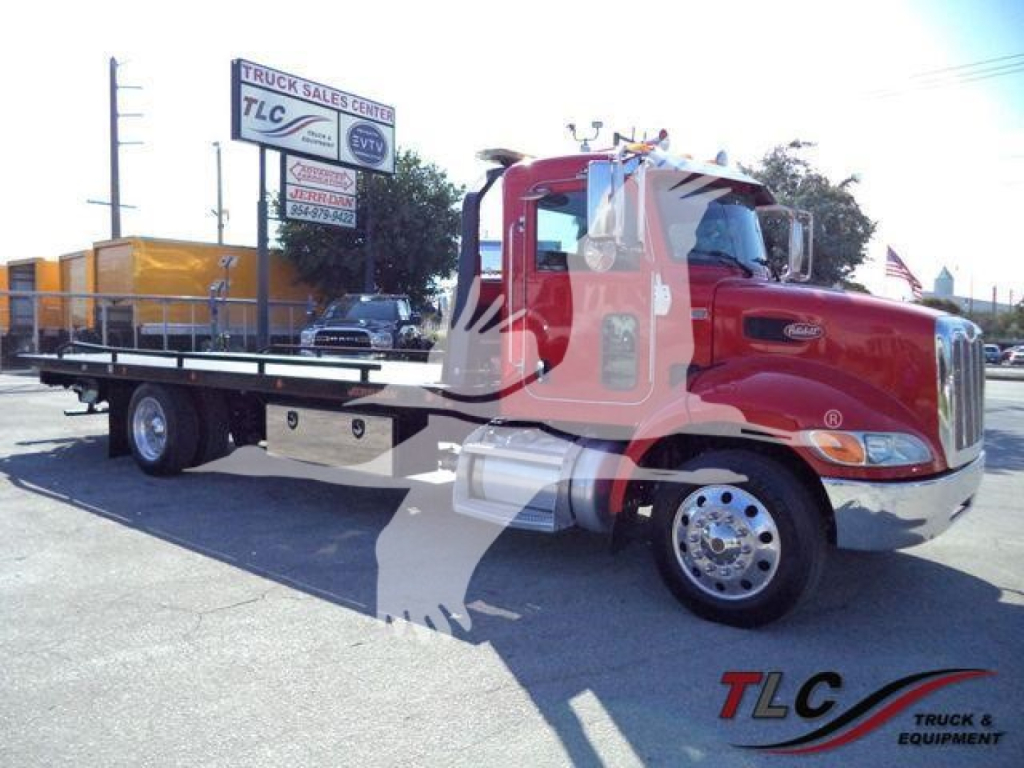
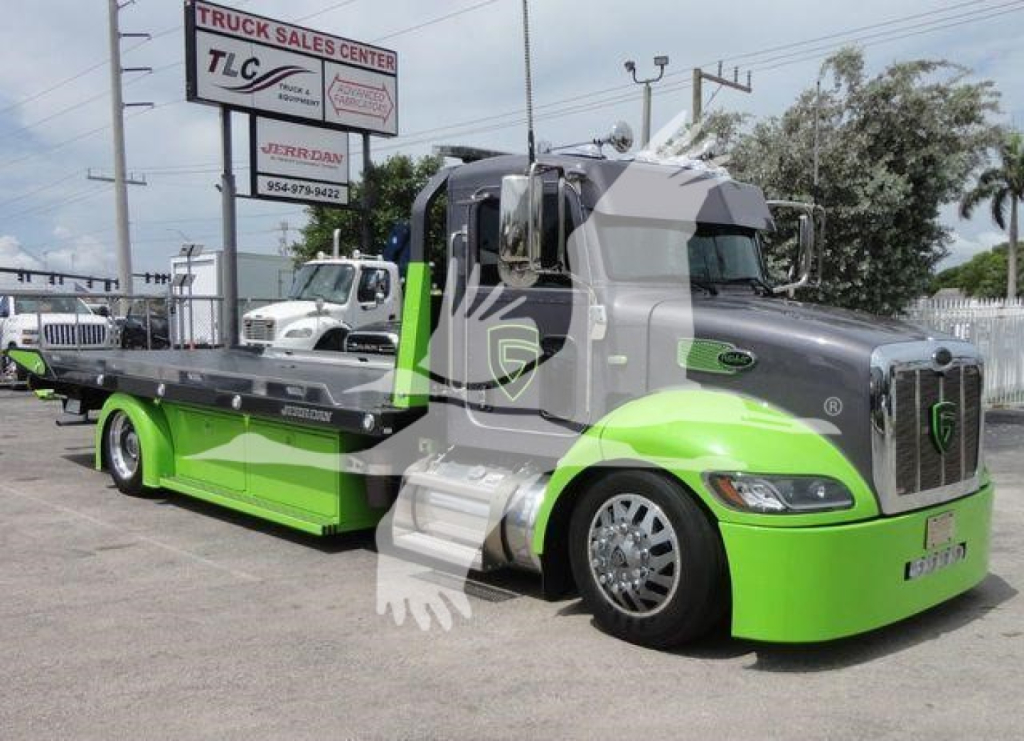
Selling a used 2020 rollback truck? List your used 2020 rollback truck for sale and reach thousands of commercial buyers.
Used 2020 Rollback Trucks in Florida
In Florida, corrosion history and hydraulic condition matter as much as the badge on the hood. Salt air, humidity, and year-round use can show up in bed pins, control valves, winch line condition, wheel-lift pivots, and underbody wiring. A 2020 rollback may be built on chassis such as the International MV or 4300, Kenworth T270, Peterbilt 337, Freightliner M2 106, Hino L6, or Isuzu NPR-HD and NPR-XD, depending on GVWR target and deck size. Typical powertrains include Cummins ISB 6.7L diesels or smaller diesel four-cylinders in cabover applications, backed by Allison automatic transmissions. Many operators prefer air brakes and air ride on 26,000-pound GVWR trucks, while lighter non-CDL setups can make sense for urban car hauling and municipal routes.
The tow body itself deserves a close read. A lot of used 2020 rollback trucks in this segment carry 6-ton rated decks, 8,000-pound winches, and 3,000 to 3,500-pound wheel-lifts. Steel decks cost less and take hard use well, while aluminum decks cut tare weight and can improve payload margin. Look for removable rails, dual toolboxes, LED work lighting, and clean hydraulic operation with smooth slide and tilt cycles. Low-profile tire packages, 22.5-inch wheels on medium-duty chassis, and properly matched rear axle ratios all affect loading angle, cruising RPM, and daily usability. If the truck will regularly move heavier pickups, vans, or small equipment, confirm deck rating, wheel-lift capacity, frame reinforcement, and hitch arrangement rather than relying on the word rollback alone.
For buyers comparing listings, the best 2020 rollback truck is the one matched to the work mix. Repo and parking enforcement trucks often benefit from shorter overall length and fast cycle times. General towing operators usually want a 21-foot or 22-foot carrier with a wheel-lift for secondary tows. Transport-focused operators may prioritize aluminum decks, lower deck heights, and cleaner bed surfaces for customer vehicles. Service records, PTO engagement quality, bed subframe condition, and signs of off-center loading damage should carry as much weight as mileage. A well-spec'd 2020 rollback can still offer strong parts support, driver-friendly controls, and the versatility to handle passenger vehicles, light trucks, and equipment without stepping into a full heavy-duty wrecker platform.
Frequently Asked Questions about Used 2020 Rollback Trucks in Florida
What is the most common deck size on a used 2020 rollback truck?
The most common deck sizes in the 2020 rollback market are 19 feet, 21 feet, and 22 feet, with 22-foot by 102-inch carriers especially common on medium-duty tow trucks. A 19-foot deck is often seen on cabover chassis and lighter applications, while a 21-foot or 22-foot deck gives better flexibility for cars, pickups, and small commercial vehicles. Low-profile and extra-low-profile decks are popular because they reduce loading angle and help with lower-clearance vehicles.
What capacity should I expect from a 2020 rollback tow truck?
Many used 2020 rollback trucks are equipped with a 6-ton carrier body, an 8,000-pound winch, and a 3,000 to 3,500-pound wheel-lift. Actual working capacity depends on the chassis GVWR, deck material, wheelbase, and body manufacturer. Aluminum bodies can preserve more payload, while steel bodies are common in harder-use service. Buyers should verify the body data tag and not assume every 2020 rollback has the same legal or practical lifting ability.
Is a CDL required for a used 2020 rollback truck?
It depends on the truck's GVWR and how it is registered and operated. Many rollback trucks are built at 26,000 pounds GVWR to stay under the federal CDL threshold, but some heavier configurations exceed that number. Florida operators should also consider combined weight, business type, and any applicable towing regulations. The door sticker and body spec sheet are the right place to confirm the rating before purchase.
What should I inspect first on a used 2020 rollback in Florida?
Start with the hydraulics, bed structure, and corrosion-prone areas. Check the tilt and slide functions under load if possible, inspect hydraulic hoses and cylinders for leaks, and look closely at the subframe, crossmembers, wheel-lift, winch mount, and underbody wiring. In Florida, humidity and coastal exposure can accelerate rust on hardware and electrical issues at connectors and lighting points. Also inspect tire wear, PTO engagement, and signs of bent rails or uneven deck tracking from repeated side-loading.
Are aluminum rollback beds better than steel beds?
Neither is automatically better. Aluminum rollback beds reduce empty weight, which can improve payload margin and make them attractive for car hauling and lighter transport work. Steel beds are typically less expensive and hold up well in rough daily towing environments where the deck sees chains, skids, and hard contact. The better choice depends on what the truck hauls, how often it tows from difficult recoveries, and whether payload or long-term durability is the higher priority.