
Used 2018 Rollback Trucks For Sale in Florida
Browse used 2018 rollback trucks in Florida. Compare bed length, winch capacity, wheel-lift specs, GVWR, and chassis options.
Selling a used 2018 rollback truck? List your used 2018 rollback truck for sale and reach thousands of commercial buyers.
Used 2018 Rollback Trucks in Florida
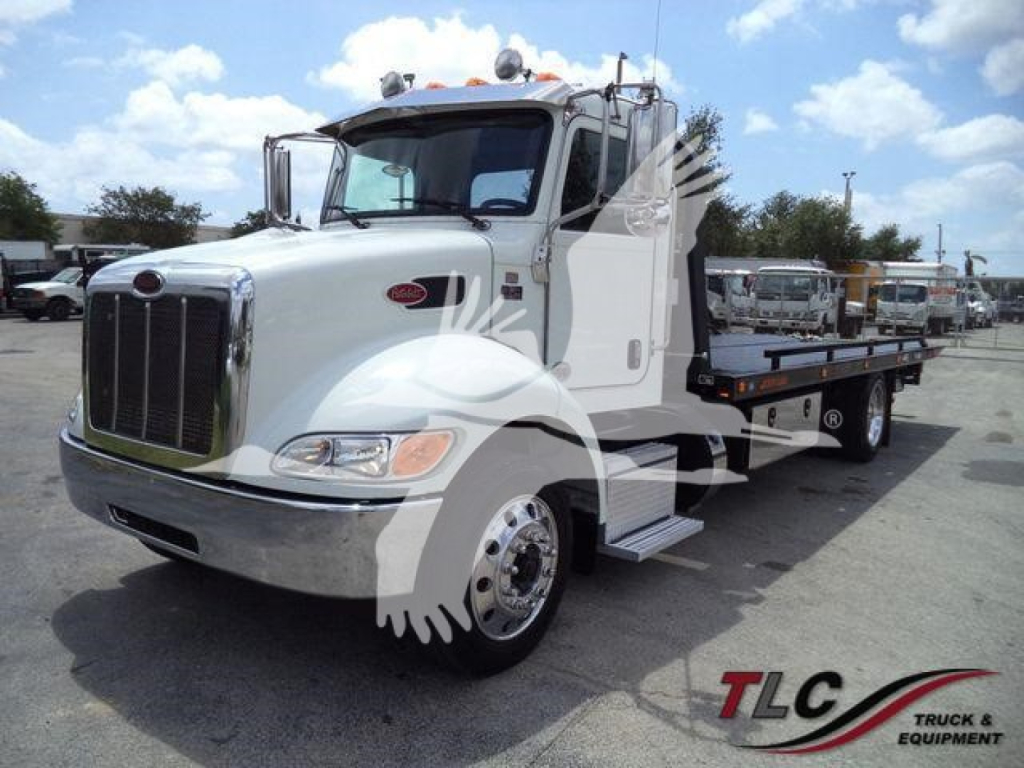
Start with the chassis and weight rating before looking at cosmetics or add-ons. Many buyers focus on GVWR, axle ratings, wheelbase, brake type, suspension, and transmission because those factors determine payload, towing stability, and driver comfort. A 2018 rollback may be built on medium-duty platforms like a Ford F-650, Freightliner M2, Peterbilt 337, or heavier tandem configurations when the body is a 15-ton class carrier. Common powertrains include Cummins, Power Stroke, and other medium-duty diesel engines paired with Allison automatics or manual transmissions. In flat Florida terrain, gearing is less about mountain pulling and more about launch, drivability in traffic, and fuel efficiency under mixed urban towing cycles.
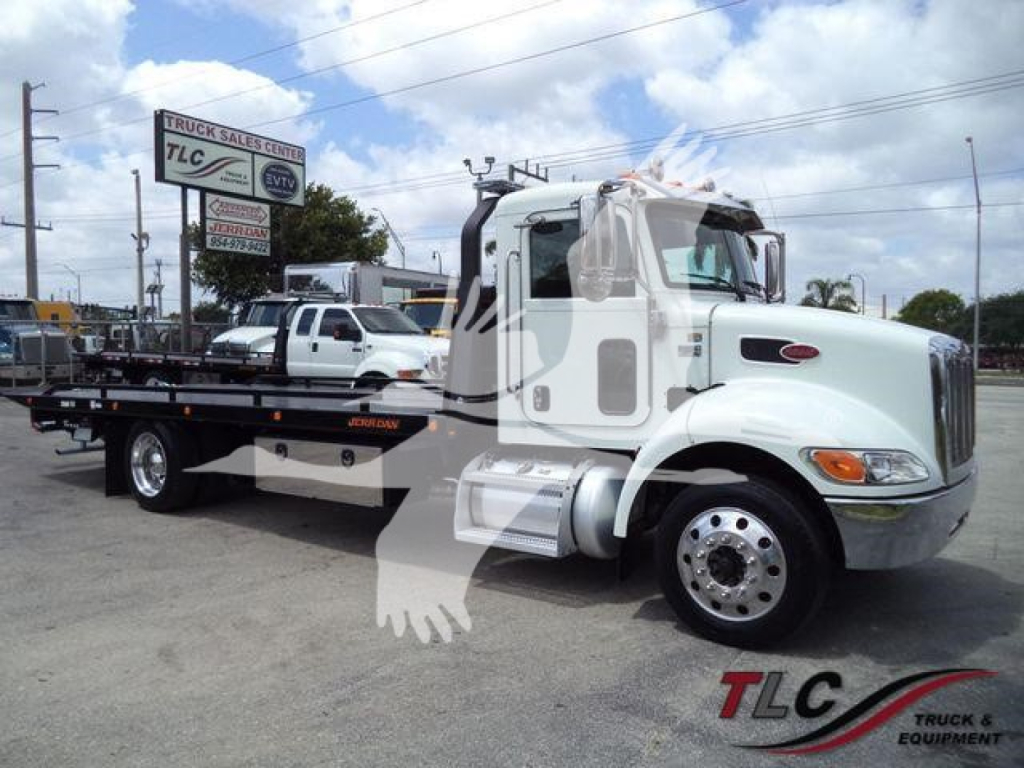
The body and hydraulic package matter just as much as the cab. Buyers usually compare steel versus aluminum decks, bed width, low-profile or extra-low-profile deck design, wheel-lift rating, and winch capacity. A 6-ton carrier with a 3,500-pound wheel-lift fits general repo and roadside service work, while a 15-ton rollback with a 20,000-pound winch, double frame chassis, rear stabilizers, and hydraulic pintle hitch is better suited for commercial recovery and equipment transport. Features like removable rails, stake pockets, toolboxes, LED work lighting, stationary headboards, and wireless winch remotes can improve day-to-day usability. Bed approach angle is especially important if the truck will regularly load low-clearance cars, forklifts, or scissor lifts.
For a used 2018 rollback truck in Florida, inspection should center on hydraulic leaks, subframe condition, deck wear, winch operation, PTO engagement, wheel-lift pins and bushings, and corrosion around crossmembers, hinges, and toolbox mounts. Check for frame repairs, confirm the carrier brand and model, and verify that the truck's rated capacity aligns with the intended load mix. Florida buyers should also pay attention to cooling system performance, air conditioning function, and any signs of hard stop-and-go towing use. A well-matched rollback truck can serve as a daily revenue unit for towing, transport, or municipal support work, but the right choice depends on capacity, deck configuration, and the condition of the carrier system as much as the truck itself.
Frequently Asked Questions about Used 2018 Rollback Trucks in Florida
What is the difference between a rollback truck and a standard flatbed tow truck?
A rollback truck uses a hydraulically tilting and sliding bed to load vehicles or equipment directly onto the deck. That design reduces loading angle and makes it easier to recover inoperable, low-clearance, or damaged vehicles. In towing use, the terms rollback, slideback, and car carrier are often used interchangeably. A standard flatbed description can sometimes refer more broadly to a fixed-deck hauling truck, so buyers should confirm that the bed actually slides and tilts as part of the loading system.
What bed length is most common on a used 2018 rollback truck?
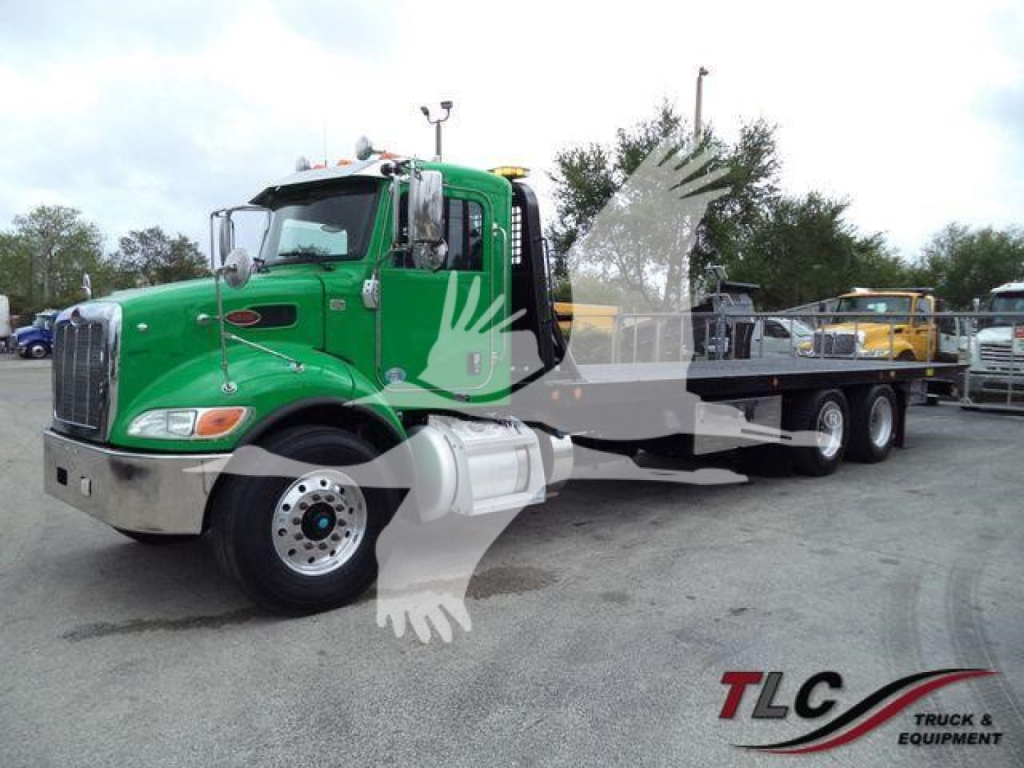
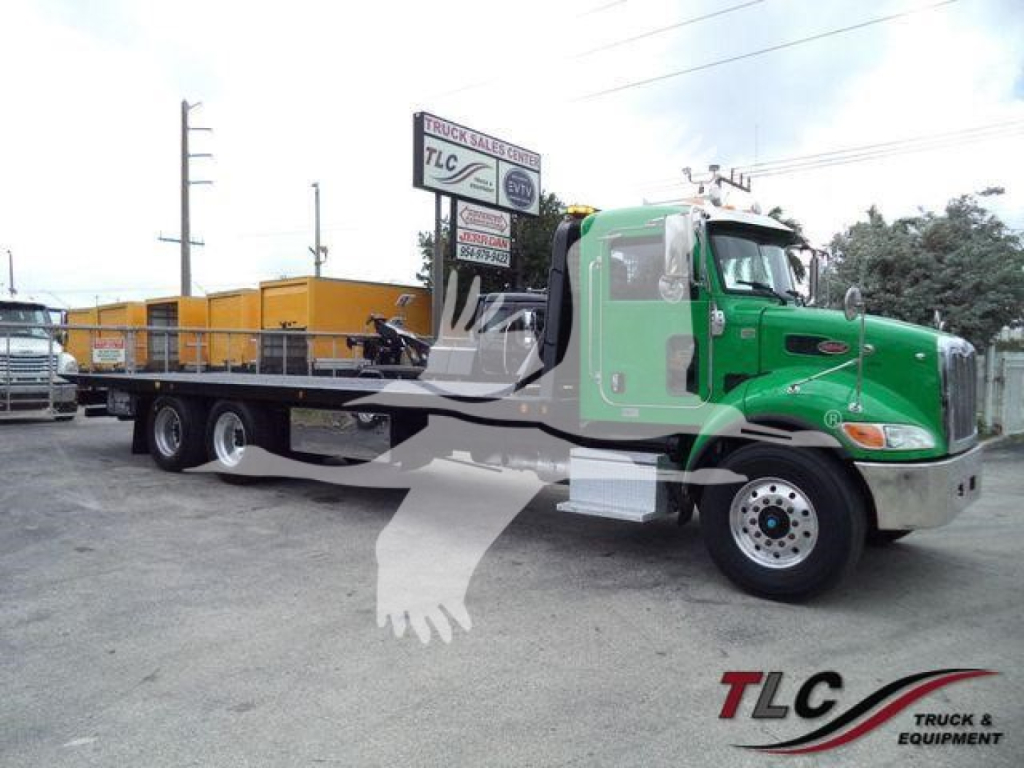
Common bed lengths are about 21 to 22 feet for light-duty car carriers and around 28 feet for heavier tandem-axle rollback trucks. The right length depends on what the truck will carry. A shorter low-profile deck is typical for passenger vehicles, pickups, and everyday towing work. A 28 foot bed is more common when the truck is handling commercial vehicles, equipment, or heavier recovery jobs where load placement and deck capacity matter more.
How important is wheel-lift capacity on a rollback truck?
Wheel-lift capacity is important if the truck will tow a second vehicle position, perform quick tows, or handle recoveries where full deck loading is not practical. Many light-duty rollback trucks use a 3,500-pound wheel-lift, which is adequate for common passenger vehicle work. Buyers handling heavier pickups, vans, or commercial units should verify both the wheel-lift rating and the chassis axle ratings, because usable towing performance depends on the complete truck setup, not just the attachment itself.
Are steel or aluminum rollback beds better?
Steel beds are generally favored for durability, repairability, and heavy-use towing service. They are common on commercial carriers and heavier recovery applications. Aluminum beds reduce weight and can improve usable payload while offering good corrosion resistance, which can be a plus in humid coastal areas of Florida. The better choice depends on duty cycle, payload goals, and how the truck will be maintained. Buyers should inspect deck condition, crossmember integrity, and wear surfaces regardless of material.
What should I inspect first on a used 2018 rollback truck?
Start with the hydraulic system, winch, PTO, and deck structure because those are the core earning components of a rollback. Check cylinder function, hose condition, slide rails, pivot points, chain attachments, and wheel-lift wear. Then review frame condition, axle ratings, brake system, transmission operation, and engine service history. A clean cab and good paint do not tell you much about carrier condition. On a working rollback, deck and hydraulic health usually matter more than appearance.