
Used 2016 Rollback Trucks For Sale in Florida
Shop used 2016 rollback trucks in Florida. Compare bed length, winch, wheel-lift, GVWR, and chassis specs for towing and recovery work.
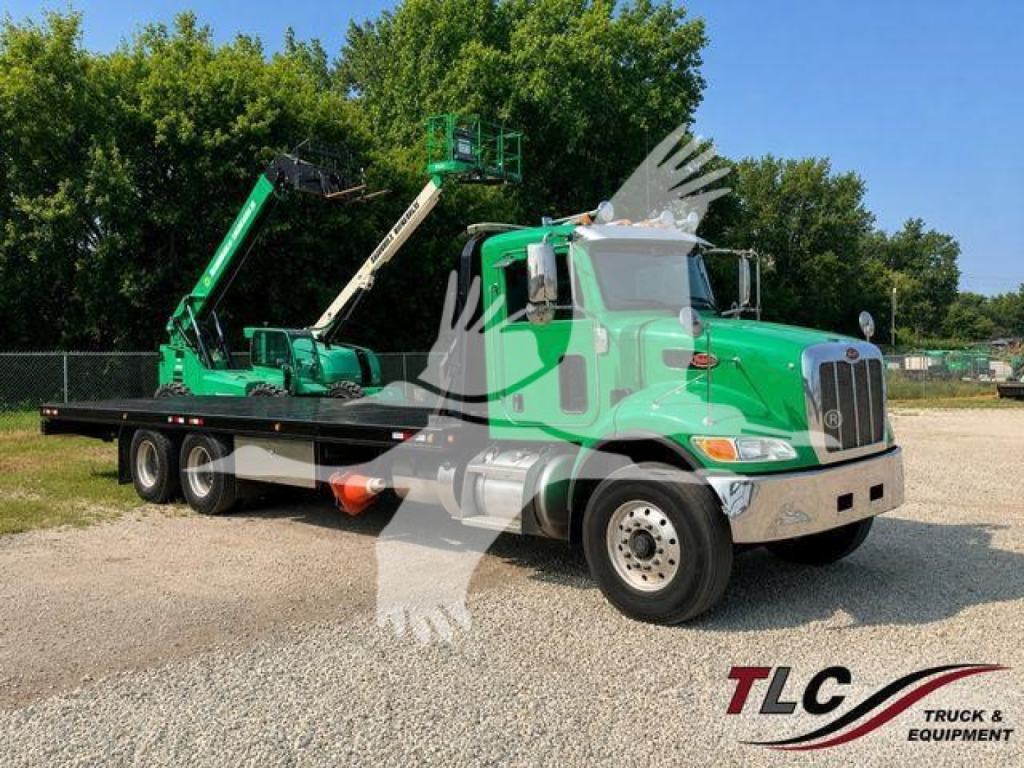
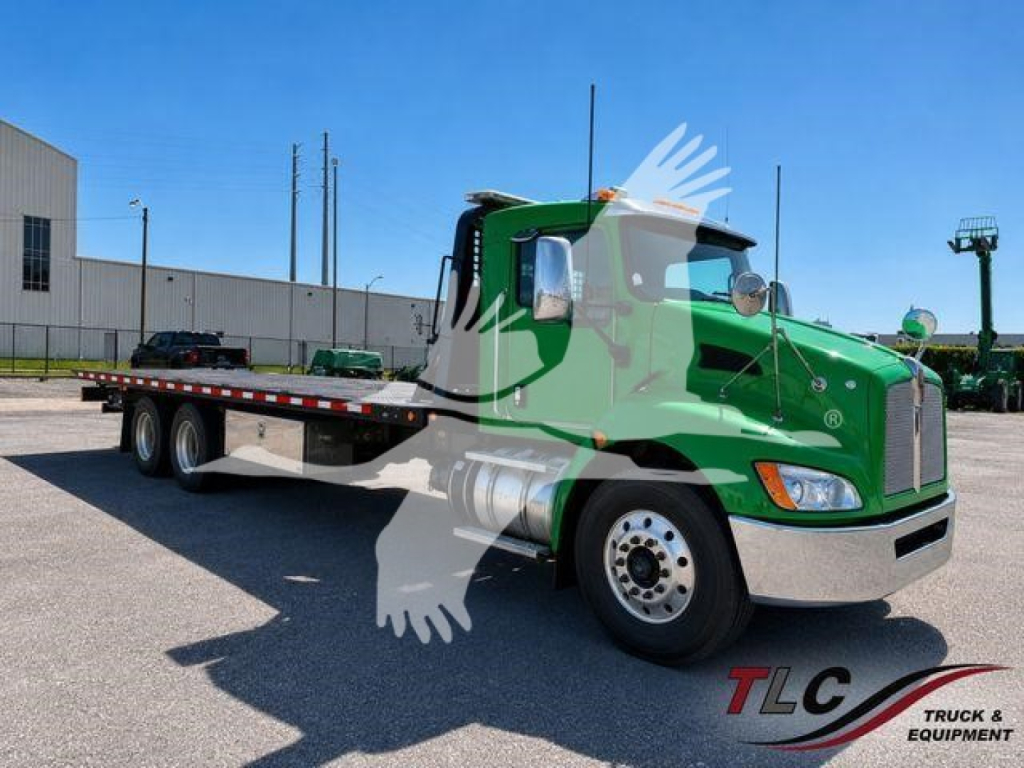
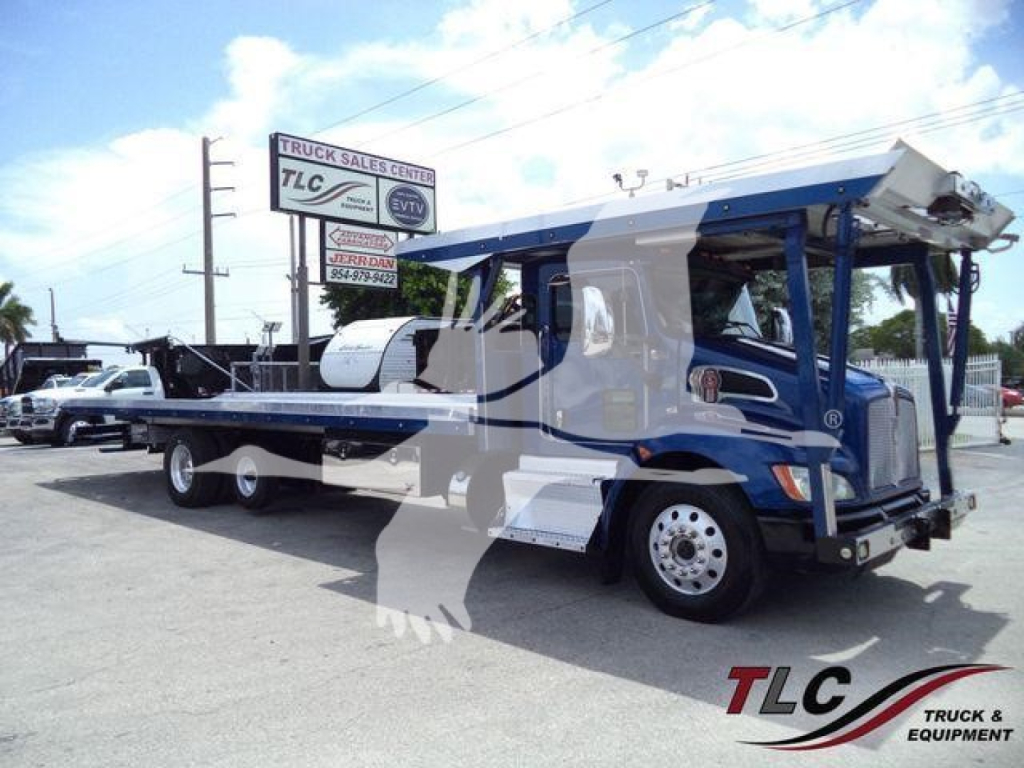
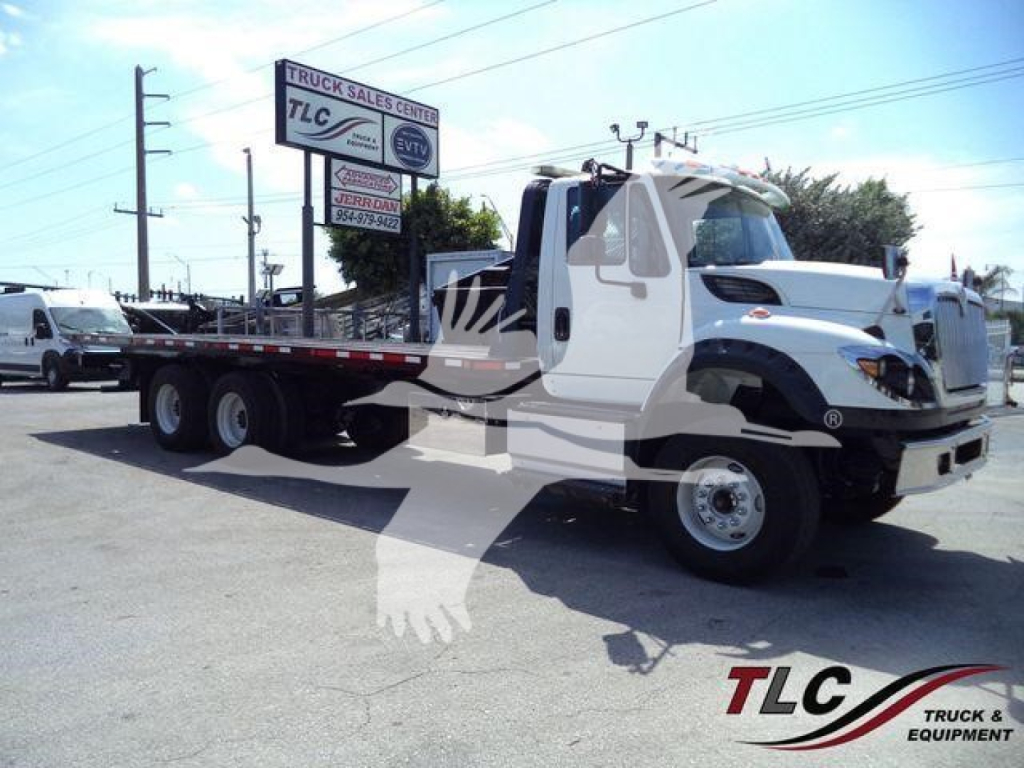
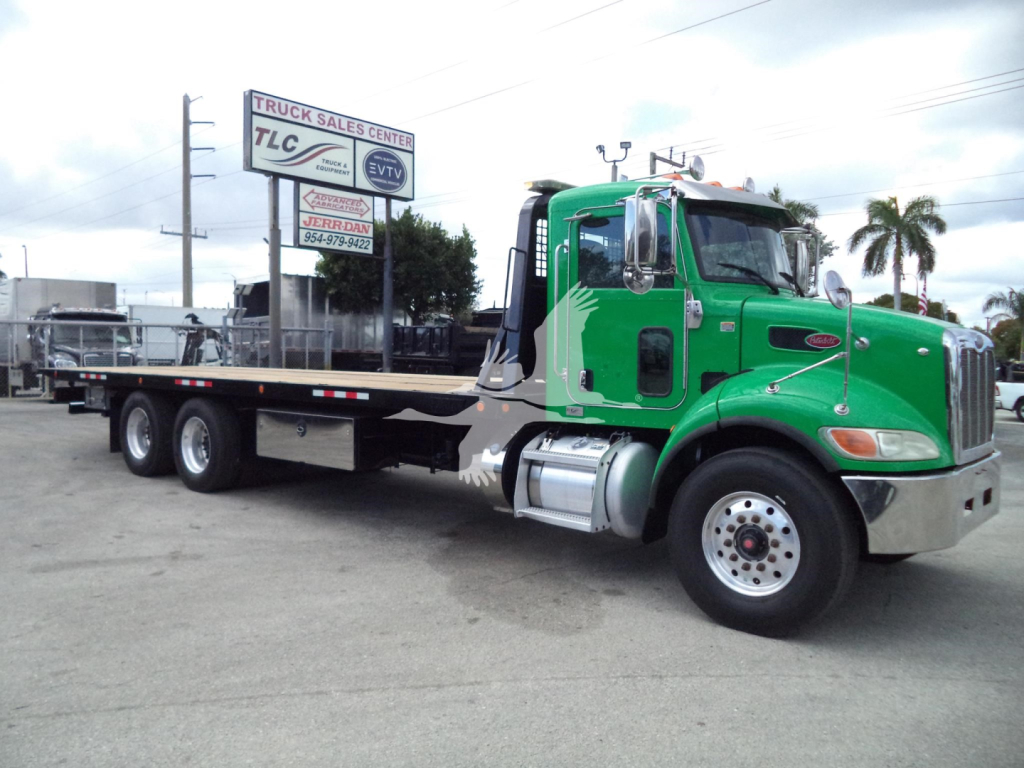
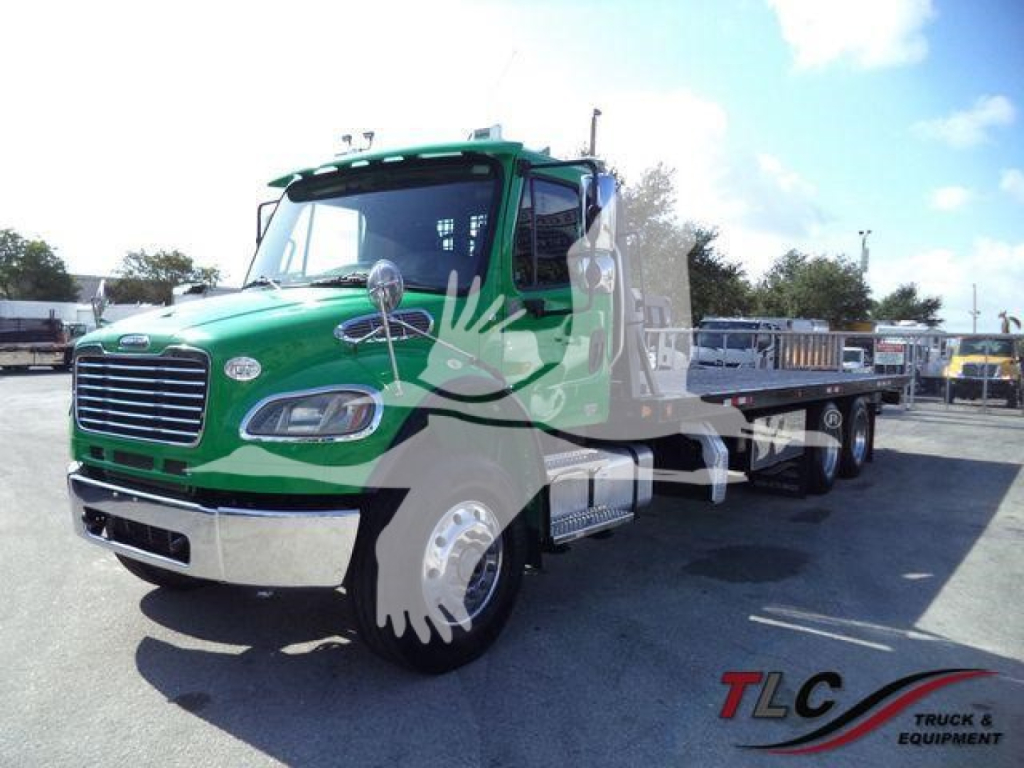
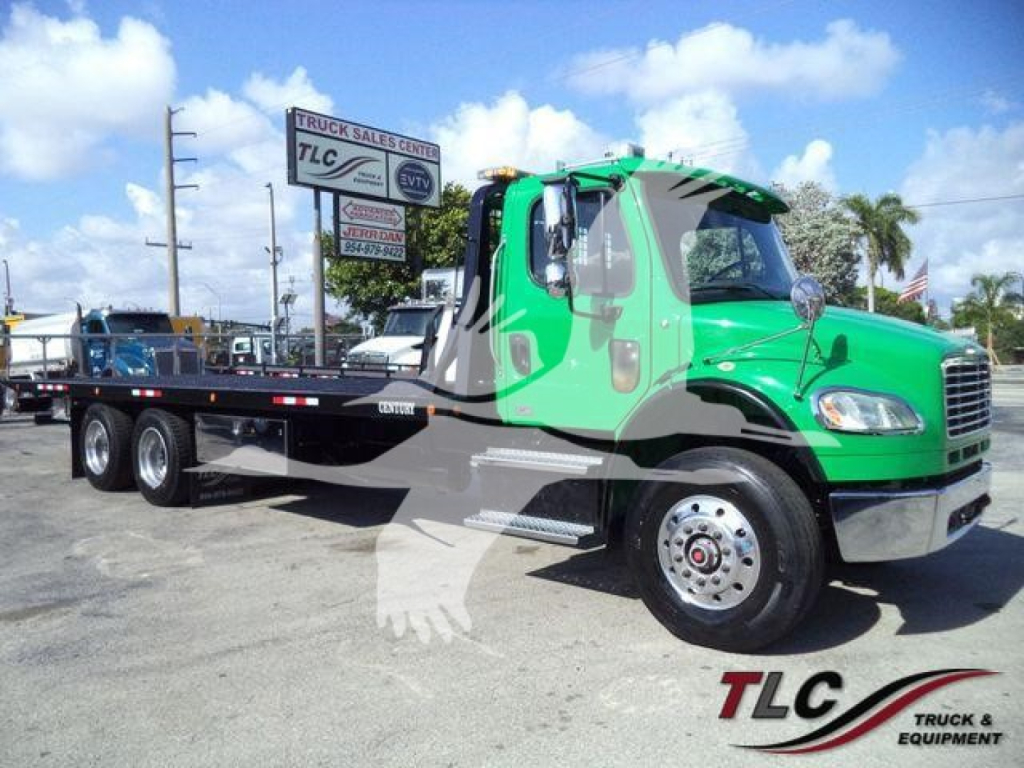
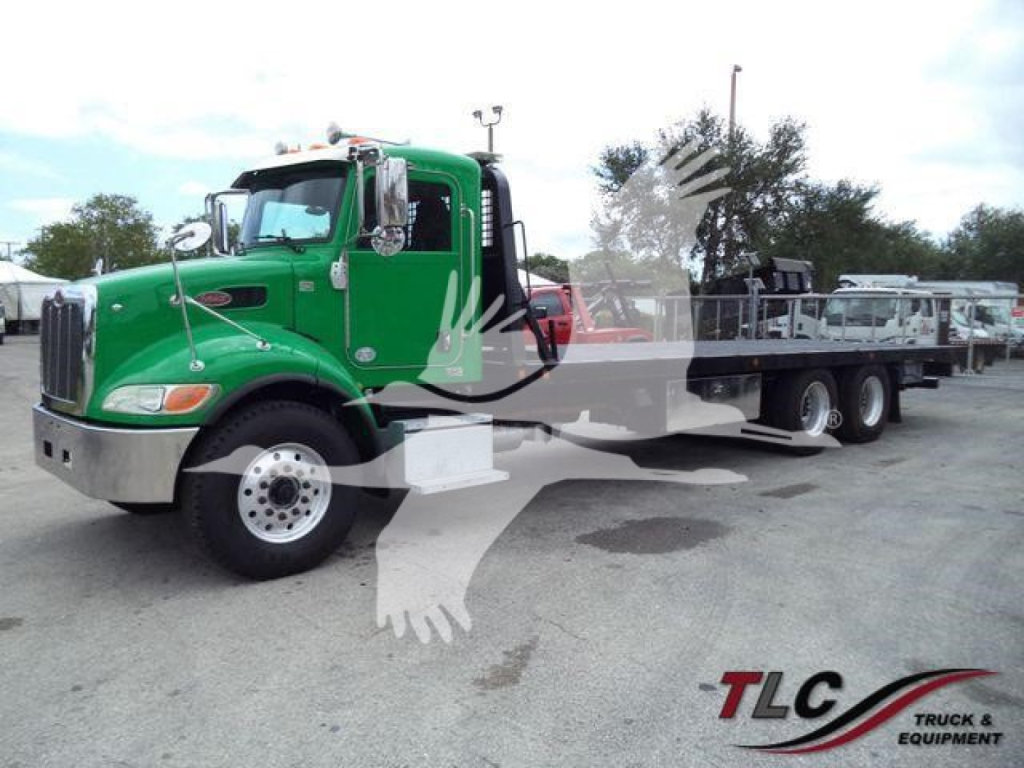
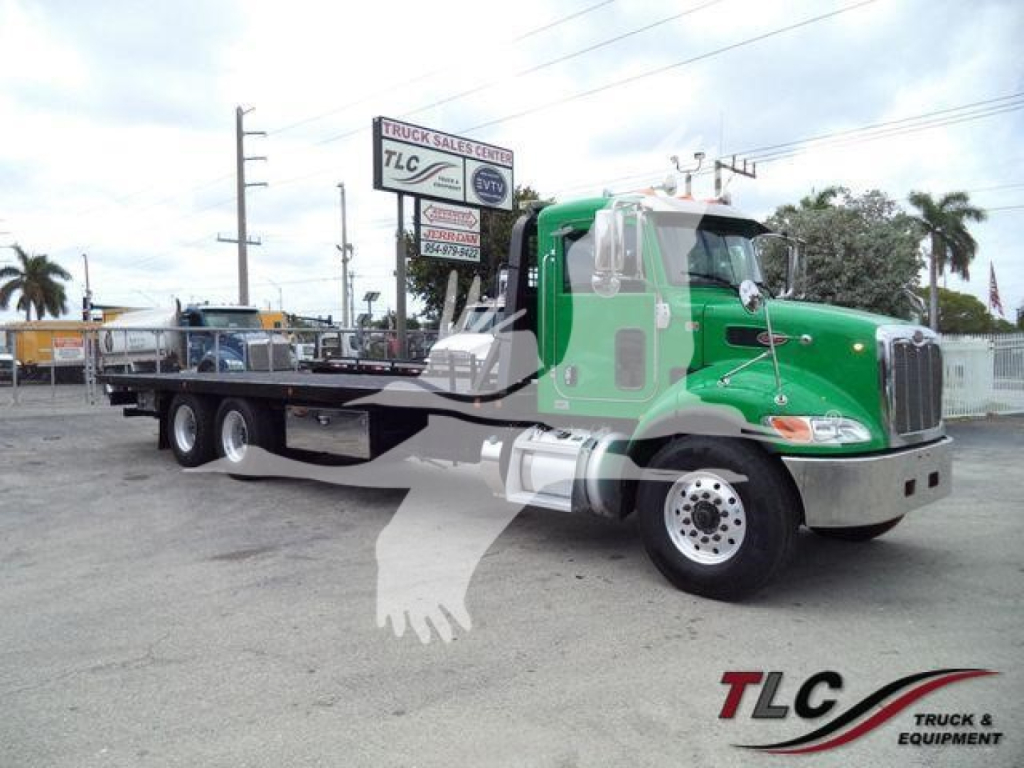
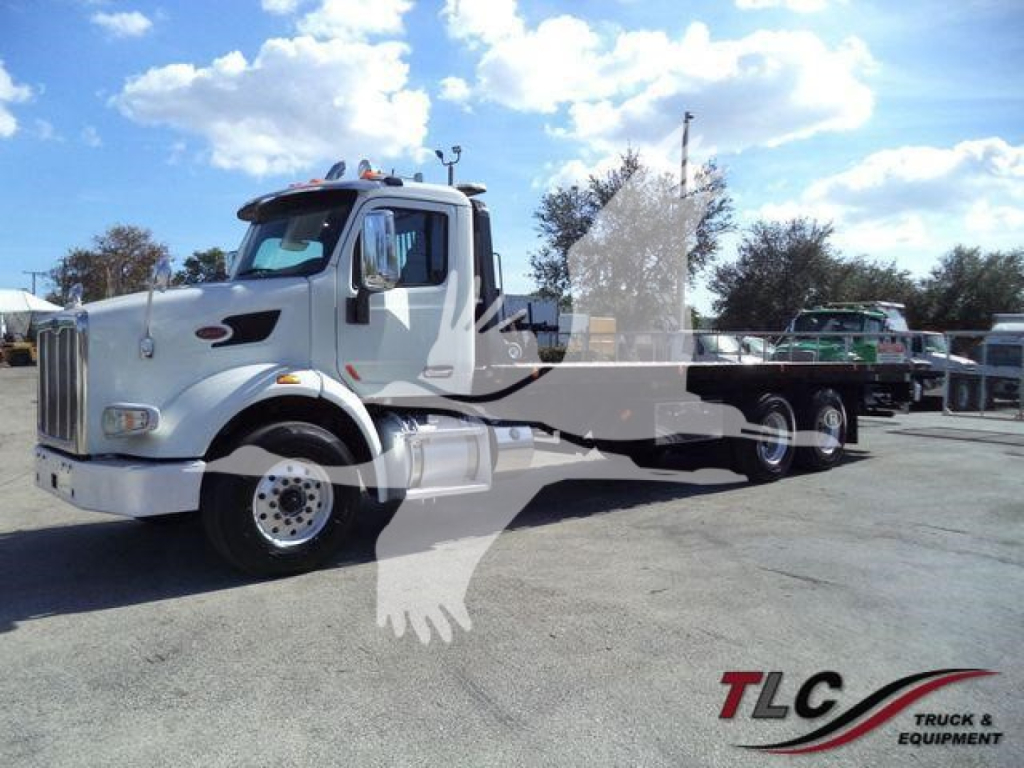
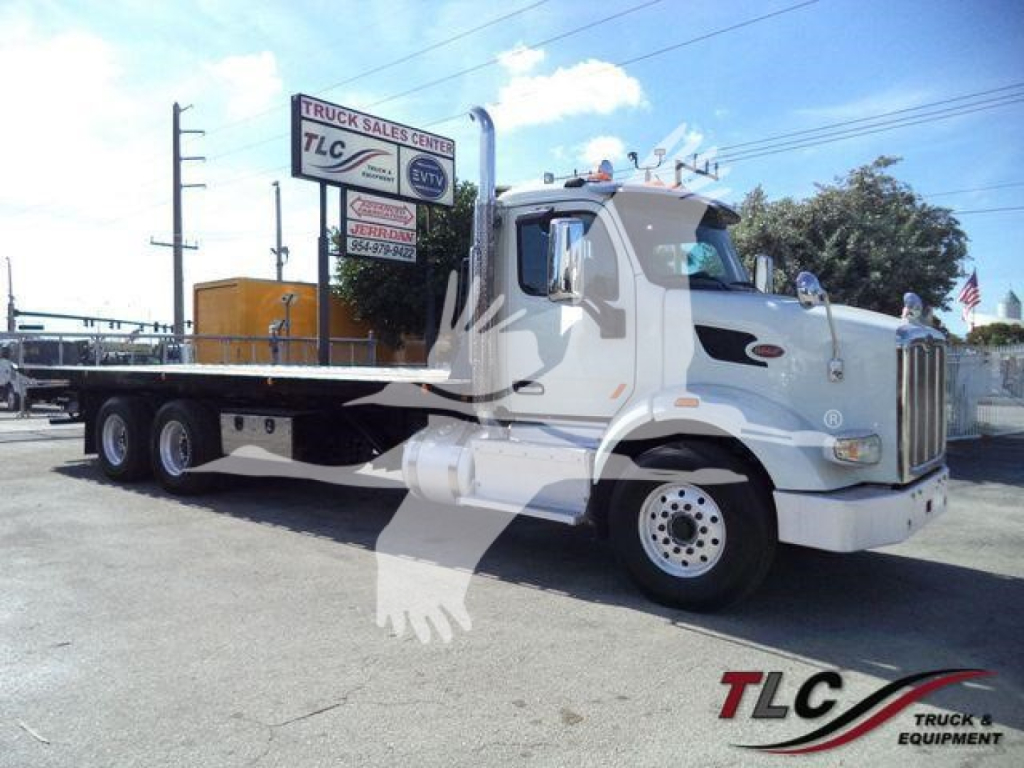
Selling a used 2016 rollback truck? List your used 2016 rollback truck for sale and reach thousands of commercial buyers.
Used 2016 Rollback Trucks in Florida
For a 2016 model year, the biggest buying decision is usually the balance between chassis rating and deck capacity. Many light-duty rollback trucks in this age range are set up around 25,950 to 26,000 lb GVWR so they can stay in the non-CDL range when spec'd correctly, while heavier medium-duty and tandem-axle units push far beyond that for equipment moves and industrial recovery support. Common deck lengths run about 19 to 22 feet on standard car carriers, with wider 102-inch beds and low-profile or LCG-style decks helping with approach angle and loading clearance. Buyers should look closely at winch rating, wheel-lift capacity, dual-angle deck design, bed material, and storage layout. Steel decks are common and durable, while aluminum components such as blade rails, wheels, and toolboxes help trim weight.
Florida buyers should pay extra attention to corrosion, hydraulic condition, and cab climate systems. Coastal use can accelerate rust on deck crossmembers, headboards, wheel-lift assemblies, and electrical connections, so underbody inspection matters. A clean rollback should have smooth deck travel, even hydraulic response, no visible frame repairs around the carrier mount, and a winch that spools consistently under load. Air brakes and air ride suspension are common on larger rollback trucks, while automatic transmissions, diesel engines in the 6.7L to 9.0L range, PTO-driven hydraulics, and LED work lighting are frequent specs. Toolboxes, strap storage, L-arms, pintle hitches, and wireless winch remotes can make a noticeable difference in day-to-day operator efficiency.
The best used 2016 rollback truck depends on what it hauls most often. A low-profile 21- or 22-foot carrier with a 3,500 lb wheel-lift is a strong setup for repossession, retail towing, dealer transfers, and accident response involving passenger vehicles and pickups. Heavier tandem-axle rollback trucks with longer beds, stronger winches, double-frame construction, and dock stabilizers are better suited to moving forklifts, skid steers, small construction equipment, and heavier commercial units. When comparing listings, focus less on cosmetics and more on chassis maintenance history, bed brand support, hydraulic wear, tire size and condition, axle ratings, and how well the truck's real working capacity matches your route, licensing, and towing mix.
Frequently Asked Questions about Used 2016 Rollback Trucks in Florida
What should I check first on a used 2016 rollback truck?
Start with the carrier body and hydraulic system before worrying about appearance. Check deck slide and tilt operation, inspect hydraulic cylinders and hoses for leaks, verify the winch pulls smoothly, and look at the wheel-lift for wear, cracks, or sloppy pivot points. Then inspect the chassis for frame rust, suspension wear, brake condition, PTO operation, and signs of overloading such as uneven tire wear or repairs around the body mounts.
Is a 26,000 lb GVWR rollback truck enough for most towing work?
For many light-duty towing businesses, yes. A rollback truck rated at or just under 26,000 lb GVWR is common for transporting cars, SUVs, light pickups, and similar vehicles while avoiding the jump into heavier truck classes when the truck is spec'd appropriately. It is not the right choice for frequent equipment hauling or heavier commercial recovery, where a higher GVWR, stronger wheel-lift, and larger winch become more important than staying in the lighter weight class.
What bed length is most common on a rollback tow truck?
Most rollback trucks used for vehicle transport fall in the 19- to 22-foot range, with 21- and 22-foot beds being especially common on medium-duty carriers. That size gives the operator enough deck to handle longer passenger vehicles, crew cab pickups, and small commercial units while maintaining practical maneuverability. Low-profile decks and dual-angle designs are especially useful when loading lowered cars or vehicles with front-end damage.
Are steel or aluminum rollback beds better?
Steel beds are favored for durability, repairability, and lower upfront cost, which is why they are common on working tow fleets. Aluminum components reduce weight and can improve payload margin, especially when used for blade rails, wheels, toolboxes, or certain bed structures. The better choice depends on use case, but for most used buyers the real priority is condition, structural integrity, and how well the bed has held up under repeated loading cycles.
Why does Florida use matter when buying a rollback truck?
Florida use can be hard on electrical systems, exposed metal, and hydraulic components because of heat, humidity, and coastal salt exposure. A truck that worked near the coast may show corrosion at light connections, toolboxes, bed hardware, and underbody structure even when the cab looks clean. Buyers should inspect the underside carefully, confirm all lighting and controls function properly, and pay close attention to rust around the carrier frame, wheel-lift, and winch mounting areas.