
Used 2016 Rollback Trucks For Sale
Browse used 2016 rollback trucks with carrier bodies, winches, and medium-duty chassis for towing, transport, and equipment recovery.
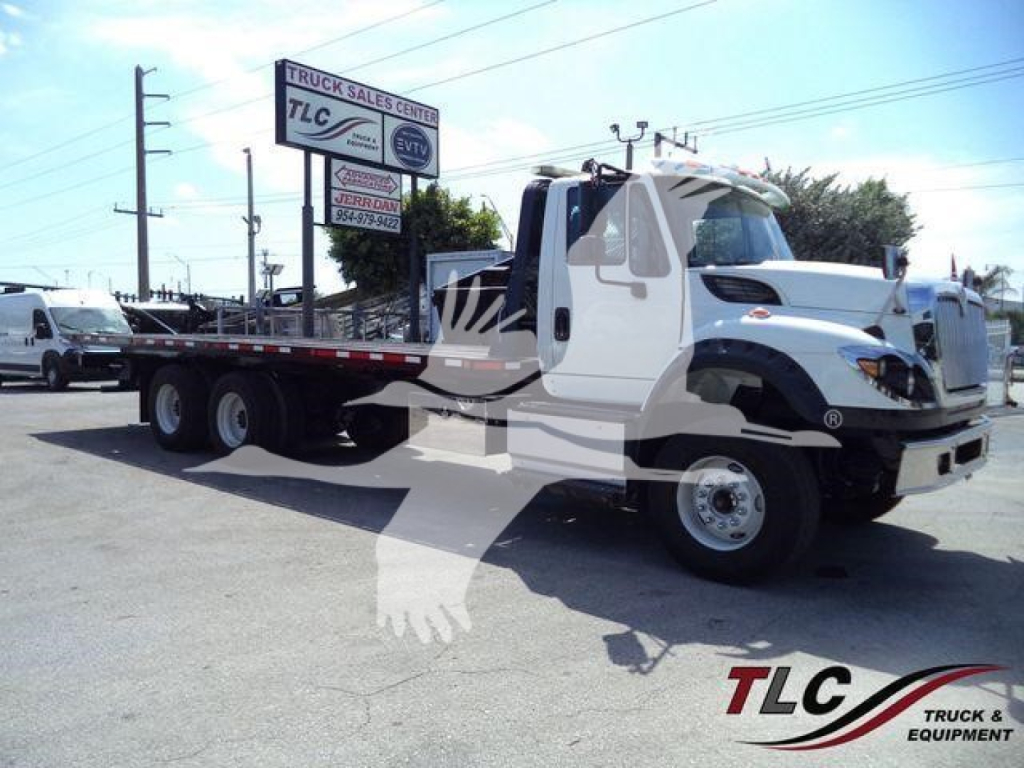
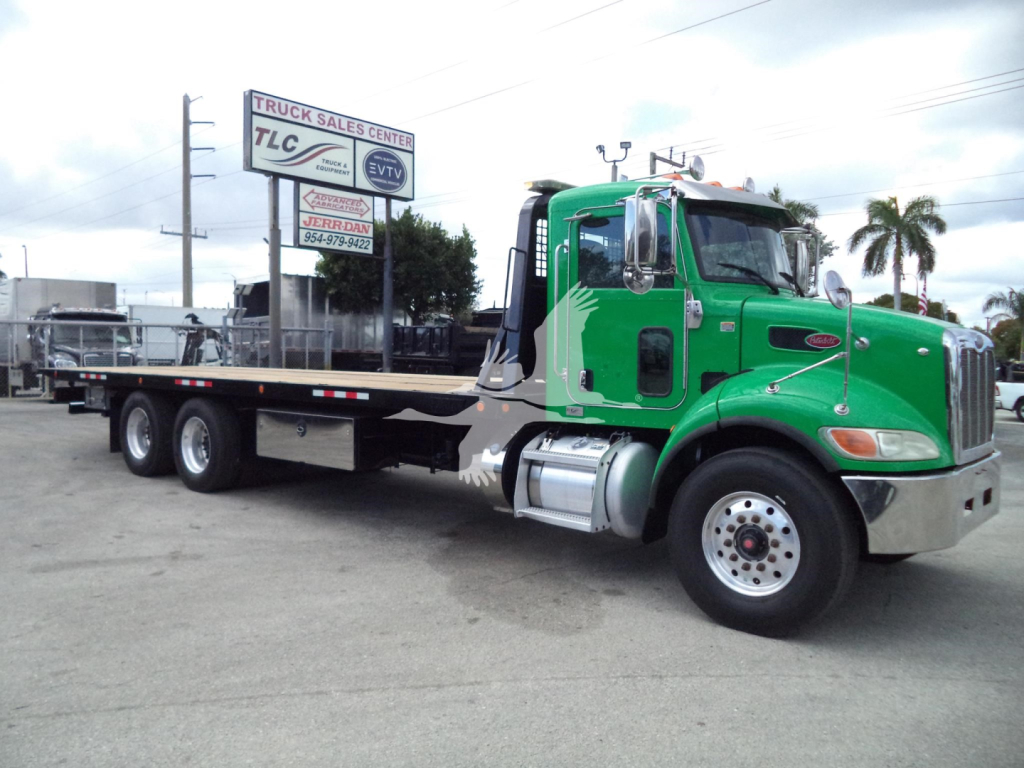
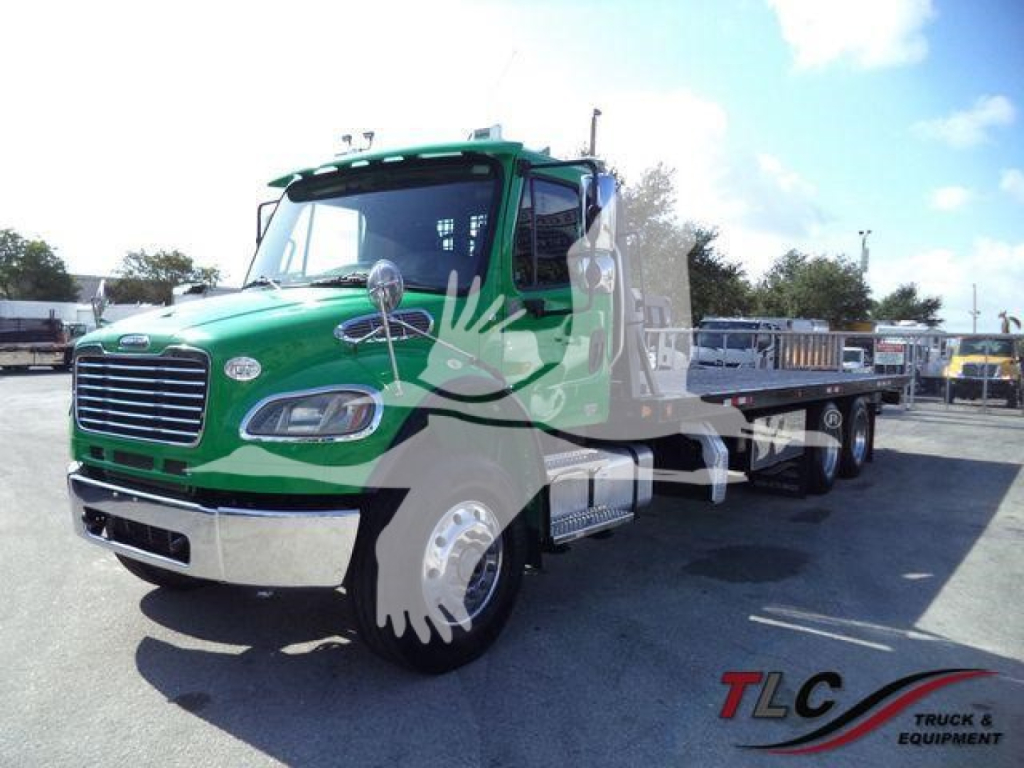
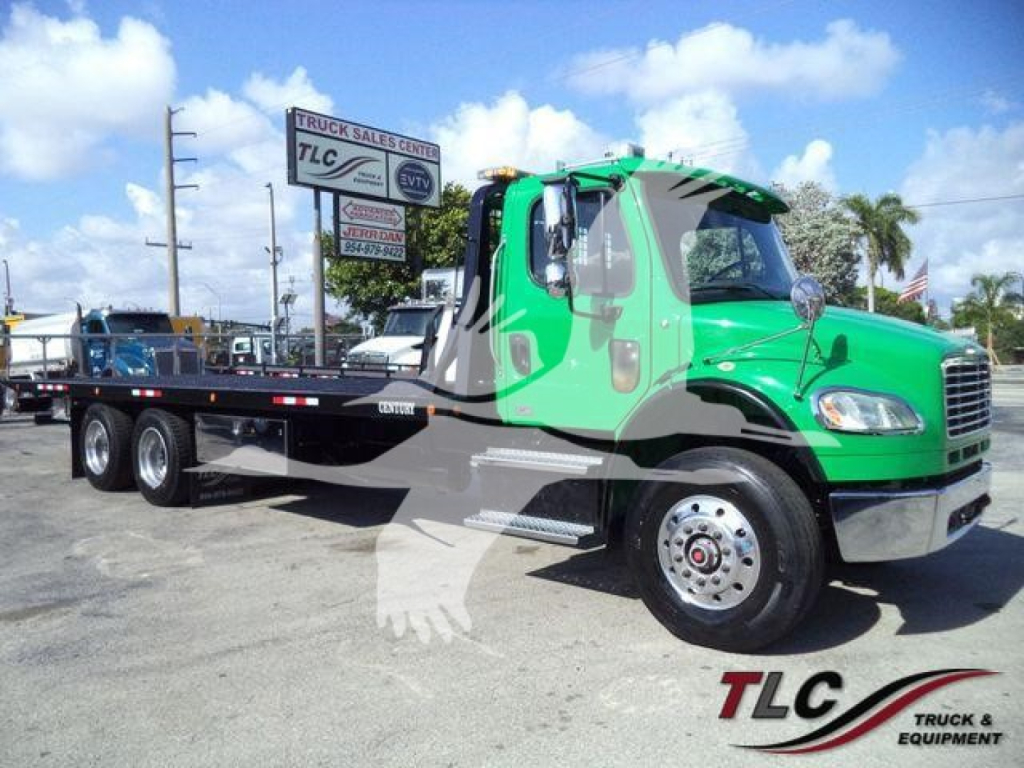
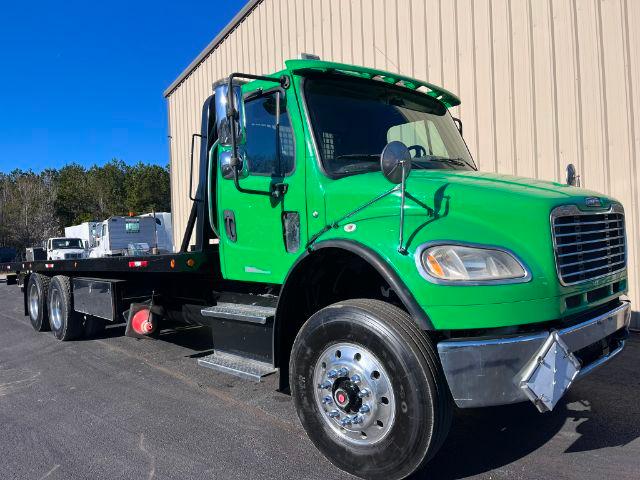

Selling a used 2016 rollback truck? List your used 2016 rollback truck for sale and reach thousands of commercial buyers.
Used 2016 Rollback Trucks
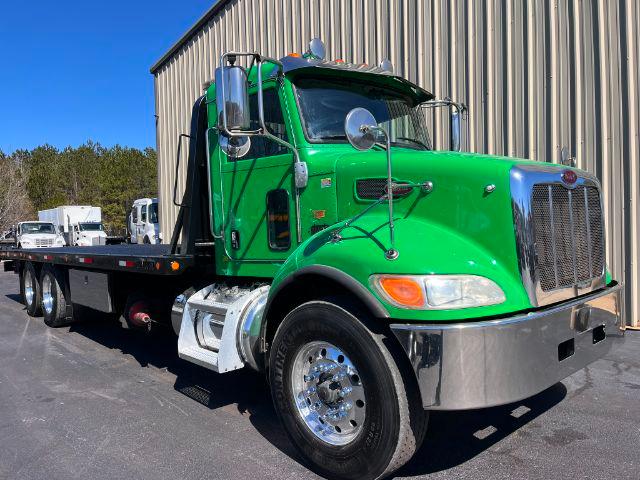
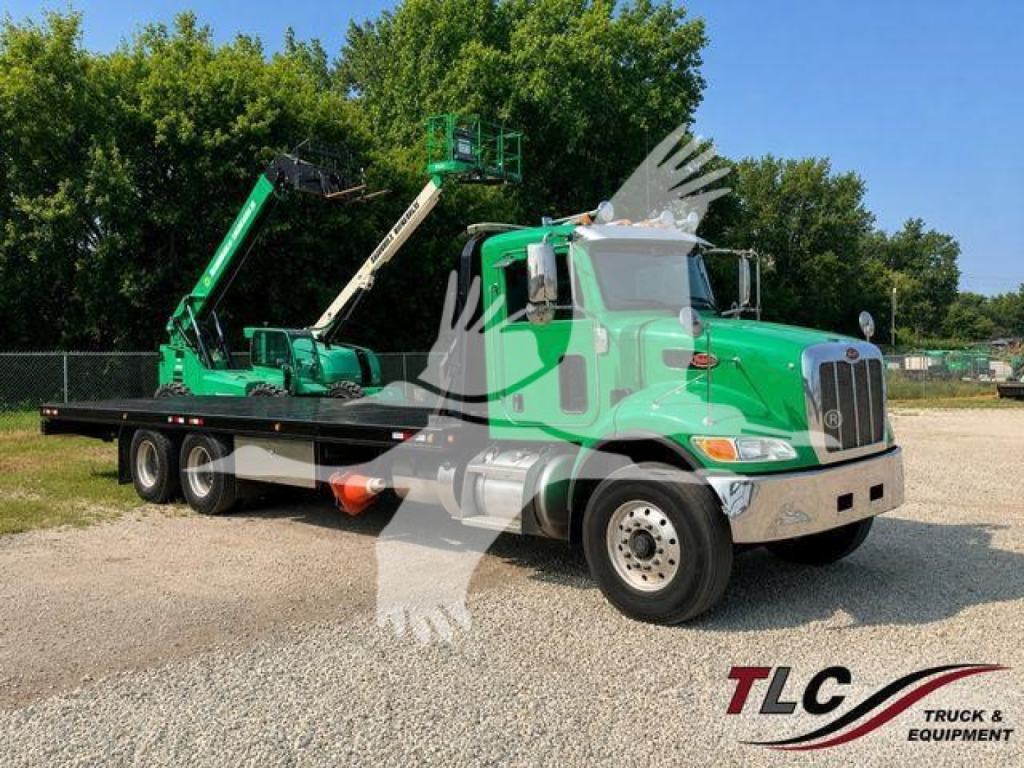
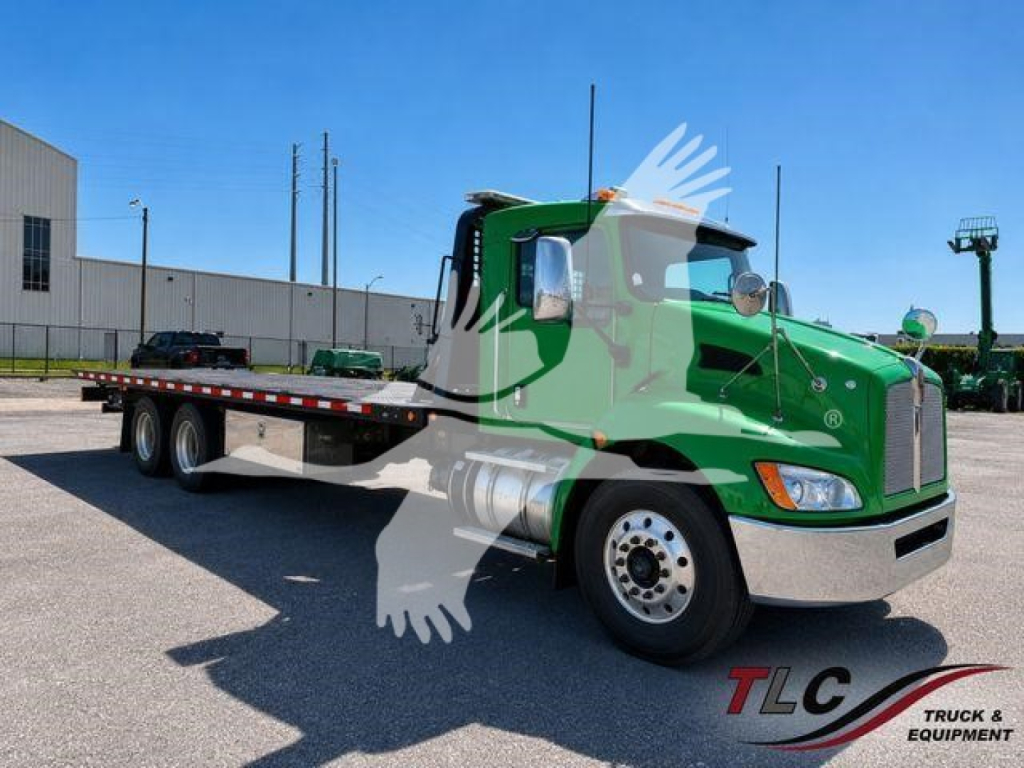
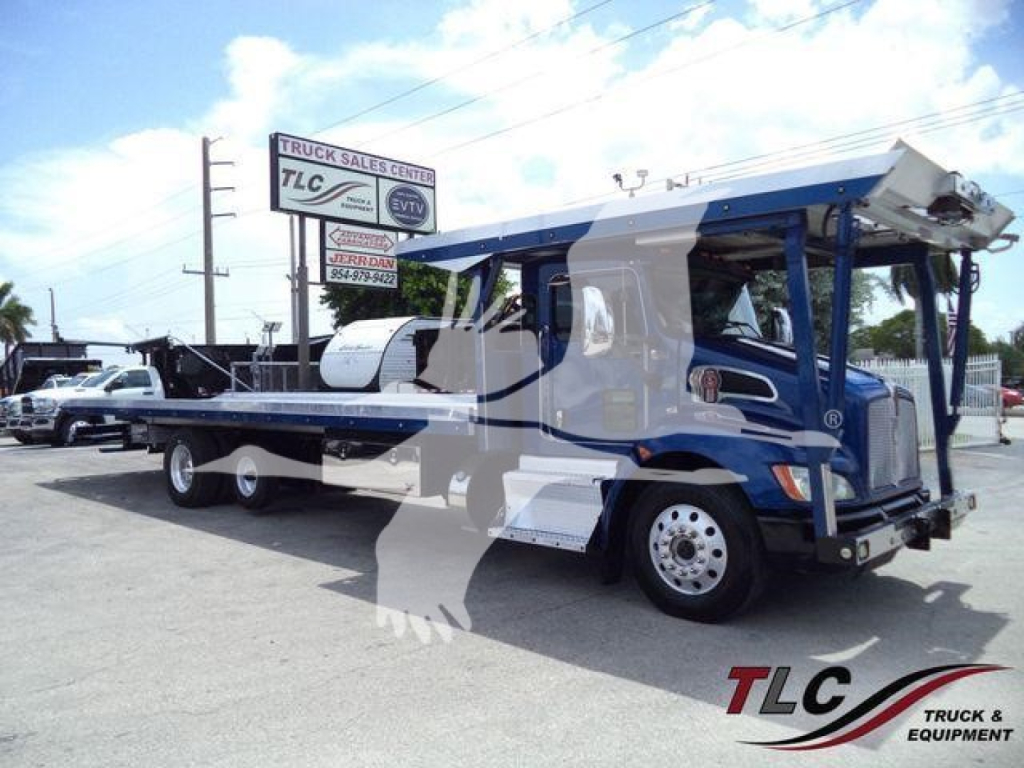
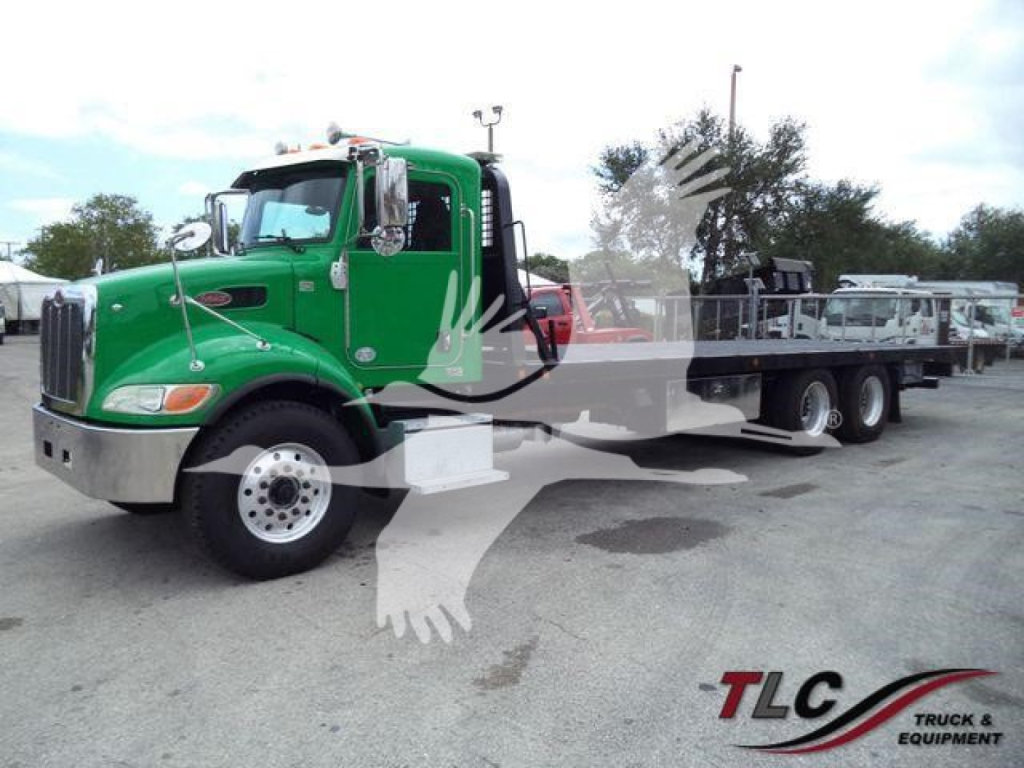
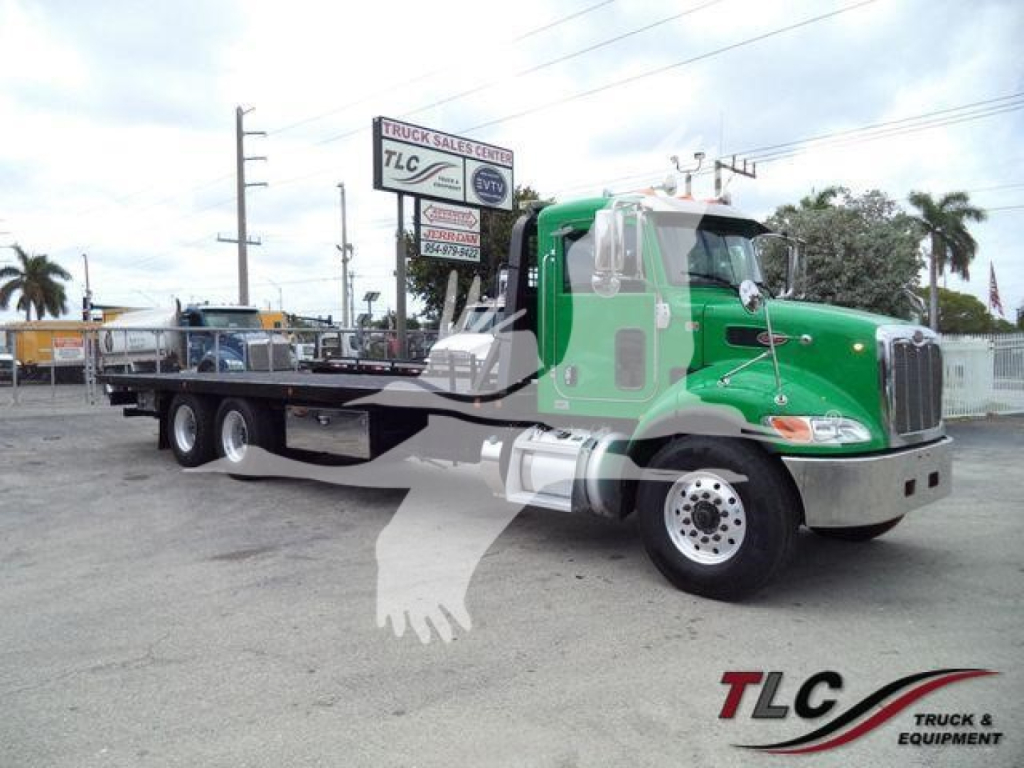
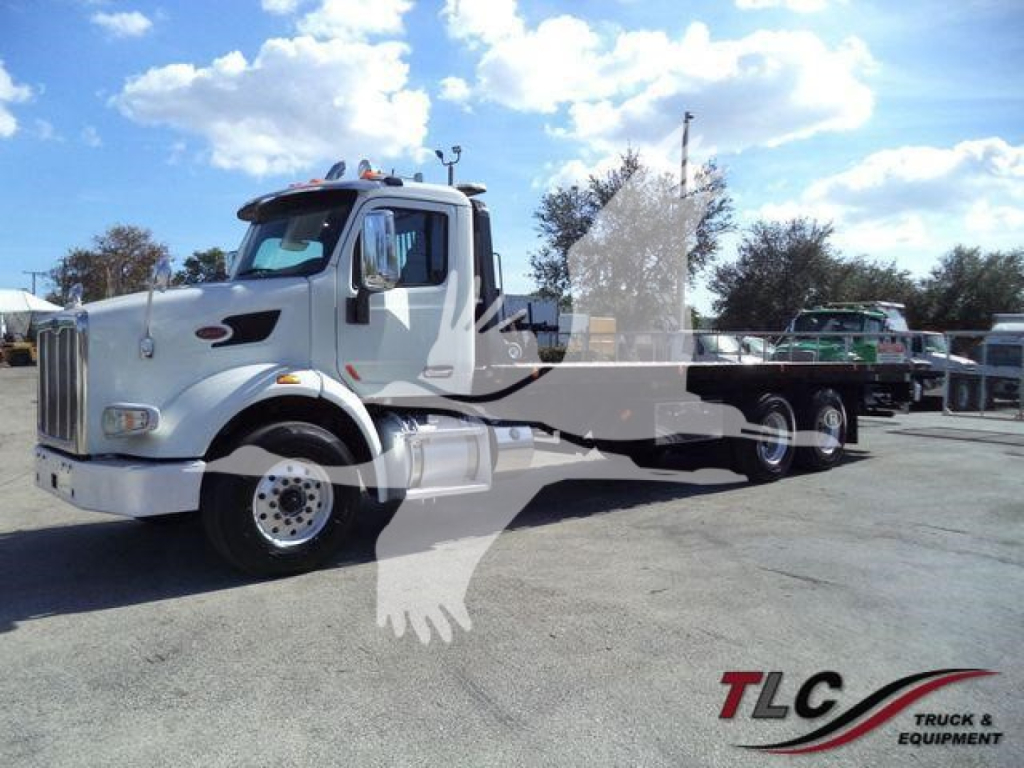
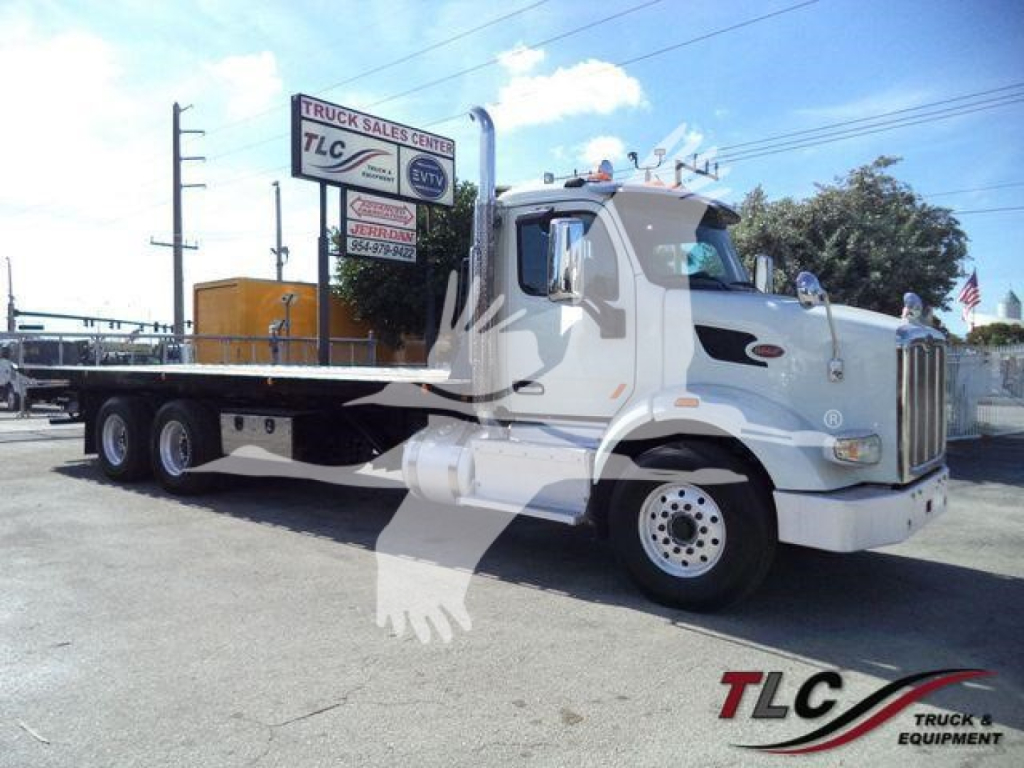
The first buying decision is usually capacity and bed size. In this class, 21-foot to 29-foot decks are common, with 28-foot and 29-foot carriers often used for larger pickups, vans, work trucks, tractors, or compact equipment. Bed ratings can range from around 10,000 pounds on lighter carriers to 30,000 pounds on heavier equipment rollback configurations. Common specs on 2016 rollback trucks include 102-inch wide decks, steel or aluminum carrier bodies, Ramsey or similar winches, wireless remotes, toolboxes, strobes, and wheel-lift setups on some units. Buyers should match the bed rating, winch capacity, wheelbase, and rear axle rating to the actual work the truck will do, not just the heaviest load it might occasionally see.
Chassis and drivetrain matter just as much as the carrier body. Many 2016 rollback trucks are built on Freightliner M2, Peterbilt 337 or 348, Hino, and similar conventional cab platforms with diesel engines such as the Cummins ISL9, PACCAR PX-7, or PX-9 paired to Allison automatic transmissions. Air ride suspension is common on heavier units and helps ride quality while protecting sensitive loads. GVWR can vary widely, from non-CDL 26,000-pound configurations to 60,000-pound heavy-spec trucks with 20,000-pound front axles and 40,000-pound rears. Buyers should verify axle ratings, brake type, wheelbase, PTO operation, engine brake, and local registration requirements, especially if the truck will cross state lines or be used for commercial towing work.
Condition on a used 2016 rollback should be judged by more than miles alone. Look closely at the carrier rails, deck floor, crossmembers, hydraulic cylinders, slide pads, winch line condition, bed pivot points, and remote controls. Check for frame modifications, corrosion around the subframe, leaks at hydraulic fittings, and uneven bed operation under load. Cab condition, service records, tire wear, and signs of overloaded use tell you a lot about how the truck was treated. A well-kept 2016 rollback can still be a productive revenue truck, especially when the chassis spec, carrier rating, and towing equipment are aligned with the jobs you run every day.
Frequently Asked Questions about Used 2016 Rollback Trucks
What is the typical capacity range for a used 2016 rollback truck?
Capacity depends on the chassis and carrier body. Lighter rollback trucks may have bed ratings around 10,000 to 12,000 pounds, while heavier equipment rollback trucks can reach 30,000 pounds. The useful number is not just the deck rating, but the complete combination of GVWR, axle ratings, wheelbase, winch capacity, and the weight of the truck itself. Buyers should confirm the real payload and towing capability based on the actual body and chassis tag information.
What should I inspect first on a 2016 rollback truck?
Start with the carrier body and hydraulic system because that is where expensive repairs often show up first. Inspect the deck, crossmembers, bed rails, tilt cylinders, extension cylinder, winch, cable or synthetic line, PTO engagement, and all hydraulic hoses and fittings. Then check the chassis for frame issues, suspension wear, brake condition, driveline vibration, and signs of hard commercial use. A rollback that looks good cosmetically can still need major bed or hydraulic work if these components were neglected.
Are 2016 rollback trucks usually CDL or non-CDL?
They can be either, depending on how the truck was spec'd. Some rollback trucks are built at 26,000 GVWR for non-CDL operation in many states, while heavier carrier and equipment rollback units may be rated far above that and require a CDL. Registration class, air brake rules, and towing regulations can also vary by state. Buyers should verify the door tag, axle ratings, and local licensing requirements before purchasing.
Which engines and transmissions are common in 2016 rollback trucks?
Common powertrains in this model year include Cummins ISL9, PACCAR PX-7, and PACCAR PX-9 diesel engines paired with Allison automatic transmissions such as the 2200 or 3000 series. These combinations are popular because they work well in stop-and-go towing service and are generally easy for fleets to operate. Engine horsepower and rear axle ratio should be considered together, especially if the truck will haul heavier equipment or run in hilly territory.
Is a longer rollback bed always better?
Not necessarily. A longer bed helps with load angle, vehicle placement, and transporting larger equipment or longer wheelbase trucks, but it also adds weight and can reduce maneuverability. A 21-foot or 22-foot carrier may be ideal for urban towing and lighter vehicles, while a 28-foot or 29-foot rollback is often better for equipment hauling and larger commercial units. The best bed length depends on the type of vehicles or machines you load most often and the roads or job sites you operate in.