
Used Rollback Trucks For Sale in Texas
Browse used rollback trucks for sale in Texas. Compare bed lengths, winch capacity, GVWR, axle setup, and CDL considerations for towing work.
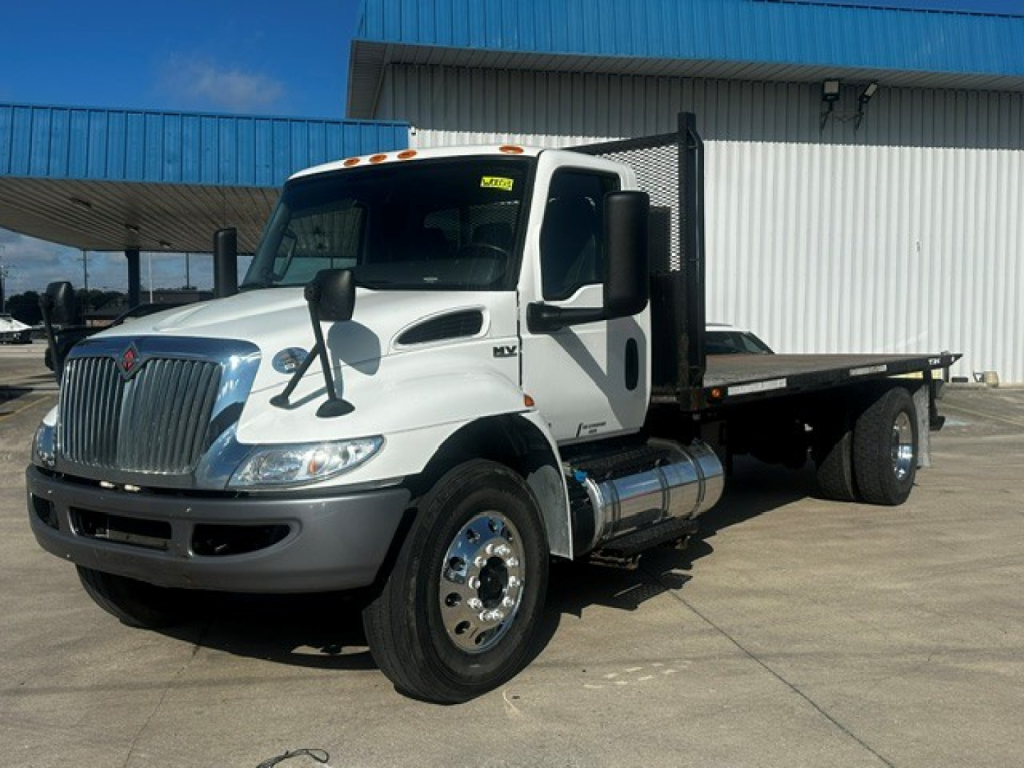
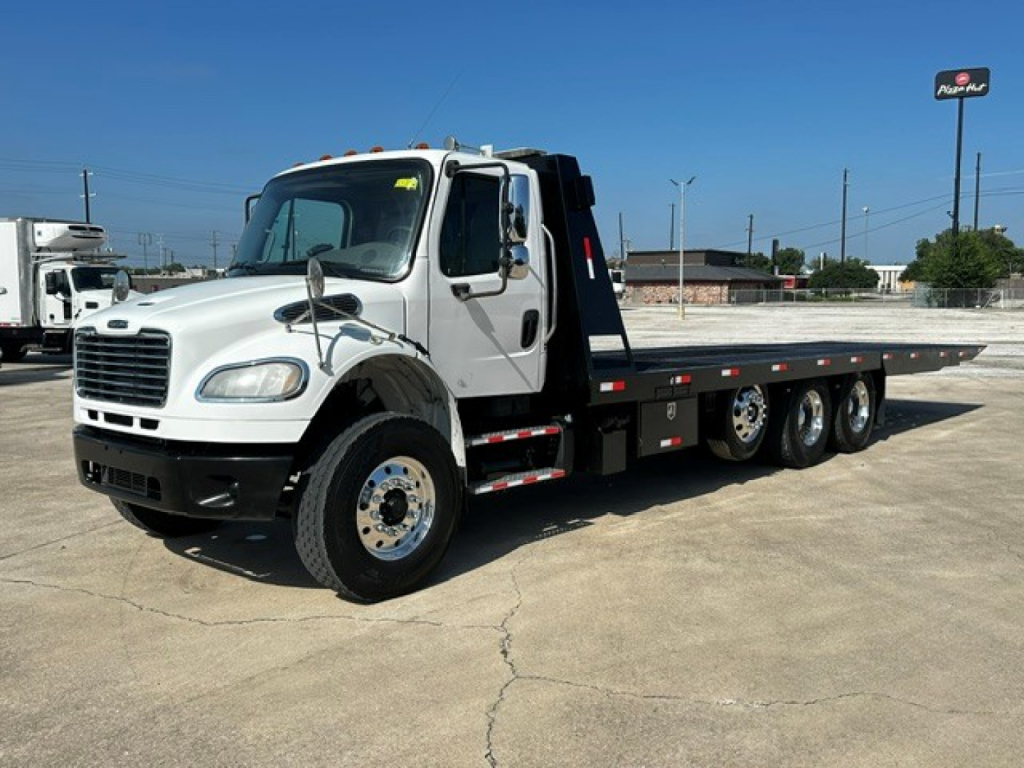
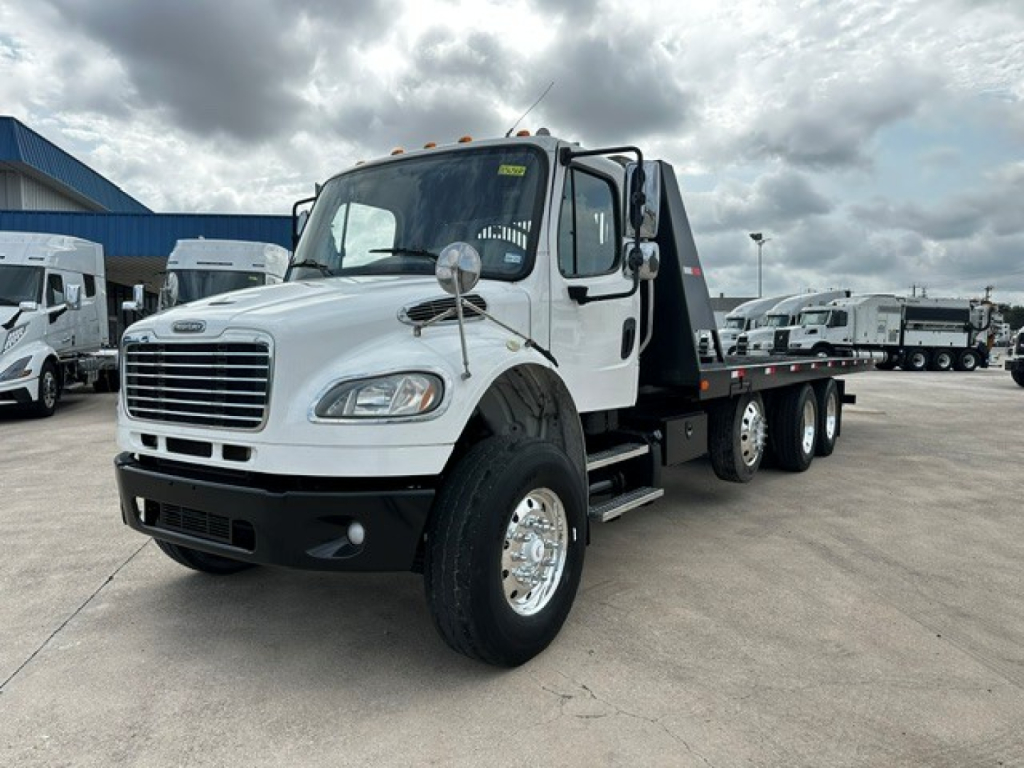
Selling a used rollback truck? List your used rollback truck for sale and reach thousands of commercial buyers.
Used Rollback Trucks in Texas
A used rollback truck should be evaluated as both a tow body and a commercial chassis. On the carrier side, buyers typically look at deck material, bed width, wheel-lift setup, winch rating, hydraulic function, remote controls, tie-down points, and the condition of the tilt and slide rails. Steel decks are durable and common in recovery work, while aluminum beds can help preserve payload on lighter GVWR trucks. On the chassis side, focus on engine family, automatic transmission model, wheelbase, rear axle ratio, suspension type, brake system, and actual GVWR. Cummins-powered Freightliner and International rollback trucks with Allison automatics are common because they are straightforward to run in stop-and-go towing service and easier to staff across a broader driver pool.
Texas buyers also need to think about route mix and operating environment. Urban towing around Dallas-Fort Worth, Houston, Austin, or San Antonio favors tight turning, quick hydraulics, and manageable overall length. Longer hauls between metro areas can justify more deck space, higher horsepower, and a ratio that balances launch power with highway speed. In hotter climates and heavy-use fleets, cooling system condition, PTO operation, hydraulic leaks, tire wear, and brake life deserve close inspection. If the truck will handle low-clearance cars, check bed approach angle, tail design, and suspension ride height. If it will move pickups, vans, or small equipment, pay attention to usable deck length, wheel-lift capacity, and front and rear axle ratings.
The strongest value in a used rollback comes from matching the truck to the work instead of simply buying the biggest deck available. A non-CDL rollback can be easier to dispatch and insure for light-duty service, while a heavier GVWR truck gives more flexibility for commercial accounts and tougher recoveries. Review service history, hours if available, body manufacturer support, and signs of frame stress around the carrier mounts and subframe. A rollback that loads straight, holds hydraulic pressure, tracks well under braking, and has axle and tire capacity aligned with the jobs you run will usually outperform a cheaper truck with more bed than the chassis can support.
Frequently Asked Questions about Used Rollback Trucks in Texas
What is the difference between a rollback truck and a wrecker?
A rollback truck uses a tilting, sliding deck to load a vehicle completely off the ground, which makes it ideal for all-wheel-drive cars, damaged vehicles, low-clearance units, and equipment that should not be towed by the axle. A wrecker typically lifts one end of the vehicle with a wheel-lift or underlift and tows it with two wheels on the road. Many towing fleets use rollbacks for transport and non-drivable recoveries, while wreckers are often chosen for quicker hook-and-tow jobs in tighter spaces.
What bed length is most common on a used rollback truck?
Many medium-duty rollback trucks are built with 20-foot to 22-foot beds, especially in non-CDL or lighter-duty applications. Heavier commercial carriers often run 24-foot to 26-foot decks, and some specialized units extend beyond that with tri-axle configurations for added capacity and deck space. The right length depends on the vehicles or equipment being hauled, local maneuverability needs, and the axle ratings of the chassis under the body.
Can a rollback truck be non-CDL?
Yes, some rollback trucks are configured to remain under the 26,001-pound GVWR threshold, which can make them non-CDL in many applications. That said, bed size, chassis class, axle ratings, added toolboxes, wheel-lift equipment, and the actual operating weight all affect whether the truck stays in that range. Buyers should verify the door-sticker GVWR and understand how payload, attachments, and state or federal operating rules apply to the work they plan to do.
What should I inspect first on a used rollback truck?
Start with the deck and hydraulic system because those components directly affect loading performance and repair cost. Check for bent rails, uneven slide action, hydraulic leaks, weak winch pull, damaged tie-down points, and remote or PTO issues. Then inspect the chassis for engine blow-by, transmission operation, brake condition, suspension wear, tire condition, frame integrity, and signs of overloading around the body mounts. A rollback can look clean cosmetically and still need significant mechanical or hydraulic work, so function matters more than paint.
Are tri-axle rollback trucks worth considering?
Tri-axle rollback trucks can make sense when the work involves heavier vehicles, longer decks, or a need for better weight distribution across the carrier. They are common in applications where a standard tandem or single-rear-axle setup would be too limited on payload or bed length. The tradeoff is added complexity, more tires and brake components to maintain, and potentially tighter routing constraints in city work. For operators hauling larger pickups, box vans, or equipment on a regular basis, the extra axle can be a practical advantage.