
Used 2015 Rollback Trucks For Sale
Shop used 2015 rollback trucks with common specs, bed sizes, winch setups, GVWR classes, and towing features buyers compare most.
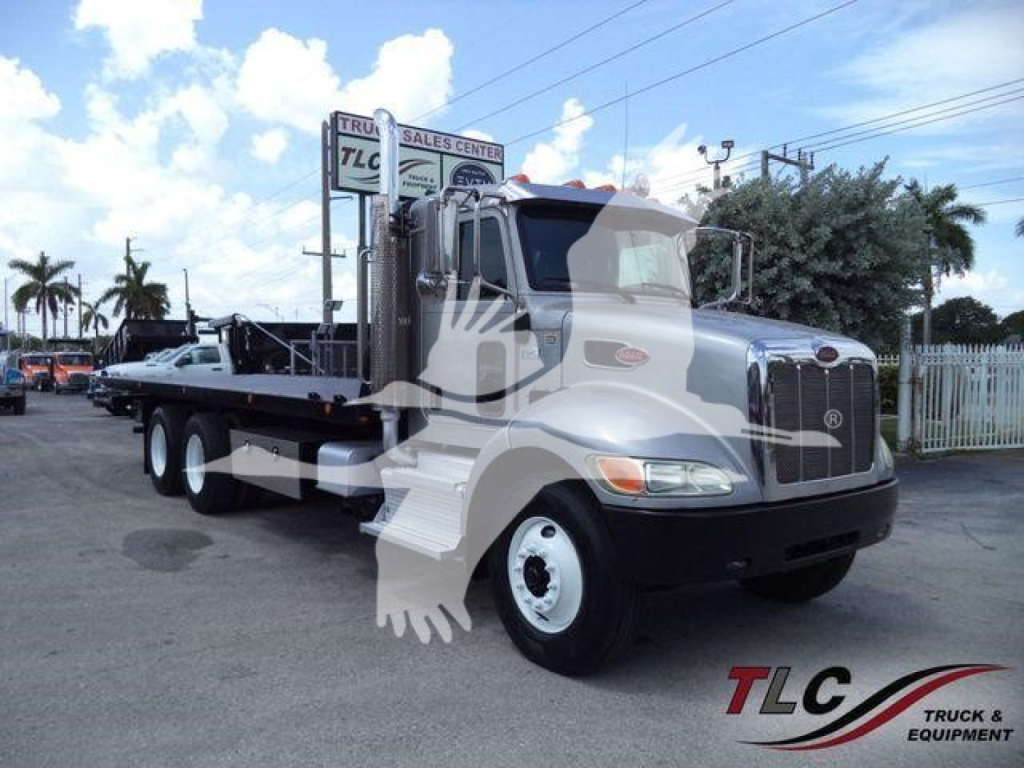
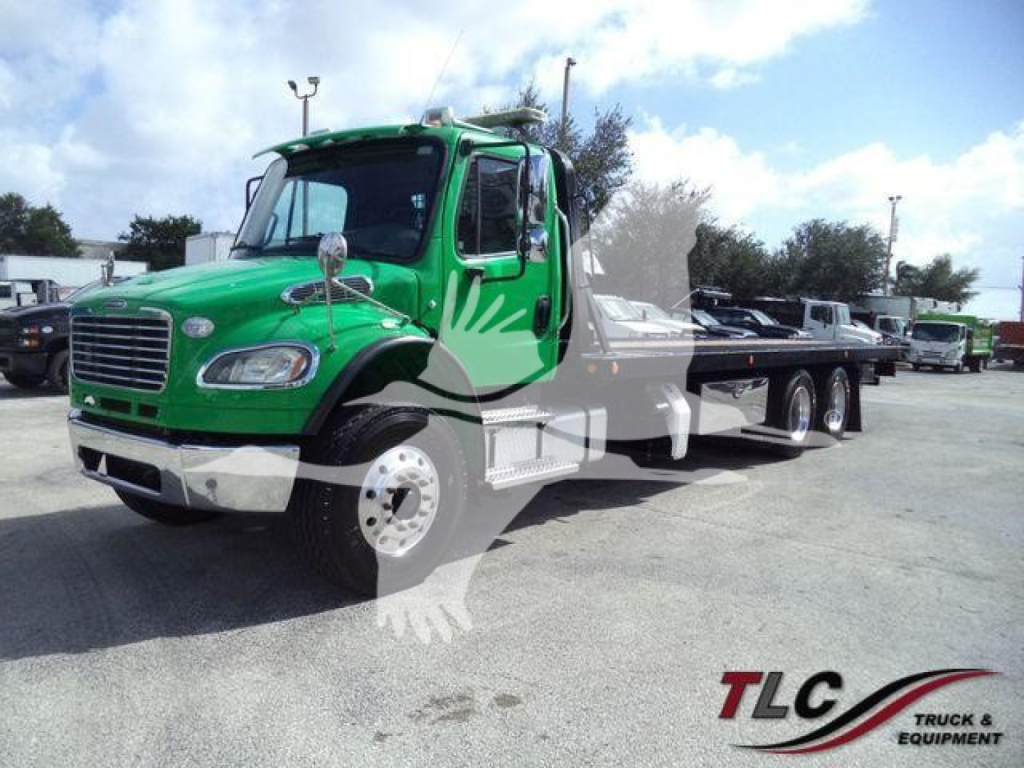
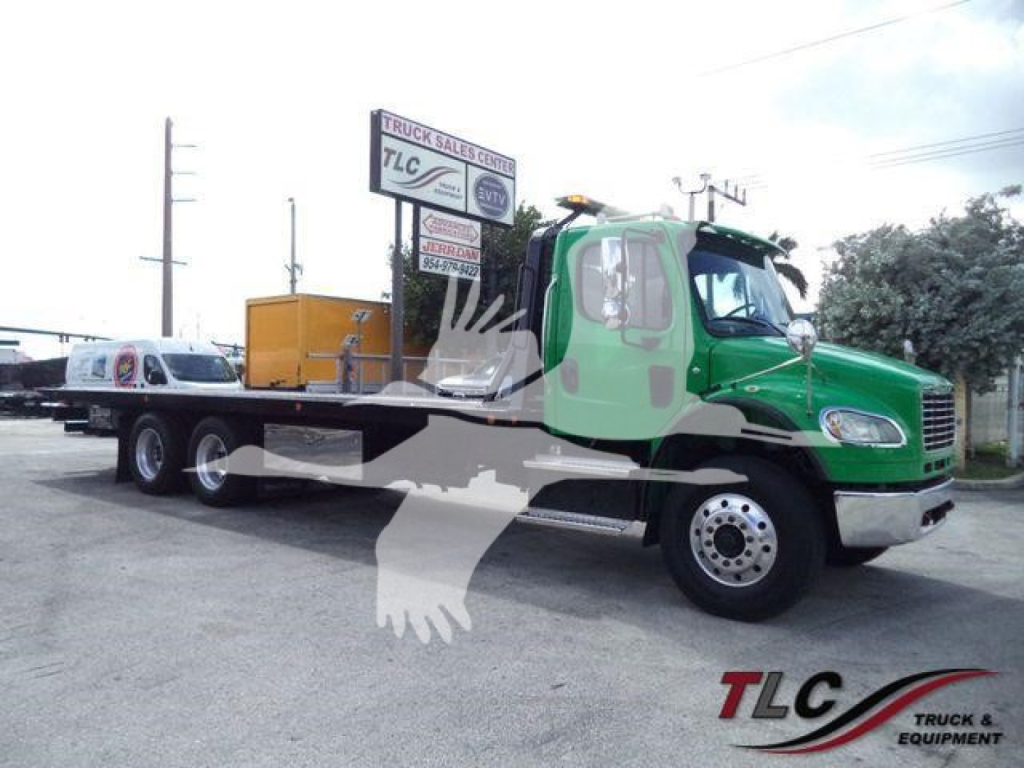
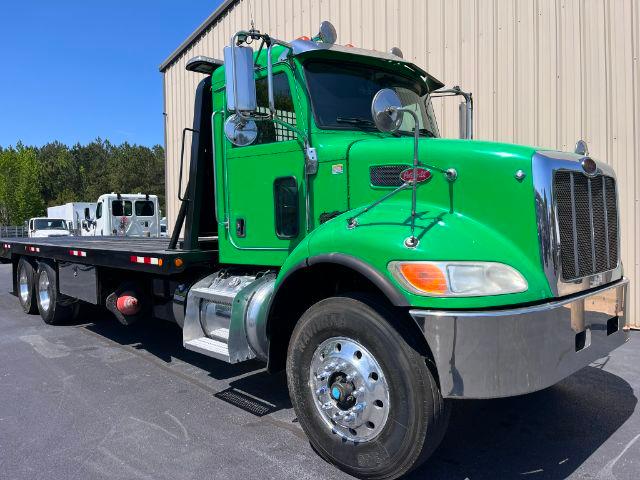
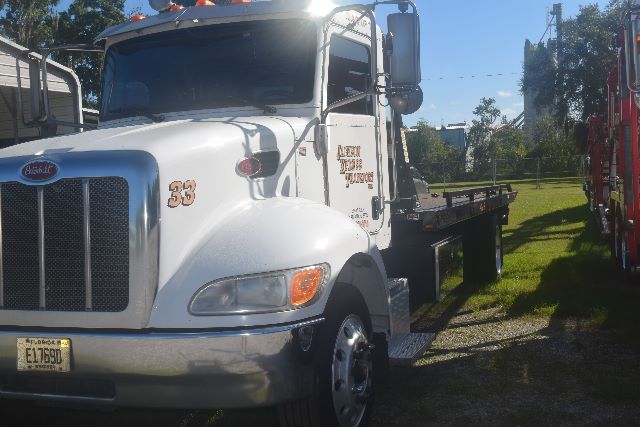
Selling a used 2015 rollback truck? List your used 2015 rollback truck for sale and reach thousands of commercial buyers.
Used 2015 Rollback Trucks
Bed length, bed construction, and wheel lift capacity are usually the first body decisions. In this class, 21 to 22 foot steel decks are common for light-duty and standard auto transport work, while 26 to 28 foot decks show up on heavier chassis for longer vehicles, dually pickups, vans, and equipment moves. A 102-inch-wide deck is typical, and low-profile or extra-low-profile beds help with sports cars, lowered vehicles, and reduced scraping risk. Many operators prefer steel beds for durability and repairability, while aluminum components such as side rails, toolboxes, or blade rails help trim weight. Winch ratings often start around 8,000 pounds on lighter carriers and climb much higher on heavier rollback configurations. If the truck will do a lot of recovery-adjacent work, look closely at the subframe, deck cylinders, remote controls, tie-down points, and whether the wheel lift is truly usable for your secondary towing needs or just present on paper.
On a used 2015 rollback, condition matters more than brand decals. Check PTO engagement, hydraulic response, cylinder seepage, bed slide action, deck pivot wear, and crossmember condition. Inspect the winch cable or synthetic line, sheaves, chain trays, wheel grids, L-arms, and the wear pattern at the tail section where loading stress concentrates. On the chassis side, review engine hours if available, transmission service history, suspension type, brake setup, axle ratings, and tire date codes. Air brakes and air ride suspension are common on better-spec trucks, especially those set up for smoother loaded ride quality and more stable transport. A 25,999 to 26,000 GVWR rollback may fit operators avoiding CDL requirements in some applications, while heavier GVWR units offer more deck and payload capability but change licensing, insurance, and operating costs.
The best used 2015 rollback truck is the one that matches your lane of work. For municipal impounds, parking enforcement, and dealer moves, a lighter 6-ton class carrier with a 22-foot bed and 3,500-pound wheel lift can be efficient and easy to run. For commercial accounts handling trucks, service bodies, palletized freight, or equipment, a heavier rollback with a longer deck, larger winch, and stronger rear axle package may be the better fit. Lighting packages, wireless remotes, toolbox layout, fuel tank size, and bed brand all affect day-to-day usability, but the real value is in a straight frame, healthy hydraulics, and a chassis with documented maintenance. Buyers comparing used 2015 rollback trucks should focus on actual working capacity, not just advertised tonnage, and make sure the truck’s wheelbase, bed geometry, and axle specs support the type of loads it will carry every week.
Frequently Asked Questions about Used 2015 Rollback Trucks
What should I look for first when buying a used 2015 rollback truck?
Start with the chassis GVWR, deck length, and actual bed rating, then verify that the hydraulic system and winch are in good working order. A used rollback needs to be evaluated as both a truck and an upfit. Check PTO operation, deck slide and tilt function, wheel lift condition, cylinder leaks, frame integrity, and bed wear points. On the chassis, review engine and transmission service history, axle ratings, brake type, suspension, and tire condition. A clean-looking carrier with weak hydraulics or a mismatched chassis can become expensive quickly.
What bed size is most common on a 2015 rollback tow truck?
A 21 to 22 foot bed is the most common size in medium-duty rollback applications, especially for standard passenger vehicles, SUVs, and light trucks. Heavier rollback trucks may carry 26 to 28 foot decks for longer wheelbase vehicles, dually pickups, vans, or equipment. A 102-inch-wide bed is standard on many carriers. The right size depends on what you haul most often, how much deck capacity you need, and whether low-angle loading is important for damaged or low-clearance vehicles.
Is a 26,000 GVWR rollback truck better than a heavier model?
Not always. A 26,000 GVWR rollback can be attractive because it may avoid CDL requirements in some operations, and it is often easier to insure, route, and staff. That makes it popular for repossession, dealer transport, and general light-duty towing. Heavier rollback trucks offer more deck capacity, stronger axle packages, and better suitability for work trucks, loaded vans, and equipment, but they also bring higher operating costs and different compliance requirements. The better choice depends on the weight and type of vehicles you move every day.
What is the difference between a rollback, a slideback, and a car carrier?
In most towing markets, rollback, slideback, and car carrier are closely related terms for the same general type of tow truck body. The bed tilts and slides rearward so a vehicle can be winched or driven onto the deck, then the deck returns to transport position. Some operators use car carrier to describe lighter-duty units focused on vehicle transport, while rollback may be used more broadly across towing and recovery. The important distinction for buyers is not the name, but the deck rating, wheel lift setup, winch capacity, and chassis it is mounted on.
How important is the bed brand on a used rollback truck?
Bed brand matters, but condition and parts support matter more. Well-known manufacturers often have better parts availability, more familiar control layouts, and stronger resale value, which helps with long-term ownership. That said, a recognized brand with worn pins, tired hydraulics, and poor prior repairs can be a worse purchase than a lesser-known body that has been maintained properly. Buyers should inspect the structure, controls, hydraulic components, winch system, and wear areas carefully and make sure replacement parts and service support are realistic for their region.