
Used Car Carrier Trucks For Sale
Compare used car carrier trucks for sale by axle capacity, deck layout and hydraulic condition to match vehicle mix, route rules and repair exposure.
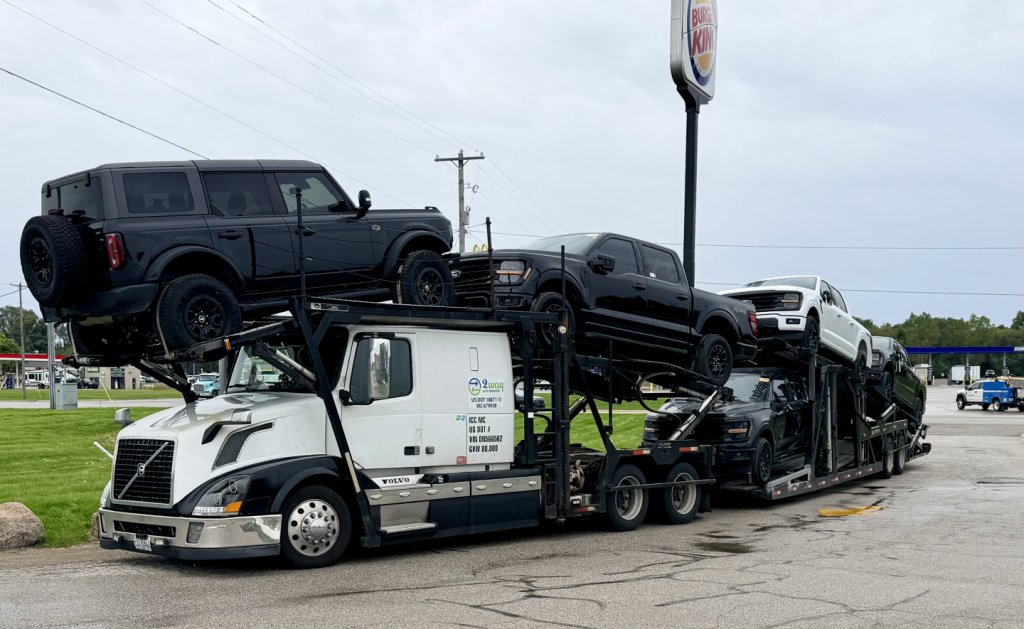
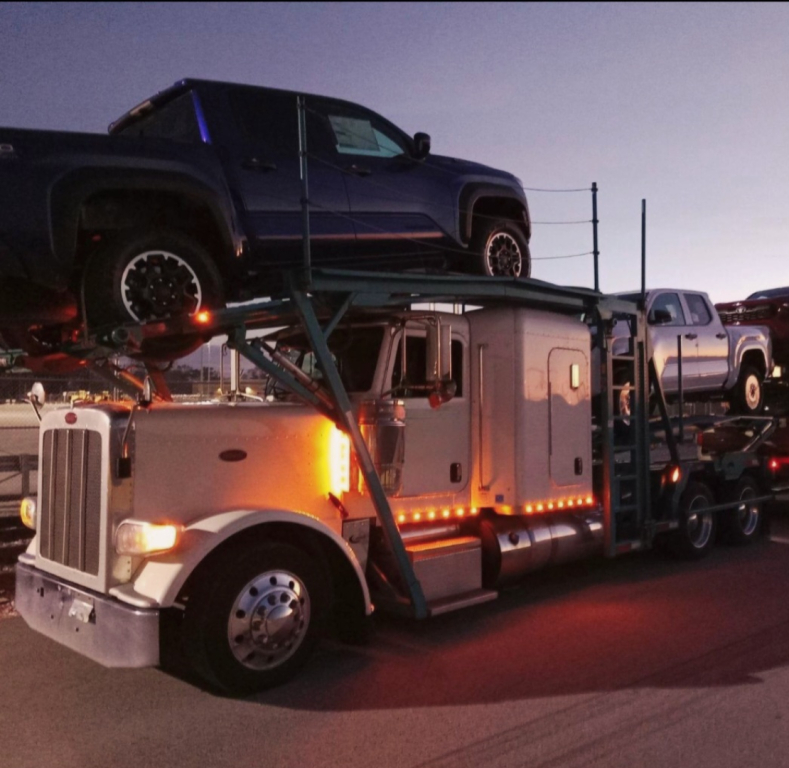
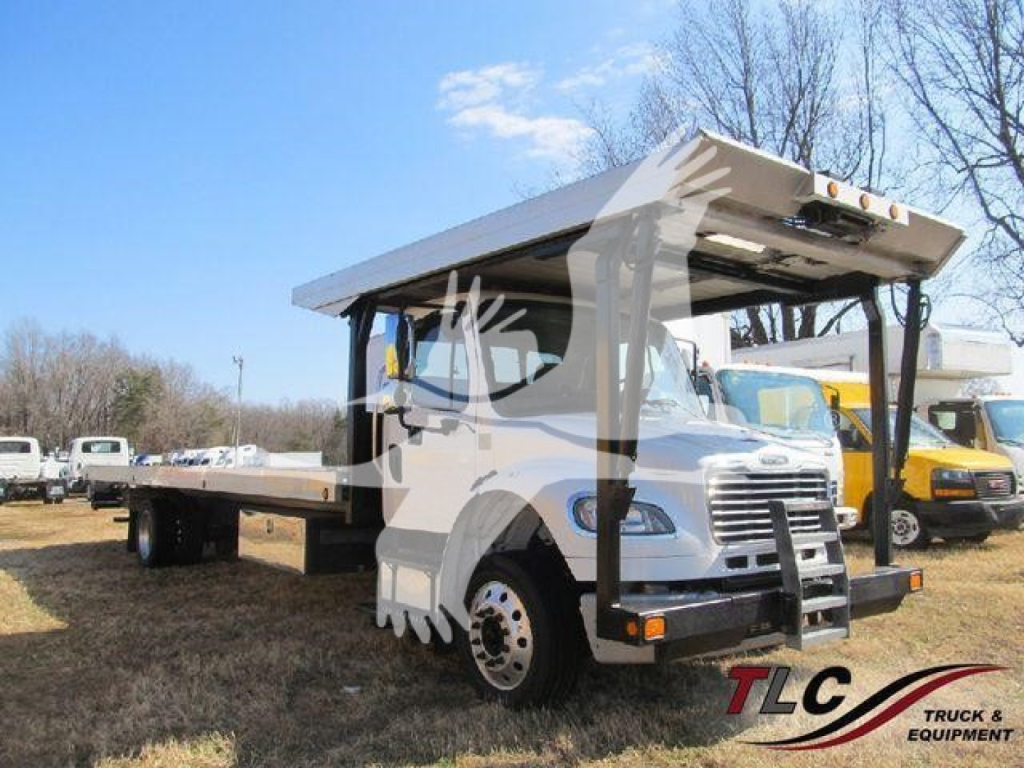
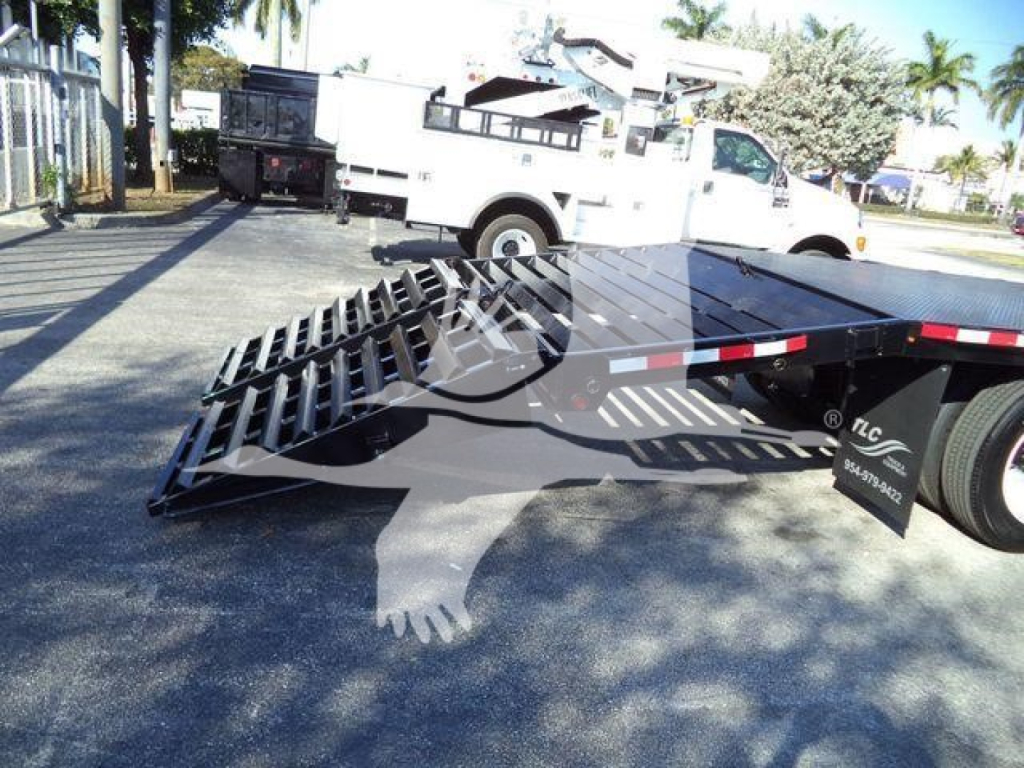
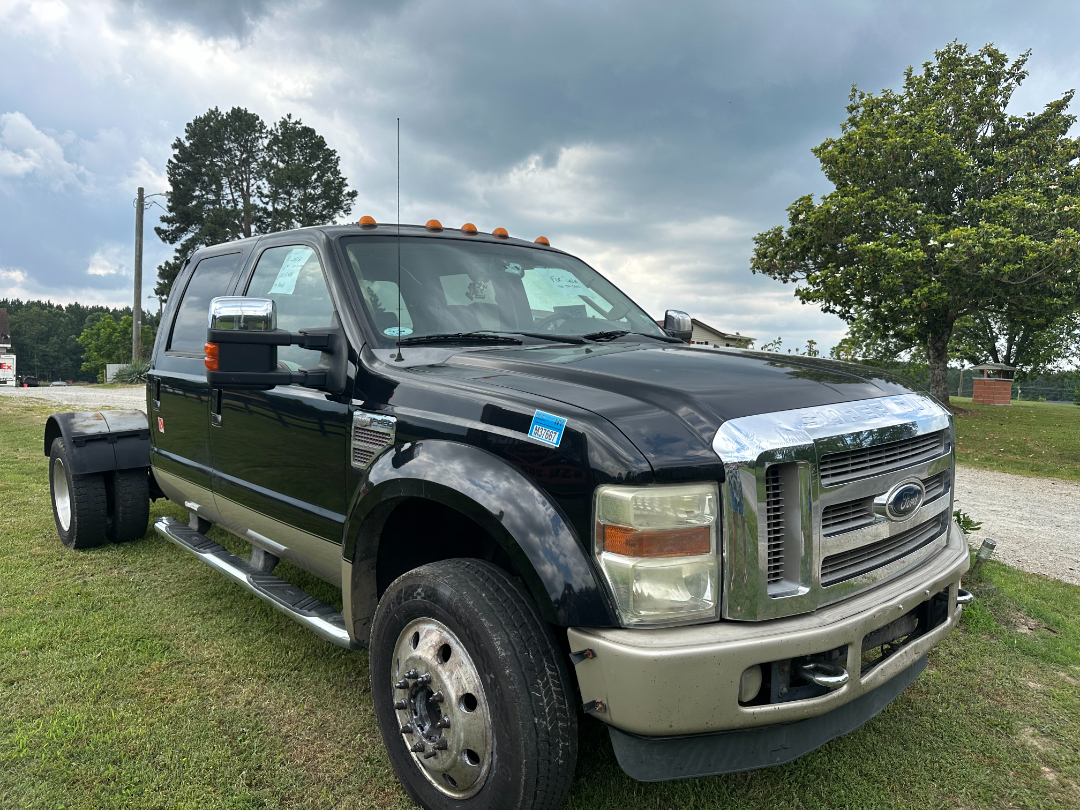
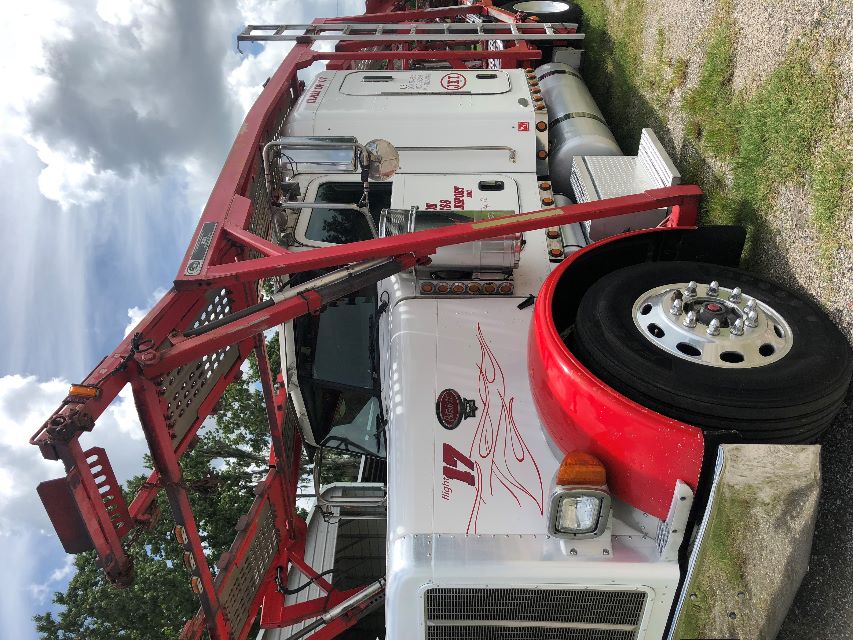

Looking for the easiest place to sell your used car carrier truck? List it here to reach thousands of buyers.
Used Car Carrier Trucks
Freightliner M2 and International 4300 chassis commonly support smaller carriers, while heavy-duty Peterbilt, Kenworth and Freightliner tractors support multi-level combinations. Match GVWR, axle ratings, tire capacity and deck ratings to the intended load. Use an empty scale ticket and a representative loaded axle-weight check to establish usable payload and weight distribution. Coupling location, frame reinforcement and rack mounting must suit the transport body. Low-profile equipment can improve loaded-height clearance, but deck spacing and vehicle roof clearance still need careful measurement.
Hydraulic condition deserves as much attention as engine mileage on a used auto transport truck. Cycle every deck and verify load holding using the equipment manufacturer's procedure. Inspect cylinder rods, hoses, pins, bushings, rollers, mechanical locks and loading ramps for damage or excessive play. Cracked welds, distorted crossmembers and corrosion around rack mounts warrant closer investigation, especially on salt-exposed equipment from northern states and Canadian provinces. Request maintenance records and available ECM mileage, engine-hour and fault history, then inspect brakes, suspension, steering and driveline condition.
Engine age changes the ownership calculation: 2007-emissions diesel engines typically add DPF service, while 2010-emissions engines commonly add SCR and DEF systems. Check the engine emissions label rather than relying only on truck model year, and verify any replacement engine or emissions modifications. California operation can require both engine eligibility and Clean Truck Check compliance. Across the United States and Canada, legal loaded height, length, overhang and axle weights depend on configuration and jurisdiction. Canadian spring weight restrictions can further limit payload on affected roads, so evaluate the intended routes before choosing a long or heavily loaded combination.
Frequently Asked Questions about Used Car Carrier Trucks
What CDL do I need to drive a car carrier truck?
A straight car carrier rated or weighing at least 26,001 pounds generally requires a Class B CDL in the United States. A combination at that threshold generally requires Class A when the trailer's rating or actual weight exceeds 10,000 pounds. Canadian licence classes vary by province, and air brakes may require a separate endorsement. Driver licensing does not replace commercial registration, medical qualification or applicable operating authority.
Should a car carrier use wheel straps or chains to secure vehicles?
Wheel straps are commonly preferred for passenger vehicles because they secure the tires without attaching directly to painted bodywork or suspension components. Under US federal rules, automobiles, light trucks and vans weighing 10,000 pounds or less require at least two tiedowns, restraining both front and rear movement. Four-wheel securement is common, but the carrier's anchor ratings, strap working load limits and vehicle manufacturer's transport instructions must govern the setup.
Is an automatic transmission better for a used car hauler?
A full automatic transmission often suits a straight car hauler doing frequent stops and low-speed maneuvering. Allison-equipped medium-duty chassis can simplify that work, while automated manuals and manual transmissions remain common in heavy tractor combinations. Verify that the transmission supports the required PTO arrangement, and test engagement, shifting and hydraulic operation at operating temperature. Transmission service records matter more than the selector style alone.
What should I check before hauling low-clearance cars?
Loading angle and clearance at deck transitions are the main fit checks for low-clearance cars on a car carrier. Measure approach, breakover and departure clearance with the intended ramp arrangement, not just deck height. Properly rated ramp extensions can reduce approach angle, but improvised extensions can overload ramps or slip. Check clearance around wheel stops, tie-down hardware and the vehicle's underbody before loading.
Can a used car carrier truck haul electric vehicles?
Yes, a used car carrier can haul electric vehicles when deck, axle and tire ratings accommodate their weight. Follow each vehicle manufacturer's transport-mode instructions because selecting neutral may not release every parking or drivetrain restraint. Use approved winching and securement points, and keep loading hardware clear of the battery enclosure. Electric vehicles with suspected battery damage require specialized handling rather than routine loading.