
Used Car Carrier Trucks For Sale in Florida
Used car carrier trucks for sale in Florida: compare deck capacity, loaded axle weights, hydraulic condition, and coastal corrosion before buying.
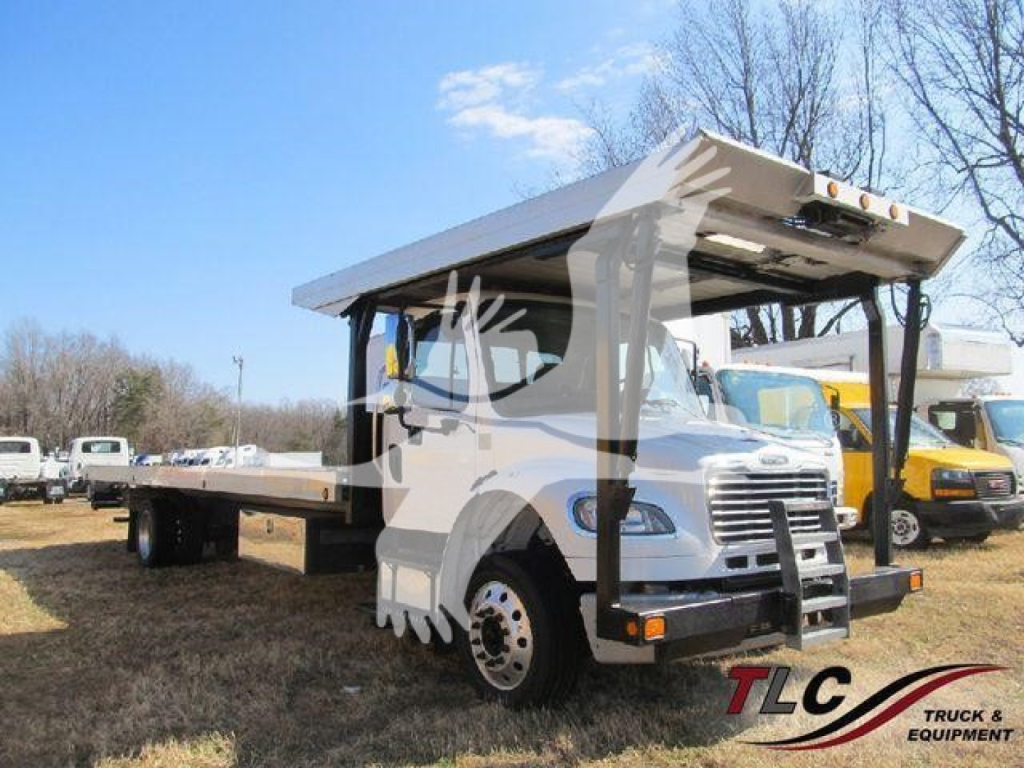
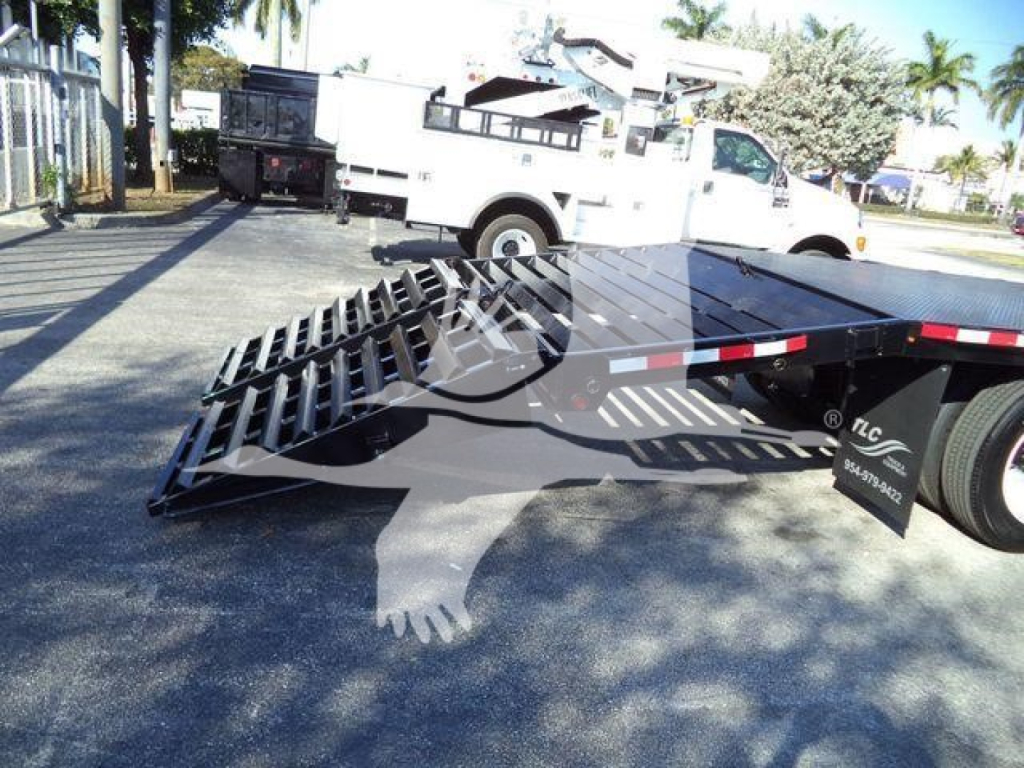
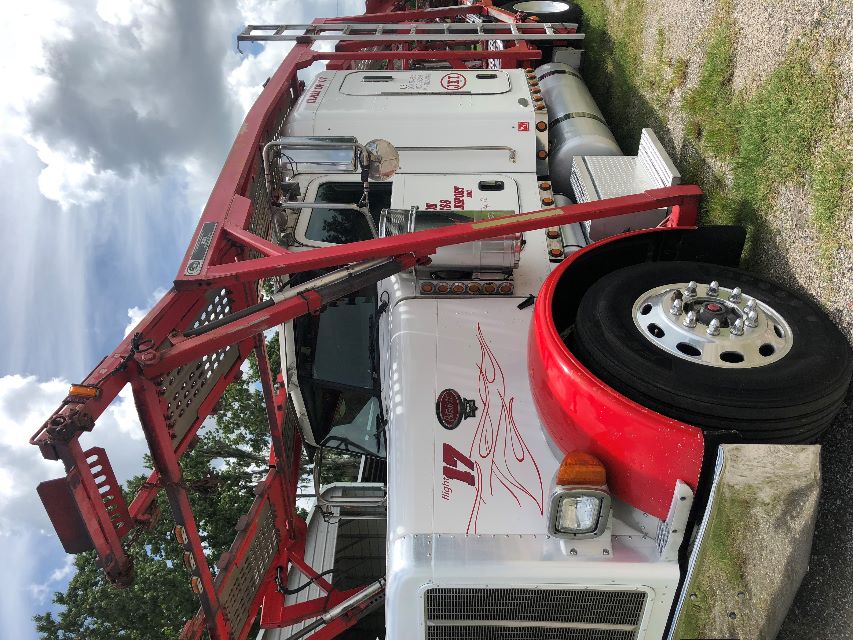
Looking for the easiest place to sell your used car carrier truck? List it here to reach thousands of buyers.
Used Car Carrier Trucks in Florida
A used auto transport truck needs a working inspection of the carrier equipment as well as the chassis. Cycle every hydraulic function, check cylinder rods and hoses, and inspect deck pivots, locking devices, welds, tie-down points, and subframe mounts. Test the PTO under load and verify that decks hold position without creeping. Match maintenance invoices to mileage and ECM hours, including documented engine or transmission work. Engine build dates matter across model years: 2007-era emissions changes introduced DPFs on many highway diesels, while 2010-era systems commonly added SCR and DEF. Confirm the actual engine and emissions equipment rather than relying solely on the chassis year.
Coastal salt exposure, humidity, and flood history deserve close attention on Florida equipment, especially inside electrical connectors and beneath carrier decks. Inspect cooling-system condition and air-conditioning performance for summer operation. Runs along I-95, I-75, and I-4 require different gearing and duty-cycle choices from short auction transfers. Check the loaded combination's height, overhang, axle weights, and permit requirements for the intended Florida routes and any interstate work.
Frequently Asked Questions about Used Car Carrier Trucks in Florida
Do I need a CDL to drive a car carrier truck in Florida?
A single Florida car carrier truck rated or weighing 26,001 pounds or more normally requires a Class B CDL. A combination rated or weighing 26,001 pounds or more requires Class A when the towed vehicle is rated or weighs more than 10,000 pounds. Air brakes alone do not trigger a CDL requirement, but CDL drivers need the appropriate air-brake qualification.
What should I check before using a car hauler to transport electric vehicles?
Electric vehicles require enough payload capacity and manufacturer-approved loading procedures, not just an open deck position. Verify each vehicle's weight, designated tie-down points, and instructions for transport mode or releasing the parking brake. Keep loading hardware away from underbody battery components. A disabled EV may need wheel skates or other approved equipment rather than being dragged onto the carrier.
Can any car carrier tractor pull a stinger-steered trailer?
A conventional fifth-wheel tractor cannot directly substitute for a properly configured stinger-steered car carrier tractor. Stinger arrangements place the coupling low and behind the drive axles, requiring compatible tractor and trailer geometry. Verify coupling specifications, hydraulic connections, turning clearance, and clearance between loaded vehicles before pairing equipment. Matching the truck and trailer by brand alone does not establish compatibility.
How can I spot flood damage on a used Florida car carrier truck?
Silt inside protected cavities, corrosion in electrical connectors, and waterlines beneath cab trim are strong reasons to investigate flood exposure on a used Florida car carrier truck. Inspect fuse panels, control modules, seat bases, and carrier-control wiring rather than judging exterior paint. Scan all accessible electronic modules and review title history, but do not treat a clean title as proof against water damage.