
Used High Cubes / Cutaways Trucks For Sale
Used high cube and cutaway trucks for cargo, delivery, service, and moving work. Compare box size, GVWR, ramp, door, and chassis options.
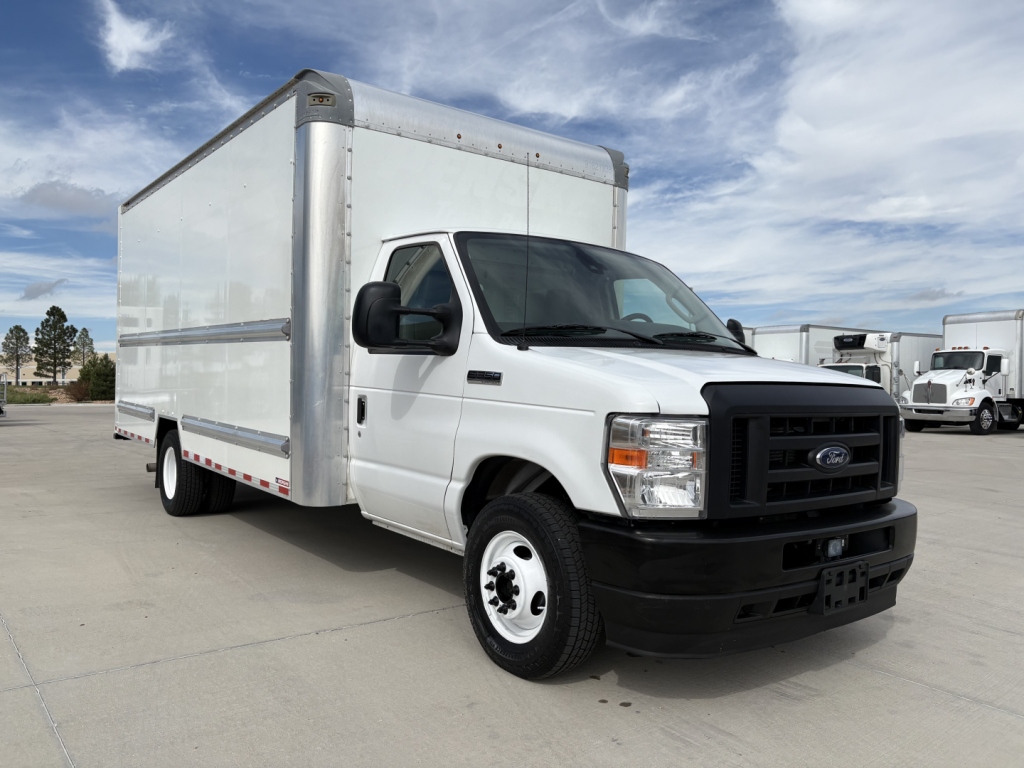
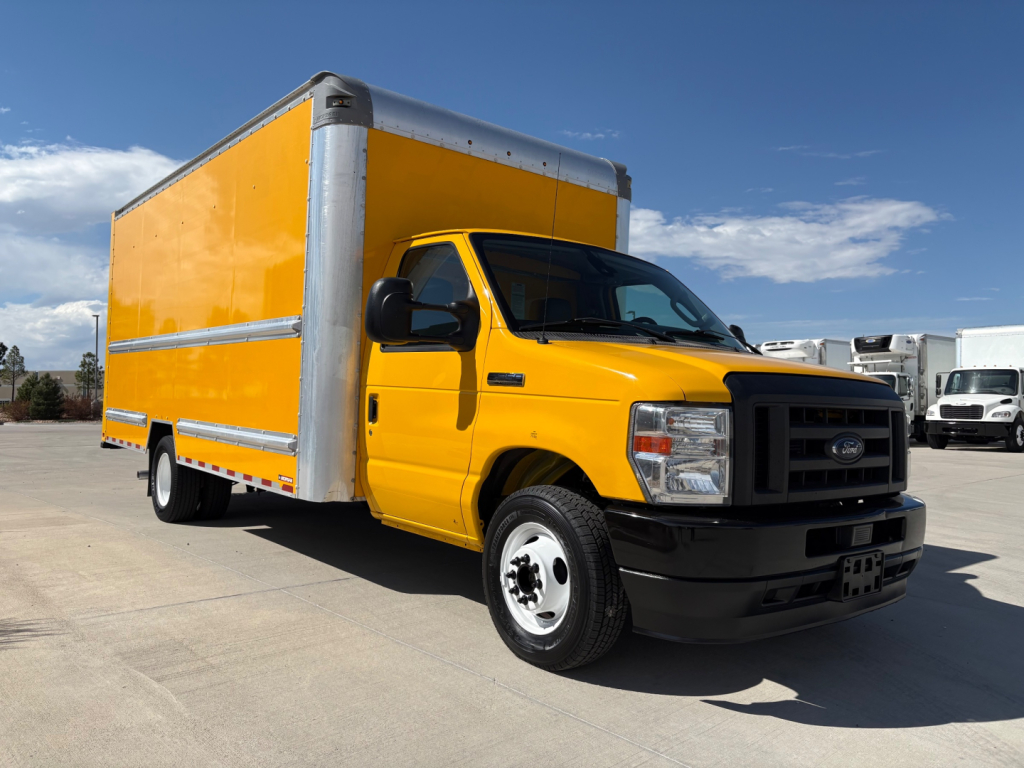
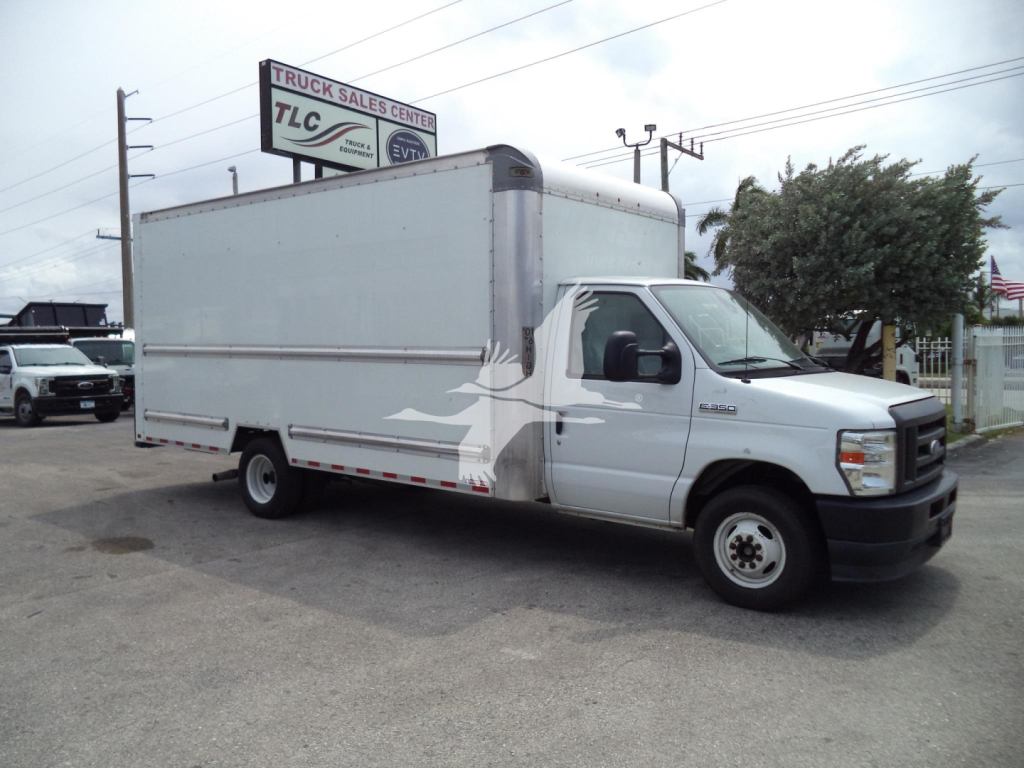
Selling a used high cubes / cutaways truck? List your used high cubes / cutaways truck for sale and reach thousands of commercial buyers.
Used High Cubes / Cutaways Trucks
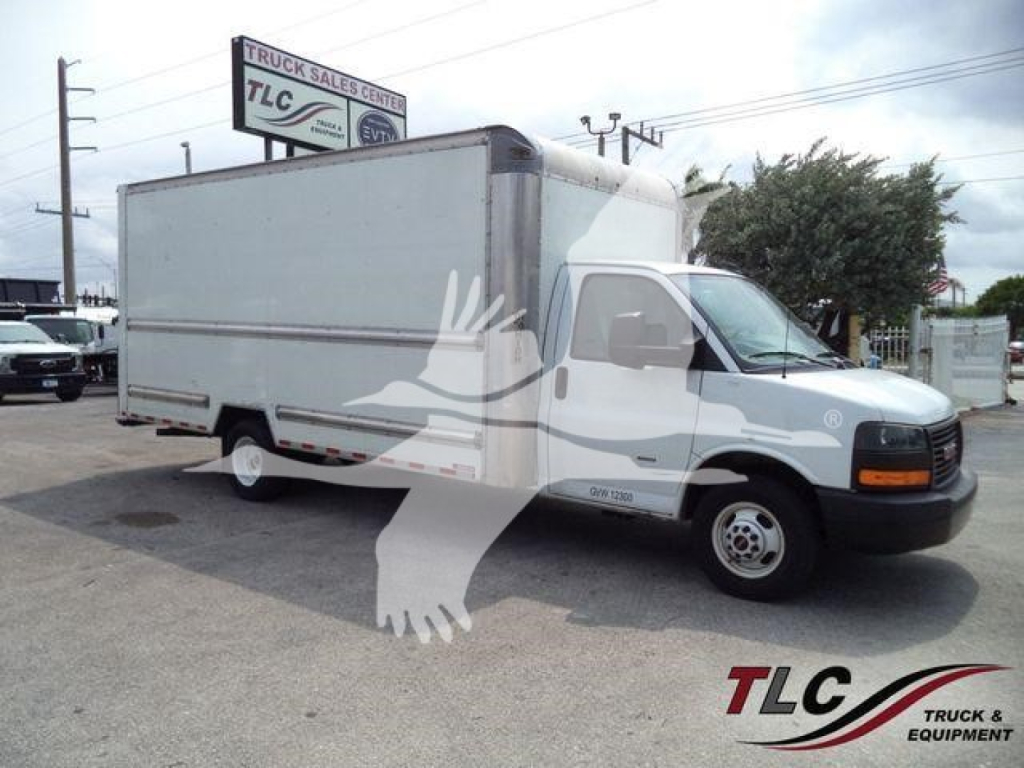
The first buying decision is usually chassis capacity versus body size. A 12 foot body can be easier in tight urban routes and residential streets, while a 14 or 16 foot high cube gives more usable cargo volume for furniture, appliances, dry freight, or route-delivery freight that cubes out before it weighs out. Buyers should look closely at wheelbase, rear axle rating, and posted payload after the body and any lift or ramp equipment are installed. A truck with a long box and a low remaining payload can be fine for light moving work but less suitable for denser loads.
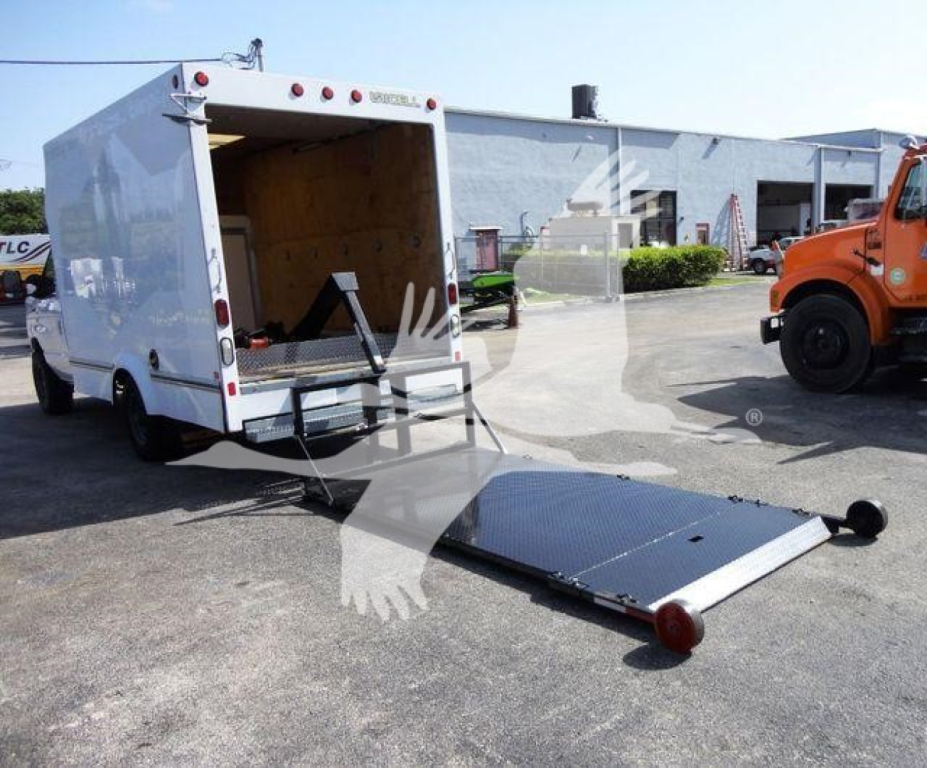
Body spec matters as much as chassis spec in this segment. Common features include fiberglass or aluminum bodies, translucent roofs, wood slat or E-track tie-downs, scuff liners, step bumpers, and roll-up doors. Some units are fitted with aluminum pull-out ramps for carts, dollies, motorcycles, or palletized freight handled without a dock. Others may have tuck-under liftgates or specialty enclosed carriers. On used units, check the condition of the rear frame extension, door tracks, floor crossmembers, roof seams, and bulkhead area. Water intrusion, floor rot, and impact damage around the header and curbside lower wall are worth inspecting closely.
Powertrain choice is usually straightforward, but operating profile should guide it. Gas V8 cutaways remain common and are often well suited for stop-and-go local work, lower annual mileage, and simpler maintenance planning. Transmission behavior under load, brake wear, front suspension condition, and tire wear patterns tell you a lot about how a used cutaway has been worked. Also verify cargo body interior height, loading height, and cab access if drivers make frequent stops. For buyers comparing used high cubes and cutaways, the best value usually comes from matching the body length, door and ramp setup, and true payload capacity to the route instead of buying strictly by lowest miles or newest year.
Frequently Asked Questions about Used High Cubes / Cutaways Trucks
What is the difference between a high cube truck and a cutaway truck?
In the used market, the terms are often grouped together because both describe an enclosed cargo truck built on a van-derived chassis. A cutaway truck refers to the chassis supplied by the manufacturer with the rear portion open for a body installation. A high cube usually refers to the tall, square cargo body mounted on that chassis. In practice, buyers are usually shopping for the complete vehicle: a cutaway chassis with a high cube cargo box.
What box size is most common on a used high cube or cutaway truck?
Common body lengths are 12, 14, and 16 feet. A 12 foot body is easier to maneuver and park, which helps on city routes and residential deliveries. A 14 or 16 foot body offers more cargo volume for moving, dry freight, and route work where loads are bulky but not especially heavy. The right size depends on the balance between cargo cube, payload, and the turning space available on your typical route.
What should I inspect on a used cutaway box truck before buying?
Focus on both the chassis and the body. On the chassis side, check GVWR, rear axle rating, brake condition, steering and suspension wear, transmission shift quality, and service history. On the body side, inspect the floor for soft spots, the roof and front corners for leaks, the roll-up door and tracks for damage, and the frame mounting points for corrosion or poor repairs. If the unit has a ramp or liftgate, verify capacity ratings and confirm smooth operation under load.
Are gas engines common in used high cube and cutaway trucks?
Yes. Gas V8 powertrains are very common in this category, especially on Ford E-Series and GM cutaway chassis. They are often a practical fit for local and regional work with frequent stops, moderate daily mileage, and straightforward maintenance needs. Buyers running heavier payloads or longer routes should still compare fuel cost, service access, and overall lifecycle cost against the intended duty cycle.
What are high cube and cutaway trucks typically used for?
These trucks are commonly used for local delivery, moving, contractor supplies, vending, mobile repair operations, appliance delivery, and dry freight that needs weather protection. They are also used for specialty enclosed applications such as motorcycle transport or custom service bodies. Their main advantage is enclosed volume and relatively compact exterior dimensions compared with larger straight trucks.