
Used Conventional Daycab Trucks For Sale
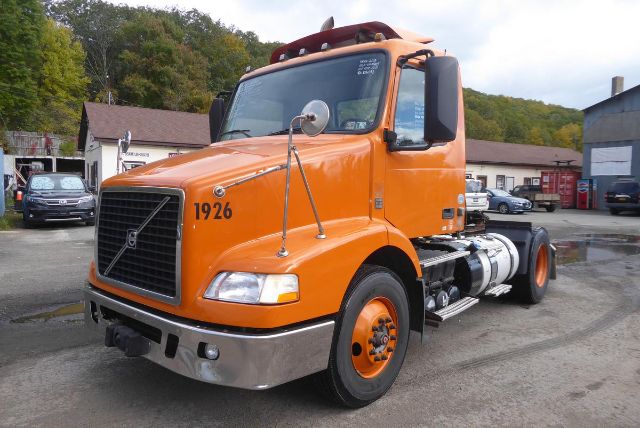
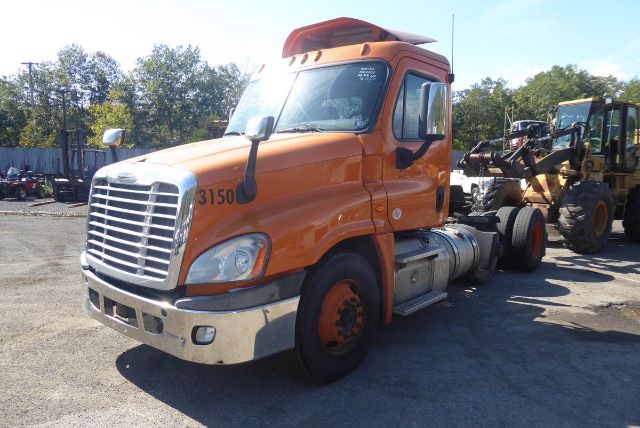
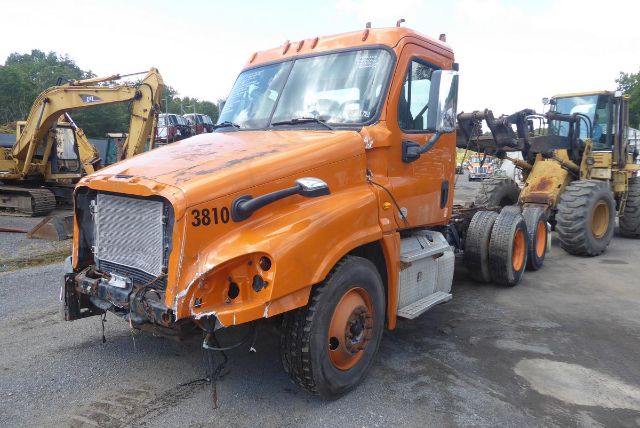
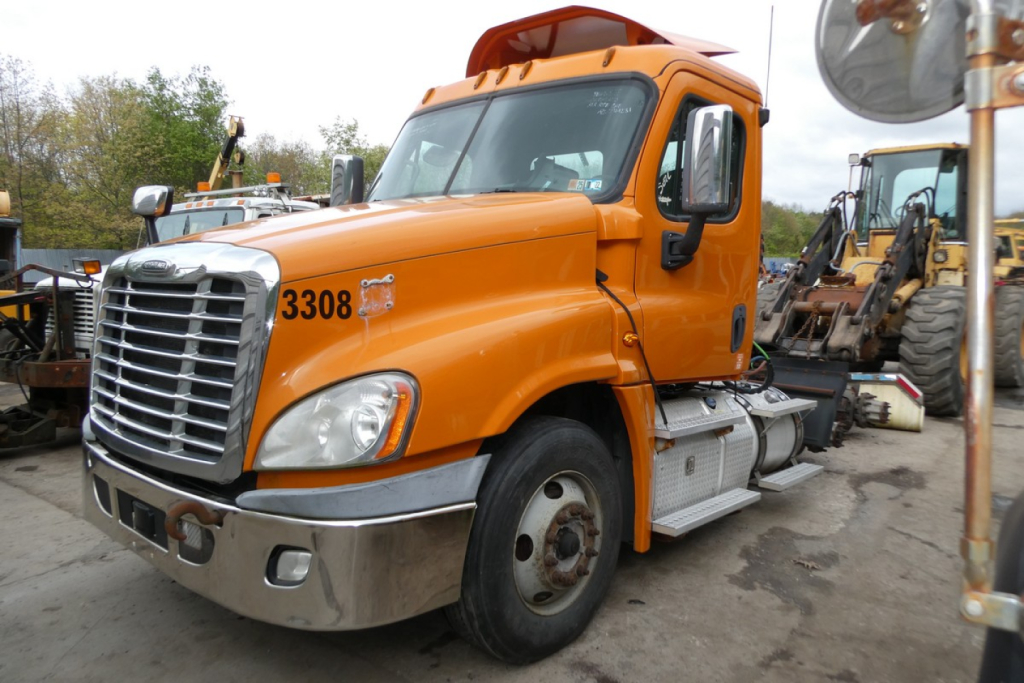
Shop used conventional daycab trucks with popular specs for local and regional hauling, port work, P&D, drayage, and fleet replacement.
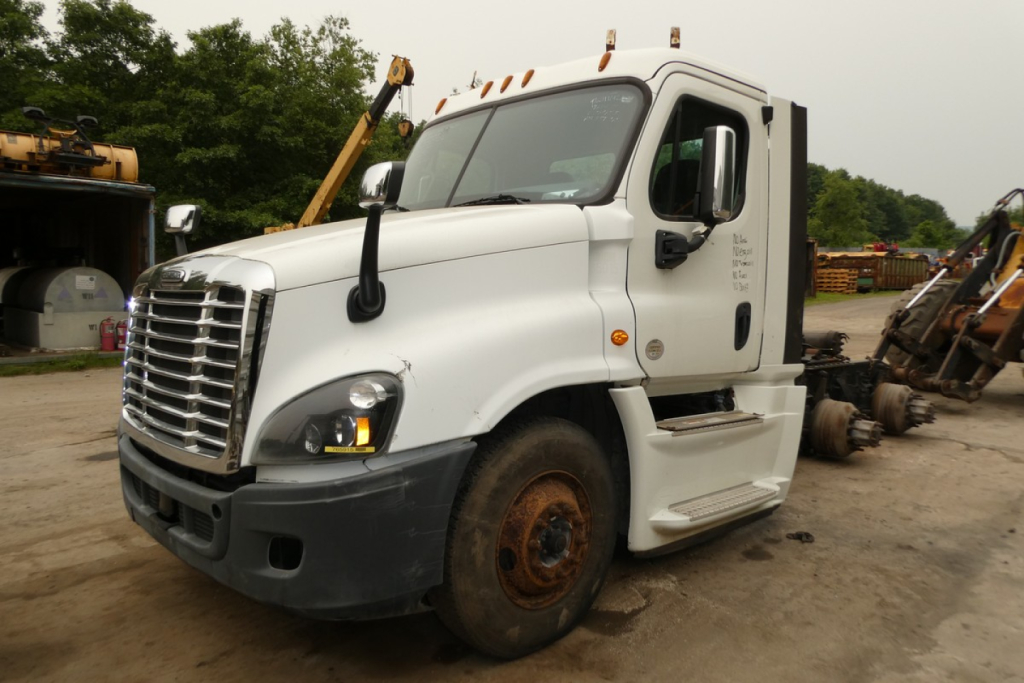
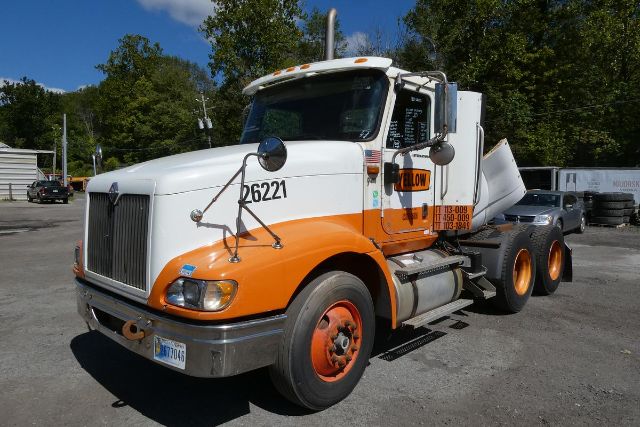
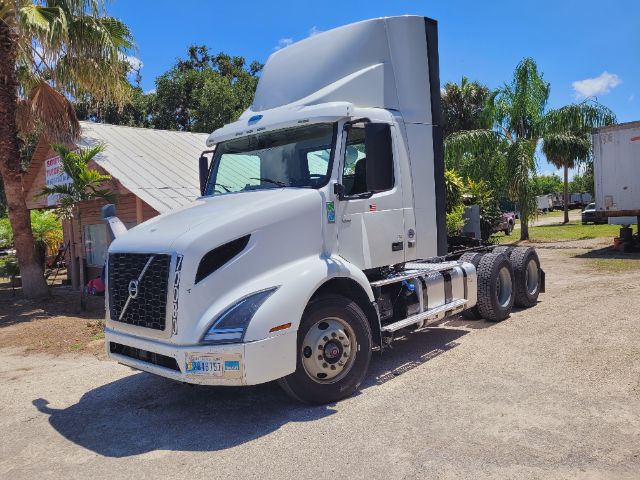
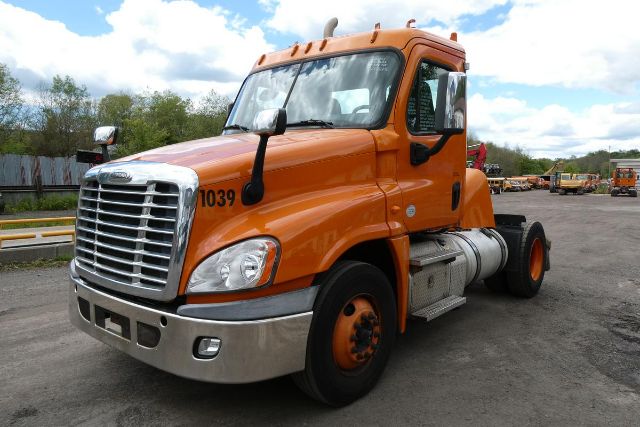
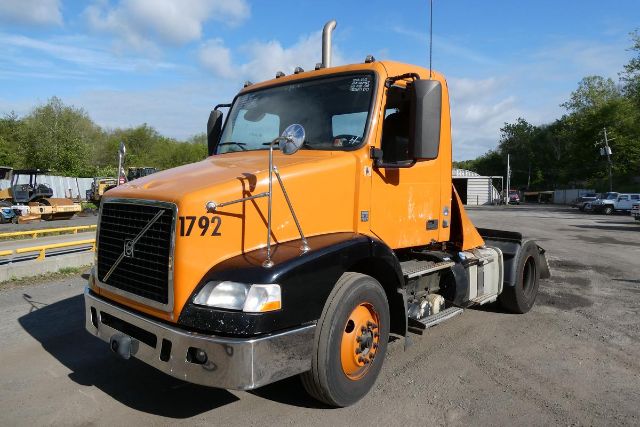
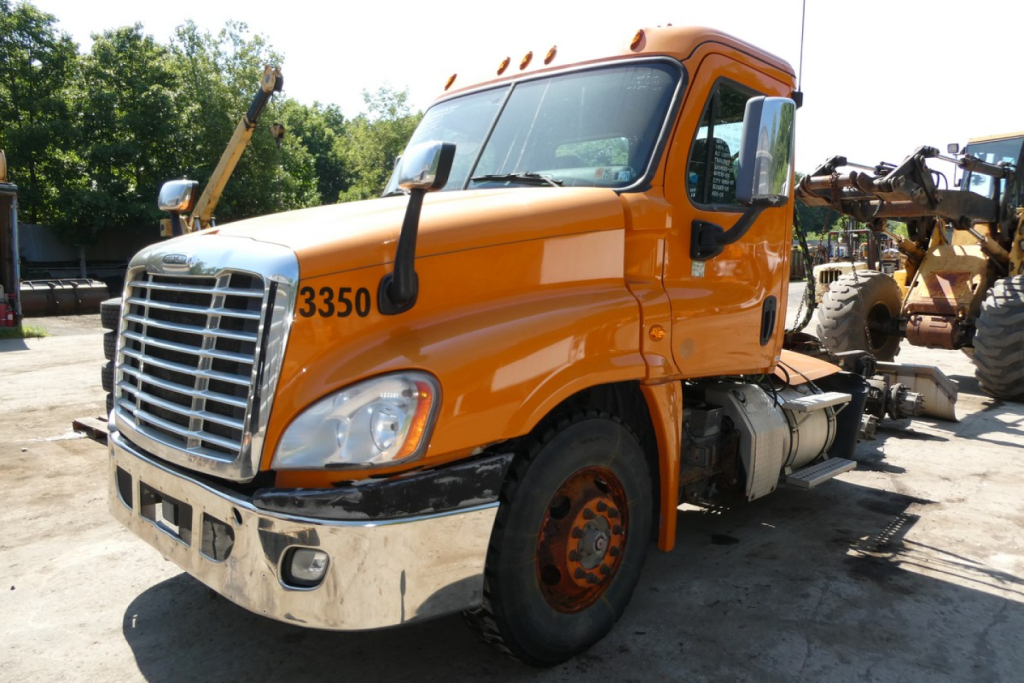
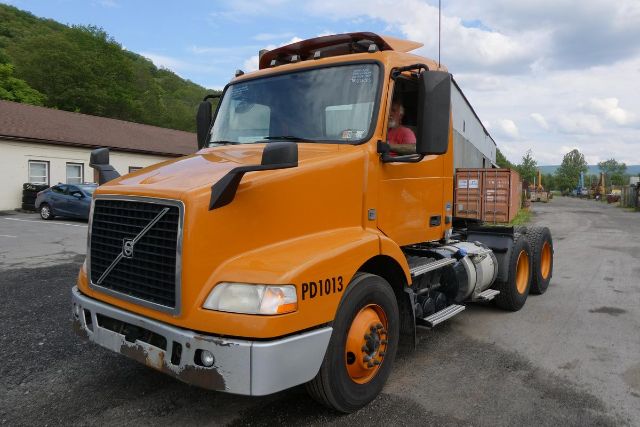
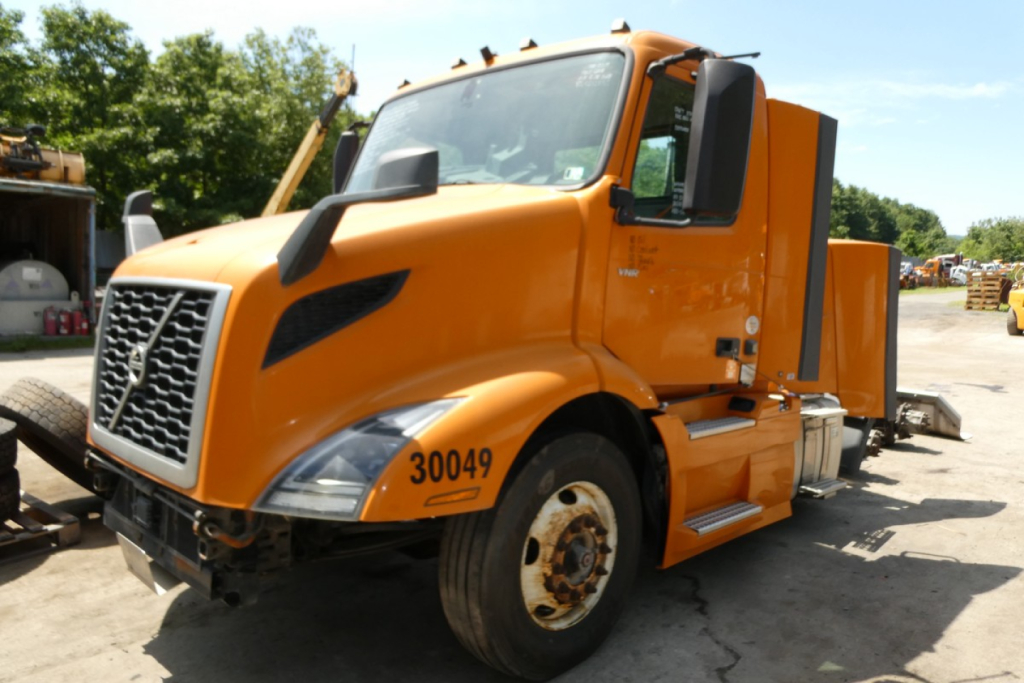
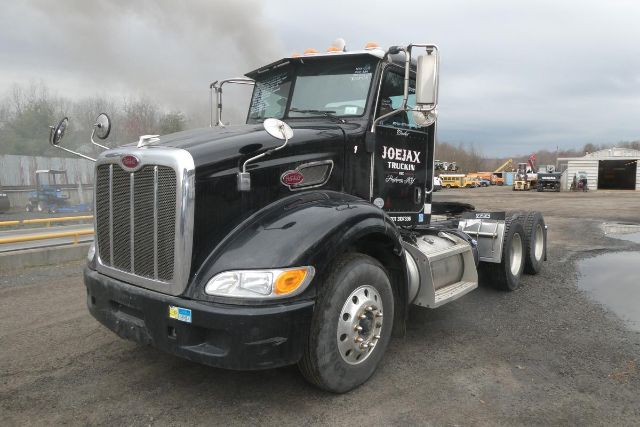
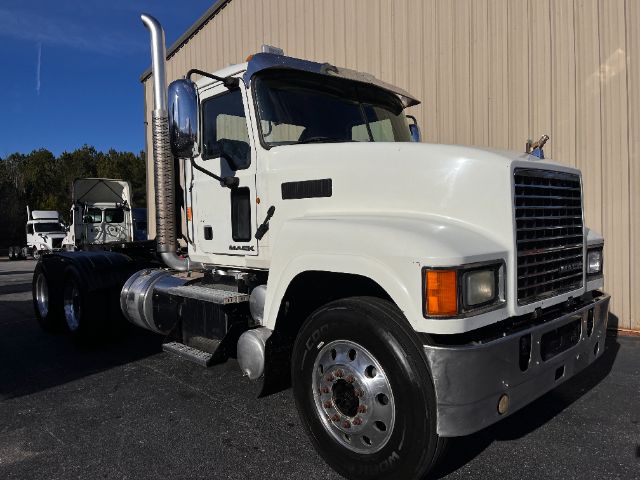
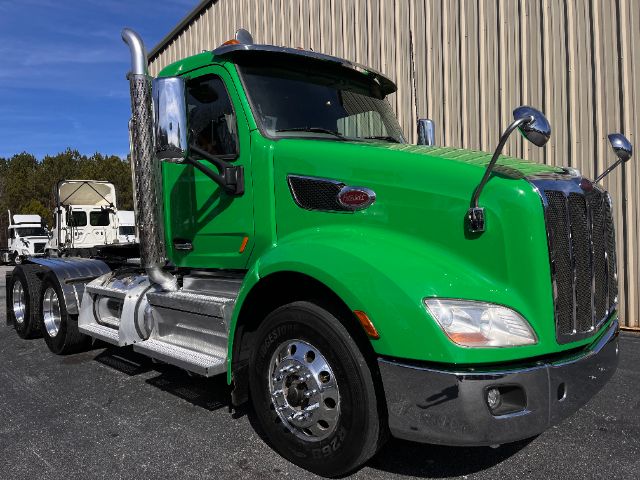
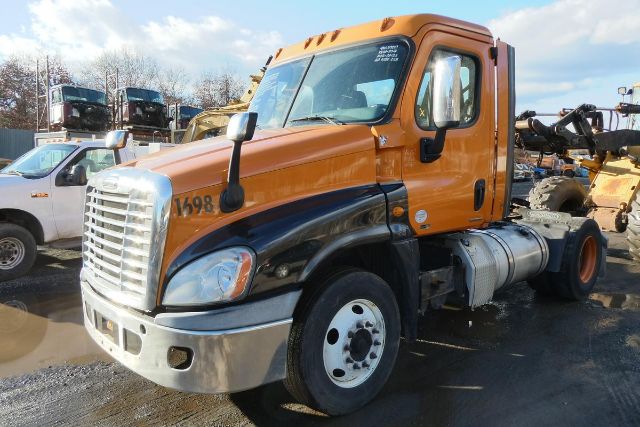
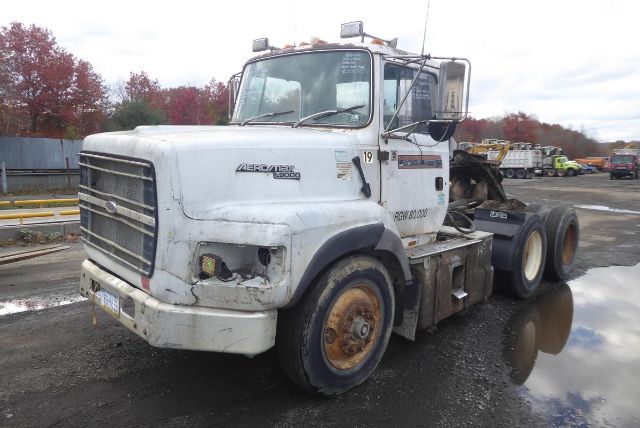
1994 Ford L9000
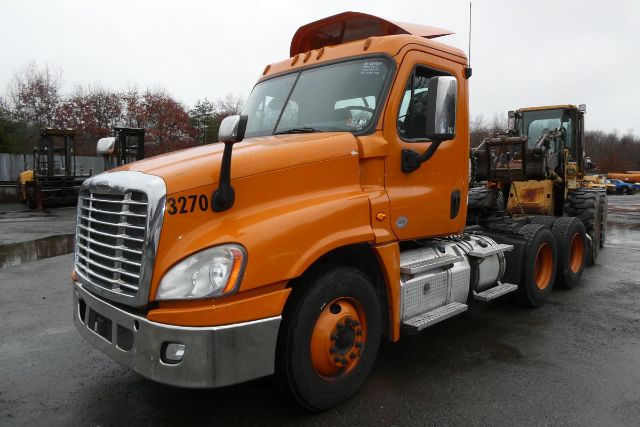
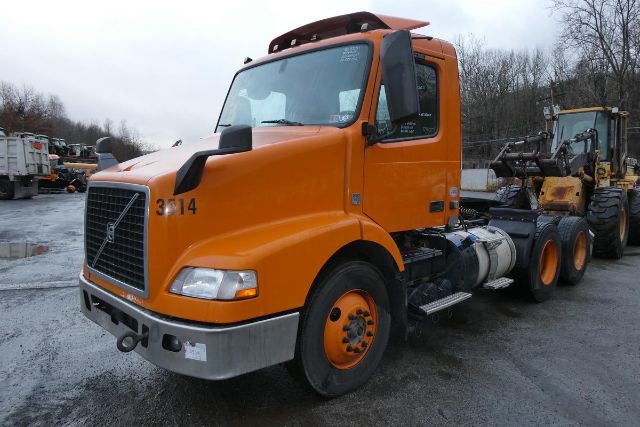
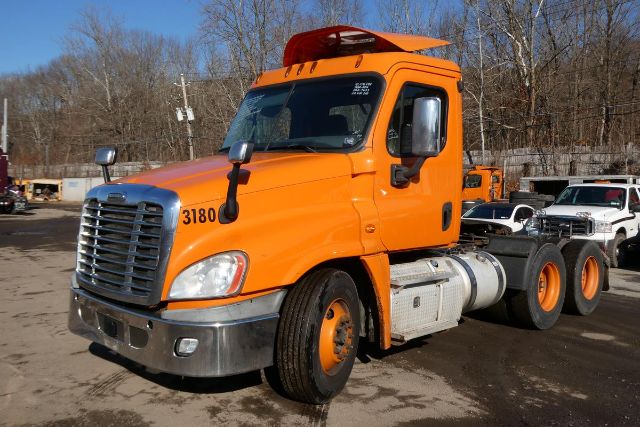
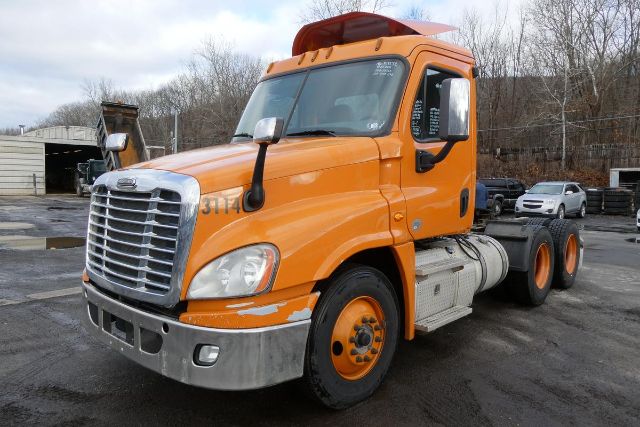
Showing 253 to 280 of 385 results
Selling a used conventional daycab truck? List your used conventional daycab truck for sale and reach thousands of commercial buyers.
Used Conventional Daycab Trucks
Most used conventional daycabs on the market are spec'd with 12,000 lb front axles, 40,000 lb tandem rears, air ride suspension, and a sliding 5th wheel. Common engines include the Detroit DD13 and DD15, Volvo D13, Mack MP7 and MP8, Cummins ISX and N14 on older trucks, with horsepower often falling in the 380 to 455 hp range. Wheelbases in the 168 to 182 inch range are common for freight and distribution work, while longer wheelbases or specialty setups such as tri-axle configurations show up in heavier vocational or niche applications. Transmission choice matters in this category. Automated manuals such as Detroit DT12 and Volvo I-Shift are common in newer fleet trucks, while 10-speed, 13-speed, and 8LL manuals are still found in older units and specialty operations.
A good used daycab should be matched to the route profile. Lower numerical axle ratios such as 2.64 or 3.08 favor highway fuel economy and steady regional speeds, while ratios like 3.36, 3.55, or 3.90 are better for heavier starts, urban work, and demanding grades. Buyers should also check brake type, since newer daycabs increasingly use air disc brakes, while drum brakes remain common and familiar in many fleets. Fairings, cab extenders, and horizontal exhaust can matter more than they seem on regional tractors because they affect trailer gap, visibility, and maintenance access. Fuel tank size is another practical decision point. Daycabs used in city service may carry smaller dual tanks, while regional units may be spec'd to reduce fuel stops.
Condition is where a used conventional daycab separates into a value buy or a future shop bill. Pay close attention to emissions system history, idle hours, clutch wear on manual units, automated transmission calibration, suspension bushing wear, fifth wheel movement, and frame condition around crossmembers and suspension mounts. Tire size, wheel type, cab-to-axle measurement, and kingpin setting compatibility should be verified against the trailers the truck will actually pull. For fleet buyers, consistency across engine family, transmission platform, and brake components can simplify parts stocking and technician training. For owner-operators, the right used daycab is usually the one that balances maneuverability, drivetrain simplicity, and enough power to stay productive without carrying sleeper-related weight and cost.
Frequently Asked Questions about Used Conventional Daycab Trucks
What is a conventional daycab truck used for?
A conventional daycab truck is used for freight operations that do not require overnight accommodations for the driver. Common applications include local delivery, regional hauling, drayage, port work, dedicated shipper lanes, LTL pickup and delivery, and terminal shuttle service. The lack of a sleeper reduces overall weight and often improves maneuverability for urban and short-haul routes.
What wheelbase is best for a used daycab tractor?
The best wheelbase depends on the trailers, turning space, and axle weight targets in your operation. Many freight-spec daycabs fall in the 168 to 182 inch wheelbase range because that setup balances turning radius with ride quality and trailer clearance. Shorter wheelbases are easier in tight yards and city work, while longer wheelbases may suit specialty applications or drivers who spend more time at highway speed.
Are automated manual transmissions a good choice in a used daycab?
Automated manuals are a strong fit for many used daycab applications because they help with driver recruitment, reduce shift-related abuse, and perform well in regional and stop-and-go work when properly maintained. Buyers should still confirm service history, software updates, clutch condition where applicable, and driveline calibration. A poorly maintained automated transmission can create expensive downtime, but a well-documented unit can be a very efficient fleet tractor.
What should I inspect first on a used conventional daycab?
Start with the engine and emissions history, then move to the transmission, rear axle ratio, suspension, brakes, tires, and fifth wheel assembly. Verify fault codes, engine hours, evidence of aftertreatment repairs, and signs of oil or coolant leaks. After that, confirm wheelbase, cab-to-axle, and trailer compatibility so the truck fits the work before you spend time on cosmetic details.
What axle ratio works best for local versus regional daycab routes?
Local and heavier start-stop routes usually benefit from higher numerical ratios such as 3.36, 3.55, or 3.90 because they improve launch performance and low-speed drivability. Regional highway work often favors lower numerical ratios such as 2.64 or 3.08 to keep engine rpm down and improve fuel economy. The right ratio must also match tire size, transmission gearing, payload, and typical terrain.