
Used Conventional Daycab Trucks For Sale in South Carolina
Used conventional daycab trucks for sale in South Carolina: compare gearing, PTO setups, ECM hours, and corrosion risks for port and regional hauling.
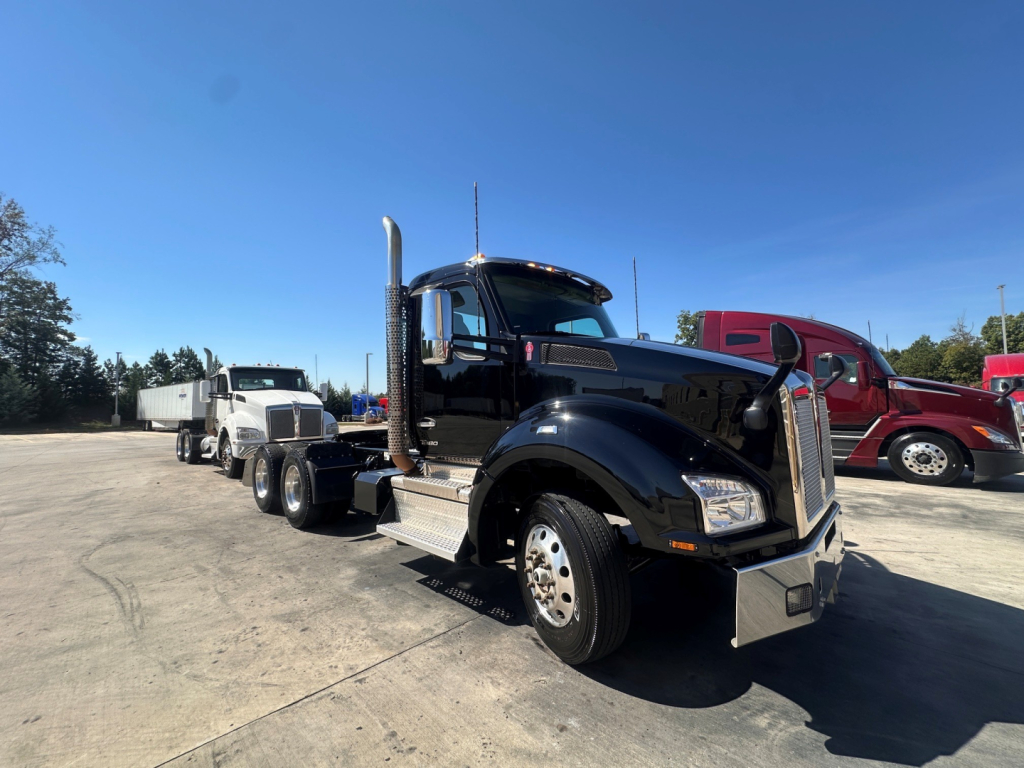
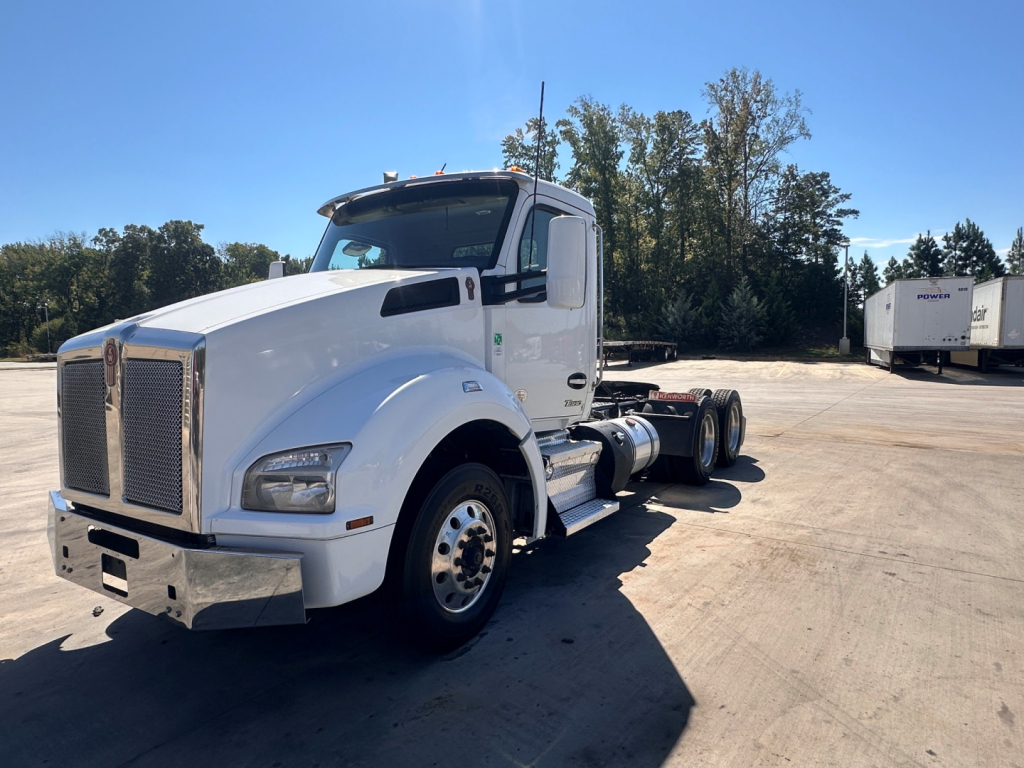
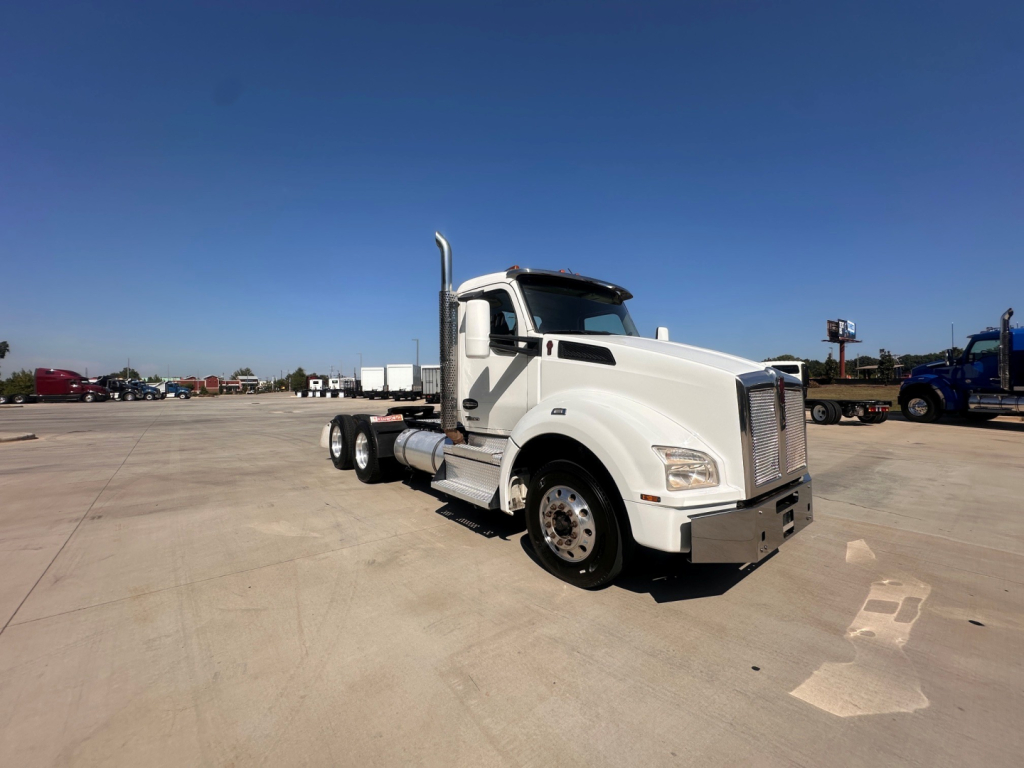
Selling a used conventional daycab truck? List your used conventional daycab truck for sale and reach thousands of commercial buyers.
Used Conventional Daycab Trucks in South Carolina
Maintenance history matters more than odometer mileage on a used day cab. Obtain an ECM report showing engine hours, idle time, fault history, and mileage, then reconcile it with invoices. A low-mileage tractor can have substantial engine hours from port queues or PTO work. Road-test the transmission under load, check clutch operation or automated-shift engagement, and inspect fifth-wheel jaws, suspension bushings, air leaks, brakes, and uneven tire wear. Verify axle ratio and transmission programming before judging highway fuel economy.
South Carolina heat, humidity, and coastal exposure call for close checks of the radiator, charge-air cooler, air conditioning, electrical connectors, and frame corrosion. A tractor sold in South Carolina may have worked elsewhere, so trace its operating history for northern road-salt exposure or flood damage. Earlier diesels and later DPF/SCR-equipped engines have different service requirements; verify the engine emissions label and obtain applicable aftertreatment cleaning and repair records.
Frequently Asked Questions about Used Conventional Daycab Trucks in South Carolina
Is a 2.79 rear axle ratio too tall for South Carolina day cab hauling?
A 2.79 axle ratio can work for highway-oriented South Carolina day cab hauling when matched to a suitable transmission and tire size. Frequent heavy starts, steep access roads, or soft timber landings demand closer attention to overall starting reduction. Obtain the drivetrain specifications and evaluate loaded startability and gradeability rather than choosing a tractor by rear axle ratio alone.
Does a day cab tractor need a wet kit to pull an end dump or walking-floor trailer?
A day cab tractor needs a PTO-driven hydraulic wet kit when the trailer requires tractor-supplied hydraulic power. End dumps and walking-floor trailers can require different pump flow, pressure, reservoir capacity, and plumbing. Match the hydraulic system to the trailer manufacturer's requirements, verify transmission PTO compatibility, and inspect hoses, couplers, pump operation, and oil condition before buying.
How much weight can a day cab tractor legally haul in South Carolina?
An 80,000-pound gross combination is the standard federal Interstate ceiling for a South Carolina day cab and trailer, not an automatic allowance for every configuration. Federal limits also include 20,000 pounds on a single axle and 34,000 pounds on a tandem, with bridge-formula spacing restrictions. Check the actual route, tire and axle ratings, registration, and applicable permits before hauling heavier or unusually configured loads.
How can I spot flood damage on a used day cab in South Carolina?
Silt inside cab cavities and corrosion in protected electrical connectors are major flood-damage warnings on a used South Carolina day cab. Inspect beneath floor coverings, behind interior panels, around fuse boxes, and inside accessible connectors. Check drivetrain fluids for water contamination and scan electronic modules for communication faults. A clean title alone does not establish that a tractor avoided flood exposure.
What CDL do I need to drive a day cab tractor in South Carolina?
A Class A CDL is generally required in South Carolina for a day cab combination rated or weighing 26,001 pounds or more when the trailer's GVWR or actual weight exceeds 10,000 pounds. An air-brake restriction prevents the driver from operating an air-braked combination. Tank or hazardous-material hauling may require additional endorsements, and qualifying exempt operations have separate rules.