
Used Kenworth Conventional Daycab Trucks For Sale in South Carolina
Used Kenworth conventional daycab trucks for sale in South Carolina: compare port and logging specs, axle ratings, gearing, and emissions service history.
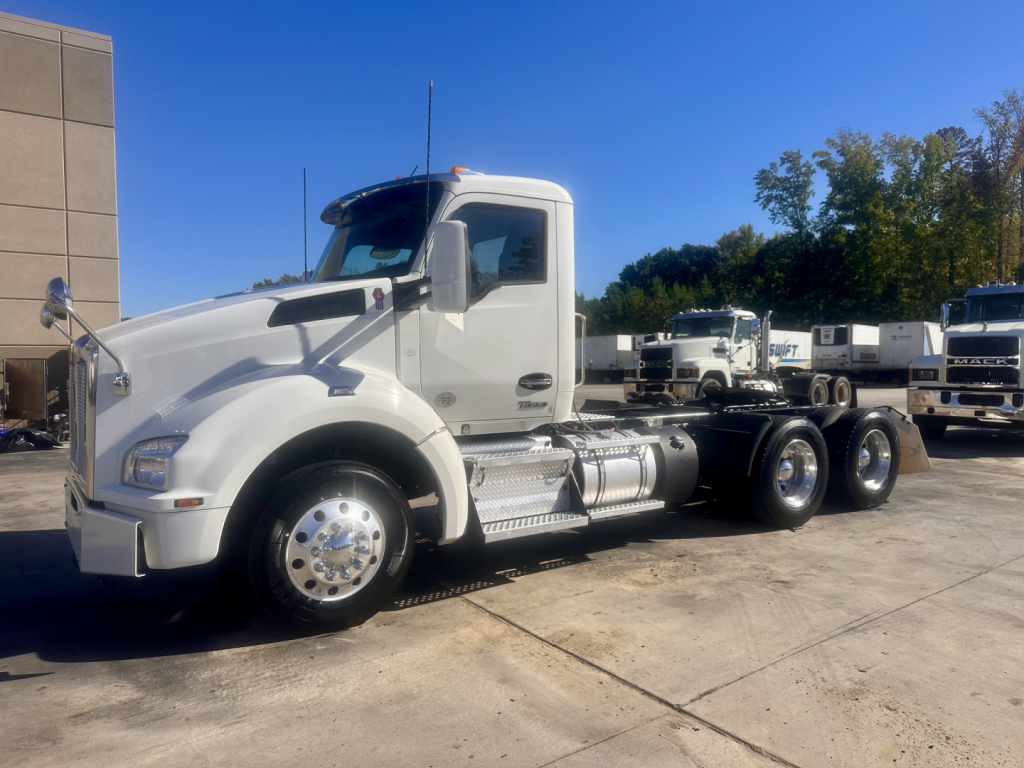
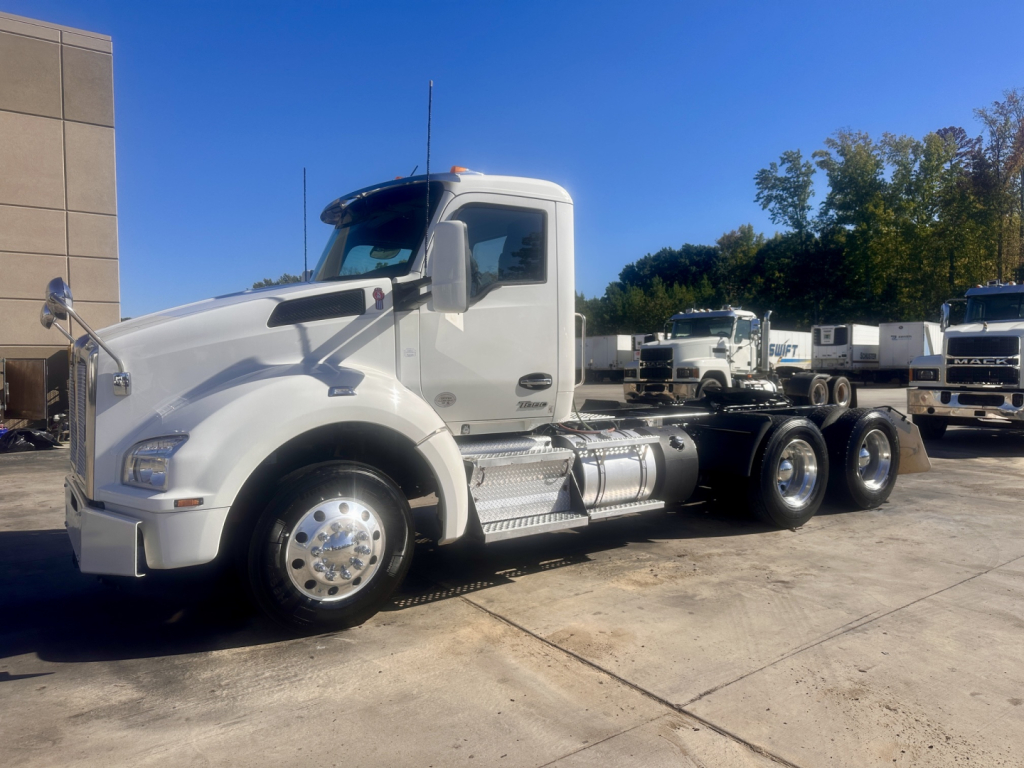
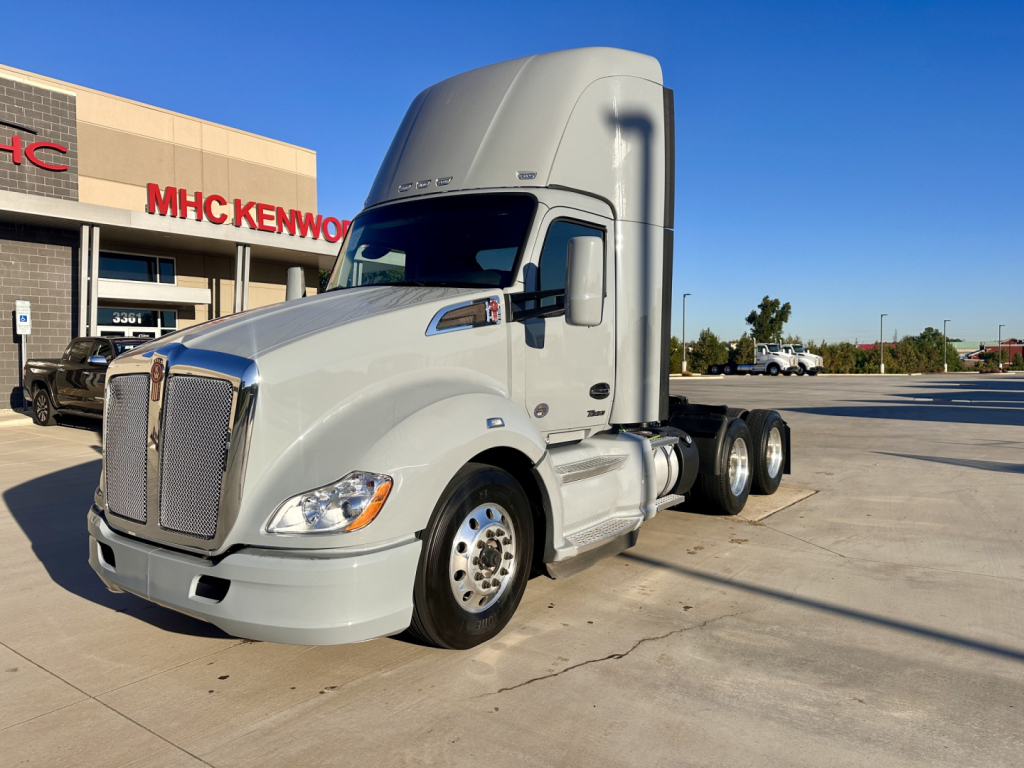
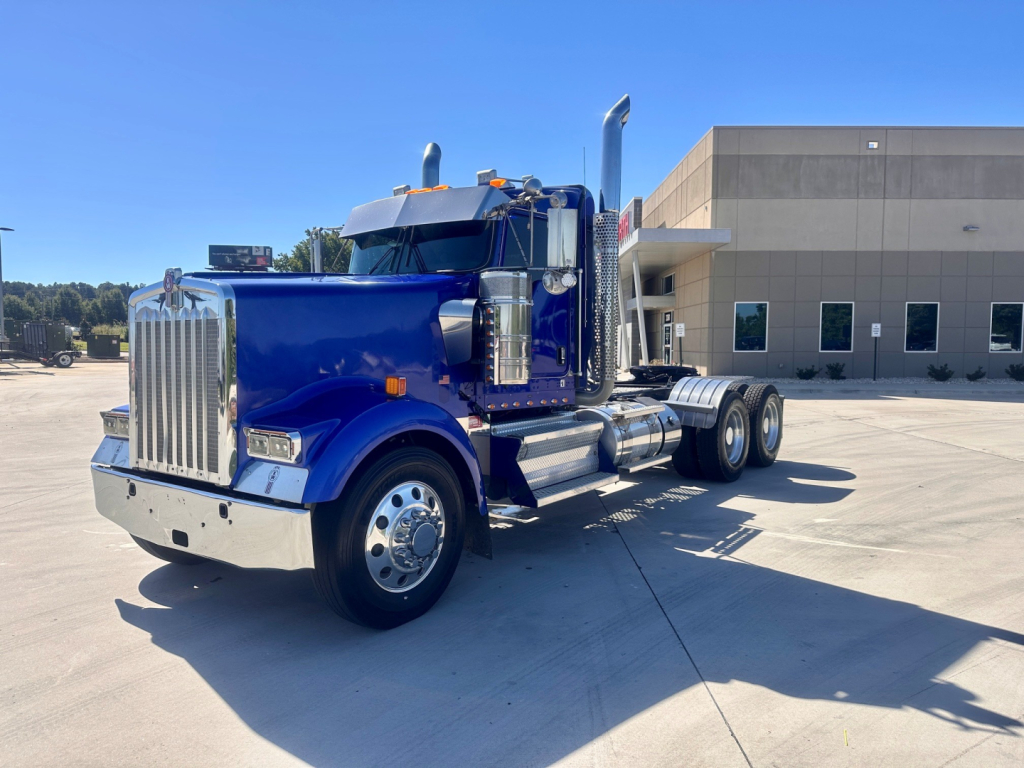
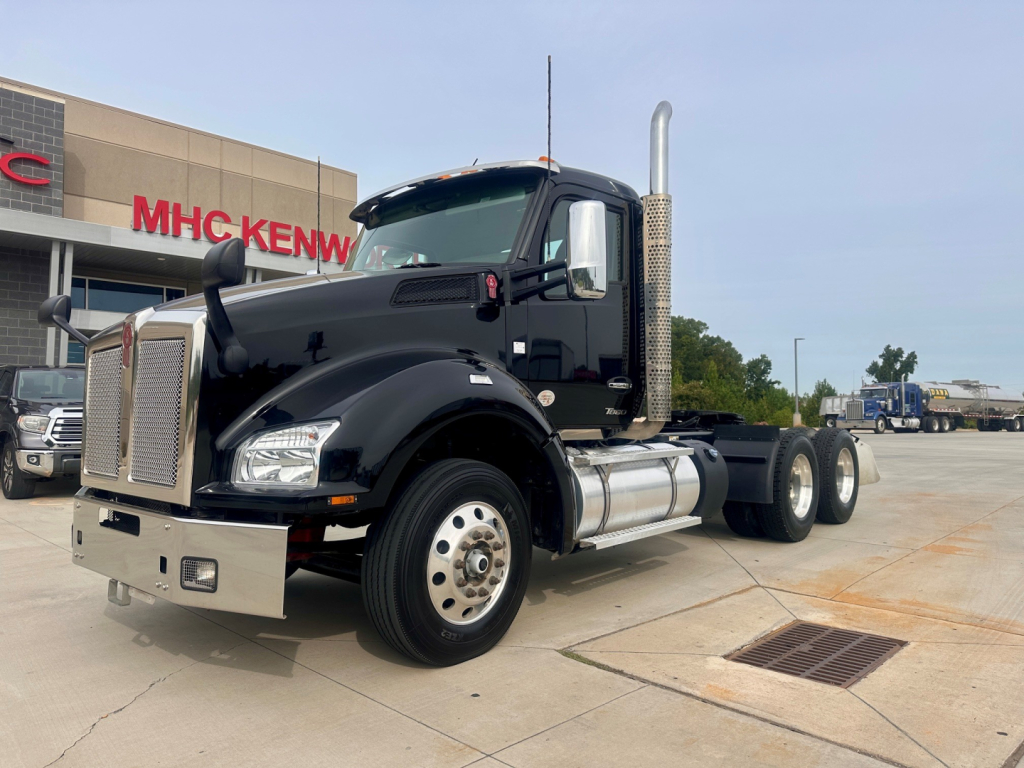

Selling a used kenworth conventional daycab truck? List your used kenworth conventional daycab truck for sale and reach thousands of commercial buyers.
Used Kenworth Conventional Daycab Trucks in South Carolina
Kenworth's T880 and T800 are vocational choices, while the T680 is a highway-oriented option for regional freight. The W900's long hood requires particular attention to maneuvering space and forward visibility. Later trucks commonly use Cummins X15 or PACCAR MX-13 power; older examples may have Cummins ISX or Caterpillar engines. Eaton Fuller manuals and automated transmissions suit different drivers and duty cycles. Compare axle ratio, transmission ratios, tire size, and loaded gradeability as a package rather than buying on horsepower alone. Confirm that the cooling package and drivetrain ratings support the intended load.
Engine emissions certification matters more than the truck's title year. The 2007 emissions era brought diesel particulate filters, and the 2010 era added SCR and DEF on most highway diesels; verify the engine label and installed equipment. Repeated short trips and extended idling can make aftertreatment maintenance especially important in port and mill work. Request DPF cleaning records, regeneration history, and documentation for replacement sensors, dosing components, or catalysts. Reject emissions tampering rather than assuming missing hardware is a harmless modification.
Start a used-unit inspection with a cold engine and an ECM download. Compare recorded mileage and hours with maintenance records, then review active and stored faults. Check blow-by, coolant condition, oil leaks, air-system recovery, and transmission operation under load. Inspect fifth-wheel wear, frame rails around suspension mounts, steering play, brake condition, and tire wear across both drive axles. On Kenworth air suspensions, inspect air springs, bushings, torque rods, and ride-height control. Logging tractors deserve close checks for cracked crossmembers, driveline vibration, and damage from off-road work.
South Carolina's heat and humidity make radiator cleanliness, fan-clutch operation, charge-air cooler integrity, and cab air conditioning inspection priorities, while coastal exposure warrants close checks for connector and chassis corrosion. Trucks previously operated in the Snow Belt may carry road-salt damage regardless of their current location. Check legal payload against axle spacing, route restrictions, registered weight, and permit requirements rather than assuming a heavier axle rating authorizes a higher legal highway load.
Frequently Asked Questions about Used Kenworth Conventional Daycab Trucks in South Carolina
Is a 2.79 rear axle ratio suitable for a Kenworth day cab hauling logs?
A 2.79 rear axle ratio needs careful startability verification before a Kenworth day cab is assigned to loaded logging work. Transmission low gear, tire diameter, gross combination weight, and launch grades determine whether the gearing is suitable. A numerically higher axle ratio usually provides more wheel torque with the same transmission and tires, but an automated transmission's complete ratio spread must be considered.
Will any PTO-equipped Kenworth day cab run my dump or walking-floor trailer?
A PTO alone does not establish hydraulic compatibility between a Kenworth day cab and a dump or walking-floor trailer. Verify pump flow, operating pressure, reservoir capacity, valve arrangement, and return-line requirements against the trailer manufacturer's specifications. Confirm PTO compatibility with the transmission and inspect hose routing, couplers, filtration, and hydraulic cooling. A dump-trailer wet kit may require changes before powering a walking-floor system.
Do I need a Class A CDL to drive a Kenworth day cab tractor in South Carolina?
A Kenworth day cab tractor generally requires a Class A CDL when the combination rating or actual combination weight reaches 26,001 pounds and the trailer's rating or actual weight exceeds 10,000 pounds. Most loaded commercial tractor-trailer applications meet those thresholds. The driver must also have the appropriate air-brake qualification and any required endorsements. Specific exemptions should be confirmed with the South Carolina DMV before operation.
How can I tell whether a used Kenworth day cab was converted from a sleeper?
Factory build records are the best starting point for distinguishing an original Kenworth day cab from a sleeper conversion. Compare the documented cab configuration and wheelbase with the truck, then inspect the rear cab panel, sealing, cab mounts, and wiring alterations. A shortened chassis also needs inspection of frame work and driveline geometry. A conversion is not automatically unacceptable, but workmanship and documentation matter.
How should I compare mileage and engine hours on used Kenworth day cabs?
Divide ECM mileage by total engine hours to estimate lifetime average operating speed on a used Kenworth day cab. A low result can indicate substantial idling, yard work, or stop-and-go service, so low mileage alone does not establish light use. Compare idle hours, PTO hours where recorded, and maintenance intervals. Confirm whether the engine or ECM was replaced before treating the calculated average as the truck's complete history.