
Used Kenworth Conventional Daycab Trucks For Sale
Browse used Kenworth conventional daycab trucks with specs on T680, W900L, and T300 models for regional haul, local freight, and vocational work.
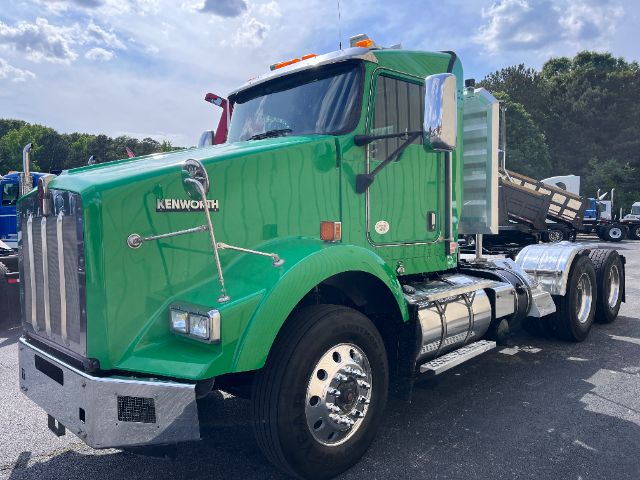
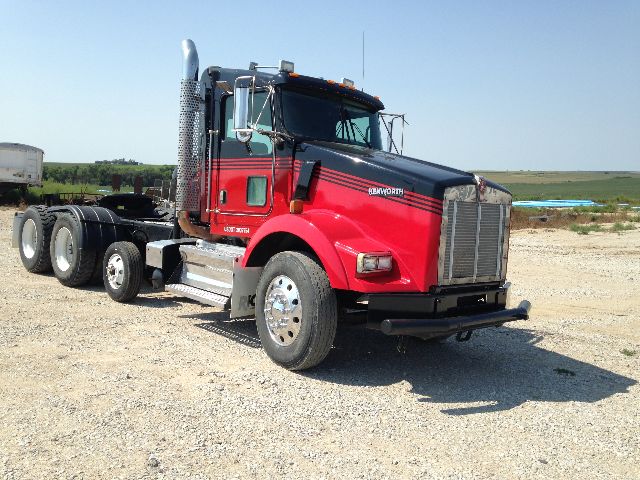
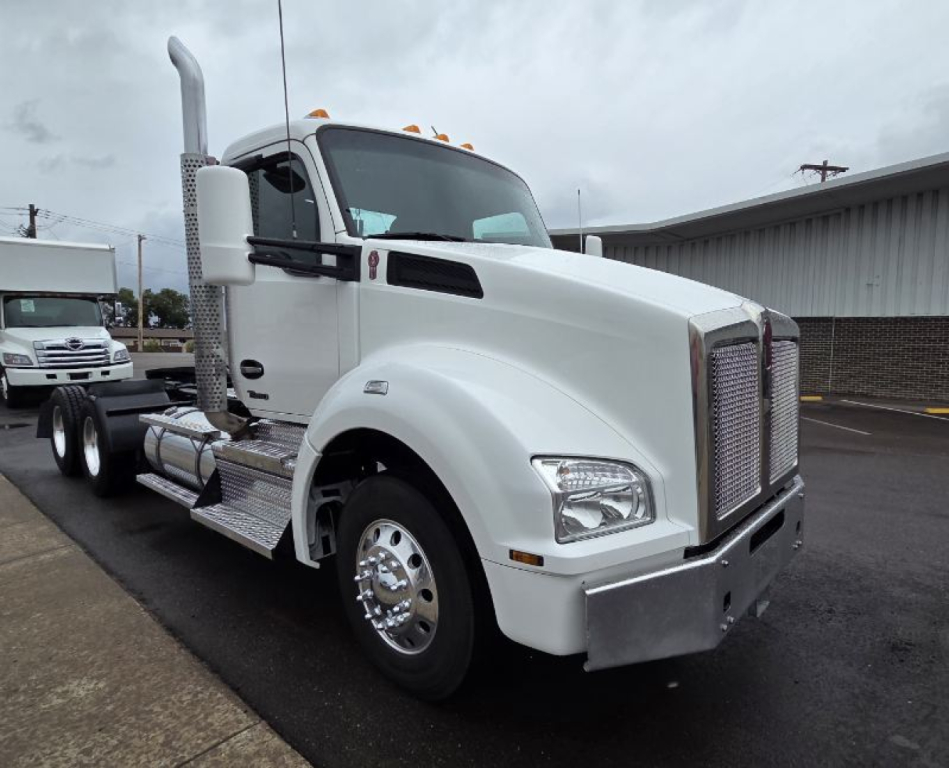
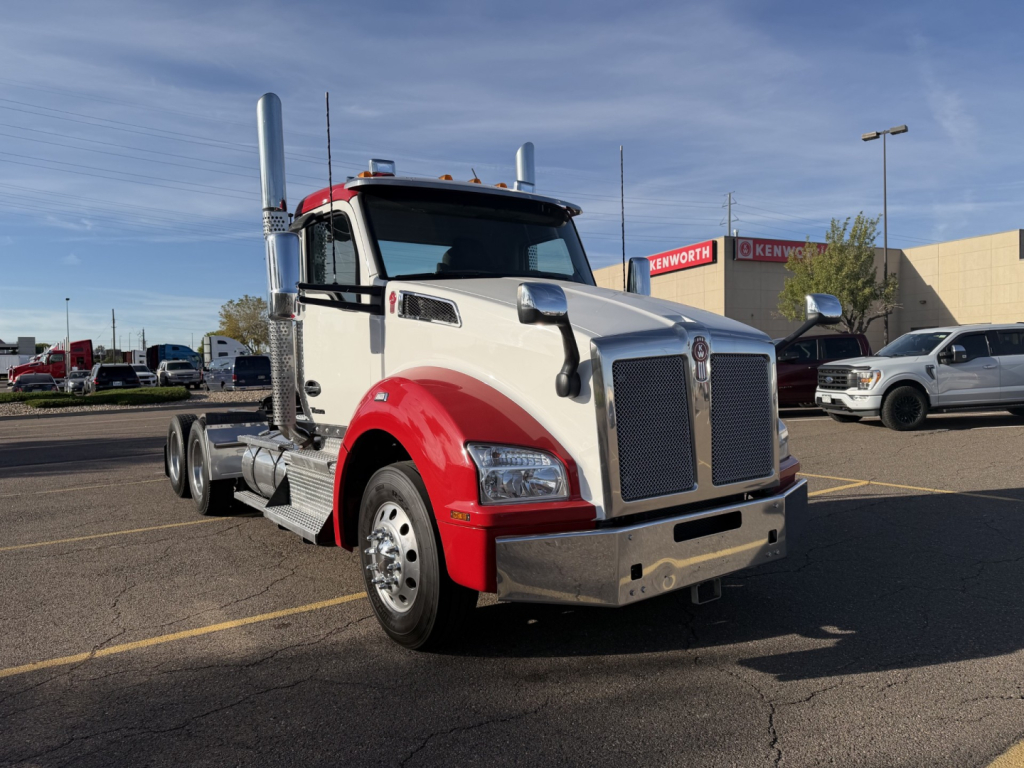
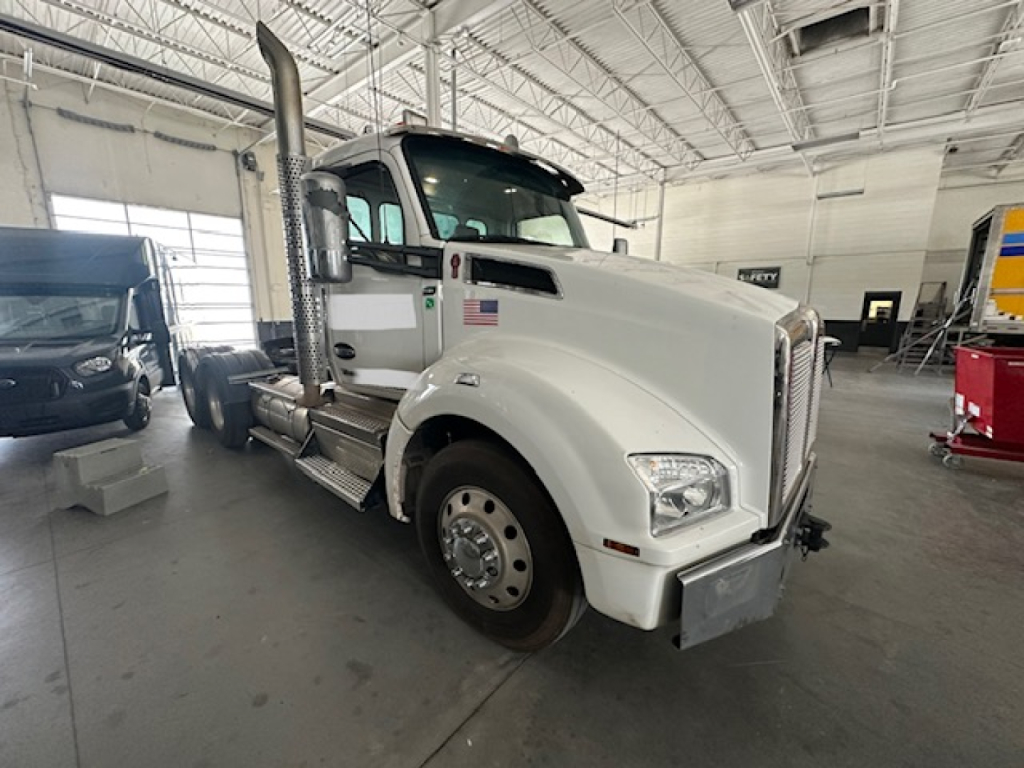
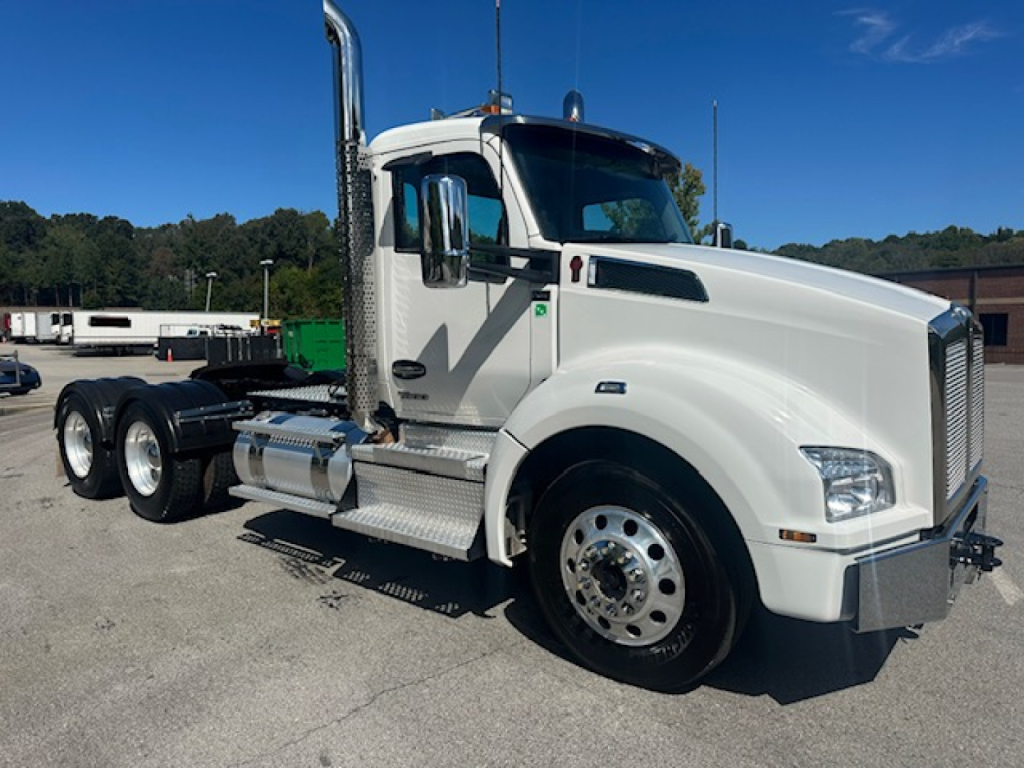
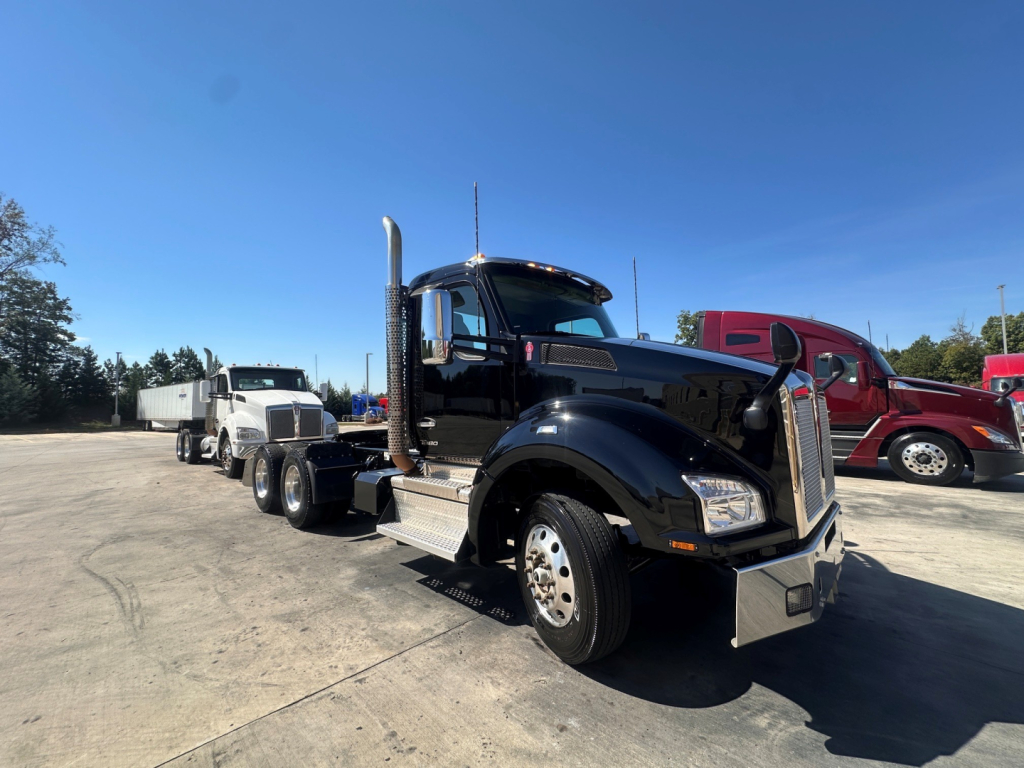
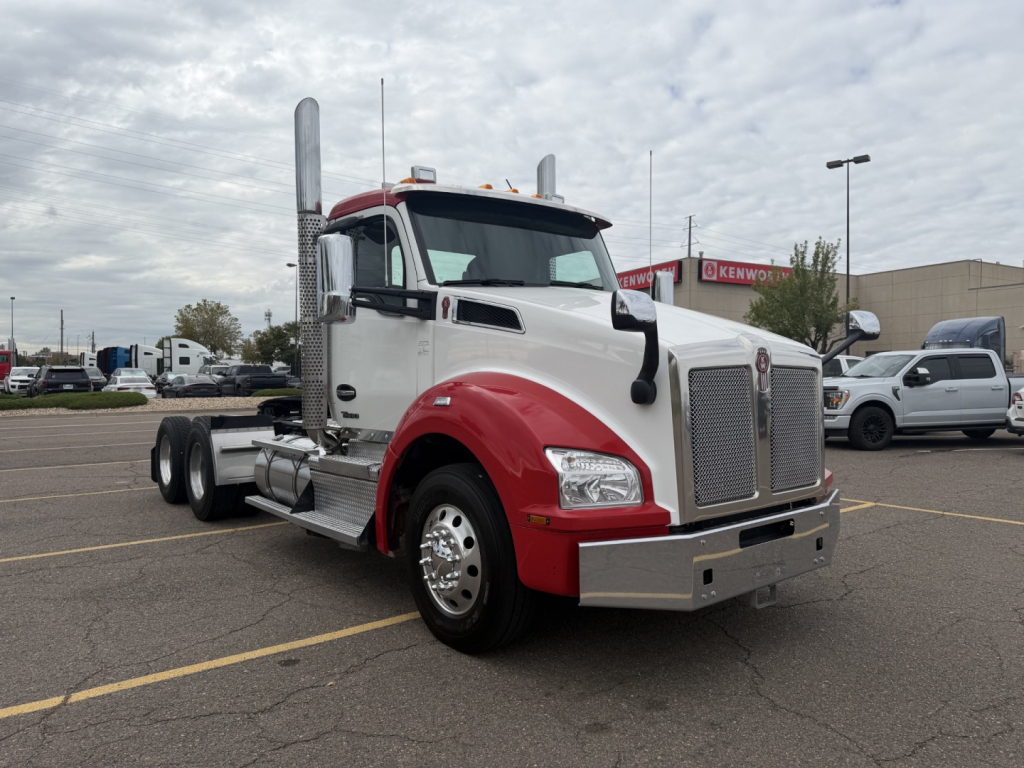
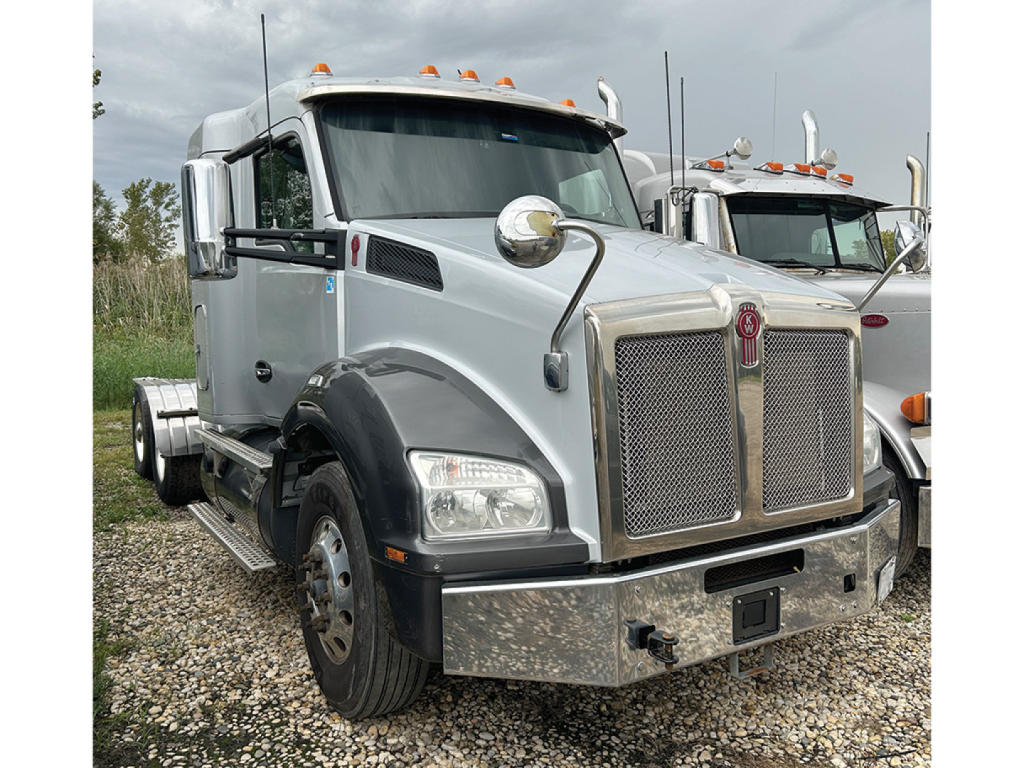
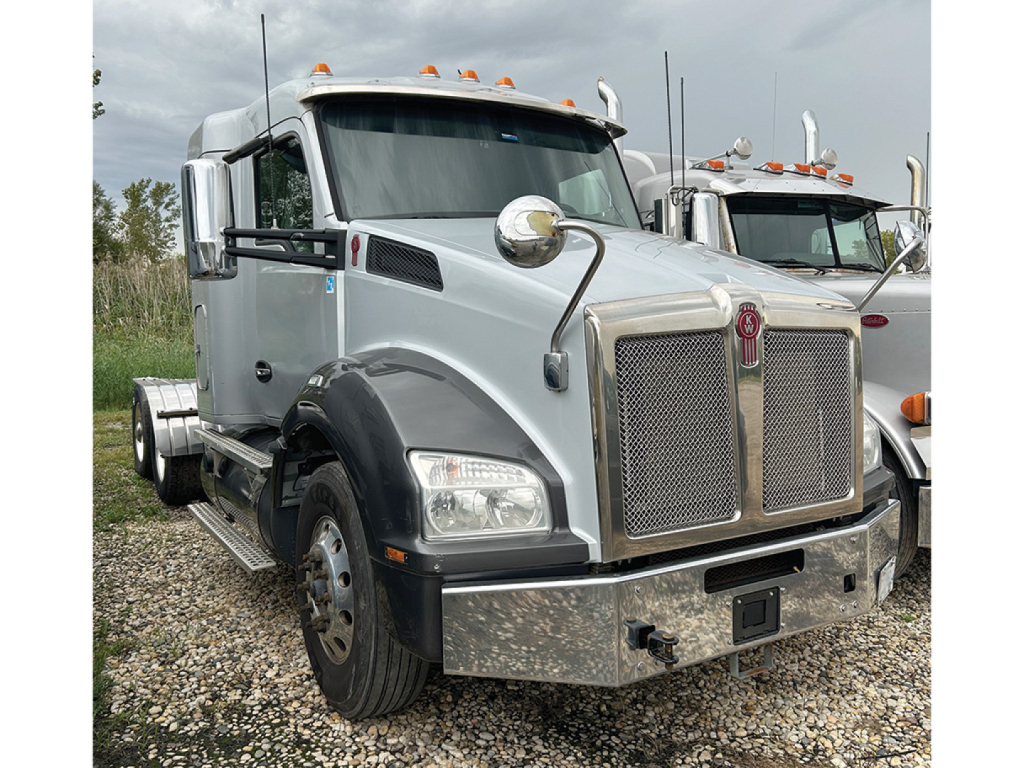
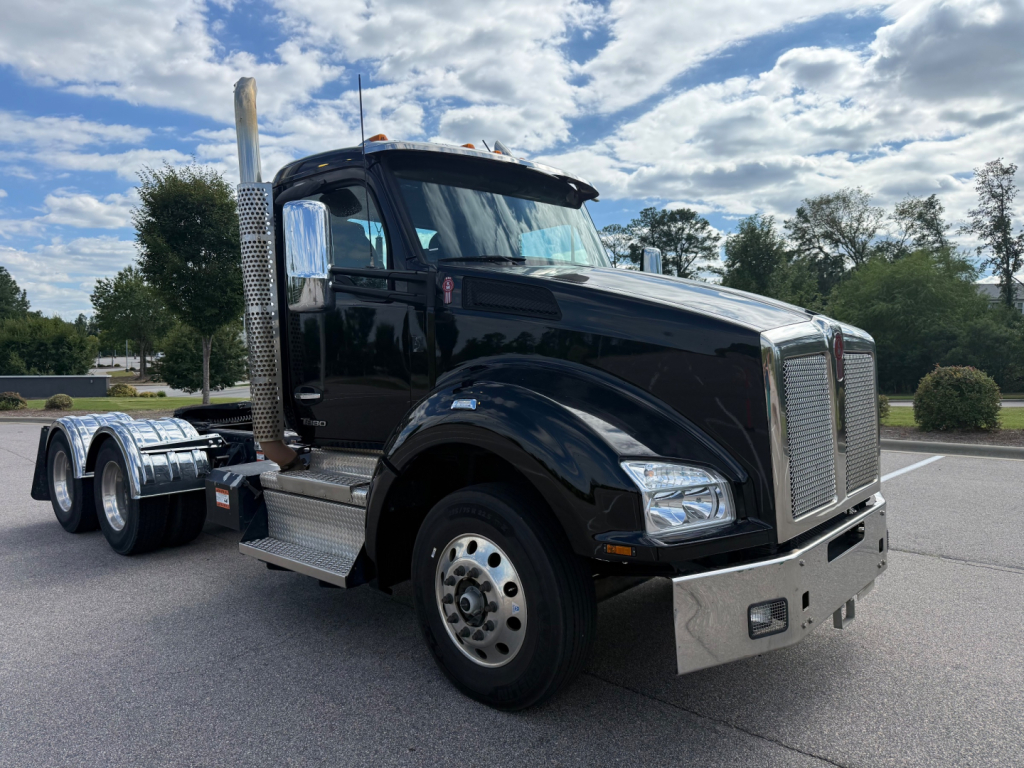
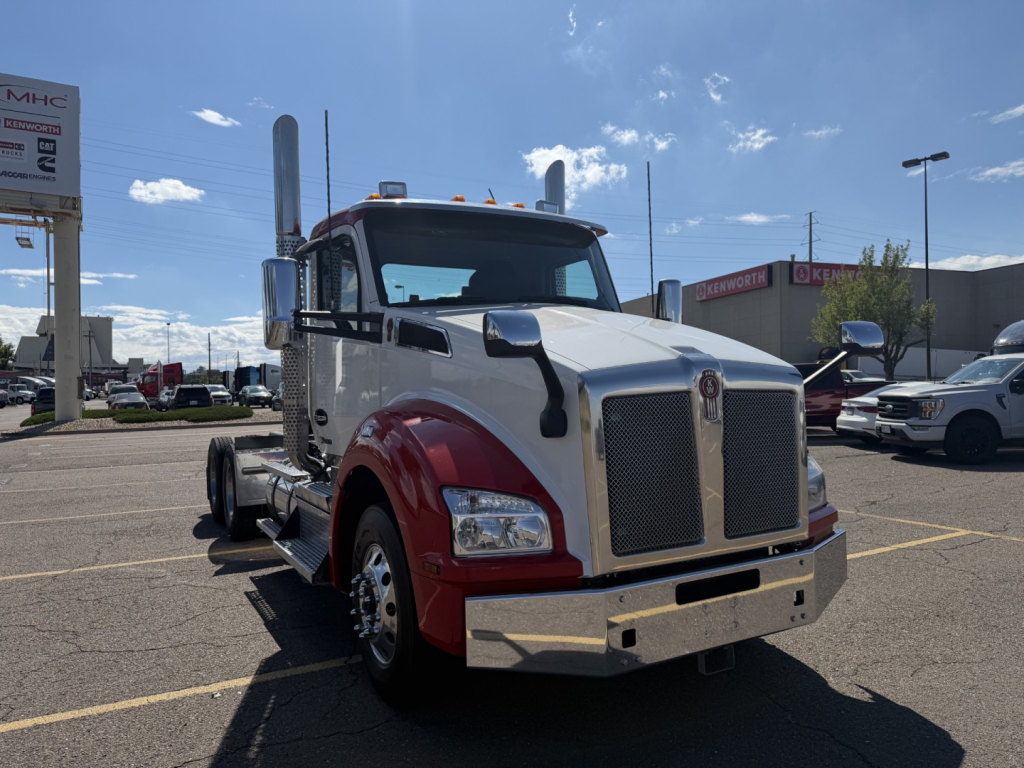
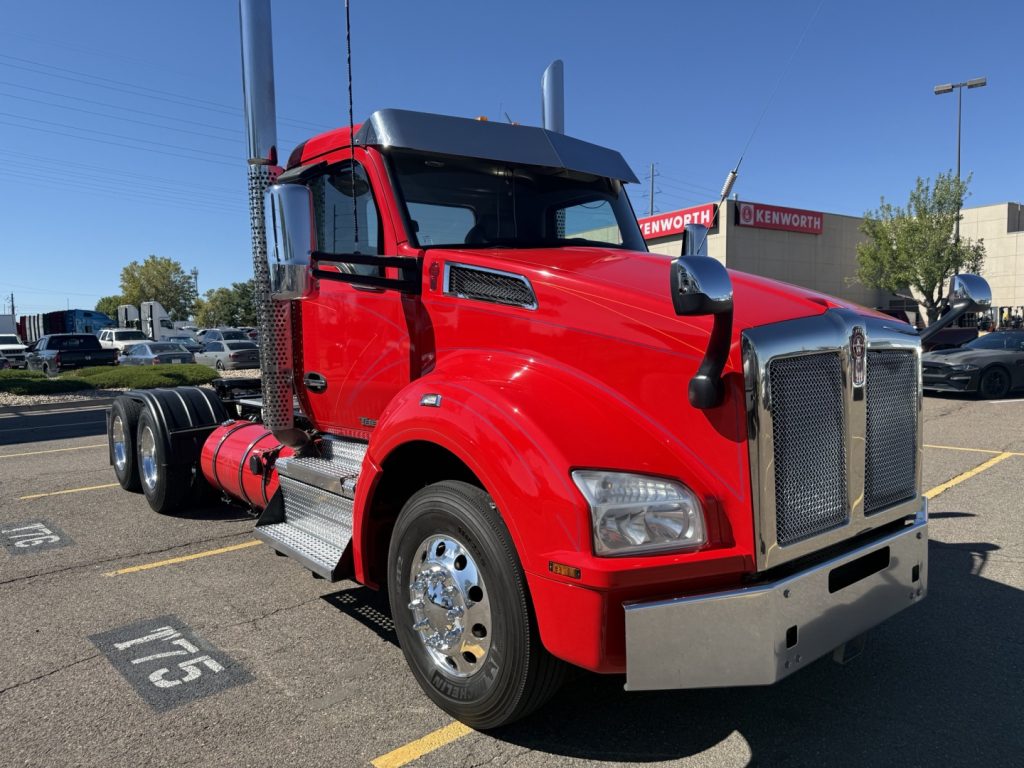
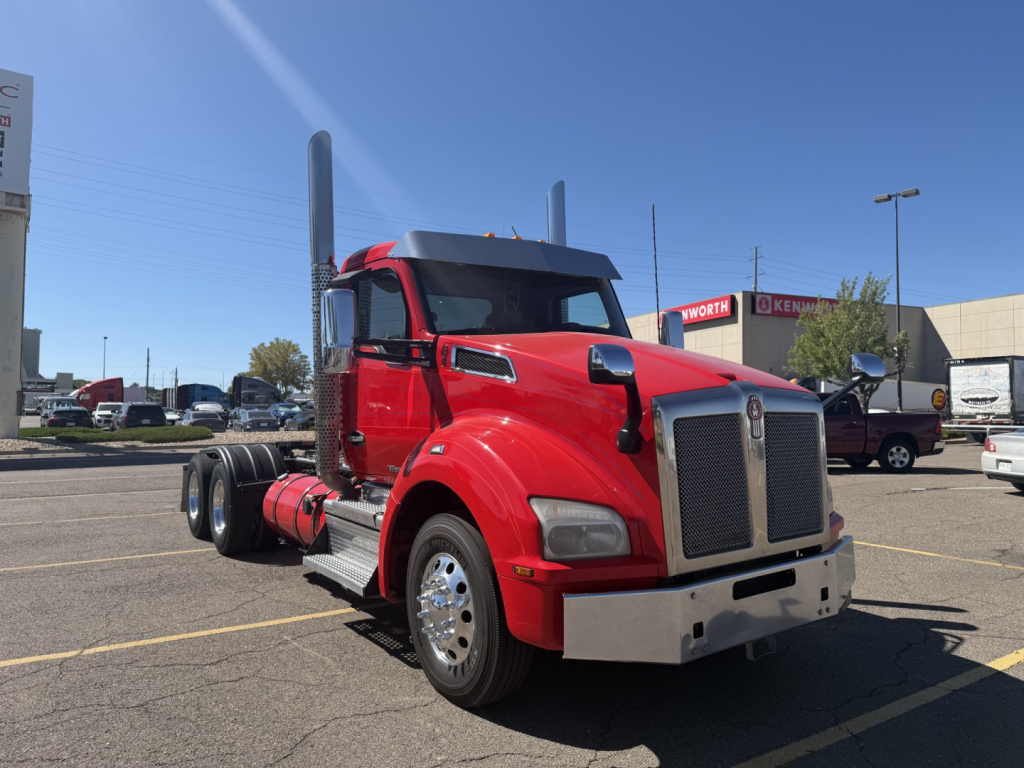
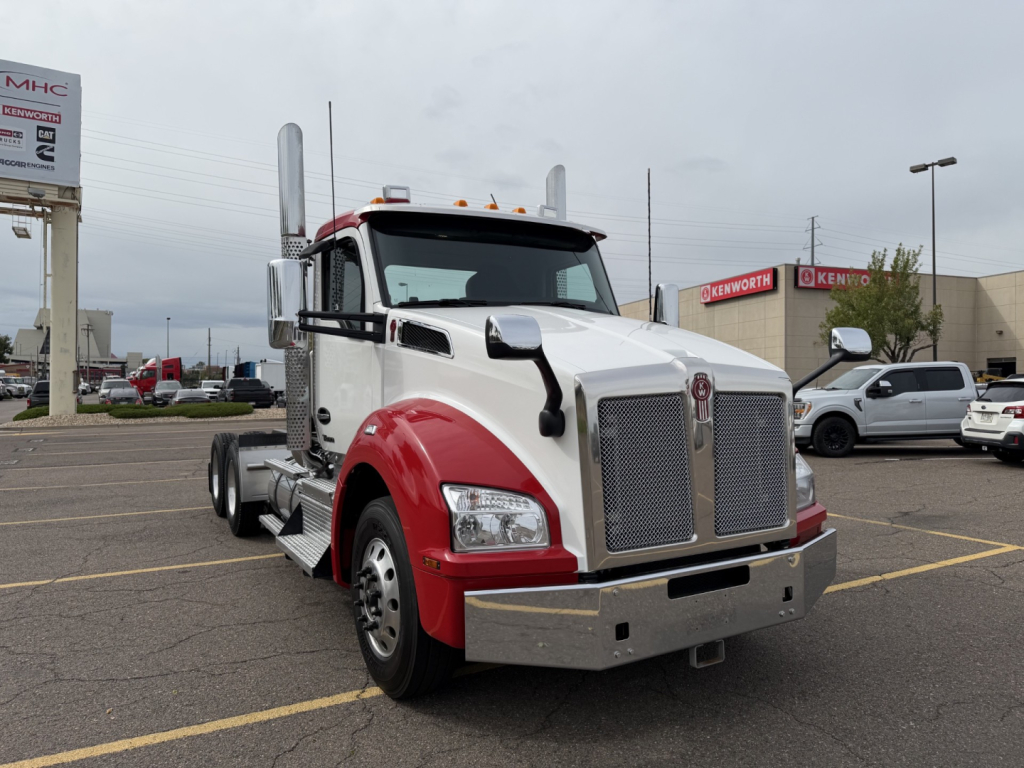
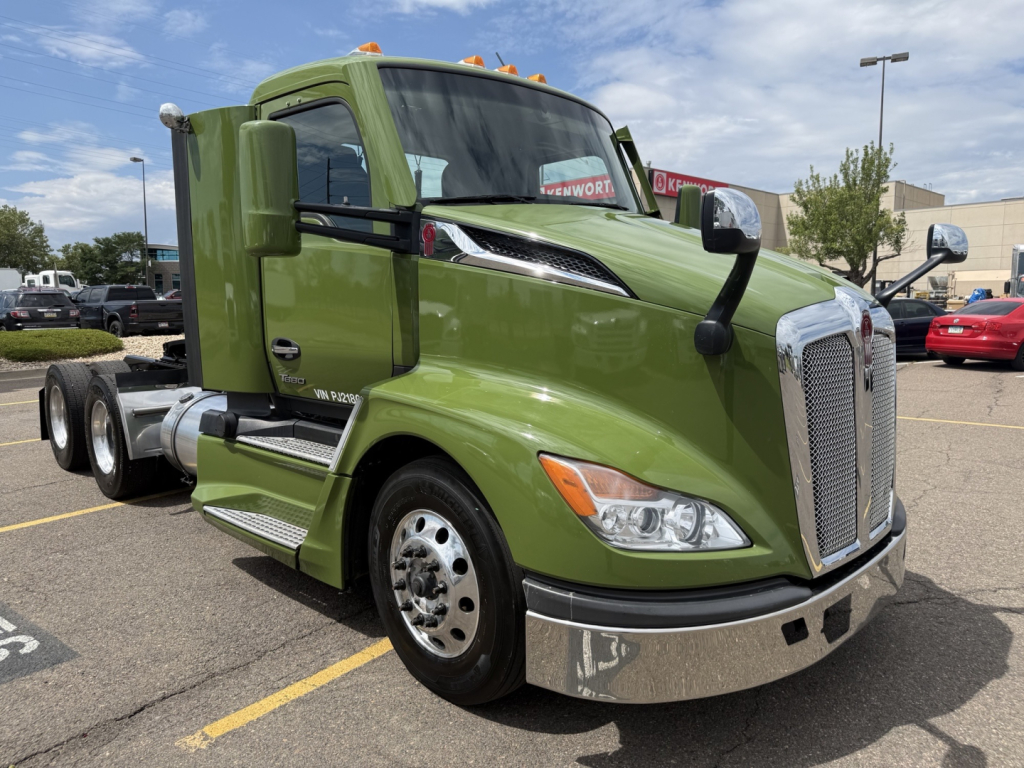
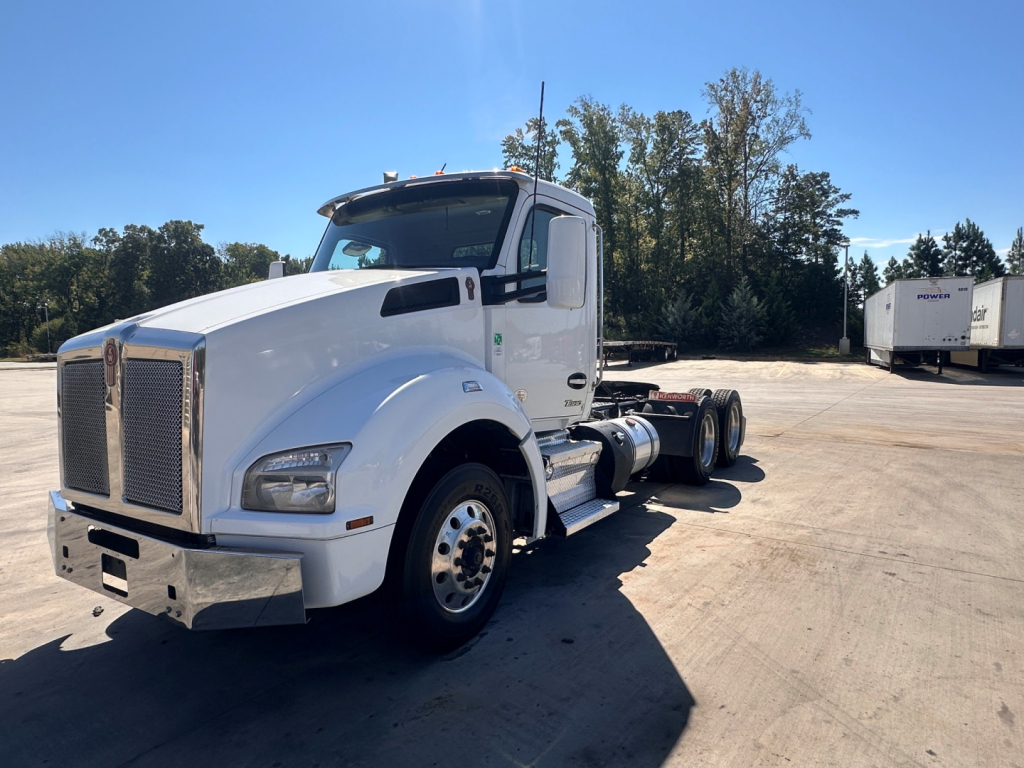
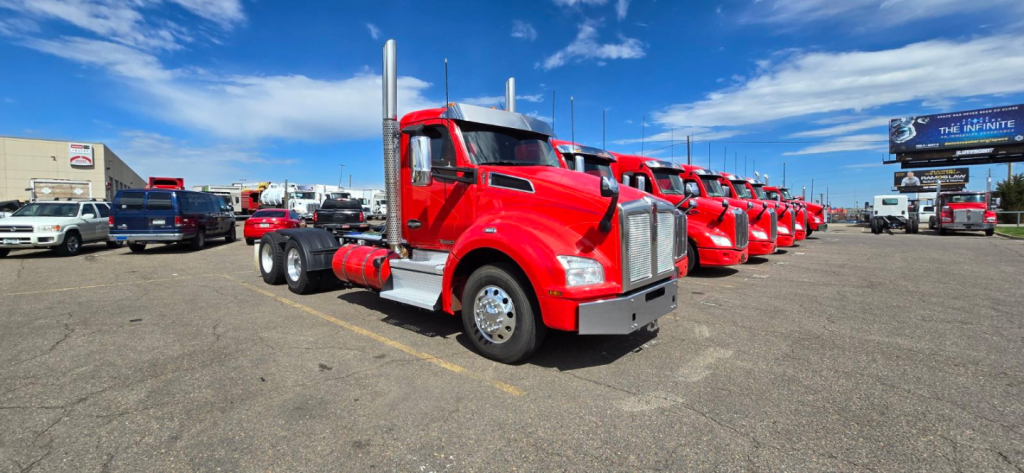
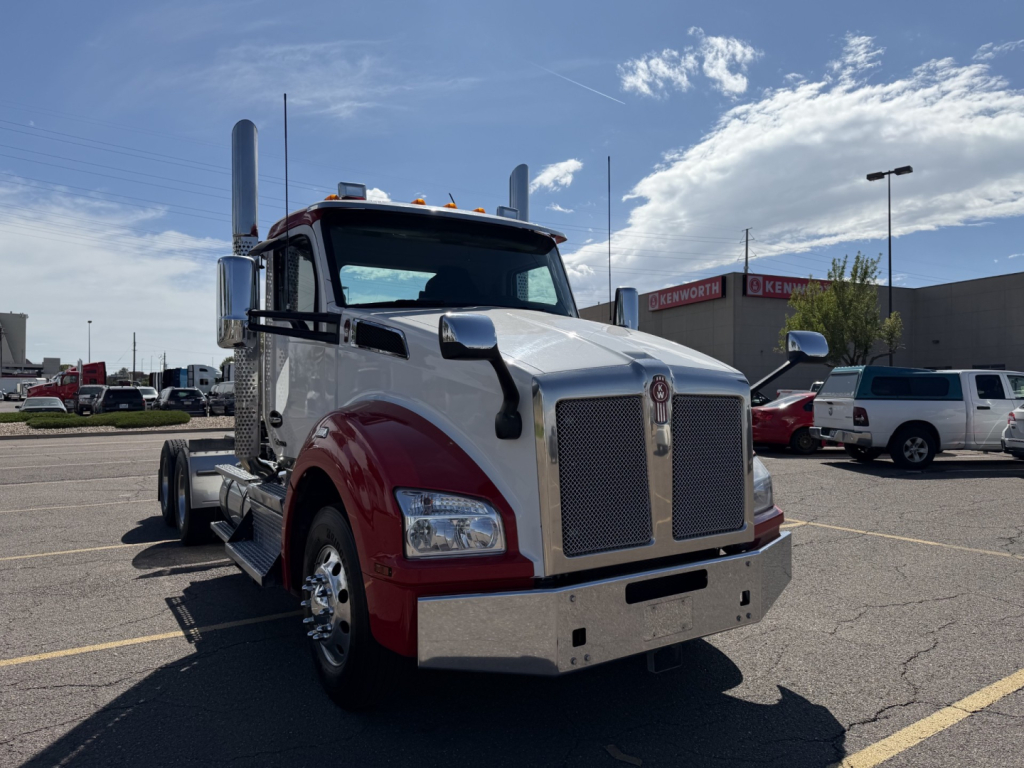
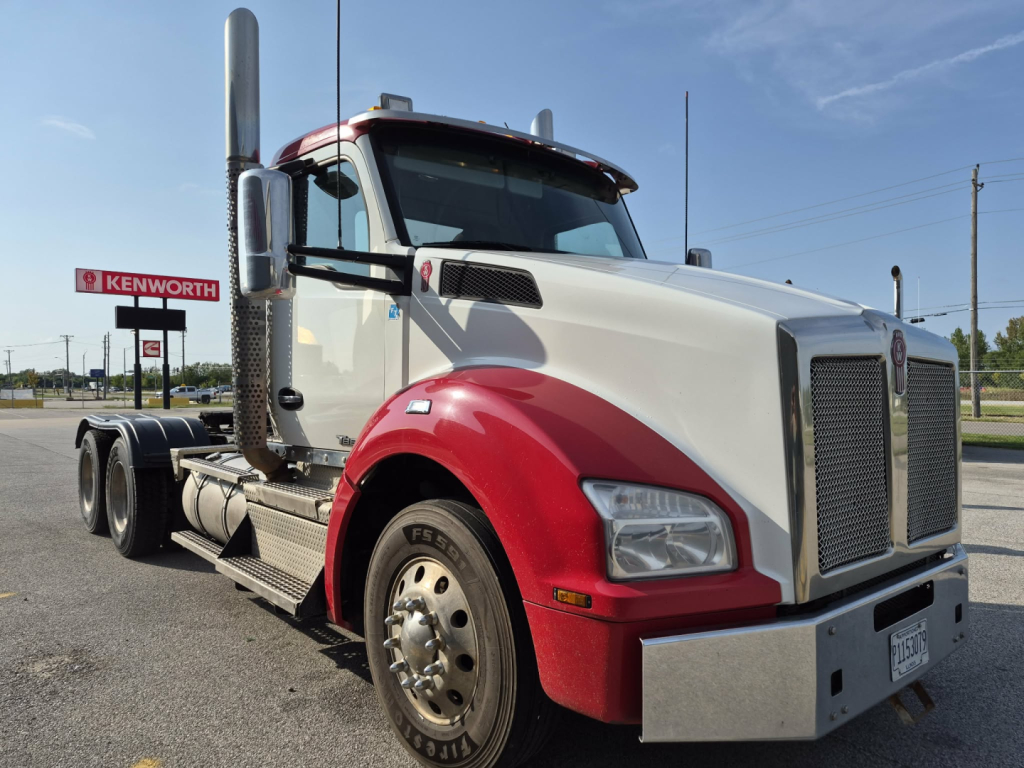
Showing 1 to 28 of 55 results
Selling a used kenworth conventional daycab truck? List your used kenworth conventional daycab truck for sale and reach thousands of commercial buyers.
Used Kenworth Conventional Daycab Trucks
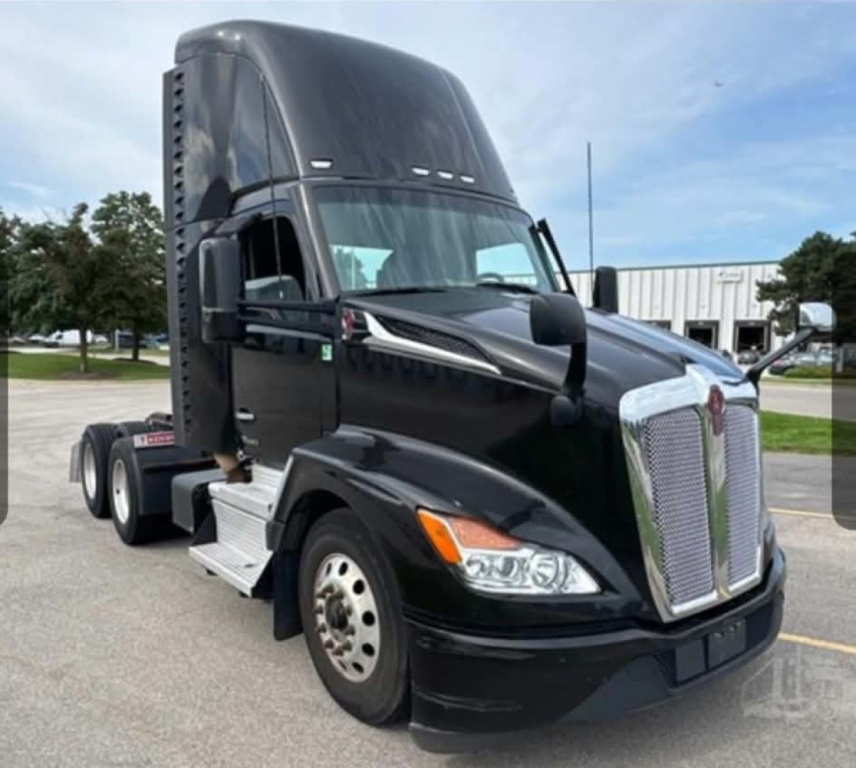
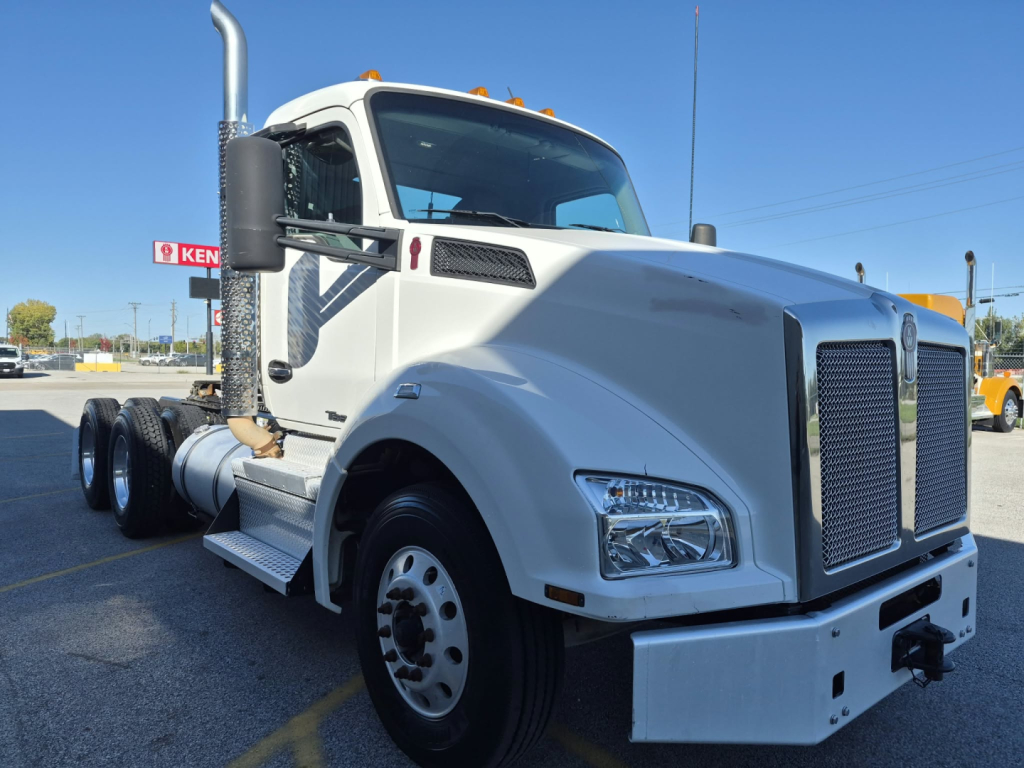
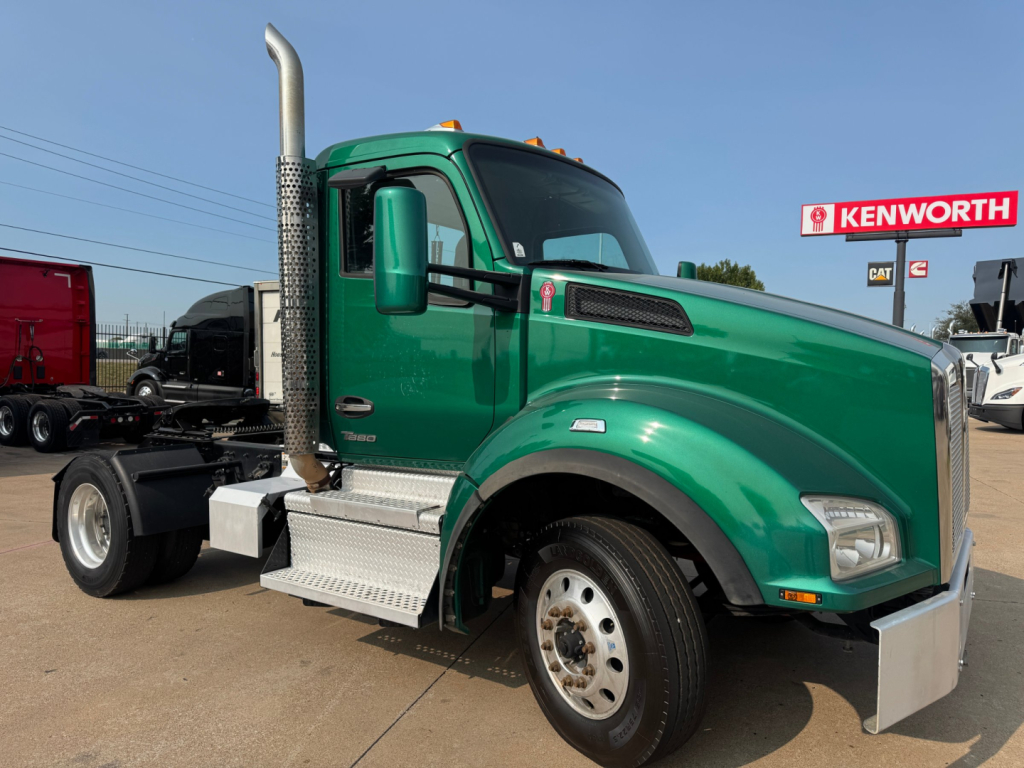
The first decision is usually application. An aerodynamic Kenworth T680 daycab is typically aimed at fuel-conscious fleet work, regional van, reefer, and dedicated tractor service. A W900L daycab is more common where owner-operators or specialized fleets want a long-hood conventional with heavier spec options, stronger visual presence, and suitability for wet kit, lowboy, grain, or dump trailer work. Older T300 units can fall into a lighter GVWR range and may show up in municipal, box, rollback, or local delivery configurations. Wheelbase, axle ratings, and fifth wheel setup matter as much as engine choice because they determine turning radius, bridge compliance, trailer compatibility, and how well the truck fits a tight terminal or jobsite.
Powertrain specs vary widely in used Kenworth daycabs, so buyers should match horsepower, torque, transmission, and rear ratio to the route profile. Late-model T680 daycabs often carry PACCAR MX-11 or MX-13 engines with automated transmissions, engine brakes, and fleet-friendly rear axle ratios in the mid-2s for highway efficiency. Heavier vocational or mixed-service trucks may have Cummins X15 power, manual 10-speed or 13-speed transmissions, higher horse-power ratings, and more aggressive gearing for startability and PTO use. Common rear axle ratings range from around 23,000 pounds on lighter units to 40,000 pounds on tandem road tractors. Suspension type, fuel capacity, single versus dual tanks, and tire setup, including low-profile rubber or super singles, all affect operating cost and intended use.
Condition is where used daycab value is won or lost. Buyers should pay close attention to engine hours, maintenance records, aftertreatment history, clutch or automated transmission calibration history, frame condition, suspension wear, steer tire pattern, and signs of fifth wheel or kingpin plate abuse. On vocational-spec Kenworth daycabs, confirm wetline installation quality, PTO operation, and frame reinforcement. On fleet-spec highway tractors, look at cab interior wear, digital dash functions, air slide fifth wheel operation, and fairings or extenders that may influence fuel economy. A well-matched used Kenworth conventional daycab can deliver long service life, lower downtime, and easier driver assignment than many competing daycab platforms when the spec fits the work.
Frequently Asked Questions about Used Kenworth Conventional Daycab Trucks
What is a Kenworth conventional daycab truck best used for?
A Kenworth conventional daycab is best suited for operations that do not require overnight sleeper space. Common uses include regional freight, local pickup and delivery, drayage, tanker work, dump and grain hauling, container moves, and dedicated short-haul lanes. The daycab layout reduces overall tractor length and weight, which helps with maneuverability, trailer spotting, and route efficiency in urban or terminal-heavy work.
What should I look for when buying a used Kenworth T680 daycab?
Focus on powertrain spec, maintenance history, and fleet wear items. Review engine model, horsepower, transmission type, rear axle ratio, wheelbase, and fifth wheel style to confirm the truck fits the freight you plan to pull. On late-model T680 daycabs, it is important to check aftertreatment service records, fault history, automated transmission performance, suspension condition, tire wear, and the operation of electronic cab features such as the digital dash, cruise control, and power accessories.
How is a Kenworth W900L daycab different from a T680 daycab?
The W900L daycab and T680 daycab serve different priorities. A T680 is typically an aerodynamic highway tractor designed to improve fuel efficiency and fleet operating cost. A W900L is a long-hood conventional that is often chosen for heavier spec applications, owner-operator preference, wet kit use, and a more traditional serviceable layout. The W900L may offer strong appeal in specialized hauling, but buyers should expect a different tradeoff in wheelbase, weight, and fuel economy compared with a modern aero daycab.
Are used Kenworth daycabs good for vocational work?
Yes, many used Kenworth daycabs are well suited for vocational work if the truck is properly spec'd. Buyers should verify axle ratings, frame strength, suspension type, PTO capability, wetline equipment if needed, and transmission setup for stop-and-go or off-road conditions. A daycab built for linehaul may not perform well in dump, lowboy, or construction service, so the exact configuration matters more than the badge alone.
What axle and wheelbase specs matter most on a used Kenworth daycab?
The most important chassis specs are front axle rating, rear axle rating, wheelbase, cab-to-axle or cab-to-end measurement where applicable, and fifth wheel position. These numbers affect payload distribution, turning radius, bridge law compliance, and the types of trailers the tractor can handle safely. A shorter wheelbase usually helps in city and terminal work, while a longer wheelbase may be preferred for ride quality, heavier applications, or specialized trailer setups.