
Used Kenworth Conventional Daycab Trucks For Sale in Texas
Used Kenworth conventional daycab trucks for sale in Texas, including T680, T600, and T270 models for local, regional, and vocational work.
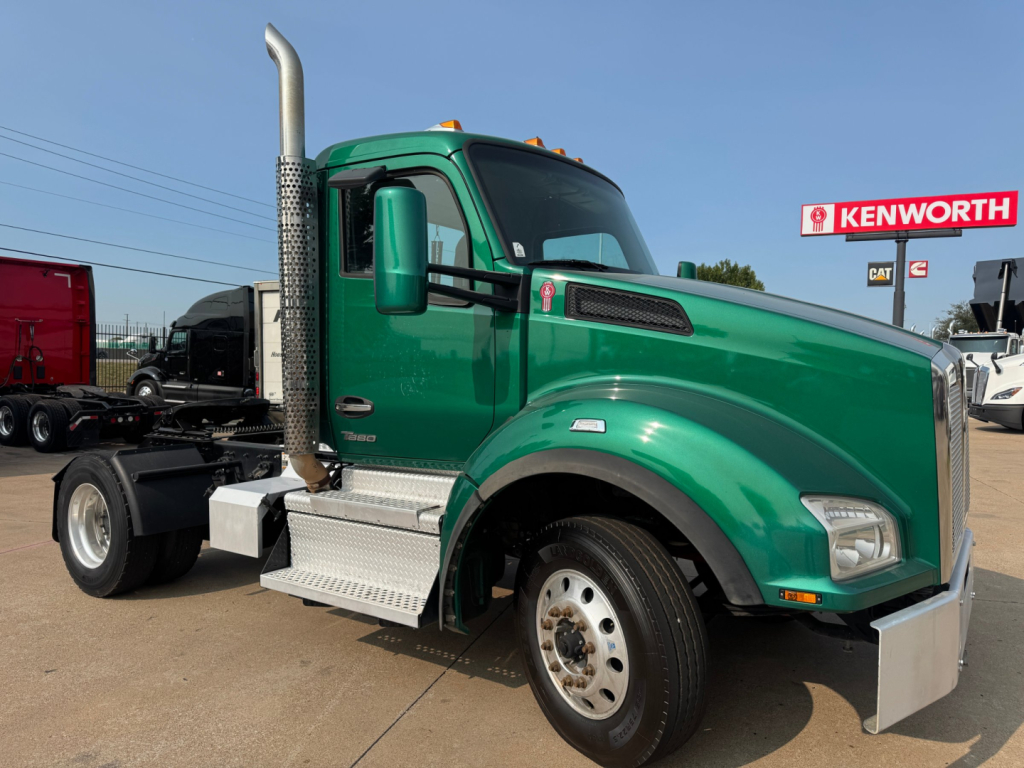
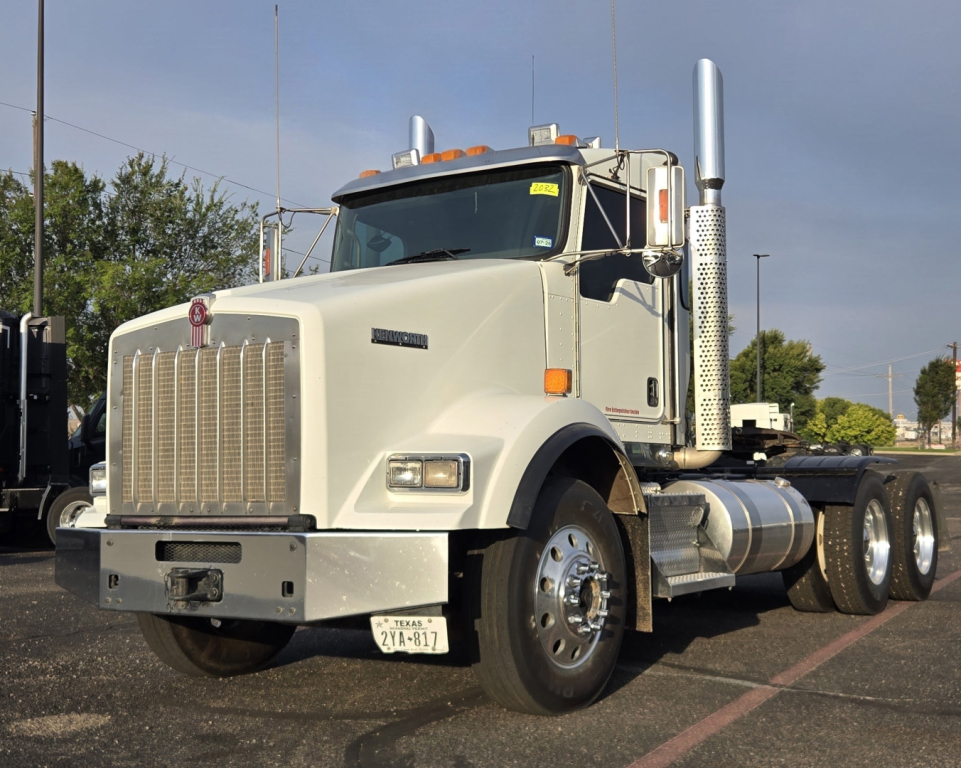
Selling a used kenworth conventional daycab truck? List your used kenworth conventional daycab truck for sale and reach thousands of commercial buyers.
Used Kenworth Conventional Daycab Trucks in Texas
For road tractor use, used Kenworth daycabs commonly show up with Cummins X15, PACCAR MX-series, or older Caterpillar power, usually paired with automated or manual transmissions and tandem rear axles around 40,000 pounds. Horsepower often lands in the 400 to 500 HP range for linehaul and regional freight. Buyers comparing a T680 or T600 should pay close attention to rear axle ratio, engine brake spec, suspension type, and wheelbase because those details directly affect fuel economy, maneuverability, and trailer compatibility. Air ride suspension, sliding fifth wheels, aluminum wheels, and dual fuel tanks are common fleet-friendly specs. In Texas, where trucks may split time between urban freight corridors and longer interstate pulls, a balanced spec with an efficient rear ratio and enough wheelbase for stable trailer handling is usually the sweet spot.
For medium-duty and vocational work, the Kenworth T270 is a very different machine even though it fits the same broad conventional cab profile. These trucks are often spec'd with PACCAR PX-7 engines, Allison automatic transmissions, single rear axles, and body packages for delivery, moving, beverage, or route service. A 26-foot van body with E-track, scuff liners or scuff plate, roll-up door, and liftgate is a common setup for city and regional distribution. Here, the key numbers are GVWR, rear axle rating, body length, door opening, and wheelbase. A shorter turning radius, automatic transmission, and air ride seat or suspension can make a real difference in stop-and-go Texas metro service around Houston, Dallas-Fort Worth, San Antonio, and Austin.
Condition matters more than badge loyalty on a used daycab. Review engine hours if available, not just miles, because local and PTO-style work can stack idle time quickly. Check DPF and aftertreatment service history on newer emissions trucks, inspect steering and suspension wear, and confirm that the frame layout matches the intended body or trailer setup. On highway tractors, look at fifth-wheel wear, driveline condition, and kingpin setting compatibility with the trailers being pulled. On straight trucks, inspect floor condition, liftgate capacity, door seals, and body corrosion or impact damage. A well-spec'd used Kenworth daycab can be an efficient replacement unit or a dependable fleet addition, but the right truck is the one whose axle ratings, cab configuration, and drivetrain match the route, load profile, and maintenance plan.
Frequently Asked Questions about Used Kenworth Conventional Daycab Trucks in Texas
What is the difference between a Kenworth daycab tractor and a Kenworth conventional straight truck?
A Kenworth daycab tractor is built to pull semi-trailers using a fifth-wheel assembly, while a conventional straight truck has the cargo body mounted directly to the chassis. In this category, both can appear under the conventional daycab umbrella because both use a conventional hooded cab without a sleeper. The right choice depends on whether the operation needs trailer interchange flexibility or a dedicated body such as a dry van, box, or delivery setup.
Which used Kenworth conventional daycab models are most common in Texas?
The most common used Kenworth conventional daycab models in Texas usually include highway-oriented trucks like the T680 and older T600, plus medium-duty models such as the T270. The T680 is often chosen for regional and local tractor duty with modern aerodynamics and higher horsepower diesel engines. The T270 is more common in pickup and delivery, box truck, and municipal or vocational applications where a single-axle chassis and automatic transmission are preferred.
What specs matter most when buying a used Kenworth daycab truck?
The most important specs are application-driven. For tractors, focus on engine make and horsepower, transmission type, rear axle ratio, suspension, tandem versus single axle, wheelbase, and fifth-wheel configuration. For straight trucks, focus on GVWR, body dimensions, liftgate rating, rear axle capacity, transmission, and cab-to-axle measurement. In both cases, service history, emissions system condition, and signs of frame or suspension wear should carry as much weight as model year.
Are used Kenworth daycabs good for local and regional freight?
Yes, used Kenworth daycabs are well suited for local and regional freight because they offer a shorter, lighter configuration than a sleeper truck while keeping the durability and serviceability expected in fleet use. A daycab is easier to maneuver in yards, city docks, and dense metro traffic, and it often has a lower acquisition cost and less unnecessary weight for short-haul work. The best results come from matching the axle ratio, horsepower, and wheelbase to the routes and trailer weights being run.
What should buyers inspect on a used Kenworth T270 box truck or delivery chassis?
On a used Kenworth T270 or similar medium-duty conventional truck, inspect both the chassis and the body as separate systems. Review engine and transmission service records, check brake and suspension wear, and confirm that the wheelbase and axle ratings suit the intended payload. On the body, inspect the roof, floor, roll-up door, scuff protection, E-track, and liftgate operation. Delivery trucks often live in dense stop-and-go service, so body condition, curbside damage, and idle-related engine wear are especially important.