
Used 2020 Kenworth Conventional Daycab Trucks For Sale
Browse used 2020 Kenworth conventional daycab trucks, including T-270 and other day cab setups for local delivery, vocational, and regional work.
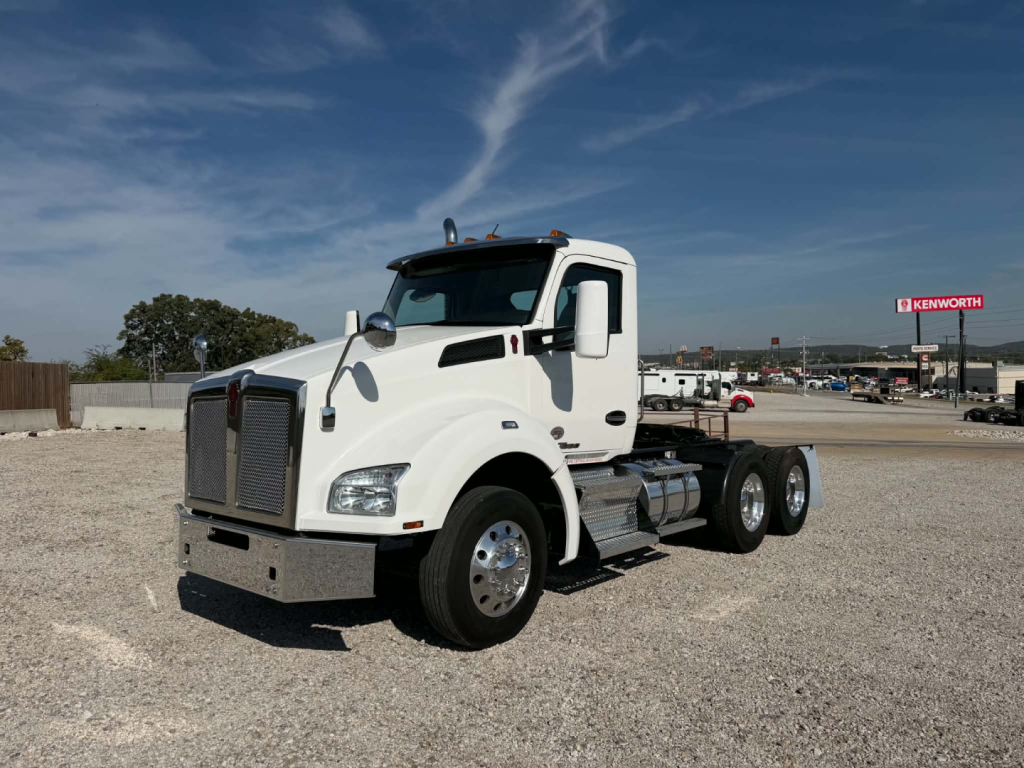
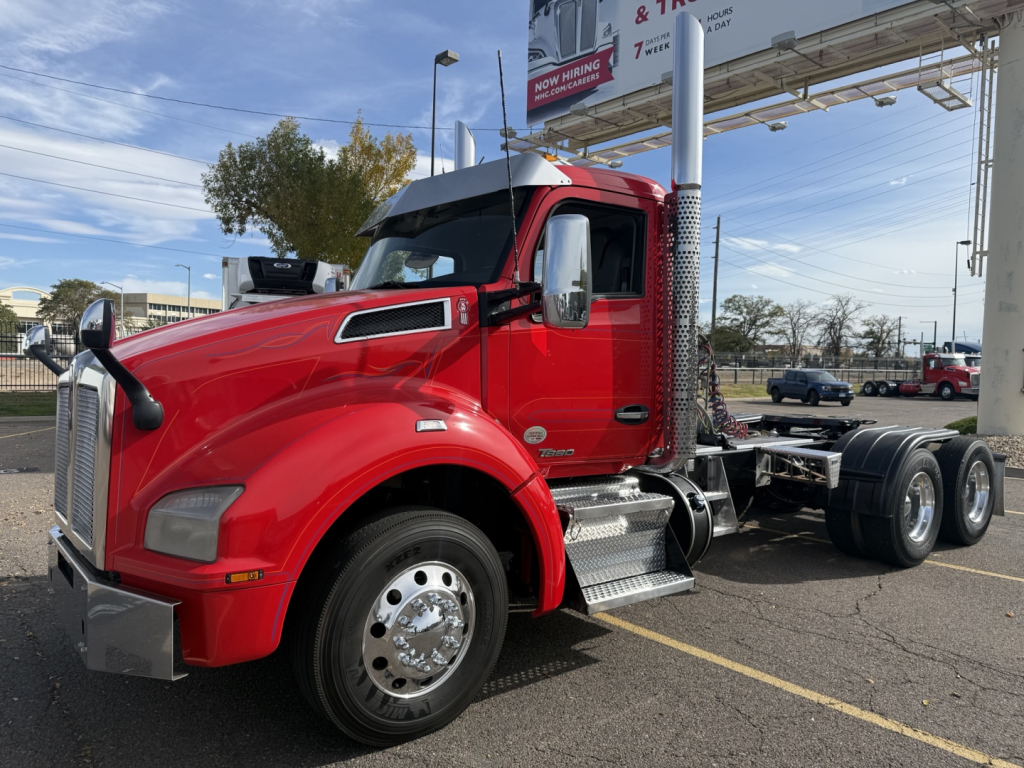
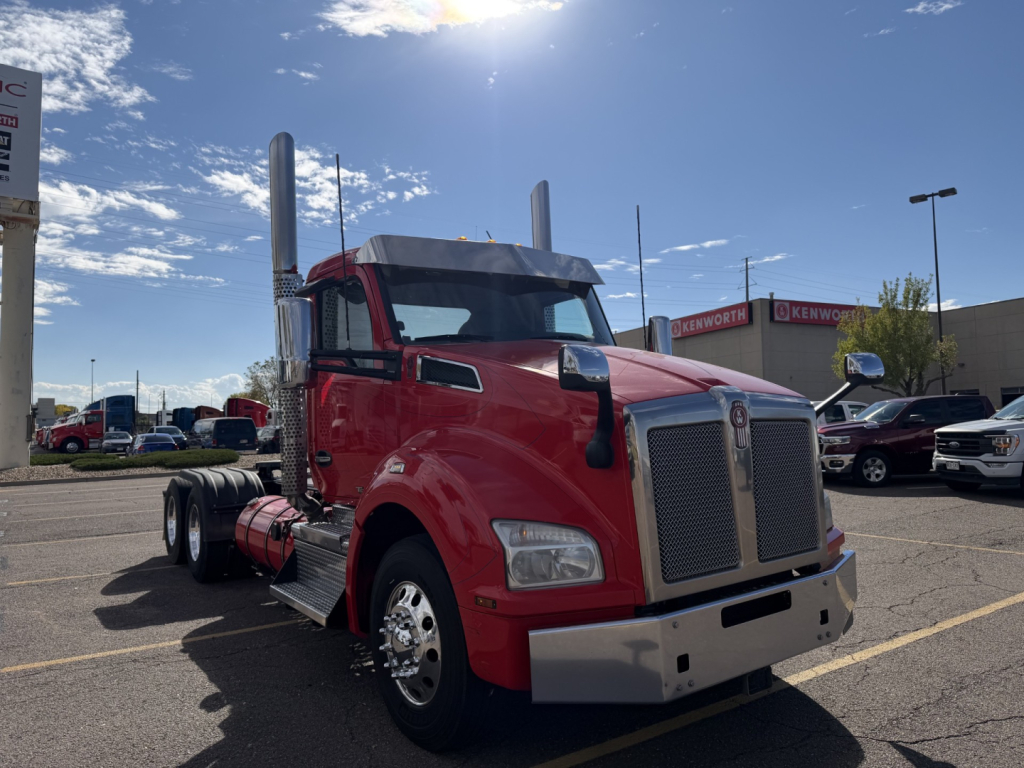
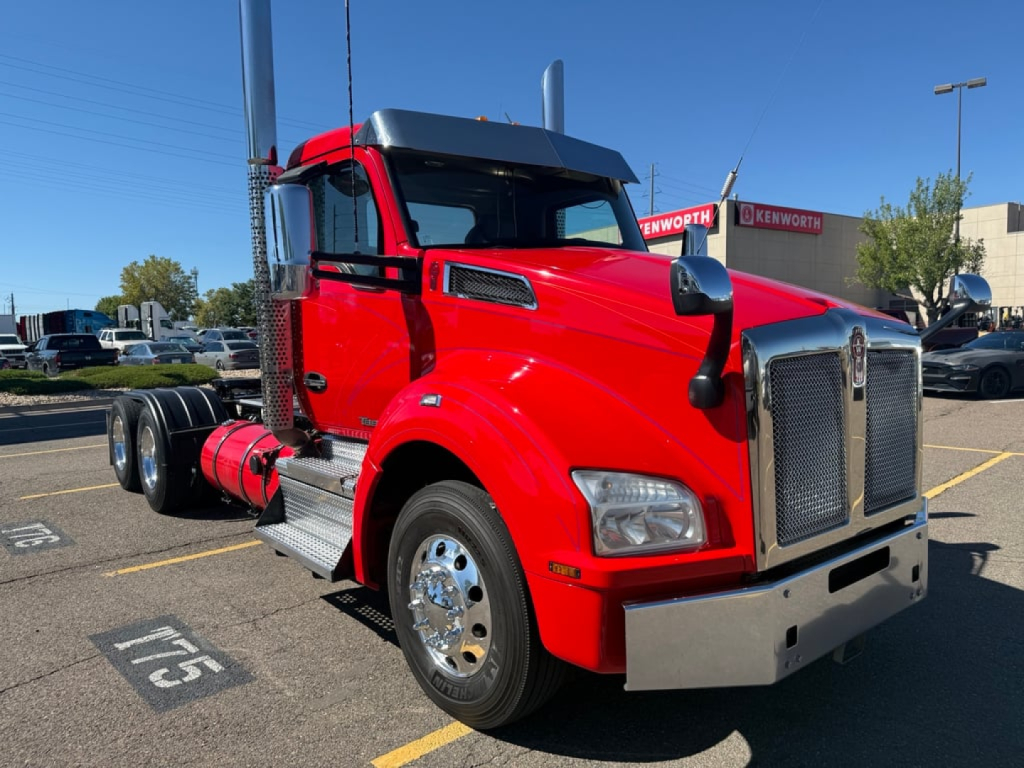
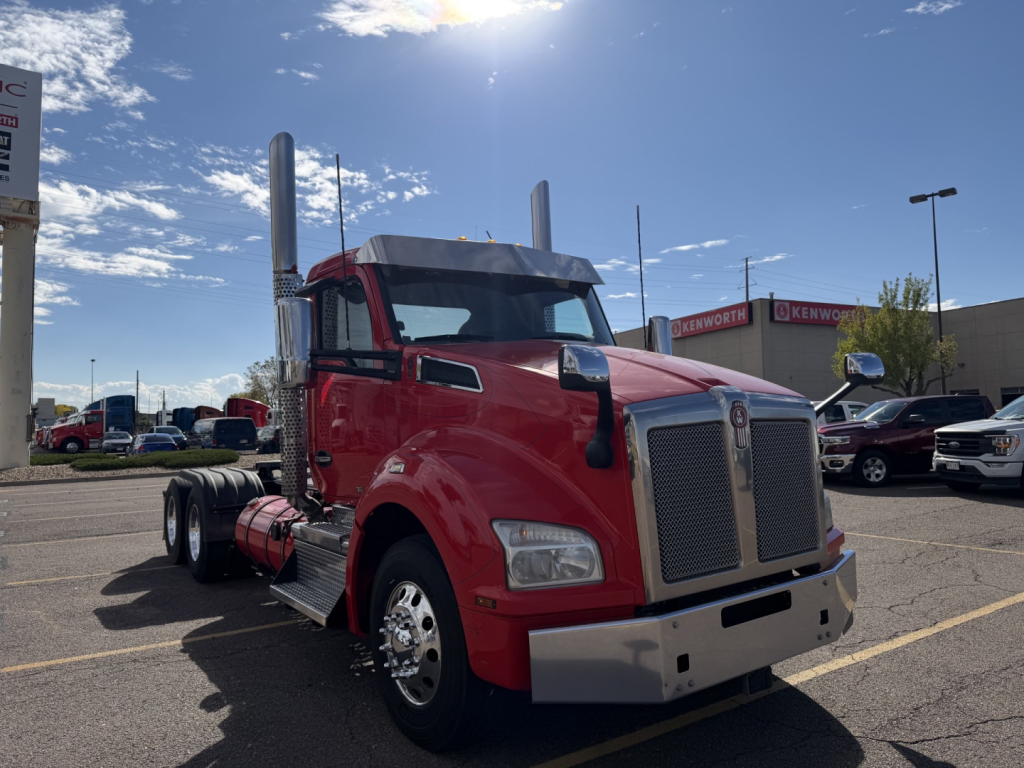
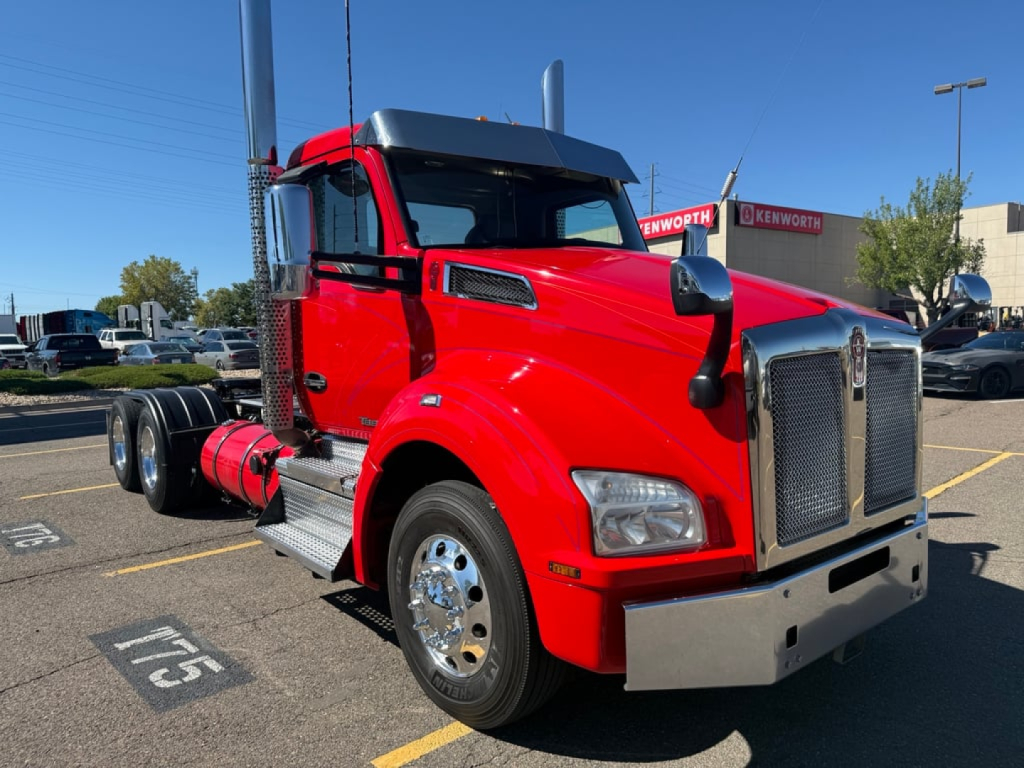
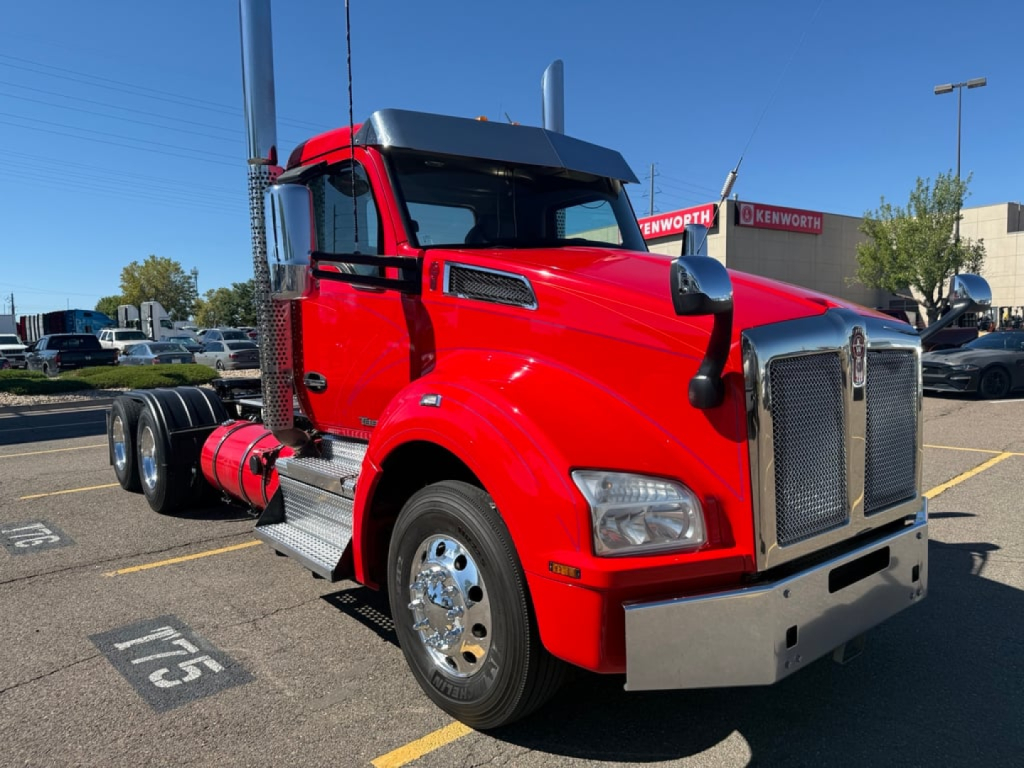
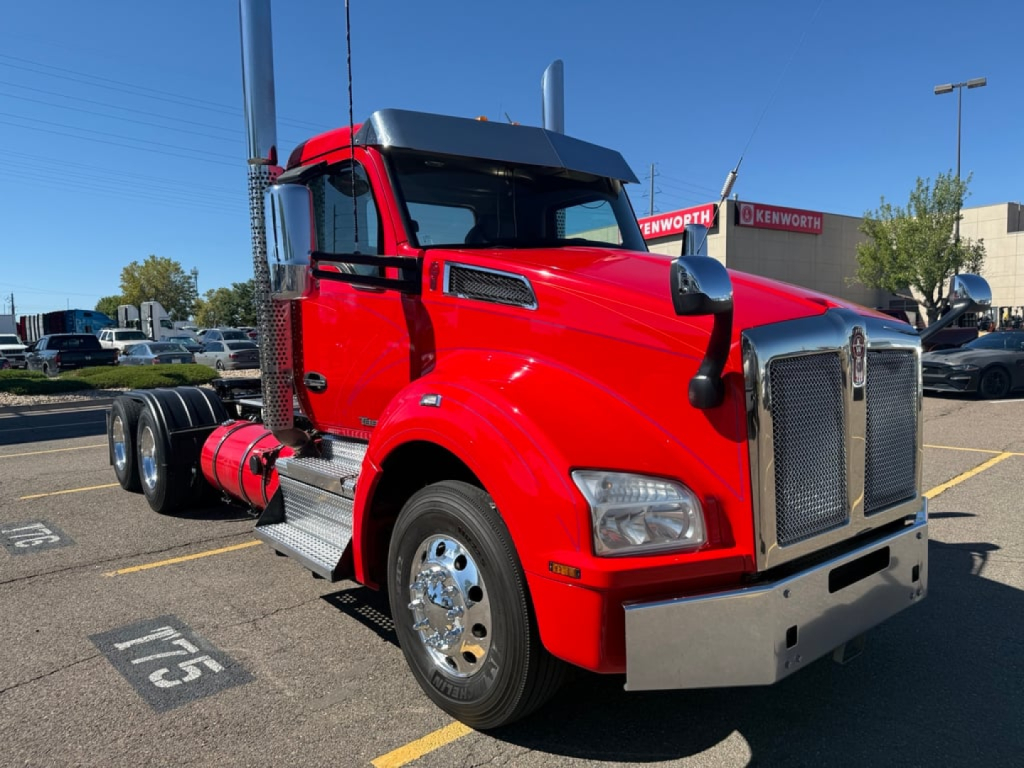
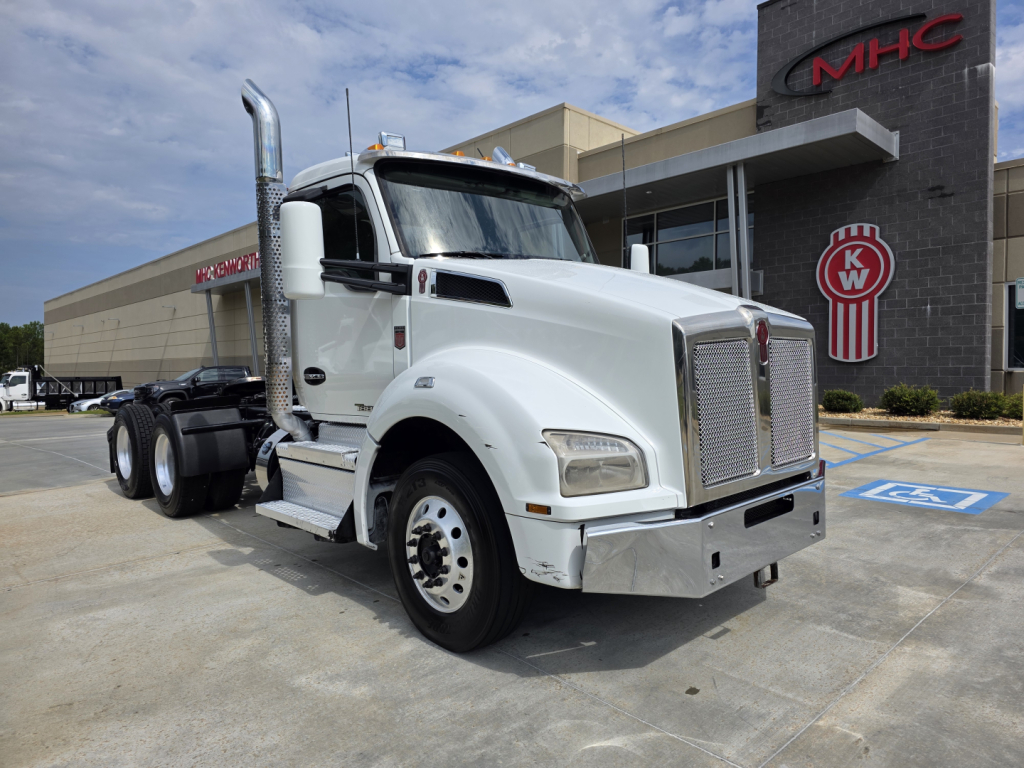
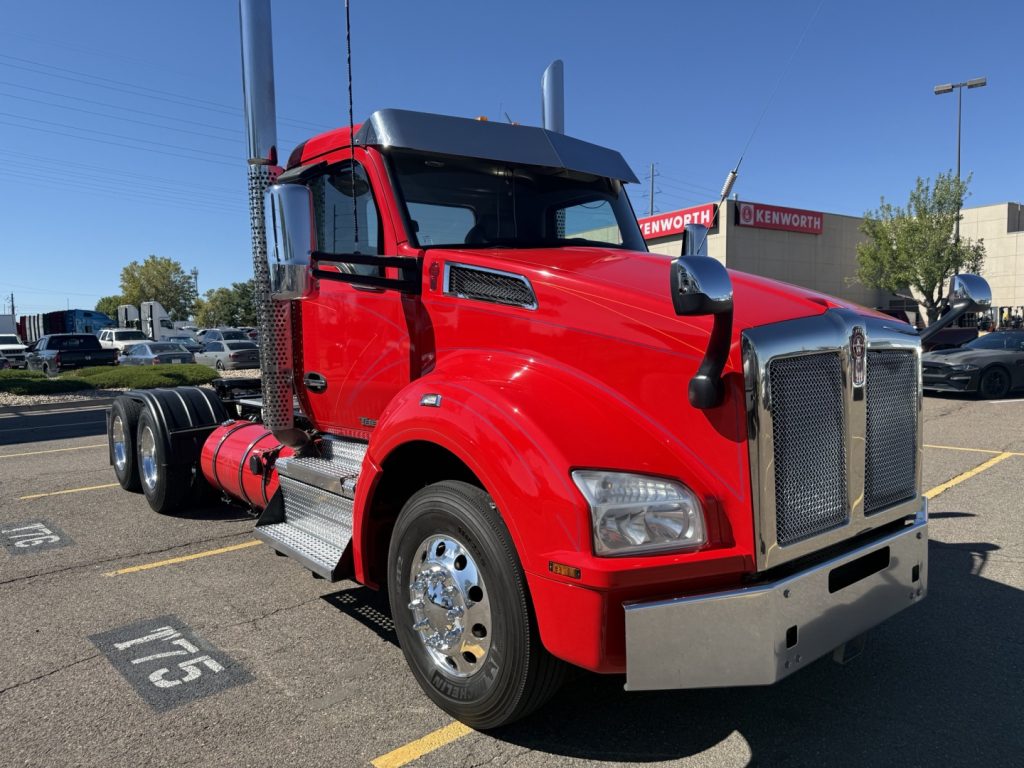
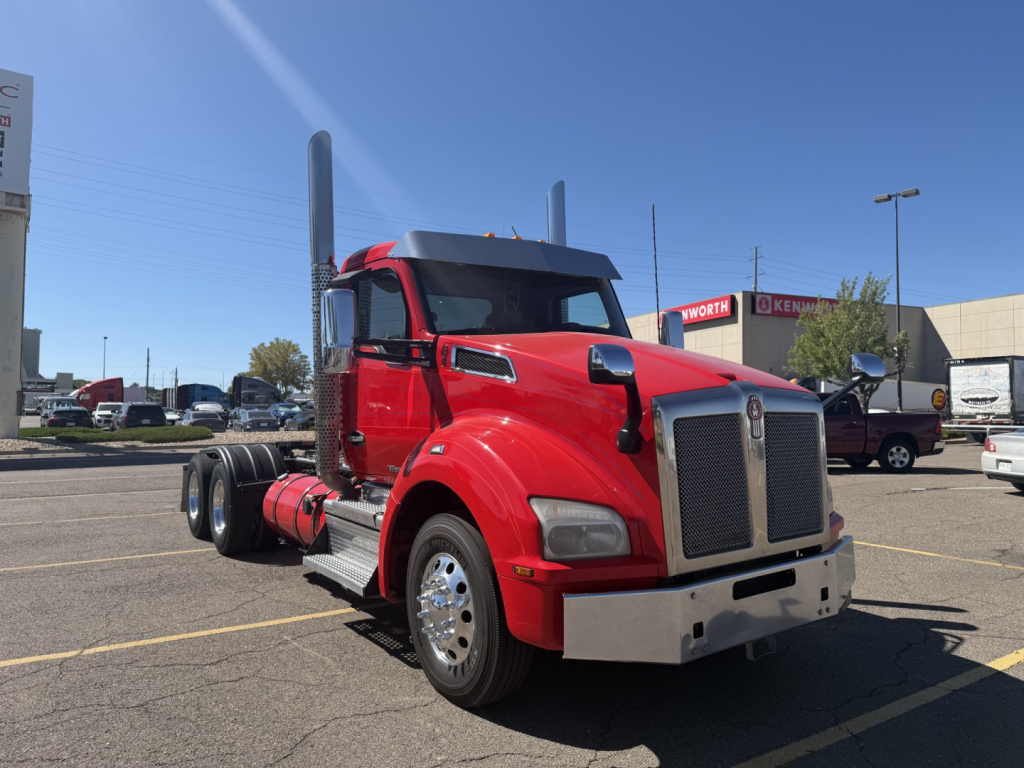
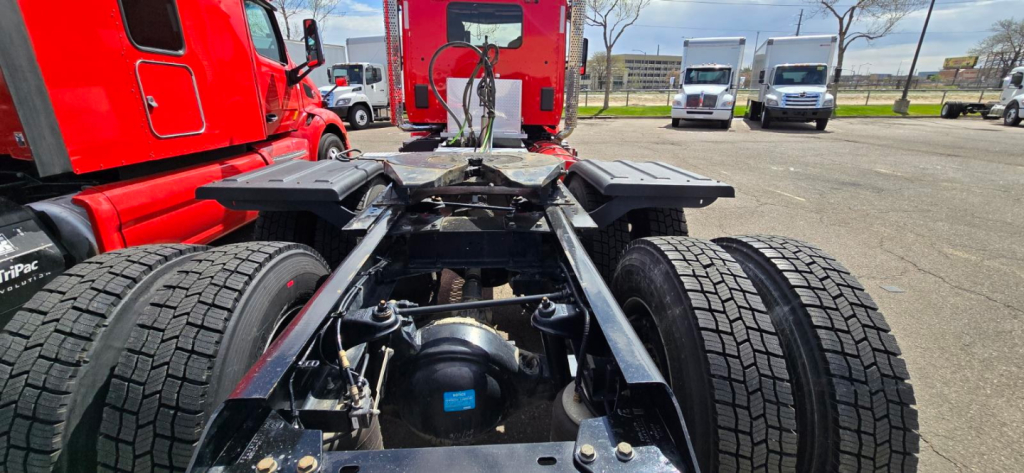
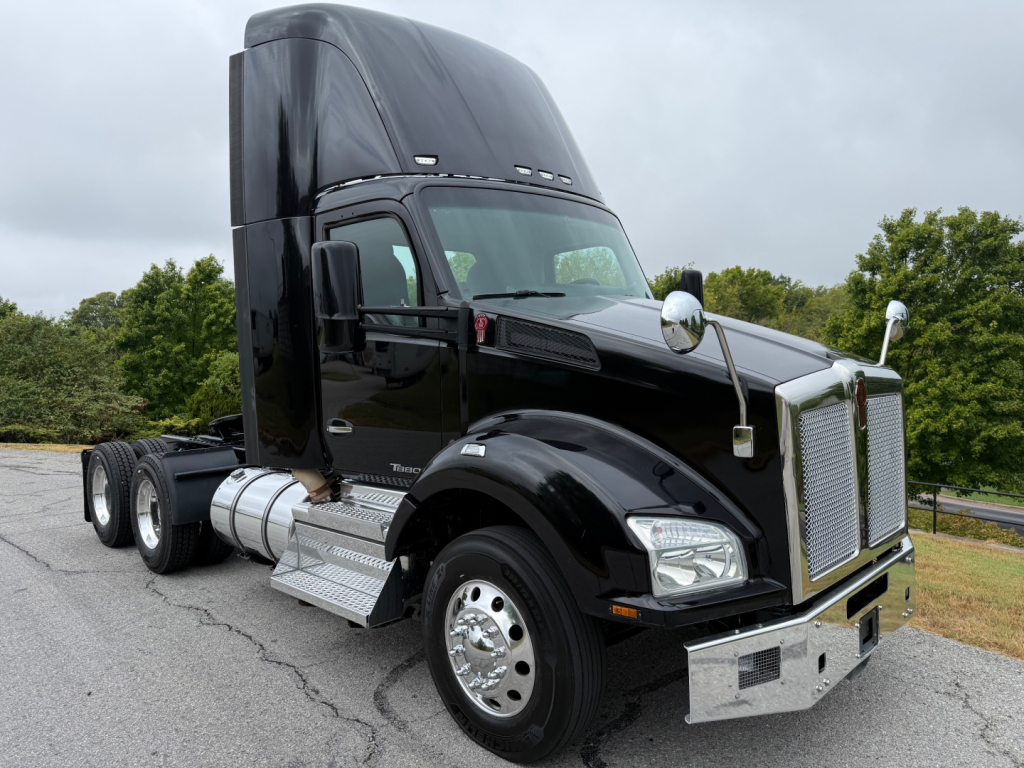
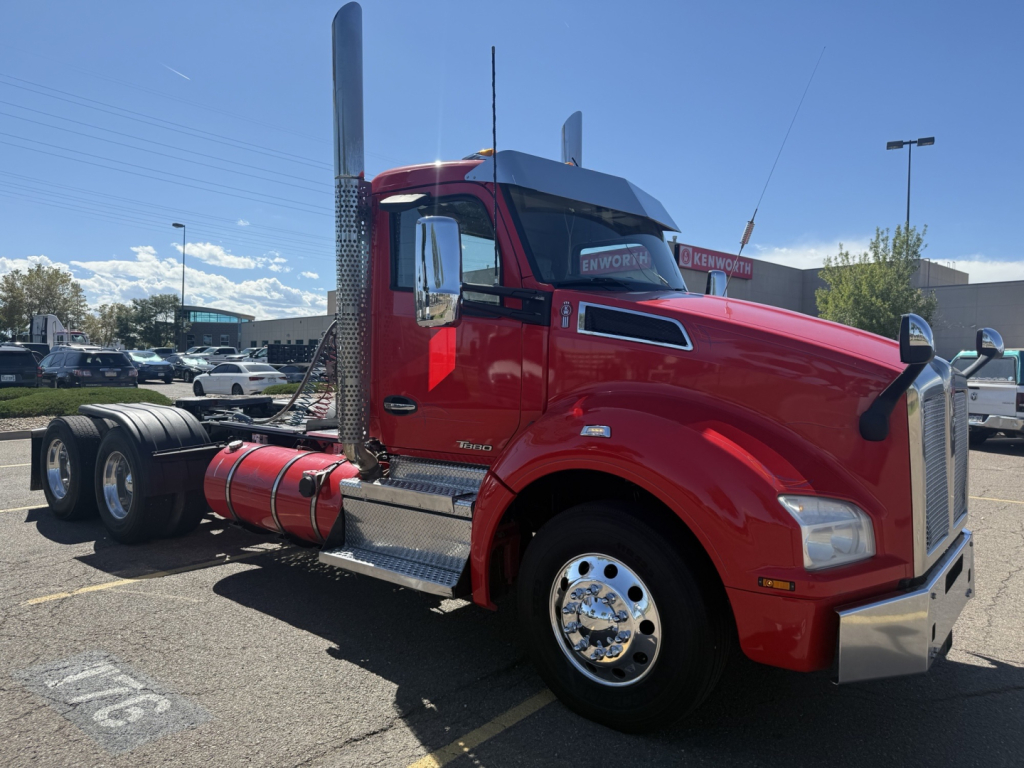
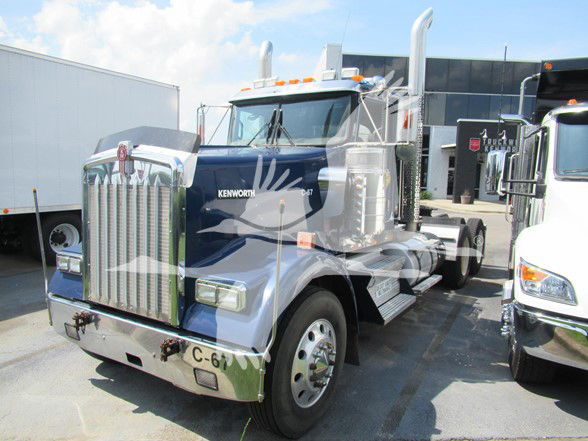

Selling a used 2020 kenworth conventional daycab truck? List your used 2020 kenworth conventional daycab truck for sale and reach thousands of commercial buyers.
Used 2020 Kenworth Conventional Daycab Trucks
On 2020 Kenworth day cabs, the spec sheet matters more than the badge on the hood. Medium-duty examples often use PACCAR PX-6 or PX-7 engines in the 200 to 300 horsepower range, paired with Allison automatics or Eaton transmissions, single rear axles, spring suspension, and wheelbases set up for van bodies, flatbeds, stake bodies, or other vocational equipment. Heavy-duty day cab versions are more likely to carry Cummins X15 or larger-displacement power, tandem rears, air ride suspension, and fifth-wheel setups for local and regional trailer moves. If the truck is a straight truck, confirm body length, GVWR, rear axle rating, door type, floor construction, tie-down system, and liftgate capacity if equipped. If it is a tractor, look closely at axle ratings, ratio, wheelbase, fifth-wheel travel, and whether the suspension and frame spec fit your trailer mix and payload targets.
Kenworth is a strong fit for buyers who prioritize driver ergonomics, serviceability, and a broad range of vocational configurations. The cab layout on many 2020 models typically includes tilt and telescoping steering, air conditioning, cruise control, power accessories, and good outward visibility, all of which matter on high-stop or local shuttle routes. For delivery applications, buyers should pay attention to rear axle ratio and transmission programming, especially on trucks operating in dense urban traffic or on short routes with frequent starts and stops. For heavier tractor applications, engine brake performance, suspension type, and front axle capacity can make a meaningful difference in daily productivity and driver control.
A used 2020 Kenworth conventional daycab should be evaluated around application match first, then maintenance history. Check for engine hours versus mileage, aftertreatment service records, brake and tire condition, suspension wear, and signs of body or frame modification. On straight truck configurations, inspect the body interior for scuffing, floor damage, roof condition, and E-track or liner condition if the truck handled freight. On tractor specs, inspect fifth-wheel wear, driveline condition, and evidence of chronic overloading. The best value usually comes from a truck whose original wheelbase, axle package, and powertrain were ordered for the same type of work you plan to do now.
Frequently Asked Questions about Used 2020 Kenworth Conventional Daycab Trucks
What are the most common uses for a used 2020 Kenworth conventional daycab truck?
A used 2020 Kenworth conventional daycab is commonly used for local delivery, city and regional freight, municipal service, vocational body applications, and terminal-to-terminal trailer moves. Medium-duty models such as the T-270 are often set up as straight trucks with van bodies or other work bodies, while heavier day cab tractors are used for dump, tanker, flatbed, and short-haul dry van operations. The right use depends on axle rating, wheelbase, suspension, and whether the truck is a straight truck or a tractor.
What should I check first on a 2020 Kenworth day cab before buying?
Start with the truck's original and current application. Confirm GVWR, axle ratings, wheelbase, engine, transmission, rear axle ratio, and suspension against the work you need it to do. After that, review maintenance records, engine hours, emissions system service history, brake wear, tire condition, and any body or frame alterations. A truck with the correct factory spec for your operation is usually a better buy than a lower-priced unit that needs major reconfiguration.
Is a 2020 Kenworth T-270 a good choice for straight truck delivery work?
Yes, the 2020 Kenworth T-270 is a common choice for medium-duty delivery and vocational work, especially when equipped with a van body, stake body, flatbed, or reefer body. Buyers often look for PACCAR PX-series engines, automatic transmissions, single rear axles, and wheelbases matched to body length and payload needs. It is particularly well suited for urban and regional routes where maneuverability, cab comfort, and body upfit flexibility matter.
What is the difference between a Kenworth daycab and a sleeper truck?
A Kenworth daycab, also called a non-sleeper conventional, does not have a sleeper compartment behind the seats. That makes it shorter, lighter in many configurations, and easier to maneuver than a sleeper truck. Day cabs are typically better for local and regional operations where the driver returns daily, while sleeper trucks are built for long-haul service that requires overnight accommodations. Buyers choosing between the two should focus on route length, payload, and turning-radius requirements.
Are automatic transmissions common in used 2020 Kenworth conventional daycab trucks?
Yes, automatic and automated transmissions are common in 2020 Kenworth day cab trucks, especially in medium-duty delivery and vocational specs. Allison automatics are frequently seen in straight truck applications because they work well in stop-and-go service. Heavier day cab tractors may use automated manual transmissions for fuel efficiency and driver consistency. The transmission choice should match the route profile, driver pool, and expected start-stop frequency.