
Used Kenworth Conventional Day Cab Trucks For Sale in Oklahoma
Compare used Kenworth conventional day cab trucks in Oklahoma by gearing, axle ratings, emissions history, and cooling-system condition for local work.
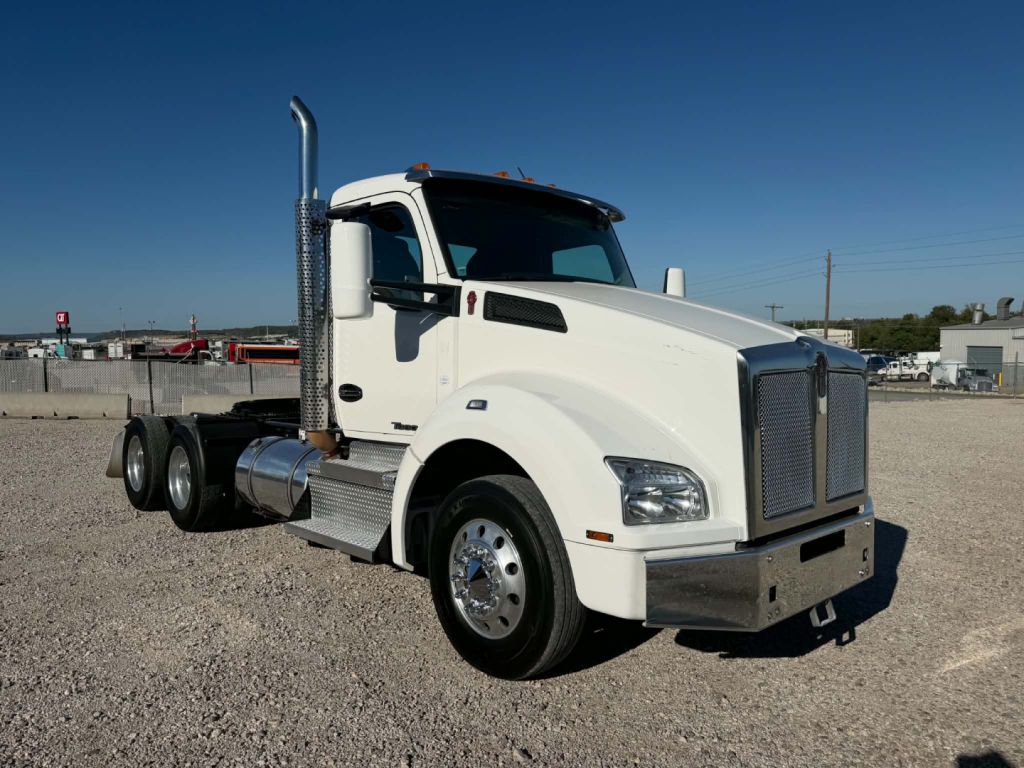
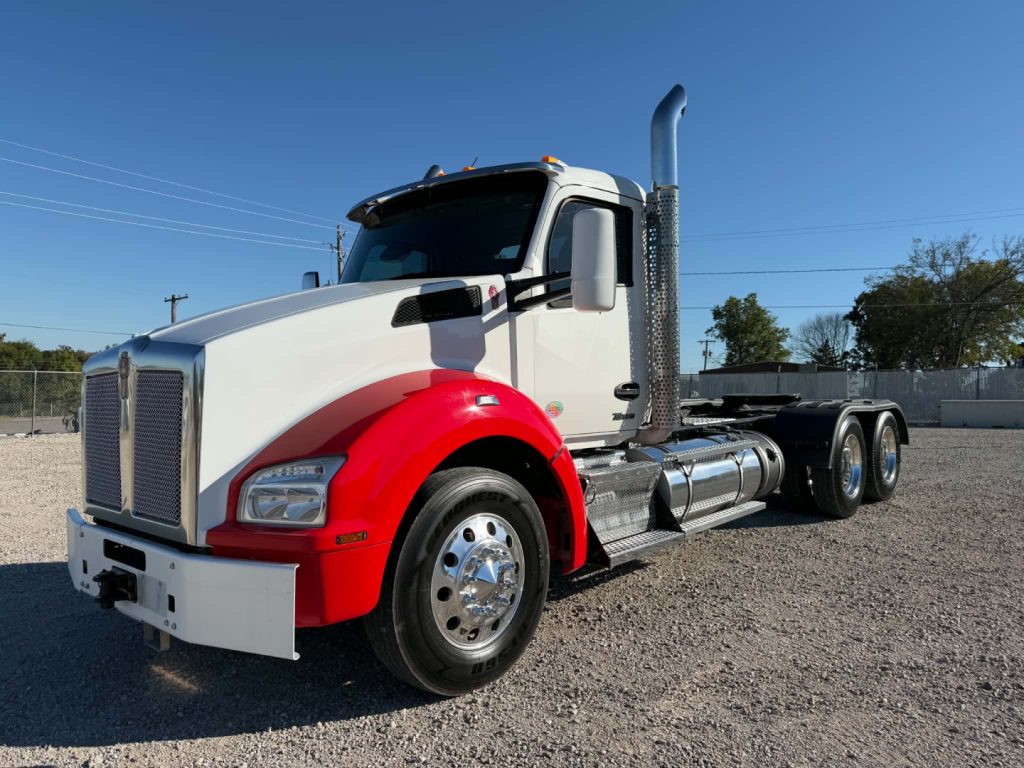
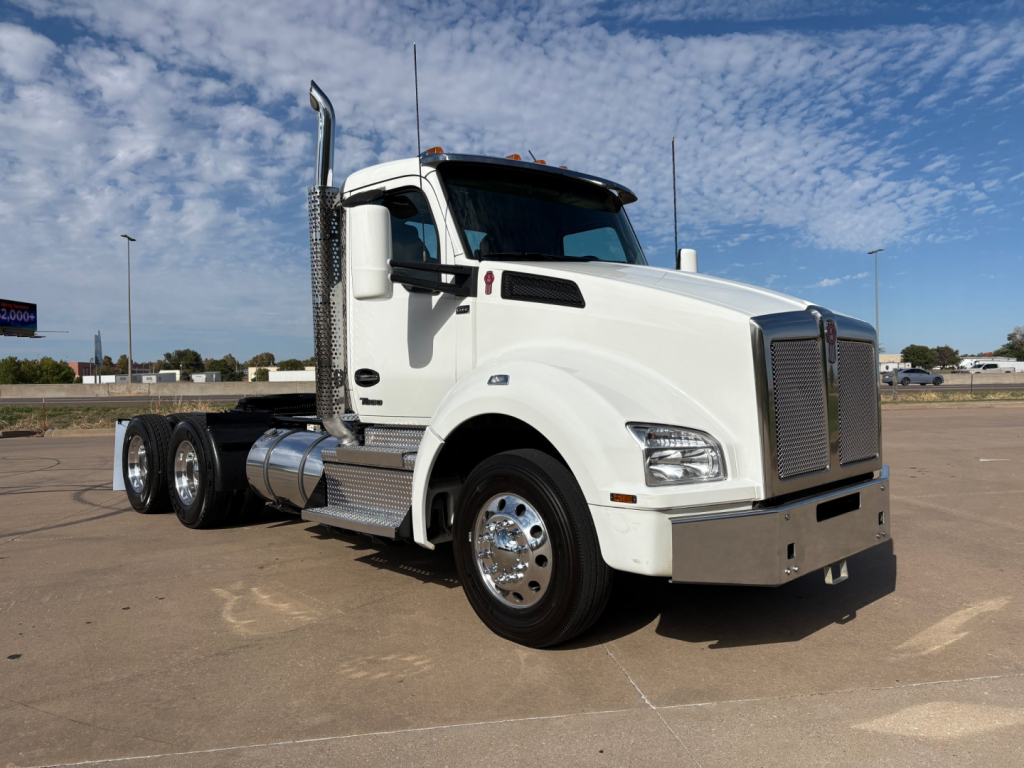
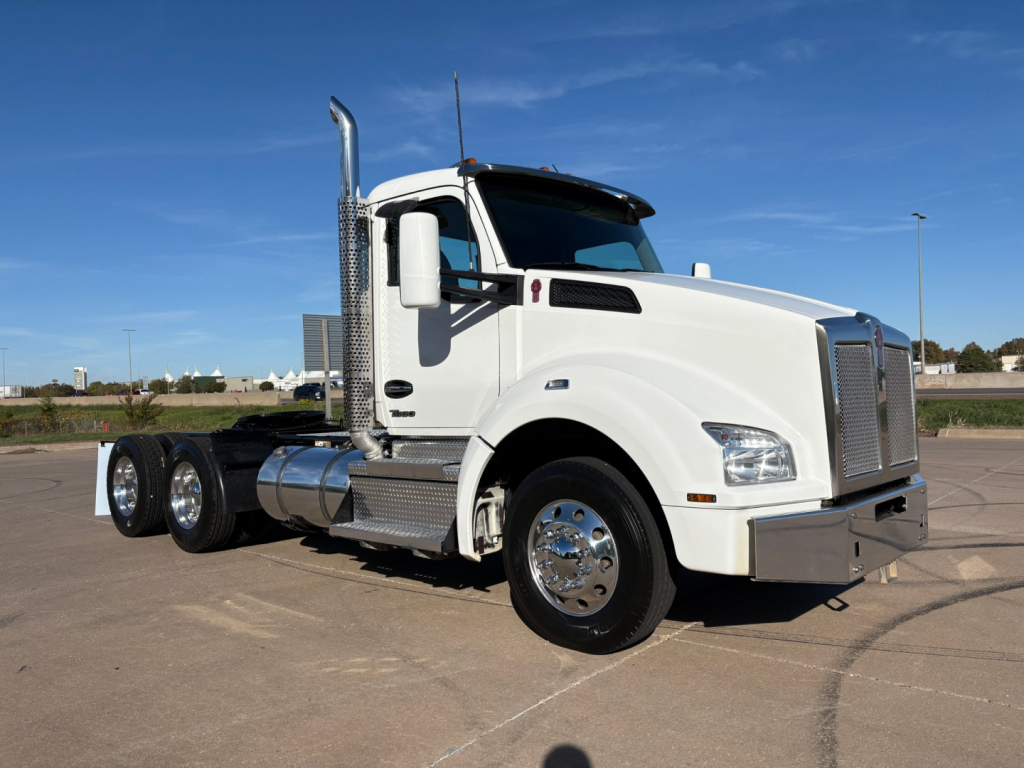
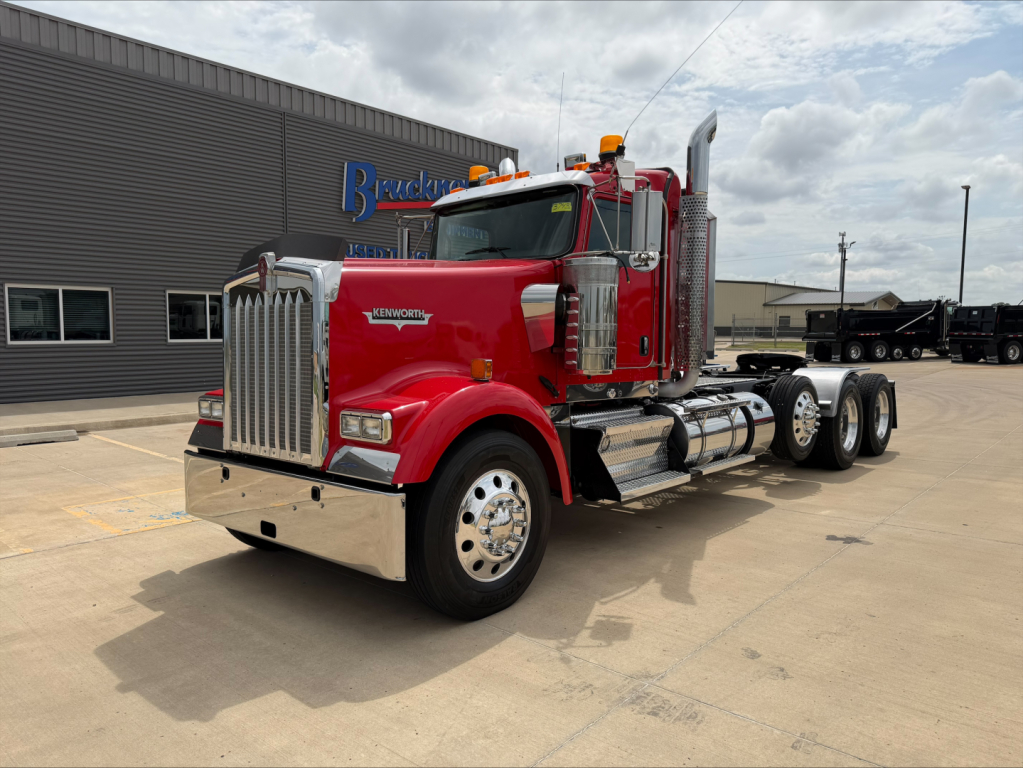
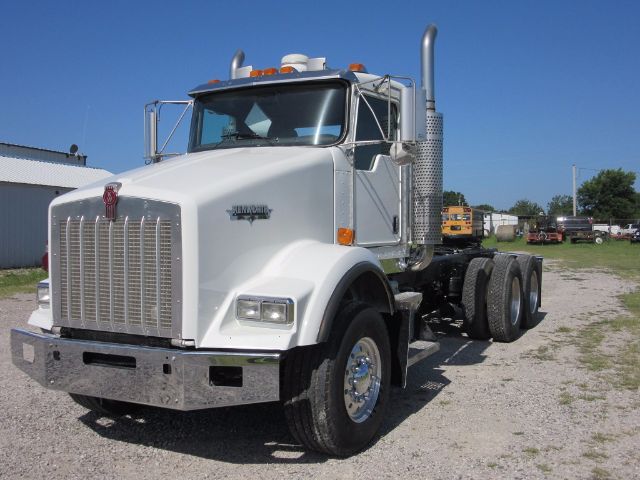

Selling a used kenworth conventional day cab truck? List your used kenworth conventional day cab truck for sale and reach thousands of commercial buyers.
Used Kenworth Conventional Day Cab Trucks in Oklahoma
Later Kenworth day cabs commonly pair a PACCAR MX-13 or Cummins X15 with an Eaton manual or automated transmission, while older T800s may carry Caterpillar C15 power. Compare ECM mileage, engine hours, idle time, and fault history with maintenance records, then inspect fifth-wheel wear, suspension bushings, steering play, and frame repairs. Most 2007-era diesels added DPF systems, and 2010-era engines commonly added SCR and DEF; verify the engine's actual emissions configuration and reject deleted systems. Oklahoma heat and oilfield dust make cooling-system condition, air-cleaner sealing, and charge-air piping inspection priorities. On older heavy-spec chassis, look for corrosion trapped between double frame rails and documentation of engine or driveline rebuilds.
Frequently Asked Questions about Used Kenworth Conventional Day Cab Trucks in Oklahoma
Is a 2.79 rear axle ratio too tall for a Kenworth day cab doing Oklahoma oilfield work?
A 2.79 rear axle ratio needs sufficient transmission reduction to handle loaded oilfield starts without excessive clutch slip. On a used Kenworth day cab, evaluate the transmission's lowest gear, tire diameter, expected gross weight, and starting grade together. A numerically higher axle ratio can improve low-speed control, but highway engine speed also rises unless transmission gearing compensates.
Will any wet kit on a used Kenworth day cab run my trailer?
An end-dump wet kit may not provide the flow, reservoir capacity, or return plumbing required by a walking-floor trailer. Before buying a used Kenworth day cab, match pump displacement, operating pressure, PTO speed, oil capacity, and couplings to the trailer manufacturer's specifications. Inspect hoses for chafing and check for aerated or contaminated hydraulic oil.
How much weight can a Kenworth day cab legally haul in Oklahoma?
A Kenworth day cab tractor-trailer operating under standard Oklahoma Interstate limits is generally capped at 80,000 pounds gross, subject to the federal bridge formula. Standard limits also include 20,000 pounds on a single axle and 34,000 pounds on a tandem. Higher-rated axles do not automatically authorize heavier loads; axle spacing, tire capacity, registration, route restrictions, and any required permits still govern.
How do I inspect an automated transmission in a used Kenworth day cab?
A loaded road test and a transmission diagnostic report are the strongest checks on an automated transmission in a used Kenworth day cab. Check cold and hot engagement, reverse operation, shift quality, and warning history. Review clutch wear data where supported, plus clutch and actuator replacement records. Diagnose persistent shudder or delayed engagement before assuming calibration alone will correct the problem.
Does factory warranty transfer with a late-model used Kenworth day cab?
Remaining factory coverage must be verified by VIN, component serial numbers, and the original in-service date before buying a used Kenworth day cab. Engine, aftertreatment, transmission, and chassis coverage can have different time, mileage, and hour limits. Confirm transfer requirements with the applicable manufacturer and obtain written coverage details, including exclusions and any required maintenance documentation.